
Keto Electrolyte Supplements: What to Take for Energy, Cramps & Hydration
This post may contain affiliate links. If you purchase through these links, I may earn a small commission at no extra cost to you. LEARN MORE.
Starting a ketogenic diet really shakes up how your body manages energy, hydration, and essential minerals. When you cut carbs, insulin drops, and suddenly your body flushes out a lot more sodium and water than you might expect.
This can lead to muscle cramps, fatigue, and those annoying headaches if you don’t replace the minerals you’re losing. The right keto electrolyte supplements help restore sodium, potassium, magnesium, and calcium levels, supporting energy, focus, and hydration.
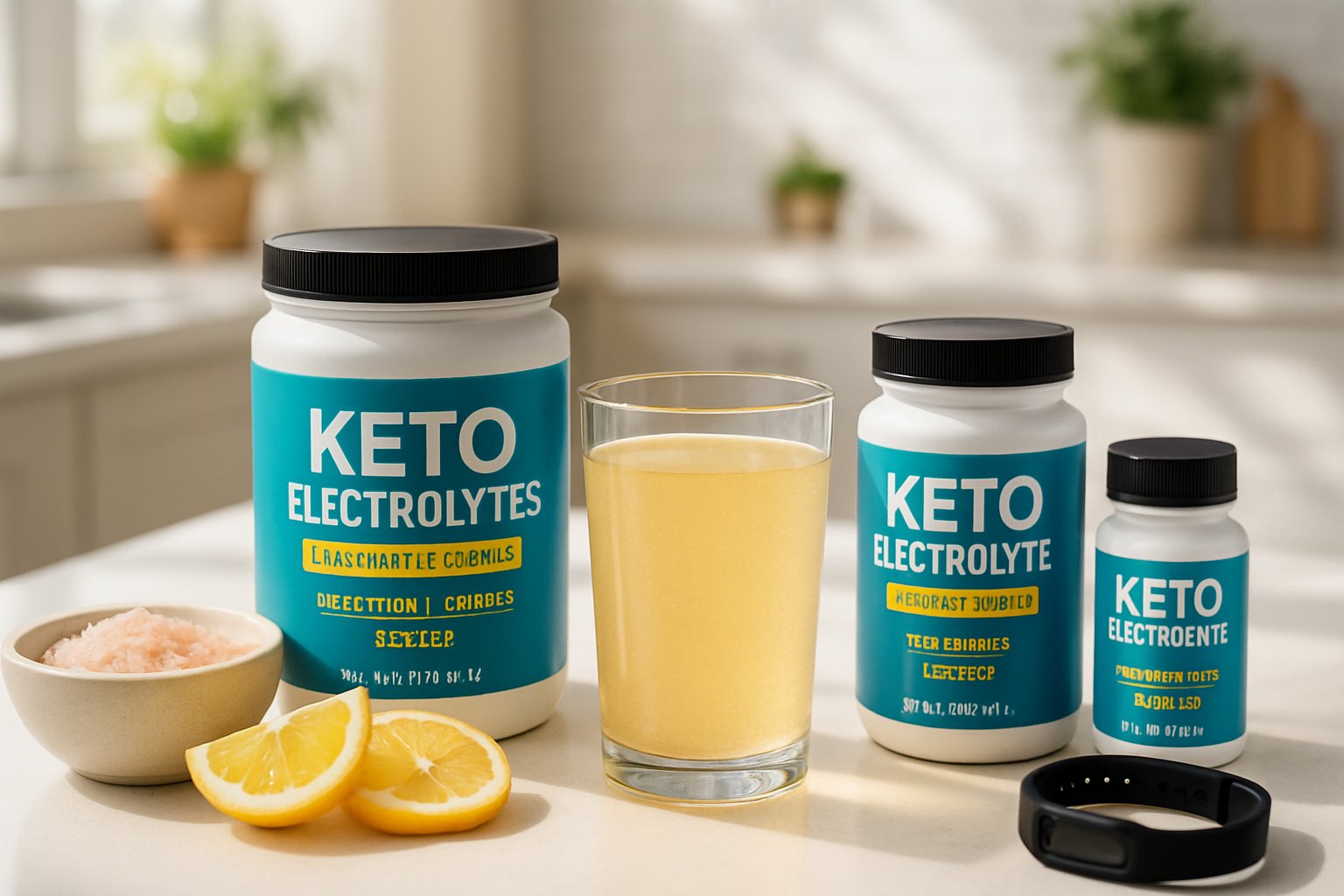
Picking an electrolyte supplement for keto isn’t just about dodging the “keto flu.” It’s also about keeping your energy steady and making sure your muscles and nerves keep doing their thing.
Quality formulas balance electrolytes without loading you up on sugar or weird fillers, so your body can get used to burning fat without all the drama. If you stick with it, you’ll probably notice better endurance, less fatigue, and fewer cramps—especially if you work out or fast now and then.
f you are struggling with early keto symptoms, this complete guide on Keto Flu Explained: Causes, Symptoms & Fast Relief will help you stabilize your transition faster.
Key Takeaways
- Electrolytes are essential for energy, hydration, and muscle function on a keto diet.
- The right supplements replace lost minerals and prevent symptoms like cramps or fatigue.
- Clean, balanced formulas support long-term success and performance on keto.
Why Electrolytes Matter on a Keto Diet
Electrolytes keep your muscles firing, nerves working, and hydration on track, which gets even more important when you drop carbs. If you don’t replace them, ketosis can leave you wiped out, crampy, or dizzy—none of which is fun when you’re just trying to eat healthier.
Connection Between Ketosis and Electrolyte Loss
When you start keto, your body flips from burning sugar to burning fat for fuel. As insulin drops, your kidneys get busy flushing out sodium and water, which drags potassium, magnesium, and chloride along for the ride.
This is why the “keto flu” hits—headaches, fatigue, cramps. Glycogen (that’s your stored carb energy) holds water, so as it disappears, your body dumps both water and electrolytes.
All that extra urination makes the loss worse. Over a few days, blood volume drops and hydration can really get off balance unless you’re careful about replacing those minerals.
Eating foods like avocados, leafy greens, eggs, and adding some salt—or going for keto electrolyte supplements—makes the switch to fat-burning a lot smoother and helps you keep your energy up.
Electrolyte balance directly affects fat-burning efficiency, which is why understanding metabolism is essential as explained in How to Boost Metabolism on Keto: Proven Tips.
Common Causes of Electrolyte Imbalance
An electrolyte imbalance happens when sodium, potassium, calcium, or magnesium levels get too low or high. On keto, a few things make this more likely:
| Cause | Description |
|---|---|
| Fluid Loss | Frequent urination from glycogen depletion and ketone production increases mineral excretion. |
| Sweating | Physical activity and heat promote sodium and potassium loss through sweat. |
| Limited Food Variety | Relying on processed or restricted foods reduces intake of mineral-rich ingredients. |
| Medications | Some diuretics or insulin can alter fluid and electrolyte levels. |
Even a bit of dehydration can make symptoms like muscle weakness, dizziness, or a funky heartbeat worse. Keeping an eye on hydration and eating more nutrient-dense, less processed foods can help keep things balanced.
Role in Hydration and Energy Levels
Electrolytes basically decide how water moves in and out of your cells. When they drop, dehydration hits faster—hence the dry mouth and sluggishness that often show up in week one of keto.
Keeping sodium and potassium steady keeps fluids where they should be and helps blood pressure stay normal. Magnesium and calcium also matter for energy and muscle action—they help your body contract muscles and send nerve signals, which you’ll notice if they get too low (hello, fatigue and bad workouts).
Adding electrolyte supplements or just getting more minerals from foods and broths can keep hydration and energy a lot more stable while you’re in ketosis.
Many keto followers pair proper electrolyte intake with Keto Creator to support steady fat-burning energy while avoiding fatigue and crashes.
Essential Electrolytes for Energy, Cramps, and Hydration
When you’re in ketosis, your body dumps more fluids and minerals than usual. That means you need more of certain electrolytes to keep energy up, nerves firing, and hydration on point.
Getting the right mix of these minerals can help you dodge cramps and fatigue, and keep you moving—mentally and physically.
Sodium: The Most Critical Electrolyte
Sodium is the MVP for fluid balance and steady blood pressure. Cut carbs, and your kidneys start flushing out sodium and water fast.
Without enough sodium, you’ll probably feel wiped out, dizzy, or get muscle cramps. Most keto plans suggest 3,000–5,000 mg sodium daily, maybe even more if you’re active.
Sea salt, electrolyte drinks, or a good broth can help you top up quickly. Sodium also helps nerves send signals and moves nutrients like glucose and amino acids into your cells.
Keeping sodium up can help you skip the “keto flu” and stay hydrated, since low sodium can actually make you feel dehydrated even if you’re drinking plenty of water.
Potassium: Fluid Balance and Muscle Function
Potassium works with sodium to keep your fluids balanced and your muscles working. If potassium drops, you might notice fatigue, muscle weakness, or cramps, especially early on when you’re losing more in your urine.
Adults generally need 3,500–4,700 mg per day. Avocados, spinach, salmon, and mushrooms are all good keto-friendly sources.
Potassium also matters for your heart rhythm and nerve function—essentials for steady energy and movement. If you supplement with potassium chloride or powders, be careful not to overdo it, since too much can stress your kidneys or mess with your heartbeat.
If you’re on meds like diuretics, it’s smart to talk to your doctor before adding potassium supplements.
Magnesium: Nerve, Muscle, and Sleep Support
Magnesium is involved in over 300 reactions in your body, from muscle relaxation to nerve transmission and energy production.
Not getting enough can bring on leg cramps, trouble sleeping, or crankiness—all pretty common when starting keto. Most folks need 300–400 mg daily, and supplements like magnesium citrate or glycinate are easier to absorb.
Pumpkin seeds, almonds, and leafy greens are good food sources. Magnesium also helps balance other electrolytes like calcium and potassium, which keeps your muscles contracting and relaxing like they should.
Keeping magnesium in check can make workouts less brutal and cut down on cramping when carbs are low.
Taking Magnesium Complex Capsules in the evening can significantly reduce nighttime cramps and improve sleep quality.

- Maximum Absorption & Potent Magnesium Supplement: BioEmblem Triple Magnesium Complex features 300mg of three types of pu…
- Supports Healthy Nerves: Magnesium, especially in mag glycinate form, is an essential nutrient that supports healthy mus…
- Promotes Heart Health And Energy Production: As a cofactor in hundreds of enzyme reactions, magnesium, especially magnes…
Other Key Minerals: Calcium, Chloride, Phosphorus, and Trace Minerals
Besides sodium, potassium, and magnesium, a few other minerals help keep your electrolyte balance and muscles functioning right.
- Calcium keeps bones strong and muscles contracting. You’ll want about 1,000–1,300 mg daily, which you can get from cheese, yogurt, and canned fish.
- Chloride (usually with sodium in salt) helps with acid-base balance and makes stomach acid for digestion.
- Phosphorus is key for making ATP, your body’s main energy source. Meats, dairy, and eggs are all good keto options.
- Trace minerals like zinc, selenium, and chromium support enzyme activity and immune function, backing up your energy and recovery.
These lesser-known electrolytes help your hydration, muscle performance, and energy production stay steady while you’re on keto.
Recognizing and Addressing Electrolyte Imbalance Symptoms
Keto makes you lose sodium, potassium, and magnesium faster than usual. That can bring on symptoms that mess with your energy, muscles, and hydration.
Spotting these issues early can help you catch problems before they really mess with your day.
Fatigue and Low Energy
Low electrolytes are a big reason for keto fatigue. You end up feeling tired and sluggish because your muscles and nerves can’t send signals right when sodium and potassium drop.
Magnesium issues just pile on, messing with how your cells make energy. Getting a good mix of electrolytes back in—through salted foods, leafy greens, or blends with sodium, potassium, and magnesium—can help you feel more like yourself in a few days.
Even small changes in hydration can make a difference. Drinking plain water without minerals can dilute your sodium and make you feel even more tired, so pairing water with electrolytes is smarter than just chugging water alone.
Pay attention to how your energy shifts after eating or working out—it might give you a clue about which minerals you need most.
Muscle Cramps and Leg Cramps
Muscle cramps—especially those annoying keto leg cramps at night—are usually a sign you’re low on magnesium, potassium, or sodium.
These minerals control how your muscles contract and relax, so when they’re off, you get tightness, pain, or stiffness. The fix? Tweak your diet and fluids.
Eating avocados, spinach, and nuts boosts potassium and magnesium. Adding salt to meals or sipping bone broth helps with sodium.
Sometimes a small electrolyte supplement before bed can keep cramps away while you sleep. Staying active helps your circulation and can cut down on cramp frequency, too.
A bit of gentle stretching after exercise or before bed can keep your muscles flexible. If you listen to your body and tweak things as needed, you’ll usually keep cramps and other symptoms in check.
Severe leg cramps can also be worsened by poor nutrition, which is why these Top 10 Muscle Recovery Foods That Speed Up Healing play an important supporting role.
Keto Flu Symptoms
The group of symptoms called the keto flu—fatigue, irritability, muscle weakness, and nausea—usually shows up during the first week of keto adaptation. This happens because your body sheds water and electrolytes as you cut back on carbs.
During this phase, sodium loss can throw off your water balance and make things worse. Adding electrolyte drinks or salted broth helps smooth out the transition.
Potassium and magnesium supplements also support muscle and nerve function. They can help prevent tension headaches and that annoying feeling of weakness.
Frequent, small doses of electrolytes throughout the day work better than one big serving. Gradually easing into keto can help your body adjust to burning fat for fuel—and might make the whole thing less miserable.
Headaches and Dizziness
Headaches and dizziness are pretty common when electrolytes (especially sodium) drop too low. Less sodium means your blood volume goes down, which can cause light-headedness and weird pressure changes.
This stuff often pops up after sweating, fasting, or heavy workouts while in ketosis. Replenishing sodium with water and a pinch of salt, mineral-rich broth, or electrolyte tablets can help surprisingly fast.
Adding magnesium supports blood vessel relaxation, which can take the edge off headaches. It’s worth keeping hydration balanced—not too little, not too much.
Drinking too much water without electrolytes can actually make things worse by diluting sodium. Keeping an eye on your intake and replacing what you lose helps keep dizziness and headaches at bay.
Forms of Keto Electrolyte Supplements
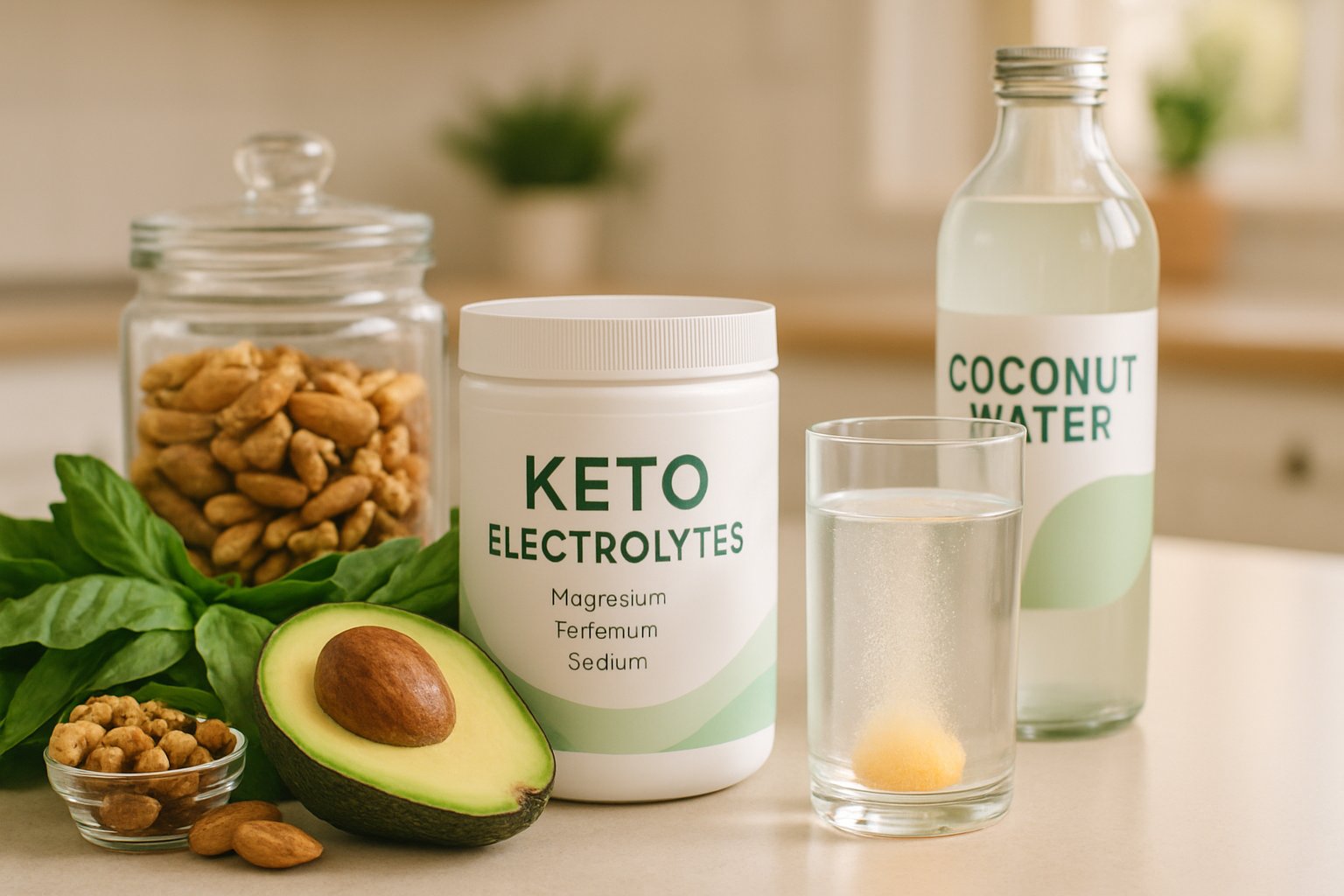
Keto electrolyte supplements come in a bunch of forms, so you can pick what fits your routine. Whether you swallow, stir, or drop them in a drink, each type helps with hydration, muscle cramps, and keeping energy steady on low carb.
Capsules and Pills
Capsules and pills are a no-fuss way to manage electrolyte supplementation—no mixing, no mess. They’re portable and pre-measured, which is handy if you’re not into flavored powders or you’re on the go.
Most electrolyte capsules have sodium, potassium, magnesium, and calcium. Brands like Perfect Keto Unflavored Electrolyte Capsules or Hi-Lyte Keto K-Caps focus on hydration without extra sugars or fillers.
They usually have smaller doses per pill, so during sweaty workouts or hot days, you might need a few. Pros: easy dosing, no taste, zero carbs. Cons: slower absorption and you might need to take more than one.
| Key Benefit | Detail |
|---|---|
| Convenience | Easy to carry and take anywhere |
| Taste-Free | No flavoring or sweeteners |
| Controlled Dose | Each capsule has a defined amount of electrolytes |
Electrolyte Powders and Drink Mixes
Keto electrolyte powder blends are probably the most popular. Just dissolve them in water and you’ve got a hydrating electrolyte drink mix to help with fluid balance and muscle function.
Powders usually pack more sodium, magnesium, potassium, and chloride than pills, which helps with keto flu, fatigue, and cramps. Brands like LMNT Recharge, Redmond Re-Lyte, and Ultima Replenisher come in all sorts of flavors and sodium levels, so you can find one that works for you.
Some toss in vitamins or trace minerals, too. Powders absorb quickly and are great before or after workouts. If you like variety, there are plenty of flavors, but check the labels—some use sweeteners, natural or not.
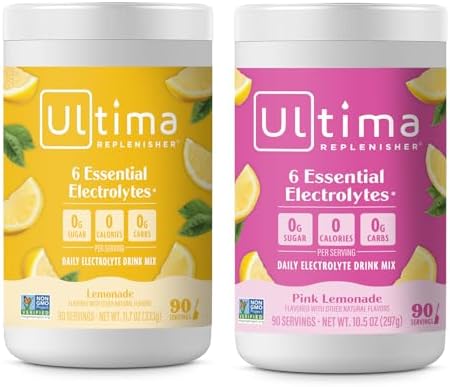
One of the easiest daily hydration solutions is Ultima Replenisher Electrolyte Powder, which dissolves cleanly into water without added sugar.

- Refresh and replenish: Ultima electrolytes powder delivers everyday hydration packed with 6 key electrolytes, vitamin C,…
- Naturally delicious: Electrolyte drink mix made with 6 key electrolytes – magnesium, calcium, potassium, chloride, phosp…
- What’s inside: Our daily electrolyte drink mix replenishes your electrolyte levels without the sugar, calories or artifi…
Electrolyte Drops and Liquid Supplements
Electrolyte drops and other liquid keto electrolyte supplements let you fine-tune your dose. They mix into water, coffee, whatever—usually without much taste.
Drops like Keto Chow Electrolyte Drops have sodium, potassium, magnesium, and chloride in a concentrated liquid. You can adjust the amount depending on how much you sweat or how strict you’re being with your diet.
They absorb quickly and skip the fillers or carbonation you might find in some drink mixes. If you want an unflavored option, liquids are a solid pick. They’re also budget-friendly long-term, but you’ll probably need a dropper or something to measure them out.
How to Choose the Best Keto Electrolyte Supplement
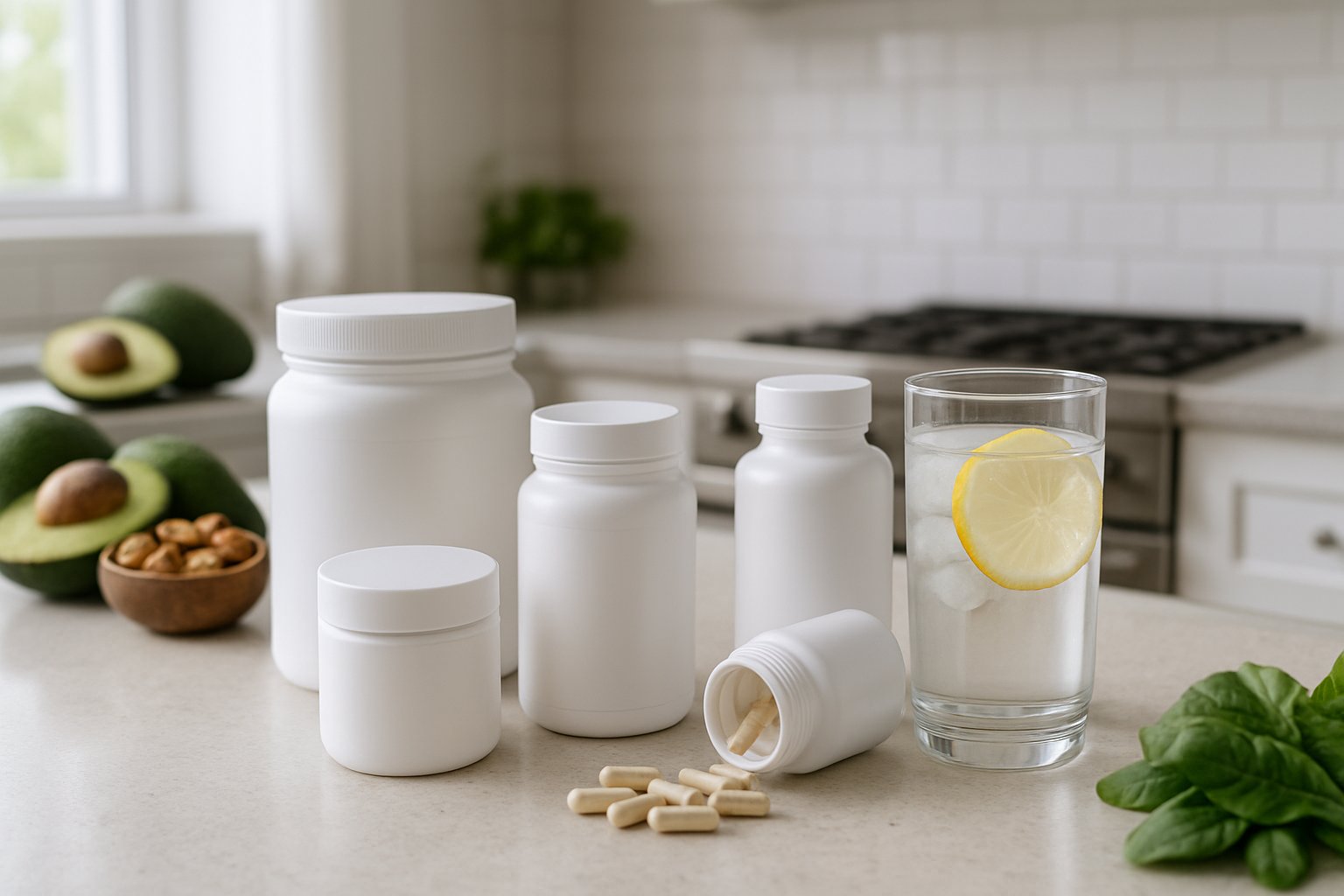
Picking the right keto electrolyte supplement isn’t just about flavor or price. The best ones balance essential minerals, skip unnecessary extras, and fit specific dietary needs like sugar-free, gluten-free, and non-GMO.
Paying attention to ingredient quality, carb content, and clear labeling helps keep things safe and effective if you’re living that keto life.
Ingredient Quality and Purity
Good keto electrolytes use forms of sodium, potassium, magnesium, and calcium that your body can actually absorb—citrate, malate, or chloride forms are usually better than oxide types.
Supplements from GMP-certified or third-party-tested facilities are a smart move. Those certifications mean you’re less likely to get weird fillers or inconsistent batches.
Natural sources like sea salt, trace mineral blends, or pink Himalayan salt offer a bit more than just basic minerals. If you want to avoid synthetic stuff, these are worth a look.
Sugar-Free, Gluten-Free, and Non-GMO Options
If you’re in ketosis, sugar can mess up your fat-burning and leave you dragging. A sugar-free electrolyte supplementkeeps carbs near zero and helps with hydration. Look for labels that say no added sugar, zero calories, or no artificial sweeteners.
Gluten-free and non-GMO matter if you’ve got sensitivities or just want to keep things simple. Badges like Certified Gluten-Free or Non-GMO Project Verified are a good sign.
Here’s a quick cheat sheet:
| Label Term | Meaning | Benefit |
|---|---|---|
| Sugar-Free | No added or natural sugars | Maintains ketosis |
| Gluten-Free | No wheat, barley, or rye | Safe for sensitivities |
| Non-GMO | No genetically modified ingredients | Supports clean nutrition |
These features cut out stuff that could mess with absorption or digestion.
Keto-Friendly and Zero Carb Formulas
Not every electrolyte drink is actually keto-friendly. Watch for sugars, maltodextrin, or other carb-heavy extras—they can knock you out of ketosis.
A true zero-carb or zero-calorie formula keeps your energy up without an insulin spike. Some use natural flavors or stevia instead of sugar, so you get taste without the blood sugar hit.
If you work out hard or sweat a lot, look for formulas higher in sodium and magnesium to make up for what you lose. Balanced blends help cut down on keto flu symptoms like fatigue and cramps, keeping your metabolism on track.
Reading Supplement Labels and Certifications
Labels matter—a lot. The ingredient list should be short, clear, and specific. Each mineral should list both the form (like magnesium citrate) and the dose per serving.
Certifications like GMP, NSF Certified for Sport, or third-party testing show the product meets solid quality standards. That means less risk of weird stuff or bad labeling.
Skip supplements with vague “proprietary blends” that don’t tell you exact amounts. Full transparency means you can compare and pick the best keto electrolyte supplement for your needs—no guesswork.
You can check Dietary Supplement Safety Guide from U.S. Food & Drug Administration.
Some users also combine electrolyte balance with Nagano Tonic to enhance hydration-based metabolism and fat utilization.
Keto-Friendly Food Sources of Electrolytes
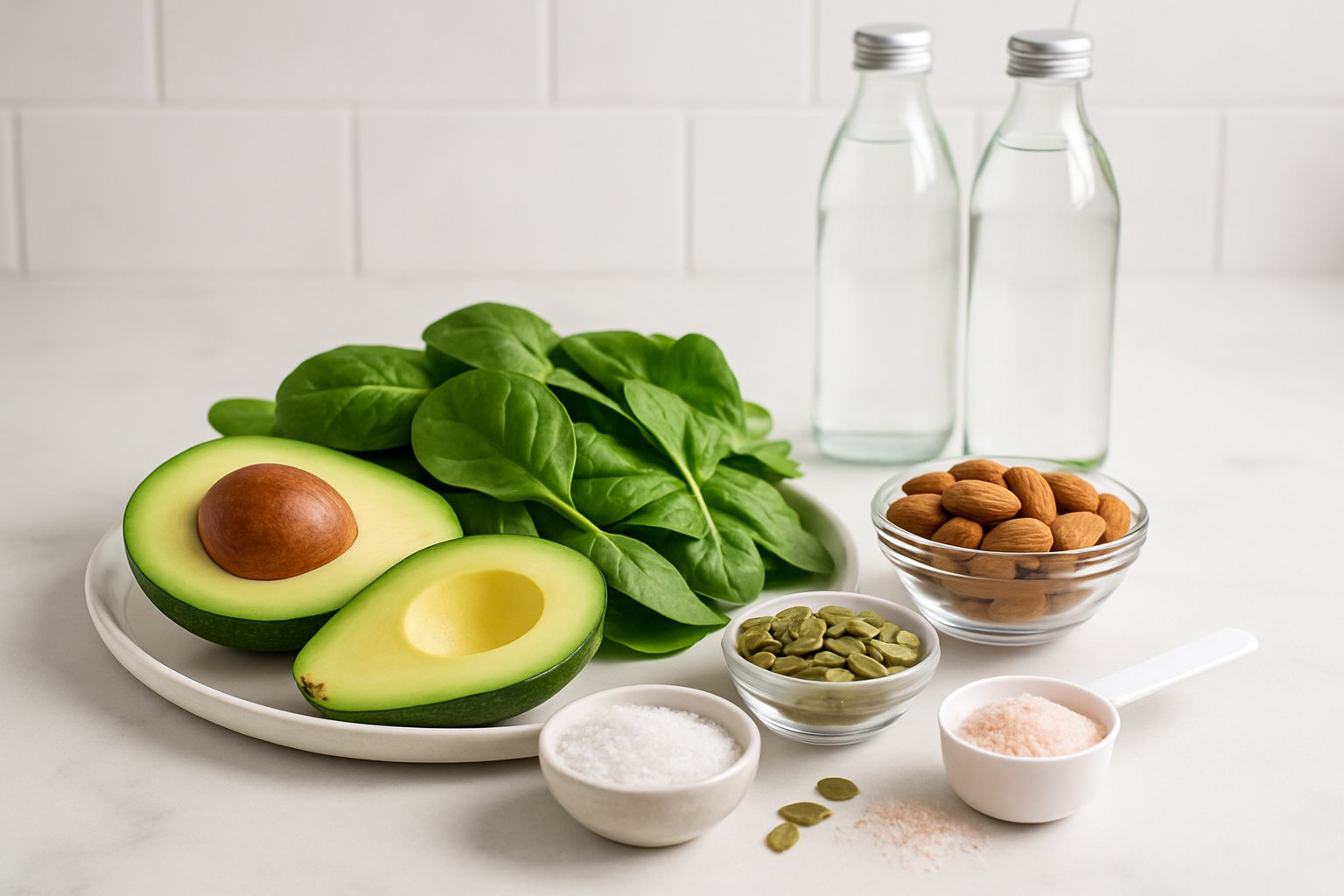
Getting enough electrolytes helps with hydration, energy, and muscle function on keto. You’ll find sodium, potassium, magnesium, and calcium mostly in whole, nutrient-rich foods that fit a low-carb plan.
Focusing on these natural sources makes it easier to prevent cramps and keep energy steady—no need to rely only on supplements.
Leafy Greens and Vegetables
Leafy greens like spinach, kale, and Swiss chard give you magnesium and potassium, all while keeping carbs low. These minerals are key for muscle contraction and fluid balance, which helps fend off cramps on keto.
Spinach has about 150 mg of magnesium and 550 mg of potassium per cooked cup. Tomatoes add potassium and a little sodium, so they’re good for hydration too.
Other veggies like zucchini and cauliflower bring in more electrolytes and water, keeping things balanced. Mixing up your veggies matters, since each one brings something different to the table.
Lightly steaming or sautéeing greens helps your body absorb more nutrients. And if you skip heavy sauces, you won’t accidentally blow your carb budget. Eating veggies every day keeps your electrolyte game strong for energy and recovery.
Nuts, Seeds, and Avocados
Nuts and seeds offer steady magnesium, potassium, and calcium in a small package. Almonds, pumpkin seeds, and sunflower seeds are especially good for magnesium, which can help with fatigue and nerve function.
A 1-ounce serving of almonds gives you about 80 mg of magnesium and a bit of sodium. Avocados are a top pick for keto-friendly potassium, with around 700 mg per medium avocado.
Avocados also bring healthy fats, which help you feel full and absorb fat-soluble nutrients. Since nuts are calorie-dense, keeping an eye on portions is smart.
Try mixing diced avocado with seeds or tossing them in salads. You’ll get a balance of minerals and stick to your macros. These foods slide easily into most keto meal plans without spiking your blood sugar.
Bone Broth and Coconut Water
Bone broth is loaded with sodium, calcium, and magnesium that seep out from simmered bones and connective tissue. Because of its sodium, it’s especially helpful in early ketosis, when your body loses more water and salt than usual.
Drinking a warm mug of broth can help restore electrolytes and keep you hydrated—plus, it’s just kind of comforting, isn’t it?
Coconut water does have some carbs, but a little bit after a workout can help bring your potassium back up. If you’re going to use it, pick unsweetened coconut water with less than 3–4 grams of carbs per 100 ml to stay keto-friendly.
It might also give you a bit of calcium and magnesium, but don’t expect miracles from a small serving.
Bone broth is great for daily sipping or when fasting. Coconut water is more of a post-exercise thing. Just stick with low-sodium or low-carb picks if you want to avoid going off track with ketosis.
Using Supplements to Fill Dietary Gaps
Even with a solid diet, some people just can’t hit their ideal electrolyte numbers, especially if they sweat a lot or hit the gym hard. Supplements like magnesium glycinate, potassium chloride, or sodium tablets can help fill in the gaps.
A simple table shows daily ranges keto folks usually aim for:
| Electrolyte | Useful Range (per day) | Common Sources |
|---|---|---|
| Sodium | 3,000–5,000 mg | Salt, broth |
| Potassium | 3,500–4,700 mg | Avocados, leafy greens |
| Magnesium | 300–400 mg | Nuts, seeds, spinach |
| Calcium | 1,000–1,200 mg | Dairy, green vegetables |
Taking smaller doses throughout the day instead of all at once can help avoid stomach issues. Just pay attention to your energy, hydration, and muscle comfort to see if your supplement routine is working for you.
When and How to Take Electrolyte Supplements on Keto
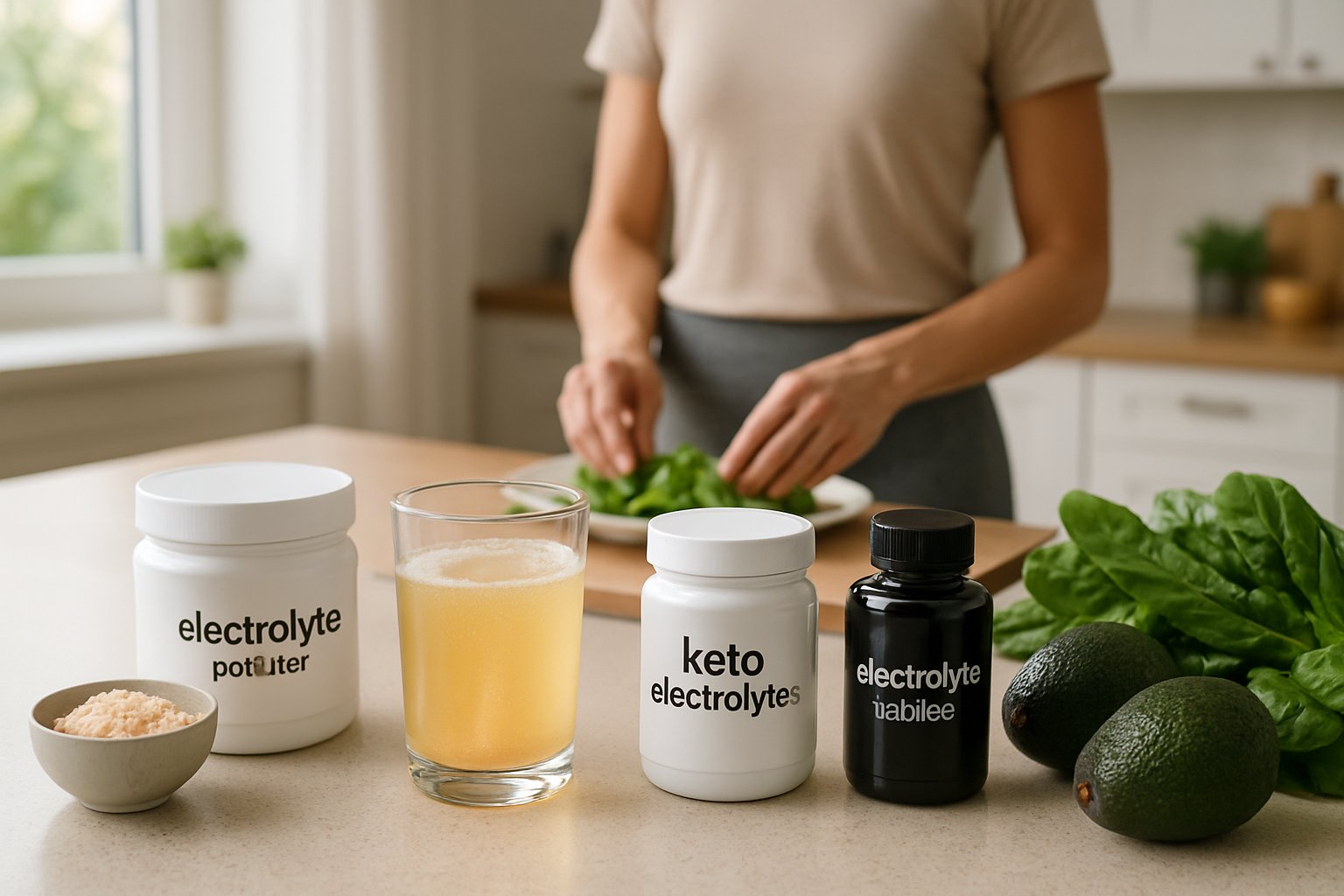
Timing and dosage really matter when it comes to getting the most out of electrolyte supplements on keto. The body loses more sodium, potassium, and magnesium during ketosis and fasting, so keeping your intake steady can help fend off fatigue, cramps, and dizziness.
Your activity level and how long you’ve been doing keto will affect what you need and when.
Daily Timing for Optimal Energy
Spacing electrolytes out during the day helps keep your energy and hydration more stable. Most people feel better splitting up their doses into two or three smaller servings instead of taking everything at once.
Here’s a common routine:
| Time | Action | Example |
|---|---|---|
| Morning | Rehydrate after sleep | Electrolyte drink or added sea salt in water |
| Midday | Maintain energy | Include potassium from avocado or supplement |
| Evening | Prevent night cramps | Magnesium supplement or mineral water |
If you’re doing intermittent fasting, you can take electrolytes (without sugar or calories) during fasting hours. This way, you won’t break your fast, and you might feel sharper, too.
Keeping things consistent day to day helps your body stay balanced as you settle into ketosis.
Adjusting Dosage for Activity and Sweat Loss
How much you sweat, how active you are, and even the weather all play into how much supplementation you need. If you’re an athlete or just sweat buckets, you’ll lose more sodium and potassium than someone less active.
Replenishing before, during, and after exercise can help you avoid dehydration and muscle cramps. In hot weather or long workouts, you might need even more sodium—try sipping an electrolyte drink as you go and adding ½ teaspoon of saltto meals.
If you’re not super active, you might get by with smaller doses or just focus on foods like leafy greens, seeds, and salty broths. Notice if you’re less tired or cramping less—that’s a good sign you’re on the right track.
Recovery effectiveness improves dramatically when electrolyte timing aligns with strategies from this guide on Best Muscle Recovery Tips After a Workout.
Special Considerations During Keto Adaptation
The first few weeks of keto can be rough—your body dumps water and electrolytes as insulin drops. This “keto adaptation” phase can leave you tired or headachy if you’re not careful.
Taking electrolytes daily during this time can make a big difference. Aiming for 3,000–5,000 mg sodium, 2,000–3,500 mg potassium, and 300–400 mg magnesium usually helps keep things balanced.
These can come from a mix of foods, supplements, and mineral water. Go slow and listen to your body—it’s the best way to stay hydrated and energized while you adjust.
Electrolytes directly influence fat adaptation speed as explained in Exercise Ketosis Connection: Best Ways to Speed Up Your Keto Results.
Comparing Popular Keto Electrolyte Brands and Products
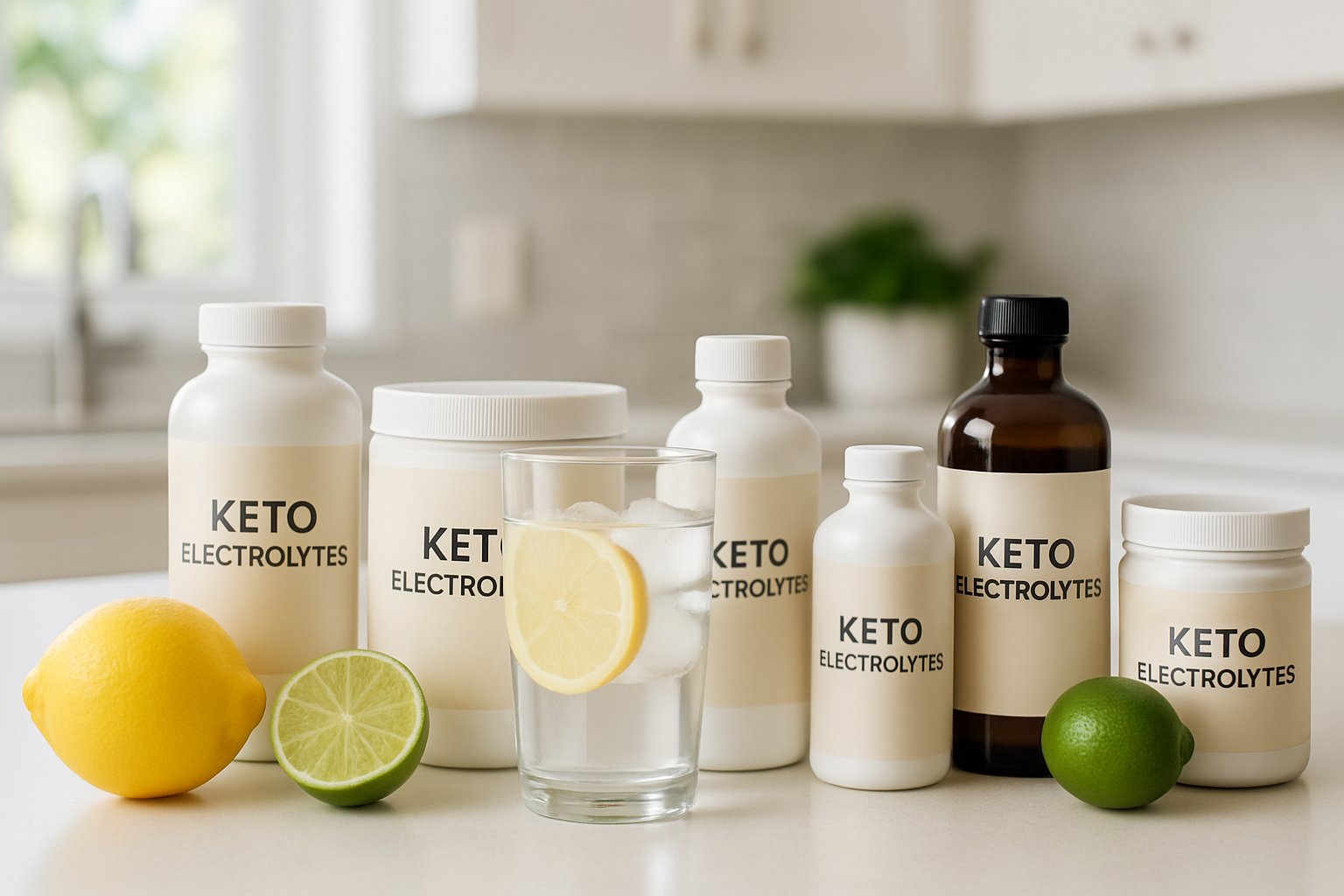
Keto electrolyte supplements all have their own spin—different mineral blends, added extras, or just a focus on sodium versus potassium. Some are super simple, others have a long list of ingredients, and you’ll want to pick what fits your needs and preferences.
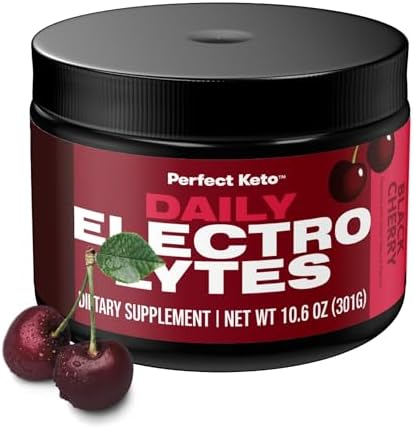
Perfect Keto Daily Electrolytes Powder
Perfect Keto Daily Electrolytes Powder is all about replacing the big four—sodium, potassium, magnesium, and calcium—lost on keto. No artificial sweeteners, so it’s a safe bet if you’re avoiding added sugars.
Each scoop has a balanced blend for hydration, muscle recovery, and steady energy. People like the clean label and how easily it mixes into water or shakes. Flavors like Black Cherry and Pink Lemonade keep things interesting without adding carbs.
They’re pretty upfront about what’s in each serving, which makes tracking easier. It is a bit pricier than some, but you get what you pay for—quality ingredients and a formula that’s actually made for keto folks.
| Nutrient | Approx. per serving |
|---|---|
| Sodium | 500 mg |
| Potassium | 400 mg |
| Magnesium | 50 mg |
| Calcium | 60 mg |
Keto Chow Electrolyte Drops
Keto Chow Electrolyte Drops are a liquid mineral solution—no flavors or sweeteners, just straight-up electrolytes. The drops are concentrated, so you can adjust the dose to fit your day, which is handy if your activity or climate changes a lot.
Each serving packs a good amount of sodium, potassium, and magnesium from a purified blend. If you like minimal ingredients, this is right up your alley.
Heads up: they’re salty if you take them straight. Mix them into water, broth, or something with flavor to make them go down easier. Keto Chow also has options for specific needs, like magnesium-heavy blends or just basic electrolyte drops.
Codeage Keto Electrolytes Supplement
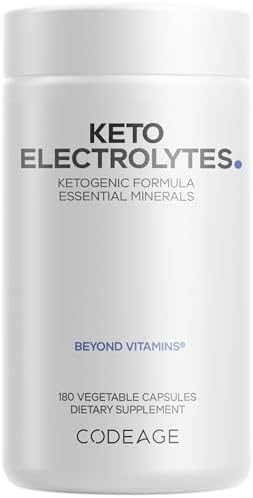
Codeage Keto Electrolytes Supplement gives you minerals in capsule form—no mixing, no fuss, just pop and go. Each serving has sodium, potassium, magnesium, and calcium, and the capsules are non-GMO, sugar-free, gluten-free, and don’t have weird additives.
Great if you don’t want to deal with flavored drinks or powders. It’s convenient for travel or busy days. Codeage even throws in trace minerals for a more complete balance.
Capsules aren’t as adjustable as powders or drops, though. Still, they’re a good option if you want to avoid taste issues and keep your daily routine simple.
Ultima Replenisher and Adapted Nutrition Keto K1000
Ultima Replenisher is a popular pick for sugar-free electrolyte powders with natural flavors and colors. It covers six electrolytes—sodium, potassium, magnesium, calcium, chloride, and phosphorus. It’s lower in sodium than most keto-focused products, so it works well if you’re sensitive to salt or just want a mild drink.
Adapted Nutrition Keto K1000 is for those who need a high-potassium, moderate-sodium option. Each serving has about 1,000 mg of potassium and 250 mg of sodium, which is helpful for muscle and heart function, especially if you’re sweating a lot or just starting keto.
Ultima is nice for gentle hydration and flavor, while Keto K1000 is better for tough workouts or early keto days. Both keep it natural and sugar-free, so you don’t have to worry about getting knocked out of ketosis.

Frequently Asked Questions
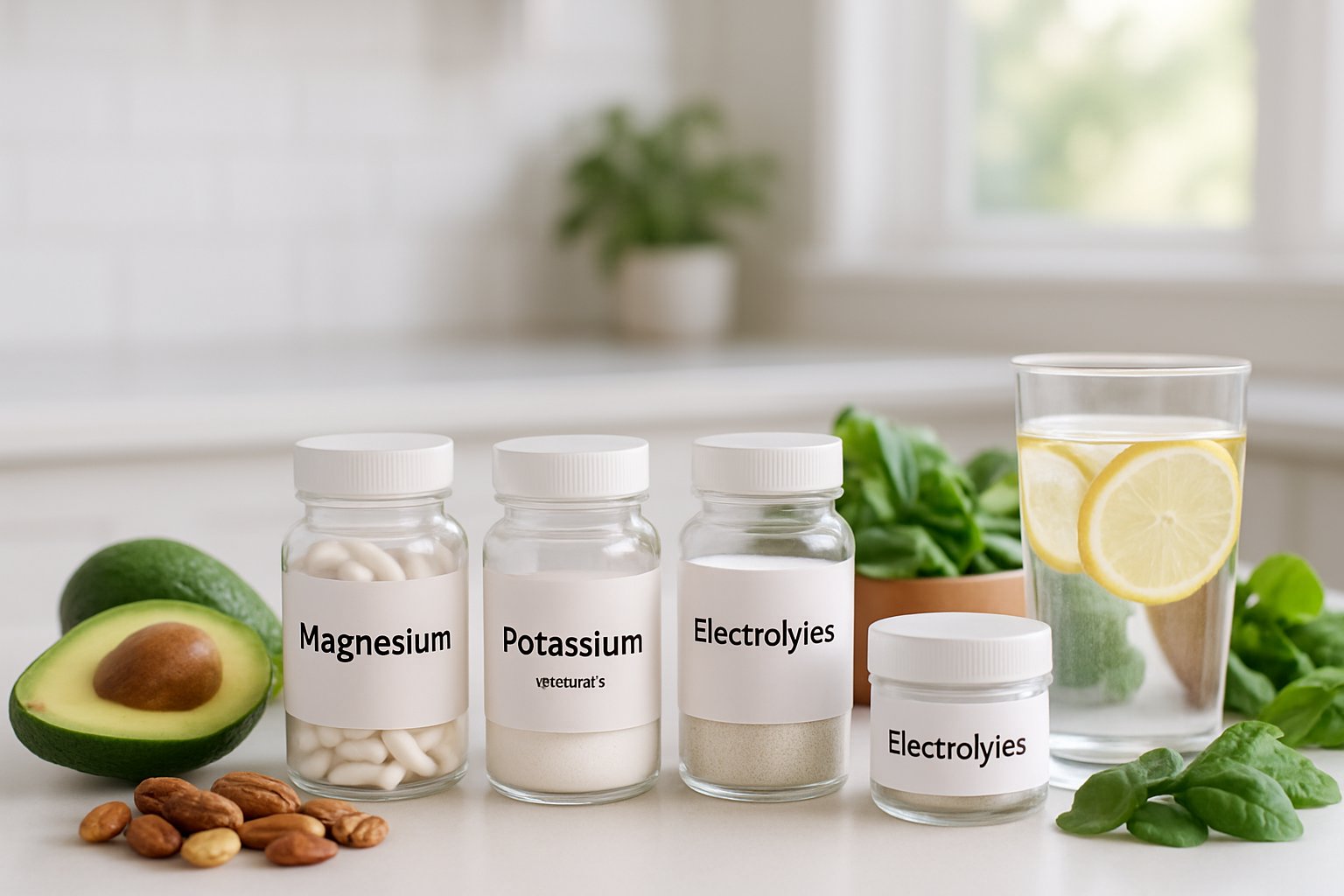
People on keto run into fatigue, dehydration, or cramps when electrolytes drop. The right supplements can bring back sodium, potassium, magnesium, and other minerals to help with hydration, muscle performance, and steady energy.
What are the key electrolytes to look for in a keto-friendly supplement?
You want sodium, potassium, magnesium, and calcium in your keto electrolyte supplement. These keep your hydration, muscles, and nerves running smoothly.
Sodium helps with fluid balance since low-carb diets flush it out faster. Potassium and magnesium are big for muscle and heart health, and calcium supports nerves and bones.
How can electrolyte supplements impact energy levels on a ketogenic diet?
Electrolytes are key for cellular energy. When you’re low, your cells can’t make energy as well, and you end up tired or weak.
Sodium and potassium help circulation and nutrient delivery, and magnesium is important for energy metabolism. Keeping them in check can really cut down on keto fatigue.
What symptoms suggest an electrolyte imbalance in the context of a keto diet?
Low electrolytes might show up as headaches, cramps, fatigue, dizziness, or heart palpitations. Dry mouth and constipation are also common if you’re losing too much sodium or potassium.
If you’re feeling foggy or irritable, you could be low on magnesium. These issues pop up a lot in early ketosis, when your body is dumping water and adjusting insulin levels.
Are there specific dosage recommendations for electrolyte supplements while following a keto diet?
The usual advice is 3,000–5,000 mg of sodium, 3,000–4,500 mg of potassium, and 300–400 mg of magnesium daily, depending on how active you are and your environment. Calcium is usually in the 1,000–1,300 mg range.
Start low and ramp up slowly so you can see how your body reacts. If you’re making big changes, it’s smart to check in with your doctor first.
How do electrolyte supplements help with muscle cramps for individuals on a keto diet?
Muscle cramps often pop up when magnesium or potassium levels run low. These minerals play a big role in muscle relaxation and nerve signals.
Getting those levels back up tends to ease the cramping. Sodium and calcium matter too.
Keeping your electrolytes balanced helps muscles fire properly, especially if you’re exercising a lot or it’s really hot out.
What are the best hydration practices for those on a keto diet when taking electrolyte supplements?
Hydration isn’t just about chugging water—it’s about getting water and electrolytes together. If you drink tons of plain water without minerals, you might actually dilute your sodium and end up feeling wiped out or getting a headache.
It’s better to sip water with some electrolytes mixed in as you go about your day. If you’re working out hard or sweating a lot, bumping up your sodium and potassium can help replace what you lose.
Conclusion
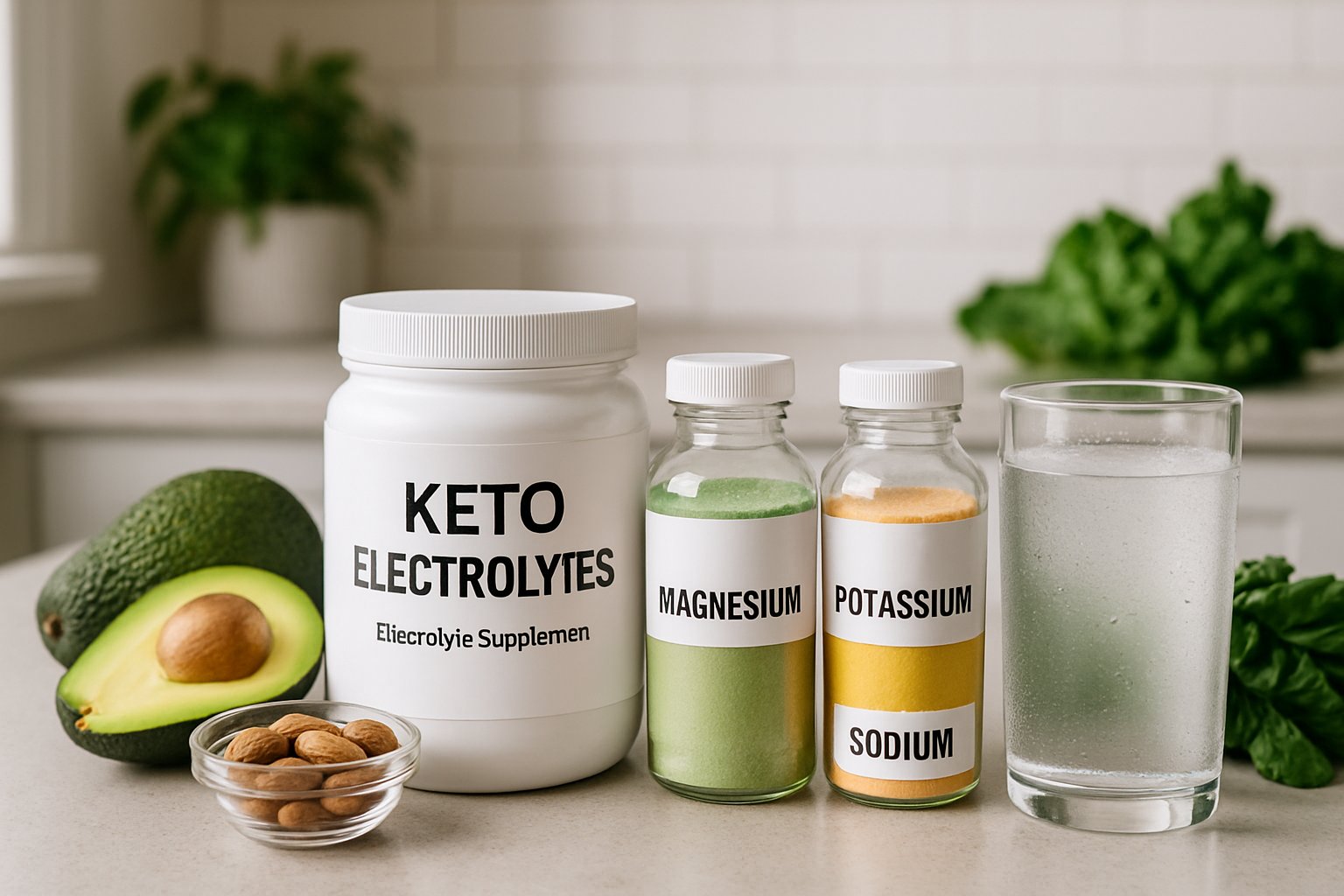
Keeping your electrolyte balance in check really matters on a ketogenic diet. It helps with hydration, muscle function, and just feeling steady day to day.
When you’re in ketosis, your body flushes out more water and minerals. That means you’ve got to replace lost electrolytes to dodge things like fatigue or annoying muscle cramps.
Key minerals like sodium, potassium, and magnesium are crucial for nerve signals and muscle movement. Most folks on keto mix in foods like avocados, greens, and salmon, sometimes with supplements, to hit their targets.
Let’s not forget calcium and chloride. They help with fluid balance and bone strength, which—honestly—doesn’t get enough attention.
Easy fixes? Try adding sea salt to your meals, sipping bone broth, or reaching for sugar-free electrolyte powders or tablets. Small, steady amounts tend to work better than going overboard all at once.
| Electrolyte | Approximate Daily Range | Common Sources |
|---|---|---|
| Sodium | 3,000–5,000 mg | Sea salt, broth, pickles |
| Potassium | 3,500–4,700 mg | Avocados, spinach, fish |
| Magnesium | 200–400 mg | Nuts, seeds, leafy greens |
| Calcium | 1,000–1,300 mg | Dairy, sardines, almonds |
Honestly, it’s worth checking in with yourself—muscle cramps or a dip in energy are your body’s way of nudging you to tweak things. Staying aware and making small adjustments goes a long way for anyone sticking with keto.
Long-term success depends on consistency, which is why How to Stay Consistent with Home Workouts: Motivation and Simple Tips supports sustainable results alongside proper hydration.
For stubborn leg cramps and muscle tightness, combining electrolyte balance with Hyperbolic Stretching can significantly improve flexibility and recovery.