
Probiotics for Keto: Gut Health, Digestion & Fat Loss Benefits
This post may contain affiliate links. If you purchase through these links, I may earn a small commission at no extra cost to you. LEARN MORE.
Starting a ketogenic diet flips your energy source from carbs to fats. That shift? It definitely stirs things up in your gut, where trillions of bacteria are busy running the show for digestion and overall health.
Probiotics can really help keep things balanced during this transition by supporting digestion, improving nutrient absorption, and encouraging a healthy microbiome.

When you cut carbs, you also cut fiber—the stuff that feeds your good gut bacteria. The result? Sometimes bloating, constipation, or plain old fatigue shows up. Adding probiotic-rich foods or supplements can help restore some of that lost diversity and make digestion a bit smoother, which honestly just makes keto easier to stick with.
Healthy gut function ties into weight management and inflammation control too. With a balanced microbiome, your body might use nutrients more efficiently and keep its metabolism steadier in ketosis.
If digestive issues appeared during your transition into keto, this complete guide on Keto Flu Explained: Causes, Symptoms & Fast Relief explains why it happens and how to stabilize faster.
Key Takeaways
- Probiotics help maintain gut balance during the switch to keto.
- Steady digestion means better nutrient absorption and less discomfort on keto.
- Picking the right probiotic strains could boost your overall keto results.
How Probiotics Enhance Keto Diet Results
Probiotics can help your body process fat, keep your gut balanced, and absorb nutrients more efficiently on keto. They also ease digestive changes as you adapt to ketosis and may help keep your energy more stable, which makes it easier to stick with the plan.
Role of Probiotics in Ketosis and Fat Metabolism
Probiotics play a part in how smoothly you get into and stay in ketosis. Bacteria like Lactobacillus and Bifidobacteriumhelp manage how fats break down and get absorbed. They recycle bile salts, which are crucial for digesting fat and fat-soluble vitamins (A, D, E, K).
These microbes also make short-chain fatty acids (SCFAs)—acetate, propionate, and butyrate. Those SCFAs fuel your cells and help keep inflammation in check.
Keeping your gut diverse can reduce uncomfortable stuff like bloating or diarrhea, which are pretty common when you first start keto. With a balanced microbiome, your body handles dietary fats more smoothly and digestion tends to go better overall.
Many keto followers combine probiotic support with Keto Creator to improve metabolic efficiency while accelerating clean fat loss.
Impact on Weight Loss and Body Composition
Your gut microbiome affects appetite and energy balance—both big deals for weight management. Probiotics may tweak hunger hormones like ghrelin and leptin, helping you feel fuller, more consistently. Some research points to strains like Lactobacillus gasseri and Bifidobacterium breve as helpful for reducing belly fat, especially when paired with decent eating habits.
Balanced gut bacteria can also keep inflammation (the kind linked to insulin resistance) in check, supporting steady glucose and fat metabolism. That means your body is more likely to burn fat for energy and less likely to store it.
Summary Table
| Function | Example Strains | Potential Effect |
|---|---|---|
| Hormone regulation | L. gasseri, B. breve | Improved appetite control |
| Fat metabolism | L. plantarum | Enhanced energy use from fat |
| Gut barrier support | B. bifidum | Reduced systemic inflammation |
Because metabolic speed directly impacts fat loss, this guide on How to Boost Metabolism on Keto: Proven Tips for Faster Fat Burning explains how gut health supports results.
Synergy with the Ketogenic Lifestyle
The keto lifestyle is all about metabolic efficiency and keeping inflammation low. Probiotics fit right in by supporting gut health, which helps with nutrient absorption and immune balance.
Pairing probiotic-rich foods like sauerkraut, kimchi, and water kefir with your low-carb, high-fat meals brings natural microbial diversity without knocking you out of ketosis. If you can’t get enough fermented foods, multi-strain supplements are a solid backup.
Taking probiotics regularly can make keto more livable by aiding digestion and metabolism, and just generally helping your gut do its job. When your gut’s happy, your body turns fat into energy more easily and you deal with fewer of those annoying side effects from cutting carbs.
Gut Health and Digestion on Keto
Keto changes your energy source and your digestive rhythm. These shifts can shake up your gut bacteria, bowel regularity, and even how well you absorb nutrients.
Paying attention to fiber, hydration, and electrolytes helps keep digestion on track as your body adapts.
Effects of Keto Diet on Gut Microbiome
Your gut microbiome reacts fast to what you eat. On keto, less carb and fiber means fewer beneficial bacteria like Bifidobacterium and butyrate-producing Firmicutes. These microbes help your gut lining stay healthy and tamp down inflammation.
Less fiber also means less fermentation in your colon, so you get fewer short-chain fatty acids that keep your colon happy. The microbiome can adjust over time, but you might not see the same species diversity as with a more fiber-rich diet.
Adding low-carb veggies and fermented foods like sauerkraut, kimchi, or yogurt can help restore some gut balance. Don’t forget hydration—it’s key for regularity and keeps those microbes active.
If you’re on keto long term, it’s worth paying attention to how your digestion changes since gut bacteria can impact energy and even your mood.
Digestive Issues: Constipation, Diarrhea, and Bloating
Digestive issues are super common when you first start keto. Constipation often pops up because you’re cutting out high-fiber grains and fruits. Less fiber slows things down, especially if you’re also losing water and electrolytes from lower insulin.
To help avoid constipation:
- Eat non-starchy vegetables like broccoli, spinach, and cauliflower.
- Stay hydrated (seriously, drink more water).
- Replenish magnesium and potassium with food or supplements if you need to.
Diarrhea and bloating can show up if you ramp up fat too quickly, or if you’re using a lot of artificial sweeteners and sugar alcohols. Usually, these symptoms fade as your body gets used to digesting more fat. Smaller meals and easing into higher fat intake can help, too. Keeping your electrolytes balanced is also important for avoiding cramps and bloating.
Digestive balance during keto also depends heavily on hydration and recovery strategies outlined in Best Muscle Recovery Tips After a Workout (Keto-Friendly + At-Home).
Nutrient Absorption and Deficiencies
Running on fat changes how your body absorbs some vitamins and minerals. Keto cuts out a lot of fruit, legumes, and grains, so you might get less magnesium, potassium, and vitamin C. These nutrients are important for muscle function, hydration, and your immune system.
Fat does help you absorb fat-soluble vitamins (A, D, E, K), but not enough fiber can mess with bile flow and nutrient uptake. Hydration matters here, too, because water helps move nutrients around and keeps minerals in balance.
Here’s a quick nutrient tracking table for easy reference:
| Nutrient | Role in Digestive Health | Common Keto Sources |
|---|---|---|
| Magnesium | Aids bowel regularity, muscle function | Almonds, pumpkin seeds, spinach |
| Potassium | Maintains hydration balance | Avocado, salmon, leafy greens |
| Vitamin D | Supports calcium absorption | Fatty fish, fortified oils |
Choosing foods wisely and supplementing when needed helps you keep digestion steady and avoid nutrient gaps on keto.
Choosing the Best Probiotics for Keto

Picking a probiotic for keto isn’t just about grabbing any bottle. You’ve got to consider strain type, supplement formulation, and carb content. The aim? Keep your gut balanced, support digestion, and dodge any sneaky sugars or fillers that could bump you out of ketosis.
Key Probiotic Strains for Ketogenic Diets
Some probiotic strains are better suited for low-carb living. Lactobacillus acidophilus and Bifidobacterium longum (B. longum) help you digest fats and proteins and can ease that bloating that sometimes comes with starting keto.
Strains like Lactobacillus rhamnosus and Lactobacillus plantarum help your gut barrier and immune system, which means better nutrient absorption. Bifidobacterium bifidum is good for regularity, especially if constipation is bugging you as you adjust to keto.
There’s also Saccharomyces boulardii, a yeast-based probiotic that stands up to stomach acid and helps keep your gut flora balanced when your diet changes. These strains work together to support metabolism and keep your digestion on track with a high-fat diet.
| Common Strain | Key Benefit |
|---|---|
| L. acidophilus | Aids fat digestion and reduces bloating |
| B. longum | Supports carbohydrate tolerance and gut balance |
| S. boulardii | Helps maintain microbial diversity and immunity |
Keto-Friendly Probiotic Supplements
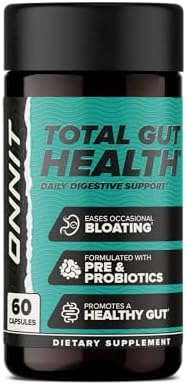
A solid keto-friendly probiotic supplement should have a high colony-forming unit (CFU) count—think 10–50 billion CFU per serving. That way, plenty of live bacteria survive your stomach and make it to your gut. Brands like Onnit Total Gut Health, Garden of Life RAW Probiotics for Men, and Ancient Nutrition SBO Probiotics are all formulated low in carbs and without added sugar.
Shelf-stable options are nice because you don’t have to worry about refrigeration. And if you get a capsule or packet with prebiotics like inulin or fermented herbs, you’re giving those good bacteria an extra boost. For most people, one or two doses a day with meals is enough to keep your gut in good shape on keto.


Evaluating Ingredients and Carbohydrate Content
When you’re shopping for probiotics on keto, ingredient purity is a big deal. Always check the nutrition label for sneaky fillers like maltodextrin, starch, or artificial sweeteners—they might bump up your carb intake without you realizing it.
Look for supplements labeled sugar-free, soy-free, and gluten-free so you don’t get surprised by hidden carbs. Products with fewer excipients and acid-resistant capsules can help those good microbes survive the rough trip through your stomach.
It’s also wise to look for a clear expiration date and a verified CFU count that lasts through the product’s shelf life. That’s usually a sign the manufacturer isn’t cutting corners.
Stick with reputable brands that actually show their quality testing. Going with verified keto probiotics and low-carb formulas means you can keep your gut happy without messing up ketosis.
Many “healthy” supplements still contain hidden sugars exposed in Unmasking Hidden Carbs: 10 Sneaky Sources That Could Sabotage Your Keto Diet.
Keto-Friendly Probiotic Foods and Prebiotics
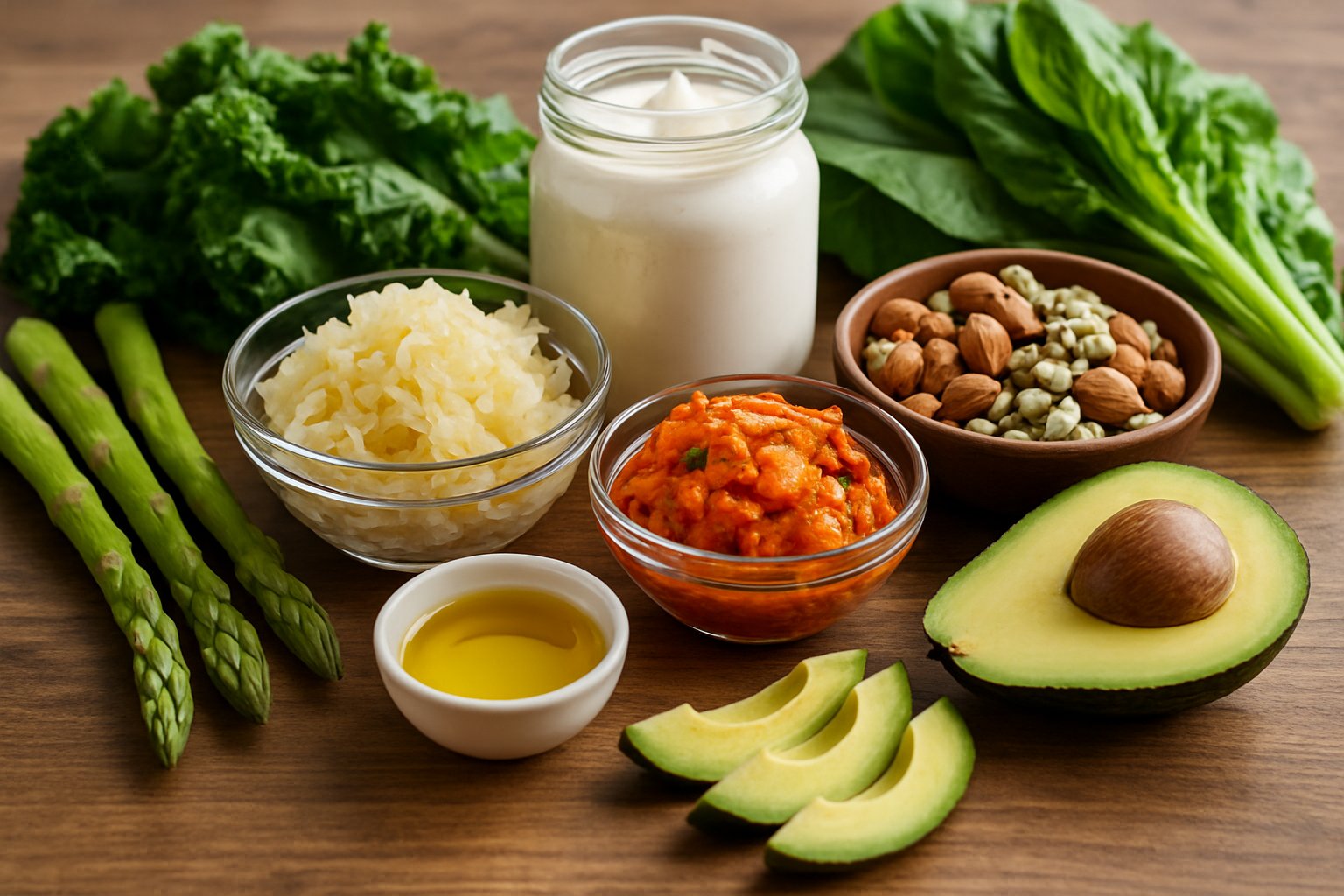
Balancing gut health on keto is mostly about picking foods that feed good bacteria—without piling on extra carbs. Fermented veggies, cultured dairy, and fiber-rich plants each bring something to the table for digestion and metabolism.
Low-Carb Fermented Foods: Sauerkraut, Kimchi, and More
Fermented vegetables are some of the easiest keto probiotic foods out there. They’re low in carbs and packed with live cultures.
Sauerkraut and kimchi both offer lactic acid bacteria to help balance your gut. Plus, you get a bit of natural acids and enzymes for better digestion.
If you’re buying them at the store, check for “raw” or “unpasteurized” on the label. That way, you know the bacteria are still alive.
Skip anything with added sugars—they’ll throw you off ketosis. Other solid picks: fermented pickles and olives (just make sure they’re packed in brine, not sweet vinegar).
| Food | Average Net Carbs (per 2 tbsp) | Key Nutrient |
|---|---|---|
| Sauerkraut | 1g | Probiotic lactic acid bacteria |
| Kimchi | 1–2g | Vitamins A, C, and gut-supportive microbes |
| Dill Pickles (fermented) | <1g | Sodium and electrolytes |
Try them as sides or toppings—they add flavor and help with digestion.
Making your own ferments becomes simple and keto-safe with a Glass Fermentation Jar with Airlock Lid for consistent probiotic food preparation.

- Large Capacity Square Fermentation Jar: With a generous 256 oz/7570 ml capacity, it is 12.2 inches (31 cm) tall. These 2…
- Heavy-duty Handle & Anti-slip Protective Cover: Effortlessly carry your heavy, full large glass jar with the easy-attach…
- Extra Wide Mouth: 4.3” wide mouth design makes it easy to fill, pour, and clean, allowing you to easily add large cooki…
Probiotic-Rich Dairy Options: Yogurt and Kefir
Keto-friendly probiotic foods from dairy are a double win: healthy fats and live bacteria. Full-fat Greek yogurt and unsweetened kefir work well if you keep an eye on the carbs.
Their Lactobacillus and Bifidobacterium strains can make digestion smoother, and might even cut down on that early keto bloat.
Plain Greek yogurt usually has about 4–6 grams of net carbs per serving. It’s thicker, and lower in lactose than the sweetened stuff.
If dairy isn’t your thing, coconut milk yogurt or coconut kefir are good lactose-free swaps. They still bring the good bacteria and keep carbs low.
Mix in chia seeds or crushed nuts for extra fiber and texture—no ketosis worries there. Just avoid flavored dairy products with added sugars or fruit syrups.
Prebiotic Fibers and Prebiotic-Rich Foods
Probiotics do their best work when you feed them prebiotics—those non-digestible fibers that keep your gut bugs happy. Keto tends to drop your fiber intake, so picking low-carb prebiotic-rich foods is key.
Think asparagus, garlic, avocado, flaxseed, and chia seeds. They all support gut microbes but don’t mess with your carb count.
A little asparagus or jicama gives you inulin, a fiber that’s great for bacterial growth. Ground flaxseed and chia add soluble fiber, which helps with stool consistency and keeps you full.
| Food | Net Carbs (per ½ cup) | Prebiotic Fiber Type |
|---|---|---|
| Asparagus | 2g | Inulin |
| Jicama | 4g | Oligosaccharides |
| Garlic | 1g per clove | Inulin |
Pairing prebiotics and probiotics helps your gut stay steady, which is good for digestion, energy, and fat metabolism.
When probiotics are used alongside structured eating plans like these Best Keto Meal Replacement Options for Busy Lifestyles, digestion becomes far more consistent.
To nourish healthy gut bacteria without spiking carbs, many keto followers add a small dose of Prebiotic Acacia Fiber Powder.

- At once ancient, yet advanced. This advanced organic soluble fiber supplement has been used since time immemorial to sup…
- Support gut health & leaky gut repair the natural way. Our tan organic acacia powder is the real deal, you can tell from…
- Advanced Acacia is the organic soluble fiber supplement you need. Convenient 16 oz. size goes with you wherever! Support…
Managing Side Effects and Supporting Wellness on Keto

Switching to keto can mean some short-term side effects—think digestion issues, immunity dips, or energy swings. Regular probiotics and a few other nutrients might help calm inflammation and help your body settle into ketosis.
Addressing Digestive Discomfort: Gas and Inflammation
Lots of folks run into digestive discomfort like gas, bloating, or inflammation when they start keto. It’s usually because less carb means less fiber, and that can shake up your gut bacteria.
When Bifidobacterium and butyrate-producing bacteria drop, you lose some short-chain fatty acids (like butyrate) that your colon loves.
Adding probiotics or fermented foods can help bring things back into balance. These good microbes can ease bloating and help you absorb nutrients better.
Some probiotics even have anti-inflammatory perks by helping the gut’s immune system chill out. Pairing probiotics with fiber-rich, low-carb foods—avocado, chia, leafy greens—can keep things moving without going over your carb limit.
| Strategy | Benefit |
|---|---|
| Probiotics (Lactobacillus, Bifidobacterium) | Reduced gas and improved stool regularity |
| Fiber from low-carb vegetables | Supports SCFA production and bowel function |
| Adequate hydration and electrolytes | Prevents constipation and cramping |
Probiotics for Immune System Support
Your gut bacteria are a big part of your immune system. Keto can shift those populations and sometimes lower diversity, which might leave your defenses a bit weaker.
Probiotics can help by strengthening your gut barrier and keeping the bad bugs in check. Strains like Lactobacillus rhamnosus and Bifidobacterium lactis help with antibody production and dial down inflammation.
Balanced SCFA levels, especially butyrate, matter for immune regulation too. Keeping things steady with probiotics or fermented foods can help your immune system stay on track during keto adaptation.
Learn more about probiotic from National Institutes of Health.
Reducing Keto Flu Symptoms and Supporting Adaptation
The keto flu—ugh, right? Fatigue, headache, nausea, all as your body starts burning fat instead of sugar. Losing electrolytes and digestive changes can make it worse.
Probiotics might help by improving how you absorb nutrients and calming gut-related inflammation. Some strains even boost SCFA production, which helps with energy and gut comfort.
A healthy gut can also mean less fatigue, since you’ll absorb minerals like sodium, magnesium, and potassium better. To smooth the transition, try cutting carbs gradually, drink more water, and maybe add keto-friendly probiotics to your routine.
Fat adaptation improves significantly when gut health aligns with strategies explained in Exercise Ketosis Connection: Best Ways to Speed Up Your Keto Results.
Some keto users combine probiotics with Nagano Tonic to improve nutrient absorption, hydration, and daily metabolic output.
Frequently Asked Questions

Probiotics can play a role in digestive comfort, nutrient absorption, and metabolism for folks on keto. The effects depend on the strain, dosage, and how well they handle the low-carb, high-fat environment.
How do probiotics support digestion during a ketogenic diet?
Probiotics help keep your gut microbiome balanced, which can shift a lot when you go keto. Less fiber might slow digestion, but certain strains can help keep things regular and break down nutrients better.
They’re also handy for reducing gas and bloating, since they help your gut process fats and proteins a bit more smoothly.
What are the benefits of taking probiotics for those following a keto diet?
Probiotics may help with those annoying digestive issues that pop up when you ditch carbs. They support gut bacteria diversity, which is good for your immune system and helps keep inflammation down.
Some strains also make it easier to absorb key vitamins and minerals—something that can get tricky on keto.
Can probiotics assist in weight loss while on a ketogenic diet?
There’s some research suggesting certain strains might influence fat metabolism and body composition. They could help lower inflammation and improve insulin sensitivity, which is a plus for metabolic balance.
They’re not a magic fix for weight loss, but paired with keto, they might give your fat-burning efforts a little extra support.
Are there any specific strains of probiotics that are more beneficial for keto dieters?
Strains like Lactobacillus acidophilus, Bifidobacterium longum, and Bacillus coagulans are often recommended for digestion and immune support in low-carb settings.
Akkermansia muciniphila is getting attention for its role in metabolic health and inflammation, too. Honestly, the best pick depends a lot on your individual gut.
How should probiotics be taken to maximize their effectiveness for keto followers?
Taking probiotics with food can help them survive the stomach’s acid. Daily consistency is key for building up stable gut flora.
Some people like supplements, others stick with fermented foods like sauerkraut or kimchi—as long as they fit your carb goals, both work.
What are the possible side effects of combining probiotics with a keto diet?
At first, you might notice mild gas, bloating, or looser stools as your gut gets used to new bacteria. Usually, that settles after a few days.
If you have immune issues or serious health conditions, it’s smart to check with your doctor before adding supplements.
Conclusion

Probiotics can help folks on a ketogenic diet keep their gut microbiome in decent shape. The low-carb, high-fat nature of keto tends to shift gut bacteria, sometimes dropping beneficial ones like Bifidobacterium.
Adding probiotic foods or supplements might bring things back into balance and ease digestive discomfort. A healthier gut means you could absorb nutrients better and dodge some of the usual keto annoyances, like constipation or bloating.
Honestly, better digestion just makes life on keto smoother, and who doesn’t want that?
Key takeaways:
- Probiotics aid digestion by replenishing beneficial bacteria.
- Ketogenic diets can lower certain fiber-fermenting microbes.
- Balanced microbiota may help sustain healthy fat metabolism and bowel function.
If you’re picking probiotics for keto, look for strains like Lactobacillus and Bifidobacterium that have some research behind them. Pairing these with stuff like fermented veggies or low-carb yogurt can mix up your daily microbes a bit.
It’s not rocket science—just a bit of balance goes a long way for gut health on keto. And hey, a little mindfulness with your food choices never hurt anyone, right?
Long-term adherence to both nutrition and training becomes much easier when supported by this guide on How to Stay Consistent with Home Workouts: Motivation and Simple Tips.
For better circulation, faster recovery, and reduced inflammation during fat loss, combining gut health optimization with Hyperbolic Stretching can significantly improve mobility and performance.