Keto Fatigue: Causes, Electrolyte Fixes & Energy-Boosting Supplements

This post contains affiliate links. If you make a purchase through these links, I may earn a small commission at no extra cost to you. Learn more.

Feeling wiped out after starting keto? Yeah, it’s a thing. That doesn’t mean your diet’s broken or you’re doing something wrong.

As your body ditches glucose and starts torching fat, your electrolytes shift and you lose more water. That’s a recipe for low energy and, honestly, a bit of crankiness.

Keto fatigue usually comes down to missing some crucial electrolytes—sodium, potassium, and magnesium—not just willpower or eating too little.

A kitchen countertop with water, electrolyte supplements, and energy-boosting pills, with a hand reaching for a supplement bottle and fresh vegetables blurred in the background.

So, what’s really going on with this fatigue? It starts with how keto rewires your metabolism and hydration.

Once your glycogen tanks run low, you flush out water and minerals. That’s when you get muscle cramps, headaches, or that sluggish, “can’t get off the couch” feeling.

Getting those minerals and enough water back in your system makes the whole process smoother. You’ll adapt to ketosis with a lot less drama—and way more steady energy.

In Keto Flu Symptoms and How to Overcome Them Fast, you’ll see why fatigue is one of the earliest signs your body is adapting to ketosis.

Key Takeaways

  • Keto fatigue is mostly about losing electrolytes and water when you first start out.
  • Keeping electrolytes balanced and drinking enough water stops those energy crashes before they start.
  • Simple tweaks with food and maybe a supplement or two can help you feel stronger and sharper.

Understanding Keto Fatigue

Keto fatigue kicks in as your body adjusts to fewer carbs and starts burning fat for fuel. That’s a pretty big change for your energy system.

As your metabolism shifts, you might feel low on energy, get dehydrated, or notice your electrolytes are out of whack. It can mess with your body and your brain, at least for a bit.

What Is Keto Fatigue?

Keto fatigue is that tired, heavy feeling a lot of folks get in the first days (or weeks) of keto. Cut carbs, and your body starts raiding its glycogen stash for energy.

Glycogen holds onto a lot of water, so burning through it means you lose both water and electrolytes. That’s when nerves and muscles start acting up—cue the fatigue.

Most people feel better once they’re “keto-adapted” and their ketone levels settle. Hydrating and loading up on sodium, potassium, and magnesium makes this whole adjustment way less miserable.

Common Symptoms of Low Energy on Keto

Low energy on keto isn’t subtle. Here’s what you might notice:

SymptomLikely Cause
Tiredness or lethargyDrop in carbohydrate energy source
HeadachesDehydration or low sodium
Muscle crampsLow magnesium or potassium
Dizziness or brain fogTemporary dip in blood sugar and electrolytes

Some folks get irritable, feel slower at the gym, or even deal with a bit of brain fog. It’s a lot like the infamous “keto flu”—that rough patch when your body’s figuring things out.

Getting your electrolytes sorted out, eating real food, and not skimping on fat can make this transition a heck of a lot smoother.

Transition to Ketosis and Fat Adaptation

The real culprit behind keto fatigue? Your body is learning to swap out glucose for fat as its main fuel. Insulin drops, fat cells let loose, and your liver starts cranking out ketones.

At first, this “fat adaptation” can leave you dragging. ATP production dips, water balance shifts, and you lose electrolytes—no wonder you’re tired.

Keeping electrolytes in check and eating enough healthy fats shortens this rough patch. Stick with it, stay hydrated, and most people find their energy and focus bounce back once their bodies get the hang of ketosis.

The Science of Ketosis: Exploring Metabolic Adaptation explains how the metabolic switch can temporarily reduce energy.

Key Causes of Fatigue on the Ketogenic Diet

Keto fatigue isn’t just in your head. It’s about hydration, electrolytes, and what you’re eating (or maybe not eating enough of).

Your metabolism and hormones are trying to catch up to this new way of fueling, and sometimes they lag behind.

For more information about electrolytes, check this post from Cleveland Clinic about Electrolytes & Hydration.

Electrolyte Imbalance and Loss

Electrolyte imbalance is a biggie. Cut carbs, insulin drops, and suddenly you’re losing sodium and water fast.

That drags potassium, magnesium, and other minerals out with it. Not great for your nerves or muscles.

You might feel weak, dizzy, or get headaches. Adding more sodium (think broth, salted foods, or electrolyte powders) and potassium-rich foods like spinach or avocado can help.

Aim for 300–400 mg of magnesium a day to keep muscles calm and your energy up. Tracking what you eat for a while isn’t the worst idea, especially early on.

Dehydration and Water Loss

Keto drains your water stores fast. Glycogen holds water—lose the carbs, lose the water.

That’s why the scale drops so quick at first (spoiler: it’s mostly water weight). More bathroom trips mean more electrolytes going down the drain, too.

Dehydration can leave you with a dry mouth, cramps, and that wiped-out feeling. Try to drink 2–3 liters of water daily—maybe more if you sweat a lot or it’s hot out.

A pinch of salt or some potassium in your water? Not a bad idea. Ignore hydration, and you’ll probably feel tired even after your body’s used to keto.

Insufficient Healthy Fats

Keto runs on fat. If you skimp on it, your body can’t make enough ketones, and your energy tanks.

Some people go too low-carb and low-fat, thinking it’ll speed things up. Instead, they end up feeling weak and dragging through the day.

Load up on olive oil, avocado, nuts, seeds, and fatty fish. These aren’t just tasty—they’re packed with the fats and nutrients your body needs.

Rough guideline: 70–75% of your calories from fat, 20–25% from protein, and just 5–10% from carbs. Getting enough fat helps your liver keep ketones steady, so your brain and muscles stay happy.

Adaptation Period Effects

The so-called “keto flu” is real. As your body flips from carbs to fat, glycogen drops and hormones shift, leaving you tired, maybe a bit cranky, or foggy-headed.

It can take a week or three for your cells to really get the hang of burning ketones. Energy might come and go during this phase.

Keeping up with water, electrolytes, and some light activity helps a lot. Don’t forget sleep—7 to 9 hours makes a difference.

In How to Avoid Keto Flu: Smart Tips for a Smooth Keto Transition, you’ll find actionable techniques to reduce adaptation fatigue.

If your energy keeps crashing during keto adaptation, Keto Creator gives you a structured macro plan designed to stabilize electrolytes and healthy fats for consistent energy all day.

The Role of Electrolytes in Energy and Fatigue Prevention

Electrolytes are the unsung heroes of keto. They keep you hydrated, help your nerves fire, and let your body make energy efficiently.

If you’re running low, expect cramps, fatigue, and workouts that feel way harder than they should—especially when carbs are scarce.

Essential Electrolytes for Keto

The main players: sodium, potassium, magnesium, calcium, chloride, and phosphate. Each one matters, and they all need to stay in balance.

Sodium keeps fluids in check and helps nerves send signals. Keto lowers insulin, so your kidneys dump more sodium—easy way to get dehydrated and tired.

Potassium helps muscles contract and keeps your heart ticking. Magnesium is all about energy and nerve health.

Calcium helps muscles move and lets nerves talk to each other. Chloride works with sodium for hydration, and phosphate is big for cell energy.

Lose too much water early on, and these minerals drop fast. Replacing them with food or a good electrolyte supplement is honestly pretty important.

How Electrolytes Support Energy Production

Your cells need electrolytes to keep electrical signals firing and muscles moving. They also help your body make ATP—the energy currency for everything you do.

If you’re missing minerals, energy transfer slows down. Suddenly, workouts are harder and you’re dragging through the day.

Magnesium is involved in hundreds of enzyme reactions, including those that pull energy from fat. Phosphate teams up with magnesium for ATP, and potassium gets nutrients into cells so they can make energy.

When fluid and minerals are balanced, your heart pumps better and your brain stays sharper. Even being a little dehydrated makes everything tougher.

Foods like avocados, spinach, broth, and nuts—or a balanced electrolyte mix—can keep your energy steady while your body adapts to keto.

Best Electrolyte for Keto: Prevent Fatigue and Cramps explains how sodium, potassium, and magnesium directly regulate energy levels.

Signs and Effects of Electrolyte Imbalance

When your electrolytes tank, your body lets you know. Think fatigue, dizziness, muscle cramps, or headaches.

Low sodium or potassium can make you feel weak or lightheaded. Not enough magnesium? Look out for muscle twitches or sleep issues.

Signals slow down, so your reflexes get sluggish and you might crash mid-workout. Dehydration just makes everything worse by messing up mineral balance even more.

Most new keto folks hit this wall during the “keto flu,” when the water and minerals disappear fast. Keeping up with electrolytes—through real food or a good low-carb supplement—can help you dodge that exhausted, “why did I ever start this diet?” feeling.

Many beginners also rely on a sugar-free electrolyte powder for keto hydration from Amazon to help maintain stable energy during the first week.

Proper Hydration on a Keto Diet

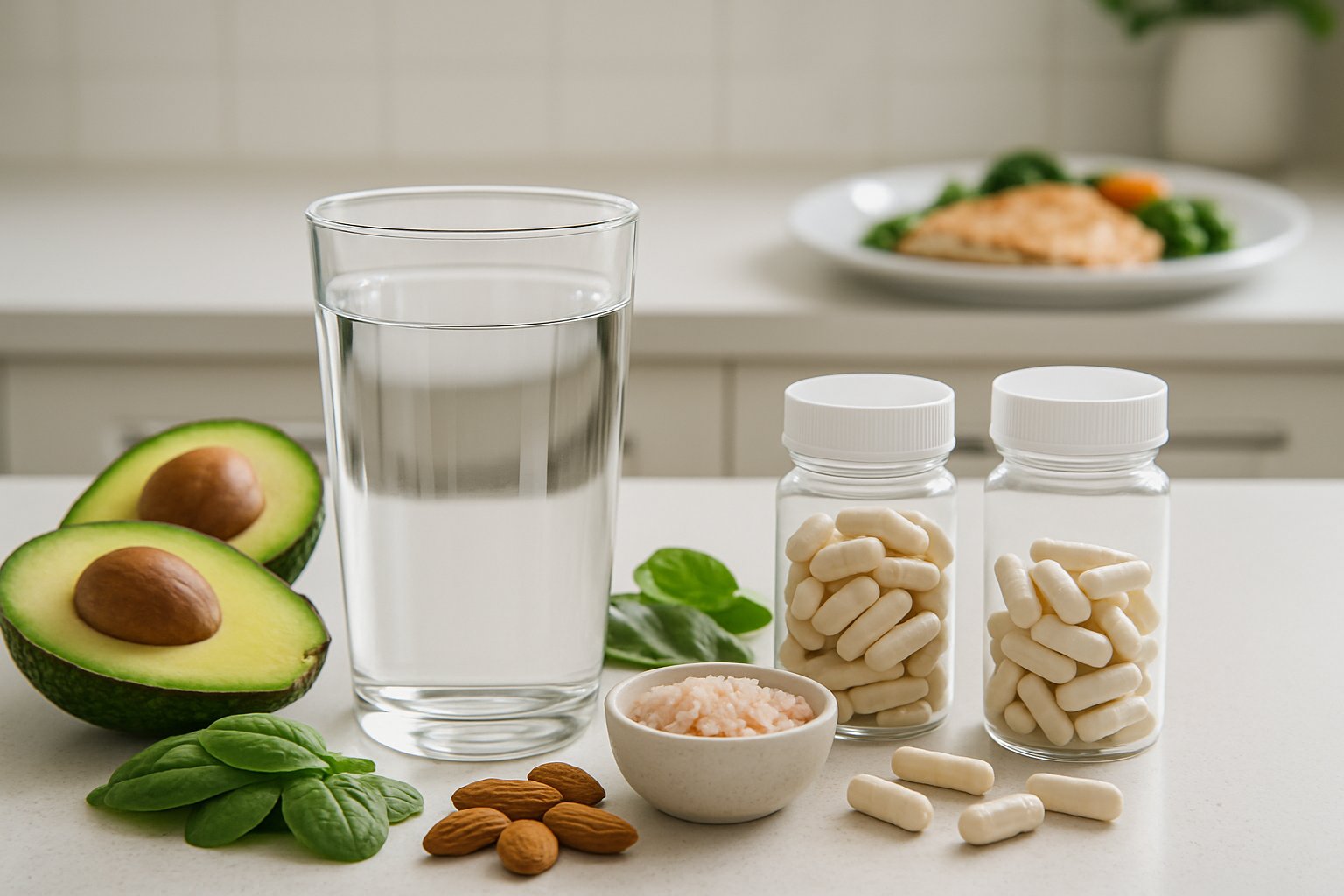
A glass of water on a kitchen counter surrounded by keto-friendly foods like avocado, spinach, almonds, pink salt, and supplement capsules.

Staying hydrated on keto is honestly more important than most people realize. Low carb intake means your body sheds more water and minerals, so you’ve got to keep up with regular fluids and electrolytes if you want to avoid that sluggish, dizzy feeling that sometimes hits in early ketosis.

Why Hydration Matters for Energy

When you cut carbs, insulin drops, and your kidneys dump extra water and sodium. This can sneak up on you, causing dehydration that messes with blood volume and oxygen delivery—cue fatigue, headaches, and those annoying muscle cramps.

Electrolytes like sodium, potassium, and magnesium keep nerves firing and muscles working. Honestly, water alone just doesn’t cut it if you’re missing these minerals.

Even a little dehydration can mess with your focus and stamina. Some studies say mild dehydration lowers exercise performance and can even tank your mood.

Replacing fluids with water and electrolyte drinks works better than plain water, especially if you’re active or sweating a lot.

SymptomCommon Cause on KetoRecommended Response
FatigueElectrolyte loss, low sodiumAdd salt or use electrolyte mix
HeadacheDehydrationDrink water with minerals
Muscle crampsLow potassium or magnesiumInclude leafy greens, supplements

Keto-Friendly Hydration Strategies

Hydration on keto is more than just chugging water. You’ve got to add minerals—think bone broth, electrolyte powders, or even mineral water—to keep things balanced and avoid the dreaded “keto flu.”

If plain water gets boring, try unsweetened herbal teas like peppermint or chamomile. Coffee and regular tea are fine in moderation, but too much caffeine can backfire by making you lose more fluids.

If you’re working out, electrolyte drinks or a little coconut water can help, though coconut water does have some natural sugars—so don’t go overboard. Mixing up your fluids throughout the day keeps electrolytes steady and makes hydration a bit less of a chore.

Keto Hydration Mistakes: 7 Common Errors That Slow Fat Loss shows how dehydration disrupts energy, performance, and metabolism.

Dietary Solutions to Boost Energy and Reduce Fatigue

People preparing and enjoying healthy keto-friendly meals with fresh vegetables, nuts, and electrolyte drinks in a bright kitchen to overcome keto fatigue

Food choices on keto can make or break your energy. Going for a mix of whole foods and healthy fats helps keep your focus sharp and your stamina up.

Nutrient-Dense Keto Foods

Leafy greens like spinach, kale, and Swiss chard load you up with magnesium and potassium—key players for muscle and nerve function. Cruciferous veggies such as broccoli and cauliflower bring fiber and antioxidants, which your body definitely appreciates for digestion and energy.

Avocado, nuts, and seeds (especially pumpkin seeds) are solid sources of healthy fats, magnesium, and zinc. They help with energy metabolism and can make muscle cramps less of a hassle.

Here’s a quick chart for practical nutrient sources:

NutrientFood SourcesKey Benefit
MagnesiumSpinach, pumpkin seedsSupports muscle and nerve function
PotassiumAvocado, leafy greensBalances fluids, prevents fatigue
Omega-3sFatty fish (salmon, sardines)Supports heart and brain health
B VitaminsEggs, leafy greensAids energy production

Your Ultimate Guide to the Best Keto Diet Food List for Healthy Weight Loss provides a full list of high-energy keto-friendly foods.

Incorporating Healthy Fats

Fat’s your main fuel on keto, so choosing good ones matters. Fatty fish, olive oil, and coconut oil give you those essential fats that support energy and help keep blood sugar from crashing.

MCT oil is kind of a keto hack—it turns into ketones fast, so adding it to coffee or smoothies can give you a quick energy bump. Mixing up your fat sources (monounsaturated, polyunsaturated, and MCTs) keeps things balanced and helps avoid energy dips.

Honestly, getting most of your fat from whole foods rather than just pouring oil on everything is easier on your stomach and still does the trick.

Timing Meals and Intermittent Fasting

When you eat can be just as important as what you eat. Some people find intermittent fasting—like eating all your meals in an 8-hour window—boosts fat burning and mental focus.

Spacing meals out during the day helps prevent blood sugar crashes and keeps energy more stable. Meals with a mix of fat, fiber, and protein digest slower, so you’re not left hungry an hour later.

Honestly, it’s worth experimenting—some folks thrive on a late breakfast, others need food first thing. Staying hydrated and sipping salty broths or mineral water during fasting periods can make a big difference in how you feel.

Energy-Boosting Supplements for Keto Fatigue

A kitchen counter with energy-boosting supplements, fresh keto-friendly foods, and a person preparing a healthy drink in the background.

Losing nutrients on keto can zap your energy and slow your metabolism. The right supplements can bring things back into balance and help you keep your energy steady, all without bumping you out of ketosis.

Best Electrolyte Supplements

Electrolytes keep your nerves and muscles happy. On keto, you lose sodium, potassium, and magnesium faster, so it’s pretty common to feel tired or crampy if you don’t keep up.

Recommended daily amounts (approximate):

ElectrolyteDaily Range (mg)Main FunctionKeto Food Sources
Sodium3,000–5,000Maintains hydration, nerve signalingSalt, broth, olives
Potassium3,500–4,700Regulates heartbeat, prevents crampsAvocado, spinach
Magnesium300–400Supports ATP formationPumpkin seeds, leafy greens
Calcium1,000–1,200Bone and muscle functionCheese, yogurt

Sodium tablets or just a sprinkle of sea salt on your food can help replace what you lose. Magnesium glycinate and potassium chloride powder are easier on the stomach than some other forms, which is a relief if you’re sensitive.

MCT Oil and Exogenous Ketones

MCT oil and exogenous ketones can both help boost your ketone levels, especially if you’re not getting enough fat from food alone. MCTs digest quickly and go straight to the liver for fast energy.

Starting with 1–2 tablespoons of MCT oil a day can improve mental focus and physical energy. Exogenous ketones—usually BHB salts or esters—can give you a temporary ketone boost, which some people find helpful when first starting keto.

These supplements are popular for improving mitochondrial efficiency and giving your brain an alternative to glucose. If you have chronic fatigue or similar conditions, talk to your doctor first. And yeah, too much MCT oil can upset your stomach, so ease in slowly.

Many find fast relief using MCT oil for instant clean energy on keto from Amazon.

  • MCT Oil from Organic Coconuts – Made from virgin coconut oil, Natural Force Organic MCT Oil provides 14g of high quality…
  • Pure Glass Bottle and Eco-Friendly Packaging – Natural Force Organic MCT Oil is packaged in an infinitely recyclable, no…
  • USDA Organic, Non-GMO Verified, Keto, Paleo, Kosher, & Vegan – We work with the industry’s leading 3rd-party certifiers …

Herbal and Adaptogen Supplements

Adaptogenic herbs like ashwagandha and rhodiola rosea might help your body handle stress and energy swings. Ashwagandha is often used for adrenal support and mood, while rhodiola is known for boosting endurance and mental clarity.

Don’t forget about iron and zinc, either—they’re important for making red blood cells and keeping your energy up. These minerals also support your immune system, which can get a little wobbly when you first switch to keto.

Pairing adaptogens with solid nutrition can help you keep your energy up without relying on caffeine or other stimulants.

If you want an extra metabolic lift without stimulants, Nagano Tonic may support smoother metabolism and more stable energy during keto adaptation.

Lifestyle Adjustments for Sustained Energy

A person preparing a healthy keto meal in a sunlit kitchen surrounded by fresh vegetables, supplements, and a glass of water.

Keeping your energy stable on keto isn’t just about food and supplements. Daily habits—like moving your body, getting enough sleep, and managing stress—play a bigger role than most of us want to admit.

Exercise and Physical Activity

Moderate, consistent physical activity helps the body shift to fat metabolism. It also boosts circulation and insulin sensitivity.

Brisk walking, cycling, or light resistance training can encourage energy production without draining your limited glycogen stores. Starting with 20–30 minutes most days is a pretty realistic way to build stamina over time.

Mixing aerobic and strength-focused routines can benefit both metabolism and your immune system. Gentle stretching or a bit of yoga keeps flexibility up and helps with the muscle soreness that often hits during the early keto phase.

Hydration and electrolytes matter before and after exercise. They help prevent fatigue and those annoying cramps.

Tracking progress isn’t a must, but it does help some people stay motivated. For example:

Type of ExerciseDurationFrequencyBenefit
Brisk walking30 min5x/weekImproves energy and mood
Bodyweight strength20 min2–3x/weekSupports metabolism
Gentle yoga15–20 minAs neededReduces tension

Best Muscle Recovery Tips After a Workout teaches strategies to maintain energy and minimize exhaustion after exercise.

Stress Management and Sleep

Managing stress is key if you want to avoid hormonal imbalances that can sap energy and disrupt ketosis. Chronic anxiety or high cortisol can make your brain feel foggy and slow down fat burning.

Relaxation techniques like deep breathing, jotting thoughts in a journal, or short meditation sessions can help stabilize mood and focus. It’s worth a try, even if it feels a bit awkward at first.

Sleep quality is just as important. Deep, restorative sleep supports brain function and keeps your immune system in check.

Most adults do best with 7–9 hours a night. Creating a wind-down routine—lower lights, fewer screens, and a cooler room—can help your body settle into a better rhythm.

Some folks find magnesium or herbal teas useful for winding down. Not everyone needs them, but it’s an option if sleep feels elusive.

Poor sleep can trigger hunger and leave you dragging all day. Sometimes just tracking your bedtime habits with a notebook or app reveals surprising patterns.

Consulting a Healthcare Professional

If fatigue lingers despite good hydration, nutrition, and sleep, it’s probably time to check in with a healthcare professional. They can look for nutrient deficiencies, thyroid issues, or electrolyte problems that might feel a lot like keto fatigue.

Blood tests can highlight shortages in magnesium, potassium, or B vitamins—all things that mess with energy. A registered dietitian or doctor can recommend safe supplement strategies and adjust your carb or protein intake if needed.

Professional advice is especially important for anyone juggling diabetes, blood pressure, or anxiety. Regular check-ins help keep both physical and mental health on track as your body adapts to ketosis.

Common Mistakes and How to Avoid Them

A group of adults preparing healthy keto meals in a bright kitchen with electrolyte water and supplements on the counter.

Plenty of people on keto feel wiped out because they mismanage electrolytes, skip nutrient-dense foods, or ignore their body’s thirst signals. Tackling these issues early can help keep energy steady and metabolism balanced.

Overlooking Electrolytes

Electrolyte imbalances are a big reason for low energy and muscle weakness on keto. When carbs drop, insulin falls, and the kidneys flush out more sodium and water—so you lose sodium, potassium, and magnesium.

Low levels of these minerals can bring on fatigue, headaches, or cramps. To avoid this, add salt to meals, sip broth or electrolyte supplements, and eat foods like avocados, leafy greens, and nuts.

MineralCommon Keto SourcesApproximate Daily Target*
SodiumSalted broth, pickles3,000–5,000 mg
PotassiumAvocado, spinach, mushrooms3,000–4,700 mg
MagnesiumAlmonds, pumpkin seeds300–400 mg

*Targets will vary depending on your needs and activity. Keeping these in check helps prevent “keto flu” symptoms.

Neglecting Nutrient Intake

Sticking only to high-fat foods without mixing things up can leave you short on nutrients. Your body still craves vitamins and minerals from nutrient-dense foods like non-starchy veggies, eggs, fish, and meat.

These provide B vitaminsiron, and zinc—all important for metabolism and energy. Skipping vegetables or too many whole foods can make fatigue worse.

  • 70–75% healthy fats like olive oil or avocado
  • 20–25% protein from eggs, fish, or poultry
  • 5–10% carbohydrates from leafy greens and other low-carb vegetables

Tracking meals for consistency can help make sure your diet supports your energy, not drains it.

Ignoring Hydration Signals

Rapid water loss is common in early ketosis. As the body uses up stored glycogen and fluid, dehydration can sneak up fast if you’re not careful.

Watch for signs like dizziness, dry mouth, or darker urine. Drinking water regularly throughout the day helps, and adding a pinch of salt or an electrolyte tablet during workouts can make a difference.

Pay attention to thirst cues and keep up with both water and minerals. Staying hydrated helps nutrients move around and keeps your metabolism humming.

Clean Keto vs Dirty Keto: Understanding the Differences and Choosing the Best helps prevent nutrition mistakes that cause chronic fatigue.

Frequently Asked Questions

A kitchen counter with keto-friendly foods like avocados, nuts, eggs, leafy greens, a glass of water with electrolytes tablets dissolving, and bottles of energy-boosting supplements.

Keto fatigue usually comes from losing electrolytes, not drinking enough, or not eating enough as your body adapts to burning fat. Managing sodium, potassium, and magnesium—plus eating a balanced diet—helps bring back energy and focus.

What are the common reasons for feeling fatigued on a keto diet?

Fatigue on keto often pops up when your body is switching from using glucose to burning fat and ketones. This shift can drop your energy and leave your brain feeling a bit foggy.

Other culprits: not eating enough, skipping meals, or missing out on electrolytes like sodium, potassium, and magnesium. These get depleted quickly when you cut carbs.

How can electrolyte imbalances contribute to fatigue when following a ketogenic lifestyle?

Lower insulin levels in ketosis make your kidneys let go of more sodium and water. This also pulls out potassium and magnesium, which are crucial for nerves and muscles.

When electrolytes dip, you might get headaches, cramps, or just feel tired. Replacing these minerals with food or supplements usually helps.

Which supplements are recommended to enhance energy levels for individuals on a keto diet?

Magnesium citrate or glycinate can support muscle recovery and energy. Potassium chloride or potassium-rich powders help with muscle function and fluid balance.

Some folks use sugar-free electrolyte drink mixes to replace lost minerals. MCT oil or exogenous ketone supplements might give a quick energy boost, though results vary.

Can dehydration be a cause of tiredness on a keto diet, and how can it be addressed?

Yes, definitely. As you lose glycogen, your body releases more water, which can lead to dehydration and make you feel weak or dizzy.

Drinking enough water—and pairing it with sodium or electrolyte drinks—helps. If your urine is a pale yellow, you’re probably on track.

What dietary adjustments might help alleviate fatigue associated with a keto diet?

Try bumping up your salt a bit and eating more mineral-rich foods like avocados and leafy greens. Make sure you’re eating enough overall, too—being in a calorie deficit can zap your energy.

Some people do better with small tweaks, like eating more often or adding a few extra carbs if fatigue hangs around past the first weeks.

Are there any specific foods known to combat keto-induced fatigue?

Foods rich in electrolytes and healthy fats help a lot. Avocados, bone broth, salmon, spinach, and nuts are all good for potassium, magnesium, and sodium.

Eggs, dairy, and seeds add protein and micronutrients needed for energy. Including these regularly can help keep you going strong while staying in ketosis.

Conclusion

A person holding a glass of water surrounded by healthy foods and supplements on a kitchen counter.

Managing keto fatigue means paying attention to electrolytes, hydration, and what you’re actually eating day to day. When your body switches from burning glucose to burning fat, it tends to flush out more water and crucial minerals—like sodium, potassium, and magnesium.

Replacing these can really help with tiredness, headaches, and those annoying muscle cramps that sometimes sneak up. Honestly, sometimes it’s as simple as tossing some extra salt on your meals or sipping on electrolyte-rich drinks.

Foods like leafy greensavocados, and salmon are surprisingly helpful for keeping energy up. A lot of folks find that a basic electrolyte supplement makes the first stretch of ketosis much more manageable.

Here’s a quick cheat sheet if you’re curious:

ElectrolyteCommon Food SourcesApprox. Daily Range*
SodiumBroth, salt, pickles3,000–5,000 mg
PotassiumSpinach, avocado, mushrooms3,500–4,700 mg
MagnesiumNuts, pumpkin seeds, leafy greens200–400 mg
CalciumCheese, yogurt, canned salmon1,000–1,300 mg

*Ranges vary by health status and activity level.

Getting enough fat and protein, along with these minerals, keeps your energy more stable. If you notice cramps or just feel wiped out, it might be time to tweak your routine a bit.

If brain fog and low stamina are slowing your progress, Java Burn blends easily with coffee or decaf to naturally support mental energy during a low-carb lifestyle.

Scroll to Top