
Why Your Keto Morning Routine Might Not Be Working (and How to Fix It)
Morning habits really do shape how your body burns fat, uses energy, and stays focused. A structured keto morning routine can help balance metabolism and improve clarity from the very start.
With a short, consistent plan—think hydration, movement, and nutrient-dense fuel—you set yourself up to burn fat efficiently and enjoy steady energy for hours.
This approach is about small, repeatable actions that actually fit real life. It teaches your body to use fat as its main fuel source while supporting mental focus and helping avoid those annoying mid-morning crashes.
The steps are simple: hydrate to restore balance, move to activate metabolism, and pick breakfast options that keep insulin low and energy stable. It’s not rocket science, but it works.
A keto morning reset works best when you tailor it to your own goals. Whether you’re after steady weight loss, mental clarity, or just better metabolic health, this plan helps you build progress—one morning at a time.
Many people follow a structured keto morning routine but still struggle with low energy, slow fat loss, or inconsistent results. In many cases, the issue isn’t the routine itself, but how it’s applied—timing, food choices, or hydration mistakes can prevent your body from fully entering or sustaining fat-burning mode.
If your progress feels inconsistent, it may not be your routine—here’s why keto might not be working for you.
The Science Behind Keto and Weight Loss

The ketogenic diet changes how your body uses fuel, shifting from carbs to fat as the main energy source. This helps regulate appetite, improves fat metabolism, and supports steady energy—key ingredients for weight loss.
What Is the Ketogenic Diet?
The ketogenic diet is high in fat, very low in carbs, and designed to trigger ketosis, a natural metabolic state. Typical ratios? About 70–80% fat, 15–20% protein, and just 5–10% carbs per day.
Drop your carbs below roughly 50 grams daily, and your liver starts making ketone bodies from fat. This switch forces your body to use fat, not glucose, for energy.
Originally, the diet was developed for epilepsy in the 1920s. Now, it’s popular for fat loss and metabolic control. Success depends on consistency, good electrolyte balance, and nutrient-dense foods—think avocados, eggs, fish, leafy greens.
How Ketosis Drives Fat Burning
In ketosis, the body uses stored fat for energy instead of glucose. Lowering carbs drops insulin levels, which helps release fatty acids from fat cells.
The liver converts these fatty acids into ketone bodies—beta-hydroxybutyrate, acetoacetate, and acetone—which your brain and muscles can use as fuel. This metabolic shift increases fat burning and decreases fat storage.
People often notice fast initial weight loss due to glycogen and water loss, then slower, steady fat reduction. The steady energy from ketones can help cut cravings and fatigue, making it easier to stick with things.
Key Fat Loss Mechanisms on Keto
Several biological processes explain how the keto diet supports weight loss:
- Lower insulin levels reduce fat storage and promote fat breakdown.
- Reduced hunger from stable blood sugar and appetite hormones like CCK and peptide YY.
- Higher energy expenditure—fat metabolism uses more energy than carb metabolism.
- Improved fat oxidation means your body burns fat more efficiently, even at rest.
| Mechanism | Effect on Fat Loss |
|---|---|
| Low insulin | Encourages fat release |
| Ketone use | Replaces glucose as energy |
| Appetite control | Lowers calorie intake naturally |
| Fat metabolism | Increases total fat burned |
To fully understand low-carb adaptation, you can read The Science of Ketosis: Exploring Metabolic Adaptation.
Core Principles of a Successful Keto Morning Routine
A strong keto morning routine helps your body shift smoothly into fat-burning mode. It also keeps energy and focus steady through the day.
It’s all about consistent habits, nutrient balance, and mindful choices that support metabolic stability and mental clarity. No need to overcomplicate it.
Structuring an Effective Morning Reset
A good keto morning starts with hydration, balanced nutrition, and a bit of movement. The aim is to kick off the day in a state that supports ketosis and efficient fat use.
Drinking water with a little apple cider vinegar (ACV) can help rehydrate and keep blood sugar stable. After that, a low-carb, high-fat meal keeps you in ketosis and avoids the crash you get from high-carb breakfasts.
Eggs with avocado, or a protein smoothie with MCT oil and unsweetened almond milk—these are good options. They give you fuel without spiking insulin.
Don’t skip movement, either. Even light walking or stretching can help mobilize fat stores and wake up your mind. It’s not about intensity; it’s about consistency.
Why Mornings Matter on Keto
Morning habits have a big impact on your daily energy balance and fat metabolism. After sleep, your glycogen stores are low, so your body is more likely to tap into fat for fuel.
A keto-friendly morning takes advantage of this state by skipping carbs that would knock you out of ketosis. Eating nutrient-dense fats early keeps blood sugar steady, helps with focus, and cuts down on brain fog.
A calm start also keeps cortisol in check, which is good for fat loss. The first hour of your day can set the tone for how you eat later.
If you skip breakfast or eat high-carb foods, you might get hunger swings and energy dips. A structured keto plan helps avoid that.
Common Mistakes That Can Disrupt Keto Results
Lots of people accidentally break ketosis in the morning. Watch out for added sugars in coffee, carb-heavy “health” foods like fruit smoothies, and inconsistent meal timing.
These things can spike insulin and mess with your fat-burning rhythm. Another common mistake? Under-hydration. Dehydration slows metabolism and can feel like hunger, which leads to overeating.
Start with at least one glass of water to support digestion and hydration balance. Don’t overlook movement—just a bit of activity helps keep energy up and focus sharp.
Paying attention to these pitfalls keeps your morning routine solid and aligned with your keto goals.
You can prevent early mistakes by reviewing Keto Flu Symptoms and How to Overcome Them Fast.
Hydration Strategies to Boost Fat Loss and Energy

Keeping hydrated supports energy metabolism, mental clarity, and physical performance. It also helps regulate appetite and improves fat breakdown if you’re following keto.
Optimal Morning Hydration Practices
Start your day with water to replace fluids lost overnight and get your body ready for fat metabolism. Drinking 16–20 ounces (about 500 ml) of water first thing rehydrates your tissues and supports digestion.
Add a pinch of sea salt or a squeeze of lemon juice for extra sodium and potassium. These minerals help with fluid balance and nerve function.
Most people find it best to sip water steadily instead of chugging a bunch at once. It keeps hydration consistent through the morning.
Here’s a simple routine:
| Time | Action | Benefit |
|---|---|---|
| Upon waking | Drink water with electrolytes | Rehydrates and boosts alertness |
| Before breakfast | Refill with plain water | Supports digestion |
| Mid-morning | Add herbal tea or black coffee | Sustains energy without sugar |
These habits help keep energy stable and focus sharp in the early hours.
Electrolytes for Energy and Focus
On keto, eating fewer carbs lowers insulin, so your body excretes more sodium and water. That means you lose electrolytes—mainly sodium, potassium, and magnesium—which are key for muscle performance and mental focus.
Sodium supports fluid retention and nerve signaling. Potassium helps with energy production and keeps cramps away. Magnesium is good for sleep, mood, and metabolism.
Without enough, dehydration can sap your endurance and focus. A balanced electrolyte plan might look like:
- Sodium: Lightly salt your meals or add a pinch to water
- Potassium: Eat avocados, spinach, and leafy greens
- Magnesium: Use supplements or eat nuts and seeds
These minerals help keep energy steady, your mind clear, and hydration on point while you lose fat.
For a deeper dive, read my guide Keto Electrolyte Drink Guide: Rehydrate Right for Keto Success.
Signs of Dehydration and How to Prevent It
Mild dehydration can lower energy, bring on headaches, and slow fat metabolism. Early signs include dry mouth, fatigue, dizziness, or muscle cramps.
Dark urine? That’s another sign you need more fluids. Preventing dehydration isn’t just about drinking water—you need to retain it, too.
Eat foods high in minerals and keep an eye on your intake. If you’re exercising or in warm weather, you’ll need more fluids and electrolytes.
Try this simple approach:
- Drink small amounts often.
- Replace water lost through sweat or activity.
- Adjust based on thirst, activity, and temperature.
Notice early signals, and you’ll keep hydration and energy steady all day.
Keto-Friendly Breakfast Approaches
A well-planned morning meal can support ketosis, keep your energy steady, and help manage hunger later in the day. The trick is balancing healthy fats, protein, and very few carbs—while figuring out if eating right away or waiting works best for you and your schedule.
Should You Skip Breakfast or Eat Early?
Some people swear by skipping breakfast to extend their fasting window. When glycogen runs low, the body starts burning stored fat for fuel, which can sometimes boost focus and energy.
This method may help regulate insulin and cut down on snacking as the day goes on. Others just feel better with an early meal—it can keep headaches and fatigue from low blood sugar at bay.
Eating soon after waking is especially useful for folks who exercise early or need food with medication. A small keto-friendly breakfast, like something with fats and moderate protein, can bring mental clarity without spiking blood sugar.
| Approach | Benefits | Best For |
|---|---|---|
| Skip breakfast | Prolongs fat burning, supports ketosis | Those comfortable fasting |
| Eat early | Prevents low energy and cravings | Early risers or active mornings |
High-Fat, Low-Carb Breakfast Ideas
A keto breakfast is all about healthy fats and keeping carbs low. Think eggs cooked in olive oil, avocado with a sprinkle of sea salt, or full-fat Greek yogurt with chia seeds.
These combos give steady energy and help curb cravings before lunch. Adding high-quality protein—like smoked salmon or cottage cheese—can also support muscle repair.
MCT oil or grass-fed butter blended into coffee is a classic for lasting fullness, especially on busy mornings. Quick ideas?
- Scrambled eggs with spinach and feta
- Almond flour pancakes cooked in coconut oil
- Chia pudding made with unsweetened almond milk
The real point is to keep things filling and stick to the keto meal plan—roughly 70% fats, 20% protein, and 10% or fewer carbs.
Smart Use of Intermittent Fasting
Intermittent fasting (IF) fits naturally with keto since both get the body burning fat for energy. A common routine is 16:8—eating within an 8-hour window.
This can help keep energy stable and cut down on insulin spikes. During fasting, hydration is key. Water, black coffee, or unsweetened tea keep you going without breaking ketosis.
Some folks add electrolytes or a little lemon for a boost. When it’s time to eat, starting with a light keto meal—like eggs and avocado—helps prevent overeating and is easier on digestion.
Essential Healthy Fats and Fuel Sources in Your Morning
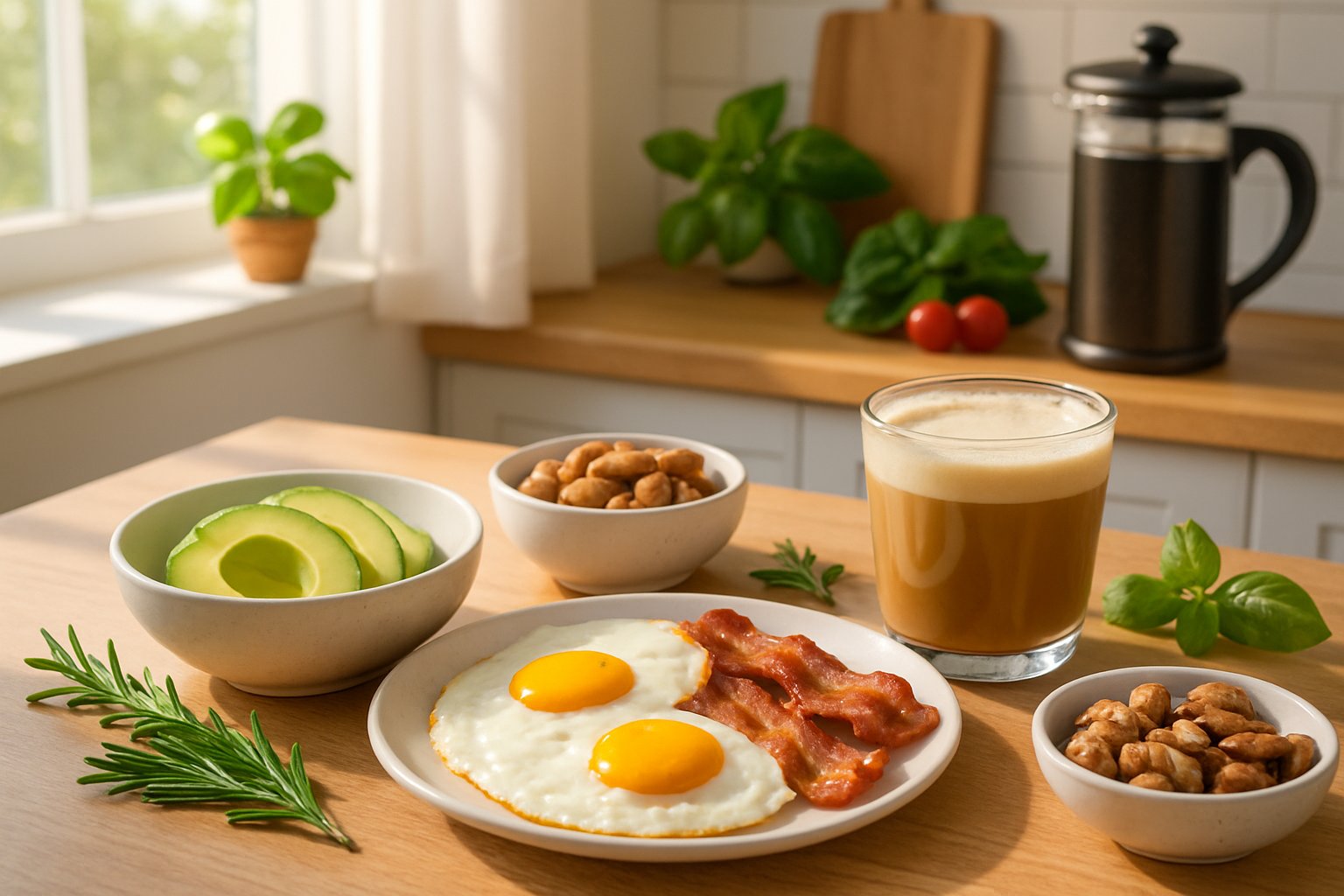
Healthy fats give you steady energy, sharpen focus, and help you stay in a fat-burning state. Picking the right fats early in the day supports ketosis and helps keep blood sugar even.
Top Sources of Healthy Fats for Breakfast
A solid keto morning centers on whole, nutrient-rich fats. Avocado, olive oil, coconut oil, nuts, and seeds deliver steady energy and support metabolic health.
Avocados and olive oil bring monounsaturated fats for heart health. Coconut oil and MCT oil are quick fuel—your body turns them into ketones fast.
Nut and seed options like almonds, chia seeds, and flaxseeds add both fat and fiber. Stir seeds into yogurt or smoothies for texture and extra nutrients.
Cooking eggs or veggies in grass-fed butter or ghee is a simple way to boost fat content and flavor. Here’s a quick breakdown:
| Food Type | Key Fat Type | Typical Use |
|---|---|---|
| Avocado | Monounsaturated | Sliced or mashed into omelets |
| Coconut Oil/MCT Oil | Medium-chain triglycerides | Added to coffee or smoothies |
| Olive Oil | Monounsaturated | Drizzled over cooked eggs or greens |
| Nuts & Seeds | Omega-3 and monounsaturated | Mixed into yogurt or used as toppings |
Boosting Focus with Fats
Running on fat instead of carbs means your body makes ketones—clean fuel for the brain. Ketones can help you focus, clear out mental fog, and keep your mood steady.
MCT oil is especially good for this, since it converts to ketones quickly in the liver. Lots of people add MCT oil or butter to their coffee for a mental boost, skipping the sugar crash.
Pairing fats with hydration and electrolytes can make mornings feel a bit brighter. Olive oil, nuts, and fatty fish also bring omega-3s, which are great for memory and focus over time.
Combining Fats with Protein for Lasting Energy
Mixing fats with moderate protein keeps energy steady and helps prevent muscle loss during fat loss. Try eggs with avocado, salmon with olive oil, or Greek yogurt with nuts and seeds.
These combos digest slowly, so you stay full and sharp. Protein supports lean tissue, while fats slow digestion, giving you a steady fuel release.
For meal prep, pre-cooked omelets, chia puddings, and fat bombs are handy and follow this principle. A balanced keto morning usually means 70–75% fat, 20–25% protein, and under 10% carbs.
Including Snacks and Quick Keto Meals
Small, balanced meals and snacks help you keep energy and focus as the day goes on. Sticking with simple, low-carb foods supports ketosis and makes the meal plan less stressful.
Nutritious Keto Breakfasts On-the-Go
Mornings can get hectic, so fast, simple meals are a lifesaver. Hard-boiled eggs, Greek yogurt (unsweetened, full-fat), or chia seed pudding prepped the night before are all solid options.
Each gives you fat and protein to keep hunger away until lunch. For something different, smoothies with unsweetened almond milk, MCT oil, and low-carb protein powder are quick and filling.
A spoonful of almond butter makes it creamy and bumps up the healthy fats. If you like savory, egg muffins or avocado with smoked salmon are great and easy to prep in advance.
Keeping a short list of favorites makes planning less of a headache. Here are a few quick breakfast ideas:
| Quick Breakfast Idea | Main Ingredients | Prep Time |
|---|---|---|
| Egg Muffins | Eggs, cheese, spinach | 10 min |
| Keto Smoothie | Almond milk, MCT oil, almond butter | 5 min |
| Greek Yogurt Cup | Full-fat yogurt, nuts, cinnamon | 2 min |
Smart Keto Snacks for Sustained Focus
Snacks can really help you stay sharp between meals, especially during long work hours. The trick is steady fuel, not a blood sugar spike.
Nuts, cheese sticks, and olives are portable, no-fuss options. A tablespoon of almond butter with celery or cucumber is satisfying and low in carbs.
Beef jerky or hard-boiled eggs are handy for travel or busy days. For a quick sweet fix, Greek yogurt with cocoa powder or chopped nuts is both filling and low in sugar.
Prepping a small snack box makes it easier to avoid processed foods and keeps your energy and focus steady.
Exercise for Fat Burn and Morning Clarity

Morning exercise taps into stored fat for energy and can boost focus. It helps set your energy for the day and works especially well with a ketogenic diet.
Cardio vs. Resistance Training on Keto
Cardio and resistance training each bring something to the table for fat loss. Cardio encourages fat burning, especially at low-to-moderate intensity when glycogen is low.
Steady-state cardio—like brisk walking or cycling—works well before eating, nudging your body to use fat for fuel. Resistance training builds muscle, which means you burn more calories even when at rest.
On keto, strength training is often easier since fat adaptation keeps energy steady. A mix of both is ideal—cardio for immediate fat burn, resistance for long-term calorie burn and muscle tone.
Sample Morning Exercise Routine
Here’s a simple routine that mixes fat-burning cardio with light resistance. Each move hits big muscle groups and gets your heart rate up without overdoing it.
Adjust the time and intensity to fit your own fitness level.
| Time (Minutes) | Activity | Type |
|---|---|---|
| 5 | Gentle stretching | Warm-up |
| 10 | Brisk walk or stationary bike | Cardio |
| 10 | Bodyweight squats, push-ups, planks | Resistance |
| 5 | Deep breathing or light yoga | Cool-down |
Short workouts like this can jump-start your metabolism and clear your mind. Exercising before breakfast often boosts focus, thanks to better oxygen flow and a rush of endorphins.
Sticking with it matters more than going all-out, especially if you’re new to keto. Just move a little and see how you feel—sometimes that’s all it takes to set up a good day.
Optimizing Fat Loss with Movement
To maximize fat loss, light-to-moderate intensity activity often works best on keto. When insulin levels are low, the body taps into fat for energy.
Keeping workouts under 45 minutes helps prevent fatigue. It also supports stable energy for the rest of the day—nobody wants to crash by noon.
Adding movement doesn’t have to be complicated. Try walking after breakfast, taking the stairs, or just stretching during breaks.
Tracking performance and recovery lets you find the sweet spot between training and rest. Staying hydrated and getting enough electrolytes really helps keep energy up.
Supplements to Enhance Morning Performance
The right supplements can help keep energy steady, sharpen focus, and support metabolic balance, especially in the early hours. They also replace nutrients lost through ketosis, making the switch to fat-based fuel easier on the body.
Must-Have Keto Supplements
A keto morning often benefits from MCT oil, electrolytes, and omega-3s. MCT oil turns quickly into ketones, fueling the brain and muscles without needing glucose.
Adding a tablespoon to coffee or a shake can boost alertness and mental clarity right after waking. Electrolytes—sodium, potassium, and magnesium—are critical since ketosis makes you lose more water and minerals.
A balanced electrolyte powder or capsule in your morning water can keep you energized and help prevent fatigue. Omega-3 supplements, like fish or krill oil, support brain function and help with inflammation that might slow recovery.
If you’re missing key vitamins, a low-carb multivitamin with magnesium and B vitamins fills gaps without kicking you out of ketosis.
Avoiding the Keto Flu with Smart Supplementation
The keto flu can show up when your body is switching to fat burning—think tiredness, headaches, or muscle cramps. Smart supplementation is a lifesaver here, keeping electrolytes and hydration in check.
Magnesium can ward off cramps and restless sleep. Sodium and potassium help prevent that weird weakness from losing fluids.
Mixing up an electrolyte drink in the morning helps keep things balanced. Exogenous ketones might support energy and mental clarity while your body adapts to fewer carbs.
Some people also find digestive enzymes and fiber ease stomach issues during this period. These supplements can make mornings smoother and help keep energy steady as ketosis becomes your new normal.
Customizing Your Routine for Special Considerations
Keto routines aren’t one-size-fits-all. If you’re taking medications, dealing with health problems, pregnant, or nursing, adjustments are a must.
Your personal needs and safety should always come first—sometimes that means bending the “rules” for the sake of energy, nutrition, or health.
Adjusting for Medications and Health Problems
If you have chronic conditions like diabetes, high blood pressure, or thyroid issues, approach keto with extra care. Some medications change how your body handles glucose or electrolytes, which can shift during ketosis.
Adjusting carb levels and fluids helps avoid things like dizziness or blood sugar swings. A doctor or dietitian can look over your labs and suggest safe carb or calorie targets.
For example, those on blood pressure meds might need to watch sodium more closely, while people on insulin could need a dose adjustment—but only with supervision.
Key adjustments:
| Health Concern | Common Consideration | Example Modification |
|---|---|---|
| Diabetes | Risk of low blood sugar | Add small carb sources during fasting |
| Hypertension | Sodium sensitivity | Use low-sodium seasoning blends |
| Thyroid issues | Slower metabolism | Increase protein for steady energy |
Track how your body responds to avoid side effects. Any big changes in mood, digestion, or energy should get a mention at your next appointment.
Pregnancy, Nursing, and the Keto Diet
If you’re pregnant or nursing, your body needs more energy and nutrients. Strict ketosis probably won’t give enough carbs for healthy fetal or infant growth.
A moderate approach usually works better—think balanced carbs, healthy fats, and plenty of protein. Doctors often recommend nutrient-dense foods like low-glycemic fruits, leafy greens, and whole grains to keep blood sugar steady and support growth.
Helpful guidelines:
- Eat regularly to avoid fatigue or nausea.
- Include omega-3–rich fats like avocado and salmon.
- Stay hydrated with water and electrolyte-rich drinks.
- Avoid fasting unless your doctor gives the okay.
Careful monitoring helps make sure both you and the baby get what you need, with energy that lasts all day.
Troubleshooting and Long-Term Maintenance

Sticking with keto means keeping an eye on nutrients, spotting early signs of stalls, and handling cravings so you don’t fall off track. A little planning and some practical tweaks help keep fat loss, energy, and focus going strong.
Tracking Progress and Making Adjustments
Tracking is more than watching the scale—it’s about the bigger picture. Weight can bounce around from water or hormones, so it’s smart to also log ketone levels, waist size, and energy.
Apps or journals make habits easier to spot and adjust. If energy tanks, maybe you need more electrolytes or a tweak to your fat-to-protein ratio.
If hunger or fatigue sticks around, check your ketone levels to see if you’re still in ketosis. Logging meals and results can reveal patterns—like if a new food causes a stall, going back to your old routine for a few days can help figure it out.
Reviewing every week or two keeps things realistic and doable.
Recognizing and Overcoming Keto Plateaus
A plateau is when fat loss just stops, even if you’re doing everything right. It might be from hidden carbs, less movement, or your body needing fewer calories after weight loss.
First, double-check your macronutrient tracking to make sure daily carbs are still under your target (usually under 50 grams). Some easy tweaks can help restart progress:
- Change up meal timing or try intermittent fasting.
- Swap out calorie-dense snacks for lighter options.
- Add some light resistance or cardio exercise.
Don’t ignore sleep and stress—they matter more than you’d think. Poor sleep can raise cortisol and slow fat burning. Getting back to a regular sleep schedule and avoiding late-night snacks often helps break a stall.
Honestly, patience is key. Real changes in body composition can take weeks to show up, even if you’re doing everything right.
Integrating Treats and Forbidden Foods Wisely
Let’s be real—treats keep you sane. The trick is planning and portion control.
If you want to try foods you usually avoid, like beans or a little whole grain, test your response to see if it messes with ketosis. Pairing small portions with higher-fat foods can help keep blood sugar stable.
Smart swaps make it easier to enjoy variety. Some ideas:
| Category | Lower-Carb Swap |
|---|---|
| Dessert | Almond flour muffin instead of cake |
| Snack | Cheese crisps instead of chips |
| Meal base | Cauliflower rice instead of grains |
Building in flexibility takes away that “forbidden” feeling. Structured reintroductions keep cravings from turning into binges and help you stick with keto for the long haul.
Frequently Asked Questions
A solid keto morning routine helps your body switch to fat for fuel, supports mental clarity, and keeps energy steady. Here are some quick answers about foods, fasting, supplements, tracking, timing, and coffee on keto.
What are the best foods to include in a keto morning routine for fat loss?
Foods high in healthy fats and low in carbs work well for fat loss and keep you full. Eggs, avocado, chia seeds, and nuts give steady energy without spiking blood sugar.
You can pair them with MCT oil or grass-fed butter for a quick ketone boost. Leafy greens or low-carb veggies add fiber and micronutrients without messing up ketosis.
How does intermittent fasting integrate with a keto morning routine?
Intermittent fasting and keto go hand in hand since both help your body use fat for fuel. Lots of people delay eating until midmorning or lunch, sticking to water and light movement earlier.
Combining fasting with keto drops insulin levels and helps burn stored fat. If you try it, up your electrolytes to avoid feeling wiped out.
What supplements should be considered to enhance energy and focus on a keto diet?
Electrolytes, magnesium, and potassium are big for avoiding the “keto flu” and keeping energy balanced. MCT oil, L-carnitine, and exogenous ketones can all help with focus and stamina.
A multivitamin can fill in nutrient gaps, especially when starting out. Look for ones without added sugars or fillers.
How can one track macros effectively during a keto morning routine?
Tracking apps and digital food logs make it simple to watch your carb, protein, and fat ratios. A common target is 70–75% fat, 20–25% protein, and 5–10% carbs.
Pre-logging breakfast helps you plan the rest of your meals and stay on track for fat loss.
What are the optimal times for eating and exercising in the morning for maximum fat loss on keto?
Low-intensity exercise while fasted—like walking or gentle stretching—can nudge your body to use fat for fuel. Eating within 30–60 minutes after exercise helps you recover without breaking ketosis, if you keep carbs low.
Everyone’s different, so tweak your timing based on how you feel and recover.
Can bulletproof coffee be incorporated into a keto morning routine, and how does it affect fat loss?
Bulletproof coffee—coffee blended with butter or MCT oil—can boost satiety and mental clarity. It’s a popular breakfast swap for people who prefer to skip solid food in the morning.
Just watch your portions. Too much added fat can stall fat loss if you’re not careful with total calories.
Conclusion
Having a simple morning routine really helps the body and mind ease into a fat-burning mode. When you stick to basics—hydration, a little movement, clean fuel, and some intention—you end up with steadier energy that actually lasts.
Honestly, small choices every day tend to work out better than any complicated plan. For a lot of folks, just five focused minutes in the morning can sharpen focus and support ketosis without making life harder.
These actions help keep your energy balanced and reinforce a bit of discipline and mindfulness, too.
Daily Reset Summary
| Step | Key Action | Purpose |
|---|---|---|
| 1 | Drink water with electrolytes | Rehydrate and support metabolism |
| 2 | Move for two minutes | Activate blood flow and muscle readiness |
| 3 | Choose keto-approved coffee or tea | Fuel energy and mental alertness |
| 4 | Set one intention | Direct focus toward consistent progress |
This pattern’s simple enough to fit any lifestyle. You can tweak the timing or steps to suit your own needs, but keeping it short and purposeful just makes it stick.
If your results aren’t where you expect them to be, small adjustments to your routine can often make the biggest difference over time.