
Stretching Instead of Cardio for Fat Loss: Evidence, Benefits, and Best Practices
This post may contain affiliate links. If you purchase through these links, I may earn a small commission at no extra cost to you. LEARN MORE.
Can stretching really take the place of cardio for fat loss? I get why people ask—stretching feels easier, it’s gentle, and honestly, it just seems less of a hassle than sweating buckets on a treadmill.
Here’s the thing: stretching absolutely helps with flexibility, range of motion, and recovery. But it just doesn’t torch calories like cardio does. Stretching by itself won’t melt away fat, but it does keep you moving, helps manage stress, and makes it easier to stick with tougher workouts.
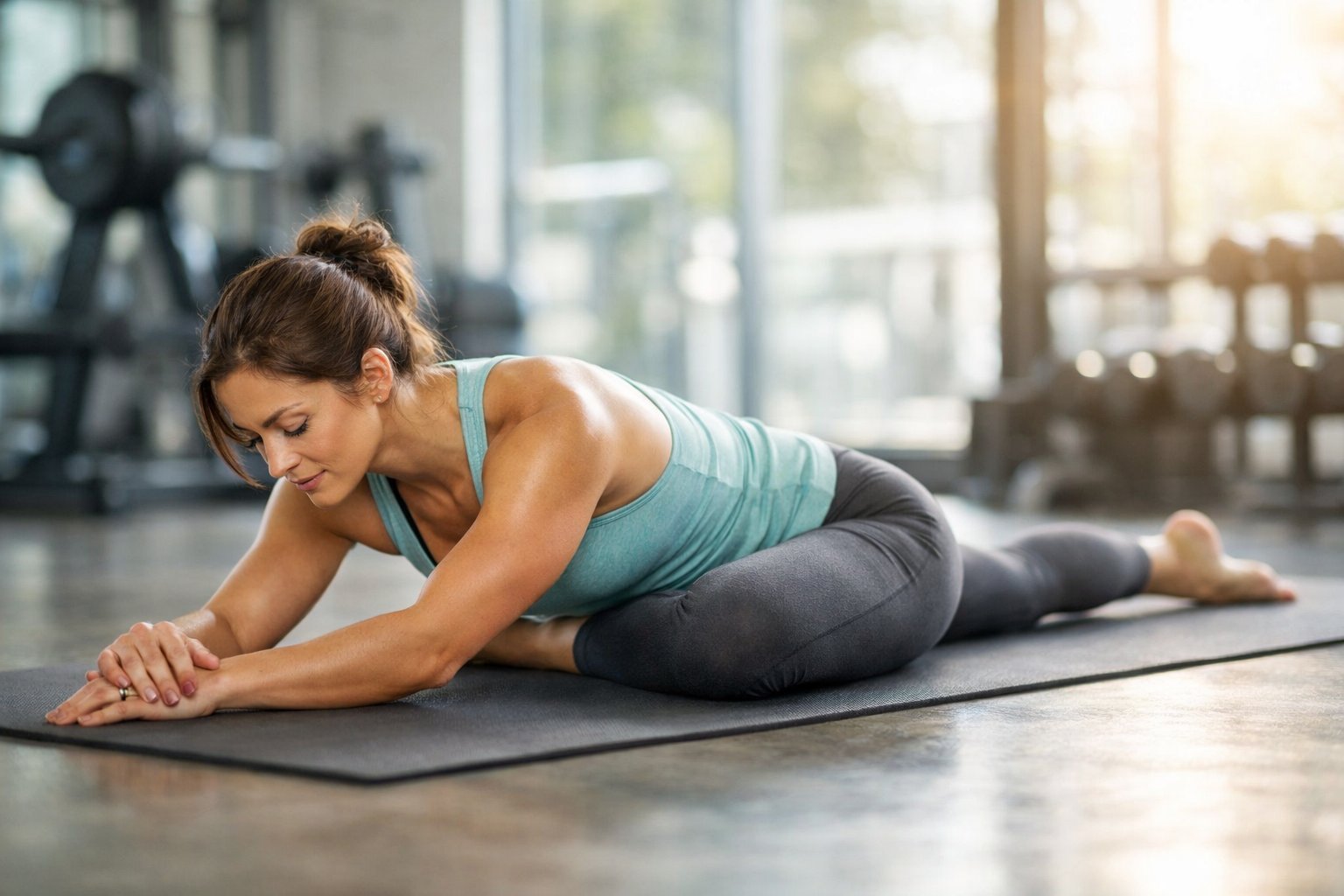
People who stretch regularly often notice they just move more during the day. Less stiffness, less tiredness—so you’re more likely to get up and do stuff, which adds up as non-exercise activity thermogenesis (NEAT).
When you add stretching to a healthy diet and a bit of exercise, it becomes a handy tool for keeping up steady progress toward fat loss.
If you are new to structured weight loss, this Keto Diet for Beginners: Easy Tips to Kickstart Your Journey guide explains how nutrition and movement work together.
Key Takeaways
- Stretching supports fat loss, but it doesn’t replace cardio.
- Flexible, pain-free movement can make you more active overall.
- Mixing stretching with other kinds of exercise just works better.
Can Stretching Replace Cardio for Fat Loss? What the Evidence Shows
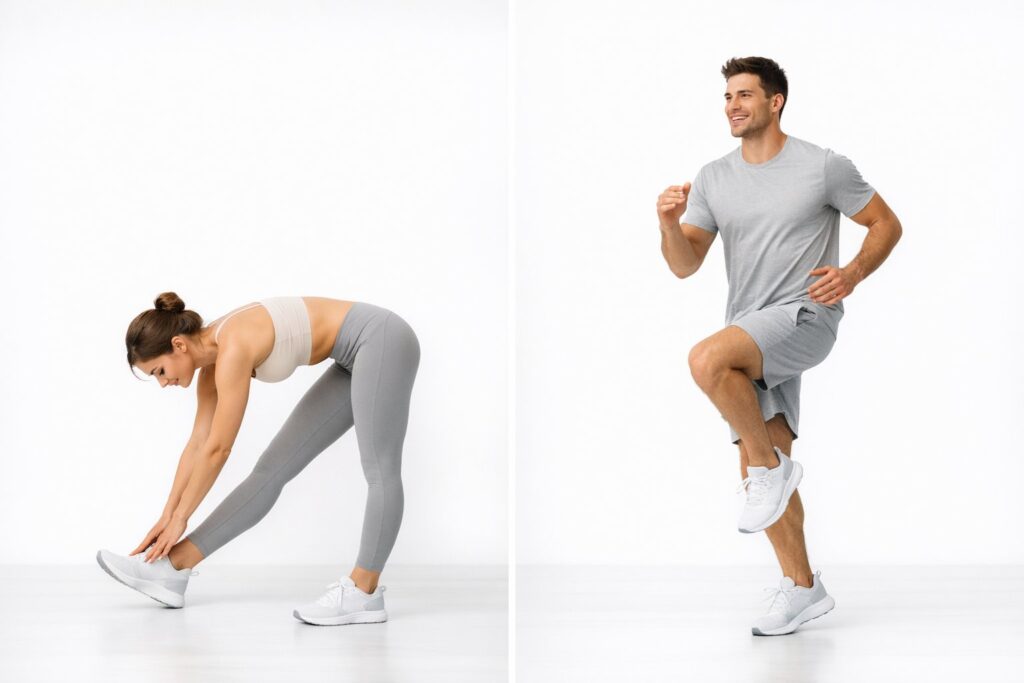
Stretching is great for joint mobility and shaking off stiffness. You’ll feel better moving around, no doubt about it.
But the science is pretty clear: stretching alone just isn’t enough to burn the kind of calories needed for real fat loss.
According to guidance from Harvard Health on stretching and flexibility, stretching supports mobility, posture, and injury prevention but does not provide the same calorie-burning impact as aerobic exercise.
Stretching vs Cardio: Key Differences for Weight and Fat Loss
Cardio—think brisk walks, running, cycling—gets your big muscles working and your heart rate up. That’s where the real calorie burn happens, which is what you need if you’re aiming to lose fat.
Stretching is low-intensity. It’s awesome for flexibility and muscle recovery, but your heart rate barely budges, and the energy output is just…well, not much.
| Type of Exercise | Typical Intensity | Approx. Calories Burned (30 min, 150 lb person) | Main Benefit |
|---|---|---|---|
| Cardio (moderate jogging) | High | ~250–300 calories | Strengthens heart, aids fat loss |
| Stretching/flexibility | Low | ~85 calories | Improves range of motion, reduces stiffness |
So, stretching isn’t going to take the place of cardio in any fat loss plan. But more flexible muscles mean better workouts and fewer injuries, so you can stay active longer.
Because stretching plays a major role in recovery, these Best Muscle Recovery Tips After a Workout help explain why low-impact movement can still support fat loss.
How Many Calories Does Stretching Actually Burn?
Let’s be honest: stretching doesn’t burn a ton of calories. Here’s a quick breakdown:
- 125-pound person: about 70 calories in 30 minutes.
- 150-pound person: roughly 85 calories.
- 200-pound person: around 110–115 calories.
That’s way below what you’d get from most aerobic workouts. Still, stretching makes other movement easier, and it can help lower stress—so maybe you’re less likely to hit the snack drawer when you’re frazzled.
It won’t make a big dent in fat loss by itself, but it does keep you comfortable and moving enough to keep your energy balance in check.
Where Stretching Fits in a Realistic Fat Loss Plan
Stretching is best as a sidekick to a solid fitness plan. It gets your muscles ready for action and helps with recovery after you’re done.
If you stretch often, you’ll probably find it easier to stick with cardio and strength training—both proven ways to shed fat.
A well-rounded plan might look like this:
- Cardio: 3–5 days a week to burn calories.
- Strength training: 2–3 days a week for building muscle.
- Stretching: daily or after workouts for flexibility.
This combo helps you keep a steady calorie deficit and lowers your risk of getting sidelined by fatigue or injury. Stretching isn’t a replacement for cardio, but it sure helps you keep moving and burning calories in the long run.
How Stretching Influences Weight, Metabolism, and Body Composition
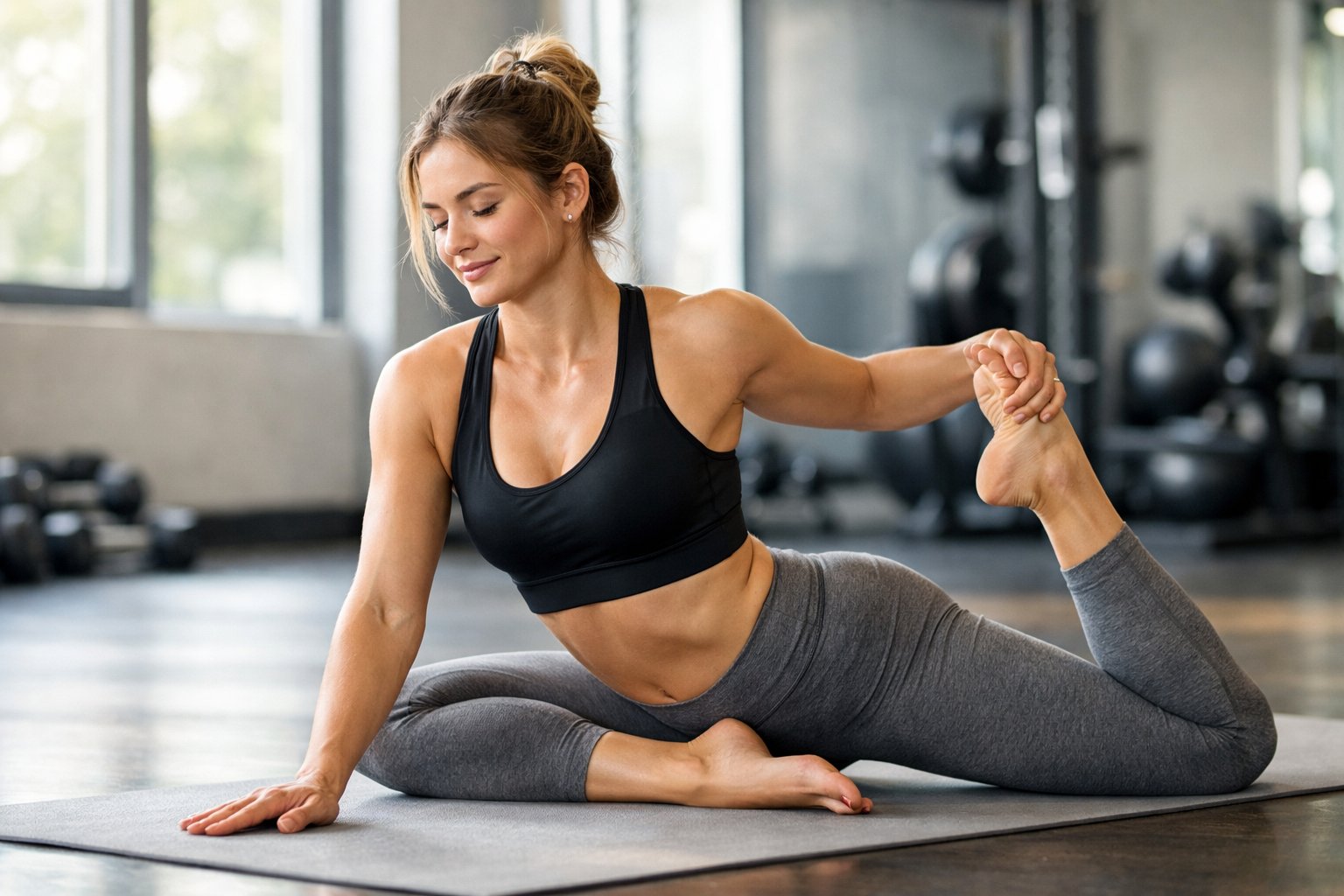
Stretching isn’t just about touching your toes. It can actually boost your movement quality and get you using more energy just by making everything feel less stiff.
If flexibility and joint limitations make cardio difficult, a structured mobility-based system like Hyperbolic Stretchingcan help you stay active and support fat loss without high-impact workouts.
Improved Range of Motion and Training Efficiency
When your range of motion improves, your joints move easier. That means you can work your muscles through their full length during exercise.
Better flexibility means those squats or lunges are more effective. You get better alignment, less strain, and you’re less likely to tweak something.
Regular stretching also cuts down on that tight, sluggish feeling that keeps people glued to their chairs. The more mobile your joints, the more you naturally move throughout the day.
| Benefit | Description |
|---|---|
| Greater flexibility | Enhances form and movement quality |
| Reduced injury risk | Supports consistent exercise |
| Improved muscle activation | Engages more fibers for better calorie use |
Muscle Engagement, Recovery, and Metabolic Support
Stretching does get your muscles working, even if it’s gentle. Those little contractions improve blood flow and help your muscles get the nutrients they need.
After workouts, stretching helps you unwind and keeps your muscles functioning well. The better you recover, the more likely you’ll stick with your routine and keep seeing results.
There’s also a small metabolic boost from stretching, since relaxed muscles recover faster and lean muscle burns more calories—even when you’re just sitting around.
NEAT: How Stretching Can Increase Daily Activity Levels
NEAT is all the small stuff you do outside the gym—walking to the mailbox, standing up to stretch, that sort of thing. Stretching helps here by making you more comfortable and less likely to avoid movement.
When you’re not stiff or achy, you move more. That adds up to more calories burned across the day, even if you’re not doing “real” exercise.
Honestly, even a couple of quick stretching breaks at your desk can make a difference. Over time, those little bursts of movement support fat loss in a way that’s easy to stick with.
If flexibility and joint limitations make cardio difficult, a structured mobility-based system like Hyperbolic Stretching can help you stay active and support fat loss without high-impact workouts.
Stretching Instead of Cardio for Fat Loss: Benefits, Limits, and Myths
Stretching is awesome for flexibility, joint health, and stress relief. It might even help with weight control, but not in the same way as a sweaty cardio session.
The Calorie Burn Gap: Stretching Compared With Cardio
Let’s not kid ourselves: stretching burns way fewer calories than cardio. A 150‑pound person burns about 85 calories in 30 minutes of stretching, but you could burn 250–400 calories doing moderate cardio in the same time. That’s a big gap.
But stretching keeps your muscles limber, helps you stand taller, and can cut down on soreness after tough workouts. Better flexibility means you’ll get more out of your cardio and strength sessions, too.
It’s relaxing and feels good, but it doesn’t get your heart pumping enough to really burn fat. Stretching is for prep and recovery, not calorie burning.
When Cardio Is Still Necessary for Effective Fat Loss
Honestly, cardio is still a must for most people trying to drop body fat. Aerobic exercise gets your heart rate up, uses more oxygen, and taps into stored fat for fuel.
Stretching just can’t match that. It’s great for staying mobile but doesn’t challenge your heart and lungs the same way. Without that, your body just won’t burn enough energy for steady fat loss.
Still, stretching helps keep you in the game by lowering injury risk and making movement feel better. When you combine both, you get better workouts and fewer setbacks from tight or tired muscles.
Even when relying on low-impact movement, calorie balance still matters, which is why learning how to calculate keto macros correctly remains essential for fat loss.
The Smart Approach: Combining Stretching, Cardio, and Resistance Training
If you want the best results, mix it up: stretching, cardio, and resistance training all have their place. Each one does something different for your body, and together, they just work better.
Stretching keeps you mobile and helps you recover. Cardio boosts your heart health and burns calories. Resistance training—like lifting weights or doing push-ups—builds muscle, which means you burn more calories even at rest.
Here’s a sample schedule that covers all the bases:
| Day | Focus | Example |
|---|---|---|
| Mon/Wed/Fri | Cardio | Brisk walk or cycling for 30–40 min |
| Tue/Thu | Resistance Training | Lifting weights or bodyweight circuits |
| Daily | Stretching | 10‑minute flexibility session or yoga |
This way, you get calorie-burning workouts plus the flexibility to recover and keep your body moving well. It’s not about picking one over the other—mixing them is where the magic happens.
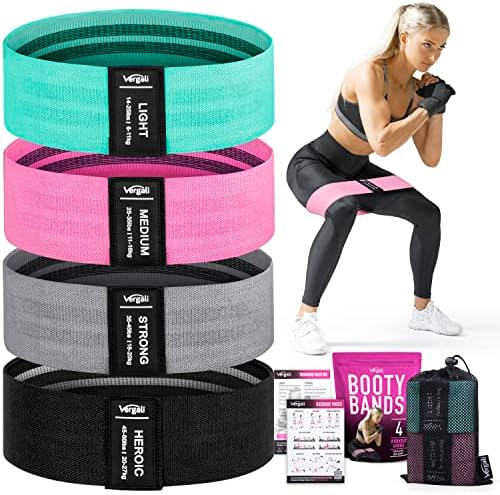
Check out resistance bands to assist your strength training.


Types of Stretching and Their Impact on Fat Loss
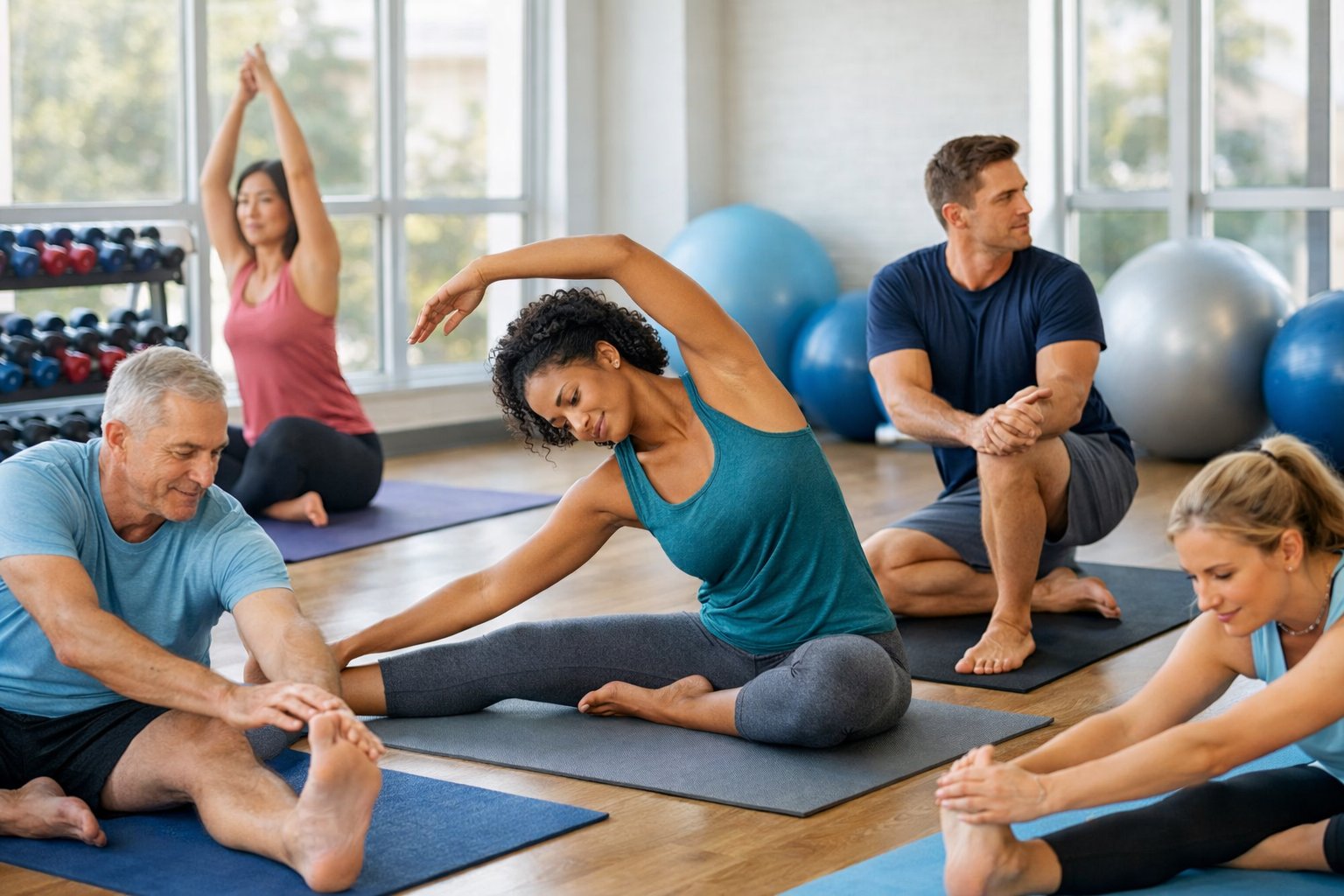
Stretching comes in a bunch of flavors, and each one hits the body a little differently. Some are all about flexibility and keeping you injury-free, while others might nudge your energy use up by getting more muscles involved.
Knowing what each type actually does can help you figure out how—if at all—it plays into fat loss.
Static Stretching: Flexibility Gains vs Fat Loss Impact
Static stretching is where you hold a position for 10 to 30 seconds, giving your muscles time to lengthen and your flexibility a little boost. It’s best saved for after exercise or when you’re cooling down.
This kind of stretching chills out the muscles, gets blood flowing, and helps shake off stiffness. But honestly, it doesn’t really get your heart pumping or torch a bunch of calories.
Mostly, static stretching helps you recover so you can hit those higher-intensity workouts feeling good. By keeping you limber and moving well, it lowers your risk of tweaks and strains.
| Benefit | Description |
|---|---|
| Flexibility | Increases joint and muscle range |
| Fat loss effect | Minimal direct impact |
| Best time | Post-workout or during recovery |
Dynamic Stretching: Movement-Based Stretching and Calorie Burn
Dynamic stretching is a bit more lively. You’re moving—think leg swings, arm circles, walking lunges—getting your joints and muscles warmed up through their full range.
Because you’re actually moving, your heart rate creeps up, and you start using more muscle groups at once. The calorie burn is still pretty mild, but it’s a step up from just holding a stretch.
It also wakes up your coordination and muscle activation. Over time, your metabolism gets a little nudge because your body’s moving better and with better posture.
Dynamic stretches are best right before workouts, sports, or anything where you need to be quick and in control.
Dynamic flexibility routines often follow a structured stretching program designed to improve mobility without excessive strain.
PNF Stretching: Performance Benefits and Fat Loss Relevance
PNF, or Proprioceptive Neuromuscular Facilitation, is a mouthful, but it’s basically a mix of contracting and relaxing muscles to push flexibility and strength. Usually, you need a partner or a strap for this one.
It’s popular with athletes or anyone who wants to crank up muscle activation and mobility. The contraction part briefly fires up your muscles and bumps up energy use, even if just for a moment.
Fat loss? The direct effect is pretty tiny. But by making tough workouts safer and more effective, PNF stretching can help you get more out of your training.
Since it’s intense, it’s better to save it for after workouts or during focused flexibility sessions.
Ballistic Stretching: Limited Fat Loss Value and Injury Risks
Ballistic stretching is the bouncy, old-school kind—quick, jerky movements that try to force muscles past their usual limits. It’s all about momentum, not control.
Your heart rate might tick up a bit, but the risk of pulling something is way higher, especially if you’re not super flexible. The calorie burn just isn’t worth the risk.
Some athletes still use it, but for most people, it’s not the best choice. Dynamic or PNF stretching is way safer and does more for your overall movement and weight goals.
Best Stretching Exercises and Routines to Support Weight Loss
Targeting big muscle groups with your stretching routine can boost mobility and help you avoid injuries. It also gets you ready for the real calorie-burning stuff.
Mixing in yoga or tai chi isn’t just for mindfulness—those practices help with balance, strength, and even stress, which all play into keeping weight off long-term.
Stretching Routines for Major Muscle Groups
A well-rounded routine hits the upper body, core, and lower body. Stretching your hamstrings, quads, and glutes makes walking and squatting smoother, which can up your calorie burn throughout the day.
Walking lunges and deep squats get those big muscles working and your blood moving. Try dynamic stretches before you work out, and static holds after.
Cat-cow stretches are great for your spine, and a tricep stretch keeps your arms and shoulders loose. Holding static stretches for your adductors and hamstrings for 30 to 60 seconds helps with recovery and flexibility.
Don’t forget your rhomboids and triceps—they keep your upper body balanced and help prevent that tired, slouchy feeling. Hitting all these areas makes it easier (and safer) to do the exercises that really burn calories.
Pairing regular stretching with simple keto meal prep strategies makes it easier to stay consistent during a fat loss phase.
Yoga, Tai Chi, and Mind-Body Practices for Sustainable Weight Control
Yoga and tai chi mix slow stretching with breathing and body awareness. These aren’t just about flexibility—they wake up your core, glutes, and hamstrings, and help calm the mind.
Yoga moves like the seated twist or downward dog stretch your core and loosen up tight legs. Tai chi is all about smooth transitions, so you get better balance and joint health.
Gentle mobility work might even keep your metabolism a bit higher after exercise. More importantly, it helps you stick with your routine by easing stress and improving sleep—big factors in keeping weight off.
Low-intensity practices work best when paired with easy lazy keto meal ideas that reduce decision fatigue.
Sample Stretching Routine, Safety Tips, and Best Practices
Here’s a quick full-body routine you could try:
| Muscle Group | Example Exercise | Duration |
|---|---|---|
| Hamstrings & Glutes | Standing forward bend | 30–45 sec |
| Quadriceps & Adductors | Standing quad stretch | 30 sec per side |
| Back & Rhomboids | Seated twist | 30 sec per side |
| Arms & Triceps | Overhead tricep stretch | 20–30 sec |
| Core & Abs | Cat-cow stretch | 8–10 cycles |
Shoot for stretching 5 to 7 days a week, but keep it moderate—enough to feel a gentle pull, never pain. Remember to breathe; it helps everything loosen up.
If you’re new, try pairing stretching with something light like a walk or a bit of resistance work. Skip the bouncing, keep your posture in check, and go for consistency. Over time, you’ll notice more flexibility and a bit more energy for daily life.
Additional Benefits of Stretching for Long-Term Weight Management
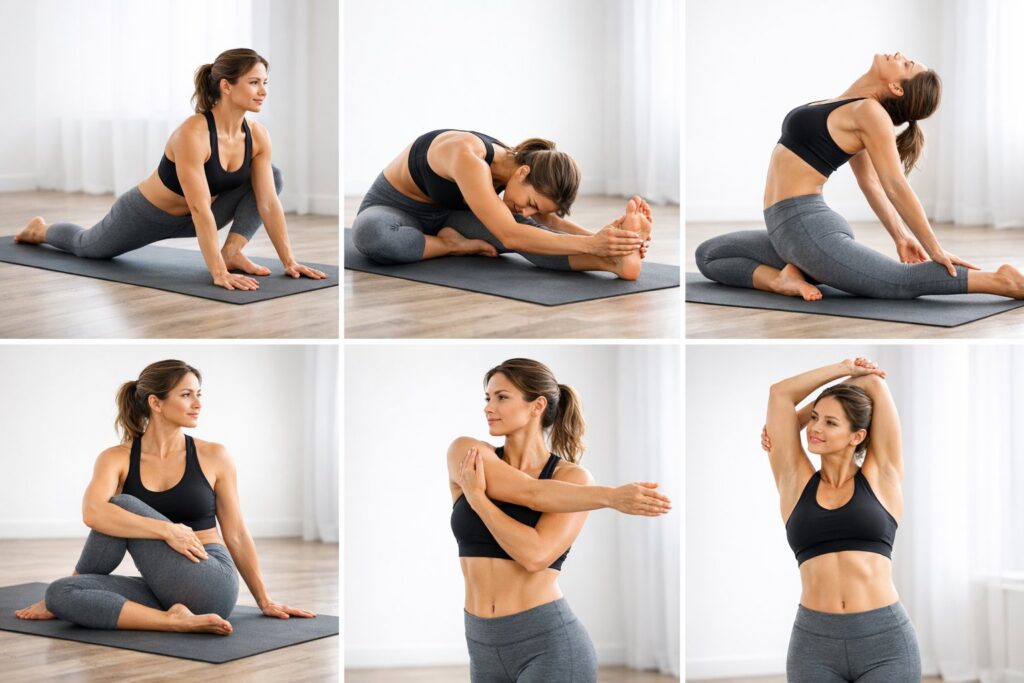
Stretching isn’t just about staying limber. It helps you move better, manage stress, and keep up with exercise—three things that matter a lot when you’re trying to keep weight off for good.
Posture, mobility, even the hormones that nudge your cravings or energy—they’re all in the mix.
Posture Improvement, Mobility, and Injury Prevention
Stretching keeps you flexible and builds up those little stabilizing muscles that hold your posture together. When you line up right, your weight spreads out evenly and your back, hips, and knees take less of a beating.
Better posture can even help ease chronic aches and the lopsided muscle issues that come from sitting too much. Plus, when your muscles move freely, workouts feel easier and you’re less likely to get hurt.
Warming up with stretches before a tough session gets your blood moving, and cooling down with them helps your muscles relax. Less injury means you can actually stick with your workouts, which is huge for keeping weight off.
Stress Reduction, Cortisol Control, and Emotional Eating
Stress cranks up your cortisol, and that can mess with your appetite and fat storage. Gentle stretching—especially the slow, restorative kind—helps your body chill out and lowers those stress hormones.
Less stress often means less emotional eating. If you’re someone who snacks when tense, adding some stretching at night could help swap out that habit for something a bit healthier.
It can even help you sleep better by calming your nerves. Good sleep keeps your hunger hormones in check and gives your immune system a boost—both important for steady weight control.
Consistency, Enjoyment, and Long-Term Adherence
Honestly, the best routines are the ones you’ll actually do. Stretching is easy to fit in, needs almost no gear, and you can do it pretty much anywhere. That makes it way easier to stick with over the long haul.
It also knocks out soreness, so you’re not dreading your next workout. That little bit of comfort can keep you coming back, even when motivation dips.
When you’re not worried about aches or stiffness, it’s easier to keep moving and burn more calories. That steady effort adds up, helping you manage your body composition month after month.
For those prioritizing joint health and sustainability, these keto tips for older adults highlight why long-term adherence matters more than intensity.
For readers combining stretching with a low-carb lifestyle, Keto Creator can simplify meal planning and help maintain a consistent calorie deficit alongside your training routine.
How to Build an Effective Stretching-Based Fat Loss Routine
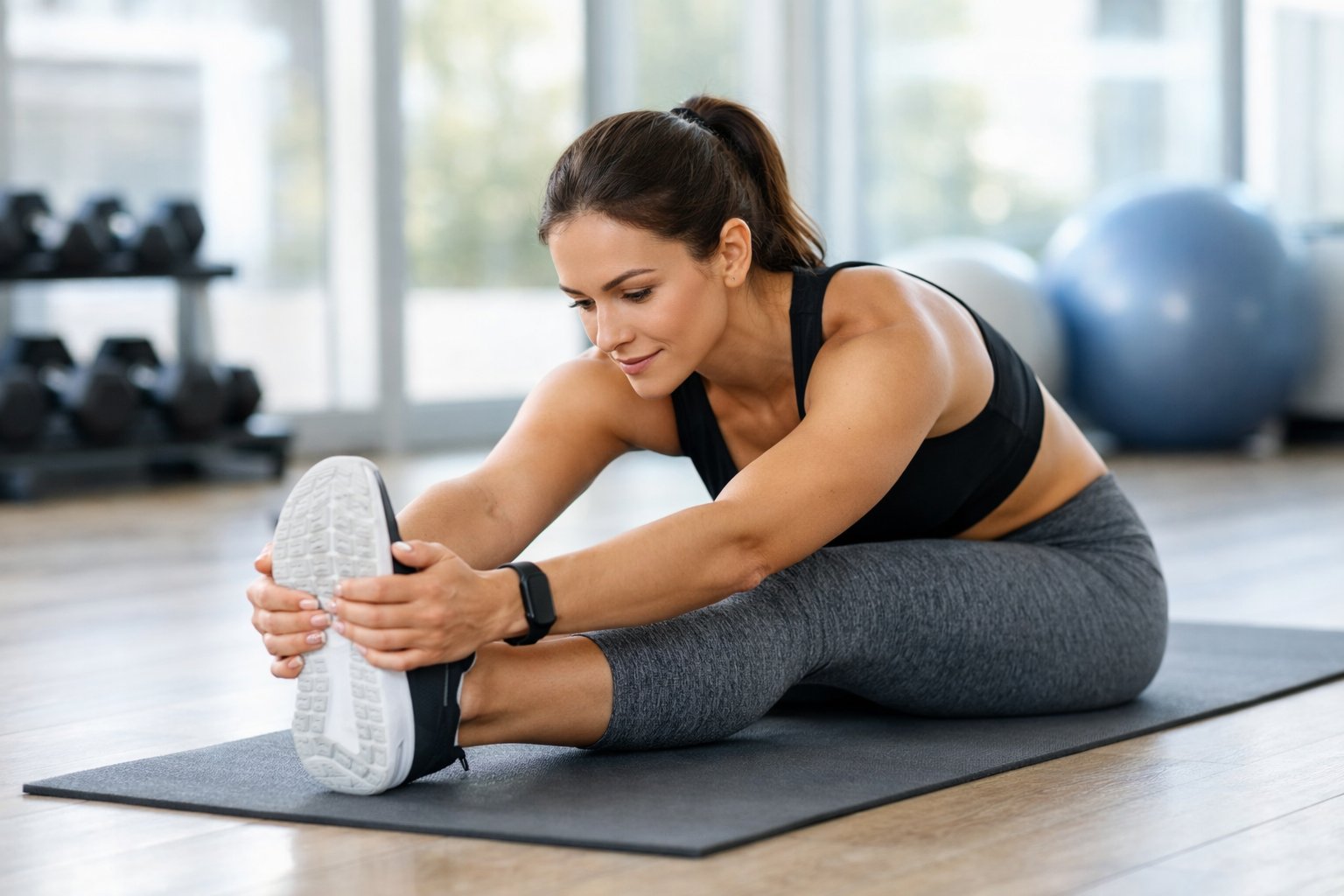
If you want stretching to actually help with weight loss, pair it with regular movement, decent food, and enough rest. Use stretching to get flexible, keep stress in check, and prep your body to burn more calories—whether you’re walking, lifting, or just living your life.
Stretching Frequency and Duration for Fat Loss Support
Stretching’s got to happen often enough to keep muscles loose and joints moving, but not so much that you end up tired. Most folks do well with 10–20 minutes of stretching per day or 20–30 minutes at least three times per week.
Short daily sessions really help with mobility and can nudge you to move more throughout the day. That’s a quiet win for your energy balance.
Zero in on major muscle groups—hamstrings, hip flexors, chest, shoulders, and back. Usually, holding each stretch for 15–30 seconds is enough for most people to see flexibility gains.
Mix up static stretches (holding) after workouts and dynamic stretches (moving) before activity. That combo keeps joints happy and helps you get more out of your exercise sessions.
Consistent stretching can improve coordination and posture. You might notice your range of motion gets better, making other activities just a bit easier.
How to Combine Stretching With Cardio and Strength Training
Stretching by itself doesn’t burn a ton of calories, but pairing it with cardio and strength training really boosts your results. Here’s one way to balance things out:
| Type | Frequency | Focus | Benefit |
|---|---|---|---|
| Dynamic Stretching | Before workouts | Warm-up, mobility | Prepares muscles for exertion |
| Cardio (e.g., walking, cycling) | 3–5×/week | Heart rate | Increases calorie expenditure |
| Strength Training | 2–3×/week | Major muscle groups | Builds metabolically active muscle mass |
| Static Stretching | After workouts | Recovery, flexibility | Reduces stiffness and injury risk |
Getting more flexible and comfortable in your joints means you can move better during cardio or weight lifting. That might just help you build a bit more muscle and see better results over time.
Building Sustainable Habits for Long-Term Results
Making real change is about building habits that fit into your day. Short, regular sessions tend to stick better than marathon stretches once in a blue moon.
Try stretching after you wake up, before bed, or during work breaks—whatever feels natural. Pairing stretching with slow breathing can lower stress, which might help curb emotional eating too.
Noticing your flexibility or comfort improve (instead of just staring at the scale) is a good way to stay motivated. Over time, that kind of focus helps you move better and feel steadier in your routine.
Frequently Asked Questions
Stretching makes you more mobile, helps with stress, and could nudge you toward moving more. It doesn’t torch calories like cardio or lifting, but it does help you recover and stick with your workouts.
What are the real benefits of stretching for weight and fat management?
Stretching loosens up your joints and muscles, so moving around feels easier. That can mean you’re up and about more often, even if you don’t notice it at first.
It can also drop your stress levels and muscle tension, which might make emotional eating less tempting. In short, stretching helps your body move better and keeps you in the game for other weight management efforts.
Can stretching alone create a calorie deficit for weight loss?
Honestly, stretching by itself just doesn’t burn enough calories to make a real dent. A 30-minute stretch might use up 70 to 110 calories, depending on your body and how hard you’re working.
Fat loss still comes down to eating less and moving more. Stretching just helps you stay ready for those tougher workouts.
How does stretching compare to cardio for burning fat efficiently?
Cardio—think jogging, biking, or even brisk walking—burns calories way faster than stretching. Stretching is more about keeping you flexible and helping you recover than about blasting through calories.
Still, when your muscles and joints move well, you can push harder in cardio. That can pay off in the long run.
What role should stretching play in a complete fat loss program?
Stretching is one piece of the puzzle alongside strength and aerobic training. It helps you avoid injuries and stay limber between tough workouts.
When you add good nutrition and regular movement, stretching helps you keep showing up for yourself.
Which types of stretching are most useful for supporting fat loss?
Dynamic stretching before workouts gets your muscles ready to move. Static stretching after workouts helps you recover and stay flexible.
Some folks also like mind-body stuff like yoga or tai chi. Those can help with stress and sneak in a bit of extra movement.
How often should stretching be done to aid weight reduction?
Consistency really is the key. Stretching two or three times a week can make a difference in how you feel and move.
Even a quick five or ten minutes each day keeps you loose and might encourage you to move more overall—which, in the end, helps you burn a few more calories.
Conclusion: Should You Use Stretching Instead of Cardio for Fat Loss?
Stretching’s great for flexibility and posture. It helps with recovery, too.
There’s also a bit of a boost to blood flow and muscle activation, which can support your metabolism. Still, it just doesn’t burn as many calories as something like running or cycling.
Cardio is really the go-to for direct fat loss. Raising your heart rate with brisk walking, jogging, or hopping on a bike creates that calorie deficit you need if you’re trying to lose weight.
Stretching might not torch fat on its own, but it does make moving easier and less risky. It can lower stress, and I’d say that’s not nothing.
| Goal | Best Option | Stretching’s Role |
|---|---|---|
| Burn calories | Cardio, strength training | Minimal help |
| Reduce stress | Stretching, yoga | Strong benefit |
| Improve flexibility | Stretching | Primary benefit |
| Support recovery | Stretching, mobility work | Helpful aid |
Mixing both? That’s usually the sweet spot for most folks. Light stretching before or after cardio gets your muscles ready and helps you bounce back.
If intense workouts aren’t in the cards, gentle stretching keeps you moving and a bit more mindful. But honestly, stretching should complement—not replace—cardio if fat loss is the main goal.
When stress and inflammation slow fat loss progress, adding metabolic support such as Nagano Tonic may help optimize results while you focus on movement consistency.