
Why Am I Not in Ketosis After 2 Weeks? Adaptation Delay vs Execution Mistakes Explained
Two weeks into keto, many people expect clear signs of ketosis—stable energy, measurable ketones, or visible fat loss. When those signals don’t appear, the assumption is immediate failure.
But being not in ketosis after 2 weeks does not automatically mean the diet is broken. At this stage, the issue usually falls into one of two categories: a normal adaptation delay or an execution mistake that is quietly blocking fat metabolism.

The real problem is misinterpreting week two as a universal deadline. Metabolic history, insulin sensitivity, macro setup, and stress levels all influence how quickly the body shifts into sustained ketosis.
This article separates normal physiological transition from structural breakdown, clarifies what signals actually matter, and outlines what adjustments—if any—are justified at the two-week mark.
After 2 Weeks on Keto and Still Not in Ketosis: Is This a Failure Signal?
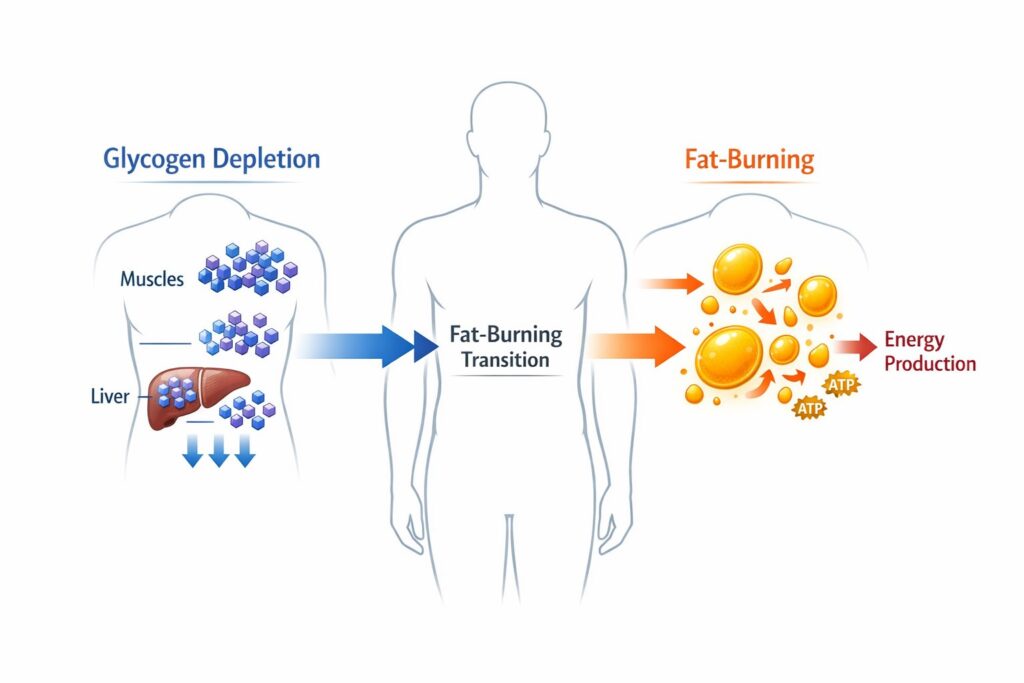
If you’re not in ketosis after 2 weeks, it’s not some automatic sign of failure. Everyone’s timeline is different, and a bunch of things play into whether this is just your body adapting or something’s off with your approach.
What Most People Expect by Week Two
Most people figure they’ll hit ketosis after two weeks. You hear all the time that ketosis kicks in 2-4 days after dropping carbs below 50 grams.
But it’s rarely that simple. Some people get there in a few days, others need a week or more. Your body composition, past eating habits, and metabolic health all matter.
If you used to eat a lot of carbs, your body might drag its feet a bit. It takes a while to stop relying on glucose and start burning fat. Folks with insulin resistance or other metabolic issues can also take longer.
Two weeks is this awkward in-between. You’d think adaptation would have started, but it’s not weird if it hasn’t finished. Plus, how you test for ketosis matters—urine strips, for example, get less reliable as your body starts using ketones better.
Why Two Weeks Feels Like a Deadline
Two weeks just feels like a big checkpoint, doesn’t it? So many keto blogs and success stories hype up fast results and instant ketone readings.
When that doesn’t happen, it’s easy to start doubting yourself. The quick water weight drop in week one can stall out, which only adds to the stress.
Social media doesn’t help either. Seeing others brag about their “day 3” results makes it tough to stay patient. But everyone’s metabolism dances to its own beat.
Let’s be real: after two weeks of effort, not seeing results can be a punch to the gut. You want proof it’s working before you keep going, right?
The Critical Question: Delay or Breakdown?
So, the big question: Is this just a normal delay, or are you missing something in your execution? Knowing the difference is crucial.
Signs of Normal Delay:
- Carbs are always under 50 grams daily
- Your fat and protein ratios look good
- You’re noticing things like less hunger or maybe more energy
- No sneaky carbs hiding in sauces or processed foods
Signs of Execution Mistakes:
- Carbs sometimes creep over 50 grams
- Protein intake is a bit high (over 1g per pound of body weight)
- “Keto” snacks with hidden sugars sneak in
- Not tracking your food as closely as you think
Health stuff like thyroid issues or diabetes can slow things down too. Medications, especially steroids, can mess with insulin and ketone production. And if you’re not sleeping or you’re stressed out, that can throw a wrench in the works as well.
Honestly, what you do next depends on the cause. If it’s just a delay, patience is your friend. If it’s mistakes, time to tighten things up and keep a closer eye on your food.
If this confusion feels familiar, reviewing the broader diagnostic breakdown inside Why Keto Is Not Working for Me can help you see whether this is part of a larger execution pattern.
Structured meal planning often helps eliminate many of the small mistakes that delay ketosis adaptation.
What Actually Happens in the First 14 Days of Keto
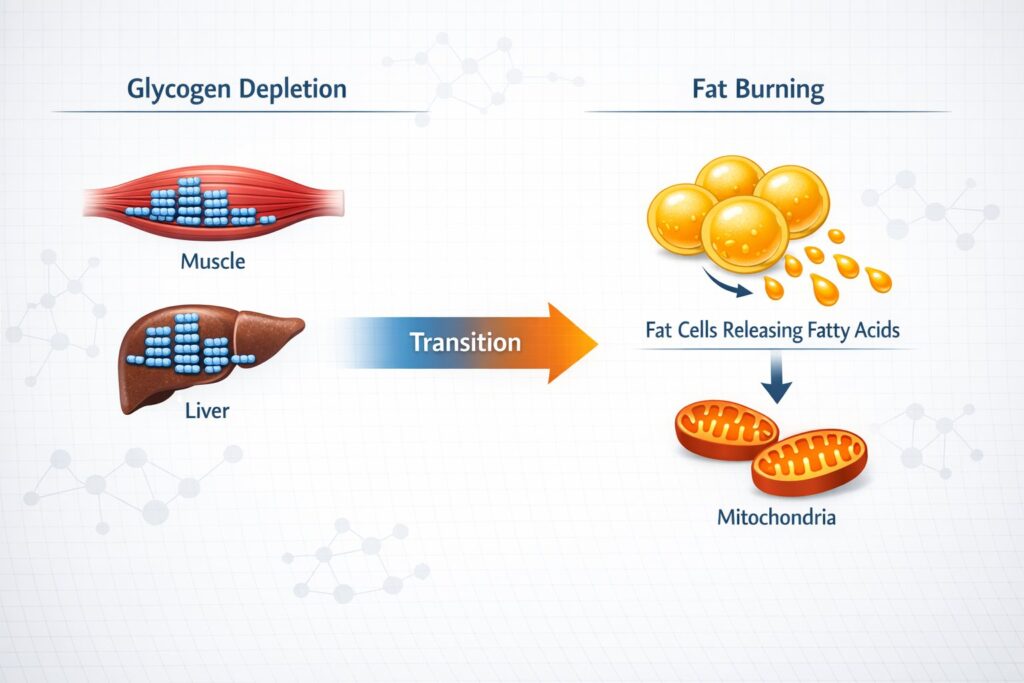
The first couple of weeks on keto? It’s a bit of a rollercoaster. Your body goes through a bunch of changes, and it doesn’t all happen in one go.
First, you burn through your stored glycogen, then you start shifting from using glucose to burning fat, and eventually your body starts making ketones—though being fully adapted takes even longer.
Glycogen Depletion and Water Loss Phase
Your body stores carbs as glycogen in your liver and muscles, and each gram of glycogen holds onto several grams of water. Drop your carbs below 50 grams, and those glycogen stores run out in a day or two. That’s why you might see 5-10 pounds disappear in the first week—it’s mostly water, not fat.
During this phase, you’re probably running to the bathroom more than usual. The scale drops fast, but it’s not fat loss yet. You’re also losing electrolytes like sodium and potassium with all that water.
Once your glycogen is gone, your body has to look elsewhere for fuel. That’s when it starts eyeing your fat stores. Some people feel a bit sluggish or foggy during this switch.
The Early Fat-Burning Transition Phase
After a couple of days, your liver starts breaking down fat into ketones. Usually, this happens somewhere between days 3 and 7. There are three main types of ketones: acetoacetate, beta-hydroxybutyrate, and acetone.
Just because you’re making ketones doesn’t mean your body knows how to use them well yet. You might see ketones in your urine because your body’s dumping what it can’t use. Blood ketone levels usually hit 0.5-1.5 mmol/L around this time.
In the first week, you might notice less hunger, some mental clarity here and there, or even a weird fruity smell on your breath. Your body’s still figuring things out, and energy can be all over the place.
Why Ketone Production Does Not Always Mean Full Adaptation
Testing positive for ketones early on doesn’t mean you’re fully adapted. Full keto adaptation takes a few weeks—sometimes even longer. Your cells need time to ramp up all the right enzymes and get good at burning fat and ketones.
During the first two weeks, your body’s still in flux. Muscles start sparing ketones for your brain, and your brain slowly gets better at using them. This kind of metabolic rewiring is not instant.
You could be making ketones by day five but still feel wiped out during workouts. That’s a sign your body’s still caught between fuel systems. Full adaptation means stable energy and focus—and that can take patience.
Understanding the underlying science of ketosis clarifies why ketone production can fluctuate early in the transition phase.
How Long Does It Normally Take to Enter Ketosis?

Most people get into ketosis within a few days if they keep carbs under 50 grams, but full adaptation takes way longer. Two weeks is kind of the “in-between” zone—some folks are fully switched over, others are still adjusting.
Physiological Ketosis vs Full Keto Adaptation
Physiological ketosis is when your blood ketones hit 0.5-3.0 mmol/L, usually after a few days of strict carb-cutting. Your liver starts pumping out ketones once glycogen is gone, which can happen pretty fast if you’re consistent.
But being “keto-adapted” is a whole different animal. That takes 3-6 weeks, and your body has to make a bunch of changes at the cellular level. Muscles learn to use more fat and save ketones for your brain.
You might see good ketone numbers after a few days but still feel tired or foggy. Your body’s burning fat, but it’s not running like a well-oiled machine yet. That’s why you can have ketones in your system but not feel all the perks.
Individual metabolic history significantly affects adaptation speed. Understanding when the keto diet starts working can prevent premature conclusions at the two-week mark.
Fast Responders vs Slow Metabolic Shifts
How fast you get into ketosis depends on a lot of stuff. If you’re an athlete or you’ve been fasting, you might get there in a day. Your body’s already used to burning fat.
If you’ve got insulin resistance or type 2 diabetes, it could take a week or more. Your body has to get better at handling insulin before it can really switch gears. Age can slow things down too.
Things that speed up ketosis:
- Regular exercise or fasting right before starting
- Starting with lower carbs (think 20g instead of 50g)
- Already used to low-carb eating
- Higher metabolism
Things that slow it down:
- Eating lots of carbs before starting
- Insulin resistance
- Not eating enough fat
- Poor sleep or high stress
Research published by the National Institutes of Health shows that metabolic adaptation to carbohydrate restriction varies significantly between individuals.
When Two Weeks Is Still Within Normal Range
Two weeks on strict keto is still normal for a lot of people. Most folks see ketones by day four, but the real adaptation keeps going for weeks.
If you were eating tons of carbs before, your body needs more time to deplete glycogen and get those fat-burning enzymes up to speed. For some, two weeks is just the start of adaptation—not a sign of failure.
Your metabolism doesn’t just flip a switch. Mitochondria have to multiply and work better, and your cells need to make more fat transport proteins. It’s a slow build, even if you’re doing everything right.
Adaptation Delay: When “Not in Ketosis After 2 Weeks” Is Still Normal

Some bodies just need more than two weeks to get into ketosis, even if you’re nailing the diet. Your metabolic history, insulin sensitivity, and just plain genetics all play a part.
High-Carb History and Metabolic Inflexibility
If you’ve been eating a high-carb diet for years, your body’s probably gotten pretty set in its ways. It’s really good at burning glucose and not so great at switching to fat.
People who ate 200-300 grams of carbs for ages have more glucose-burning pathways and fewer fat-burning enzymes. It takes time to build up the machinery for burning fat efficiently.
Metabolic inflexibility can show up as:
- Trouble staying energized between meals
- Major carb cravings in the first weeks
- Fatigue that lingers past the usual keto flu
For folks with a long high-carb history, adaptation can take 3-4 weeks or even longer. Your mitochondria need time to get better at processing fat before ketone production really kicks in.
Insulin Resistance and Delayed Fat Oxidation
Insulin resistance can really slow down your entry into ketosis. When your cells ignore insulin’s signals, the pancreas just pumps out even more insulin to try and compensate.
High insulin makes it tough for fat to get released from storage. Even if you’re strict with keto, those lingering insulin levels can be stubbornly high, making ketone production lag behind.
The body has to restore some insulin sensitivity before fat-burning kicks into high gear. Some common markers of insulin resistance include:
- Fasting insulin above 10 μIU/mL
- Waist circumference over 40 inches (men) or 35 inches (women)
- History of prediabetes or metabolic syndrome
If you’re dealing with insulin resistance, it might take 3-6 weeks for baseline insulin to drop enough for steady ketosis. It’s not instant—the body needs time to adjust and bring those levels back down.
Glycogen Restoration Cycles That Mask Ketone Production
Your body stores glycogen in your muscles and liver. Depending on your size and activity, you’re looking at 400-600 grams in total storage.
Glycogen depletion and restoration create cycles that can temporarily pause ketone production. After exercise burns through glycogen, your body wants to refill those stores before it really cranks out ketones.
| Activity Level | Glycogen Depletion Time | Restoration Priority |
|---|---|---|
| Sedentary | 24-48 hours | Low |
| Moderate exercise | 12-24 hours | Medium |
| Intense training | 2-4 hours | High |
If you’re active, you’ll probably see your ketone levels bounce around during the first month. The body keeps toggling between managing glycogen and making ketones.
Some folks go through these depletion-restoration cycles a few times in the first couple of weeks. Every cycle delays when ketones really stabilize.
Why Some Bodies Prioritize Stability Over Speed
Honestly, the body isn’t a fan of rapid change. It evolved to protect itself, keeping blood sugar and organ function steady during big shifts.
If your metabolism is on the slower side, keto adaptation just takes longer. The body wants to be sure this new fuel source is here to stay—not just a blip or accidental starvation.
Individual factors that can stretch out the adaptation period:
- Age over 40 (slower enzyme production)
- History of yo-yo dieting (metabolic caution)
- Chronic stress (elevated cortisol blocks fat burning)
- Thyroid conditions (slower overall metabolism)
Some people need 4-6 weeks before they see consistent ketosis. The changes are smaller day to day, but they do get there. I’d argue this slower approach is easier on the body and probably pays off for sticking with it long-term.
Execution Mistakes That Block Ketosis at the 2-Week Mark
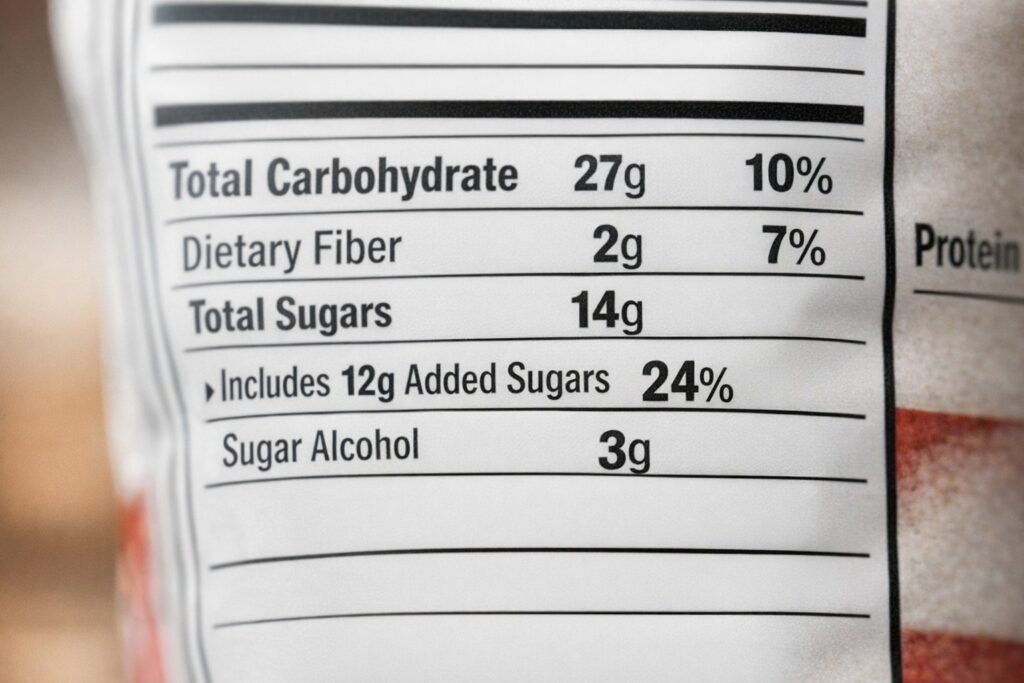
Most people who aren’t in ketosis after two weeks are tripping up on a few fixable things. It’s usually not about willpower—more like hidden carbs, sneaky protein, or just misreading the signals.
Hidden Carbohydrate Exposure and Tracking Illusions
Honestly, carbs hide everywhere. Sauces, dressings, and condiments are loaded with sneaky sugars. A tablespoon of ketchup? Four grams of carbs. BBQ sauce? Sometimes 12-15 grams per serving.
Veggies can trip you up, too. Bell peppers, onions, and tomatoes have more carbs than you’d think. A medium tomato has 5 grams. One cup of cooked onions? Ten grams.
“Keto-friendly” snacks often fudge the numbers. Net carbs on labels aren’t always accurate, and some sugar alcohols still spike blood sugar.
Common sources of hidden carbs:
- Salad dressings and marinades
- Protein bars marketed as low-carb
- Nut milks with added ingredients
- Spice blends with fillers
- Restaurant meals with hidden sauces
Eyeballing portions is risky. A “handful” of nuts can be two or three servings. That’s easily another 5-10 grams of carbs you didn’t count.
Unnoticed hidden carbohydrate exposure remains one of the most common reasons ketosis stalls at the two-week mark.
Protein Intake High Enough to Suppress Ketone Production
Too much protein is a sneaky ketosis killer. The liver turns extra protein into glucose, which bumps up insulin and halts fat burning.
The sweet spot is 0.6-1 gram of protein per pound of body weight. For a 150-pound person, that’s 90-150 grams a day. Go higher for too long, and you’ll block ketones.
Protein should be about 25% of your calories, with fat at 70% and carbs at 5%. Lots of people flip this by accident, eating lean meats and skipping fats.
High-protein mistakes:
- Eating multiple servings of meat at one meal
- Choosing lean proteins over fatty cuts
- Adding extra protein shakes or bars
- Not calculating protein from cheese and nuts
If you’re eating three 6-ounce chicken breasts daily, that’s already 150 grams of protein. Throw in eggs, cheese, and nuts, and you’ll be way over without realizing it.
Fat Intake Misunderstandings and Energy Imbalance
Some people are scared to eat enough fat, so they end up with really low calories. The body needs fat as its main fuel on keto. Without enough, you’ll feel drained and your metabolism slows.
On the flip side, adding fat to everything can backfire. Bulletproof coffee with butter and MCT oil? That’s an extra 400-500 calories. If your meals already have enough fat, piling on more just creates a calorie surplus and can stall progress.
The body burns dietary fat before it touches your stored fat. If you always eat more fat than you need, you never really tap into those reserves. Fat should be enough for energy, but not over the top.
Fat intake errors:
- Adding fat bombs when not hungry
- Drinking multiple fat-laden coffees daily
- Pouring excessive oil on every meal
- Eating entire packages of fatty snacks
Balance is key. Go for whole food fats—think fatty fish, avocados, nuts, and just enough oil for cooking.
Inconsistent Carb Cycling Without Realizing It
Accidentally cycling in and out of ketosis happens more than you’d think. One high-carb meal can knock you out of ketosis for a couple of days. Your body has to burn through glycogen again before it switches back.
Weekends are a common pitfall. Maybe you’re under 20 grams Monday to Friday, but hit 50-80 grams on Saturday and Sunday. That’s enough to keep you from fully adapting.
Even small bumps matter in the early weeks. Going from 20 to 35 grams daily might not seem like much, but it can really drag things out. The body ends up in a weird limbo—not burning carbs or fats well.
Inconsistency patterns:
- Weekly cheat meals or days
- Higher carb intake on weekends
- Social events with unplanned food
- Gradual carb creep over days
Staying at or under 20 grams of carbs daily is the safest bet. It leaves less room for error or sneaky carbs.
Electrolyte Mismanagement That Mimics Adaptation Failure
Low electrolytes can feel just like “keto isn’t working.” Fatigue, brain fog, headaches, cramps—it’s almost always a mineral issue, not a ketosis problem. A lot of people quit here, thinking the diet’s the issue.
Keto makes you lose more sodium through the kidneys. That drags potassium and magnesium with it. Plus, you lose water fast in the first week, which doesn’t help. You have to be proactive about replacing these minerals.
Daily electrolyte targets:
- Sodium: 3,000-5,000 mg
- Potassium: 3,000-4,000 mg
- Magnesium: 300-400 mg
Regular table salt works for sodium. Potassium’s in avocados, spinach, and salt substitutes. Magnesium is trickier—supplements are usually the best bet.
Drinking tons of plain water actually makes things worse by diluting your electrolytes. Adding salt to water or sipping bone broth helps keep minerals balanced while you adapt.
Severe fatigue may reflect the same electrolyte mistakes beginners make rather than true metabolic resistance.
Are You Actually Not in Ketosis? Measurement Errors Explained

Testing for ketosis is trickier than most people expect. Devices and timing can throw off your results, so sometimes folks think they’re not in ketosis when they actually are. It’s easy to misread what’s going on inside your body.
Blood vs Urine vs Breath: Accuracy Differences
Blood ketone meters check beta-hydroxybutyrate (BHB) directly from a finger prick. This is the gold standard for real-time ketone levels. You’ll see nutritional ketosis somewhere between 0.5 and 3.0 mmol/L on blood tests.
Urine strips look for acetoacetate with a color change, but they only measure what your body’s throwing away. Breath analyzers check acetone in your breath and are somewhere in the middle for accuracy.
Accuracy ranking from highest to lowest:
- Blood meters (most accurate)
- Breath analyzers (moderate accuracy)
- Urine strips (least accurate)
Cost is all over the place. Blood strips are $1-3 each, urine strips are about 20 cents, and breath meters have a big upfront cost but no ongoing expenses.
Why Urine Strips Often Show False Negatives After Week One
Urine strips can be misleading after your first week on keto. As your body gets better at burning fat, it stops wasting so many ketones in urine. That means the strips might show negative even when you’re actually in ketosis.
In the beginning, you make more ketones than you use, so extra spill into your urine and the strips turn dark. After a week or two, your cells are better at using ketones, so there’s less left to pee out.
If your urine strips fade or turn negative after two weeks, it usually means you’re adapting—not failing. Your kidneys are reabsorbing more ketones, not dumping them.
This confuses a lot of people. They see the strip lighten up and assume their diet isn’t working, but it’s often a sign things are going right.
The Gap Between Ketone Numbers and Fat-Burning Efficiency
Blood ketone levels don’t always line up neatly with fat loss or metabolic benefits. Someone with 0.5 mmol/L might burn fat efficiently, while another person at 2.0 mmol/L could see slower progress.
The body’s ability to use ketones matters more than just the number floating around in your blood. Higher ketone readings don’t automatically translate to better results.
Factors like insulin sensitivity, activity level, and how long you’ve been on the diet play a bigger role than any specific ketone reading.
What actually matters beyond ketone numbers:
- Stable energy throughout the day
- Reduced hunger and cravings
- Mental clarity and focus
- Consistent fat loss over weeks
Chasing high ketone numbers can just add stress. Testing gives you some data, but it shouldn’t become the only thing you care about.
Physical signs—like more energy, less appetite, and steady weight loss—are better indicators that ketosis is working, regardless of what the meter says.
Differentiating Adaptation Delay vs Execution Breakdown

Normal metabolic adaptation tends to follow a gradual, predictable pattern. Execution mistakes, on the other hand, create symptoms that just don’t go away.
Energy, hunger, and physical cues usually tell you if you need more patience or if something’s off with your approach.
Symptom Patterns That Suggest Normal Transition
During a typical keto adaptation, you’ll see steady progress even if your ketone levels aren’t sky-high. Some days you’ll feel better than others, but your energy should trend upward overall.
Hunger often gets less intense as the weeks go by. Morning ketones around 0.3-0.5 mmol/L, fewer carb cravings, and longer gaps between meals without feeling desperate for food are all good signs.
The body slowly gets better at making and using ketones for fuel.
Normal transition symptoms that improve over time:
- Mental fog that lifts for longer stretches each day
- Exercise fatigue that gradually fades
- Less need for snacks between meals
- Stable weight once the initial water loss is over
Low energy combined with irritability often mirrors common keto fatigue patterns during early transition.
Red Flags That Indicate Macro or Intake Errors
If you’re still hungry all the time after two weeks, something’s probably off with your macros or you’ve got hidden carbs sneaking in. Eating too much protein—over 1.2g per pound of lean mass—can trigger gluconeogenesis and stall ketone production.
Clear signs of execution errors:
- Constant hunger no matter when you eat
- Zero ketones on any meter after two weeks
- No water weight loss or even weight gain in the first week
- Energy that keeps getting worse, not better
Hidden carbs in sauces, dressings, or processed meats can really add up. You might think you’re at 20g net carbs, but it’s actually 40-50g.
Oils, heavy cream, and nuts are easy to underestimate, too. Tracking everything—even for just three days—can reveal where things are going sideways.
When Stress, Sleep, or Cortisol Are the Primary Blockers
High cortisol can block ketone production, even if your carbs are low. Not getting enough sleep—less than six hours—raises stress hormones and makes adaptation difficult.
This is a different problem than macro mistakes. You can do everything right and still see slow or minimal progress, with ketones stuck at 0.2-0.3 mmol/L.
Signs that cortisol is holding you back:
- Macros are on point and tracked, but results lag
- Waking up multiple times each night
- High-stress job or tough life circumstances
- History of adrenal or thyroid issues
Sleep and ketone production are closely linked—growth hormone and cortisol rhythms matter. If you’re averaging five hours of sleep, your body just isn’t going to adapt well.
Chronic stress needs real management—meditation, walking, maybe even just taking things off your plate for a while. Sometimes, with high stress, it can take four to six weeks instead of two for things to really click.
What To Adjust If You Are Not in Ketosis After 2 Weeks

If you’re still not in ketosis after two weeks, it’s time to tweak something. The usual suspects are carb intake, your macro balance, protein-to-fat ratios, and lifestyle factors like stress or sleep.
Macro Recalibration Based on Body and Activity Level
Keto calculators are just a starting point—they don’t know your life. Your real macro needs depend on your weight, muscle mass, and how active you are.
Two people at 180 pounds need different macros if one’s working out and the other’s glued to a desk all day. The typical starting range is 0.6-1 gram of protein per pound of body weight, but sedentary folks need less, and active folks need more.
To recalculate macros:
- Use lean body mass, not just total weight, for protein
- Set carbs at 20-30 grams total per day
- Fill in the rest with fat
Don’t drop calories too low—going under 1,200-1,500 per day can backfire by triggering stress responses that block ketone production. Your calorie needs might shift as you adapt.
Learning how to calculate macros accurately often reveals protein or carb imbalances suppressing ketone production.
Tightening Carb Control Without Over-Restriction
Hidden carbs are the most common ketosis killer. It’s shockingly easy to hit 50-60 grams without noticing.
Sauces, dressings, and “keto-friendly” packaged foods sneak in sugars and starches. Even veggies like peppers, tomatoes, and onions can add up if you don’t measure.
A big salad with all the fixings could be 15-20 grams of carbs in one go.
To lock down your carb intake:
- Track everything for a week—use an app
- Weigh your portions
- Check labels for total carbs, not just net carbs
- Stick to leafy greens and low-carb veggies
Try to keep carbs at 20-25 grams total per day for the first month. That’s usually enough to push your body into fat-burning mode. Dropping below 20 grams rarely helps and just makes things harder.
Correcting Protein-to-Fat Ratios Strategically
Too much protein can knock you out of ketosis because the body turns the extra into glucose. That’s enough to keep ketone production low.
The sweet spot for keto is about 70% fat, 25% protein, and 5% carbs by calories. For 1,500 calories, that’s roughly 1,050 from fat (117 grams), 375 from protein (94 grams), and 75 from carbs (19 grams).
Lots of people eat lean protein like chicken breast but forget to add fat. Six ounces of chicken breast is 50 grams of protein and barely any fat. Swapping in butter, olive oil, or fattier cuts like chicken thighs helps fix that.
Better protein picks:
- Salmon or mackerel instead of tilapia
- Chicken thighs over breasts
- 80/20 ground beef instead of lean turkey
- Full-fat cheese and yogurt
Stabilizing Stress and Sleep to Support Ketone Production
Stress and poor sleep spike cortisol, which raises blood sugar and makes your body less sensitive to insulin. That combo blocks ketone production even with low carbs.
Getting 7-8 hours of sleep helps your body make growth hormone, which supports fat burning. Skimping on sleep lowers growth hormone and ramps up cortisol—a double whammy against ketosis.
Caffeine can mess with this more than most people think. Drinking coffee after 2 PM disrupts sleep and bumps up cortisol. Try to keep caffeine to mornings and cut it out at least eight hours before bed.
Tips to reduce stress and sleep better:
- Stick to regular sleep and wake times
- Turn off screens an hour before bed
- Try quick relaxation practices
- Keep caffeine to before 2 PM
Electrolytes matter, too. Low sodium, potassium, and magnesium can leave you tired and sleepless during keto adaptation. Supplementing with 3,000-5,000 mg sodium, 1,000 mg potassium, and 300-400 mg magnesium daily helps with energy and sleep as your body adjusts.
When a Two-Week Delay Signals a Deeper Metabolic Issue

Sometimes, even when you do everything right, your body just resists ketosis. High blood sugar, hormonal issues, or serious insulin resistance can all block fat adaptation, no matter how strict you are.
Persistent High Fasting Glucose
If your fasting glucose is still above 100 mg/dL after two weeks on keto, your body might be making too much sugar internally. The liver can keep pumping out glucose through gluconeogenesis, even with barely any carbs coming in.
People with this pattern often see morning blood sugars between 100-130 mg/dL, feel tired, get hungry between meals, and miss out on the mental clarity others rave about.
Check your blood glucose first thing in the morning for the clearest read. If it stays high, your body probably hasn’t made the metabolic switch yet.
At that point, it’s not just about carbs. Stress and sleep still play a big role, and sometimes you need to look deeper—or even talk to your doctor to rule out underlying issues.
PCOS, Thyroid, or Insulin Resistance Indicators
PCOS causes hormonal swings that make ketosis tougher. Women with PCOS often have stubbornly high insulin, even with low carb intake. They might need stricter carb limits—sometimes as low as 15 grams a day—and more patience.
Thyroid issues can slow your metabolism and make fat burning an uphill battle. Hypothyroidism, in particular, makes it harder for your body to use ketones. You might feel tired, get cold easily, or struggle to lose weight even if you’re following keto to the letter.
Severe insulin resistance means your cells ignore insulin, so your pancreas pumps out more. That keeps insulin levels high, which blocks fat breakdown and ketone production.
Some warning signs:
- Fasting insulin above 10 μIU/mL
- HbA1c over 5.7%
- Waist over 35 inches for women, 40 for men
- Dark patches of skin on the neck or underarms
- Trouble losing weight with previous diets
These issues don’t make ketosis impossible, but they do mean it’ll probably take longer. Blood work can help you figure out what’s going on under the hood.
When Early Failure Requires Structured Personalization
Standard keto guidelines assume everyone has normal metabolic function. But people with metabolic disorders really do need more customized approaches instead of just following generic macros.
A nutritionist or doctor can help adjust protein ratios, meal timing, and supplements based on lab results. It’s not always obvious what needs tweaking until you see the numbers.
People with insulin resistance might benefit from longer fasting between meals. Some folks need higher fat ratios than the usual 70% to work around stubborn fat cells.
Others have to drop carbs below 15 grams, not just the typical 20-50 gram range. It’s wild how a few grams can make or break progress for some people.
When home troubleshooting doesn’t work, medical monitoring becomes pretty important. Blood panels showing high fasting insulin, weird thyroid markers, or high inflammation can explain why ketosis just isn’t happening.
Working with healthcare professionals can save a lot of wasted effort. They might prescribe meds to support ketone production or address hormone imbalances that are blocking results.
Why Generic Keto Advice Fails in the First 14 Days

Generic keto plans treat everyone the same, but bodies just don’t respond identically to carb restriction. The first couple weeks usually reveal how one-size-fits-all advice falls short for real people.
One-Size-Fits-All Macros vs Individual Carb Tolerance
Most keto plans throw out 20 grams of carbs per day for everyone. Sure, that works for some, but it can totally backfire for others.
A 6-foot tall guy weighing 220 pounds is not going to have the same needs as a 5-foot-3 woman at 140 pounds. Their activity levels, insulin sensitivity, and metabolism are all over the map.
Some people hit ketosis at 30-40 grams of carbs per day. Others have to stay under 15 grams to see any results. Age, gender, muscle mass, and metabolic health all play a role in how many carbs someone can handle.
Macro calculators often miss the mark since they only ask for basics like weight and height. They don’t factor in stuff like diet history, hormone levels, or medication use, which really changes how carbs are processed.
If someone ate high-carb foods for years, stricter limits might be needed at first. But if you were already eating low-carb, you might get away with a little more flexibility.
The Risk of Following Template Plans Blindly
Template keto plans don’t care about your situation. They just hand out the same meal plans and macro targets to everyone who downloads them.
Generic keto plan problems show up fast:
- Hidden carbs in foods that some people just can’t tolerate
- Protein amounts that trigger gluconeogenesis for certain folks
- Fat ratios that don’t match real energy needs
- Meal timing that clashes with work or sleep schedules
If you have insulin resistance, you’ll need different ratios than someone with normal insulin function. Medications can also mean you need to adjust macros to match how your body handles blood sugar.
Template plans often toss out 75% fat, 20% protein, and 5% carbs. Sounds scientific, but it doesn’t actually account for where you’re starting from or what you’re aiming for.
Why Early-Stage Failure Often Signals a Personalization Gap
Following generic advice perfectly but still not being in ketosis after two weeks? That’s usually a plan problem, not a you problem.
A woman in her 40s with thyroid issues is going to need different advice than a 25-year-old athlete. Their bodies handle ketones at totally different speeds.
Early struggles often come from:
- Carb limits that are just too high for someone’s metabolism
- Ignoring food sensitivities that kick up inflammation
- Stress levels that boost cortisol and blood sugar
- Missing out on sleep, which blocks ketone production
Carb tolerance really does explain why some people succeed right away and others just slog through it. Someone who’s metabolically flexible might enter ketosis in a few days. But if you’ve got insulin resistance, it could take 10-14 days even if you’re doing everything “right.”
The body doesn’t care about generic timelines. Your own factors decide how fast you’ll adapt to burning fat instead of glucose.
Moving From Confusion to Clarity: The Role of Personalization in Entering Ketosis

No two bodies react the same way to keto. Standard advice just isn’t going to cut it for everyone. You’ve got to figure out your own metabolic needs and adjust macros based on your reality, not someone else’s guideline.
Identifying Your Specific Adaptation Profile
Some people slip into ketosis in two or three days. Others need up to three weeks. Why? It comes down to metabolic flexibility, insulin sensitivity, and what you used to eat.
If you lived on high-carb foods, it’ll probably take longer. Your body has to build up the enzymes for burning fat. Athletes who have already drained their glycogen stores usually transition faster than folks who are more sedentary.
Medical conditions like thyroid issues or insulin resistance can slow things down. Medications—steroids, for example—mess with insulin sensitivity and may delay ketosis. Age and hormones matter too. Some people just naturally make ketones more easily.
Personalized keto plans factor in all this stuff. Testing your ketone levels with blood meters, breath analyzers, or urine strips can help you see if you’re on track. If you’re two weeks in with no ketones showing up, it’s time to dig into your unique profile rather than just assuming you’ve failed.
Aligning Macros With Your Metabolic Reality
The usual keto ratio—70% fat, 25% protein, 5% carbs—just doesn’t fit everyone. You’ll get better results customizing your macros based on your body weight, activity level, and metabolic health.
Protein needs can swing a lot. The recommended range is 0.6-1 gram per pound of body weight. If you’re active, you’ll need more protein to keep your muscle. If you’ve got kidney concerns, maybe less. Too much protein can actually kick you out of ketosis by turning into glucose.
Carb tolerance is all over the place. Most folks have to stay under 20 grams of net carbs daily to get into ketosis. Some can handle 30-40 grams. If you’re insulin resistant, you might have to stick closer to 15 grams.
Fat fills in the rest after you set protein and carbs. For example, if you eat 1,500 calories a day with 100g protein and 20g carbs, that leaves you needing about 105g of fat. Tracking and testing helps you find your sweet spot.
Long-term consistency depends on learning how to personalize your keto diet rather than following rigid templates.
Transitioning From Trial-and-Error to Structured Keto Execution
Random tweaks without tracking just lead to confusion. If you want sustainable ketosis, you really need to monitor and adjust based on what’s actually happening.
What’s worth tracking?
- Daily net carbs from everything you eat
- Protein portions at each meal (don’t eyeball it!)
- Fat intake throughout the day
- Hidden carbs in sauces, dressings, and processed foods
- How much sleep you’re getting (aim for 7-8 hours)
- Exercise—how often, how hard
Apps and food journals help a ton. When you write it all down, you start to spot patterns—like blood sugar spikes or sneaky carbs hiding in “keto-friendly” foods.
Talking with a healthcare professional or registered dietitian can make a big difference. They’ll look at your medical history, medications, and nutrition needs to build a plan that actually fits you.
Testing ketones and paying attention to how you feel shows what’s working. Adjust as you go, based on real results—not just guesses. That’s how you finally move forward.
If your delay reflects a personalization gap rather than a lack of effort, a structured recalibration becomes more important than further restriction.
Diagnostic Summary: Why You’re Not in Ketosis After 2 Weeks
If you’ve been on keto for two weeks and still aren’t in ketosis, it usually boils down to three things: your body just needs more time, there are mistakes in how you’re doing the diet, or there’s some underlying metabolic issue slowing things down. Figuring out which one applies is the key to knowing what to do next.
If Your Delay Is Likely Normal Adaptation
Some bodies just take longer than two weeks to get into ketosis—even if you’re doing everything right. Athletes who eat high-carb diets might need three or four weeks because their muscles hold onto more glycogen. People with insulin resistance often have to wait it out while their cells adjust to burning fat.
Signs your delay is probably normal:
- Carb intake is consistently under 20-30 grams daily
- You’ve double-checked and there are no hidden carb sources
- Fat intake is hitting 60-70% of your calories
- You’re losing weight or seeing other positive changes, even if ketones are low
- Energy is starting to improve, even if slowly
Genetics matter here too. Some people just make ketones more slowly because of liver enzyme differences. It doesn’t mean keto won’t work—it just means you need more patience.
If Execution Errors Are Blocking Ketone Production
Most of the time, not getting into ketosis after two weeks comes down to eating more carbs than you realize. Hidden carbs in sauces, dressings, processed meats, and restaurant food add up fast. Even veggies like onions, tomatoes, and peppers can sneak in 3-5 grams per serving.
Common execution mistakes:
| Error | Impact | Solution |
|---|---|---|
| Not tracking condiments | 10-20 extra carbs daily | Measure all sauces and dressings |
| Eating too much protein | Converts to glucose via gluconeogenesis | Keep protein at 20-30% of calories |
| Insufficient fat intake | Body burns lean tissue instead of fat | Add olive oil, butter, or avocado oil |
| Inconsistent carb restriction | Prevents metabolic switch | Stay under 20g net carbs every single day |
Portion sizes trip people up more than they expect. A “handful” of nuts? That might be 8-12 grams of carbs. Restaurant veggie portions are often way bigger than what you’d serve yourself at home.
If Deeper Metabolic Issues May Be Involved
Chronic stress cranks up cortisol, raising blood sugar and blocking ketone production. Sleeping less than six hours a night does something similar. Some meds—like steroids, beta blockers, and certain antidepressants—interfere with fat metabolism too.
Low thyroid slows everything down. If your thyroid hormones are low, your liver just doesn’t make as many ketones, even with strict carb restriction. Undiagnosed diabetes or prediabetes can create insulin resistance that stops the shift into ketosis.
Red flags for metabolic complications:
- No weight loss or measurement changes after two weeks
- Extreme fatigue that keeps getting worse
- Blood sugar stays high even with low carbs
- History of metabolic syndrome or PCOS
- Taking meds that affect blood sugar
If any of these sound familiar, it’s time to check in with a healthcare provider. They can run blood tests for thyroid function, fasting insulin, and hemoglobin A1c to figure out what’s really going on.
What This Means for Your Next Step
The troubleshooting path really depends on which category you fall into. If it’s just normal adaptation, patience is key—stick with what you’re doing for another week or two and keep an eye on your ketone levels.
If you’re making execution errors, it’s time for some quick changes. Get strict with carb tracking, weigh your food, and cut out all processed stuff for at least a week.
If you suspect metabolic issues, don’t try to guess your way through it. Reach out to a doctor or registered dietitian—they can spot underlying problems and help tweak your plan.
For anyone dealing with early keto failure, it helps to tweak one thing at a time. Maybe start by adjusting your carb limit, see how that goes, then look at fat intake, and only later mess with fasting windows.
Trying to change everything at once? That just makes it impossible to tell what’s actually helping. One step at a time is the way to go.