
Am I Eating Too Much Fat on Keto? The Hidden Mistake for Beginners
Many beginners start keto believing that success depends on eating as much fat as possible. When weight loss slows or never begins, confusion quickly follows — especially when they are technically “doing keto correctly.”
The problem is that high fat is often misunderstood as unlimited fat. Keto changes how the body uses fuel, but dietary fat and body fat are not interchangeable, and misapplying this principle can quietly stall progress.
If you are wondering, “Am I eating too much fat on keto?”, the real issue is usually not ketosis itself but how energy intake, adaptation needs, and fat-loss goals interact.
This article explains when higher fat intake is helpful, when it begins slowing results, and how to distinguish normal adaptation from a structural execution mistake.
Am I Eating Too Much Fat on Keto — or Following the Advice Too Literally?

It’s totally normal to wonder if you’re eating too much fat on keto. The main message—”high fat”—gets misinterpreted all the time.
The problem isn’t the diet itself, but how people read “high fat” and apply it to every single thing they eat.
Why Beginners Are Told to Eat More Fat
Switching to keto means your body has to learn a new way to fuel itself. Instead of running on carbs, it’s got to get used to burning fat.
Fat helps in two big ways during this change. It keeps you from feeling totally starved when you cut carbs, and it gives your body the energy it needs before it figures out how to tap into your fat stores.
This is why keto advice leans heavy on eating fat, especially at the start. If you don’t eat enough, you’ll crash hard—your body isn’t ready to just burn its own fat yet.
But here’s where things go sideways. A lot of folks keep eating tons of fat long after those first few weeks. The adaptation phase needs more fat, sure. After that? Not so much.
How “High Fat” Became Misinterpreted
The real mix-up happens when people treat fat like a quota instead of a tool. They see “70% fat” and think they have to hit that number every day, no matter what.
That leads to some classic beginner mistakes:
- Butter in everything
- Endless bulletproof coffees
- Fat bombs on the regular
- Pouring oil over already fatty foods
Fat is sneaky—one gram has 9 calories, while protein or carbs only have 4. A little extra oil or a handful of nuts here and there? Suddenly, you’ve blown past your calorie needs.
Your body will always burn dietary fat first. If you keep piling on the fat, weight loss stalls. You’re in ketosis, sure, but you’re burning the fat from your plate, not your belly.
The Real Question: Fueling Adaptation or Blocking Fat Loss?
Should you eat more fat on keto? It really depends on where you’re at and what you want.
Weeks 1-3: More fat makes sense. Your body needs it while it learns the ropes. Energy trumps weight loss at this point.
After that: Fat becomes flexible. Protein stays steady. Carbs stay low. But fat? Adjust it based on how you feel and what you’re aiming for.
| Goal | Fat Approach |
|---|---|
| Weight loss | Moderate fat, let your body burn its own fat |
| Maintenance | More fat to match your energy needs |
| Athletic performance | Time fat around activity |
If you’re eating too much fat for your goals, you’ll notice progress grinds to a halt even if you’re “doing everything right.” The scale doesn’t budge. Clothes fit the same.
The fix? Dial back on added fats—skip the butter in coffee, lay off the extra oil, and go easy on the cheese snacks. Build meals around protein and veggies first, then add just enough fat to feel satisfied. Not stuffed. Don’t chase a macro percentage—just eat until you’re good.
Many beginners benefit from following a clearer keto structure before trying to adjust macros aggressively.
The Critical Difference Between Dietary Fat and Body Fat Burning
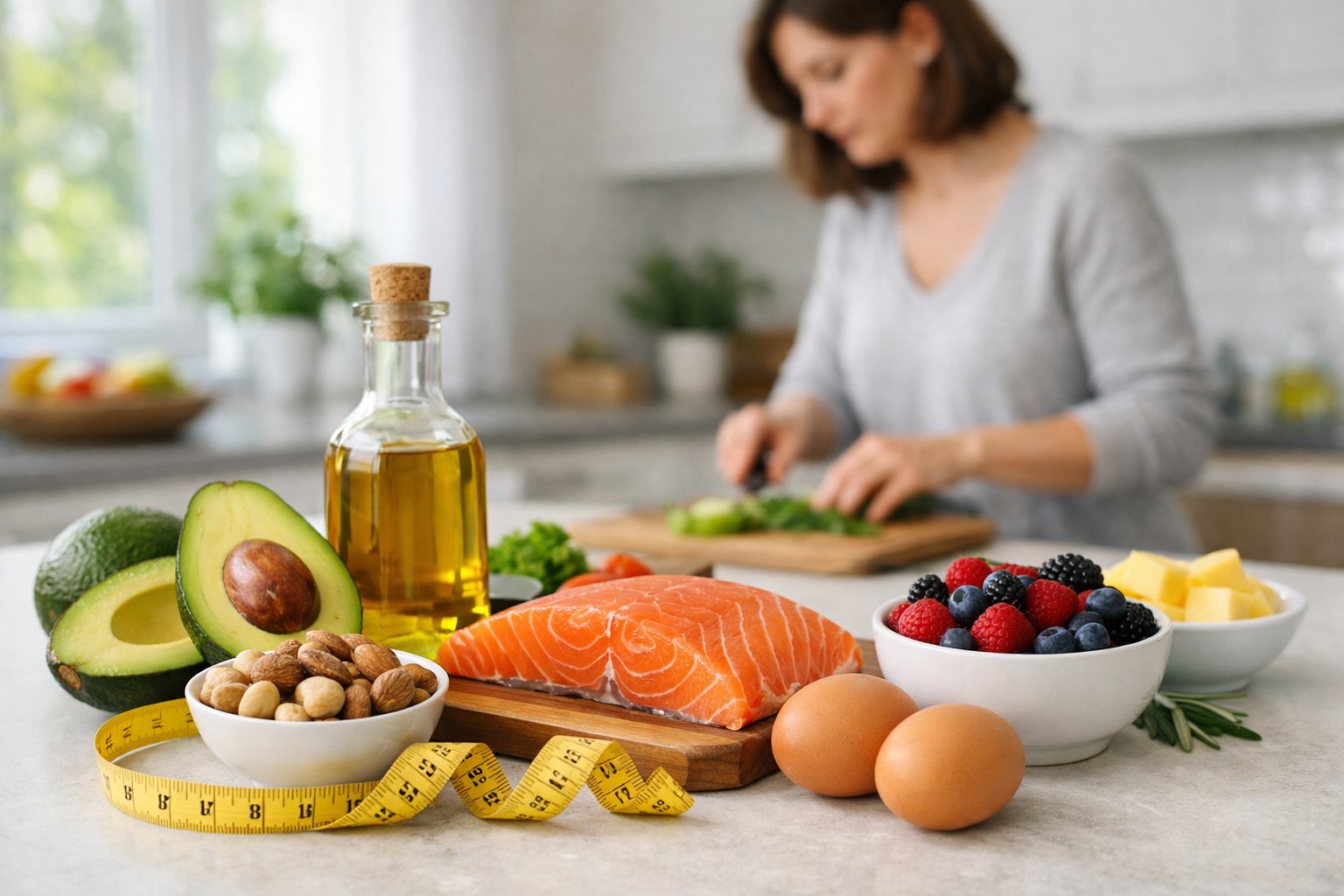
The fat you eat and the fat your body burns aren’t the same thing. This is where a lot of people get tripped up.
Understanding how your body chooses between burning dietary fat and stored fat is the key to making keto work for you.
How Keto Changes Fuel Selection
Keto flips your body’s main fuel from glucose to fat. Drop carbs below 20-50 grams a day, and insulin falls—now you’re in ketosis.
In ketosis, your liver turns fatty acids into ketones, which your brain and other organs use for energy. This shift happens whether you eat tons of fat or not.
Your body gets good at burning fat for fuel instead of carbs. But here’s the kicker—it can’t really tell the difference between fat from your food and fat from your body once both are in the bloodstream. They all mix together in what’s called the “turnover pool.”
Your body pulls from this pool to meet its energy needs, no matter where the fat came from.
Why Eating Fat Does Not Automatically Burn Stored Fat
Eating more fat doesn’t force your body to burn more of your own fat. It’s a super common misconception.
Your body will always use incoming dietary fat for energy before it taps into stored fat. Lowering insulin by cutting carbs lets you access your fat stores, but eating fat itself doesn’t do much to insulin.
To actually burn body fat, you need your body to need more energy than you’re eating. That means eating fewer calories than you burn. The fat you eat gets used up first—only when that’s gone does your body dip into its reserves.
Energy Availability and Fat Loss Competition
Your body burns dietary fat first if both are available. Think of it as a fuel competition.
If you eat 2,000 calories and your body needs 2,000, all the dietary fat gets burned—no body fat loss. If you eat more than you need, your body has to store the extra somewhere. Even on keto, too many fat calories can stall or even reverse your progress.
What makes your body burn stored fat?
- Total calories—Eat less than you burn, your body uses its own fat
- Carb restriction—Keeps insulin low so you can access fat stores
- Protein intake—Keeps your muscles safe while you lose fat
- Metabolism—Some folks just burn fat faster than others
You need to keep dietary fat moderate enough to create an energy gap. That’s when your body finally burns its own fat.
Understanding the science of ketosis clarifies why being in ketosis does not automatically guarantee fat loss.
Why Eating Too Much Fat Can Slow Keto Results
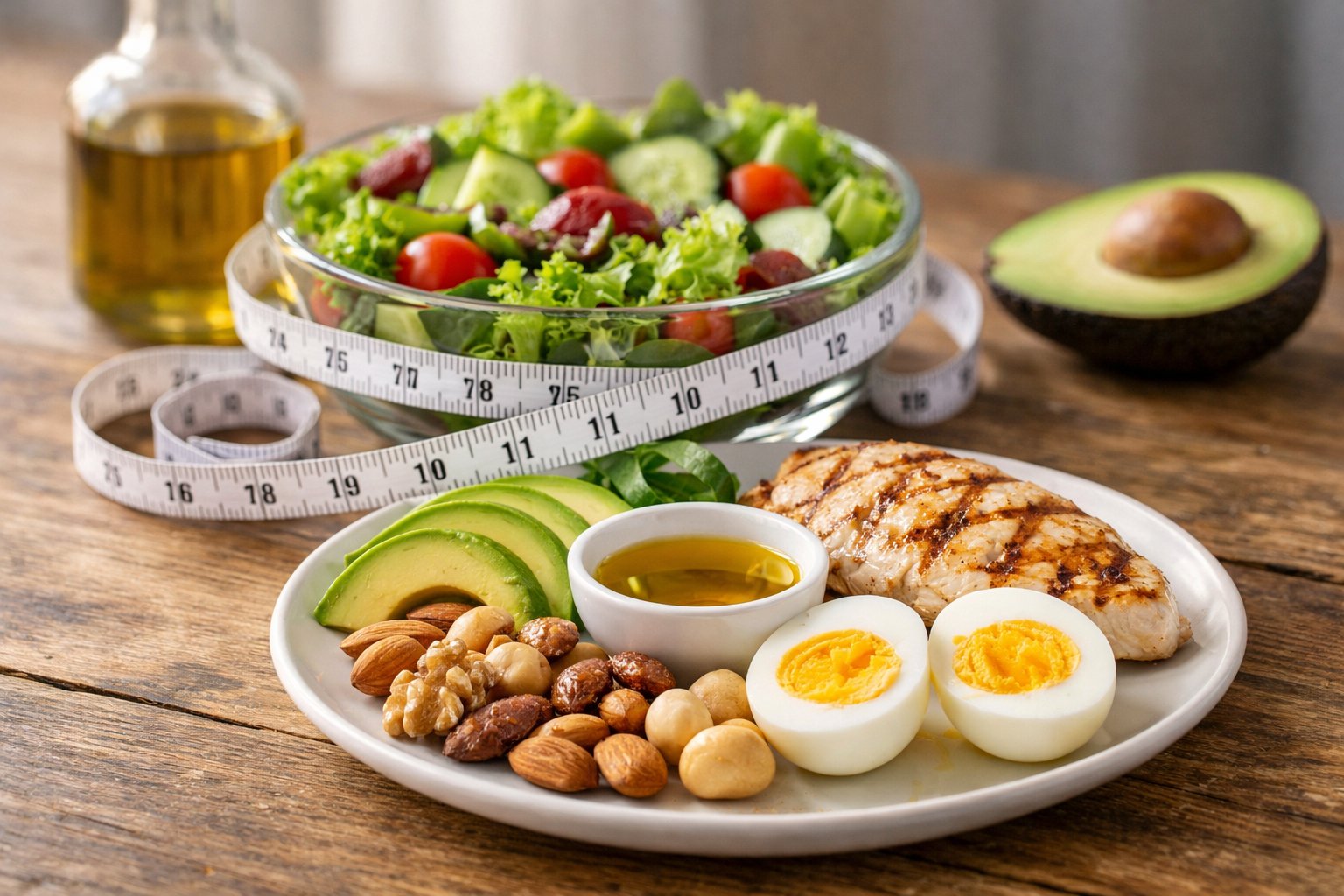
When you hit ketosis, your body switches to burning fat for fuel. But that doesn’t mean you should eat all the fat you want.
Too much fat can put you in a calorie surplus and keep your body so busy burning dietary fat that it never touches your stored fat.
Dietary Fat Replacing the Need to Burn Body Fat
Your body always burns what’s most available. If you’re eating a lot of dietary fat all day, that’s what gets used up first.
This is how people get stuck in “keto stalls.” You’re in ketosis and burning fat, but it’s the fat from your meals—not your body. Every extra tablespoon of butter or handful of nuts just gives your body more to burn before it ever needs to tap into your own reserves.
The fat-burning order goes like this:
- Dietary fat gets burned first
- Only after that’s gone does body fat get used
- If you keep eating high fat all day, body fat never gets a chance
You can be in ketosis and not lose weight. Ketosis just means you’re burning fat—any fat, really. It doesn’t care if it’s from your plate or your hips.
Hidden Calorie Surplus on Keto
Fat has 9 calories per gram—more than double protein or carbs. It’s easy to eat way more calories than you think.
Here’s how those “extras” add up fast:
| Food Addition | Calories Added |
|---|---|
| 2 tbsp butter in coffee | ~200 calories |
| 1 oz cheese snack | ~110 calories |
| 2 tbsp MCT oil | ~240 calories |
| Small handful of nuts | ~170 calories |
These little bits can sneak in 500-700 extra calories a day, easy. A lot of people keep adding fat to hit some macro target they don’t actually need. Fat is a lever on keto, not a goal. You don’t have to eat tons of fat to stay in ketosis—just keep carbs low.
Ketosis Without Fat Loss: How It Happens
Being in ketosis doesn’t guarantee fat loss. Ketosis is just a metabolic state. Losing fat requires a calorie deficit, plain and simple.
You can have ketones in your blood or urine and not lose a single pound if you’re eating enough fat to cover your energy needs. Your body burns fat all day, but it’s not coming from your own stores.
That’s why some people wonder why they’re not losing body fat even with great ketone readings. They’ve nailed the carb restriction, but their fat intake is just too high for weight loss.
The answer? Eat enough fat to feel satisfied, not stuffed. Put protein first, then add fat based on hunger—not just to hit a macro percentage.
How Much Fat Do You Actually Need on Keto?
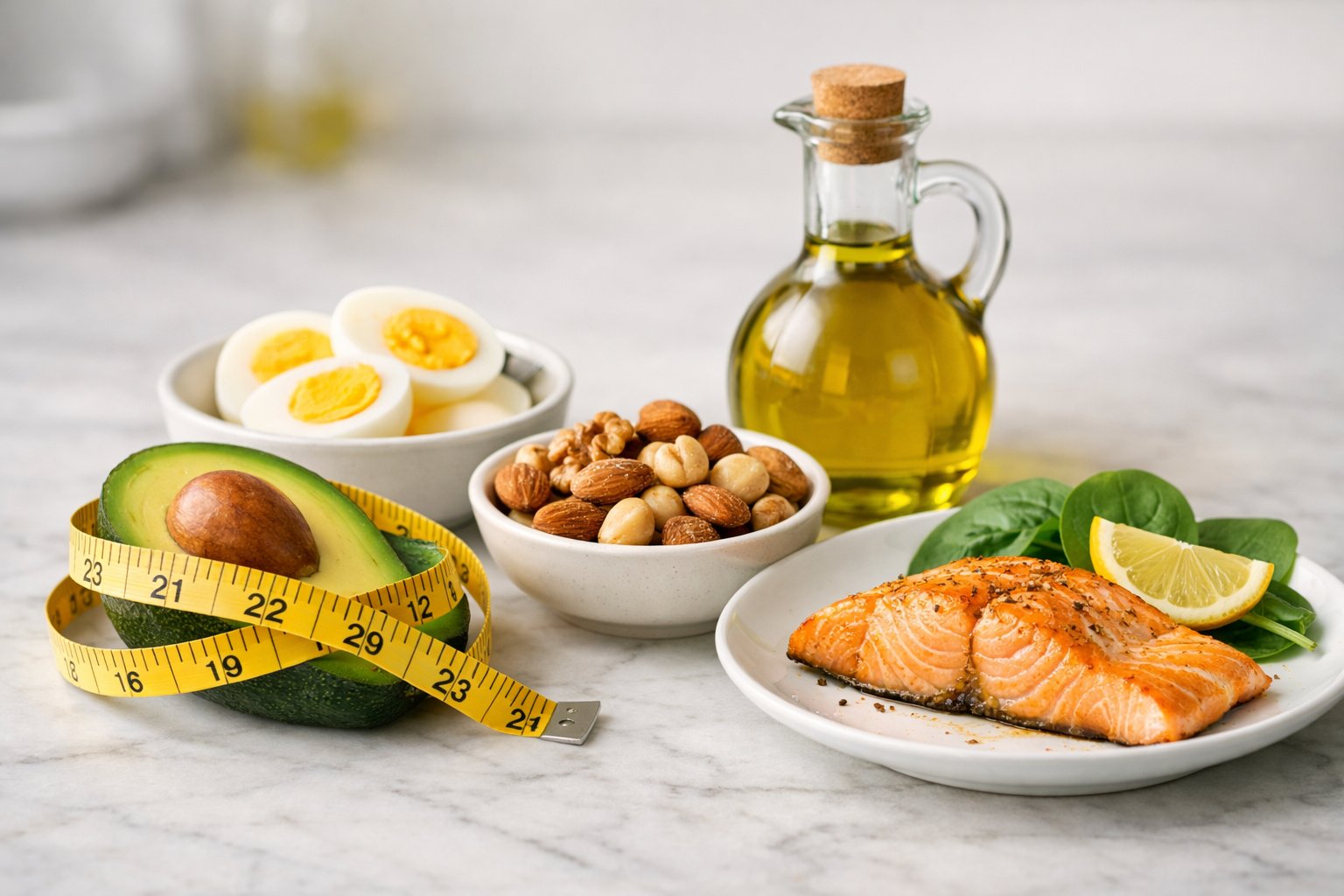
How much fat you need on keto isn’t set in stone. That standard percentage approach? It often leads beginners to overeat.
Figuring out how to adjust your fat intake for your own goals is the difference between steady progress and feeling stuck. There’s no shame in experimenting a bit until you find your sweet spot.
Fat as a Lever, Not a Target
Most keto guides treat fat as a daily goal, but honestly, that can sabotage weight loss for a lot of folks. Fat isn’t a number to chase—it’s more like a dial you turn up or down depending on your hunger and progress.
Your body will burn the fat you eat before dipping into stored fat. So when you’re adding butter to your coffee, pouring extra oil on salads, and snacking on fat bombs, your body just keeps burning what you give it, not what you want to lose.
The scale gets stuck, even though you’re technically in ketosis. It’s frustrating, right?
How to use fat as a lever:
- Eat fat to satisfy hunger, not to hit a target
- Stop adding extra fats once you feel comfortably full
- If weight loss stalls for two or more weeks, cut back on fat
- If you’re dragging or starving, bump fat up a bit
If you’re trying to lose weight, focus on protein first (about 0.7-1.0 grams per pound of lean body mass). Keep carbs under 20-25 grams. Then just add fat until you’re satisfied, not stuffed.
Macro Ratios vs Individual Energy Needs
The classic keto split—70-75% fat, 20-25% protein, 5-10% carbs—works for some, but it’s honestly a holdover from epilepsy treatment, not weight loss. It can throw beginners off track.
A 150-pound woman eating 1,500 calories is going to need a different fat amount than a 200-pound guy eating 2,200 calories. Percentages just don’t tell the whole story.
What matters more than ratios:
- Total protein (in grams, not percentages)
- Staying under your personal carb threshold
- Having a calorie deficit if you want to lose weight
- Your own hunger and how your body responds
If you have a lot of fat to lose, you don’t need to eat as much dietary fat. Your body can dip into its reserves instead.
Research shows that metabolic responses to carbohydrate restriction vary significantly between individuals.
Why Standard Keto Percentages Mislead Beginners
Those percentages make beginners eat way more fat than they need. If you’re aiming for 70% of calories from fat, you might end up pouring oil or butter on everything just to hit that number.
Say you’re eating 1,800 calories and following the 70% rule. That’s 1,260 calories from fat—about 140 grams. Fat is 9 calories per gram. Most people could lose weight eating half that and still stay in ketosis.
The real keto macros for weight loss:
| Priority Level | Macro | Amount | Why It Matters |
|---|---|---|---|
| Must hit | Carbs | Under 20-25g | Maintains ketosis |
| Must hit | Protein | 0.7-1.0g per lb lean mass | Preserves muscle |
| Adjustable | Fat | To satiety | Controls calorie intake |
If you just keep carbs low and hit your protein, let fat fill in as needed. You’ll probably do better than forcing yourself to eat more fat than you want.
Early Signs You May Be Overeating Fat on Keto
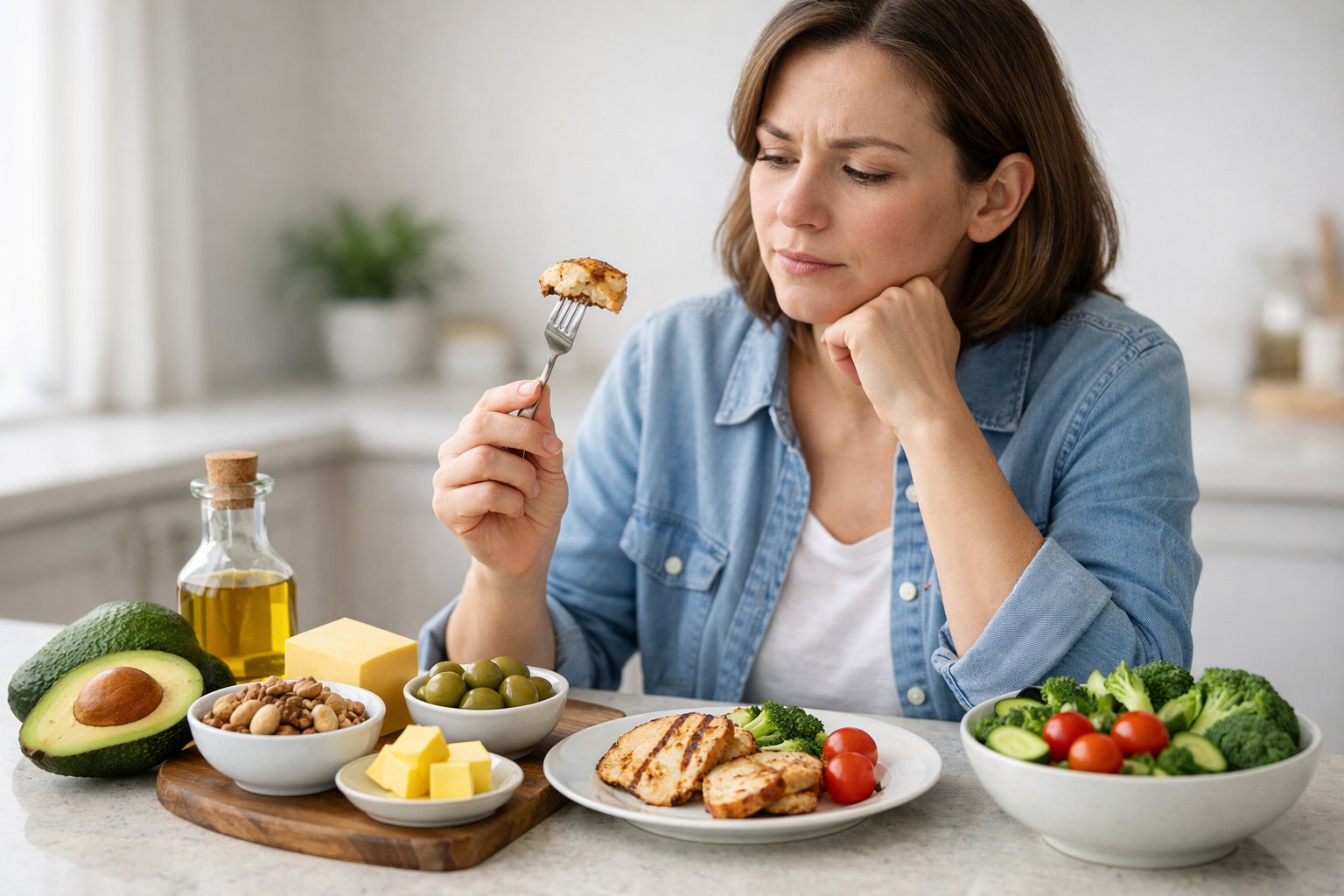
It’s surprisingly easy to miss when fat intake crosses the line from helpful to overkill on keto. The body sends signals, but they’re easy to misread as just part of the “keto adjustment.”
Weight Stagnation Despite Carb Restriction
The scale stops moving, even though carbs are under 20-30 grams. Super common. If you’re tracking carbs like a hawk but haven’t lost weight in two or three weeks, excess fat is usually the culprit.
Dietary fat gets burned before your body fat. If you’re eating 150 grams of fat daily, your body doesn’t need to touch its reserves. The calories add up—fat is more than double the calories of protein or carbs.
Apps might show your macros are “perfect” at 70-75% fat, but that doesn’t guarantee fat loss. You can be in ketosis and still not lose weight if you’re eating more than your body needs.
Many people who are not losing weight on keto discover that excess dietary fat quietly replaces body-fat burning.
Persistent Fullness Without Progress
If you’re always full but not seeing changes in the mirror or on the scale, something’s up. Fat keeps you fuller for longer, which sounds great, but it can hide overeating.
You might eat lunch at noon and still feel full at 6 PM. Feels like keto magic, right? But maybe it’s just that you had 70 grams of fat at lunch when you only needed 30.
It’s confusing. You’re not hungry, but you’re not losing weight. That’s a big red flag for overeating fat, not a sign that keto is “working better than ever.”
Digestive Discomfort and Low Energy Signals
Bloating, sluggish digestion, and feeling wiped out after meals are all signs you might be overdoing fat. Your gallbladder and pancreas have to work overtime to process it all. Push them too hard and you’ll feel it.
Common digestive issues:
- Nausea after fatty meals
- Loose stools or diarrhea
- Feeling heavy or sluggish for hours after eating
- Discomfort in the upper right abdomen
Energy crashes after lunch? It’s probably not “keto flu”—it’s your body working hard to digest a mountain of fat. If you’re tired instead of energized, check your fat portions.
Low energy despite high fat intake may resemble common keto fatigue patterns rather than insufficient fat consumption.
Rising Calories Without Increased Satiety
If you keep adding fat to meals but get hungry again soon, calories might be creeping way up. Butter in coffee, oil on veggies, cheese for snacks—it’s easy to hit 2,500-3,000 calories a day without noticing.
At first, you feel full. But after a week or two, your body adapts and expects those extra calories, so you’re hungry at the same times anyway. Cutting back slowly helps. If you’re at 180 grams of fat, try 120-140 grams. Odds are, you’ll feel just as satisfied once your body adjusts.
If keto results feel stalled despite following the rules, the broader diagnostic breakdown in Why Keto Is Not Working for Me can help identify whether this is an execution issue or a normal adjustment phase.
Beginner Behaviors That Accidentally Increase Fat Intake

It’s super common for keto newbies to eat way more fat than they realize. Trendy foods and habits sneak in hundreds of extra calories—sometimes more.
Fat Bombs, Bulletproof Coffee, and Liquid Calories
Fat bombs and bulletproof coffee are everywhere in keto circles, but honestly, they trip up a lot of beginners. One fat bomb can pack 150-200 calories, mostly from coconut oil or butter. Snack on a couple, and you’ve added 300-600 calories without even noticing.
Bulletproof coffee is an even bigger calorie bomb. Two tablespoons of butter and a tablespoon of MCT oil? That’s about 400 calories in your cup. Some folks use it as a meal, but others drink it plus breakfast.
Liquid calories don’t fill you up like food does. You can drink 400 calories fast and still be hungry soon after. Plus, these drinks are usually low in protein and other nutrients your body needs.
Adding Fat to Already Sufficient Meals
Some people think you have to add fat to every meal to stay in ketosis. So they’re drizzling olive oil, adding butter to meat, pouring heavy cream into everything. But a chicken thigh with skin already has 13 grams of fat. Add two tablespoons of butter and you’ve got 36 grams—maybe way more than you need.
This comes from a misunderstanding. Your body will burn its own fat for fuel if you let it. You don’t need to eat tons of fat to be in ketosis, especially if you’re trying to lose weight.
Eggs cooked in butter, salmon with olive oil, ribeye steak—these are already fatty enough. No need to pile more on top.
Before increasing fat intake, it is important to rule out hidden carb sources that may already be disrupting progress.
Keto Snacks and “Low-Carb” Convenience Foods
Store-bought keto snacks can be sneaky. A bag of keto cookies might have 200 calories per serving and three servings in the bag. Eat the whole thing and that’s 600 calories, easy.
Cheese crisps, pork rinds, nuts—these add up fast. Two ounces of macadamia nuts? That’s 400 calories and 42 grams of fat. Even keto bars and other convenience foods are loaded with nut butters and oils to taste good.
The real kicker is how often people snack. Three keto snacks a day? That’s another 600-900 calories you might not be counting.
Misreading Portion Sizes and Labels
Portion sizes trip up almost everyone. Salad dressing labels say one or two tablespoons, but most people pour way more. Ranch has about 14 grams of fat per two tablespoons—use four or six and you’re at 40+ grams on your salad.
Cooking oil is another one. Recipes call for a tablespoon, but eyeballing it usually means two or three. One tablespoon of olive oil is 120 calories. Use three and you’ve added 240 extra calories without realizing.
Nuts and nut butters are the biggest trap. One tablespoon of almond butter is 95 calories, but who actually stops at one? It’s easy to eat three or four. Same with almonds—a true serving is a quarter cup, but a handful is usually more like half a cup.
Balancing Fat, Protein, and Nutrient Density for Results
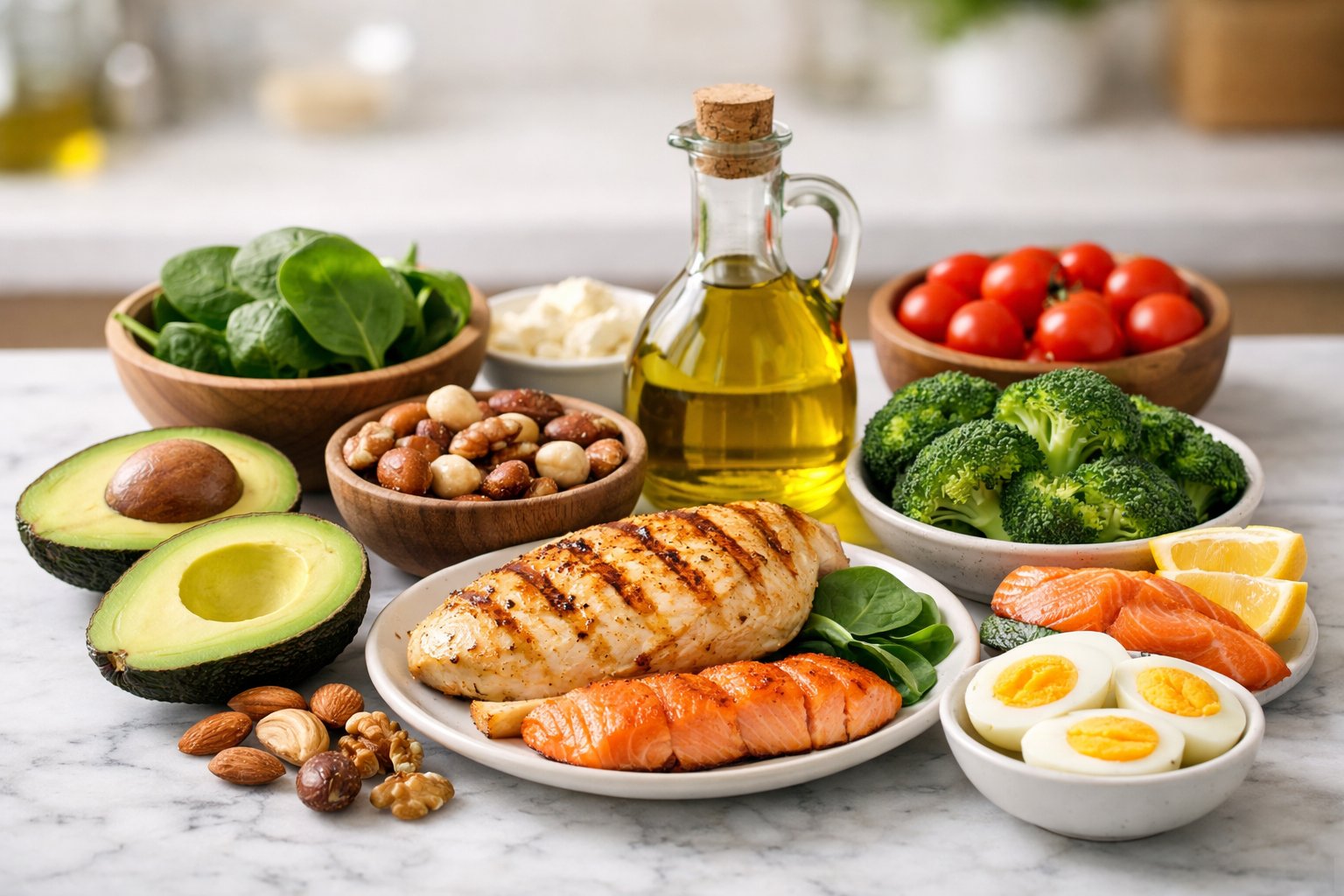
Getting the balance right between fat and protein is way more important than chasing a percentage. Prioritizing protein and eating nutrient-dense foods works better than just piling on the fat.
Protein Intake and Lean Mass Preservation
Protein should come first on keto, not fat. You need about 0.6 to 0.8 grams per pound of lean body mass to keep muscle while losing weight. If you’ve got 120 pounds of lean mass, that’s 72 to 96 grams of protein daily.
More protein means a faster metabolism and less muscle loss. Go too low and your body breaks down muscle for amino acids, which slows you down in the long run.
Protein targets by goal:
- Maintain muscle: 0.6-0.8g per lb of lean body mass
- Build muscle: 0.8-1.2g per lb of lean body mass
Body fat percentage tells you your lean mass. For example, a 150-pound person with 20% body fat has 120 pounds of lean mass (150 – 30 = 120). Once you know your lean mass, protein math gets a lot easier.
Building Meals Around Protein First
Start every meal with a solid protein source. It’s surprisingly easy for protein to get crowded out by high-fat foods if you’re not paying attention.
Think 4-6 ounces of meat, poultry, or fish as your meal’s base. Once you’ve got your protein, then bring in the fats.
Cooking protein in butter or olive oil usually adds enough fat without any fuss. Eggs are handy here—they’re already about 65% fat and 35% protein.
Protein is way more filling per calorie than fat alone. If you eat protein first, you tend to feel fuller and (bonus) usually end up eating less overall.
Using Vegetables for Satiety and Micronutrients
Non-starchy veggies add bulk and nutrients with barely any calories. Leafy greens, broccoli, cauliflower, and zucchini bring fiber that helps you feel satisfied.
When your plate’s loaded with veggies and protein, there’s just not as much space left for extra fat. Nutrient density matters too, not just macros.
Spinach, Brussels sprouts, asparagus—they’re packed with vitamins and minerals you won’t get from processed, high-fat foods. These nutrients help your metabolism and keep you healthier, especially while losing weight.
High-nutrient vegetables for keto:
- Spinach and kale (iron, folate)
- Broccoli and cauliflower (vitamin C, fiber)
- Bell peppers (vitamin A, antioxidants)
- Asparagus (potassium, B vitamins)
Veggies slow digestion when mixed with protein and fat. That gives you steadier energy, not those weird spikes and crashes.
A plate with balanced protein, veggies, and a moderate amount of fat feels a lot better than one swimming in butter and cream.
Long-term results depend on learning how to personalize your keto diet rather than relying on fixed macro percentages.
Adaptation Needs vs Fat Loss Goals: Knowing the Difference

Your fat needs change depending on whether your body’s still learning to burn fat or if you’re in full-on fat loss mode. Early on, you’ll need more fat to help your metabolism shift gears, but after you’re adapted, cutting back a bit can make weight loss easier.
When Higher Fat Intake Helps Early Adaptation
During the first few weeks on keto, your body needs a generous amount of fat to make the switch from burning sugar to burning fat. We’re talking 70-75% of your calories from fat for that initial adaptation phase.
This helps your liver get good at breaking down fat and making ketones. If you skimp on fat too soon, you might feel drained while your body’s still adjusting.
Most new keto folks do better when they don’t stress about fat intake at first. Your body needs steady fat to build up those fat-burning pathways.
Key adaptation support strategies:
- Eat fat to satiety—don’t force restriction yet
- Include some fat in every meal for steady energy
- Use olive oil, butter, or coconut oil without worrying too much
- Skip calorie restriction for the first 3-4 weeks
When Fat Intake Should Gradually Decrease
After about 4-6 weeks, your body gets better at burning stored fat. If you keep eating a ton of dietary fat, your body just burns that instead of your own fat stores.
Basically, your system always burns what you eat first. If you’re eating 150 grams of fat daily, your body will use that up before touching the fat you want to lose.
For better fat loss, ease back to 60-65% of calories from fat after you’re adapted, but keep carbs low (under 20-50 grams a day). That’s usually the sweet spot for most people.
Don’t worry, this isn’t about going low-fat. It’s just about finding the right balance so your body taps into its own fat more often.
Transitioning From Adaptation to Fat Loss Phase
That shift from adaptation to active fat loss doesn’t happen overnight. Usually, it’s somewhere between weeks 4 and 8 of sticking with keto.
You’ll know you’re there when your energy’s steady, you’re less hungry, and you can go longer between meals without feeling desperate for food.
Transition indicators:
- No more energy crashes between meals
- Cravings for high-fat foods drop off
- You’re comfortable going 4-6 hours between meals
- Weight loss is steady, about 1-2 pounds a week
Keep carbs low throughout all this—20-50 grams daily, whether you’re adapting or losing. The only thing that really shifts is how much fat you’re eating, based on how your body’s handling things and what your goals are.
Understanding normal keto adaptation timelines helps explain why higher fat intake is sometimes useful early but problematic later.
Practical Adjustments If You’re Eating Too Much Fat
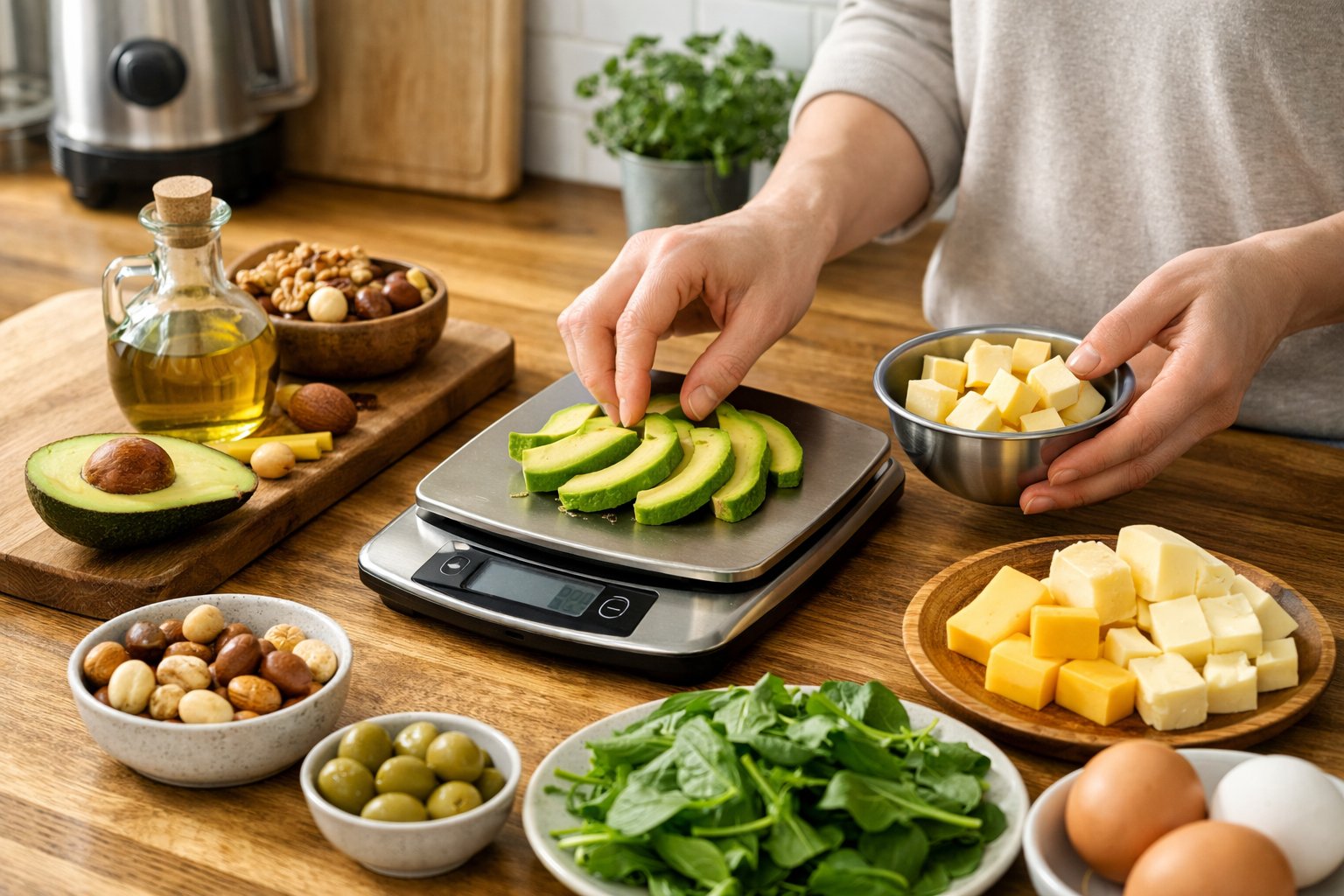
If weight loss has stalled, small tweaks to your fat intake can help get things moving again—no need to ditch ketosis. The trick is cutting back on added fats, not protein or carbs.
Rebalancing Macros Without Leaving Ketosis
To adjust your macros, just lower your dietary fat while keeping protein and carbs at the same levels. This makes your body dip into stored fat for energy, which is what you want.
Most guides say keep carbs under 20-25 grams a day and protein at 0.8-1 gram per pound of lean body mass. Fat can drop from 75-80% of calories to 60-70% and you’ll stay in ketosis.
As long as carbs are low, you’ll keep making ketones. Eating less fat doesn’t knock you out of ketosis—it just encourages your body to use its own fat for fuel.
Reducing Added Fats Without Increasing Hunger
The easiest way to cut fat is to skip the extras, not the fat that’s already in your food. Use less oil for cooking, skip that extra butter on veggies, and keep an eye on cheese and cream portions.
Stick with whole food fats like eggs, fatty fish, avocados, and nuts. Those come with protein and fiber that help you stay full. Maybe ditch the fat bombs, bulletproof coffee, or heavy cheese and cream for a bit.
Try swapping in more protein-rich foods or leaner cuts of meat sometimes. Adding more low-carb veggies helps fill you up without adding much in the way of calories.
Tracking Intake to Identify Hidden Surplus
Honestly, a lot of people are surprised to find out how much fat they’re actually eating. Tracking your food for a week can reveal sneaky sources of extra calories.
Use a food tracking app and a kitchen scale for a week. Pay attention to oils, dressings, and little extras—they add up fast.
Common hidden fat sources include:
- Cooking oils (just 1 tablespoon is 120 calories)
- Nuts and nut butters (easy to go overboard)
- Cheese (small portions, big calories)
- Heavy cream in coffee or recipes
- Mayo and oil-based dressings
Compare what you track with your macro targets. If you’re over by 20-30 grams of fat a day, that’s 180-270 extra calories—enough to stall progress. Getting real with your tracking helps you see where you can cut back.
Learning to calculate macros accurately often reveals hidden calorie surplus even while carbs remain low.
Why “Eat More Fat” Is One of the Most Misunderstood Keto Rules
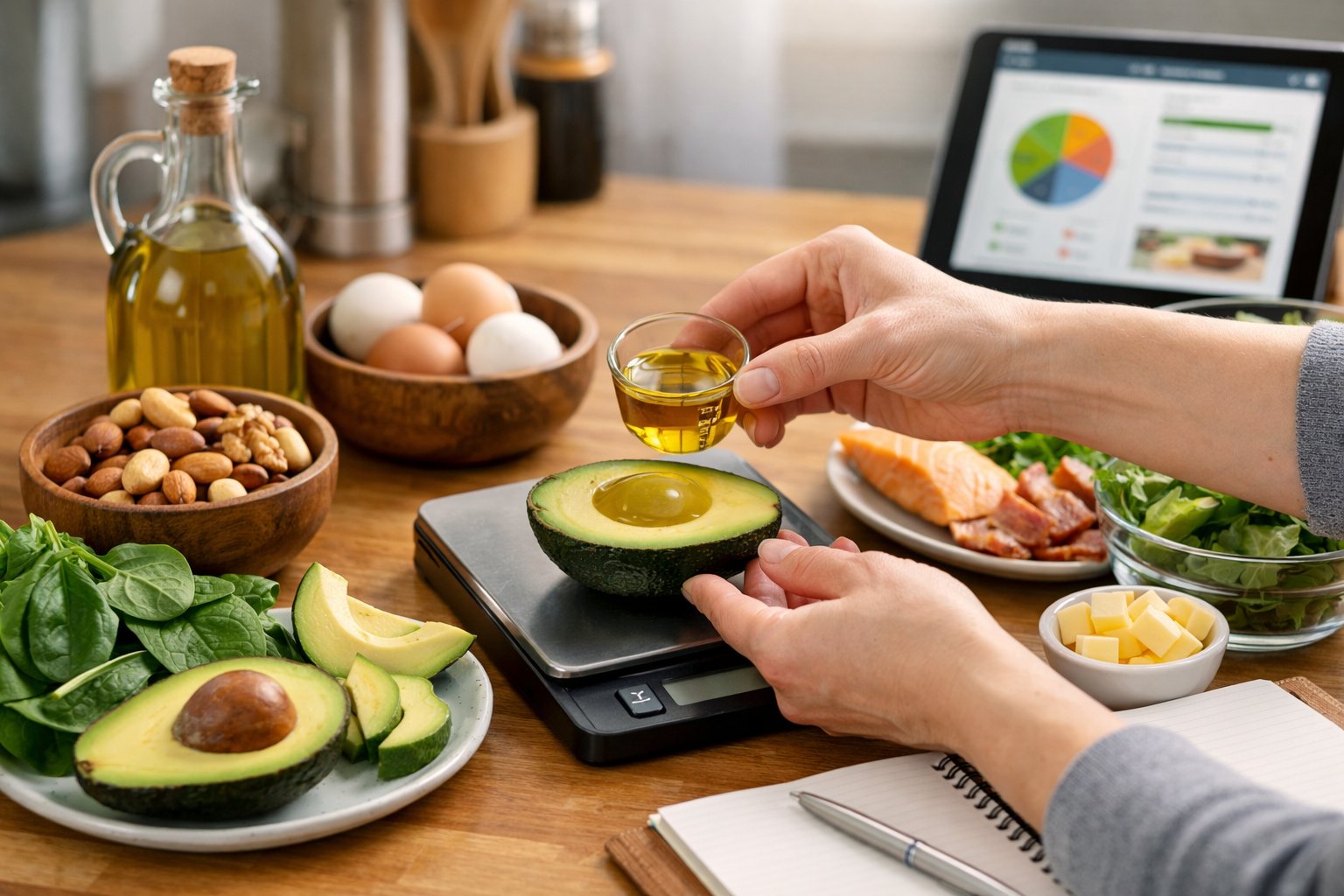
The advice to “eat more fat” on keto gets tossed around a lot, but it’s often misunderstood. What started as a guideline about macronutrient ratios has turned into people thinking they need to add fat to everything, all the time.
Social Media Keto vs Metabolic Reality
Scroll through social media and you’ll see endless photos of butter coffee, bacon-wrapped everything, and fat bombs treated like daily essentials. This “eat more fat” myth makes beginners think they have to force down fat to make keto work.
The truth? Your body just needs enough fat to get into ketosis and stay satisfied—not the maximum possible.
Common social media claims vs actual metabolic needs:
- Myth: Add fat to every meal and snack
- Reality: Fat is just your main energy source after carbs are cut
- Myth: More fat always means better results
- Reality: Extra fat gets stored, not burned
These myths spread fast because dramatic before-and-after photos get all the attention. But if you’re trying to lose weight and keep adding fat just because the internet says so, you might end up eating more calories than you need—and stall out.
Template Advice vs Individual Energy Requirements
Most keto guides mention the 70-80% fat ratio, but rarely explain what that means. It’s about calories from fat, not the amount of fat on your plate.
Someone eating 1,500 calories a day needs a lot less fat than someone eating 2,500. That template approach misses a lot of personal factors.
- Current body composition and weight
- How active you are
- Your actual goal—weight loss, maintenance, or gain
- Metabolic health and insulin sensitivity
If you’ve got extra body fat, your body can use that for energy. You don’t need as much dietary fat as someone lean trying to maintain. This is one of the biggest keto misconceptions that keeps people stuck.
Why Personalization Determines Fat Intake Levels
Your fat intake should fit your own situation, not just what you see online. A 150-pound office worker and a 200-pound construction worker need totally different amounts of fat, even if both are in ketosis.
Dietary fat is used when your body runs out of stored glucose. Once you’re there, your body can burn either food fat or your own fat. If your goal is fat loss, you want your body to start using up what you’ve already got stored.
Factors that determine optimal fat intake:
- Starting weight: More body fat means more stored energy
- Deficit goals: Bigger deficits mean less dietary fat
- Protein needs: Always meet these first
- Hunger levels: Fat should satisfy, not stuff you
It takes a bit more effort to figure out your own needs, but it’s worth it. That way, you won’t make the classic mistake of eating too much fat and wondering why nothing’s changing.
When fat intake, protein balance, and energy needs stop aligning, structured personalization becomes more effective than simply adjusting macros repeatedly.
Diagnostic Summary: Is Excess Fat Intake Slowing Your Keto Progress?
To know if your fat intake is helping or hurting, look at your weight loss, energy, and how your body’s reacting to your current macros. The difference between just enough and too much fat shows up in your results and how you feel.
If Your Intake Supports Adaptation Normally
If you’re eating the right amount of fat, progress feels steady. You’ll usually see a pound or two of weight loss per week after that first water drop.
Your energy should feel stable all day, without big crashes or gnawing hunger between meals. Ketone levels typically sit between 0.5-3.0 mmol/L if you test them.
You don’t need to snack constantly. Your clothes fit better, even if the scale’s slow. Mental clarity gets a boost, and you might notice your workouts or sleep improving, too.
All of these are good signs your fat intake is right where it needs to be for ketosis and fat loss.
If Excess Dietary Fat Is Blocking Fat Loss
Weight stalls that drag on for more than three or four weeks often mean there’s just too much fat sneaking into your keto diet. You might notice the scale won’t budge, even though you’re keeping carbs below 20 or 30 grams a day.
Body measurements don’t shift much, and you’re not seeing any real change in how you look, either.
Common signs of excess dietary fat:
- Getting over 80% of your calories from fat
- Adding extra fat to meals even when you’re not hungry
- Eating past the point of fullness just to hit fat macros
- No weight change for a month or longer
- Calories are way above maintenance—think 500 or more extra daily
Your body will always use up dietary fat before it starts burning the fat you’ve got stored. If most of your fat is coming from what you eat, fat burning just stalls right there.
It’s a little frustrating: you’re doing low carb, but the fat loss won’t happen because there’s just too much fat on the plate. Cutting down fat by even 20 or 30 grams a day can often get things moving again, usually within a week or two if you’re patient.
If Macro Structure Needs Personal Adjustment
The classic keto ratios—like 70-80% fat—honestly don’t fit everyone. Age, activity, and your own metabolism play a bigger role than most people realize.
If you’re working a desk job, you probably don’t need as much fat as someone who’s running around or hitting the gym.
It might take a little trial and error, but tweaking your fat intake can help you find what really works for you. Dropping fat to 60-65% of your calories (while keeping carbs under 30 grams) often leads to better results.
Protein matters, too. Bumping it up to 25-30% of your calories can help with muscle and keep you feeling full longer.
Honestly, tracking macros in grams instead of percentages just makes things simpler. For example, if you’re around 150 pounds, aiming for 100-120 grams of fat, 90-110 grams of protein, and 20-25 grams of carbs is a solid place to start.
Then, adjust those numbers week by week based on what’s happening. Most macro issues on keto come down to a little fine-tuning.
When To Seek Professional Guidance
Sometimes, things just get a bit too complicated for basic troubleshooting. Hormonal imbalances—like thyroid issues or insulin resistance—can really mess with how your body handles fat.
Even certain medications might throw a wrench in the works, making ketosis or fat metabolism harder than it should be.
If you’re stuck with stubborn weight gain on keto, or you haven’t budged for over two months, it’s probably time to call in a healthcare provider. They can run blood tests to check cholesterol, blood sugar, or spot nutrient deficiencies that might be slowing you down.
A nutritionist who actually gets ketogenic diets can help you set up macro targets that match your health and goals. There’s just no one-size-fits-all here.
Medical conditions need a more tailored approach—generic tips just won’t cut it.