
Signs Keto Is Working: How to Know Your Body Is in Ketosis
When starting keto, one of the most common questions people ask is whether the diet is actually working. Some expect rapid weight loss, while others look for ketone readings or physical changes to confirm progress. When those signals don’t appear immediately, uncertainty begins to build.
The difficulty is that ketosis does not show itself through a single obvious sign. Instead, the body produces multiple metabolic and physical signals as it transitions from using glucose to using fat as its primary fuel.

Understanding the signs keto is working requires knowing which signals indicate genuine metabolic change and which simply reflect normal early adaptation.
This article explains the physical, metabolic, and behavioral indicators that your body is entering ketosis, how long these signals typically take to appear, and how to distinguish true ketosis from normal transition symptoms.
If you’re trying to troubleshoot multiple keto challenges at once, this complete guide to common keto problems explains the most frequent issues and how to fix them.
Table of Contents
Signs Keto Is Working — What Should You Actually Look For?

The body sends multiple signals during the shift to ketosis. Many people mistake temporary water loss for fat burning or overlook genuine metabolic changes.
Knowing the difference between initial adaptations and actual ketosis helps set realistic expectations. It can be tough to tell what’s really happening in those early days.
Why Early Keto Results Are Often Misinterpreted
The first week of keto often brings dramatic scale changes that have little to do with fat loss.
Most people lose 3-7 pounds in the first few days, but this weight is primarily water. When carb intake drops, the body depletes its stored glucose (glycogen).
Each gram of glycogen holds 3-4 grams of water. As these stores empty, the body releases large amounts of water weight.
This initial drop creates excitement, but it doesn’t indicate ketosis yet. The body needs several days to switch from burning glucose to burning fat for fuel.
Real signs of ketosis include changes in breath smell, reduced hunger, and increased mental clarity. Many people also expect immediate energy boosts, but instead, they often feel fatigue and weakness during the first week.
This temporary dip happens because the body hasn’t fully adapted to using fat and ketones for fuel yet. It’s a weird phase, honestly.
The Difference Between Ketosis and Visible Weight Loss
Ketosis is a metabolic state where the body burns fat for fuel and produces ketones.
Weight loss is a potential outcome of staying in ketosis over time, but these aren’t the same thing. A person can be in ketosis without losing weight if they’re still eating too many calories.
The body will burn dietary fat before stored body fat. Blood ketone levels of 0.5 millimolar or higher confirm ketosis, regardless of what the scale shows.
Signs of ketosis include:
- Fruity or acetone breath smell
- Decreased appetite
- Increased thirst
- Changes in urine smell
Signs of fat loss include:
- Clothes fitting looser
- Measurements decreasing
- Scale weight dropping consistently over weeks
- Increased energy after adaptation
Testing ketone levels with blood meters or breath analyzers provides objective confirmation. These tools measure actual ketone production, not just weight changes.
Why the Body Shows Multiple Signals During Adaptation
The transition to ketosis triggers changes across different body systems, creating varied symptoms at different times.
Hormonal shifts affect hunger levels. Brain chemistry adjusts to using ketones instead of glucose.
Digestive processes shift with different food types. Early signals include bad breath from acetone, a ketone that exits through breath and urine.
Reduced hunger happens when ketones affect appetite hormones and the brain gets steady fuel from fat. Some people experience digestive changes like constipation or diarrhea as the gut adjusts to higher fat intake.
Mental clarity often improves after a week or two, once the brain adapts to burning ketones. Initial brain fog and difficulty concentrating are common during the first days.
The body needs time to build the enzymes and pathways that efficiently use ketones for energy. Physical performance usually drops at first, then returns to normal after several weeks.
Muscles rely on glycogen for high-intensity exercise, and those stores are depleted on keto. Once fat-adapted, the body gets better at burning fat during lower-intensity activities.
Sleep problems like insomnia can pop up during the first week but usually resolve within a month. Some long-term keto folks even say their sleep gets better than before.
A properly structured keto setup helps beginners recognize normal adaptation signs more confidently.
What Happens in the Body When Ketosis Begins
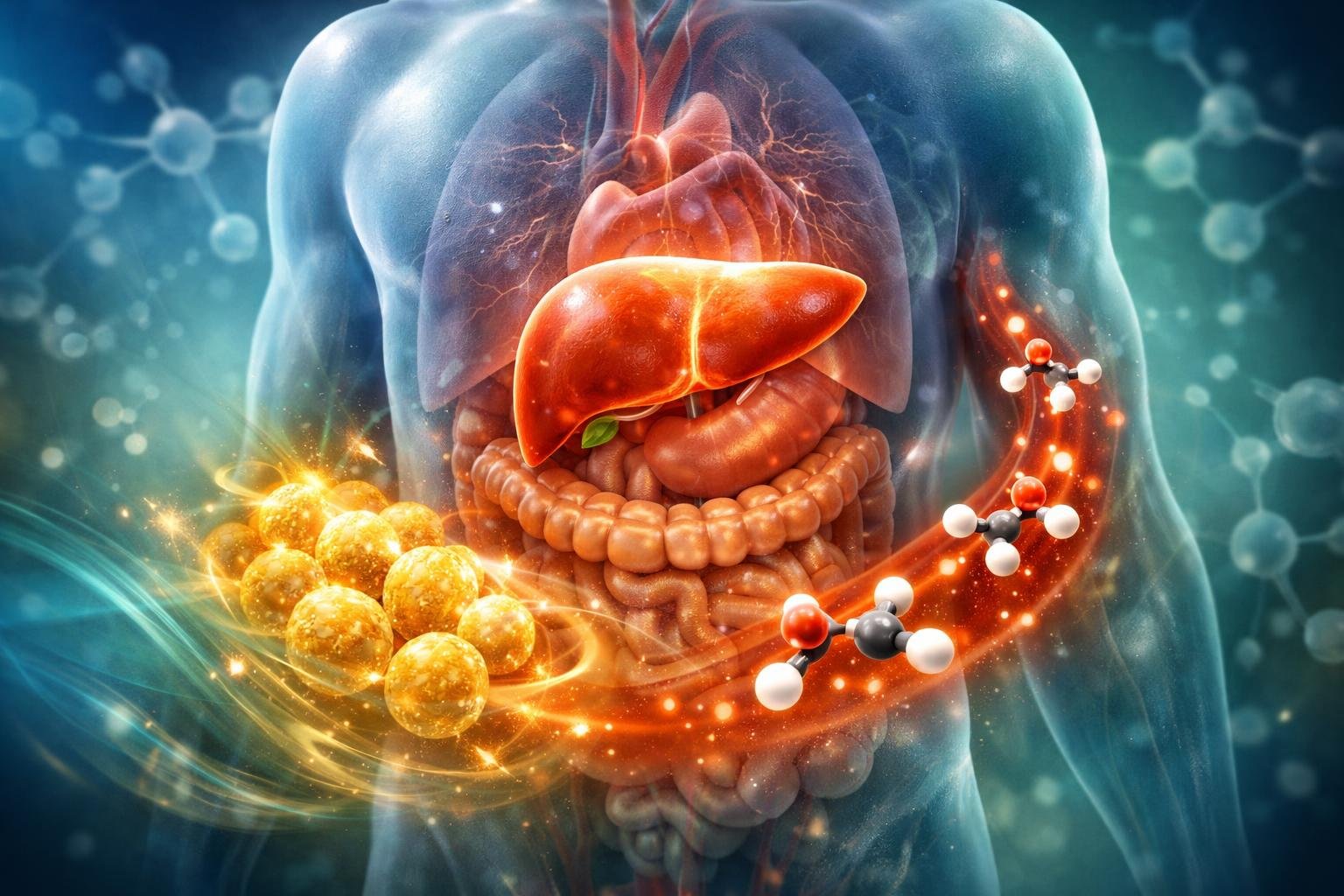
When the body enters ketosis, it goes through a major shift in how it creates energy.
The metabolism switches from using sugar to burning fat, which triggers the production of ketones that fuel the brain and body.
Carbohydrate Restriction and Glycogen Depletion
The body stores glucose in the form of glycogen in the liver and muscles. These stores are limited and usually last for about 24 to 48 hours of normal activity.
When someone drastically reduces carbohydrate intake to 20-50 grams per day, the body begins to use up its glycogen reserves. Each gram of glycogen is bound to 3-4 grams of water, which explains why people often lose several pounds in the first week of keto.
As glycogen stores become depleted, insulin levels drop significantly. This signals the body that it needs to find a new energy source.
The depletion phase usually takes 2-4 days depending on activity level and starting glycogen stores.
Switching From Glucose to Fat as the Primary Fuel
Once glycogen runs low, the body has to adapt to using fat for energy instead of glucose.
The liver starts breaking down fatty acids from stored body fat and dietary fat through a process called beta-oxidation. This metabolic shift doesn’t happen instantly.
The body needs time to ramp up production of enzymes that break down fat and transport it to cells. During this transition period, many people experience temporary fatigue and brain fog. It’s not exactly fun, but it doesn’t last forever.
Key changes during the fuel switch:
- Insulin levels decrease by 30-50%
- Fat breakdown increases significantly
- The body produces enzymes to process fat more efficiently
- Cells adapt to accept ketones as fuel
The adaptation period typically takes 3-7 days, though full fat-adaptation can take 2-4 weeks for most people.
Ketone Production and Metabolic Shifts
As the liver breaks down fat, it produces three types of ketone bodies: acetoacetate, beta-hydroxybutyrate (BHB), and acetone.
BHB becomes the primary ketone used for energy throughout the body. The brain, which normally relies almost entirely on glucose, begins using ketones for up to 70% of its energy needs.
This represents a pretty big metabolic shift since the brain typically accounts for about 20% of the body’s total energy use. Blood ketone levels rise from near zero to 0.5-3.0 millimolar (mM) during nutritional ketosis.
The body also gets more efficient at producing and using ketones over time. Hormone levels shift too, with increased production of hormones that break down fat and preserve muscle tissue.
The underlying science of ketosis explains how the body shifts from glucose metabolism to fat-derived ketone fuel.
Early Physical Signs Keto Is Working

When the body starts running on fat instead of carbs, several physical changes happen quickly.
These early signs of ketosis usually appear within the first few days to two weeks of starting a low-carb diet.
Rapid Water Weight Reduction
The first noticeable change on a keto diet is often a quick drop in weight. This happens because the body stores carbohydrates as glycogen in the muscles and liver.
Each gram of glycogen holds about 3-4 grams of water. When someone cuts carbs, the body burns through its glycogen stores within a few days.
This releases the stored water, leading to rapid weight loss on the scale. Most people lose 2-10 pounds in the first week alone.
This water weight loss keto phase is temporary and different from fat loss. The number on the scale drops fast, but it’s mostly water leaving the body.
After this initial phase, weight loss typically slows down as the body starts burning actual fat for fuel.
Increased Urination and Electrolyte Shifts
The release of stored water leads to more frequent bathroom trips. People often notice they need to urinate more often during the first week of keto.
This increased urination keto effect happens because the body is flushing out excess water. Along with the water, important minerals leave the body too.
These electrolyte shifts keto can cause temporary side effects if not addressed:
- Sodium – Lost through increased urination
- Potassium – Depleted as glycogen stores empty
- Magnesium – Flushed out with excess water
Low electrolyte levels can cause headaches, muscle cramps, and fatigue. Adding salt to food and eating potassium-rich foods like avocados and leafy greens helps replace these minerals.
Keto Breath and Acetone Production
A common early sign is a distinct change in breath smell. When the body breaks down fat, it produces three types of ketones.
One of these is acetone, which exits through the breath and urine. This keto breath acetone smell is often described as fruity or metallic.
Some people taste sweetness in their mouth or notice their breath smells unusual. While this might seem unpleasant, it actually confirms the body is producing ketones and burning fat.
The smell usually fades after a few weeks as the body becomes more efficient at using ketones.
Drinking more water, brushing teeth more often, or chewing sugar-free gum can help manage the odor. The presence of this breath change is one of the most reliable early indicators that ketosis has begun.
Internal Metabolic Signs Your Body Is Entering Ketosis

When the body shifts from burning glucose to burning fat for fuel, several internal changes occur that signal ketosis is taking effect.
These metabolic shifts affect hunger hormones, energy production, and brain function in measurable ways.
Reduced Hunger and Appetite Regulation
One of the first internal signs of ketosis is a noticeable decrease in appetite. The body experiences reduced appetite keto effects because ketones influence hunger hormones like ghrelin and leptin.
When someone enters ketosis, their body produces ketones that may directly affect the brain’s appetite control centers. This keto hunger reduction happens even when calorie intake drops significantly.
Many people report feeling satisfied with smaller portions and going longer between meals without discomfort. The increased intake of fats and proteins on a keto diet also contributes to this effect, as these nutrients digest more slowly than carbohydrates.
The body’s shift away from glucose-dependent hunger patterns means fewer cravings for sugary or starchy foods. This change typically becomes apparent within the first few days to two weeks of strict carbohydrate restriction.
Stable Energy Without Blood Sugar Crashes
Ketosis brings a blood sugar stability that keto users often describe as steady, all-day energy. Unlike glucose, which tends to cause those familiar spikes and crashes, ketones offer a more reliable fuel source.
The body keeps blood sugar levels more consistent since it’s not relying on frequent carb intake anymore. People in ketosis usually notice their energy doesn’t dip the way it does with a high-carb diet.
That dreaded mid-afternoon slump? It tends to fade away. Fat metabolism just produces energy at a more constant rate than carbs ever did.
The liver keeps converting fat into ketones, so there’s a pretty steady fuel supply. You’re not stuck needing snacks every couple of hours to keep going.
The body can tap into its fat stores between meals without triggering that low-blood-sugar fatigue. It’s a nice break from the old cycle of hunger and tiredness.
Improved Mental Clarity and Focus
Mental clarity is one of those keto perks people rave about. The brain runs surprisingly well on ketones—sometimes up to 70% of its energy comes from them during full ketosis.
Research hints ketones might even be a more efficient brain fuel than glucose. Many folks report sharper thinking and better concentration after the first week or two.
This boost in focus usually appears once the brain’s gotten used to using ketones. No more wild blood sugar swings means steadier cognitive function, too.
Some people notice their memory gets a little sharper, or they process things faster. It’s probably thanks to that stable energy feeding their brain cells, without the ups and downs of glucose.
Adaptation Symptoms That Can Appear While Keto Is Working

Some uncomfortable symptoms in the first few weeks don’t mean keto is failing. They’re just signs the body’s switching from burning sugar to burning fat.
The Keto Flu Transition Phase
Keto flu symptoms usually show up in the first three to seven days. Headaches, muscle cramps, irritability, brain fog, and fatigue are all pretty common.
It’s not a virus—just your body adjusting to a big metabolic shift. The symptoms happen as you burn through stored carbohydrates (glycogen) and lose water and electrolytes.
Most people can reduce keto flu by fixing electrolyte imbalances. Sodium, potassium, and magnesium drop quickly when you start keto.
Increasing salt intake—with broth, extra salt on food, or supplements—helps most people feel better within days. The keto flu usually passes in three to ten days.
If symptoms drag on for more than two weeks, it’s worth checking electrolyte intake and whether carbs are too low or too high.
Many early adaptation signals resemble common keto flu symptoms during the transition to fat metabolism.
Temporary Fatigue During Fuel Switching
Energy dips in weeks two through four are pretty normal. Muscles and brain are still figuring out how to run on ketones instead of glucose.
Physical performance often drops for a bit. Workouts can feel tougher, and athletes might notice less strength or endurance.
This is temporary, not a sign keto isn’t working. The body just hasn’t built up enough enzymes and pathways yet to use fat efficiently.
By week four to six, most people say their energy stabilizes or even improves. Some find their mental clarity and stamina are better than on a high-carb diet.
Light activity, like walking, helps during this phase. It’s smart to ease up on intense exercise until energy levels bounce back.
Digestive Adjustments to Higher Fat Intake
Digestive changes—loose stools, constipation, or stomach discomfort—are common in the first two weeks. The body needs time to ramp up bile and enzymes for all that extra fat.
Some folks get diarrhea if they suddenly eat way more fat than their system can handle. On the flip side, constipation can happen from less fiber or dehydration.
Gradually increasing fat gives your gut a chance to adapt. Adding low-carb veggies with fiber and drinking plenty of water helps keep things moving.
If diarrhea sticks around, try cutting fat a bit and then upping it slowly. Most digestive issues settle down within two or three weeks as your body adapts.
Many symptoms blamed on ketosis failure actually come from the same electrolyte mistakes beginners make.
How to Confirm Ketosis With Testing Methods
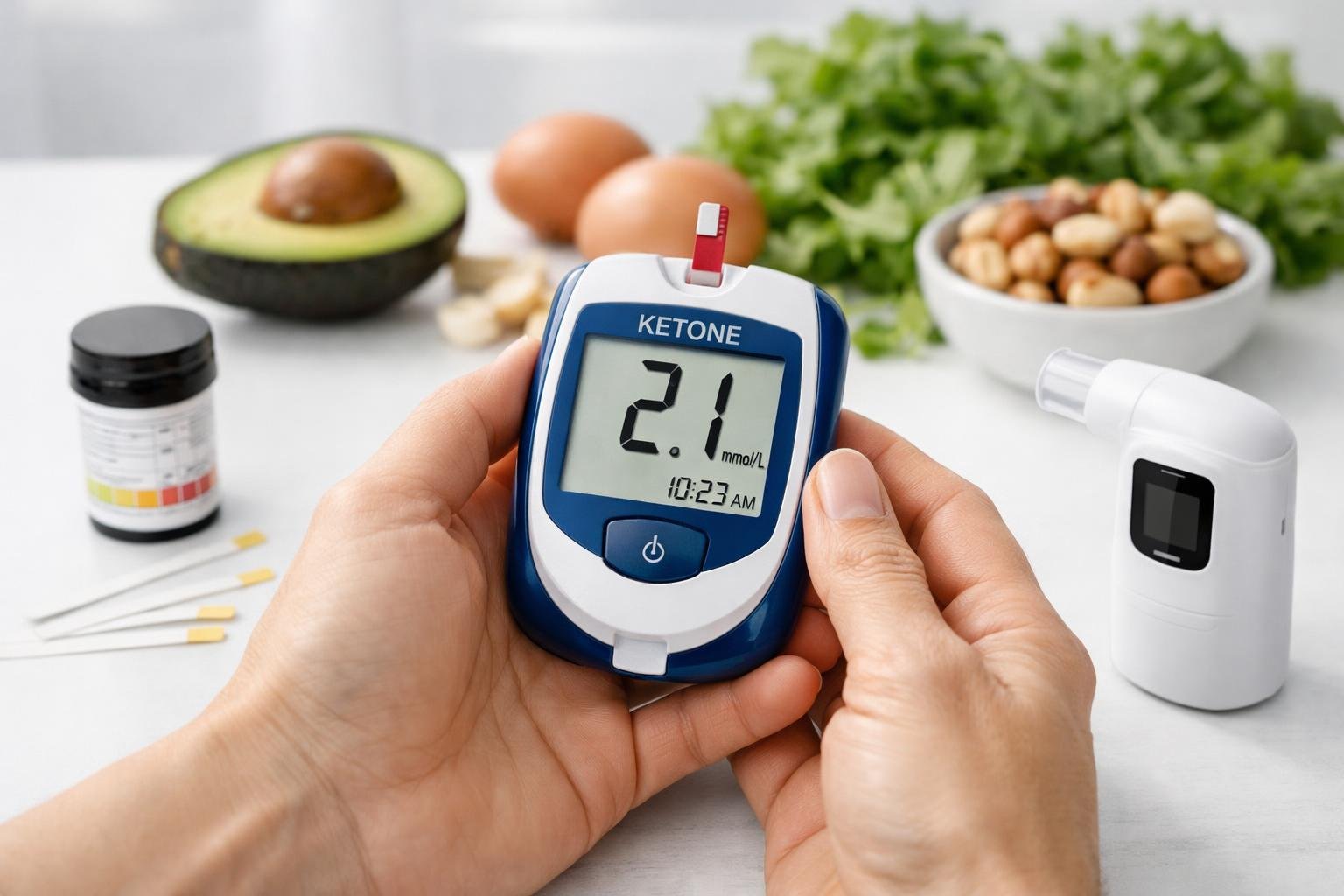
Testing is the only way to know for sure if you’re in ketosis. Blood ketone meters are the gold standard, but urine strips and breath meters are out there too—each with their own quirks.
Blood Ketone Measurement and BHB Levels
Blood ketone meters check beta-hydroxybutyrate (BHB), the main ketone in your bloodstream. It’s a finger prick and a test strip—quick but a bit invasive.
Readings between 0.5 and 3.0 mmol/L mean you’re in nutritional ketosis. Most people hit the sweet spot between 1.5 and 3.0 mmol/L for fat burning and other benefits.
Blood testing is reliable even after your body adapts to burning fat. It shows real-time ketone production and isn’t thrown off by hydration or how long you’ve been on keto.
The downside? It’s pricier than other methods. Test strips add up, and the finger prick isn’t everyone’s favorite.
Urine Ketone Strips and Their Limitations
Urine strips pick up acetoacetate, a ketone your body dumps in urine. Just dip the strip, wait a bit, and match the color to the chart.
They’re cheap and good for beginners in the first few weeks. Fast feedback, low cost, but not super precise.
Accuracy drops as your body gets better at burning ketones. After a while, kidneys excrete fewer ketones, so the strips can show lighter colors even if you’re deep in ketosis.
Hydration messes with the results too. Concentrated urine looks darker, lots of water makes it lighter. The strips give you a range, not an exact number, so they’re less useful for fine-tuning things.
Breath Acetone Testing
Breath analyzers check acetone, a byproduct of ketone metabolism that you breathe out. Just exhale into the device, and it gives a reading based on acetone levels.
No finger pricks or test strips, which is nice. You can test anywhere, anytime, without fussing over supplies.
Accuracy isn’t as solid as blood testing. Alcohol, hydration, and even how you breathe can throw off the numbers.
Breath meters use different units, so comparing devices can get confusing. Some need new sensors or recalibration from time to time, which adds to the cost over the long haul.
How Long It Takes for Signs of Ketosis to Appear

Most people enter ketosis somewhere between 2 and 7 days after starting keto. The exact timeline depends on your metabolism, how active you are, and how strictly you cut carbs.
Your body needs time to swap glucose for fat as its main fuel. Sometimes you won’t notice visible signs right away, even if the switch is happening under the hood.
Typical Timeline to Enter Nutritional Ketosis
Usually, ketosis starts after 2 to 4 days of eating under 20–50 grams of carbs per day. In the first 24–48 hours, you burn through muscle and liver glycogen.
Once those stores run low, the liver starts pumping out ketones. Blood ketone levels hit 0.5 mmol/L or more around days 3 to 7 for most people.
Early signs like more frequent urination and quick weight loss often pop up in week one, but that’s mostly water weight. The real indicators—less hunger, clearer thinking, more energy—show up after a week or two.
Some people notice fruity breath within 3 to 5 days, thanks to rising acetone. Not everyone gets this, though.
Understanding normal keto adaptation timelines helps explain why ketosis signals appear gradually rather than instantly.
Factors That Influence Adaptation Speed
Carb intake is the big one. Staying under 20 grams of net carbs gets you there faster, while 30–50 grams might stretch it to a week or more.
Exercise helps too. Physical activity burns through glycogen, sometimes shaving a day or two off the transition.
If you’re coming from a low-carb diet already, you’ll likely adapt quicker than someone used to lots of carbs. The body that’s already “metabolically flexible” handles the switch better.
Age and metabolic health matter. Younger folks and those with good insulin sensitivity usually enter ketosis faster than older adults or people with insulin resistance.
Clinical research shows that metabolic responses to carbohydrate restriction vary significantly between individuals.
Why Some People Experience Delayed Signals
Some people just don’t notice obvious ketosis signs for a couple of weeks, even if their blood ketones are up. Bodies vary—some produce more detectable markers like acetone breath, others don’t.
Hidden carbs in processed foods or sauces can block ketosis. Even small amounts of sugar alcohols or certain veggies can nudge you over your carb limit without realizing it.
Too much protein triggers gluconeogenesis, where your body makes glucose from protein. That slows down ketone production.
Not eating enough fat is another common issue. The body needs fat to make ketones, so if you cut both carbs and fat, you might stall out.
Knowing when keto starts working prevents premature conclusions during the early transition phase.
Signs Keto May Not Be Working Yet

If your body hasn’t shifted into ketosis, a few signs can tip you off. Spotting these early helps you tweak your diet before throwing in the towel.
Persistent Hunger and Carb Cravings
If you’re still hungry all day despite eating enough, you probably haven’t hit ketosis. The body’s still relying on glucose for energy.
Strong cravings for bread, pasta, or sweets are another red flag. Once you’re in ketosis, hunger usually drops since ketones help regulate appetite hormones.
Constantly thinking about food or needing snacks every couple of hours means your body hasn’t made the metabolic switch. In ketosis, many people find they naturally eat less often.
People who believe keto has failed often discover the deeper explanation when they are not losing weight on keto despite following the rules.
Lack of Ketone Production Indicators
If you haven’t noticed any change in breath odor—especially that slightly fruity or acetone-like smell—you might not be making enough ketones.
Urine test strips that never change color suggest minimal ketone production. Blood ketone meters are more accurate, with 0.5 mmol/L or higher marking nutritional ketosis.
If your weight hasn’t budged at all after two weeks, that’s a clue carbs may still be too high. Most people see at least some water weight drop in week one.
Learning how to calculate macros accurately often reveals carb intake errors that delay ketosis.
Common Execution Errors That Delay Ketosis
Hidden carbohydrates sneak into foods people assume are keto-friendly. Sauces, dressings, processed meats, and sugar-free products can contain added sugars or starches that push daily carb intake above the 20-50 gram threshold for ketosis.
Excessive protein consumption causes issues because the body converts extra protein into glucose through gluconeogenesis. This process can block the metabolic shift to fat burning.
Most folks need moderate protein intake, around 20-25% of daily calories. Too much protein, and you might never get into ketosis at all.
Inconsistent carb restriction stops ketosis before it even starts. A single high-carb meal once or twice a week resets the adaptation process.
The body needs several consecutive days of very low carb intake to deplete glycogen stores and start producing ketones. One slip, and you’re basically back at square one.
Not tracking food intake leads people to underestimate their carb consumption. Without measuring portions or reading labels, carbs add up fast from vegetables, nuts, dairy, and other seemingly safe foods.
If you’re unsure whether these signals mean keto is working or whether something is preventing ketosis, the full diagnostic guide in Why Keto Is Not Working for Me explains how to identify the real cause.
Why Individual Metabolism Changes the Signs You Experience

Your metabolism determines how quickly you enter ketosis and which signs you’ll notice first. Insulin sensitivity, daily activity, and past eating habits all shape your unique transition into fat-burning mode.
Insulin Sensitivity Differences
People with better insulin sensitivity usually enter ketosis faster than those with insulin resistance. When cells respond well to insulin, the body can switch from glucose to fat burning within two or three days.
Those with insulin resistance may need a week or two—or even longer. Insulin sensitivity also affects ketone production levels.
Someone with high sensitivity might produce more ketones at lower carb intakes. A person with insulin resistance needs stricter carb limits to reach the same ketone levels.
Signs vary based on insulin response:
- High sensitivity: Mild keto flu, quick energy boost
- Moderate sensitivity: Standard transition symptoms
- Low sensitivity: Stronger keto flu, slower symptom relief
Your body’s insulin response impacts water weight loss, too. Better insulin sensitivity means faster glycogen depletion and a more noticeable initial weight drop.
Activity Level and Glycogen Use
Active people burn through glycogen stores faster than folks who are sedentary. Someone who exercises daily might get into ketosis in just a day or two.
Less active people could take four to seven days to deplete the same glycogen reserves. Athletes often experience more intense muscle cramps during the transition.
Their bodies demand more electrolytes because of higher sweat rates and increased metabolic needs. They also tend to notice performance dips in the first week as their muscles adapt to fat fuel.
Exercise intensity matters for ketone production. High-intensity workouts can temporarily slow ketosis because the body produces stress hormones. Moderate activity actually supports faster adaptation to fat burning.
Previous Diet and Carb Dependency
Your pre-keto diet really impacts transition symptoms. Someone coming from a high-carb diet (300+ grams daily) will likely face stronger keto flu than someone who ate moderate carbs.
Sugar dependence creates more severe withdrawal symptoms. Frequent snackers and those who relied on carbs for energy often experience intense cravings, fatigue, and irritability.
People with metabolic flexibility adapt faster. Those who previously practiced intermittent fasting or ate lower-carb diets already have some fat-burning capacity.
When ketosis signals remain unclear or inconsistent, a structured plan built around your metabolic profile can eliminate the guesswork.
Diagnostic Summary: Signs Keto Is Working vs Signals You’re Still Adapting
Understanding where the body stands in the ketosis process helps determine if the diet is working or if more time is needed. The body shows different signals depending on whether it has achieved ketosis, is still adapting, or hasn’t started the metabolic shift yet.
If Your Body Shows Clear Ketosis Indicators
Blood ketone levels between 0.5 and 3.0 millimolar confirm the body has entered nutritional ketosis. This measurement gives the most accurate proof that fat burning has begun.
Physical signs support these numbers. Weight loss continues steadily after the initial water drop.
Appetite decreases noticeably without forcing restriction. Energy levels tend to stabilize and often improve beyond baseline.
Mental clarity replaces the fog from early adaptation. The brain runs efficiently on ketones as its primary fuel.
Focus sharpens and concentration lasts longer throughout the day. Breath may carry a fruity or acetone smell—excess ketones exit through the lungs.
The body also produces fewer hunger signals as ketone levels rise. It’s a weird but welcome change.
Key indicators that ketosis is active:
- Blood ketones at 0.5 mM or higher
- Consistent fat loss after week one
- Reduced hunger between meals
- Improved mental performance
- Fruity breath odor
If You Are Experiencing Normal Adaptation Symptoms
The transition period brings temporary discomfort that many call “keto flu.” These symptoms show the body is adapting but hasn’t completed the shift yet.
Fatigue and weakness appear during the first few days or weeks. The muscles rely less on glycogen stores and haven’t fully adapted to burning fat.
Exercise performance drops temporarily during this phase. Sleep patterns may change.
Some people experience insomnia or wake up during the night. Digestive changes like constipation or diarrhea can show up as the gut adjusts to different food types.
Normal adaptation symptoms include:
- Temporary fatigue and low energy
- Reduced exercise capacity
- Sleep disruptions
- Digestive adjustments
- Muscle weakness
If Signals Suggest Ketosis Has Not Started Yet
Persistent hunger means the body still runs mostly on glucose. When ketosis starts, appetite naturally drops without effort.
Continued cravings for carbs suggest blood sugar remains the main fuel source. Weight stays the same or even goes up despite following the diet.
The first week should show water weight loss of several pounds. No change on the scale means carb intake is too high or protein is converting to glucose.
Blood ketone testing shows levels below 0.5 mM. Breath analyzers detect minimal acetone.
These measurements confirm the metabolic state hasn’t shifted to fat burning. Energy crashes happen frequently throughout the day.
This pattern reflects blood sugar fluctuations rather than the steady energy ketones provide. Brain fog lingers beyond the adaptation period without improvement.
The most common reason? Eating too many carbs. Hidden carbs in sauces, vegetables, or processed foods add up fast.
Protein intake that’s too high can also prevent ketosis through gluconeogenesis. It’s a tricky balance, honestly.
What This Means for Your Next Step
If you’re seeing clear signs of ketosis, you’re probably on the right track. Your body’s adapted and is burning fat for fuel.
You might want to tweak a few things, but honestly, there’s no big overhaul needed right now.
If you’re feeling those classic adaptation symptoms, hang in there. It takes a bit for your system to build up the right machinery for fat burning.
Electrolyte supplements—think sodium, potassium, magnesium—can really help ease the rough patches. Upping your water intake is smart too; it helps flush out ketones and keeps dehydration at bay.
If you’re not seeing much that points to ketosis, it’s time to track your diet more closely. Double-check your total daily carbs—aim for under 20-50 grams.
Keep an eye on protein, too. Somewhere in the 0.6-0.8 grams per pound of lean body mass range is usually best. Food labels can be sneaky, so watch out for hidden carbs.
Testing your ketone levels gives you some hard data to work with. Blood meters are the most accurate, but breath analyzers are handy for spotting trends.
Urine strips aren’t as reliable, though they’re cheaper if you’re just starting out.
If you’ve got medical conditions like pancreatitis, liver failure, or any fat metabolism disorder, ketosis isn’t safe. Best to skip the ketogenic diet in these cases.
And for folks with diabetes, medical supervision is a must because of the risk of ketoacidosis. No sense in taking chances there.