
Not Enough Protein on Keto: Risks, Signs, and Solutions
Protein can be easy to underestimate on keto. Beginners often focus heavily on keeping carbohydrates low and getting enough dietary fat, while protein becomes something they simply add when convenient.
That can become a problem if your intake consistently falls short of what your body needs. Protein plays an important role in maintaining muscle, supporting recovery, and making meals satisfying, particularly when you’re trying to lose weight or stay physically active.
At the same time, eating more protein isn’t automatically better, and there is no single protein target that fits everyone. Your body size, activity level, goals, and overall diet all matter.
This article explains what can happen when you don’t get enough protein on keto, how to recognize a possible protein gap, and how to build meals around an appropriate amount without unnecessarily complicating your diet.
Am I Getting Enough Protein on Keto?
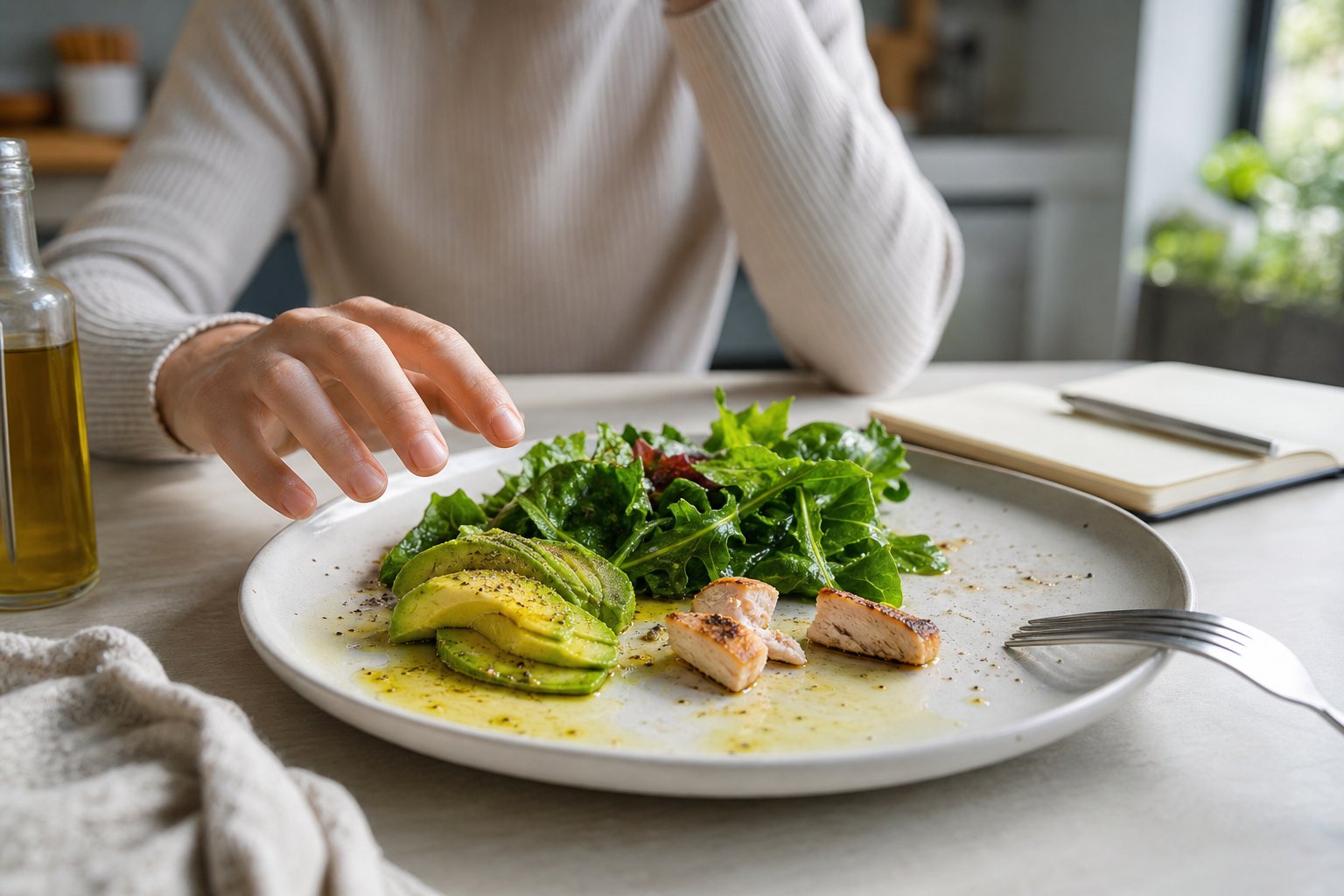
Plenty of people on keto eat less protein than they think. Portion sizes get misjudged, or fat just takes center stage.
Honestly, until you look at the actual grams you’re eating each day, it’s tough to know if you’re hitting your protein needs.
Why Protein Can Be Easy to Underestimate
Most whole-food protein sources aren’t pure protein. A 3-ounce chicken breast has about 21 grams, not 85, because the rest is water and fat.
That trips people up all the time. Two eggs at breakfast (12 grams), a small salad with a few slices of deli turkey (10 grams)—it feels like a lot, but it’s not even close to half of what most people need.
Quick tip: each ounce of meat, fish, or poultry has around 7 grams of protein.
| Body weight (reference) | 1.2 g/kg (low end) | 1.5 g/kg (moderate) | 2.0 g/kg (high end) |
|---|---|---|---|
| 55 kg (121 lb) | 66 g | 83 g | 110 g |
| 70 kg (154 lb) | 84 g | 105 g | 140 g |
| 85 kg (187 lb) | 102 g | 128 g | 170 g |
Try tracking your food for three days. It’s honestly eye-opening.
Why Keto Beginners Often Prioritize Fat Instead
Keto gets called “high fat,” so a lot of beginners just start pouring on butter, oil, and cream. Meat and eggs become an afterthought.
Fat bombs and bulletproof coffee? All calories, zero protein.
Some people also fear gluconeogenesis—thinking protein will magically turn into sugar and kill ketosis. So they cut back, sometimes way too much.
But moderate protein usually keeps blood ketones right where you want them. Honestly, the bigger risk is not enough protein, not too much.
The Role of Protein in a Sustainable Keto Diet
Your body is constantly rebuilding muscle, skin, hair, enzymes, and immune cells. Protein is the raw material for all that repair.
Plus, it’s more filling than fat, calorie for calorie. That helps keep hunger in check and reduces random snacking.
If you’re lifting weights or trying to hold onto muscle while losing fat, aim for 1.6 to 2.0 g/kg of reference body weight. Going under 1.2 g/kg? Not a great idea on keto.
Triage — Could Your Protein Intake Be Too Low?
Most people can figure out if protein is the issue by checking three things: how many grams they eat, how their body responds to training, and how hungry they are between meals.
The signs below help separate a real protein shortfall from other common keto headaches.
Signs Your Protein Intake Is Probably Adequate
- You eat 1.2 to 2.0 grams of protein per kilogram of reference body weight each day, split over two or three meals.
- Every meal has about 25 to 35 grams of protein—think palm-sized serving of meat, fish, or eggs.
- Your strength in the gym holds steady or improves (even if it’s slow).
- You stay full for three to four hours after eating, not starving again in an hour.
- Hair, nails, and skin look the same as before keto.
- Weight loss shows up more on the tape measure than the scale, so you’re likely keeping lean tissue.
- Wounds and little cuts heal at a normal pace.
If most of these sound like you, protein probably isn’t your problem. Time to look elsewhere for keto troubleshooting.
Signs You May Not Be Getting Enough Protein
- You’re eating less than 0.8 grams per kilogram, or under about 60 grams for most adults.
- Constant hunger on keto, especially cravings soon after a high-fat, low-protein meal.
- Your lifts are getting weaker, or workouts feel harder than before.
- Arms and legs look thinner, and strength drops—a possible sign of muscle loss on keto.
- More hair shedding, brittle nails, or dry skin.
- Muscle soreness lingers for days after normal training.
- More minor infections, low energy, or you’re just cranky.
- Fat fills every meal because protein feels “risky.”
Common cause: fear that protein will knock you out of ketosis. In reality, moderate protein doesn’t mess with ketosis for most folks.
Signs Another Problem May Be More Likely
- Headaches, cramps, dizziness, or fatigue in the first one to three weeks usually mean you’re low on sodium, potassium, or magnesium—not protein.
- Constipation? Probably low fiber or not enough fluids.
- Way too few calories overall can cause fatigue and muscle loss even if your protein looks fine.
- Poor sleep, high stress, or overtraining can tank recovery and strength all by themselves.
- Hair shedding a couple months after rapid weight loss is often just a stress response to the calorie deficit.
- If symptoms stick around even with enough protein and normal electrolytes, check for thyroid, iron, or B12 issues.
Keeping a food log for three days makes it way easier to spot what’s really going on.
Diagnostic Summary — Which Pattern Best Fits You?
Most protein problems on keto fall into four patterns: your intake is fine, meals are spread too thin, total calories are too low, or your symptoms come from something else entirely.
Matching your symptoms to the right pattern helps you know what to fix first.
Your Protein Intake Looks Adequate
If you’re hitting 1.2 to 2.0 grams of protein per kilogram of reference body weight, with at least 20 grams at each meal, you’re probably good.
Signs this fits:
- Strength in the gym is steady or improving
- Hair, nails, and skin look normal
- Hunger is predictable, not constant
- Wounds and soreness heal at a normal pace
If your numbers check out and these signs are there, protein’s not the issue. For example, a 68 kg person eating around 110 grams daily is right in the sweet spot.
Fatigue or stalled weight loss here usually comes down to sleep, sneaky carbs, or maybe just too many calories from fat.
Your Meals May Be Too Low in Protein
This one’s common. Daily totals might look okay, but all the protein is packed into one meal instead of spread out.
Signs this fits:
- Breakfast is just coffee with butter or cream
- Lunch is mostly salad, avocado, and oil
- One big dinner supplies nearly all the day’s protein
- Snacking ramps up late in the day
Research says you need about 15 to 25 grams of protein per meal to really get muscle protein synthesis going. Three meals at 10 grams each just won’t cut it.
The fix? Nothing fancy: make protein the anchor of every meal. Four eggs, 100 grams of chicken, or 210 grams of cottage cheese will get you there.
You’re Under-Eating Overall
Eating too little on keto often gets mistaken for a protein issue. High-fat foods are filling, and appetite can tank, so total intake drops without you noticing.
Signs this fits:
- Cold hands and feet that won’t warm up
- Feeling lightheaded when you stand up
- Rapid weight loss, then a plateau
- Low mood, brain fog, or missed periods
- Strength dropping over several weeks
If calories are too low, your body starts burning dietary protein for energy instead of repair. Just adding protein won’t fix that.
| Pattern | Total calories | Protein grams |
|---|---|---|
| Low protein only | Adequate | Below target |
| Under-eating | Too low | Often below target |
If you’re in this camp, you need more food overall, with protein leading the way. Combining strict keto with long fasts or one meal a day makes this more likely.
Your Symptoms Point to Another Issue
Not every keto struggle is about macros. Fatigue, headaches, muscle cramps, and brain fog are often about electrolytes—sodium, potassium, and magnesium—especially early on.
Look for other causes if:
- Protein intake is solid and consistent
- Symptoms started suddenly, not gradually
- Hair loss follows rapid weight loss by a couple months
- Fatigue lingers even after you fix protein and calories
Thyroid issues, iron or B12 deficiency, poor sleep, and medication changes can all look like low protein.
A blood panel can give you real answers. If symptoms won’t quit, talk to your doctor—don’t just keep tweaking your macros and hoping for the best.
f your protein intake appears reasonable but you’re still struggling with low energy, poor recovery, or inadequate food intake, the broader issue may be eating too little on keto.
→ Can Eating Too Little on Keto Slow Your Progress?
What Happens When You Have Not Enough Protein on Keto?

When you skimp on protein while doing keto, your body grabs amino acids from muscle to handle basics like enzyme production and tissue repair. That often means slower recovery from workouts and more hunger sneaking up between meals.
More of the weight you lose comes from muscle instead of fat. Not exactly what most people are after.
Muscle Maintenance Becomes More Difficult
Muscle is always breaking down and rebuilding. The amino acids from dietary protein are what make rebuilding possible.
When you don’t eat enough, the breakdown side wins out. Studies from way back in the 1980s have shown that low protein leads to loss of lean mass, since your body starts treating muscle like a backup supply of amino acids.
Keto muscle loss is sneaky. The scale might drop, but some of that is muscle, not just fat.
Other signs of low protein? Thinning hair, brittle nails, and cuts that heal at a snail’s pace. The body saves amino acids for the important stuff, not your hair or nails.
Evidence summarized by the International Society of Sports Nutrition indicates that adequate protein intake supports muscle maintenance and recovery, particularly when combined with resistance exercise.
Recovery and Exercise Performance Can Suffer
Strength training creates tiny tears in muscle fibers. Those fibers need amino acids—especially leucine—to repair and grow stronger.
Not enough protein, and that lingering soreness sticks around. Gains in the gym? They stall out.
If you’re lifting a few times a week but can’t add weight to the bar for months, protein might be the missing piece. Endurance workouts crank up protein turnover too, so low intake just makes recovery drag on.
Signs your protein is too low for training:
- Soreness that hangs on for more than three days after a normal workout
- Strength numbers stuck or dropping despite steady effort
- Feeling wiped out after what should be a moderate session
Satiety and Meal Satisfaction May Decline
Protein is king when it comes to feeling full. It cranks up fullness hormones like peptide YY and GLP-1 more than anything else you eat.
Fat feels satisfying too, which hides low protein on keto. A breakfast of eggs, butter, and avocado? Tastes great, but hunger creeps back sooner than if you’d added more protein.
That hunger gap leads to snacking—nuts, cheese, fat bombs. Those snacks add calories, and sometimes carbs (cashews have about 9g per ounce, macadamias around 4).
Spreading protein throughout the day instead of piling it all into one meal usually keeps appetite steadier. Makes life easier, honestly.
Because protein contributes to meal satisfaction, consistently low intake can make it harder to stay full; if persistent hunger is already an issue, see our guide to why you may be hungry on keto.
Maintaining Lean Mass During Weight Loss Becomes Harder
When you’re eating fewer calories, your body needs a reason to hang onto muscle. Enough protein (plus some resistance training) sends that signal loud and clear.
Without it, more of the weight you lose comes from lean tissue. Muscle burns more calories at rest than fat, so letting it go means your metabolism slows down.
That slower metabolism sticks with you after the diet, making it easier to regain weight—mostly as fat. Not ideal.
| Approach | Typical Outcome |
|---|---|
| Low protein, no training | Higher proportion of lean mass lost |
| Adequate protein, no training | Better lean mass retention |
| Adequate protein + resistance training | Best lean mass retention |
Most keto guidelines put protein at about 20–30% of calories, or 1.2 to 1.7 grams per kilogram of reference body weight. That’s usually enough to protect muscle for most folks.
How Low Protein Can Affect Keto Results
Eating too little protein on keto changes what kind of weight you lose. It can also make sticking with the diet a lot harder, since protein is a big part of what keeps you full after a meal.
Why Protein Matters During Weight Loss
When you eat fewer calories than you burn, your body pulls from both fat and muscle. Protein helps shift that toward fat loss instead of muscle loss.
The body breaks down and rebuilds a surprising amount of protein every day—somewhere between 300 and 600 grams, according to Virta Health. That constant repair job needs a steady stream of amino acids from food.
If you fall short, muscle repair slows. Studies on keto diets suggest most adults keep their muscle at 1.5 to 1.75 grams of protein per kilogram of reference body weight, with 1.2 g/kg as a safe minimum.
Resistance training helps, but it can’t make up for missing protein.
The Connection Between Protein, Hunger, and Adherence
Protein fills you up more than carbs or fat. It slows down how fast your stomach empties and dials down hunger hormones like ghrelin.
That’s a big reason keto feels doable for a lot of people—meals are filling. But if protein is too low, that benefit vanishes.
When you’re still hungry, you end up snacking more, craving carbs, eating bigger portions, and sometimes just giving up on keto altogether.
- More snacking between meals
- Cravings that just won’t quit (often for carbs)
- Bigger meals because nothing feels satisfying
- Greater chance of quitting the diet
Some folks cut protein out of fear that gluconeogenesis will knock them out of ketosis. In reality, moderate protein almost never does that, and low-protein meals just aren’t satisfying enough to stick with long-term.
Why Body Weight Alone Doesn’t Show the Whole Picture
The scale only shows pounds lost. It doesn’t say if those pounds were fat or muscle.
If you’re eating too little protein, you might see a lower number but be losing muscle underneath. That can leave you weaker and make workouts feel tougher.
| What to track | What it tells you |
|---|---|
| Body weight | Total change only |
| Body fat percentage | Whether fat or lean mass is dropping |
| Waist measurement | Changes in abdominal fat |
| Strength in the gym | Whether muscle is holding steady |
Progress photos and how your clothes fit can help you spot real changes. Keeping tabs on your strength in the gym every few weeks is a good way to check if your protein intake is working.
Does More Protein Kick You Out of Ketosis?
Protein gets a bad rap on keto, but the science doesn’t really back that up. For most people, eating enough protein doesn’t stop ketosis—and too little causes way more issues than just sticking to a normal amount.
Why Protein Is Sometimes Misunderstood on Keto
Early keto advice lumped protein in with carbs as something to limit. That came from the old-school ketogenic diet for epilepsy, where protein was kept super low to push ketone levels way up.
But most people doing keto for weight loss or blood sugar control don’t need sky-high ketones. They just want steady results.
Protein does raise insulin a little, which is where the worry started. But a small insulin bump after eating is normal and doesn’t shut down fat burning for hours on end.
So, a lot of people cut protein too far, then wonder why they feel weak and hungry all the time.
What Gluconeogenesis Actually Means
Gluconeogenesis is just your liver making glucose from things that aren’t carbs, like certain amino acids from protein.
Here’s the thing: it’s mostly demand-driven, not supply-driven. Your liver makes glucose when the body needs it, not just because you ate extra protein at dinner.
Eating a chicken breast doesn’t flood your blood with sugar. Those amino acids get used for muscle repair, enzymes, hormones—stuff your body actually needs.
Some amino acids are glucogenic (they can be turned into glucose), others are ketogenic (they help make ketones). On a solid keto plan with normal protein, blood sugar stays pretty stable.
Why Adequate Protein Usually Fits Within Keto
Standard keto macros already include a decent amount of protein. Most guidelines fall in these ranges:
| Goal | Protein target |
|---|---|
| General keto | 1.2–1.7 g per kg of reference body weight |
| Regular strength training | 1.6–2.0 g per kg |
| Adults over 40 or recovering from illness | 1.6–2.0 g per kg |
For a 70 kg (154 lb) person, that’s about 84 to 140 grams of protein per day. That amount easily fits within a keto diet that keeps carbs at 20 to 50 grams.
People do vary, of course. Some hold deep ketosis at higher protein, others see their ketone readings dip a bit.
If you’re curious, a blood ketone and glucose meter can show you exactly what happens in your body. Test before and after changing your protein—no need to guess.
Why Avoiding Protein Can Create Its Own Problems
Cutting protein just to keep ketone numbers high trades real benefits for a number on a screen.
Low protein can lead to:
- Muscle loss, especially if you’re losing weight or getting older
- More hunger—protein is the most filling macro, hands down
- Slower recovery from workouts or illness
- Hair thinning and weak nails over time
- Poor energy and worse workouts
Higher ketones don’t necessarily mean better health. You can be in deep ketosis and still lose muscle or feel drained.
Protein also has a high thermic effect, so you burn more energy digesting it compared to fat or carbs. Skipping it doesn’t help fat loss—in fact, it can hurt your progress.
How Much Protein Do You Actually Need on Keto?
Most adults on keto do well with 1.2 to 2.0 grams of protein per kilogram of reference body weight each day. Where you land in that range depends on your size, how often you train, your age, and whether you’re losing or maintaining weight.
Why Protein Needs Differ Between Individuals
Protein needs aren’t one-size-fits-all. Two people on identical keto macros might need very different amounts.
Age is a big factor. People over 40 lose muscle more easily, so they usually need more protein.
If you’re recovering from illness or surgery, your body needs extra amino acids for repair. Healthy adults at a steady weight can usually get by with less.
The standard RDA of 0.8 g/kg was meant to prevent deficiency in healthy folks who aren’t dieting or under stress. That’s why keto protein guidelines are usually higher—it covers aging, calorie restriction, and life’s curveballs.
Body Size, Activity, and Weight-Loss Goals
Protein targets on keto are based on reference body weight, not the number you see on the scale. Reference weight is just a rough estimate for lean mass, so if you’re carrying an extra 60 pounds, you don’t need to eat protein for those pounds.
Here’s how the range plays out in real life:
| Reference weight | 1.2 g/kg (low) | 1.5 g/kg (target) | 2.0 g/kg (high) |
|---|---|---|---|
| 55 kg (121 lbs) | 66 g | 83 g | 110 g |
| 65 kg (143 lbs) | 78 g | 98 g | 130 g |
| 80 kg (176 lbs) | 96 g | 120 g | 160 g |
Protein needs don’t really change much during fat loss. Someone eating 1,300 calories and someone eating 2,000 might both need about the same grams of protein, which is why percentages just don’t cut it.
Why Resistance Training Changes the Equation
Lifting weights is a huge signal for your body to build and keep muscle. It also lets you actually use more protein.
If you’re doing resistance training a couple times a week or more, you probably want to be at 1.6 to 2.0 g/kg instead of the low end.
Some folks worry about gluconeogenesis and cut protein too low. But honestly, gluconeogenesis is mostly driven by demand, and moderate protein doesn’t usually kick you out of ketosis.
Super high intakes above 2.0 g/kg haven’t shown extra benefit on keto, and they can nudge blood ketones down for some people.
Using a Practical Protein Target Instead of Guesswork
Here’s a straightforward way: pick a number in grams per day and stick with it, even if your calories bounce around.
What actually works:
- Figure out your reference body weight and multiply by 1.5 g/kg for a starting point.
- Bump it up toward 2.0 g/kg if you’re lifting, older, or recovering.
- Drop down toward 1.2 g/kg only if your ketones stay under 0.5 mM even with low carbs.
- Split your protein over two or three meals instead of one giant one.
Counting in ounces is handy. Most cooked meat, fish, poultry, and hard cheese give about 7 grams of protein per ounce, so a 90-gram goal is roughly 13 ounces of protein food.
Pair your protein with enough fat to stay full and make it easier to hit your target without wandering into carb territory.
Who Should Pay Extra Attention to Protein Intake?

Some people really need to watch their protein. If you’re losing weight, lifting, over 50, or recovering from illness or injury, you’ve got less room for error if protein drops too low.
People Losing Weight While Trying to Preserve Muscle
When you cut calories, your body will start pulling amino acids from lean tissue if it needs to. Protein intake is what keeps that in check.
A good target during weight loss is 1.2 to 2.0 grams per kilogram of reference body weight, with 1.5 g/kg as a practical middle ground.
This is based on reference weight, not what the scale says today. For example, a woman at 180 pounds with a reference weight of 60 kg would shoot for about 90 grams of protein.
That number doesn’t really change much whether she’s eating 1,300 or 2,000 calories. This is why grams work better than percentages, since percentages shift every time calories do.
People Doing Resistance Training
Lifting tells your body to build muscle, but it only works if you’ve got amino acids available.
Two things actually matter here:
- Total daily protein — aim for the upper end, around 1.6 to 2.0 g/kg reference weight if you’re training regularly
- Distribution — don’t save all your protein for dinner, spread it out
Calories count too. If you’re in a big deficit and training hard, you’re asking your body to do a lot with not much fuel.
Minerals like potassium, magnesium, and phosphorus matter for building tissue, and it’s easy to fall short on keto.
For people who train regularly, understanding post-workout nutrition can help put protein intake into the broader context of recovery and training adaptation.
Older Adults
Protein needs don’t go down with age. In fact, muscle-building from a meal actually gets less efficient, so older adults usually need more protein per meal.
The standard RDA of 0.8 g/kg wasn’t designed for aging, illness, or calorie restriction. Researchers have pointed this out for years.
If you’re older and doing keto, staying at or above 1.5 g/kg reference weight is smart. Dropping to the bottom of the range can mean losing strength and mobility over time.
People With Higher Recovery Demands
Illness, injury, surgery, and stress all ramp up protein breakdown. Severe infection or trauma can actually cause you to lose a couple pounds of lean tissue a day.
In those cases, you want protein at the higher end, not the lower.
The first week or two of keto-adaptation involves a temporary lag in protein synthesis while your body adjusts. Cutting protein during that time just makes it tougher.
Same goes for anyone doing extended fasting with keto. Lean tissue loss speeds up when both protein and calories are missing for long stretches.
How to Build Keto Meals Around Enough Protein
It’s way easier to hit your protein goal if you build meals in a simple order. Start with a protein, add veggies and fat, spread it out over the day, and keep a backup option handy. That’s most of keto meal planning right there.
Choose a Clear Protein Source First
Start your plate with an obvious protein, not a sauce or side.
About 100 grams (3.5 ounces) of meat, poultry, or fish gives you 20 to 25 grams of protein. Four eggs, 7 ounces of cottage cheese, or 8 ounces of plain Greek yogurt are in that same ballpark.
Common keto protein sources:
- Meat and poultry: beef, pork, chicken thighs, ground turkey
- Seafood: salmon, sardines, shrimp, canned tuna
- Eggs and dairy: whole eggs, hard cheese, cottage cheese
- Plant-based: tofu, tempeh, pumpkin seeds, almonds
Leaner cuts give you more protein per calorie, which is great if you’re trying to lose fat but keep muscle. Fattier cuts work too, just with less protein per serving.
If meal structure is the bigger obstacle, a keto meal replacement can sometimes make it easier to build a consistent meal around an adequate protein source.
Add Low-Carb Vegetables and Appropriate Fats
Once you’ve got your protein, fill in with veggies and fat.
Two cups of leafy greens, a cup of cauliflower, or a cup of mushrooms bring in fiber and micronutrients for almost no carbs. Broccoli, zucchini, asparagus, and cabbage are also solid choices.
Add fat to match your appetite, not just out of habit. A tablespoon or two of olive oil, butter, or half an avocado is usually enough next to a protein serving.
Fat is the part you adjust. If you’re in a calorie deficit, trim added oils and keep protein steady. If you’re maintaining, add more fat as needed.
Piling extra fat onto an already fatty cut is the easiest way for a high-protein keto meal to turn into a high-calorie, moderate-protein one.
Distribute Protein Across Meals
Research shows you need about 15 to 25 grams of protein per meal to really kickstart muscle protein synthesis. So, 20 grams or more per meal is a good minimum.
If you save all your protein for dinner, you’ll probably end up hungry by mid-afternoon. Spreading it out keeps things steadier.
Here’s what three intake levels look like with the same foods:
| Meal | ~70 g protein | ~100 g protein | ~130 g protein |
|---|---|---|---|
| Breakfast | 2 eggs + 1 oz cheese | 3 eggs + 1 oz cheese | 4 eggs + 2 oz cheese |
| Lunch | 3 oz salmon | 4.5 oz salmon | 5 oz salmon |
| Dinner | 3.5 oz chicken | 5 oz chicken | 6 oz chicken |
If you eat in a short window—like two meals a day or just one—you’ll need bigger portions at each sitting to get your daily total.
Rather than treating protein as a number to hit at the end of the day, using a consistent meal structure can make adequate intake much easier to achieve.
Use Protein Powder When Food Alone Is Inconvenient
Whole foods should do most of the heavy lifting, but powders are handy when life gets in the way.
Travel, early workouts, low appetite, or recovery from illness can make cooking tough. A scoop of whey isolate or an unflavored, collagen-free blend usually gives 20 to 25 grams of protein and just a couple grams of carbs.
Blend it with unsweetened almond milk, water, or a spoonful of nut butter and it’s basically a small meal.
Check the labels—some powders sneak in maltodextrin, dextrose, or a few grams of sugar per serving, which can bump up your carbs.
Collagen powder has its uses, but it’s missing tryptophan and isn’t great for muscle maintenance on its own.
When whole-food protein isn’t practical for every meal, best keto protein powder options can provide a convenient way to help meet your protein needs.
If you’re unsure how to turn protein targets into simple everyday meals, our free 7-Day Keto Meal Plan can give you a practical structure to start with.
Common Protein Mistakes on Keto
Most protein mistakes on keto come down to how you actually do it, not what you know. People add too much fat, skip protein at breakfast and lunch, worry about steak turning into sugar, or just guess at their intake.
Letting Added Fat Crowd Out Protein
Keto gets called a high-fat diet, so beginners pile on butter, oil, and cream. Fat fills you up, and that’s the catch. After a fat bomb and a coffee with heavy cream, you’re not hungry, and that chicken thigh at dinner shrinks.
Next thing you know, you’re eating low protein by accident. Calories stay high, but your body loses the building blocks it needs for lean tissue.
It’s better to build your plate around protein first, then add fat to satisfy hunger. If you need about 100 grams of protein, that’s roughly 14 ounces of protein-rich food across the day, since most meats, fish, eggs, and cheese have around 7 grams per ounce.
Eating Protein Only Once a Day
Lots of keto folks skip breakfast, have a salad at lunch, then eat a big steak at dinner. The daily total might look fine, but the way it’s spread out doesn’t help much.
Your body is constantly breaking down and rebuilding protein, so it needs amino acids available throughout the day. Spreading intake over two or three meals gives a steadier supply than one big hit.
A practical target is 25 to 40 grams of protein per meal. For example:
- Breakfast: 3 eggs plus 1 oz cheese (~28 g)
- Lunch: 5 oz canned tuna (~35 g)
- Dinner: 5 oz steak plus 1 oz nuts (~42 g)
Avoiding Protein Because of Gluconeogenesis Fears
The keto gluconeogenesis myth claims that extra protein gets turned into glucose and knocks you out of ketosis. Gluconeogenesis is real, but it’s demand-driven—the liver makes glucose based on what your body actually needs, not just the protein you eat.
Eating a moderate portion of chicken, for example, won’t suddenly spike your blood sugar. Even big protein meals might bump up insulin a bit and nudge ketone readings down, but that’s not the same as ending ketosis.
Cutting protein just to keep your ketone number higher? That usually means risking muscle loss, slower recovery, and more hunger. Most folks feel better keeping protein steady and tweaking fat instead.
Guessing Protein Intake Without Checking Portions
Eyeballing protein is one of the most common keto meal mistakes. A “palm-sized” chicken breast could be 4 ounces or 8—and that’s a nearly 30-gram difference in protein.
There are two habits that help here. First, weigh your protein foods for a week or two so you get a real sense of what portions actually look like.
Second, read the labels on foods you think are pure protein—some sneak in extra carbs.
| Food | Protein per oz | Carbs per oz |
|---|---|---|
| Macadamia nuts | ~2 g | ~4 g |
| Cashews | ~5 g | ~9 g |
| Cheddar cheese | ~7 g | <1 g |
| Chicken breast | ~9 g | 0 g |
Nuts, some deli meats, and plant-based meat substitutes are the usual culprits. Checking these keeps both protein and carbs in check.
When Protein May Not Be the Real Problem
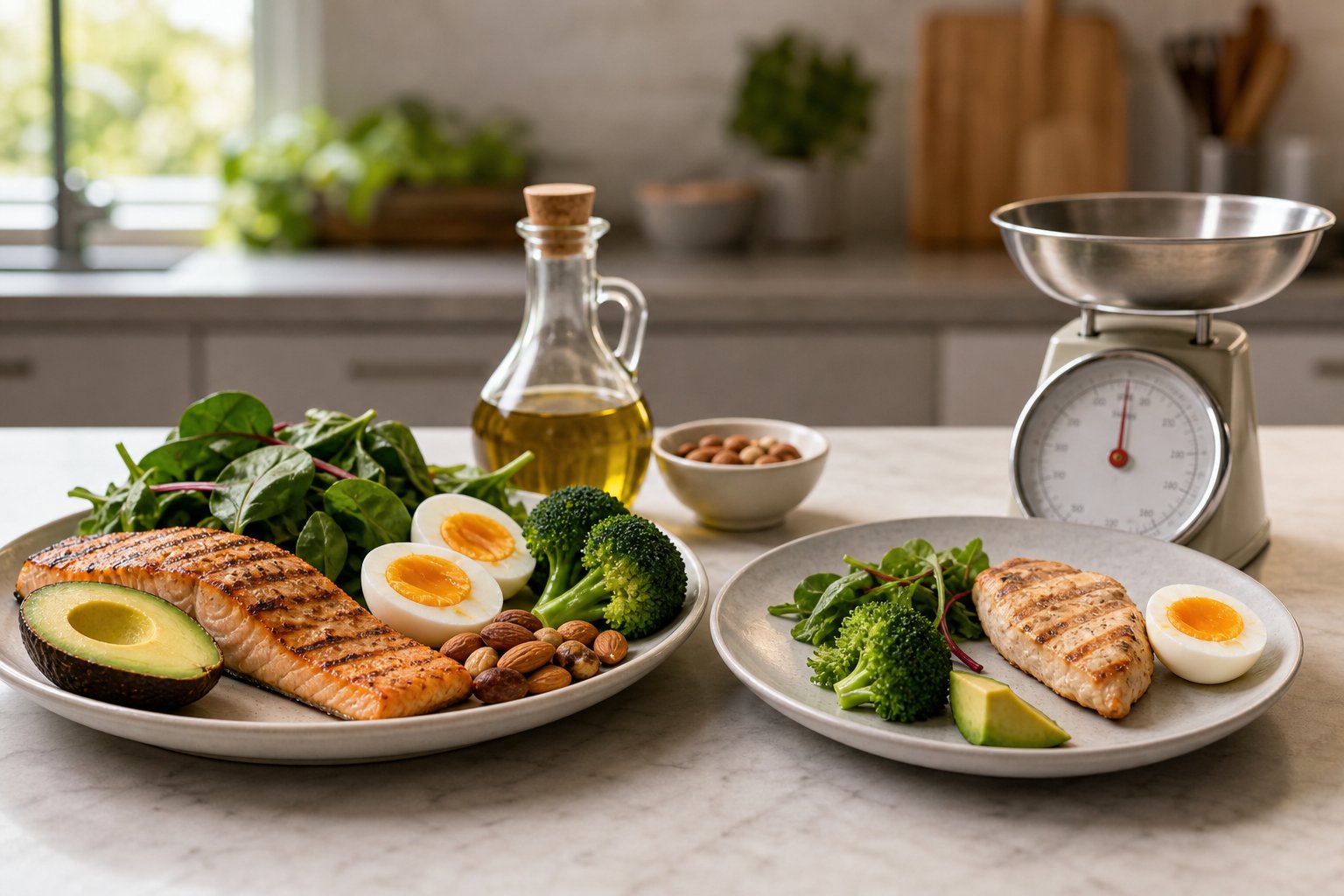
Low energy, hair changes, weakness, and stalled progress—these all sound like protein issues. But honestly, they often come from somewhere else.
Total calories, mineral balance, recovery habits, and just the first few weeks of switching to low-carb can all cause the same symptoms.
Overall Under-Eating
It’s surprisingly easy to eat too little on keto since fat and protein are so filling. You might hit a protein target of 1.5 g per kg of reference body weight and still lose muscle if your total calories are way too low.
Protein needs energy to do its job. If you’re short on calories, your body will burn amino acids for fuel instead of using them to rebuild tissue.
Signs of under-eating rather than low protein:
- Meals that end early because you’re just not hungry, not because you planned it that way
- Steady loss of both fat and strength
- Feeling cold, especially in your hands and feet
- Missing periods or less interest in sex
The fix is usually to add more fat at meals, not more protein. Olive oil, butter, avocado, or fattier cuts of meat can bump up calories without really changing ketone levels.
Electrolyte Problems
Cutting carbs drops insulin, and lower insulin makes your kidneys dump more sodium and water. That sodium loss drags potassium and magnesium along with it.
The result? It looks a lot like protein deficiency: weakness, headaches, muscle cramps, and that classic keto fatigue that just drags on.
| Mineral | Typical daily need on keto | Common sources |
|---|---|---|
| Sodium | 3,000–5,000 mg | Broth, salt on food, pickles |
| Potassium | 3,000–4,700 mg | Avocado, spinach, salmon, mushrooms |
| Magnesium | 300–400 mg | Pumpkin seeds, almonds, supplements |
Keto electrolytes matter for building muscle, too. Potassium, magnesium, and phosphorus are inside your cells, and if you’re low on any of them, protein synthesis slows down even if you’re eating enough amino acids.
Most people feel a difference within a day or two of adding sodium back in.
Poor Sleep or Excessive Training
Muscle repair happens while you sleep—not during your workout. Short or broken sleep drops growth hormone and raises cortisol, which pushes your body to break down protein instead of building it.
Training volume matters as well. If you’re doing five hard sessions a week and only taking one rest day, you might be losing strength from lack of recovery, not from eating 100 grams of protein instead of 130.
Worth checking before raising protein:
- Less than 7 hours of sleep most nights
- Resting heart rate creeping up week after week
- Strength dropping in the gym even though your food is steady
- No real rest days in your schedule
Fixing sleep and adding a rest day often brings back performance faster than changing your macros.
Normal Keto Adaptation
The first week or two of keto comes with a real, temporary dip in protein synthesis while your body shifts from burning glucose to burning fat. Nitrogen losses are highest in that first week, then drop toward zero or even slight tissue gain after about two weeks.
This means early fatigue, weaker workouts, and a few pounds of quick weight change are expected parts of keto adaptation. They’re not proof you’re eating too little protein.
Useful troubleshooting starts with time. If symptoms stick around after three or four weeks, then it’s worth looking at protein intake, calories, and electrolytes more closely.
How to Tell Whether Increasing Protein Is Helping
When someone bumps up protein on keto, changes show up in appetite, gym performance, and body composition over a few weeks. Tracking a few simple signs helps you judge how it’s actually working without having to guess.
Monitor Hunger and Meal Satisfaction
Hunger is usually one of the first things to shift. Within a week of eating more protein at meals, a lot of people notice they stay full longer and stop reaching for snacks between meals.
A good test is time. If breakfast kept you full for two hours before, and now you’re good for four or five, protein was probably too low.
- Fewer cravings in the late afternoon or evening
- Less “grazing” on cheese, nuts, or fat bombs
- No urge to eat again right after a meal
It helps to keep a simple log. Write down each meal, the grams of protein, and a fullness rating from 1 to 10—after ten days, patterns usually become obvious.
Watch Strength and Recovery
Protein supports muscle repair after training, so recovery often improves when intake goes up. The signs are practical, not dramatic.
| What to Watch | Sign of Improvement |
|---|---|
| Lifting numbers | Reps or weight start climbing again after weeks of no change |
| Soreness | Less soreness lingering two or three days after a workout |
| Energy in training | Finishing planned sets instead of bailing early |
| Grip and stamina | Performance stays steady late in a workout |
Keeping a short training log makes this way easier to spot. If your squat or press had stalled and suddenly starts moving after you raise protein, that’s meaningful.
Recovery shifts take longer than appetite. Give it three or four weeks before you decide if it’s working.
Review Body Composition and Weight Trends
The scale can be misleading, since keto body composition changes affect both fat and lean tissue. You can lose weight and muscle at the same time if protein is too low.
- Weekly average weight instead of obsessing over daily swings
- Tape measurements at the waist, hips, and upper arm
- Progress photos every couple weeks, same lighting and clothes
- Body composition scans like DEXA or bioimpedance, if you have access
A shrinking waist while arms and legs stay the same size usually means fat loss with muscle preserved.
And if your weight goes up a little after raising protein, it’s probably just water and food volume—not fat.
Adjust Based on Results Rather Than One Metric
No single number tells the full story. Ketone readings might dip a bit at higher protein intakes, but if hunger, strength, and measurements are all moving in the right direction, that’s what matters.
A practical approach: change one thing at a time. Try raising protein by 20 to 30 grams a day, hold steady for two or three weeks, then review everything together.
Questions worth asking at the review point:
- Is hunger between meals easier to manage?
- Are strength numbers holding or going up?
- Is the waist measurement moving while other measurements stay steady?
- Is energy steady through the day?
If most answers are yes, the new intake is probably working. If hunger’s still high or strength keeps slipping, try another small increase and double-check your total calories and fat.
If you’re unsure how much protein fits your body, activity level, and goals, a personalized keto plan can give you a more practical starting point.
Conclusion: Protein Is a Foundation of Keto—Not Something to Fear
A lot of folks cut back on protein when they go keto, thinking it’ll spike blood sugar or kick them out of ketosis. Honestly, that worry is mostly overblown.
Gluconeogenesis? It’s just your body doing its thing, making glucose as needed—not something that suddenly goes wild if you eat an extra egg or two.
Eating enough protein doesn’t really push you out of ketosis in any real sense. If anything, the bigger risk is not getting enough.
Too little protein? That’s when you start seeing muscle loss, brittle hair and nails, slower healing, extra hunger, and a metabolism that just drags.
A simple target most people can use:
| Goal | Daily protein |
|---|---|
| General health | 1.2–1.6 g per kg of reference body weight |
| Fat loss with muscle retention | 1.6–2.0 g per kg |
| Recovery from illness or injury | Sometimes above 2.0 g per kg |
It’s usually smart to spread that protein out across your meals. Getting 20 to 30 grams per meal helps with muscle repair way more than dumping it all into one giant dinner.
Keto actually fits really well with stuff like meat, fish, eggs, cheese, tofu, nuts, and seeds. There’s really no need to avoid these unless you want to.
Fat fuels you on keto. Protein keeps your body together. One gives you steady energy; the other keeps your muscles, skin, and hair from falling apart.
If you’ve got kidney or liver issues, or you’re following a medical keto plan, definitely check with your doctor about protein. For everyone else? Making sure you get enough protein is probably one of the best ways to keep keto working for you over the long haul.