
Keto Protein Powder vs Meal Replacement: Which Is Better for Your Needs?
Protein powder and meal replacements can look similar because both may come in a convenient shake or powder format. But they are designed to solve different problems.
A protein powder primarily helps increase protein intake, while a meal replacement is intended to provide a broader nutritional package that can stand in for a meal.
That distinction matters when you’re trying to decide which one actually fits your keto routine. Needing more protein after a workout is different from needing a convenient breakfast, and neither problem is necessarily solved by choosing the product with the highest protein number.
The better choice depends on what is missing from your routine: protein, a complete meal, convenience, satiety, or simply a more reliable meal structure.
Keto Protein Powder vs Meal Replacement: What’s the Real Difference?
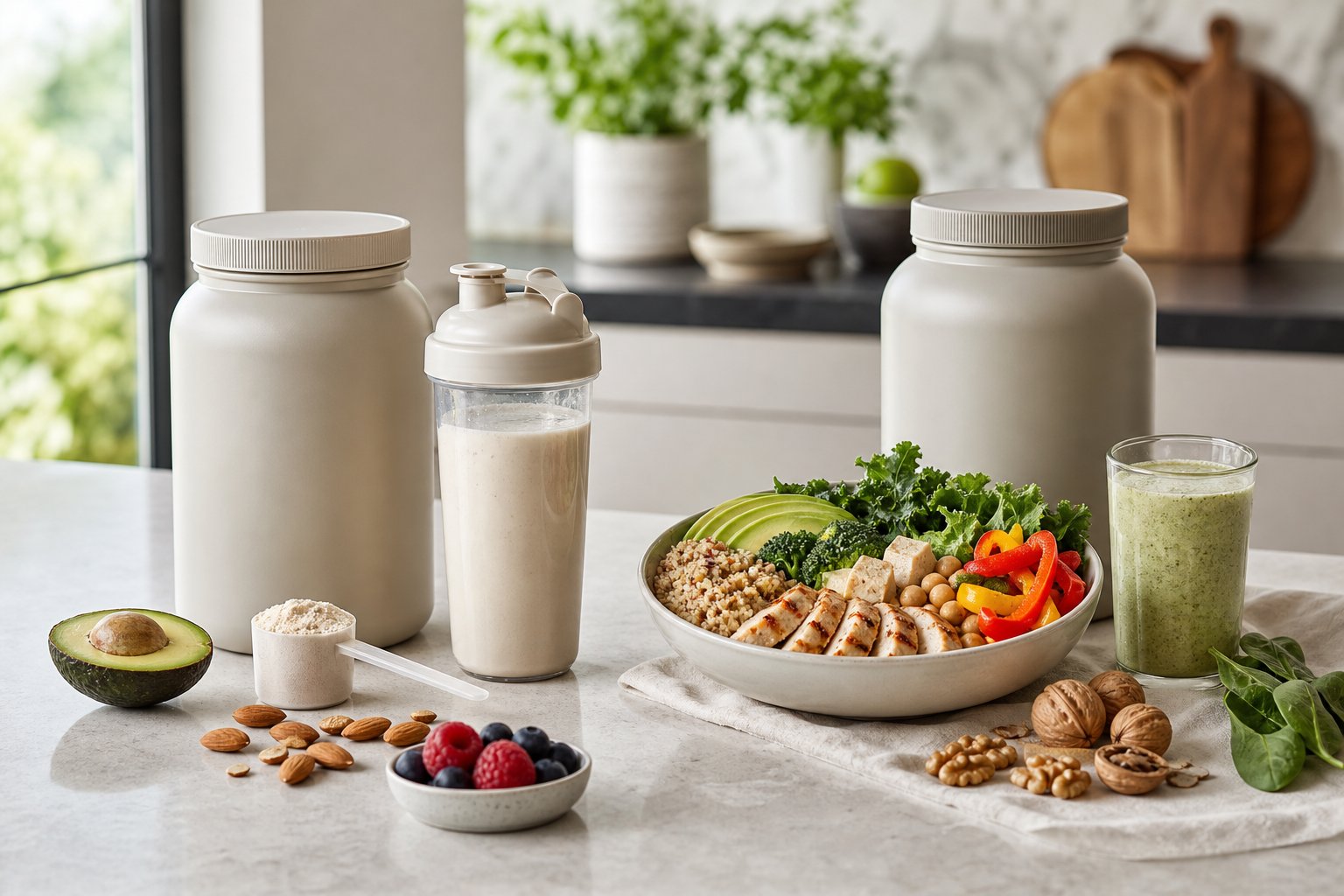
You choose keto protein powder for targeted protein and a keto meal replacement for broader, meal-sized nutrition. That design difference affects calories, fat, fiber, micronutrients, and how filling each product feels.
| Feature | Keto Protein Powder | Keto Meal Replacement |
|---|---|---|
| Primary role | Add protein | Replace a meal |
| Protein | Commonly 20–30 grams | Varies by formula |
| Calories | Often snack-sized | Usually meal-sized |
| Fat and fiber | Often limited | Usually more substantial |
| Vitamins and minerals | Few or modest amounts | Often fortified |
| Best fit | Recovery or protein gap | Breakfast, lunch, or travel |
What Protein Powder Is Designed to Provide
You use protein powder to increase protein without preparing another protein-rich food. A serving commonly supplies about 20 to 30 grams from whey, casein, egg, soy, pea, or a plant blend.
A protein powder for keto should also fit your carbohydrate limit. Some formulas contain little sugar and few net carbs, while others include sweeteners, starches, or flavoring ingredients that raise the count. The category name alone does not confirm keto compatibility.
What Makes a Product a Meal Replacement
You use a meal replacement when you need enough nutrition to stand in for breakfast, lunch, or another planned meal. A credible formula includes meaningful protein plus meal-sized calories, fat, fiber, and a range of vitamins and minerals.
The word “complete” needs context. A product may provide broad nutrition for one meal without supplying everything you need across an entire day. Check whether its calorie level fits the meal being replaced and whether it offers enough protein and fiber to keep you satisfied.
Why the Two Products Solve Different Problems
Your protein shake supports food you already eat. Your meal replacement fills a space where a full meal would otherwise go missing or become difficult to manage.
This distinction explains why a protein shake mixed with water may leave you hungry. It also explains why a meal replacement may contain more calories than you want after training. Choose according to the role you need at that time.
Triage — Which One Do You Actually Need?
You need protein powder when protein is low, and you need a meal replacement when a complete meal is impractical.
Choose Protein Powder When Protein Is the Main Gap
- You eat enough calories but miss your daily protein target.
- You need a fast post-workout protein serving.
- You want to add protein to yogurt, chia pudding, or a low-carb smoothie.
- You can get fat, fiber, and micronutrients from the rest of your food.
- Your best keto protein powder is one that fits your carb limit and digestive needs.
Choose a Meal Replacement When Convenience Is the Main Problem
- You skip breakfast or lunch because preparation is difficult.
- You need keto convenience during work, travel, or long appointments.
- You want a planned portion with known calories.
- You need protein, fat, fiber, and micronutrients in one serving.
- Your best keto meal replacement has enough nutrition for the meal it replaces.
- For weight loss, you use it within a planned calorie intake instead of treating it as an unlimited “keto” food.
Consider Using Both When They Serve Different Roles
- You use protein powder after resistance training.
- You keep a meal replacement for a rushed breakfast or travel day.
- You count both products toward daily calories and keto protein needs.
- You avoid combining them by habit when one product already solves the problem.
Diagnostic Summary — Which Role Fits Your Routine?
Your routine points to the right product once you identify whether the gap involves protein, convenience, or meal structure.
You Need More Protein, Not Another Meal
Choose protein powder if your meals provide enough energy, fat, fiber, and produce, yet your protein intake remains low. Use it as a supplement to your current keto meal structure.
You Need a Convenient Meal
Choose a keto meal replacement if missed meals lead to unplanned snacking or high-carb convenience food. Confirm that the serving has meal-sized calories and enough protein and fiber for your appetite.
Your Real Problem Is Meal Structure
Choose neither if you have food available but lack a workable plan. A repeatable breakfast, batch-cooked protein, or packed lunch may improve convenience and adherence without another product.
Both Could Have a Place
Use both if their jobs stay separate. Protein powder can support training, while a meal replacement can cover a predictable schedule gap.
If protein is the main gap in your routine, you can compare the factors that matter when choosing a keto protein powder here → Best Keto Protein Powder.
What a Protein Powder Can and Can’t Do
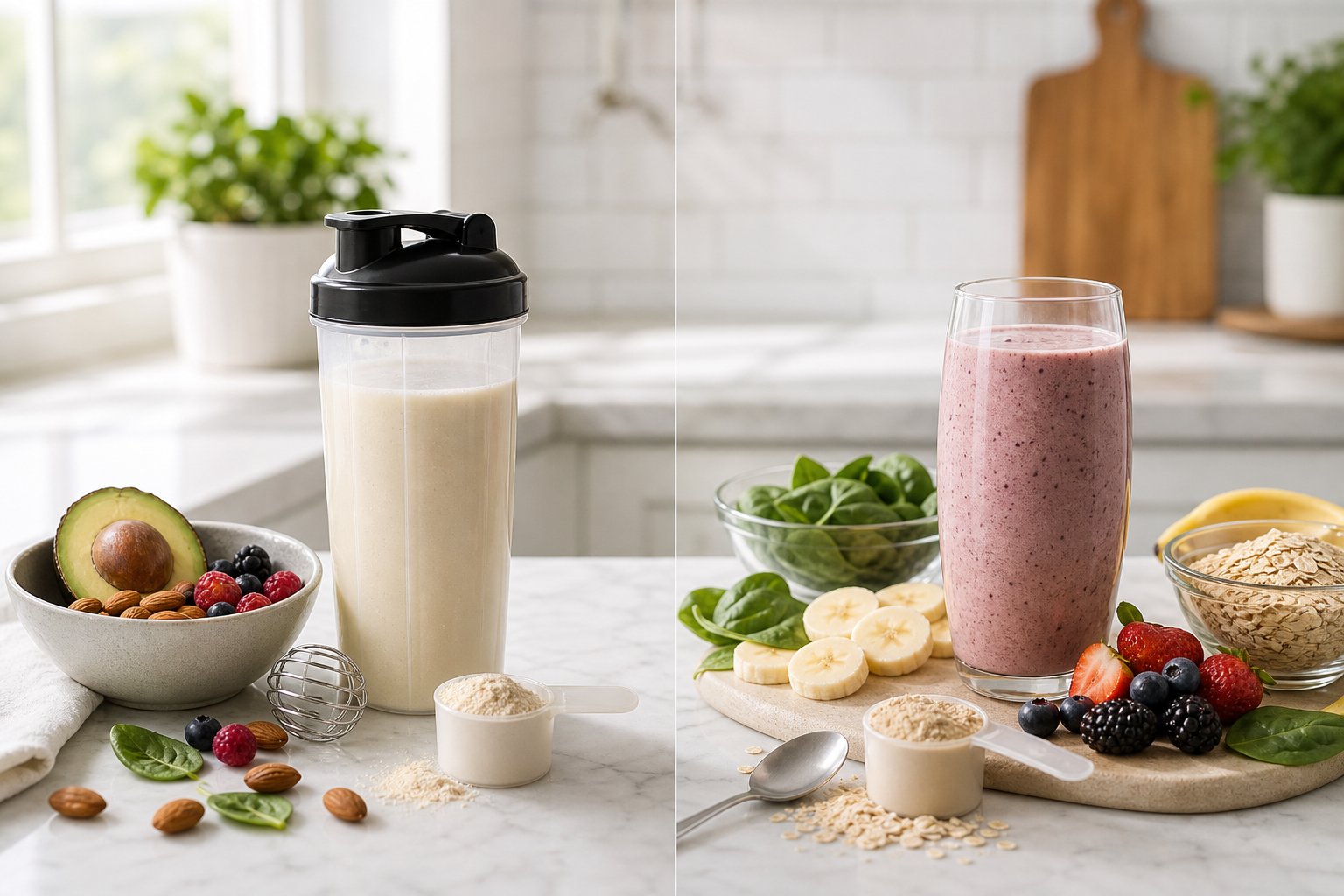
A keto protein powder makes protein intake easier, yet its standard formula rarely provides the full nutrition of a meal.
Add Convenient Protein
You can mix protein powder with water, unsweetened almond milk, or another low-carb liquid in minutes. You can also stir it into plain Greek yogurt or blend it into a smoothie.
The final carb and calorie count includes everything you add. Nut butter, cream, coconut milk, and seeds may turn a light protein shake into a meal-sized drink, so measure additions when calorie control is part of your plan.
Before choosing a protein supplement, it helps to understand what happens if you don’t eat enough protein on keto and whether inadequate protein is actually the problem you’re trying to solve.
Support Muscle Recovery and Daily Protein Intake
You support muscle repair by getting enough protein across the day and pairing adequate intake with resistance exercise. A post-workout protein serving helps when your next protein-rich meal is several hours away.
A serving in the range of 20 to 40 grams suits many training situations, though your needs depend on body size, activity, age, and total food intake. Protein timing has value, but your daily intake still guides the result.
Provide Fewer Nutrients Than a Complete Meal
You get concentrated protein from most powders, with small or variable amounts of fat, fiber, vitamins, and minerals. Mixing a scoop with water leaves those gaps unchanged.
You can build a more substantial shake by adding ingredients such as chia seeds, spinach, avocado, or unsweetened nut milk. Once you do, judge the complete recipe as the meal, not the powder by itself.
Why Protein Powder Shouldn’t Automatically Replace Meals
You risk a low-calorie, low-fiber meal when you replace food with plain protein powder. Hunger may return quickly, and repeated substitutions may reduce the variety of nutrients you receive from whole foods.
Use a plain protein shake as a meal only after building it into a balanced option with adequate calories, fat, fiber, and micronutrient-rich ingredients. A purpose-made meal replacement offers a clearer formula when you need this function regularly.
What a Meal Replacement Can and Can’t Do
A keto meal replacement gives you a planned mix of nutrients for one meal, while its usefulness still depends on the formula and your wider diet.
Provide More Than Protein
You should expect a meal replacement to supply meaningful protein together with fat, fiber, calories, vitamins, and minerals. This broader profile helps it perform as food instead of serving as a single-nutrient supplement.
“Keto” does not require a product to be nutritionally complete. Some keto shakes emphasize added fats but contain little protein or fiber. Check the Nutrition Facts panel before assigning the product a meal role.
Support Meal Convenience and Structure
You gain a predictable option when cooking, shopping, or refrigeration is difficult. A shelf-stable shake can keep your carbohydrate intake more consistent than an unplanned restaurant or vending-machine choice.
Use it for a defined meal in your schedule. Replacing the same difficult meal, such as breakfast on workdays, creates a clearer routine than drinking a shake whenever hunger appears.
If your main need is replacing an inconvenient meal rather than increasing protein alone, the best keto meal replacement options should be evaluated as a separate product category.
Help With Portion and Intake Control
You know the listed calories when you consume the stated serving. That feature may support weight-loss meal structure by reducing portion guesswork.
Your daily calorie balance still determines whether weight loss occurs. Adding a meal replacement beside a normal meal increases intake, and a low-calorie formula may leave you hungry enough to snack later. Choose a serving that fits both your plan and appetite.
Why Product Formulas Still Need Evaluation
You cannot assume that every keto meal replacement has low net carbs, adequate protein, or useful micronutrient levels. Recipes vary widely, including the types of fats, fibers, sweeteners, and protein sources used.
Review allergens and ingredients that affect your digestion. Large amounts of sugar alcohols, inulin, gums, or certain dairy proteins may cause bloating or discomfort for you. Your tolerance provides practical information that front-label claims cannot.
How Your Goal Changes the Better Choice
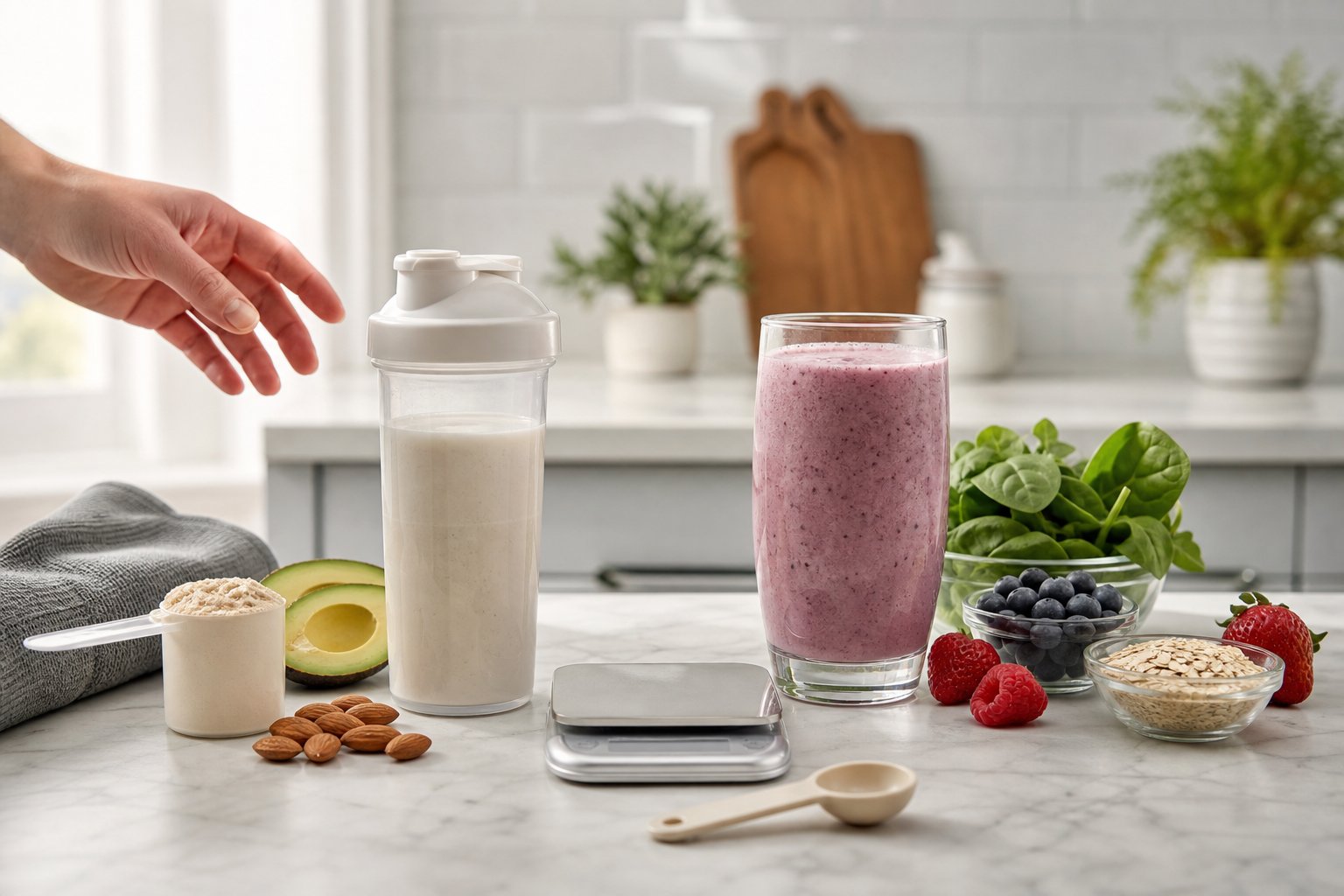
Your immediate goal determines whether focused protein or meal-sized nutrition fits better.
For Post-Workout Protein
Choose keto protein powder when you need a compact source of protein after training. Look for enough protein per serving, a source you digest well, and a carb count that fits your day.
You may need a full meal replacement after a long or demanding session if the shake also serves as your next meal. In that case, confirm that it provides enough total energy for recovery and your training plan.
For readers primarily deciding what to use after training, understanding the broader role of post-workout nutrition can help put protein powder into the right context.
For a Busy Breakfast
Choose a keto breakfast meal replacement when you need breakfast to last until your next planned meal. Protein, fiber, fat, and adequate calories support greater staying power than protein mixed with water.
Protein powder still works when you combine it with breakfast foods. You might add it to plain yogurt with chia seeds, for example, while getting the rest of the meal from those ingredients.
For Travel and On-the-Go Eating
Choose the format you can store, carry, and prepare safely. Ready-to-drink meal replacements offer the easiest low-carb meal substitution, while single-serve protein packets give you a lighter supplement.
Air travel and long workdays may limit your food choices. Check package sizes, refrigeration instructions, and whether you will have access to water or a shaker bottle.
For Weight-Loss Meal Structure
A keto meal replacement may help you create a repeatable meal with known calories. Its benefit comes from replacing a less controlled meal within a sustainable calorie plan.
Review protein and fiber because both affect fullness and lean-mass support. Track your hunger after the meal. A formula that leads to frequent snacking offers poor portion control even when its label looks suitable.
If convenience is not the main issue and you’re still struggling with hunger after meals, it may be more useful to examine why you’re still hungry after eating a keto meal before relying on a shake to solve the problem
For Filling Nutritional Gaps
Match the product to the gap you have identified. Protein powder addresses low protein intake. A fortified meal replacement offers broader vitamin and mineral coverage, though it cannot create dietary variety by itself.
If you suspect a nutrient deficiency, seek a clinical assessment before choosing a shake. A registered dietitian can help you adjust a restrictive ketogenic diet, especially when medical conditions or medications shape your needs.
Compare the Features That Actually Matter
You should compare protein, net carbs, meal-sized calories, fiber, micronutrients, and digestive fit before relying on a keto claim.
Protein Content
Check how many grams of protein you receive in the serving you will consume. Many protein powders provide 20 to 30 grams, while meal replacement amounts vary more widely.
Judge that number against the product’s role. A post-workout powder should make a useful contribution to your daily target. A meal replacement needs enough protein to support fullness and your keto meal structure.
Net Carbohydrates and Added Sugar
Net carbs commonly means total carbohydrate minus dietary fiber and, depending on the brand, some sugar alcohols. The Food and Drug Administration does not define “net carbs,” so you need to examine the manufacturer’s calculation.
Check total carbohydrate, fiber, added sugar, and sugar alcohols separately. Your personal carb limit and response determine whether the serving fits ketosis. A low net-carb number does not erase calories or digestive effects.
Calories and Fat
Protein powders often have fewer calories because they focus on protein. Meal replacements need enough energy to serve as a meal, so their calorie and fat levels are commonly higher.
Added fat does not make a product better by default. Choose the amount that fits your energy needs. If you add oils, cream, or nut butter, include those calories in your assessment.
Fiber and Micronutrients
Fiber supports bowel regularity and may improve satiety, which can become useful when your low-carb food choices lack vegetables, seeds, or nuts. Meal replacements often contain more fiber than plain protein powders.
Look beyond the presence of a vitamin blend. Check the listed percentages and compare them with the rest of your diet. Heavy reliance on fortified shakes can also create high intakes of certain nutrients when you use several servings or additional supplements.
Ingredients and Digestive Tolerance
Choose a protein source that fits your diet and tolerance. Whey and casein contain milk proteins, while soy, pea, and blended plant proteins offer dairy-free options.
Sweeteners, gums, sugar alcohols, and added fibers change taste and texture. They also affect digestion differently from person to person. Start with one serving and note bloating, bowel changes, hunger, and energy before buying a large quantity.
How to Read the Label Without Getting Misled

You can judge a keto shake by reading the serving size and Nutrition Facts panel before considering front-package claims.
Check the Serving Size First
Find out whether the listed nutrition applies to one scoop, two scoops, one bottle, or part of a bottle. Then compare that amount with the portion you plan to use.
Powders also vary in scoop weight. Compare products by the serving you will consume, not by scoop count. Include milk, cream, oils, fruit, and other additions in your total.
When comparing products, start with the Nutrition Facts label and serving size so that protein, calories, carbohydrates, fiber, and other nutrients are being compared on a consistent basis.
Compare Protein With Total Calories
Protein per serving shows how well a powder performs as a protein supplement. A product with 25 grams of protein for 130 calories has a different purpose from a 350-calorie shake with the same protein.
For a meal replacement, extra calories may come from useful fat, fiber, and other nutrients. Check where the calories come from and whether that mix supports the meal you plan to replace.
Review Net Carbs and Added Sugars
Calculate net carbs consistently using the label and the brand’s stated method. Be cautious when nearly all deducted carbs come from sugar alcohols that you do not tolerate well.
Added sugar appears as its own line on U.S. Nutrition Facts labels. Zero added sugar still allows carbs from milk, starches, fruit ingredients, or other sources, so check total carbohydrate as well.
Look at Fiber and the Rest of the Formula
Check fiber grams, fat type, vitamins, minerals, sodium, and the ingredient list. A long ingredient list is not automatically poor, especially when a fortified meal replacement needs several nutrient sources.
Look for clearly named protein sources and declared allergens. Third-party testing can provide added quality assurance, particularly if you compete in tested sports or want stronger checks for contaminants.
Common Mistakes When Choosing Between the Two
You avoid most keto supplement mistakes by assigning the product a specific role before you buy it.
Treating Any Protein Shake as a Meal
A scoop of protein mixed with water may provide too few calories, little fiber, and limited micronutrients for a regular meal. The high protein number does not change those gaps.
If you need a meal, use a formulated meal replacement or build a complete shake with measured low-carb ingredients. Count the full recipe toward your daily intake.
Choosing the Highest-Protein Product Automatically
The highest number on the package may exceed what you need in one serving while adding cost, calories, or ingredients you dislike. Your total keto protein intake across the day gives that number context.
Compare protein quality, serving size, net carbs, and tolerance. For a meal replacement, also review fiber and micronutrients before making protein the deciding feature.
Ignoring Satiety and Meal Structure
A label cannot guarantee that a shake will keep you full. Liquid meals may feel less satisfying for you than solid food, even when the calories match.
Test the product during its planned use. Note how long it keeps you comfortable and whether it leads to grazing. A whole-food meal may suit that time slot better if hunger returns early.
If neither product addresses the underlying problem, improving meal structure may be more useful than adding another packaged food to your routine.
If you’re realizing that the bigger issue is having a reliable meal structure rather than choosing between two products, a simple plan can make your everyday keto routine easier to organize.
Buying a Product Without a Specific Use Case
A vague goal such as “doing keto better” gives you no clear way to judge the purchase. Define the job in one sentence, such as adding 25 grams of protein after training or replacing breakfast twice per week.
That use case tells you which nutrition details deserve priority. It also helps you avoid drinking a supplement on top of food that already meets your needs.
How to Use Each Option Without Undermining Your Keto Routine
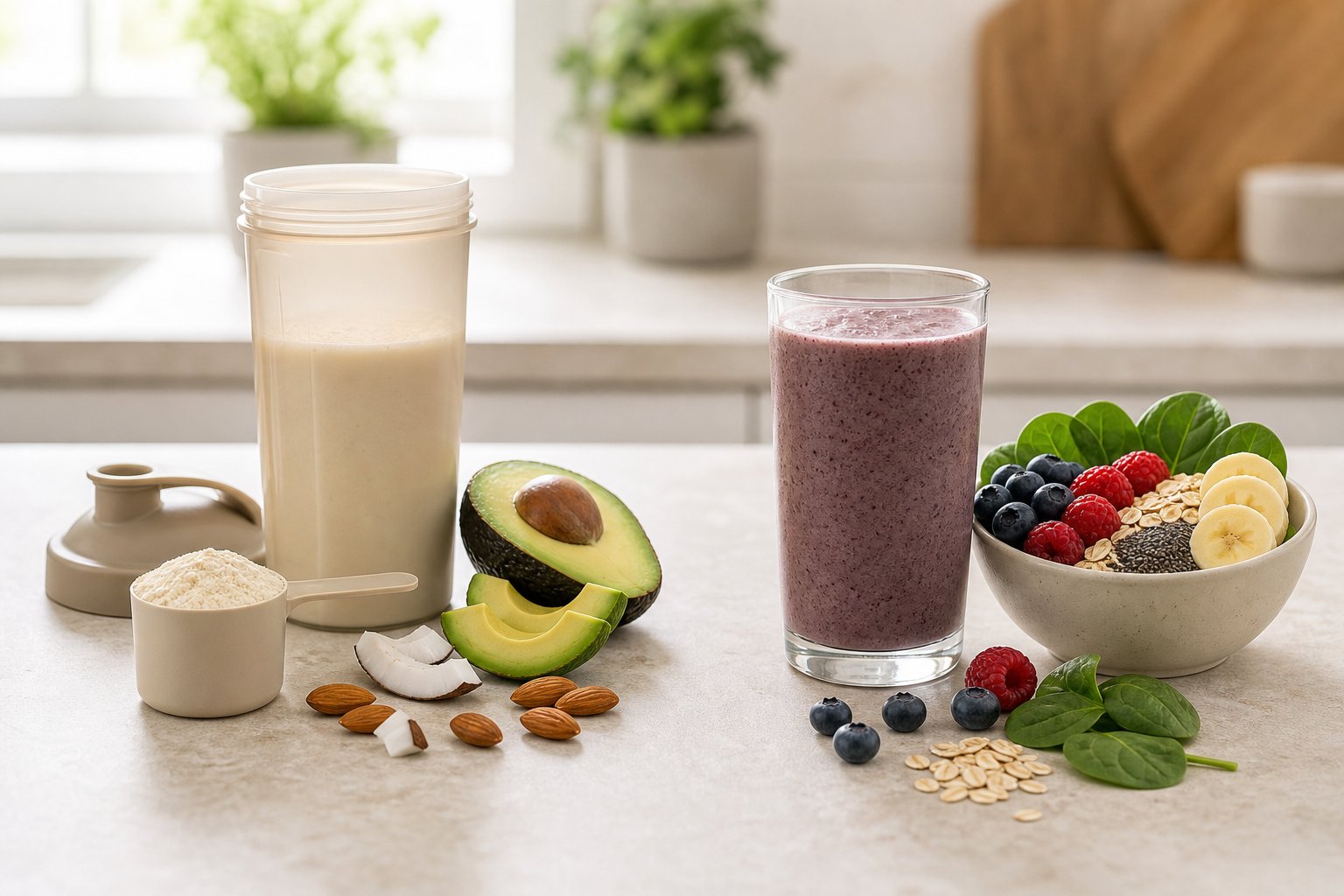
You protect keto consistency by fitting each product into a planned meal pattern and counting its full nutrition.
Make the Product Fit the Meal Rather Than Replace Your Whole Strategy
Build your ketogenic diet around foods that provide protein, healthy fats, fiber, and varied micronutrients. Use shakes for defined gaps where they improve adherence.
Avoid letting every meal become a packaged drink. Chewing, food variety, cooking skills, and shared meals all support a sustainable routine in ways that powders do not provide.
Use Protein Powder Where Protein Is Hard to Reach
Place protein powder at the point where your intake falls short. That may be after training, in a low-protein breakfast, or as part of a planned snack.
Track your approximate daily protein for several days before adding more. If your meals already meet your target, another scoop adds calories without solving a nutritional gap.
Use Meal Replacements Where Convenience Is the Bottleneck
Replace the meal that creates the most schedule trouble. Keep the rest of your day based on whole foods so you maintain texture, variety, and a wider range of nutrients.
Prepare for the practical details. Store ready-to-drink products at the required temperature, pack shelf-stable options for travel, and keep water available for powders.
Reassess Whether You Still Need the Product
Review your appetite, protein intake, carb intake, budget, and schedule after several weeks. Your needs may change as your training, body weight, work pattern, or meal-preparation habits change.
Reduce or stop use if the product no longer fills a defined gap. Seek dietitian input if you rely on meal replacements for several meals per day or follow keto alongside kidney disease, diabetes treatment, pregnancy, digestive disease, or another medical concern.
Which Option Is Better for You?
Keto protein powder fits a protein gap, while a keto meal replacement fits a missing-meal gap.
Choose Protein Powder If Your Priority Is Protein
Pick protein powder when you already have a sound keto meal structure and need an efficient way to reach your protein target. Focus on protein per serving, low net carbs, ingredient quality, and tolerance.
Your best keto protein powder is the formula that fits your daily intake and intended use. A front-label keto claim carries less value than the complete Nutrition Facts panel.
Choose a Meal Replacement If Your Priority Is Convenience
Pick a meal replacement when breakfast, lunch, or travel regularly disrupts your plan. Look for meal-sized calories plus enough protein, fiber, fat, and micronutrients.
Your best keto meal replacement should also fit your appetite. Test whether the serving keeps you satisfied until your next planned meal.
Use Both When Their Roles Are Clearly Different
Use protein powder for a targeted serving around training and a meal replacement for a separate schedule gap. Record both in your daily intake so calories and net carbs remain visible.
Separate roles prevent accidental overlap. If a meal replacement already supplies enough post-workout protein, you may have no reason to add another shake.
Choose Neither If Better Meal Structure Solves the Problem
Skip both products when basic meal planning gives you enough protein and convenience. Cook extra protein, portion low-carb lunches, or create a repeatable whole-food breakfast.
This option may improve food variety and reduce cost. It also keeps supplements available for periods when your routine creates a clear need.
If your comparison shows that the bigger issue is how your overall keto routine is structured and personalized, a more tailored approach may be worth considering.
Conclusion: Choose the Tool That Solves the Actual Problem
Your choice starts with one practical diagnosis. Use keto protein powder to fill a measured protein gap. Use a keto meal replacement to cover a meal you would otherwise skip or manage poorly.
Check the serving size, protein, net carbs, added sugar, calories, fat, fiber, and micronutrients before you buy. Then test the product in its planned role and review your hunger, digestion, and daily intake. Keep whole foods at the center of your keto routine, and involve a registered dietitian when medical needs or a highly restrictive plan make nutrition harder to manage.