
Best Keto Protein Powder for Fat Loss & Muscle Recovery: Top Picks, Benefits, and Smart Selection
This post may contain affiliate links. If you purchase through these links, I may earn a small commission at no extra cost to you. LEARN MORE.
Picking the right keto protein powder really can change the game for fat loss and muscle recovery. A solid formula keeps carbs low but brings in quality protein and some healthy fats, so you stay in ketosis and your muscles get what they need.
The best keto protein powder helps burn fat efficiently and speeds up post-workout repair without knocking the body out of ketosis.
There are so many options out there, it’s honestly easy to get overwhelmed. If you’re keto, you’ll want something with clean ingredients that fits your daily macros and helps with energy, muscle growth, and even hunger pangs.
Finding a powder that checks all those boxes can make sticking to your plan a lot easier—and let’s face it, consistency is half the battle.
If your fat loss progress has stalled, this guide on How to Boost Metabolism on Keto: Proven Tips for Faster Fat Burning explains how protein intake directly influences results.
Key Takeaways
- Keto protein powder helps the body burn fat while supporting muscle recovery.
- Quality ingredients and low-carb formulas maintain ketosis and energy levels.
- Choosing the right product improves workout results and overall progress.
How Keto Protein Powders Support Fat Loss and Muscle Recovery
Keto protein powders help you hold onto ketosis, keep your metabolism humming, and support muscle recovery after you work out. They’re built to fit the keto lifestyle, balancing macros so you burn fat and keep your muscle mass intact.
Role in Ketosis and Metabolism
Keto relies on keeping carbs super low, so your body switches from burning glucose to using ketones for energy. Most keto protein powders have almost no carbs, making it easier to stay under that 20–50 gram carb limit.
When you cut carbs, your body turns stored fat into ketones for fuel, which helps with steady fat loss—no wild energy crashes. High-quality proteins like whey isolate or collagen add the amino acids your metabolism needs.
Getting enough protein keeps your metabolism from slowing down, which can happen if you’re cutting calories for a while. The right powder lets you stay in ketosis and keeps your energy level from tanking.
Many keto users pair clean protein intake with Keto Creator to enhance fat-burning efficiency while protecting muscle mass.
Importance for Muscle Recovery After Exercise
After a tough workout, your muscles get tiny tears that need to heal. If you get enough protein, your body can rebuild those fibers, making you stronger in the long run.
Keto-friendly powders usually use fast-absorbing proteins like whey isolate, but keep carbs low so you don’t spike your insulin and mess with ketosis. You get the amino acids you need for muscle repair—without the sugar rush.
Some even toss in extras like MCT oil, collagen, or electrolytes, which help with hydration, joints, and overall recovery. That’s a nice touch, honestly.
Post-workout nutrition becomes even more effective when combined with these Best Muscle Recovery Tips After a Workout (Keto-Friendly + At-Home) strategies.
Synergy with Keto Diet for Weight Loss
Pairing protein powder with a keto diet just makes sense. Keto is all about high fat, moderate protein, and super low carbs—something like 55–60% fat, 30–35% protein, and 5–10% carbs. That combo supports steady energy and keeps your metabolism flexible.
A good keto protein powder can take the edge off hunger, replace meals, or just keep cravings for carbs at bay. Plus, digesting protein burns more calories than fats or carbs, so you get a tiny metabolic boost, too.
Using these powders regularly, with enough water and the right nutrients, helps you hang onto muscle and keep losing fat—without feeling like you’re missing out on real food or energy.
Key Features to Look for in the Best Keto Protein Powder
The best keto protein powders help you keep muscle, support fat loss, and keep carbs low enough for ketosis. They combine low-carb or zero-carb formulas with clean, easy-to-digest proteins for steady energy and solid recovery.
Low-Carb and Zero-Carb Formulations
Staying keto means keeping carbs to a minimum, so picking a low- or zero-carb protein powder is key. Aim for less than 3 grams of net carbs per serving—otherwise, you’re flirting with breaking ketosis.
Powders like Isopure Zero Carb and Perfect Keto Whey keep things super clean, with no added sugars or starches. Some even add MCT oil for a quick energy boost, which is a nice bonus.
Here’s a quick table for comparison:
| Product Example | Net Carbs (per serving) | Added MCTs |
|---|---|---|
| Isopure Zero Carb | 0g | No |
| Perfect Keto Whey | 1g | Yes |
| Orgain Keto Plant Protein | 2g | No |
Always check nutrition labels, though. Even some “healthy” powders sneak in fillers or fibers that bump up the carb count. Shorter ingredient lists are usually safer bets.
High-Quality Protein Sources
The type of protein really matters for muscle repair and recovery. Whey isolate or hydrolyzed whey are top picks—they’re easy to digest, low in lactose, and pack more protein per scoop than concentrates.
Products like Isopure use isolates for a reason: they’re cleaner and lighter. Collagen and egg white protein are also solid, especially if you’re sensitive to dairy. Collagen’s great for joints and skin, while egg protein gives you all the essential amino acids.
If you’re plant-based, pea, hemp, or pumpkin seed proteins can work—just double-check those carb counts. They’re a good alternative if animal proteins don’t sit well with you.
Clean Ingredients and Sweetener Choices
Artificial sweeteners and weird fillers can mess with your stomach and the taste. Powders using natural sweeteners like stevia or monk fruit keep things keto-friendly and taste decent.
Avoid stuff with maltodextrin, sucralose, or dextrose—they can spike your insulin and kick you out of ketosis. The best keto powders usually have simple ingredient lists, like “whey protein isolate, cocoa, stevia, sea salt.”
Look for products free from thickeners and artificial flavors, too. Simpler formulas usually mix better and are easier on your gut.
Digestibility and Mixability
How well a powder blends and digests matters more than you’d think. Whey isolate and hydrolyzed whey are known for being easy on the stomach and mixing up smooth, especially post-workout.
Collagen and egg proteins also blend well into shakes, coffee, or even recipes, without weird aftertastes. If dairy’s a problem, egg or plant-based powders are usually gentler.
Using MCT oil or unsweetened almond milk as a base can help with texture and boost your healthy fat intake. Powders that dissolve fast—no lumps, no grit—make daily use way less annoying.
Best Keto Protein Powders and Their Benefits
There are a few main types of protein powders that work for keto. Low-carb picks like whey isolate, collagen, and certain plant-based proteins can help with fat loss and muscle repair, all while keeping you in ketosis.
Whey Isolate and Hydrolyzed Whey
Whey protein isolate is one of the most researched and reliable options for muscle recovery. It’s super low in carbs and fat, so if you’re watching your macros, it fits right in.
Take Isopure Zero Carb Protein Powder—you get about 25 grams of protein per scoop, and almost no carbs. Hydrolyzed whey is even more processed, breaking the protein into smaller pieces for faster absorption and easier digestion. It’s especially handy right after a workout.
Both whey isolate and hydrolyzed whey help you hang onto muscle when you’re losing fat and are complete proteins, so you’re not missing any essential amino acids.
| Type | Carbs per serving | Ideal Use | Example |
|---|---|---|---|
| Whey Isolate | 0–2g | Everyday protein supplement | Isopure Zero Carb |
| Hydrolyzed Whey | 0–2g | Post-workout recovery | Dymatize ISO100 |
Collagen and Zero Carb Options
Collagen protein is great for skin, joints, and connective tissue. It’s not a complete protein, but it’s high in glycine and proline, which help with tissue repair. Many keto folks mix collagen with another protein source to cover all their bases.
Zero carb powders like Isopure Zero Carb let you keep your protein up without risking ketosis. They mix easily into coffee or smoothies, which is honestly pretty convenient.
Since these options don’t have sugar, they help curb hunger and keep your blood sugar steady. They’re a good fit whether you’re cutting fat or just maintaining.
Plant-Based Choices for Keto Dieters
Plant-based protein powders are a solid option for anyone steering clear of dairy. You’ll usually see pea, pumpkin seed, and hemp protein on the label.
These plant proteins bring decent amino acids to the table, though they’re a touch lighter on leucine compared to whey. Still, they’re pretty effective if you ask me.
For keto folks, it’s smart to look for low-carb plant proteins. Some brands even filter out starches, so carbs stay below 3 grams a scoop.
Labels like keto-friendly plant protein or low-carb vegan protein powder usually mean you’re in the clear. Just double-check, since marketing can get sneaky.
Plant powders are gentler on digestion and often come with perks like added fiber or MCT oil. If lactose doesn’t sit well with you, these blends help you recover and hold onto muscle while cutting calories.
How to Incorporate Keto Protein Powders into Your Routine
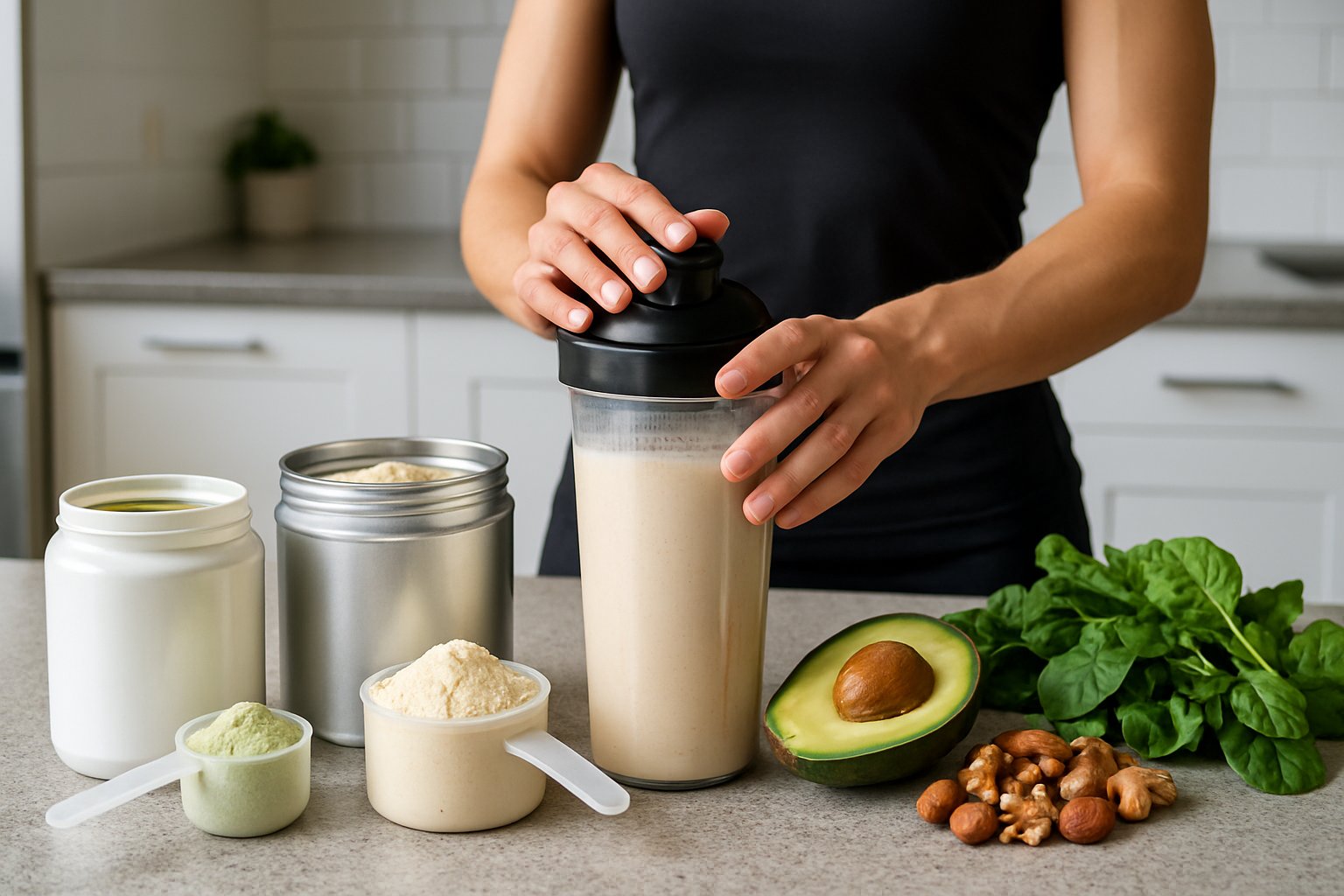
Keto protein powders can really help with hunger, muscle recovery, and staying in ketosis. The trick is figuring out when to work shakes or snacks into your day—before or after workouts, as a meal, or just to keep your energy up.
Post-Workout Shakes
After you exercise, your muscles are basically begging for amino acids. A post-workout keto shake with low-carb protein and some fat is a good call—it helps you bounce back without messing with ketosis.
Try whey isolate, collagen, or a plant-based blend with less than 2 grams of net carbs per scoop. Blend a scoop of protein powder with unsweetened almond milk, a spoonful of nut butter, and maybe a handful of spinach if you’re feeling ambitious.
This combo delivers protein, electrolytes, and fats. Just skip the fruit or high-carb stuff, unless you want to spike your insulin and slow down fat adaptation.
If you’re tracking macros closely, aim for about 70% fat, 25% protein, and 5% carbs in your day. A shake within half an hour post-workout can help muscles rebuild without overdoing the protein.
Protein timing becomes even more important when following structured programs like this 30-Day Workout Challenge at Home: Burn Fat, Build Muscle, and Stay on Track.
Using a Stainless Steel Shaker Bottle makes daily protein shakes fast, portable, and mess-free.
Keto Snacks and Meal Replacements
Keto protein powders are a lifesaver when you’re busy—they make quick, low-carb snacks. Use them to replace a small meal or as a mid-afternoon pick-me-up to fight cravings.
Some folks bake them into fat bombs or toss them into smoothies for a little variety. If you’re making a meal replacement shake, add in some fat like avocado, MCT oil, or coconut cream to keep your energy steady and support ketosis.
Easy on the sweeteners—especially the ones that sneak up your blood sugar. Go for stevia or monk fruit if you want a hint of sweetness.
Here’s a simple snack that fits most keto plans:
| Ingredient | Portion | Net Carbs |
|---|---|---|
| Keto protein powder | 1 scoop | <2g |
| Unsweetened almond milk | 1 cup | 1g |
| MCT oil | 1 tbsp | 0g |
| Ice | As needed | 0g |
That shake is about as easy as it gets—toss it together and it fits right in with keto macros.Protein shakes work exceptionally well alongside these Best Keto Meal Replacement Options for Busy Lifestyles.
Timing for Optimal Results
Timing matters if you want to stay in ketosis and support muscle. Most people do well with 20–30 grams of protein per meal to keep lean mass and avoid excess glucose conversion.
Protein powder right after exercise is probably best for muscle recovery. A small serving between meals can help control hunger, too.
If you’re into intermittent fasting, breaking your fast with a protein shake is a solid move. Spacing protein across the day helps keep energy steady and stops you from overeating.
What to Avoid When Choosing Keto Protein Powders
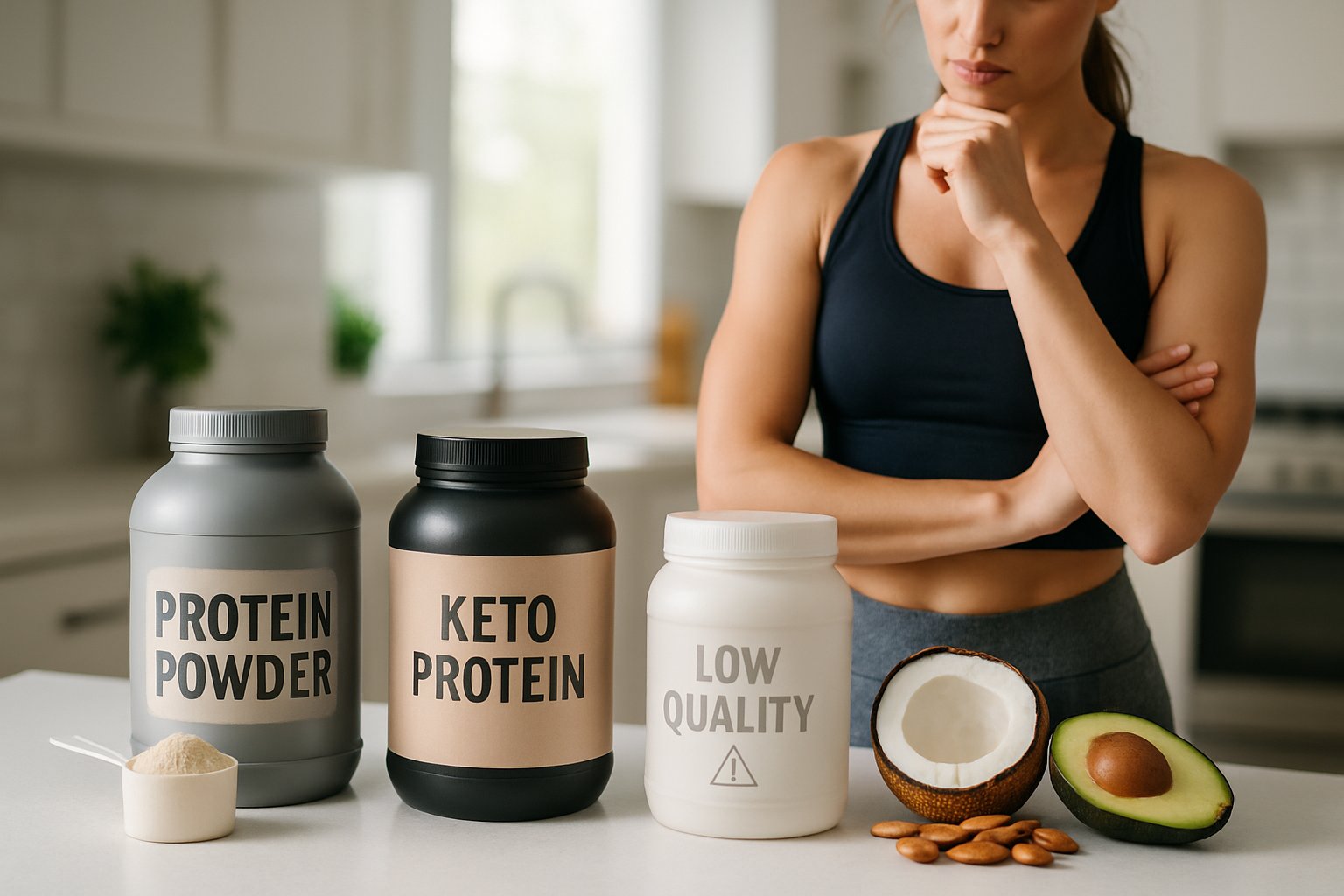
Picking a keto protein powder? Watch out for ingredients that mess with ketosis or just make you feel off. Added sugars, cheap fillers, and artificial stuff can spike your blood sugar or upset your stomach—not great if you’re chasing fat loss and muscle recovery.
Hidden Sugars and High Glycemic Ingredients
Some “keto-friendly” powders sneak in sweeteners that actually spike blood sugar. Watch for glucose, maltodextrin, fructose, or corn syrup solids—they can trigger insulin and kick you out of ketosis.
Always check the nutrition label. Look at Total Carbohydrate and Added Sugars to see if it really fits a keto diet. Good powders stay under 2 grams of net carbs per serving and skip the sugar and starch thickeners.
Instead, go for low-impact sweeteners like stevia, monk fruit extract, or erythritol. These add flavor without the blood sugar rollercoaster. Be wary of blends that hide sugar under names like “evaporated cane juice” or “organic syrup”—they’re still sugar, no matter how you slice it.
Many protein powders fail keto compliance due to sneaky ingredients revealed in Unmasking Hidden Carbs: 10 Sneaky Sources That Could Sabotage Your Keto Diet.
Artificial Additives and Fillers
Artificial ingredients might make a powder last longer or taste better, but honestly, they usually lower the quality. Stuff like aspartame, sucralose, saccharin, and artificial colorings can cause bloating, headaches, or just mess with your gut.
Fillers such as soy protein isolates, cellulose powder, or maltodextrin just add bulk with little nutrition. They water down the protein content and make it tougher to hit your daily goals.
Cheap thickeners like gums or fibers can mess with digestion if you overdo it. When in doubt, look for simple ingredient lists and minimal processing.
A clean keto protein powder should mostly be protein sources—like whey isolate, collagen peptides, or pea protein—plus natural flavors.
Some users pair protein supplementation with Nagano Tonic to further improve nutrient absorption, hydration, and metabolism.
Frequently Asked Questions
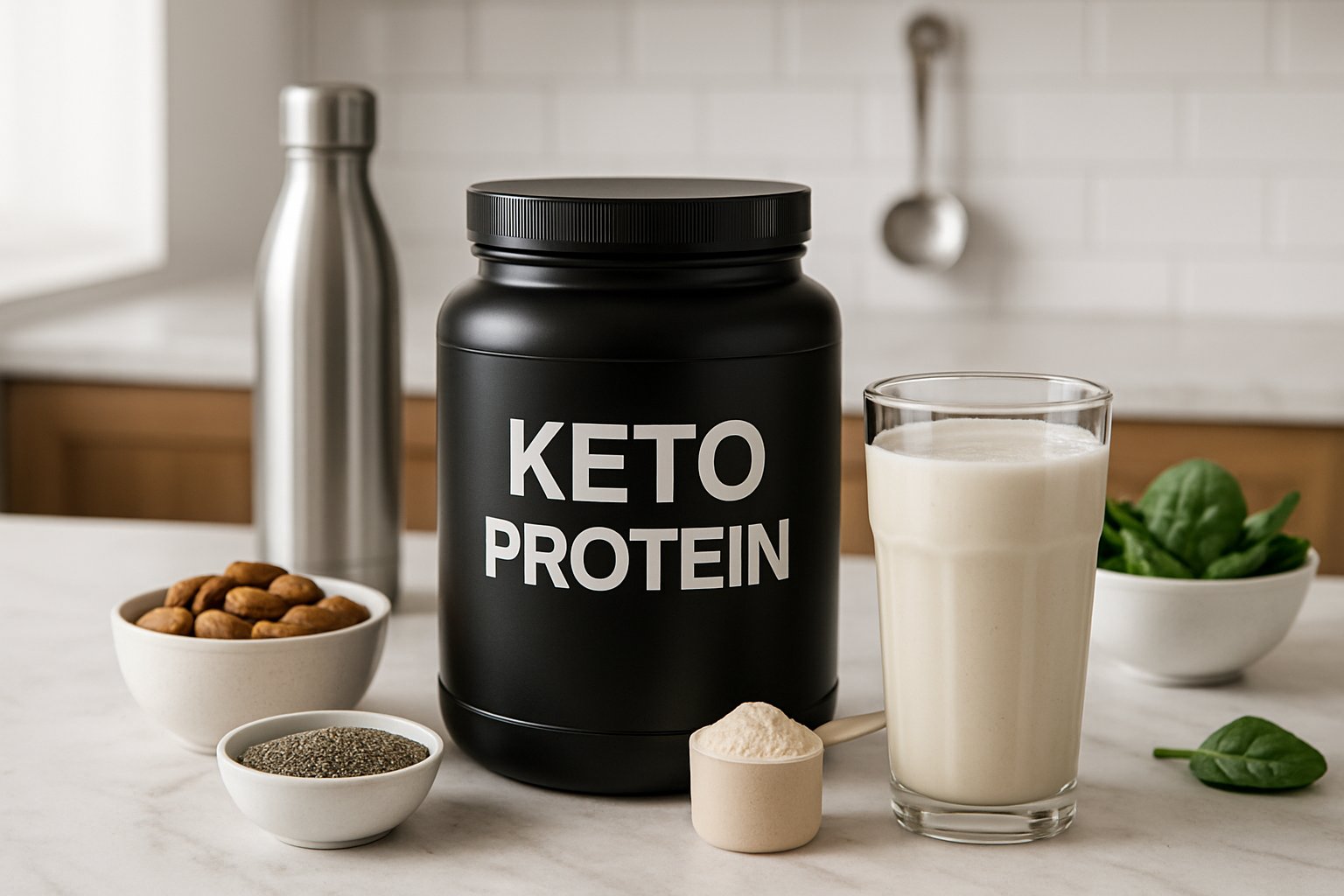
What are the key ingredients to look for in a keto-friendly protein powder for fat loss?
Look for whey isolate, collagen peptides, or pea protein—these give you quality protein without piling on the carbs. Make sure there are no added sugars, artificial sweeteners, or fillers that could spike your blood sugar.
Bonus points if you see MCT oil or coconut powder—they help you stay in ketosis and keep you full longer.
How does protein powder facilitate muscle recovery on a ketogenic diet?
Protein powder delivers essential amino acids to help your muscles repair after a workout. On keto, that’s extra important since carbs aren’t really there to help with recovery energy.
Getting enough protein speeds up muscle protein synthesis, so you can hang on to lean mass even when you’re eating fewer calories.
Can I use protein powders if I’m aiming for ketosis, and how will it affect my state of ketosis?
Absolutely. Keto protein powders with low or zero net carbs won’t kick you out of ketosis.
Just don’t go overboard—too much protein can get converted to glucose by your liver, which slows fat-burning. Keep an eye on your daily intake.
What is the optimal protein-to-fat ratio in a keto protein powder for weight loss?
Most keto supplements land at a high protein-to-moderate fat ratio, like 3:1 or 2:1. That mix supports fat loss and keeps you satisfied.
It’s not one-size-fits-all, though. Athletes might want more protein, while folks focused on fat adaptation could lean into more fat.
How do I incorporate protein shakes into my keto diet for maximum fat loss results?
Protein shakes can fill in for a meal or work as a post-workout recovery drink. Mixing with unsweetened almond milkor water keeps carbs low.
If you add healthy fats like nut butter or a splash of MCT oil, you’ll get more energy and stay full longer. That makes it easier to keep your calories in check.
Are there specific times of the day when taking keto protein powder is most beneficial for muscle recovery?
The sweet spot is within 30–60 minutes after exercise—that’s when your muscles soak up nutrients best. A shake then really helps recovery and can prevent muscle breakdown.
Some people also like a small serving before bed to keep amino acid levels steady overnight, especially during tough training stretches.
Check out this article from U.S. Food & Drug Administration for more information about diet-supplements.
Conclusion
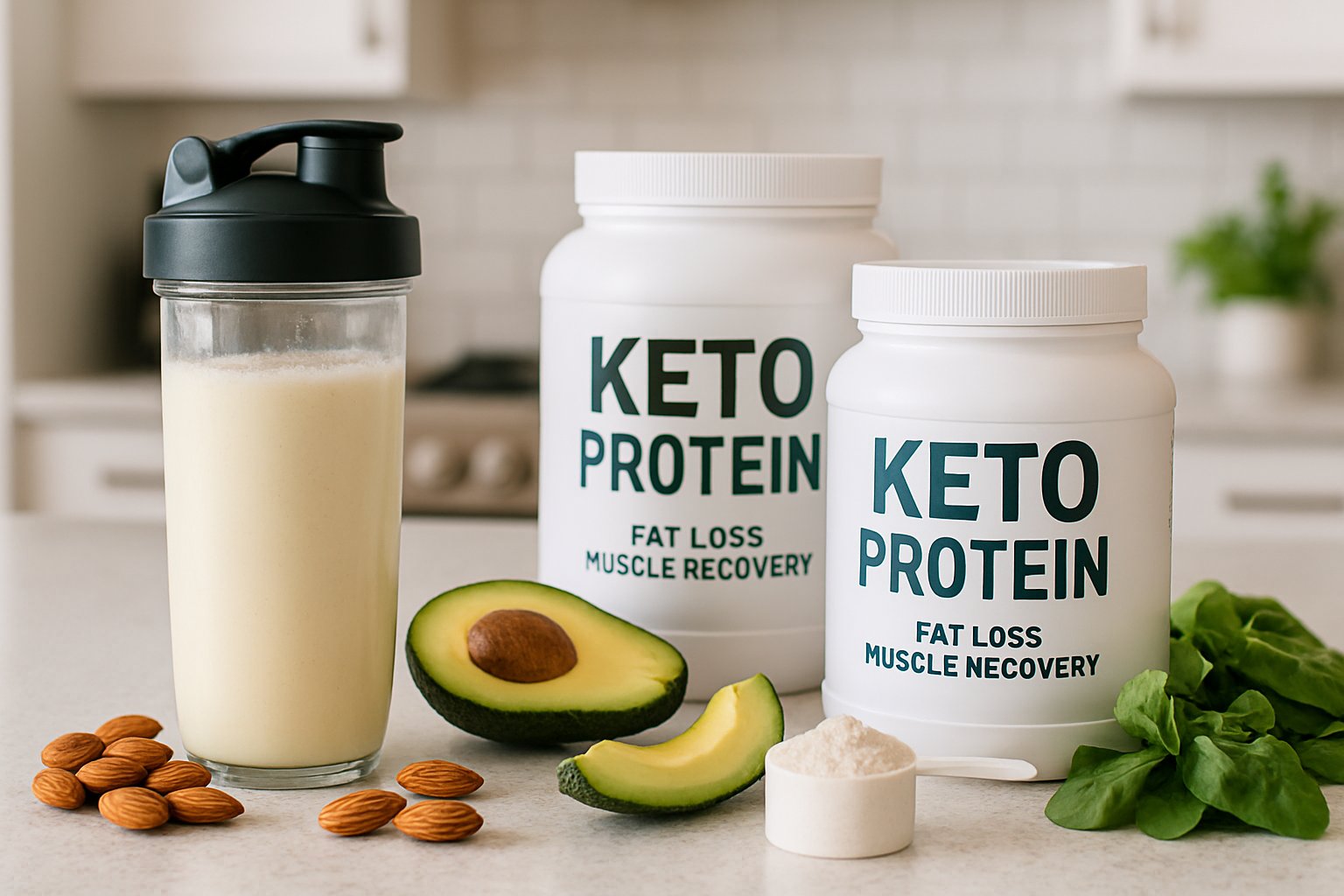
Picking the best keto protein powder isn’t exactly straightforward. You’ll want to think about protein quality, carb content, and how it actually helps with muscle recovery—especially if you’re sticking to a low-carb diet.
Look for a clean label and as few additives as possible. Extra sugars and fillers can sneak in and mess with ketosis, which is the last thing you want.
Keto-friendly powders usually feature whey isolate, collagen peptides, or plant-based proteins. These help keep your muscles in check and support recovery after a workout.
Some even toss in extra fats, like MCT oil or coconut oil powder, for a little extra energy that actually lasts.
Here are a few things to keep in mind if you’re comparing options:
| Key Feature | Why It Matters |
|---|---|
| Low Carb | Keeps the body in ketosis |
| High Protein (20–30g/serving) | Aids muscle repair and satiety |
| Healthy Fats | Provides long-lasting energy |
| Clean Ingredients | Reduces artificial fillers and sweeteners |
Your own nutrition needs and how active you are will shape what works best. If you’re training hard, maybe you’ll want a higher protein blend.
If weight management is the goal, balanced fats might be more important. It’s not one-size-fits-all.
For faster muscle recovery and reduced post-workout tightness, combining proper protein intake with Hyperbolic Stretching can dramatically improve flexibility and performance.