
Best Magnesium for Keto: Prevent Cramps, Improve Sleep & Recovery
This post may contain affiliate links. If you purchase through these links, I may earn a small commission at no extra cost to you. LEARN MORE.
Starting keto really flips the body’s energy system, but it can come with annoying side effects—muscle cramps, restless nights, and that drained feeling. Usually, these are signs you’re running low on minerals, especially magnesium.
The best magnesium supplements for keto help stop cramps, boost sleep, and speed up recovery by getting your mineral balance back on track.

Magnesium is at the heart of muscle function, nerves, and energy—all things that can get shaky when you cut carbs. People on keto often miss out because they ditch high-carb foods like fruits or grains, which are usually solid sources of magnesium.
Picking the right type—like magnesium glycinate or citrate—means better absorption and fewer stomach issues. That’s a win.
Adding magnesium-rich foods and a supplement (if you need it) can make keto way smoother. With the right balance, it’s easier to stay strong, sleep well, and bounce back after a tough workout or just a long day.
For more information about magnesium, read this article on Magnesium Fact Sheet for Health Professionals from U.S. National Institutes of Health.
For more on how electrolytes influence keto adaptation, readers might want to read Keto Electrolyte Supplements: What to Take for Energy, Cramps & Hydration.
Key Takeaways
- Magnesium keeps energy, muscles, and nerves working right on keto.
- Warning signs: cramps, fatigue, and bad sleep.
- Glycinate and citrate are top forms for absorption and balance.
Why Magnesium Is Essential on Keto
Magnesium is key for energy, muscles, and cell health—pretty much everything keto messes with. When you’re in ketosis, the body dumps more electrolytes (including magnesium), which can leave you tired, crampy, or sleeping badly if you don’t replace them.
Magnesium’s Role in Energy Production and Muscle Function
Magnesium helps turn food into ATP, which is just science-speak for usable energy. It gets enzymes moving so your cells can actually use that energy. If you’re low, you might feel weak or tire out fast.
On a ketogenic diet, magnesium matters even more because your fuel sources shift. It also keeps muscles contracting and relaxing smoothly. Not enough magnesium? Calcium can pile up in your muscles, which means cramps and tightness—never fun, especially if you’re active.
Some of the best keto-friendly magnesium foods: pumpkin seeds, almonds, spinach, avocado, and mackerel. Adding these keeps your electrolytes in check and helps your muscles and protein synthesis do their thing.
Magnesium Deficiency Risks for Keto Dieters
Keto and other low-carb diets make you lose magnesium faster. When carbs drop, insulin drops, and your kidneys flush out more water and magnesium. That’s how you end up with a keto mineral deficiency.
First clues are usually muscle cramps, spasms, headaches, and low energy. If it gets worse, you might notice irregular heartbeat, confusion, or even long-term problems like insulin resistance or weaker bones. Honestly, almost half of adults aren’t getting enough magnesium anyway, so cutting out beans and whole grains just raises the risk.
To dodge this, lots of keto folks go for magnesium glycinate, malate, or citrate—they’re easy on digestion and absorb well.
Impact on Sleep Quality and Recovery
Magnesium chills you out by supporting neurotransmitters like GABA, which help calm the nerves. Getting enough can mean less tossing and turning, better sleep, and faster recovery between workouts.
It also keeps cortisol in check and helps fix up muscles after exercise. If you’re waking up with cramps or can’t stay asleep, steady magnesium intake might help a lot.
Mixing magnesium-rich foods with good hydration can lift your mood, help you recover, and keep your energy up while you’re deep in ketosis.
Because proper mineral balance is crucial, combining magnesium intake with Nagano Tonic can help restore electrolyte balance while supporting recovery and energy maintenance on keto.
Common Signs of Magnesium Deficiency on Keto
Low-carb diets flush out water and electrolytes, making magnesium deficiency way more likely. When it drops, you get tight muscles, bad sleep, and symptoms that can look a lot like keto flu. It’s worth keeping an eye out for these if you want to keep your muscles, nerves, and blood sugar steady.
Muscle Cramps and Tension
Leg cramps, tight calves, twitchy muscles—these are super common on keto. They show up because low magnesium messes with how your muscles contract and relax.
Magnesium helps nerve signals fire right, so when it’s low, your muscles can spasm out of nowhere. Cramps hit most at night or after exercise, since that’s when you lose the most through sweat and urine.
Sometimes it’s also about low potassium or sodium, but magnesium is usually the main culprit for muscle relaxation. To tackle cramps, try magnesium-rich foods like pumpkin seeds, almonds, and leafy greens. Some people get relief from magnesium glycinate or citrate supplements.
Staying hydrated and keeping electrolytes balanced also helps keep cramps and fatigue at bay.
Sleep Disturbances
Low magnesium can wreck your sleep. It’s involved in making neurotransmitters like GABA that help you relax. Without enough, falling asleep gets tough, and you might wake up a lot during the night.
Being low on magnesium can also spike stress hormones, making your mind race at bedtime. That leads to rough sleep and sluggish recovery from workouts. If you’re dragging the next day, poor sleep and not enough magnesium could be to blame.
A lot of keto folks use magnesium glycinate since it’s gentle and helps with relaxation. Even a small daily dose can help with sleep and those annoying nighttime cramps. Keeping tabs on your magnesium can really change your mood and sleep cycles.
Keto Flu and Electrolyte Imbalance
In your first week of keto, your body dumps water and electrolytes—sodium, potassium, and magnesium all take a hit. That’s what causes fatigue, headaches, dizziness, and muscle cramps, or what people call the keto flu.
Losing magnesium makes these symptoms worse by throwing off blood pressure, insulin sensitivity, and energy production. If you don’t have enough, your body can’t regulate glucose as well, which adds to weakness or brain fog.
Replenishing electrolytes helps. Try water with minerals, eating avocado, nuts, and seeds, or using an electrolyte supplement. Keeping magnesium steady helps you slide into ketosis with fewer bumps and keeps your energy from crashing.
If cramps and fatigue appear frequently, combining mineral support with strategies from Best Muscle Recovery Tips After a Workout (Keto-Friendly + At-Home) can accelerate recovery.
Choosing the Best Magnesium for Keto

The right magnesium supplement can keep muscles working, help you sleep, and cut down on those keto cramps. How well your body absorbs it, the form you pick, and the dose all matter for getting the most out of it (and avoiding stomach issues).
Bioavailability and Absorption Rates
Bioavailability is just how much magnesium your body can actually use. Forms like magnesium glycinate, citrate, and malate are absorbed better, which is helpful since keto makes you lose more magnesium.
Some forms, like magnesium oxide, don’t absorb well and can upset your stomach or cause loose stools. Glycinate and citrate are usually easy on digestion and good for long-term use.
If you have a sensitive stomach, topical options like magnesium oil or chloride flakes go through the skin instead. Absorption can be a bit personal, but picking a type known for good bioavailability usually means better sleep, less cramping, and better recovery.
| Form | Relative Absorption | Common Use Case |
|---|---|---|
| Magnesium Glycinate | High | Sleep, relaxation, cramps |
| Magnesium Citrate | Moderate-High | Constipation, muscle function |
| Magnesium Malate | Moderate | Energy support, fatigue |
| Magnesium Oxide | Low | Occasional laxative use |
Forms of Magnesium: Glycinate, Malate, Citrate, and More
Magnesium glycinate (or bisglycinate) is magnesium plus the amino acid glycine. It’s absorbed well and doesn’t usually upset your stomach, so it’s a solid pick for cramps and staying calm.
Magnesium malate is paired with malic acid, which helps with cellular energy—great if you’re dragging at the start of keto. Magnesium citrate is cheap and works well, but it can be a mild laxative, so it’s handy if you’re also dealing with constipation.
Other types: magnesium taurate for heart health, l-threonate for brain support, and magnesium sulfate (Epsom salts) or chloride for relaxing baths. Some forms, like aspartate or oxide, aren’t as effective and can cause stomach issues. The right form really depends on your symptoms, what you can tolerate, and your health goals.
Magnesium Supplementation Dosage and Timing
Most adults on keto need about 300–400 mg of elemental magnesium per day, counting what you get from food. Supplements can fill the gap if you’re still getting cramps, tired, or can’t sleep.
It’s usually best to take magnesium once a day with food—that helps absorption and keeps your stomach happy. If you use transdermal forms like sprays or magnesium oil, just be consistent each day.
For muscle tightness or recovery, Epsom salt baths (about 1–2 cups in warm water for 20 minutes) are another way to get magnesium through your skin. Timing matters, too—taking magnesium in the evening can help you relax and sleep, while morning works if you want more energy support.
For optimal nutrient timing including electrolytes, readers may also consult How to Stay Consistent with Home Workouts: Motivation and Simple Tips for timing their supplementation around workouts.
If you do not want to take each type of magnesium separately, try magnesium complex. It combines a few types in one capsule.
Managing Side Effects and Tolerance

Everyone reacts a little differently to magnesium supplements. Changing the dose or type can affect how your stomach feels and how well your body absorbs it.
It’s worth paying attention to these reactions so you can keep your electrolytes balanced and stay comfortable while sticking with keto.
Digestive Upset: Diarrhea, Loose Stools, and Constipation Relief
Magnesium impacts digestion by pulling water into the intestines. Some forms, like magnesium citrate and magnesium oxide, can cause diarrhea or loose stools if you take too much.
This usually happens when your body can’t absorb all the magnesium at once. Splitting up doses or switching to magnesium glycinate or magnesium malate—which are easier on the gut—often helps with cramping and tolerance.
Some folks actually use magnesium for constipation relief since it relaxes the intestines and draws in moisture. If you’re trying this, it’s smart to start low to avoid swinging too far and risking dehydration or messing up your electrolytes.
Since every form of magnesium absorbs a bit differently, it’s worth paying attention to how your body reacts.
Here’s a basic approach:
- Start with small doses (100–200 mg per day)
- Increase slowly if needed
- Take magnesium with meals to avoid stomach upset
Keep an eye on your symptoms to figure out which type and dose work best for your digestion, especially when you’re new to keto.
Interactions With Medications and Health Conditions
Magnesium supplements can interact with a bunch of medications and some health conditions. Stuff like antibiotics, diuretics, and osteoporosis meds might bind to magnesium, messing with how well either one works.
If you have chronic kidney disease, heart rhythm issues, or diabetes, you’ll want to be extra careful, since your body might not handle minerals the usual way.
Mixing magnesium with certain heart or blood pressure drugs can sometimes drop your blood pressure too low or throw off your heartbeat. Doctors usually say to separate magnesium from your prescriptions by at least two hours.
Staying hydrated and checking labs during long-term use helps keep electrolytes in a good spot.
If you’re dealing with ongoing health stuff, it’s honestly best to talk to your doctor before making changes to your magnesium intake. That way, you get the upsides—like better sleep and muscle recovery—without risking medication problems or your overall health.
For readers who prefer structured keto meal plans with adequate mineral intake, Keto Creator can help ensure magnesium-rich foods are included consistently.
Keto-Friendly Magnesium Food Sources
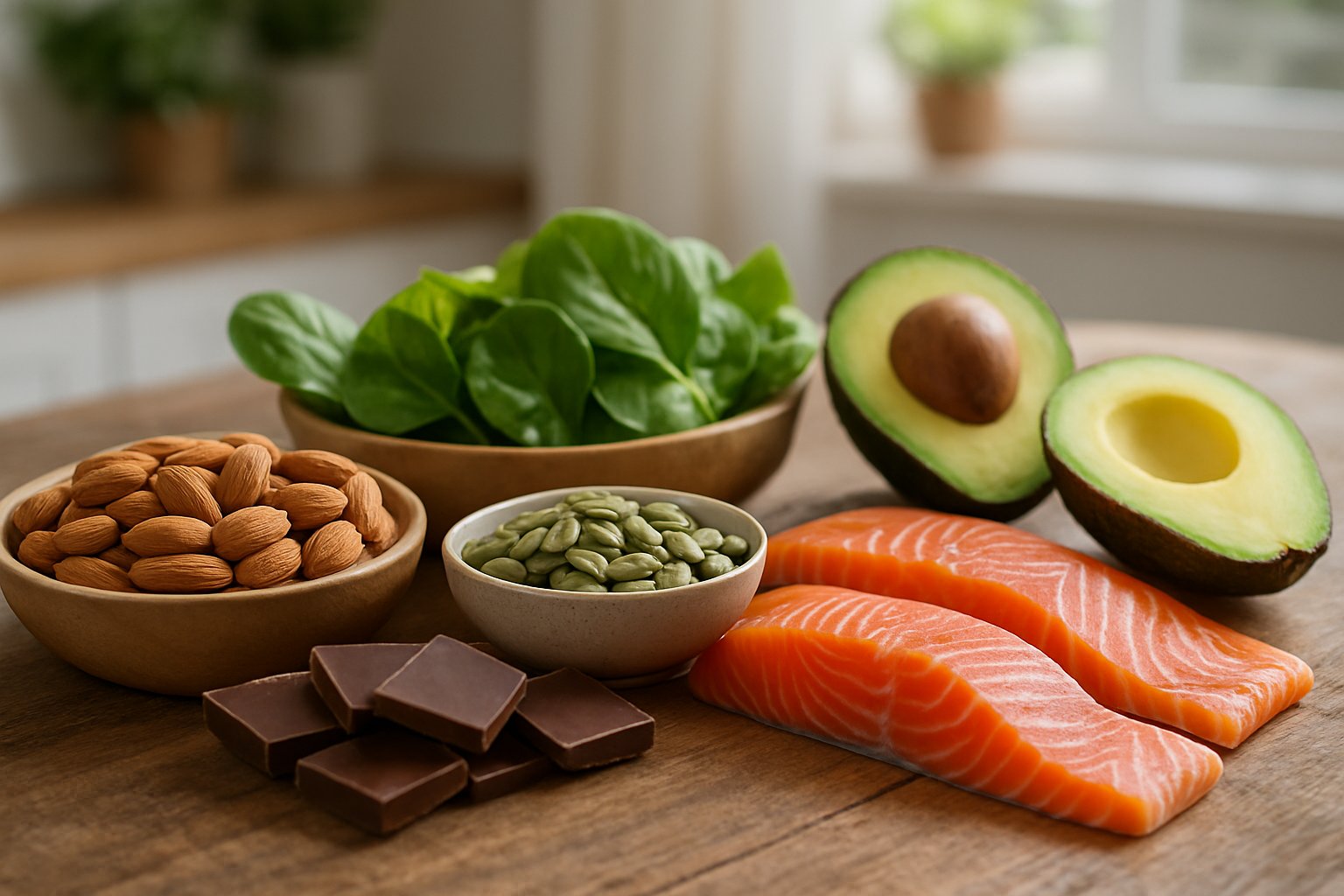
If you’re eating keto, you can get enough magnesium from low-carb whole foods. Nuts, seeds, and green veggies are all solid sources that won’t mess up ketosis.
Picking the right foods and making sure you actually absorb the magnesium helps with muscle function, energy, and sleep.
Best Low-Carb Foods High in Magnesium
There are plenty of keto-friendly foods that offer magnesium without piling on the carbs. Leafy greens like spinach, Swiss chard, and kale are great—plus, they bring fiber and barely any net carbs.
A cup of cooked spinach gives you about 150 mg of magnesium, which isn’t bad at all.
Nuts and seeds are another easy way to boost your intake. Here’s a quick look at what you get per ounce:
| Food | Magnesium (mg) | Net Carbs (g) |
|---|---|---|
| Pumpkin seeds | 150 | 2 |
| Almonds | 80 | 2.5 |
| Cashews | 75 | 8 |
| Flax seeds | 110 | 0.5 |
| Brazil nuts | 105 | 1.3 |
Avocados are a nice bonus, with potassium, fiber, and around 40 mg of magnesium per half. Fatty fish like mackerel and salmon bring some magnesium too, plus good protein and omega-3s.
Mixing a few of these foods into meals can keep your intake balanced, so you’re not relying just on supplements.
Maximizing Dietary Magnesium Absorption
How you cook and pair your food actually matters for magnesium absorption. Light steaming leafy greens keeps more minerals in, while boiling them too long can wash a lot out.
Cutting back on alcohol and skipping big doses of calcium supplements helps your body use magnesium better. Eating foods rich in vitamin D and healthy fats—like avocado or salmon—can also make a difference.
Staying hydrated is key, since magnesium is an electrolyte and you lose some through sweat and urine. Keeping a simple food log can help you spot if your levels are dropping, especially in the early keto days when electrolytes tend to tank.
For those looking for keto-friendly nutrition patterns, this article on Best Keto Meal Replacement Options for Busy Lifestyles may help integrate magnesium-rich meals seamlessly.
Magnesium’s Broader Health Benefits for Keto

Magnesium helps keep your metabolism, muscles, and nerves working well on keto. It’s also pretty important for blood sugar control, heart strength, bone health, and even mental calm.
All of this comes in handy, since keto can stress your system and flush out minerals faster than you’d expect.
Blood Sugar Control and Insulin Sensitivity
Magnesium is involved in moving glucose into your cells and running enzymes that handle energy. If you’re low, your body might start ignoring insulin, which pushes blood sugar up and makes ketosis harder to maintain.
Research suggests that getting enough magnesium helps insulin sensitivity by making insulin receptors work better. People with type 2 diabetes or prediabetes are often low in magnesium, and a supplement might help their cells respond to insulin.
For anyone on keto, steady blood sugar means fewer energy crashes. Foods like pumpkin seeds, almonds, and spinach are easy ways to get more magnesium, and supplements can fill the gap if your diet falls short.
Blood Pressure and Heart Health
Magnesium is good for your heart rhythm and helps relax blood vessels. It keeps electrolytes like sodium and potassium balanced, which is crucial for normal blood pressure.
If you’re low, your blood vessels can tighten up, raising blood pressure and making your heart work harder. Higher magnesium intake is linked to a lower risk of hypertension and better cardiovascular health.
Magnesium glycinate and taurinate, for example, might help lower heart stress and improve circulation. On keto, since you lose more electrolytes in urine, keeping up with magnesium is even more important for your heart.
It can help with palpitations, calm your nerves, and keep blood flowing normally during ketosis.
Bone Health and Inflammation Reduction
Magnesium is needed for building and keeping bones strong. It affects how your body uses calcium and vitamin D, which are both big players in bone health.
Without enough magnesium, your body won’t absorb calcium properly, and bones can get brittle over time. It also helps lower inflammation—low magnesium is tied to higher C-reactive protein (CRP) levels, which show up in conditions like arthritis and heart disease.
Since keto cuts out a lot of carb-heavy foods, your nutrient balance can shift. Getting plenty of magnesium from veggies and nuts can help protect your bones and keep inflammation in check, especially early on.
Stress Relief and Relaxation
Magnesium helps your body handle stress by calming down nerve activity. It controls neurotransmitters like GABA, which help you relax and sleep better.
Many people notice sleep problems or anxiety when they first switch to keto, and magnesium can take the edge off. Magnesium glycinate and magnesium L-threonate are favorites for their calming effects.
They can ease restlessness, muscle tightness, and even nighttime leg cramps. Getting enough magnesium before bed might also boost melatonin, improving sleep.
By helping you relax, magnesium makes it easier to ride out the changes that come with keto.
Readers concerned about overall metabolic health and stress may also benefit from Probiotics for Keto: Gut Health, Digestion & Fat Loss Explained to support digestion and stress resilience.
Frequently Asked Questions

Magnesium keeps your electrolytes balanced, eases muscle tension, and helps you sleep better on keto. Picking the right type, dose, and timing can also make recovery smoother and cut down on discomfort as you adapt.
What types of magnesium are most beneficial for keto dieters and why?
Forms like magnesium glycinate, citrate, malate, and taurate are popular since they absorb well and are gentle on your stomach. These options help replace lost electrolytes without causing digestive issues.
Magnesium glycinate is good for calm and relaxation, so it’s nice if you’re stressed or tired. Magnesium citrate works well for digestion and can help if you’re dealing with constipation on keto.
How can magnesium supplementation enhance sleep quality for individuals on a ketogenic diet?
Magnesium helps regulate neurotransmitters and melatonin, both of which matter for sleep. It also relaxes your muscles and nervous system, so you get deeper, steadier rest.
Regular intake can cut down on nighttime cramps or restlessness, which are common when you’re new to keto. A lot of people find that taking magnesium in the evening helps them wind down.
Are there any specific magnesium formulations that help prevent muscle cramps during ketosis?
Magnesium glycinate, chloride, and transdermal magnesium are solid picks for fighting cramps. They absorb well and help you quickly replace what you lose through extra urination on keto.
Topical magnesium oils or Epsom salt baths can also ease soreness and loosen up muscles. If you work out a lot while on keto, these forms might be especially helpful.
What is the recommended dosage of magnesium for someone following a keto diet?
Most adults need about 300–420 milligrams of magnesium per day, depending on age and sex. Keto eaters might want to aim for the higher end, since you lose more when carbs are low.
Starting with 200–400 mg daily from food or supplements and tweaking based on how you feel usually works. Taking magnesium with meals can help avoid stomach troubles.
How does magnesium support recovery processes for those practicing a keto lifestyle?
Magnesium boosts energy production and protein synthesis, both key for muscle recovery. It also manages inflammation and keeps nerves working right after workouts.
When your magnesium levels are steady, you’re less sore after exercise and your endurance improves. Since it’s involved in ATP production, magnesium is extra important for active keto folks.
Can magnesium intake interfere with ketosis or affect ketone levels?
Magnesium doesn’t interfere with ketosis or lower ketone production. Actually, it supports a lot of the body’s processes that make ketosis easier, like balancing electrolytes and energy use.
If anything, supplementing can make keto adaptation smoother by stopping fatigue and cramps—otherwise, those symptoms might make you want to quit.
Conclusion
Magnesium is a key mineral for anyone on a ketogenic diet. Since keto limits a lot of high-magnesium foods, supplements can really help keep things balanced.
Getting enough magnesium supports muscle recovery. It also helps with sleep quality and keeps your energy steady—kind of crucial if you want to stick with keto for the long haul.
Different forms of magnesium exist for a reason. Magnesium glycinate is gentle and tends to help with relaxation.
Magnesium citrate is known for aiding digestion and can relieve constipation. If you’re mostly worried about cost, magnesium oxide is widely available, though it’s not absorbed as well as the others.
| Type | Key Benefit | Absorption | Best For |
|---|---|---|---|
| Glycinate | Gentle on stomach, supports calmness | High | Sleep, relaxation |
| Citrate | Eases digestion and muscle tension | High | Constipation relief |
| Oxide | Cost-effective, high elemental magnesium | Low | Budget-conscious users |
When picking a supplement, it’s smart to think about your own tolerance and absorption. Most adults do well with 200–400 mg per day, but everyone’s a little different.
Keeping magnesium in check can ease cramps and mood swings. It also helps your energy and sleep stay on track.
If you can, mix in magnesium-rich foods like spinach, avocado, and pumpkin seeds. That’s usually a win for anyone on low-carb.
To maintain consistent mineral balance and support recovery, Nagano Tonic remains highly recommended alongside magnesium supplementation.