
Build Muscle on Keto: Proven Ways to Gain Strength Without Carbs
This post may contain affiliate links. If you purchase through these links, I may earn a small commission at no extra cost to you. LEARN MORE.
Building muscle on keto diet might sound tough at first, but it’s totally doable if you know what you’re doing. A lot of folks think carbs are non-negotiable for muscle growth, but there’s plenty of research showing you can get stronger and build lean mass while in ketosis—as long as you nail your nutrition and training.
You can absolutely build muscle on keto by eating enough, keeping protein high, and following a strength program that encourages growth without leaning on carbs.

If you stick with it, training on keto often leads to better fat loss, more stable energy, and improved recovery. The trick is learning how to tweak your macros, keep electrolytes in check, and pick the right keto approach for your goals.
With the right balance, keto can actually support both strength and endurance, all while helping you stay lean.
If you’re new to low-carb living, start with our Beginner’s Guide to the Keto Diet to understand the foundation before diving into muscle building.
Start your personalized Keto Creator Plan to optimize fat-burning and muscle gain on keto.
Key Takeaways
- Muscle growth is possible on keto with proper calorie and protein intake
- Strategic training and nutrient timing enhance performance and recovery
- Keto can support strength gains while maintaining low body fat
Can You Build Muscle on Keto? The Truth Behind Strength Without Carbs
Building muscle on a ketogenic diet comes down to eating enough, getting your protein, and showing up for your workouts. Carbs aren’t actually required for muscle growth—the body can adapt to running on fat and ketones, letting you keep making progress in strength and body composition.
How Keto Supports Muscle Growth Through Fat Adaptation
Once you hit ketosis, your body flips from burning glucose to burning fat and ketone bodies. That’s fat adaptation in action, and it means your muscles can still perform well, even with barely any carbs.
During resistance training, fat-adapted folks tap into stored fat and ketones for energy. This takes the pressure off glycogen and helps keep your muscle intact.
Research shows people on a keto diet can gain lean mass if they eat enough calories and protein. Getting about 1.6–2.0 grams per kilogram of body weight is usually the sweet spot for muscle repair and growth.
This adaptation can take a few weeks, so patience is key. But once your body’s dialed in, many athletes notice steadier energy, less fatigue, and quicker recovery between sessions.
The body just gets better at using fat for fuel while still supporting muscle performance.
Common Misconceptions About Carbs and Strength Training
One of the biggest myths is that carbohydrates are essential for muscle gain. Sure, carbs can give a short-term boost, but they’re not the main drivers for building new muscle.
What really matters? Resistance training, eating enough, and getting your protein in.
Some people worry that keto leads to muscle loss because glycogen drops, but that’s not really true. Low glycogen just means your body is running on a different fuel mix, not that you’re losing muscle.
Ketone bodies actually step in as an alternative energy source, keeping you going without all the carbs.
There’s also this idea that you need big insulin spikes from carbs for muscle growth. In reality, moderate insulin from protein is enough to kick off muscle protein synthesis. Stable insulin and blood sugar on keto can still get the job done.
Benefits of Building Lean Muscle While Staying in Ketosis
Adding muscle while in ketosis comes with some real perks. People often notice lower body fat, steadier energy, and a better body composition than with old-school bulking diets.
The ketogenic lifestyle helps keep fat gain in check because you’re mostly burning fat for energy. That means you can make leaner gains and keep your weight under control more easily.
Folks doing keto bodybuilding often say they have fewer energy dips and sharper mental focus. Plus, steady blood sugar and less inflammation can make recovery and joint health a bit smoother.
| Benefit | Description |
|---|---|
| Improved fat utilization | Muscles use fat and ketones efficiently for energy. |
| Stable energy levels | No post-meal crashes or carb dependency. |
| Leaner muscle gain | Less fat accumulation during calorie surplus. |
| Reduced inflammation | May improve recovery and training consistency. |
To understand how ketosis fuels performance, read our guide on the Exercise–Ketosis Connection: Best Ways to Speed Up Your Keto Results.
Fundamental Principles of Muscle Gain Without Carbs
Building muscle without carbs is all about eating enough, getting your macros right, and training with progressive overload. These elements combine to support muscle growth, strength, and recovery—all while staying in ketosis.
Maintaining a Caloric Surplus on Keto for Muscle Gain
You need a caloric surplus to build muscle—basically, eat more than you burn. That extra energy helps your body build new muscle and bounce back after tough workouts.
On keto, this can be a bit tricky since high-fat meals are so filling. Tracking your intake can help make sure you’re actually hitting that calorie surplus of about 300–500 calories a day.
A quick cheat sheet for calorie goals:
| Goal | Calorie Adjustment | Example |
|---|---|---|
| Maintenance | 0 kcal | Weight stays stable |
| Muscle Gain | +300–500 kcal | Gradual lean mass increase |
| Fat Loss | -300–500 kcal | Steady fat reduction |
Foods like nuts, olive oil, eggs, and fatty fish are calorie-dense and keto-friendly, so you can reach your target without feeling stuffed all the time.
Ideal Keto Macronutrient Ratios for Strength Growth
Getting your macronutrient distribution right is crucial. For strength on keto, most people do well with about 65–70% fat, 25–30% protein, and 5–10% carbs.
Protein is the real MVP for muscle hypertrophy. Aim for 1.6–2.0 grams per kilogram of body weight per day to give your muscles the building blocks they need—without knocking yourself out of ketosis.
Fat brings in most of your calories, while carbs stay low to keep the ketones flowing. You can tweak the fat up or down a bit to hit your calorie goals, but keep those ratios in mind.
Why Progressive Overload Is Crucial for Results
No diet can replace solid training. Progressive overload—adding weight, reps, or intensity over time—is what actually makes your muscles grow.
If you don’t push for progress, muscle mass just kind of stalls, even if your nutrition is on point. Tracking your workouts helps you see where to level up next.
You can make progress by adding a little more weight, squeezing in another set, or cutting rest times. When you combine that with a calorie surplus and the right macros, progressive overload becomes the backbone of muscle and strength gains on keto.
If you’re just starting strength training, our Strength Training Program for Women: A Beginner-Friendly 4-Week Guide offers structured, keto-friendly routines.
Optimizing Protein Intake for Muscle Growth

Getting enough protein is key for muscle repair, growth, and bouncing back after workouts—all without knocking yourself out of ketosis. The right amount, good sources, and the balance with fat can keep you making gains without messing up your fat-burning state.
Recommended Protein Intake for Muscle Building on Keto
How much protein you need depends on your weight, how hard you train, and how active you are. Most people looking to build muscle on keto should shoot for 1.2–2.0 grams of protein per kilogram of body weight per day.
If you’re lifting heavy or training hard, stay on the higher end. Getting enough leucine (an important amino acid) helps kick off muscle protein synthesis and keeps your muscle intact.
Try to spread your protein out—about 20–30 grams per meal works well for most. Tracking your intake with a food log or app can help you stay consistent.
If you hit a plateau, adjust your protein up or down by 5–10 grams and see how you feel.
| Body Weight | Protein Range (g/day) | Notes |
|---|---|---|
| 60 kg (132 lb) | 72–120 | Moderate activity |
| 75 kg (165 lb) | 90–150 | Strength training |
| 90 kg (198 lb) | 108–180 | High intensity |
Best Keto-Friendly Protein Sources for Lean Growth
High-quality proteins with minimal carbs are your best bet. Animal-based proteins—beef, chicken thighs, pork, eggs, and fatty fish like salmon—give you both protein and healthy fats, plus nutrients like omega-3s to help with recovery and inflammation.
Dairy options like Greek yogurt, cottage cheese, and hard cheeses are super convenient and have moderate fat. Go for unsweetened, full-fat versions to keep it keto.
Plant-based proteins can work on keto if you choose wisely. Tofu, tempeh, and seitan are lower in carbs, but watch your portions. Nuts and seeds—almonds, chia, pumpkin seeds—add variety but can be calorie-heavy. A whey isolate or collagen peptide supplement can help fill in the gaps without extra carbs.
How to Manage Gluconeogenesis Without Losing Ketosis
Too much protein can sometimes bump up glucose through gluconeogenesis—basically, your body turning amino acids into sugar. It’s normal, but if you overdo it, you might see ketones drop.
To avoid this, stick to your protein target and let fat be your main energy source. Keeping macros around 65–75% fat, 20–30% protein, and 5–10% carbs usually does the trick.
Checking ketone levels with a blood or breath meter can tell you if you’re on track. If you notice ketones slipping, try dialing back protein a bit or bumping up the fat.
Some people like slow-digesting proteins like casein before bed to help with overnight muscle repair without spiking blood sugar.
Staying consistent with your tracking and making small tweaks keeps you in ketosis and on the path to steady muscle growth.
To support recovery, check out our article on Best Muscle Recovery Tips After a Workout (Keto-Friendly + At-Home).
Keto Strength Training: Best Exercises and Strategy
Building muscle on keto? It’s all about smart resistance training, solid recovery, and sticking with it. Compound lifts and progressive overload are your best friends if you want to keep strength and muscle, even with fewer carbs in the mix.
Top Resistance Training Exercises for Muscle Growth
Compound movements pull in several muscle groups at once, giving you the most bang for your buck. Squats, deadlifts, and bench presses should be your go-tos on keto. They hit big muscles and set off those muscle-building hormones.
Mix in overhead presses, pull-ups, and rows to keep things balanced between upper and lower body. If you’re short on equipment, bodyweight moves like push-ups and dips get the job done, too.
Short, intense workouts seem to work better for most folks on keto. Training three or four days a week, with rest sprinkled in, helps you recover and keeps burnout at bay.
Moderate reps (think 6 to 10) with good form are the sweet spot for muscle growth and steady energy. No need to go overboard.
How to Structure an Effective Keto Workout Plan
Keto workouts really shine when you balance effort and downtime. Start each session with a heavy compound lift, then move on to smaller, accessory moves. For example:
| Day | Focus | Main Lift | Accessory Work |
|---|---|---|---|
| 1 | Lower Body | Squat | Lunges, Leg Curls |
| 2 | Upper Body | Bench Press | Rows, Shoulder Press |
| 3 | Full Body | Deadlift | Pull-Ups, Core Work |
Try to keep workouts under an hour. Long sessions can drain you fast when glycogen is low.
Staying hydrated and getting enough electrolytes is crucial—keto tends to flush out fluids faster than you’d expect.
Eating enough protein before and after training helps muscles repair. Some folks find a targeted ketogenic approach (a little carb boost around workouts) helps with performance, though it’s not a must for everyone.
Applying Progressive Overload Safely and Consistently
Progressive overload is just about making things a bit tougher over time. Add a little weight, squeeze out an extra rep, or tighten up your form—small changes add up.
On keto, you might notice recovery takes a bit longer. So, go slow with increases and pay attention to how you’re feeling session to session.
Good technique matters, especially with heavy lifts like squats and deadlifts. Rest for a minute or two between moderate sets, and up to three minutes for the heaviest stuff.
Enhance your workout performance with these Top 10 Workout Warm-Up Exercises to Boost Performance and Prevent Injury.
The Role of Healthy Fats in Muscle Growth
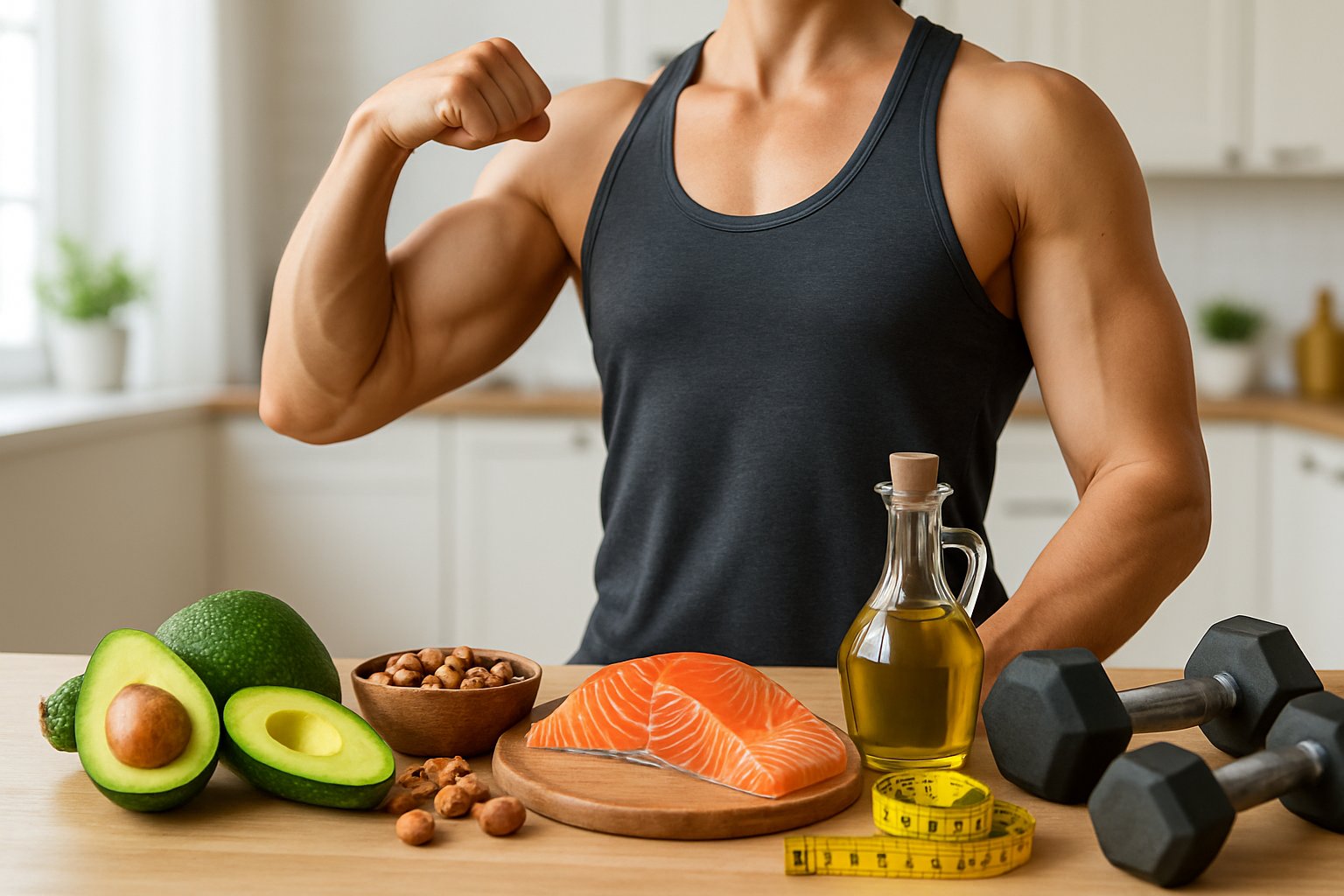
Getting enough fat is key for steady energy, hormone balance, and recovery when you’re building muscle on keto. The type of fat matters, too—some are just better for you, plain and simple.
How Dietary Fat Powers Strength and Recovery
With carbs out of the picture, your body leans on fat for fuel. In ketosis, you burn ketones—made from fat—which power your muscles and keep you from feeling wiped out.
Fats also help your hormones. You need them for testosterone and growth hormone, both of which are huge for muscle building. If you’re skimping on fat, those hormones can dip.
Don’t forget about vitamins. A, D, E, and K all need fat to be absorbed, and they each play a part in muscle repair and function. Getting a good mix of fats keeps your recovery on track.
Best Keto Fat Sources for Energy and Hormone Support
Whole, minimally processed fats are where it’s at. Avocado, olive oil, coconut oil, fatty fish (salmon, sardines), and nutsoffer a solid mix of healthy fats and nutrients.
| Food Source | Type of Fat | Key Benefit |
|---|---|---|
| Avocado | Monounsaturated | Supports heart and hormone health |
| Olive oil | Monounsaturated | Reduces inflammation and aids recovery |
| Coconut oil | Medium-chain triglycerides | Quick energy for workouts |
| Fatty fish | Omega-3 | Improves muscle repair and reduces soreness |
| Nuts | Mixed fats | Provides sustained energy and micronutrients |
Mixing up your fat sources during the day helps you hit your calorie goals without needing carbs. It also keeps your energy steady and supports hormones for muscle growth.
For a deeper dive into metabolic optimization, read How to Boost Metabolism on Keto: Proven Tips for Faster Fat Burning.
Electrolytes and Micronutrients for Maximum Performance
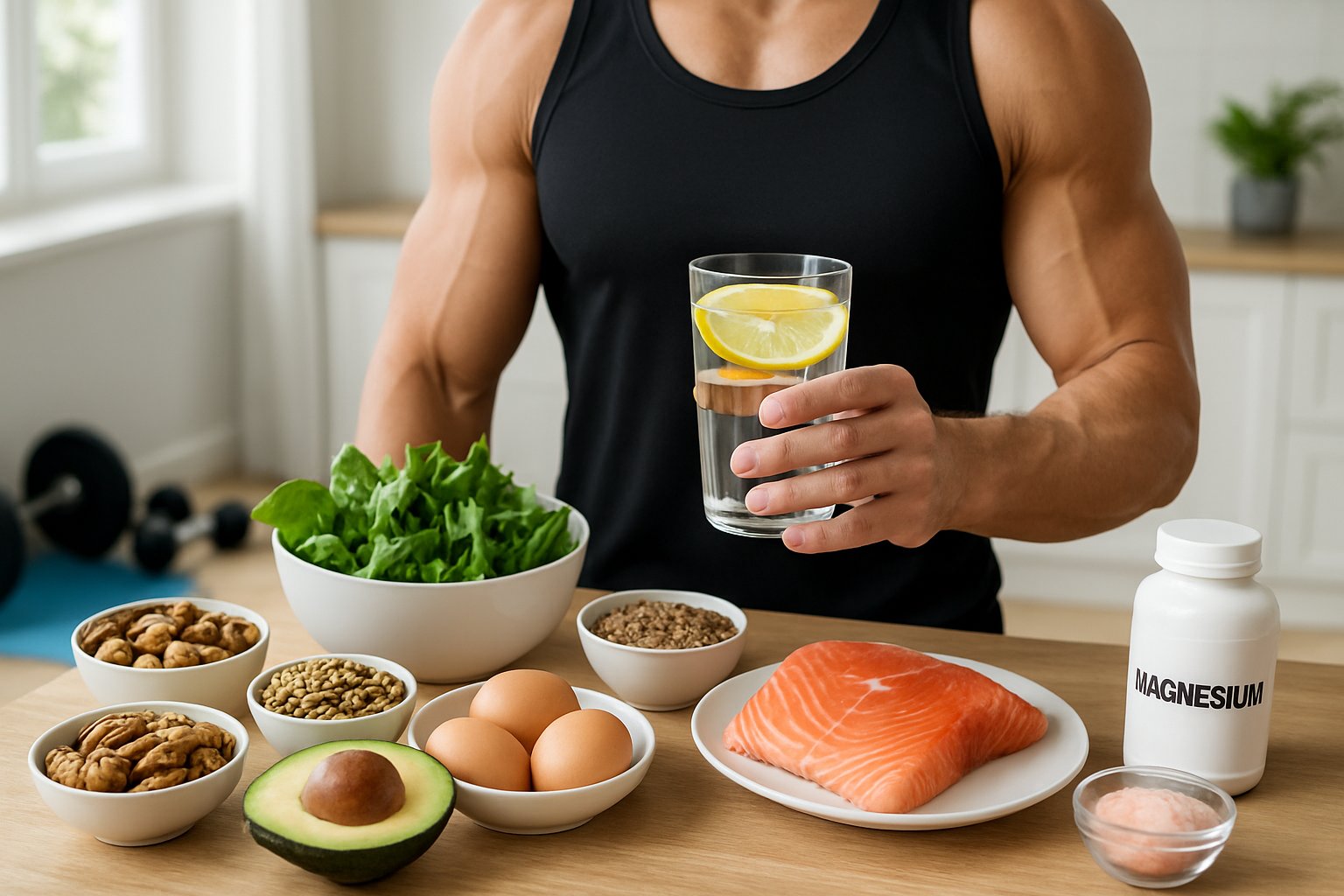
Electrolytes and micronutrients are easy to overlook, but they’re crucial for strength, recovery, and energy on keto. You need enough sodium, potassium, and magnesium to keep your muscles firing and your hydration in check.
Balancing Sodium, Potassium, and Magnesium on Keto
With fewer carbs, insulin drops and your kidneys flush out more sodium and water. That can drag potassium and magnesium down, too. If you’re not careful, you might feel wiped out or get muscle cramps.
Recommended daily intake ranges (approximate for active adults):
| Electrolyte | Typical Range | Common Keto Sources |
|---|---|---|
| Sodium | 3,000–5,000 mg | Salted meats, broth, olives |
| Potassium | 3,500–4,700 mg | Avocado, spinach, salmon |
| Magnesium | 300–400 mg | Almonds, pumpkin seeds, leafy greens |
Add salt to your meals, eat mineral-rich foods, or try keto-friendly electrolyte supplements if you need to. Watch for things like dizziness or twitchy muscles—those are clues you might need more minerals.
Hydration, Muscle Function, and Preventing Cramps
Electrolytes help your muscles contract and relax. If sodium or potassium gets too low, muscle signals get scrambled and cramps can hit. Magnesium helps muscles relax after working hard.
Hydration is tied to electrolytes, too. When glycogen drops, your body sheds water, so dehydration sneaks up fast. Drinking water with electrolytes keeps you in the game longer and supports endurance.
Many athletes on keto sip electrolyte drinks before and after workouts. It helps with muscle function and cuts down on post-workout fatigue.
We have pick the top seller electrolytes powder from Amazon, check them out below.
Carb Timing & Keto Variations for Muscle Gain

Managing carbs while on keto is a bit of a balancing act. The right approach can give you more energy for training and help refill muscle glycogen, all while staying fat-adapted.
Targeted vs Cyclical Keto for Strength Training
Targeted ketogenic diets (TKD) let you sneak in some carbs before or after a workout. Usually, it’s 20–50 grams of something fast-digesting, like fruit or rice, within an hour of training. It gives your muscles a quick boost without kicking you out of ketosis for long.
Cyclical ketogenic diets (CKD) throw in a high-carb day once or twice a week. These “refeeds” refill your glycogen and can help with recovery after heavy lifting. Typically, you’d eat 100–150 grams of carbs on refeed days, then go right back to strict keto.
| Approach | Carb Timing | Goal | Ketosis Impact |
|---|---|---|---|
| TKD | Around workouts | Support training energy | Minimal disruption |
| CKD | 1–2 refeed days/week | Refill glycogen stores | Temporary exit from ketosis |
Both methods can help you keep up your strength and volume, especially if you’re finding low glycogen tough.
When and How to Use Strategic Carb Intake for Performance
Strategic carbs are all about timing and portion size. Eating carbs 30–60 minutes before training can give you a quick jolt of energy. Post-workout carbs paired with protein help muscles bounce back faster.
Pay attention to how you feel. If your energy tanks or you’re not recovering well, try bumping up carbs around workouts a bit. Lower-glycemic options like berries or quinoa are good picks—they won’t spike your insulin as much.
If you train several days a week, small, regular carb boosts may work better than big refeeds. Checking your blood ketone levels can help you stay in ketosis while still getting the muscle benefits.
Best Supplements to Enhance Muscle Growth on Keto

Building muscle on keto takes more than just protein and lifting weights. Some supplements can boost your energy, help you recover, and make sure you’re getting the nutrients you need, especially when carbs are scarce. Honestly, the right ones can make a noticeable difference in how you feel and perform.
Creatine for Strength and Endurance
Creatine supports quick, high-intensity efforts by helping replenish adenosine triphosphate (ATP). ATP is the body’s main energy source when you’re lifting or doing sprints.
It lets your muscles push a bit longer before fatigue hits. That can mean more reps and bigger strength gains over time.
Most folks see results with a daily dose of 3–5 grams of creatine monohydrate. It doesn’t raise blood sugar or mess with ketosis, so it’s a good fit for keto athletes.
Creatine may also boost lean muscle mass by drawing more water into muscle cells. It can help maintain workout performance even when your carb intake is low.
| Benefit | Effect |
|---|---|
| Strength | Improves power output |
| Recovery | Reduces muscle fatigue |
| Muscle Growth | Enhances protein synthesis |
Other Effective Keto-Friendly Supplements for Growth
There are a handful of keto-friendly supplements that help with muscle repair and endurance. Branched-chain amino acids (BCAAs), especially leucine, can trigger muscle protein synthesis and slow down muscle breakdown during tough workouts.
Electrolytes—think sodium, potassium, and magnesium—are essential for preventing cramps and staying hydrated. That’s key for muscle contraction and recovery.
Fish oil gives you omega-3s to fight inflammation and aid muscle repair. Vitamin D is important for muscle function and bone strength, while a bit of caffeine can sharpen focus and boost endurance.
Mixing these supplements with enough protein helps with recovery and nutrient absorption. That’s especially useful for athletes training hard on a low-carb plan.
Support faster recovery and better performance with Nagano Tonic — formulated to enhance energy and metabolism naturally.
Recovery and Muscle Repair on Keto

Muscle recovery isn’t just about what you eat. Getting enough rest and deep sleep, along with proper nutrition, helps repair muscle fibers and refill your energy reserves on keto.
Managing hormones and using natural recovery methods can make a surprising difference in strength and endurance.
Rest Days, Sleep, and Hormonal Balance
Rest days let your muscles actually rebuild after you push them in the gym. On keto, where you’re running on less stored glycogen, you might need a bit more recovery time.
Training too often without breaks can bump up cortisol and slow down muscle repair. Not ideal.
Sleep’s a big deal here. Deep sleep is when your body releases growth hormone, which helps with protein synthesis and tissue repair.
Adults should shoot for 7–9 hours of solid sleep a night. It’s not always easy, but it’s worth it for hormone balance and muscle growth.
Low-carb diets can shift hormones like testosterone and cortisol. Eating enough calories and fat helps keep hormones in check.
Healthy fats from avocado, olive oil, and fatty fish are especially good for stabilizing the hormones that matter for recovery and strength.
Supporting Muscle Recovery Naturally
Timing your nutrients and staying hydrated can really speed up recovery. Getting in protein-rich foods like eggs, fish, or lean meat within an hour after training helps rebuild muscle.
Don’t forget electrolytes—sodium, potassium, and magnesium are crucial for muscle function and avoiding those annoying cramps you sometimes get on low-carb.
On rest days, light movement—walking, stretching, whatever feels good—can help with blood flow and getting rid of metabolic waste. It’s a gentle way to support recovery without overdoing it.
Supplements like creatine and BCAAs may help with strength and fighting fatigue. Pair those with consistent rest and balanced nutrition, and you’re setting yourself up for better muscle recovery on keto.
Learn how nutrition supports healing in our post on Top 10 Muscle Recovery Foods That Speed Up Healing (Includes Keto Options).
Tracking Your Progress and Adjusting Your Plan

Tracking real data is the only way to know if your keto muscle-building plan is working. It also shows how your food and workouts are changing your body over time.
How to Measure Muscle Gain and Fat Loss
Progress isn’t just about the number on the scale. You can lose fat and gain muscle at once, so body composition is what really matters.
Take body measurements—waist, chest, arms, thighs—every couple of weeks. Snap progress photos in the same lighting and pose for a clearer picture.
Tools like a DEXA scan, bioelectrical impedance scale, or skinfold test can help estimate muscle and fat percentages. They’ll catch changes a regular scale just can’t see.
Tracking strength numbers—like your squat, bench, or deadlift PRs—shows muscle gain too. Noticing faster recovery, steadier energy, or better sleep? Those are good signs your metabolic health is improving.
Sample tracking tools:
| Method | What It Measures | Frequency |
|---|---|---|
| DEXA Scan | Fat and lean mass | Every 3–6 months |
| Tape Measure | Circumference changes | Weekly or biweekly |
| Workout Log | Strength and endurance | Every session |
When to Adjust Nutrition and Training Intensity
If you’re stuck for more than three or four weeks, it might be time to tweak something. Maybe a slight bump in calories or a shift in protein intake is enough to get muscle growth going again without raising carbs.
Most keto athletes aim for 1.6–2.2 g of protein per kilogram of body weight daily. If your strength or energy drops, try adding a bit more fat to see if that helps performance.
As you get stronger, your training should change too. Add weight, sets, or reps to keep challenging your muscles.
But if you’re always sore or wiped out, it’s probably smart to cut back on volume or add an extra rest day. It’s all about listening to your body and adjusting as you go.
Check your data often—lifting numbers, sleep, appetite, whatever feels relevant. That way, you can keep your plan on track for your strength and body goals.
To help you tracking your progress, try these equipments from Amazon below.
Success Stories and Expert Tips

Athletes and coaches using keto for muscle growth all seem to agree on a few things: consistency, smart nutrition, and a solid training plan. Turns out, you can build strength and size without loading up on carbs—if you get your protein and calories right.
Insights from Keto Athletes and Strength Trainers
Plenty of bodybuilders and strength athletes have switched to keto to stay lean and keep muscle. Robert Sikes, aka Keto Savage, is a big fan of high-protein, moderate-fat keto for muscle gain without losing ketosis.
Trainers say progressive overload, good sleep, and keeping up with electrolytes are key for performance. Tracking macronutrients closely helps make sure you’re eating enough to grow.
| Key Focus | Practical Tip |
|---|---|
| Protein | 1.6–2.0 g per kg of body weight |
| Calories | Maintain a small surplus |
| Hydration | Increase sodium, potassium, and magnesium intake |
Some coaches suggest targeted carb timing before really tough workouts, or using MCT oil for quick energy. It’s a way to keep training hard without kicking yourself out of ketosis.
Real Transformations and Lessons Learned
Bodybuilders on keto often report steady lean mass gains with less fat. Many mention better focus and fewer energy crashes than when bulking on high carbs.
One lifter managed to keep carbs under 50 grams a day while still increasing his squat and bench for months. He credits tracking and meal planning for making it work.
Some common lessons:
- Eat enough calories, even if you’re not super hungry.
- Make resistance training your main focus for muscle growth.
- Keep an eye on ketone levels to make sure you’re still adapted.
With discipline and a bit of planning, building muscle and strength on keto is totally doable. It’s not always easy, but it’s definitely possible.
Improve flexibility and strength recovery with Hyperbolic Stretching—perfect for those training on keto.
Frequently Asked Questions

Building muscle on keto means paying close attention to your protein, calories, and how hard you’re training. Getting your macros right, using targeted workouts, and picking the right supplements can all help you hang onto strength and build lean mass in ketosis.
What are the optimal protein sources for muscle building on a ketogenic diet?
Top choices are eggs, poultry, fish, beef, pork, and dairy. They deliver all the essential amino acids your muscles need to repair and grow.
If you’re plant-based, look for tofu, tempeh, and low-carb protein powders from pea or hemp. They’ll help you hit your protein numbers without a carb overload.
How does one adjust macronutrient ratios for gaining muscle mass on keto?
For muscle gain, bump calories a bit above maintenance but keep carbs under 50 grams per day. Protein should be around 1.6–2.0 grams per kilogram of body weight, with the rest from healthy fats.
Tracking what you eat helps make sure you’re fueling workouts and recovery—without getting knocked out of ketosis.
Can you provide a sample workout routine that supports muscle growth in ketosis?
Go for compound lifts like squats, deadlifts, bench presses, and rows, 3–4 times a week. Aim for 3–4 sets of 6–12 repsper move to trigger muscle growth.
Shorter rest periods and always trying to lift a bit heavier help keep the intensity up, even if your glycogen’s a bit lower.
What are effective strategies to overcome strength plateaus while following a keto diet?
Try increasing your calories, mostly from fat, to get past a plateau. Adding targeted carbs before tough sessions can also give you a boost.
Don’t forget about sleep, hydration, and the occasional deload week. Sometimes, pulling back is what you need to move forward.
How does intermittent fasting impact muscle gain on a low-carb, high-fat diet?
Intermittent fasting can help with insulin control and burning fat, but long fasts might make it hard to eat enough protein and calories. To avoid muscle loss, get enough protein and break your fast with nutrient-dense meals that support recovery.
Try timing your workouts around your eating windows for better energy and muscle repair. It’s not always perfect, but it can work with some planning.
What supplements are recommended to enhance muscle growth for keto dieters?
Some tried-and-true supplements? Creatine monohydrate, electrolytes, and omega-3 fatty acids. These can do a lot for performance and recovery, especially if you’re pushing yourself in the gym.
If you’re aiming to hit your protein targets without piling on carbs, whey isolate or collagen protein are solid picks.
Others might notice a difference with vitamin D, magnesium, or even MCT oil. These can help keep energy up and support your muscles while you’re deep in ketosis.
Conclusion

Building muscle on a ketogenic diet really comes down to steady training, eating enough, and hitting your protein goals. Carbs aren’t strictly necessary for muscle growth, but you still need to pay attention to your energy and nutrients.
Key factors for success:
- Strength training: Regular resistance workouts spark muscle growth.
- Protein intake: Shoot for 1.4–2 g per kilogram of body weight every day.
- Calorie surplus: Eating a bit above maintenance helps build new muscle tissue.
If your main goal is muscle, a higher-protein keto style usually works best. Fat’s still your main fuel, but protein is what your muscles need to repair and grow.
| Focus Area | Recommended Approach |
|---|---|
| Training | Lift weights 3–5 times per week |
| Protein | 1.4–2 g/kg body weight |
| Carbs | Under 50 g/day (adjust if needed) |
| Fat | Fill remaining calories with healthy fats |
Some folks might do better with a targeted or cyclical keto approach, adding a few carbs around workouts for a little extra boost.
With a bit of planning, you can put on lean muscle, keep your strength up, and stay in ketosis—no need to load up on bread or pasta.