
Can You Lose Weight on Keto Without Exercise? A Detailed Guide
Can you lose weight on keto without exercise? Yes—but this is where most people get it wrong.
Keto does not require workouts to trigger fat loss. But removing exercise also removes a major buffer for mistakes. That means small execution errors—like overeating fat, misjudging portions, or misunderstanding ketosis—become the real reason progress stalls.
If your results are slower than expected, or not happening at all, the issue is usually not the lack of exercise—it’s how the diet is being executed.
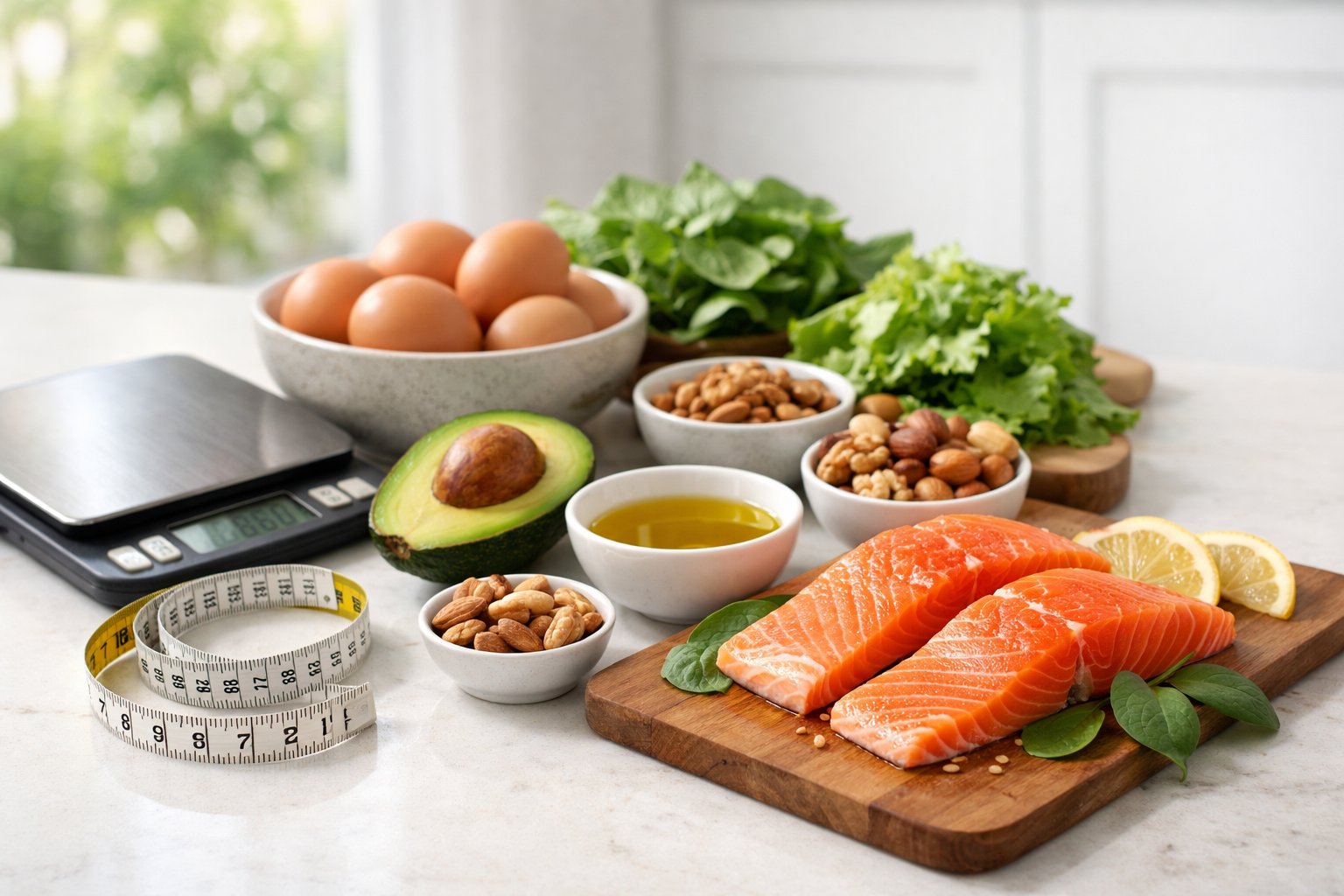
This guide will help you identify whether:
- keto is actually working
- your body is still adapting
- or your approach is preventing fat loss altogether
Can You Lose Weight on Keto Without Exercise (And Why It Sometimes Fails)

Yes, you can lose weight on keto without exercise—but this is exactly where most people misunderstand how the diet actually works.
Keto shifts your body into burning fat for fuel instead of carbohydrates. That alone can create the conditions for weight loss, even if you are not working out. Many people see early results simply by lowering carbs, reducing hunger, and naturally eating less.
However, removing exercise also removes a key margin of error.
When you’re active, your body burns additional energy, which can mask small mistakes in your diet. Without that buffer, issues like overeating fat, underestimating calories, or inconsistent carb intake become much more visible—and much more impactful.
This is why some people lose weight on keto without exercise, while others feel like nothing is happening at all.
The difference is not the absence of exercise.
It’s whether the diet is being executed in a way that actually supports fat loss.
This guide will help you determine:
- whether keto is working as expected
- whether your body is still adapting
- or whether your current approach is preventing results
Once you identify which situation you’re in, the next steps become much clearer—and much more effective.
Why Keto Fails Without Exercise (The Real Reasons)
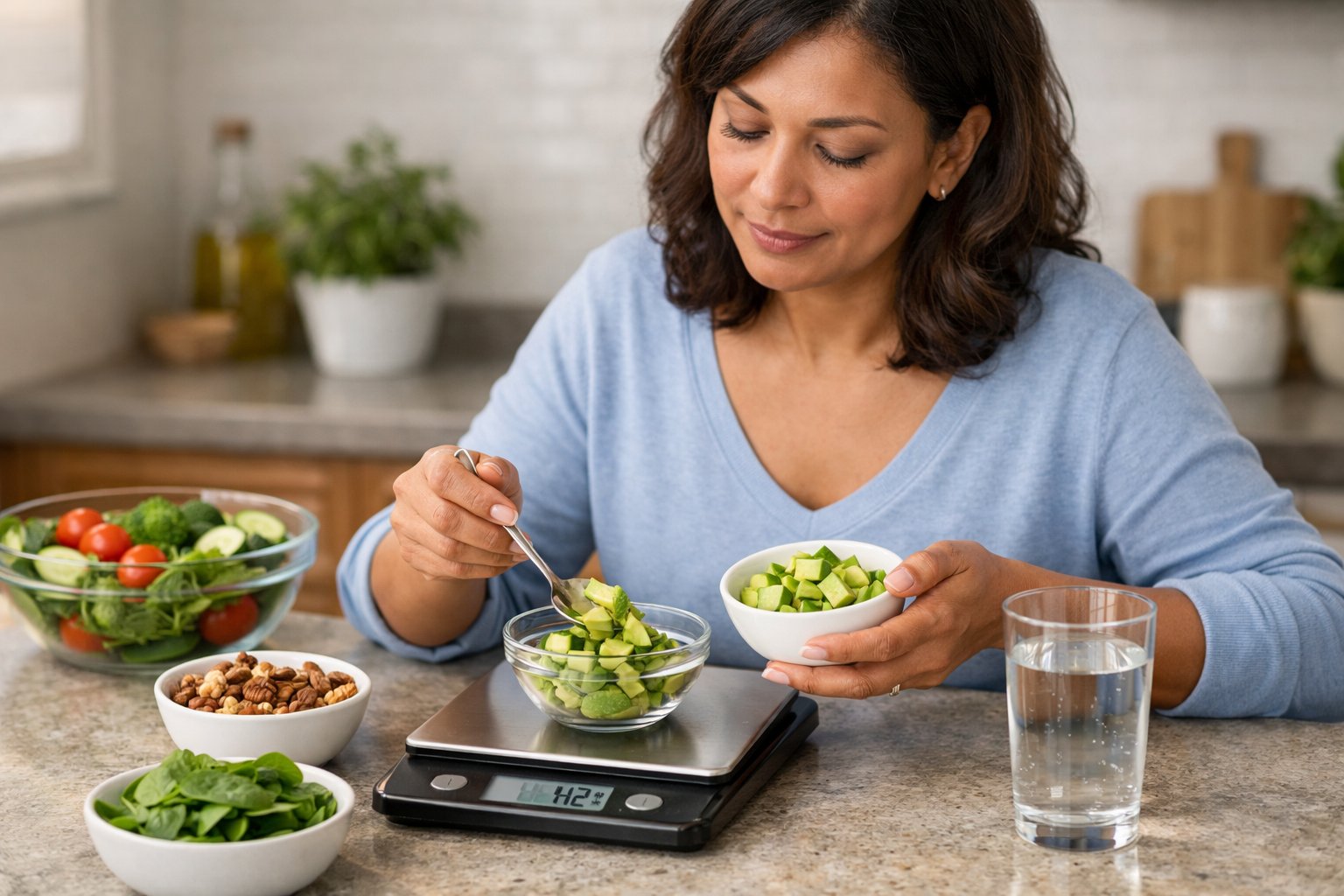
Exercise is not required for fat loss—but it does make the process more forgiving.
When you remove exercise, your results depend almost entirely on how accurately your diet creates a calorie deficit and maintains consistent ketosis. Even small mistakes that would normally go unnoticed can now stop progress completely.
This is why keto can feel like it’s “not working” without exercise. In reality, the diet is working—but the execution is off.
No Calorie Deficit Despite Ketosis
One of the most common misunderstandings is assuming that being in ketosis automatically leads to fat loss.
It doesn’t.
Ketosis simply means your body is using fat for fuel. But if you are consuming as much energy as you are burning—or more—you will not lose body fat.
This often happens because keto foods are highly calorie-dense. Even without feeling full, it’s easy to eat more than your body needs through oils, cheese, nuts, and fatty cuts of meat.
Many people assume exercise is the missing piece, but the real issue often comes down to why you may not be losing weight on keto despite following the diet.
Without exercise, your daily energy expenditure is lower, which means even small calorie surpluses can stop fat loss completely.
Overeating Fat Without Realizing It
Keto encourages higher fat intake, but that does not mean unlimited fat.
Fat contains more than double the calories per gram compared to protein or carbohydrates. This means small portions can quickly add up, especially if you are not tracking or paying attention to quantities.
Common patterns include:
- adding extra oils or butter “just in case”
- snacking on nuts or cheese without awareness
- relying heavily on high-fat processed keto foods
Without exercise to offset these calories, fat loss slows—or stops entirely.
The key shift is understanding that fat is a tool for energy, not a free pass to overeat.
Hidden Carbs and Food Quality Issues
Another reason keto fails without exercise is inconsistent carbohydrate intake.
Even small amounts of hidden carbs can disrupt ketosis or make it unstable, which affects both appetite control and fat burning efficiency.
These often come from:
- sauces, dressings, and condiments
- “low-carb” packaged foods
- dairy products with added sugars
Even small amounts of hidden carbs that sabotage keto can prevent fat loss without you realizing it.
Food quality also matters. A diet based on processed “dirty keto” foods may keep carbs low, but it often leads to overeating, poor satiety, and inconsistent results.
When exercise is not part of the equation, these details become critical.
Not Working vs Not Started vs Mis-executed
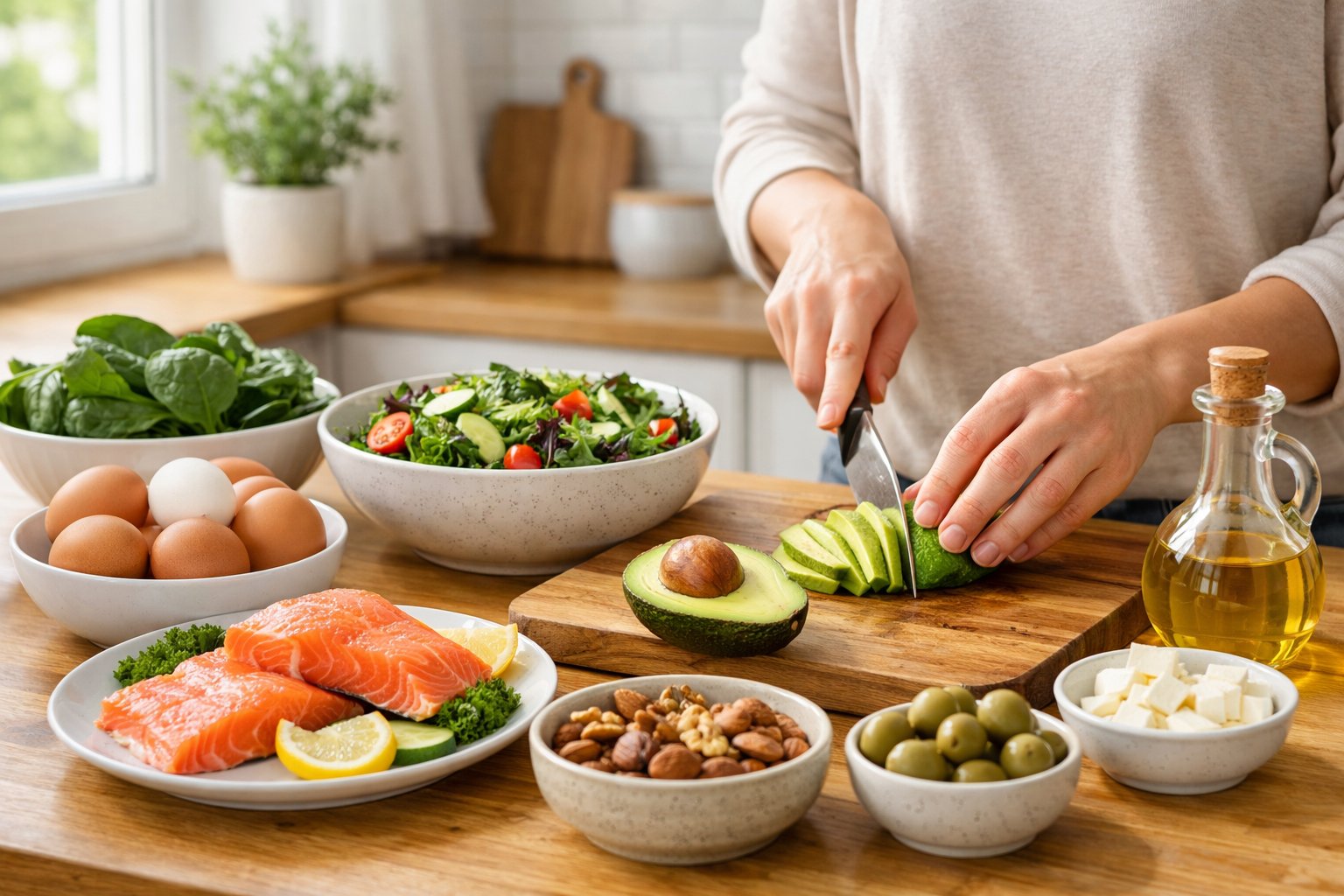
At this point, the key question is not whether keto works without exercise—it’s which situation you are actually in.
Most people who feel stuck fall into one of three categories:
- keto is working, but they are misreading the signals
- their body is still adapting
- or their approach is preventing fat loss
Identifying the correct category is what determines the right fix.
Signs Keto Is Working (But You Misread It)
In many cases, progress is happening—but not in the way people expect.
Common signs keto is working include:
- reduced hunger and fewer cravings
- more stable energy throughout the day
- less frequent snacking
- gradual (not dramatic) changes on the scale
Fat loss on keto is often slower and more consistent after the initial water weight drop. If you expect rapid weekly changes, normal progress can feel like failure.
Understanding how ketosis works in the body helps clarify why fat loss and ketone production are not always perfectly aligned.
Signs You’re Still Adapting
If you’re early in your keto journey, your body may simply not be fully adapted yet.
During the first 2–3 weeks:
- energy levels can fluctuate
- fat burning is not fully efficient
- weight loss may be inconsistent
This is a transition phase, not a failure.
In many cases, what feels like failure is just misunderstanding how long keto takes to start working during the adaptation phase.
Your body needs time to switch from glucose dependence to fat-based energy. Until that process stabilizes, results can appear slow or unpredictable.
Signs Your Approach Is Failing
If there is no progress at all over time, the issue is usually execution—not the lack of exercise.
Common signs of failure include:
- no weight change over several weeks
- constant hunger or frequent snacking
- difficulty staying within carb limits
- relying heavily on processed or “dirty keto” foods
The differences between dirty keto vs lazy keto can significantly impact results when exercise is not part of the equation.
At this stage, continuing the same approach will not produce different results. The strategy itself needs adjustment.
Quick Diagnosis: Why Keto Is Not Working Without Exercise
Use this to identify your situation before making changes:
If your weight is not changing at all:
- you are likely not in a calorie deficit
- you may be overeating fats
- hidden carbs may be interfering
This is an execution failure
If you lost weight early but now stalled:
- initial loss was mostly water
- your intake now matches your needs
- your body has adapted
This is a progression stall
If you feel better but results are slow:
- ketosis is working
- appetite may be reduced, but not enough for fat loss
- expectations may be too aggressive
This is misinterpretation of progress
If you’re within the first 2–3 weeks:
- your body is still adapting
- fat metabolism is not fully efficient yet
This is normal adaptation
Before assuming keto is not working, you need to identify which of these scenarios you’re actually in — because each one requires a completely different fix.
If you’re unsure whether your results are slow, stalled, or completely off track, this breakdown explains exactly why keto fails for most people and how to identify your specific issue.
How Ketosis Supports Fat Loss (But Doesn’t Guarantee It)

Keto works by changing how your body produces and uses energy—but that alone does not guarantee fat loss.
When carbohydrate intake is low, insulin levels drop. This allows your body to access stored fat more easily and convert it into ketones for fuel. At the same time, appetite tends to decrease, which makes it easier to eat less without forcing a calorie restriction.
This combination—fat as fuel + reduced hunger—is why many people can lose weight on keto without exercise.
However, this only works if your total intake stays below what your body needs.
Ketosis helps create the conditions for fat loss:
- more stable energy
- fewer cravings
- easier appetite control
But it does not override energy balance.
If you consistently eat more fat than your body requires, fat loss will slow down—even if you are technically in ketosis.
Understanding how ketosis works in the body helps clarify why fat loss and ketone production are not always perfectly aligned.
According to Harvard research on low-carbohydrate diets, reduced insulin levels and appetite control are key drivers of weight loss.
The key takeaway is simple:
- ketosis makes fat loss easier
- but execution determines whether it actually happens
Realistic Timeline Without Exercise

Without exercise, progress on keto tends to be more gradual—and easier to misinterpret.
Understanding the expected timeline helps prevent you from assuming something is wrong when it’s actually normal.
Water Loss vs Fat Loss
In the first week of keto, most of the weight you lose is water.
This happens because your body uses up stored glycogen, which holds onto water. As glycogen drops, water is released—leading to a quick drop on the scale.
This early loss can be motivating, but it is not a reflection of true fat loss.
After this phase, weight loss slows down significantly as your body transitions to burning stored fat.
Adaptation Phase Expectations
During the next 2–4 weeks, your body is still learning how to efficiently use fat for energy.
This phase often includes:
- fluctuating energy levels
- inconsistent weight changes
- slower visible progress
This is where many people assume keto is not working—especially without exercise to accelerate results.
In reality, this is a normal transition period.
Once adaptation stabilizes, fat loss becomes more consistent—but still gradual. Without exercise, expect steady progress rather than rapid changes.
How to Fix Keto Weight Loss Without Exercise

If keto is not producing results without exercise, the solution is not adding workouts—it’s correcting how the diet is being executed.
Without exercise, precision matters more. Small adjustments can make a significant difference because your results depend almost entirely on nutrition.
Macro Correction and Portion Awareness
The first priority is ensuring that your intake actually supports fat loss.
Many people on keto:
- eat too much fat
- underestimate portion sizes
- rely on “intuitive eating” too early
You don’t need strict tracking forever, but you do need awareness.
Focus on:
- keeping carbs consistently low
- eating enough protein to maintain muscle
- avoiding unnecessary added fats
The goal is not perfection—it’s making sure you are not unknowingly eliminating your calorie deficit.
Food Quality and Simplicity
When exercise is not part of your routine, food quality becomes more important.
Highly processed “keto-friendly” foods often:
- reduce satiety
- increase calorie intake
- make portion control harder
Shifting toward simple, whole foods improves consistency:
- eggs, meat, fish
- non-starchy vegetables
- natural fats in controlled amounts
This reduces decision fatigue and makes your intake more predictable.
Structured Meal Planning
Consistency is easier when your approach is structured.
Instead of guessing what to eat each day, a structured keto meal plan helps:
- control portions
- maintain proper macro balance
- reduce hidden mistakes
A structured keto meal plan can eliminate portion mistakes that often go unnoticed without exercise.
This becomes especially valuable when your results depend entirely on diet rather than activity.
What to Do If Keto Still Isn’t Working

If you’ve addressed macros, food quality, and consistency—and progress is still unclear—the issue is no longer a simple mistake.
At this stage, the problem is usually a lack of structure or personalization.
Without exercise, there is very little margin for error. Your intake, food choices, and overall approach need to align precisely with your body, your goals, and your lifestyle.
When your results still don’t make sense, it may help to look at a broader range of issues that commonly block progress. This breakdown of common keto problems can help you identify patterns you may have missed.
If your progress is inconsistent or unclear, a structured plan removes guesswork and ensures your approach is aligned with fat loss—not just ketosis.