
Clean Keto vs Dirty Keto: Why Keto Works for Some People but Fails for Others
Many people believe clean keto and dirty keto are simply two different ways to follow the same diet. Both keep carbohydrates low enough to reach ketosis, yet results often differ dramatically between individuals.
Some people experience steady fat loss and stable energy, while others struggle with stalls, fatigue, or inconsistent progress despite eating similar macros. The difference is rarely willpower — it is execution.
This confusion commonly appears in people who are not losing weight on keto despite technically following low-carb rules.
This guide explains how clean keto and dirty keto affect metabolic stability, why one approach often leads to hidden mistakes, and how choosing the right execution style determines whether keto works consistently.
The Real Problem Behind Clean Keto vs Dirty Keto Confusion

At first glance, clean keto and dirty keto appear to be simple variations of the same diet. Both restrict carbohydrates, increase fat intake, and aim to keep the body in ketosis. Because the macronutrient targets look similar, many people assume the two approaches produce equivalent results.
The confusion begins when outcomes differ. Some individuals experience steady fat loss, stable energy, and consistent progress, while others encounter plateaus, fatigue, or unpredictable results despite following keto rules closely. This gap leads many to believe keto itself is unreliable, when the real issue lies in how the diet is executed.
Clean keto and dirty keto are not merely food preferences — they represent different levels of metabolic stability. Clean keto emphasizes predictable inputs through whole foods and nutrient density, while dirty keto prioritizes convenience and macro compliance. Although both approaches can technically maintain ketosis, they do not create the same internal environment for sustained fat adaptation.
Ketosis depends on consistency more than perfection. Small variations in ingredient quality, hidden carbohydrates, and food processing can influence hunger signals, energy regulation, and ketone production over time. When these factors fluctuate daily, the body receives mixed metabolic signals, making progress less reliable even when carbohydrate intake appears controlled.
This confusion commonly appears in people who are not losing weight on keto despite technically following low-carb guidelines. The problem is rarely effort or discipline; it is misunderstanding the difference between being in ketosis occasionally and maintaining a stable ketogenic state that supports long-term results.
Understanding this distinction reframes the clean keto vs dirty keto debate. The real question is not which version is “better,” but which execution style creates the consistency required for keto to work predictably.
What Clean Keto Actually Optimizes
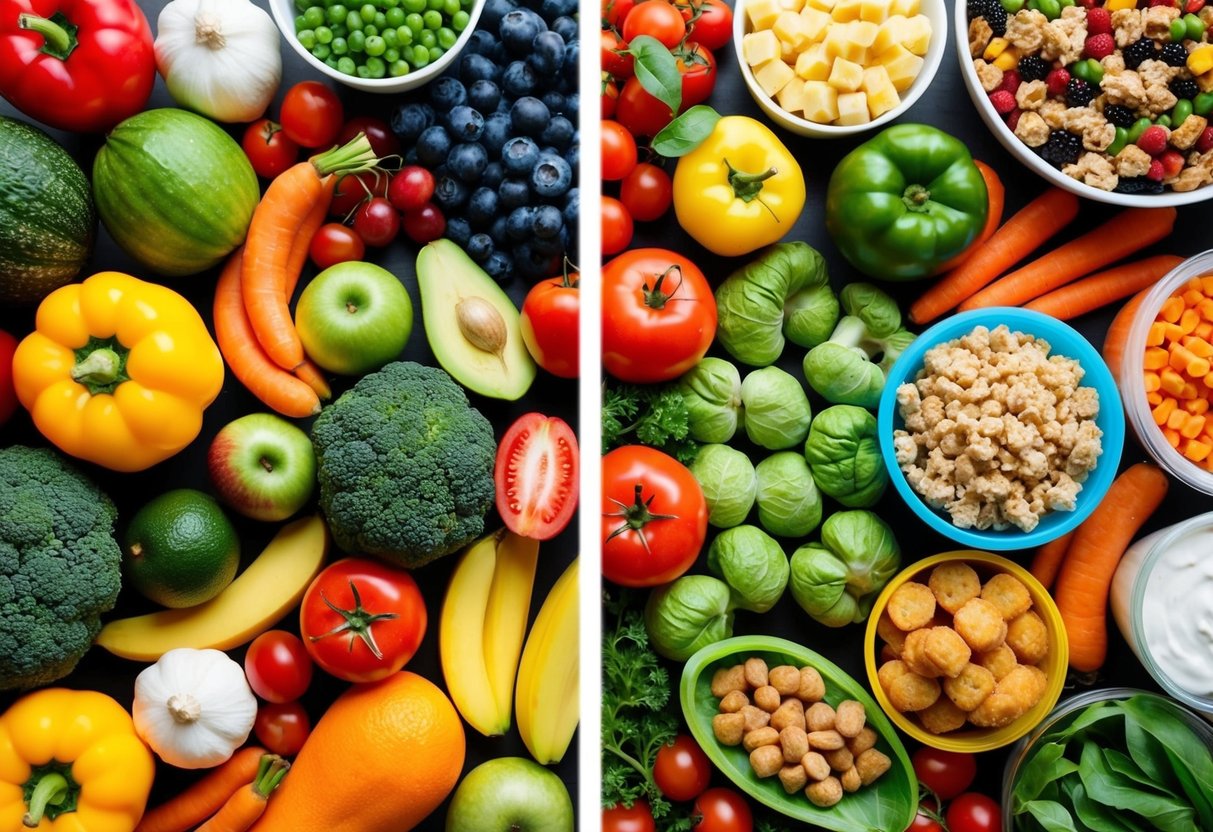
Clean keto is often described as a healthier version of the ketogenic diet, but its real advantage is not simply nutrition quality — it is metabolic stability. By emphasizing whole, minimally processed foods, clean keto reduces variability in carbohydrate intake, nutrient availability, and hormonal responses that influence how consistently the body remains in ketosis.
Rather than focusing only on macronutrient ratios, clean keto improves the reliability of the diet itself. When food inputs remain predictable, the body adapts more efficiently to fat metabolism, making energy levels and fat loss outcomes more stable over time.
Nutrient Density and Metabolic Stability
Whole foods naturally contain vitamins, minerals, fiber, and fatty acids that support metabolic regulation during ketosis. Nutrients such as magnesium, potassium, and B vitamins play essential roles in energy production, nerve signaling, and hydration balance — systems that are heavily stressed during early keto adaptation.
Because clean keto meals typically include vegetables, quality fats, and minimally processed proteins, nutrient intake tends to remain more consistent. This consistency helps regulate appetite, reduces energy crashes, and supports smoother adaptation to fat burning.
Stable nutrient intake also reduces the likelihood of compensatory behaviors such as excessive snacking or cravings, which can unintentionally increase carbohydrate exposure. Over time, this creates a more predictable metabolic environment where ketosis becomes easier to maintain rather than constantly re-establish.
Comparing meals against a reliable keto food list helps reinforce these stable food choices and reduces the chance of accidental carb increases.
Why Whole Foods Reduce Hidden Execution Errors
One of the most overlooked advantages of clean keto is error reduction. Whole foods typically contain fewer additives, hidden sugars, and processing variables than packaged alternatives. This lowers the risk of unintentionally exceeding carbohydrate limits.
Processed foods often rely on flavor enhancers, fillers, or labeling practices that obscure true carbohydrate exposure. Whole foods, by contrast, make intake easier to understand and control. A meal built from eggs, vegetables, olive oil, and fresh protein sources produces far fewer unknown variables than one assembled from packaged “keto-friendly” products.
This simplicity minimizes what can be called execution noise — small inconsistencies that accumulate and interfere with results. By reducing hidden variables, clean keto improves dietary accuracy without requiring stricter restriction or constant tracking.
As a result, clean keto does not necessarily work because it is stricter, but because it creates fewer opportunities for invisible mistakes that disrupt ketosis consistency.
Understanding when adaptation normally stabilizes helps explain why execution differences matter early in the transition..
What Dirty Keto Prioritizes Instead

Dirty keto follows the same low-carbohydrate framework as clean keto but shifts the priority from food quality to macronutrient compliance and convenience. As long as carbohydrate intake remains within target range, the source of those carbs is considered less important.
This flexibility can make dirty keto easier to follow in the short term. Fast food without buns, processed meats, packaged snacks, and “keto-labeled” desserts allow individuals to maintain low carb intake without major lifestyle adjustments. However, this convenience often introduces variability that affects metabolic consistency over time.
While dirty keto can technically maintain ketosis, it frequently increases exposure to hidden carbohydrates, ingredient fluctuations, and inflammatory inputs that influence how reliably the body adapts to fat burning.
Convenience Over Stability
Dirty keto appeals to people who value simplicity and speed. Meals may include:
- Fast food proteins without bread
- Processed cheese and deli meats
- Low-carb wraps or tortillas
- Packaged keto desserts or bars
These foods may fit macronutrient targets, but they often rely on industrial processing, preservatives, and variable ingredient blends. Even when carb counts appear low on labels, real-world serving sizes and cumulative intake can differ significantly.
Convenience-based eating patterns also increase the likelihood of eating outside controlled environments, where preparation methods and hidden ingredients are not fully visible. Over time, this variability makes it harder to maintain consistent ketone production.
Hidden Carbs and Processed Food Variability
Processed foods introduce greater uncertainty into a ketogenic diet. Labeling regulations allow rounding of carbohydrate values, and ingredients such as starches, fibers, or sugar alcohols may affect individuals differently. Small discrepancies that seem insignificant in isolation can accumulate across multiple meals.
This variability mirrors the patterns seen in hidden carbs on keto, where minor, repeated exposures quietly disrupt fat burning without obvious dietary mistakes.
Because dirty keto relies more heavily on packaged and restaurant foods, the probability of hidden carb accumulation increases. Even if daily totals appear compliant on paper, metabolic responses may fluctuate enough to slow fat loss or reduce energy stability.
The issue is not that dirty keto is inherently ineffective. The issue is that it increases execution complexity. When ingredient quality, preparation methods, and portion sizes vary daily, the body receives mixed signals about fuel availability.
Over time, this inconsistency can make keto feel unpredictable — not because ketosis fails, but because dietary inputs are less stable.
Why Dirty Keto Often Leads to Stalled Results

Dirty keto can produce initial weight loss because carbohydrate intake remains low enough to trigger ketosis. However, over time, many people notice that progress slows or becomes inconsistent despite maintaining similar macros. This pattern is often mistaken for metabolic adaptation, when in reality it reflects reduced dietary stability.
Ketosis is not a binary switch that guarantees continuous fat loss. It is a metabolic state that depends on consistent signals. When food quality, ingredient composition, and carbohydrate exposure fluctuate, the body may shift between deeper and shallower levels of ketosis without the individual realizing it.
Several mechanisms explain why dirty keto more frequently leads to stalls:
- Hidden carbohydrate accumulation from sauces, processed foods, and portion variability
- Increased inflammation from low-quality fats and additives, which may affect appetite and recovery
- Greater hunger volatility, leading to subtle calorie increases
- Electrolyte inconsistencies, particularly when nutrient density is low
These inconsistencies often become more visible during the metabolic adaptation stages when the body is trying to stabilize fat burning but receives mixed signals from inconsistent food quality.
The result is a pattern where weight loss slows gradually rather than stopping abruptly. Energy may fluctuate. Cravings may increase. Ketone levels may become less predictable. Because carbohydrates are technically restricted, the stall feels confusing and difficult to diagnose.
This confusion commonly appears in people who are not losing weight on keto despite technically meeting carb targets. The issue is not that dirty keto “doesn’t work,” but that it increases the probability of small execution errors that accumulate over time.
When these variables compound, progress becomes inconsistent — and inconsistency is the enemy of sustained fat adaptation.
False Compliance — When Keto Looks Correct but Stops Working

One of the most confusing experiences on keto happens when effort remains consistent but results begin to slow or disappear. Meals appear keto-friendly, carbohydrates seem controlled, and daily habits feel unchanged — yet fat loss stalls. This situation is often the result of false compliance.
False compliance occurs when dietary choices meet keto rules on paper but fail metabolically in practice. Because both clean keto and dirty keto can maintain low carbohydrate intake, individuals may assume that any keto approach should produce similar outcomes. However, execution differences can quietly influence how stable ketosis actually remains.
Dirty keto increases the likelihood of false compliance because processed foods introduce hidden variables. Ingredient substitutions, labeling inconsistencies, added fillers, and preparation methods can slightly alter carbohydrate exposure or metabolic response without obvious signs. Over time, these small inconsistencies accumulate and reduce fat-burning efficiency.
The body responds to patterns rather than intentions. When food quality varies daily, signals related to hunger, energy regulation, and fuel availability become less predictable. This creates a metabolic middle ground — not fully carbohydrate-dependent, but not consistently fat-adapted either.
Common signs of false compliance include:
- Progress slowing despite unchanged habits
- Energy levels fluctuating throughout the day
- Increased cravings or appetite variability
- Difficulty identifying what changed in the diet
Because the diet appears correct, troubleshooting often focuses on stricter restriction, longer fasting, or increased exercise. These adjustments may increase frustration while leaving the real issue unresolved.
If keto looks correct but results keep stalling, read Why Keto Is Not Working for Me to diagnose the execution mistakes most beginners never recognize.
How to Choose the Right Keto Approach for Your Body

The decision between clean keto and dirty keto should not be framed as a moral choice or a lifestyle identity. It is an execution strategy. The real question is which approach creates the level of stability your metabolism requires to produce consistent results.
Some individuals tolerate ingredient variability well and still maintain steady fat loss. Others are more sensitive to hidden carbs, processed ingredients, or nutrient gaps and experience stalls quickly when food quality declines. Understanding your personal response pattern is more important than following rigid rules.
Clean keto tends to offer greater predictability because whole foods reduce hidden variables. Meals built from minimally processed ingredients make carbohydrate intake easier to measure and metabolic signals more consistent. This can be especially important during early adaptation or after a stall, when the body needs stable inputs to restore momentum.
Dirty keto may be sustainable for short periods or specific situations where convenience is necessary. However, if progress becomes inconsistent, reverting to cleaner food sources often helps eliminate unknown variables that interfere with fat burning.
Several factors can guide your decision:
- Are results steady or frequently stalling?
- Do energy levels fluctuate significantly?
- Are cravings increasing despite staying within carb targets?
- Is most food coming from packaged or restaurant sources?
If stalls are recurring, improving food quality may resolve the issue without further calorie restriction or extreme adjustments. Learning how to personalize your keto diet helps align food structure with your individual carb tolerance, metabolic response, and lifestyle demands.
Ultimately, the best keto approach is the one that produces consistent results without constant troubleshooting. Stability — not strictness — determines long-term success.
Diagnostic Summary — Clean vs Dirty Keto Is an Execution Decision
Clean keto and dirty keto are often presented as two equal variations of the same diet, but their real difference lies in execution reliability. Both approaches can technically achieve ketosis, yet they do not create the same level of metabolic consistency.
Clean keto reduces uncertainty by relying on whole, minimally processed foods. This lowers exposure to hidden carbohydrates, stabilizes nutrient intake, and helps the body maintain predictable fat-burning conditions. Dirty keto, while more flexible, introduces greater variability through processed foods, ingredient inconsistencies, and hidden inputs that can quietly interfere with results.
When keto stops producing expected progress, the problem is rarely carbohydrate restriction itself. More often, it is a mismatch between dietary execution and metabolic stability. Small inconsistencies accumulate over time, creating stalls that feel confusing because meals still appear keto-compliant.
The key diagnostic insight is simple:
- Ketosis alone does not guarantee progress
- Macro compliance does not equal metabolic consistency
- Food quality influences execution accuracy
- Consistency determines whether keto works long term
Understanding clean keto vs dirty keto as an execution decision — rather than a debate about which diet is “better” — helps shift focus toward stability and personalization.
When food choices keep creating inconsistent results, structured personalization removes the guesswork.