
Counting Net Carbs on Keto: Why It Isn’t Always Enough
Counting net carbs is one of the first things most people learn when starting a ketogenic diet. Staying below a daily carbohydrate limit is important, so it’s easy to assume that accurate carb tracking guarantees success.
Unfortunately, keto isn’t quite that simple. Even when your net carb calculations are correct, hidden ingredients, inaccurate portion estimates, processed keto products, inconsistent eating habits, or unrealistic expectations can still prevent the results you’re hoping to achieve.
That’s why successful keto isn’t just about hitting a specific number. It’s about understanding how your food choices, tracking habits, and overall consistency work together.
This guide explains why counting net carbs on keto is helpful but not always enough, how small tracking mistakes can accumulate over time, and what else you should review if progress has stalled.
Counting Net Carbs on Keto: Is It Enough?
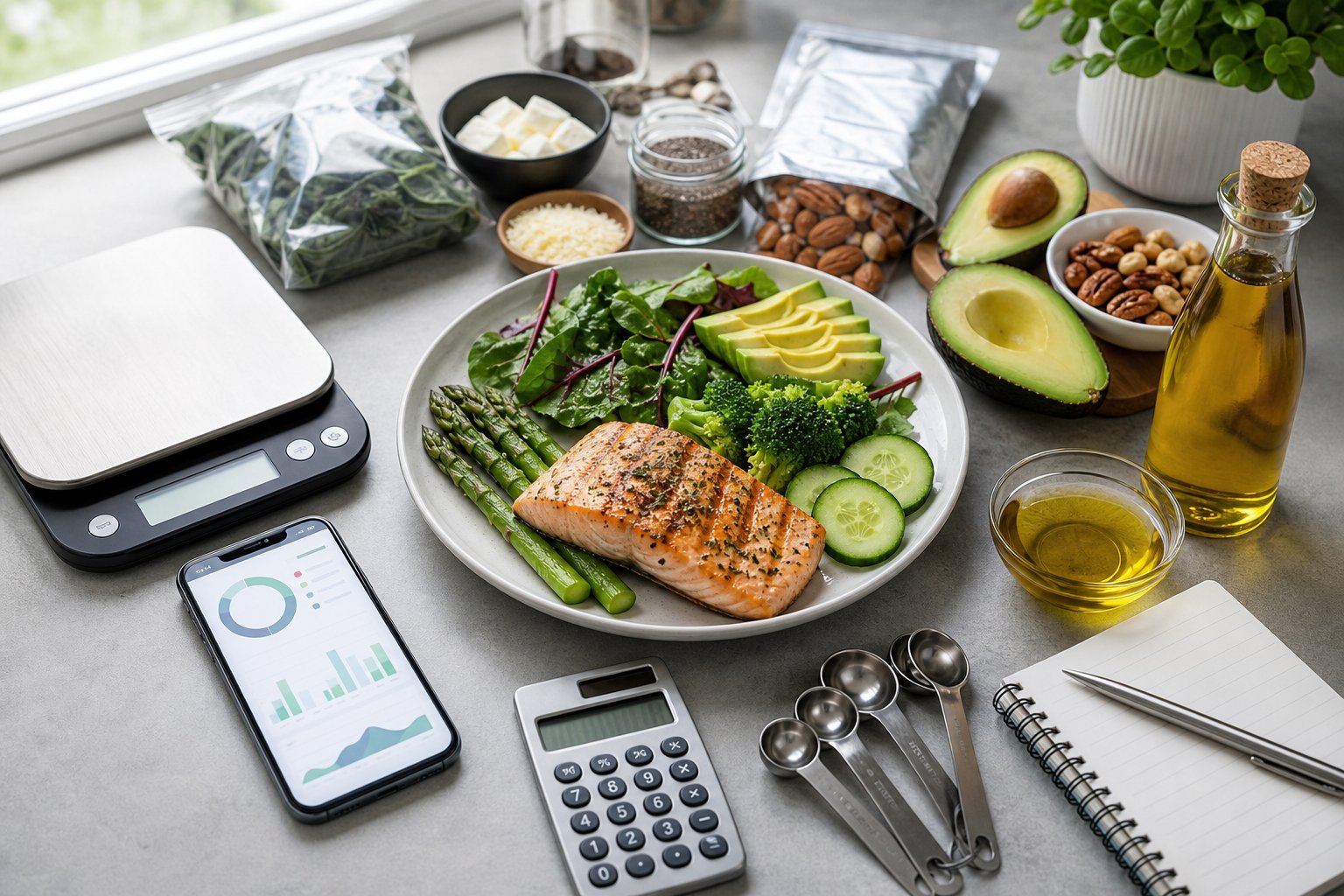
Tracking net carbs gives you a target, sure, but that number isn’t a magic ticket. Some people count obsessively and still wonder why nothing’s happening—or why they can’t seem to hit ketosis.
Why Many Beginners Trust the Numbers Too Much
When folks start keto, they often think staying under their net carb limit is all that matters. They crunch the numbers, feel confident, and expect smooth sailing.
Here’s the catch: net carb counting ignores food quality and hidden stuff in packaged foods. You could technically stay under 20 net carbs by eating nothing but low-carb bars and shakes all day.
But those products? They’re loaded with additives, weird oils, and sugar alcohols that can mess with different people in unpredictable ways.
Some sugar alcohols—like maltitol—can actually spike blood sugar, even though they’re “subtracted” in the net carb math. And artificial sweeteners? They sometimes trigger cravings or just throw people off, even if the numbers look right.
Trusting the label without digging deeper is a classic beginner trap. If something fits the formula, it doesn’t always mean it’ll help you stay in ketosis or lose weight.
What Net Carbs Can—and Can’t—Tell You
Net carbs measure digestible carbs—the ones that usually raise blood sugar. It’s a handy way to include veggies and skip counting carbs that don’t get absorbed.
What net carbs actually show:
- How many digestible carbs are in a food
- If something fits your daily carb budget
- Which veggies and nuts are usually keto-friendly
What net carbs miss:
- How your body actually handles certain sugar alcohols
- Blood sugar spikes from eating too much protein
- The impact of processed ingredients and additives
- Whether you’re truly in ketosis (the number can’t tell you that)
The formula assumes everyone’s the same, but honestly, people’s metabolisms are all over the place. One person might handle erythritol just fine, while another gets thrown off. Net carb math just can’t predict it.
Why Good Tracking Doesn’t Always Mean Good Execution
You can track net carbs perfectly and still miss the mark. It’s easy to stare at the numbers and overlook stuff like meal timing, protein overload, stress, or even lousy sleep.
Keto tracking falls apart when people:
- Pile on too much protein (which can turn into glucose)
- Snack all day, even on “approved” foods
- Choose processed stuff instead of real food
- Ignore hunger cues and force weird eating windows
Someone might stay under 20 net carbs but eat six times a day, keeping insulin up. Another person might track everything but eat 200 grams of protein, knocking themselves out of ketosis.
The numbers look good, but the body cares about more than just math. That’s probably why so many folks complain keto isn’t working—even when they’re tracking like pros.
Triage — Could Carb Tracking Be Your Weakest Link?
When weight loss stalls or ketosis is hit-or-miss, carb tracking is often the first thing to check. But before you blame the whole diet, it’s worth asking if your tracking is actually on point—or if something else is going on.
Signs Your Carb Tracking Is Probably Accurate
Tracking is probably solid when:
- You use a digital scale instead of measuring cups
- You log food right after eating—not hours later from memory
- Your meals are mostly whole foods, not packaged keto snacks
- You double-check serving sizes on every label
- You only subtract fiber and maybe erythritol—not all sugar alcohols
- Your daily totals are pretty consistent, not all over the place
People who track well also tend to:
- Compare nutrition info from a few sources if they’re unsure
- Count cooking oils, condiments, and those tiny bites throughout the day
- Update their food logs if brands change recipes
- Re-weigh foods sometimes instead of guessing after a while
Signs Your Tracking May Be Inaccurate
Common keto tracking slip-ups:
- Using cups and tablespoons for calorie-dense stuff
- Trusting restaurant nutrition numbers without thinking about how it’s cooked
- Forgetting coffee creamers, dressings, or cooking fats
- Picking generic database entries instead of the actual brand
- Subtracting all sugar alcohols, including ones that don’t really “count”
- Not noticing the difference between raw and cooked meat weights
Hidden carbs sneak in through:
- Sugar-free snacks with maltodextrin or dextrose
- Processed meats with added starch or sugar
- Restaurant dishes with mystery sauces
- Supplements or meds with carb-based fillers
- Nut flours that settle and get denser over time
It’s worth checking the total carbs on every label—even the ones that seem safe. Those little surprises add up.
Signs Another Problem Is More Likely
If your tracking looks good but progress is still stuck, maybe it’s one of these:
- Too much protein, so your body makes extra glucose
- Total calories are just too high
- Sleep deprivation is messing with your hormones
- Chronic stress is keeping cortisol up
- Insulin resistance means you need even fewer carbs
- Some medications make ketosis or weight loss harder
Other hints:
- You track everything, but portions have crept up
- Weight loss started but then just… stopped
- Ketone readings are low, even though carbs are restricted
- Digestive issues or food intolerances are causing inflammation
If you’ve ruled out tracking mistakes, maybe it’s time to look at metabolism or talk with a doctor.
Diagnostic Summary — Which Situation Best Fits You?
Most people counting net carbs fall into a handful of categories. Each one needs a different fix—there’s no one-size-fits-all answer.
Your Carb Tracking Is Probably Reliable
If you’re weighing and measuring everything, tracking every ingredient, and your food log is rock-solid week after week—you’re probably not making basic tracking mistakes.
Clues this is you:
- You use a digital scale for everything
- You log food before you eat it
- You check every label
- You measure oils, sauces, and dressings
- You track fiber and sugar alcohols separately
If keto still isn’t working, it’s probably about food quality, stress, sleep, or metabolism—not the carb math. Time to look past the numbers.
Maybe it’s worth asking what kinds of foods you’re eating, not just how many carbs. Sometimes the ingredients or timing matter more than the totals.
Small Tracking Errors Are Adding Up
This is super common—people track most things but estimate here and there. Eyeballing a tablespoon, grabbing a handful of nuts, or skipping a splash of cream can add up fast.
Where mistakes sneak in:
- Guessing portion sizes
- Assuming veggies are “free” and not weighing them
- Forgetting about condiments or cooking fats
- Logging generic foods instead of specific brands
- Rounding carb counts down
You might think you’re eating 20 net carbs, but it’s actually 30 or more. That explains a lot of keto stalls.
The fix? Go strict for a couple weeks. Weigh everything, even the pre-portioned stuff. Log oils, double-check those “zero carb” foods. Sometimes that’s all it takes to get things moving again.
Food Choices Matter More Than Carb Math
It’s possible to hit your net carb goal with foods that just don’t support ketosis. Some sugar alcohols still spike blood sugar. Processed “keto” products can trigger inflammation or cravings.
Problem foods that mess things up:
- Maltitol, sorbitol, and other tricky sugar alcohols
- “Keto bread” with wheat protein isolates
- Protein bars with weird fiber blends
- Artificial sweeteners that might spike insulin
- Seed oils in packaged snacks
Some people follow all the rules, but their food choices hold them back. Eating 20 net carbs of packaged stuff isn’t the same as 20 net carbs of veggies and real food.
Switching to whole foods—meat, eggs, fish, veggies, healthy fats—can make a huge difference, even if your carb total stays the same. Quality really does matter.
Your Overall Keto Plan Needs Review
Sometimes, the net carb math is fine, but something else is blocking progress. This is when it’s time to look at your whole approach, not just the numbers.
Things to consider:
- Protein: Too much can kick you out of ketosis
- Stress: High cortisol can mess with blood sugar
- Sleep: Bad sleep wrecks your hormones
- Meal timing: Eating all day keeps insulin up
- Medications: Some prescriptions make keto tougher
At this point, you might need to tweak protein, address stress or sleep, or even try intermittent fasting. Sometimes, it’s about working with a pro to figure out what’s really going on.
If your carb tracking looks accurate but keto still isn’t producing the results you expected, it’s time to review the other execution mistakes that commonly prevent progress.
→ Why Keto Is Not Working for Me
Why Net Carbs Are Helpful—but Not Perfect

Net carbs give people a handy way to track carbs on keto, but honestly, they’re not flawless. Understanding the ins and outs of net carbs can help folks make smarter choices about what actually counts on keto.
The American Diabetes Association explains that carbohydrate counting is a useful tool for meal planning, but it works best when combined with appropriate food choices, portion awareness, and overall dietary quality.
How Net Carbs Are Calculated
Net carbs are meant to show the digestible carbs that actually impact blood sugar. The basic idea is to subtract fiber and sugar alcohols from total carbs.
Basic calculation: Total Carbs – Fiber – Sugar Alcohols = Net Carbs
Say a snack has 15 grams of total carbs, 8 grams of fiber, and 2 grams of sugar alcohols. That leaves you with 5 net carbs. This assumes fiber just passes through without budging blood sugar, and sugar alcohols barely matter for ketosis.
But it’s not always that simple. Different fibers and sugar alcohols can act very differently in your body. Maltitol, for example, can spike blood sugar almost like regular sugar does.
Why They’re Useful for Most Beginners
Net carbs make keto a little less intimidating for newbies. It opens up more food options while still keeping carbs low enough for ketosis.
Counting net carbs instead of total means you get to eat more veggies. Leafy greens, broccoli, cauliflower—all that fiber doesn’t hit your daily carb limit. That means more vitamins and minerals, which is always a win.
Tracking net carbs also dials down the strictness. If you’re aiming for 20 net carbs, you might eat 30 total as long as 10 are from fiber. That bit of wiggle room can make keto feel less like a punishment.
Honestly, most people find net carb counting less stressful than trying to track every single gram. It makes meal planning, and even eating out, a bit less of a headache.
Their Biggest Limitations
But net carbs don’t tell the full story. Food companies have figured out how to use that calculation to market “keto-friendly” foods that might actually stall your progress.
Common problems with net carb tracking:
- Sugar alcohols don’t all act the same in your body
- Low-carb processed foods can sneak in hidden carbs
- People react differently to fiber and sugar alcohols
- The formula ignores how protein can affect ketosis
Some folks get blood sugar spikes from foods with low net carbs but high total carbs. Take a protein bar with 4 net carbs and 25 total—most of those “extras” are fiber and sugar alcohols, but your body might still react.
There’s also almost no regulation on net carb claims. Brands use their own math to make things look better than they are. It’s a sneaky move that can knock you out of ketosis before you know it.
Common Mistakes When Counting Net Carbs
Even careful net carb counters slip up. Most errors come from guessing portions, missing little things, or just trusting labels without double-checking.
Estimating Portions Instead of Measuring
Let’s be real: most of us underestimate how much we’re eating. A handful of almonds? It’s probably two or three servings, not one.
Visual estimates are rarely accurate. People think they’re pouring a quarter cup of cheese, but it’s closer to half a cup. That small mistake adds a couple grams of carbs right there.
The foods most likely to trip people up include:
- Nuts and seeds
- Cheese
- Nut butters
- Cooking oils (they’re sneaky with calories, not carbs)
- Low-carb veggies like broccoli and cauliflower
Using a digital food scale is a game changer. Weighing food for just a week can be eye-opening. Most people find they’re eating way more than they thought—sometimes 30-50% more. It’s honestly kind of shocking.
Forgetting Condiments and Drinks
Sauces, dressings, and drinks add up faster than you’d think. A tablespoon of ketchup has 4 grams of carbs, and most people use more than that without logging it.
Eating out makes it even tougher. Dressings, marinades, and glazes often hide sugar. That “healthy” grilled chicken salad? The dressing alone could sneak in 10-15 grams of carbs.
Common things people forget to log:
| Item | Net Carbs |
|---|---|
| Ketchup (1 tbsp) | 4g |
| BBQ sauce (2 tbsp) | 10-16g |
| Coffee creamer (2 tbsp) | 5g |
| Flavored water | 2-5g |
| Sugar-free gum (per piece) | 1-2g |
Even “zero sugar” drinks sometimes sneak in a carb or two. These little mistakes might seem harmless, but they add up if you’re not careful.
Ignoring Small Snacks
It’s easy to track meals and forget the little bites—snacking while cooking, grabbing a chip, or having a piece of chocolate after dinner. Most people don’t bother logging these tiny bits.
The thing is, small snacks add up shockingly fast. Five or six “harmless” snacks can mean 10-15 extra net carbs. When your daily goal is 20, that’s a big deal.
This gets worse with foods eaten straight from the package. A few spoonfuls of nut butter from the jar? That’s 2-4 net carbs per tablespoon, easy to overlook.
Keto tracking works best when you log everything—yes, even the tiny stuff. It’s not fun, but it’s the only way to know what you’re really eating.
Assuming Every “Keto” Product Is Accurate
Lots of “keto-friendly” or low-carb products fudge the numbers. Many brands subtract all sugar alcohols, even ones that actually raise blood sugar.
Maltitol is the worst offender. Its glycemic index is 36, so it does raise blood sugar. Still, tons of bars and candies subtract it completely and advertise super low net carbs.
For example, a bar might claim 2 net carbs on the front, but the nutrition panel shows 20 total, 5 fiber, and 13 maltitol. They subtract both fiber and maltitol, but the real impact is closer to 8-10 net carbs—not 2.
Food databases don’t help much. Many apps just repeat whatever is on the label, so people log a bar as 2 grams when their body treats it as 10.
The safest bet is to do your own math. Start with total carbs, subtract fiber, and only count erythritol among sugar alcohols. If a label just says “sugar alcohols” and doesn’t specify, count them as regular carbs. It’s a bit of a hassle, but it saves you from those sneaky keto stalls.
These tracking errors are just one of many common keto problems that can quietly slow progress, even when you’re trying to follow the diet correctly.
Why Food Labels Can Be Misleading

Food companies have a bunch of tricks to make their products look more keto-friendly than they really are. Net carb numbers on packages often use unregulated formulas, and serving sizes can be laughably tiny to keep the numbers low.
Marketing Claims vs Nutrition Facts
“Net carbs” isn’t a term the FDA regulates. Brands can basically make up their own math and slap it on the front of the box. That’s a headache if you’re trying to do keto right.
Lots of keto products show off low net carb counts in big print, but the real total carbs are buried in the nutrition panel. Maybe it says “2g net carbs” on the front, but 20g total if you read the back. They subtract fiber and sugar alcohols, but those can still spike blood sugar for some people.
Words like “keto-friendly,” “low carb,” or “guilt-free” don’t mean much. Anyone can use them without meeting any real standards. The only thing you can trust is the nutrition facts panel—definitely not the marketing hype.
Hidden Sources of Carbohydrates
Serving sizes are one of the oldest tricks in the book. A bar might say 3g net carbs, but that’s if you only eat half. Most people eat the whole thing and don’t even check.
Sugar alcohols and added fibers in processed keto foods can mess with blood sugar, depending on the person. Common sugar alcohols include:
- Erythritol
- Xylitol
- Mannitol
- Sorbitol
Manufactured fibers like inulin, corn fiber, and polydextrose aren’t the same as the fiber in veggies. They can still impact blood sugar, and everyone reacts differently. It’s tough to know what will happen until you try.
Some keto snacks also sneak in maltodextrin or dextrose as fillers. These spike blood sugar fast, but might be listed separately from sugars on the label.
Account for Fruits and Other Higher-Carb Foods
Whole foods like berries, tomatoes, and peppers have natural sugars and carbs that count toward your daily limit. A cup of strawberries has about 12g total carbs and 9g net. At least you get some nutrients and natural fiber with those carbs.
Nuts and seeds can be tricky—cashews are way higher in carbs than almonds or macadamias. A quarter cup of cashews is 9g total carbs, while macadamias are only 4g for the same amount.
Veggies like onions, carrots, and bell peppers can sneak up on you in recipes. One medium onion is about 10g of carbs. If you only track net carbs from packaged foods and ignore what’s in your produce, you might go over your limit without realizing it.
Dairy has natural sugar too. Heavy cream has fewer carbs than milk, but you still have to count it. Greek yogurt, even unsweetened, can pack 6-9g of carbs per serving.
Even careful carb tracking can fail if you’re overlooking hidden carbs in packaged foods, sauces, seasonings, or everyday ingredients.
Whole Foods Usually Make Tracking Easier
Whole foods are just easier when it comes to counting net carbs. Fewer ingredients, less label confusion, and not as much guesswork as with processed keto snacks.
Naturally Low-Carb Foods
Sticking to whole foods means you’re mostly eating single-ingredient stuff. Meats, eggs, cheese, and seafood are basically carb-free. Leafy greens like spinach and lettuce have fiber you can subtract, but there’s not much math involved.
Things like avocados, nuts, and most non-starchy veggies have pretty straightforward nutrition labels. For example, an avocado might say 12g total carbs, 10g fiber—so just 2g net carbs. No weird sugar alcohols or mystery ingredients to worry about.
Building keto meals around these foods makes tracking way more accurate. A plate of grilled chicken, some roasted broccoli, and a pat of butter? You know exactly what you’re getting. No surprises, no sneaky carbs, no drama.
Why Processed Keto Foods Increase Error
Processed keto foods usually list net carbs right on the front, but the way they calculate that number? It’s all over the place. Some brands subtract every gram of fiber and all sugar alcohols, even though certain sugar alcohols like maltitol can bump up blood sugar.
This creates a gap between the net carbs on the label and what actually happens in your body. You might see “3 grams net carbs” while the product itself has 15 grams of total carbs.
The trick comes from subtracting fiber and a bunch of different sugar alcohols. If those sugar alcohols raise your blood glucose, the real carb count ends up higher than what’s advertised.
Keto snacks and desserts that are marketed as low-carb usually pack in more additives than whole foods. These extras can mess with weight loss or trigger digestive issues, even if the net carb number looks fine.
Building Simpler Meals
Keto meal planning is way easier when you stick to whole foods. A basic meal might just be a protein, a fat, and a low-carb veggie.
This way, you don’t have to decode complicated nutrition labels or guess about hidden ingredients.
Simple meal components:
- Protein: beef, chicken, pork, fish, eggs
- Fats: olive oil, butter, avocado, cheese
- Vegetables: broccoli, cauliflower, zucchini, peppers
Cooking at home with these basics means you know exactly what’s in your meal. Restaurant dishes and packaged foods always add some mystery ingredients that make tracking tough.
A homemade burger patty with cheese and a side salad is just what you put in it—no weird fillers or sneaky sweeteners.
When Counting Net Carbs Isn’t Your Biggest Problem
Meticulous net carb tracking won’t fix problems that have nothing to do with carbs. People often blame their carb math when the real problem is meal timing, missing nutrients, or just plain biology.
Poor Meal Consistency
Eating at random times or skipping meals creates problems that careful carb tracking can’t solve. The body likes patterns it can count on.
Inconsistent eating messes with hunger hormones and energy. If you eat breakfast at 7 AM one day and noon the next, your metabolism gets mixed up.
This makes it tough to know if ketosis is working or if your results are coming from something else. Meal timing isn’t just about convenience.
Going too long between meals can push up stress hormones, which then raise blood sugar—even if you haven’t eaten carbs. That’s gluconeogenesis: your body making glucose from protein and fat.
Sticking to a regular eating schedule helps keep energy and hunger steady. People who eat at the same times each day usually find their appetite becomes more predictable.
They also tend to make better food choices since they’re not starving when meals roll around.
If you’re carefully tracking carbohydrates yet doing keto correctly but not losing weight, it’s time to look beyond carb counting and evaluate other execution factors.
Unrealistic Expectations
Expecting huge changes every day sets you up for disappointment, no matter how perfect your carb tracking is. Keto weight loss doesn’t drop in a straight line.
The first week, you’ll likely see fast weight loss, but that’s mostly water. After that, things slow down to a more realistic pace.
Lots of people freak out when the scale stalls, thinking their carb math must be off. Real fat loss is usually 1-2 pounds per week, if that.
Some weeks, the scale won’t budge thanks to water retention or other random factors. Measurements and how your clothes fit often show more progress than the scale ever will.
Steady energy, less hunger between meals, and mental clarity are all signs ketosis is doing its thing. These “non-scale victories” matter, even if they’re easy to overlook when you’re focused on the number.
Electrolyte Problems
Low sodium, potassium, or magnesium can cause symptoms that look like other keto issues. Plenty of folks bump up their carbs thinking it’ll help, when really they just need more electrolytes.
Common symptoms of electrolyte imbalance:
- Headaches and brain fog
- Muscle cramps and weakness
- Fatigue and dizziness
- Heart palpitations
- Nausea
Keto naturally lowers insulin, which tells your kidneys to dump more sodium and water. This happens whether or not you’re tracking carbs perfectly.
As sodium leaves, potassium and magnesium often go with it. Most people need 3000-5000 mg of sodium a day on keto, plus enough potassium and magnesium.
Just salting your food usually isn’t enough. Bone broth, electrolyte supplements, or even salt in water can help. Fixing electrolytes often clears up problems people blame on net carbs.
Normal Keto Adaptation
Your body needs time to get good at burning fat instead of glucose. This transition brings temporary symptoms that have nothing to do with how well you’re counting carbs.
Keto adaptation usually takes 2-4 weeks. During this stretch, your cells make more mitochondria and ramp up fat-burning enzymes.
Physical performance often dips at first, then rebounds and improves. Early adaptation symptoms aren’t a sign of failure.
Feeling tired, sluggish workouts, or mild headaches are all part of the switch. These usually fade as your body adapts.
Some folks breeze through, others feel it more. There’s a lot of individual variation. No symptoms doesn’t mean ketosis isn’t happening, and having symptoms doesn’t mean your carb math is off. Patience is honestly more important than perfection here.
If your carb tracking is accurate but results are still slow, you may simply be moving through the normal keto adaptation stages before noticeable changes occur.
Practical Ways to Improve Carb Tracking
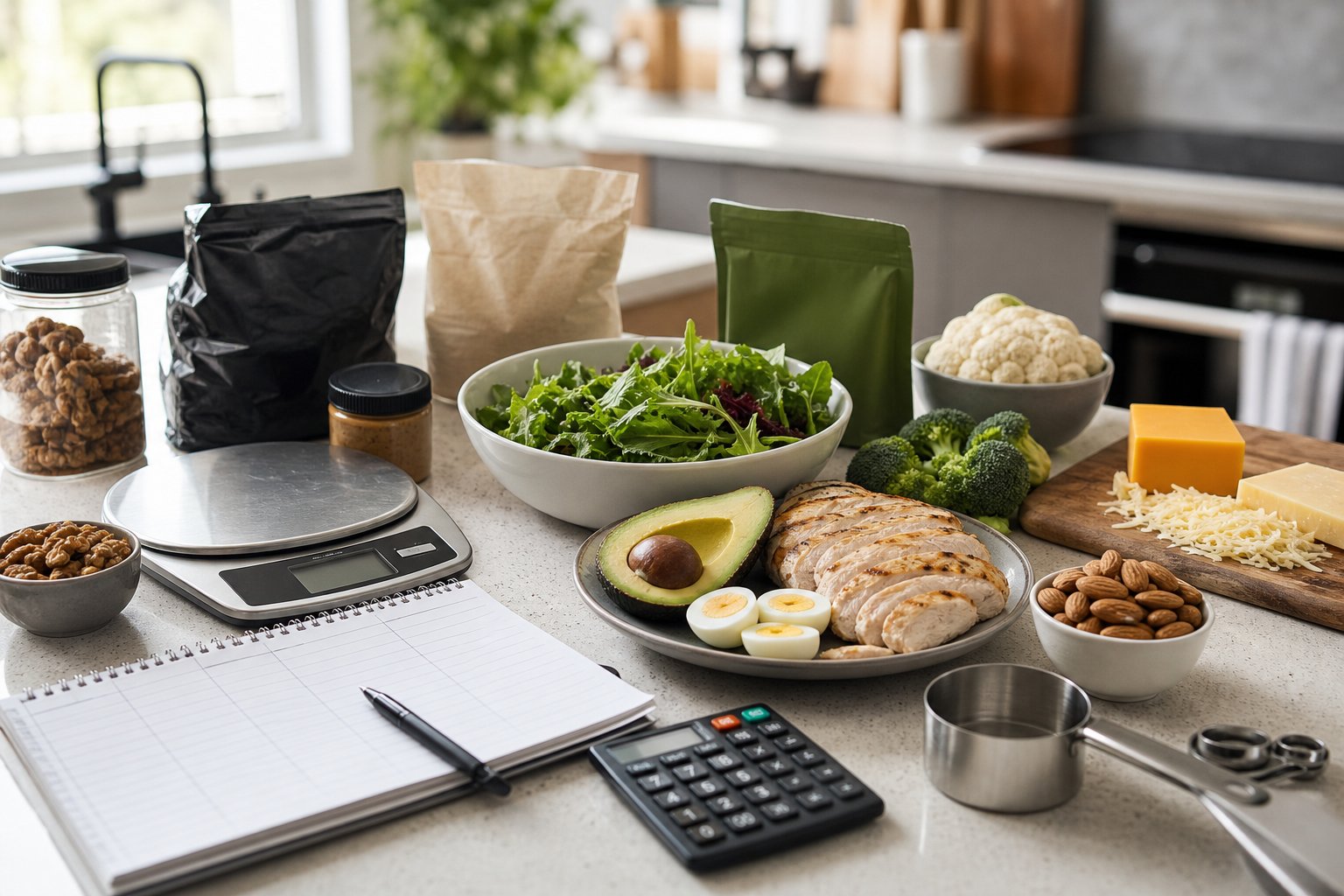
Accurate carb tracking takes more than just guessing. The difference between staying in ketosis and blowing past your limit often comes down to how you measure and how closely you read labels.
Measure Before Estimating
It’s easy to misjudge food portions without the right tools. A kitchen scale is the best way to get accurate for keto tracking, especially for things like nuts, cheese, and meat.
What you think is an ounce of almonds could easily be two or three, which triples the carbs. Measuring cups work for liquids but aren’t great for solids.
A quarter cup of shredded cheese by volume rarely matches a quarter cup by weight. The scale tells you the real story, in grams, which lines up with nutrition labels.
After a few weeks of measuring, you’ll get better at eyeballing portions. Still, it’s smart to check with the scale every so often to avoid “portion creep”—when serving sizes slowly get bigger without you noticing.
Along with tracking carbohydrates consistently, it’s important to measure keto progress using multiple indicators instead of relying on a single metric.
Track Meals Consistently
Writing down meals right after eating helps keep keto tracking honest. Wait until the end of the day and you’ll forget the details.
Food tracking apps make logging quick, and you can do it as you go. Building a routine around meal tracking makes it less of a chore.
Some people like to pre-log meals the night before or in the morning to plan out their carbs. Consistency matters more than perfection.
Missing a day here and there is no big deal, but getting back to it quickly keeps the habit alive. Tracking at least six days a week is usually enough to spot patterns and make tweaks.
Review Food Labels Carefully
Reading nutrition labels takes a little focus—serving sizes and ingredient lists can be sneaky. Some packages have multiple servings, so you’ll need to multiply the numbers if you eat the whole thing.
For example, a protein bar might say 5 grams net carbs per serving, but there are two servings in the package. Eat the whole bar, and you’re at 10 grams.
Hidden carbs pop up in sauces, dressings, and seasonings. Ingredient lists show these sneaky additions, even if the carb count per serving looks low.
Watch for words like maltodextrin, dextrose, and corn syrup—those are added carbs. Sugar alcohols are tricky too.
Erythritol and allulose can be subtracted fully from total carbs, but maltitol and sorbitol should only be subtracted at half their listed amount. Some products lump sugar alcohols in with total carbs, others list them separately. It’s confusing, honestly.
Focus on Patterns Instead of Perfection
Carb intake will fluctuate a bit day to day, and that’s normal. Looking at weekly averages gives a clearer picture of keto consistency.
If you eat 18 grams one day and 25 the next, you’re probably fine as long as your weekly average is in range. Blood sugar responses to foods can reveal your personal carb tolerance.
Testing blood glucose an hour or two after eating shows which foods spike you. Everyone’s different—some handle certain veggies or nuts better than others, even with the same carb count.
Adjusting based on your results is smarter than sticking to rigid rules. If your energy drops or weight loss stalls despite tracking, maybe your carb limit needs tweaking.
Some people feel best at 20 grams, others need to go lower, and a few can handle more. It takes some trial and error.
Tracking carbs becomes much easier with a structured meal plan. Download our free 7-Day Keto Meal Plan to simplify food choices and reduce common tracking mistakes.
A Better Question Than “Did I Stay Under 20 Grams?”
Tracking net carbs matters, but asking better questions helps you figure out why keto isn’t working and what to do next. Long-term success is about consistency, food quality, and actual progress—not just the numbers.
Was Your Diet Consistent?
Day-to-day consistency drives keto progress way more than hitting the perfect carb number on random days. Staying under 25 grams every day beats hitting 15 grams a few days, then blowing past 40 the next.
Your body needs time to get used to burning fat. Random carb spikes throw it off and force you to start over. That’s frustrating.
Signs you might not be consistent:
- Frequent hunger or cravings
- Wild energy swings
- Pounds gained or lost overnight
- Keto flu symptoms that keep coming back
It’s worth tracking patterns over weeks, not just days. A lot of people eat differently on weekends, which can mess up progress. Irregular patterns make keto tough to stick with.
Were Most Foods Nutrient-Dense?
Staying under 20 grams doesn’t mean much if it’s all from low-quality junk. You could eat protein bars and processed meats all day and still hit your carb target, but you won’t feel great.
Nutrient-dense foods—leafy greens, fatty fish, eggs, whole cuts of meat—give your body what it needs. Packaged keto snacks just don’t compare.
You’ll feel the difference. Poor food choices can lead to deficiencies, even with perfect carb numbers. That affects energy, sleep, mood, and body composition.
Good nutrient-dense keto foods:
- Salmon, sardines, mackerel
- Spinach, kale, broccoli
- Eggs from pasture-raised chickens
- Grass-fed beef and lamb
- Avocados and olives
Keto falls apart when you focus only on macros and ignore food quality. It gets harder to stick with and the benefits just aren’t there.
Are Your Results Improving?
Results matter more than perfect carb math. Ask yourself if your energy’s better, if your clothes fit differently, or if your blood sugar is more stable. That’s real progress.
The scale doesn’t tell the whole story. Body measurements and how your clothes fit often show more than pounds lost. Some people lose inches even when the scale barely moves because they’re gaining muscle and losing fat.
Other signs: better sleep, less inflammation, clearer thinking, and stable hunger. These are all wins, even if weight loss stalls for a bit.
Tracking a few different things helps you see what’s really changing. If nothing improves after 4-6 weeks of steady effort, it might be time to adjust your plan.
What Should You Review Next?
If keto progress stalls, there are other things to check before cutting carbs lower. Calories, protein, stress, and sleep matter more than dropping from 20 to 15 grams.
Some people eat too much or too little protein, which slows progress. Protein needs depend on your activity, age, and goals.
Key things to review:
- Total daily calories
- Protein intake (0.7-1.0 grams per pound of lean body mass)
- Sleep quality and length
- Stress levels
- Meal timing and frequency
Hidden carbs in sauces, dressings, and drinks can sneak up fast. Checking labels and weighing food for a few days often uncovers surprises. Sometimes, just this step solves the “I’m doing everything right but not losing” mystery.
If you’re still unsure whether your meals, portions, and carbohydrate intake are supporting your goals, a personalized keto plan can provide a clearer roadmap than relying on carb numbers alone.
Conclusion: Net Carbs Are One Tool—Not the Whole Picture
Net carbs are handy for tracking carbs on keto. They let you work in more fiber-rich veggies and probably help with nutrition over time.
But, honestly, net carbs alone don’t explain everything your body does with food. There’s always more going on under the surface.
Different goals require different approaches. If you’re aiming for weight loss, net carbs might be enough. But if you’re managing epilepsy or a medical condition, you may need to count total carbs instead.
It really depends on your health goals and how your body reacts to what you eat.
Other things matter just as much as carbs:
- Protein intake can affect ketosis and help with muscle
- Fat quality actually changes your health outcomes
- Stress levels play into weight loss, whether we like it or not
- Sleep quality matters for your metabolism
- Food quality isn’t just about carb numbers
Some folks stay in ketosis with 30-40 grams of net carbs a day. Others have to keep it under 20 grams of total carbs to get results.
There’s no one-size-fits-all, so a little personal trial and error is pretty much required.
Net carbs work best as part of a bigger strategy. They give you a framework, but they’re not the only thing worth tracking.
Pay attention to hunger, energy, and how certain foods make you feel. The most effective approach? Probably a mix of net carb tracking, overall diet quality, and a bit of self-awareness.