
Do I Need a Personalized Keto Plan If Keto Isn’t Working? Proven Solutions and Next Steps
When keto stops producing results, most people assume the diet itself has failed. The common reaction is to cut carbs lower, fast longer, or tighten calories without questioning whether the structure of the plan actually fits their metabolism.
But asking “Do I need a personalized keto plan?” is not the same as admitting defeat. In many cases, the issue is not keto as a framework — it is the mismatch between a generic template and individual metabolic realities.

The critical distinction is whether you are still within a normal adaptation window or whether your macro setup, carb tolerance, or metabolic history requires structural adjustment.
This article clarifies when personalization is premature, when it becomes necessary, and how to differentiate patience from true misalignment.
Keto Isn’t Working: Is the Problem the Diet or the Execution?

When keto stops delivering, most people land in one of two camps: blaming themselves, or blaming the diet. But it’s rarely that black and white.
The real issue usually sits somewhere between how the plan was made and how it’s being followed—not about failing or keto being a scam.
What People Assume When Keto Fails
Most folks turn on themselves first. They figure they’re weak, or their metabolism is just busted.
It’s a familiar spiral: “I must be eating too much fat,” or, “My body just can’t do keto.” Some even think they’re uniquely resistant to ketosis.
Others swing the other way and call keto a fad that never really worked. They point at their stalled weight as proof.
But neither of those ideas really gets at the root problem. It’s not the person, and it’s not usually the diet itself. It’s that gap between a generic plan and what your body actually needs.
When someone Googles “keto not working for me,” they’re probably looking for a reason to quit. But what they need is better info on what actually went sideways.
The Difference Between Diet Failure and Execution Mismatch
A diet fails when its basic rules don’t work, even if you do everything right. An execution mismatch is when the plan just doesn’t fit your needs, even if the science is solid.
Keto works because cutting carbs drops insulin, letting your body burn fat. That’s pretty reliable. But how you do keto? That’s where things get messy.
Common execution mismatches:
- Using a plan built for a 200-pound man when you’re a 140-pound woman in perimenopause
- Eating macros for a gym rat when you’re mostly sitting at a desk
- Sticking to 20 grams of carbs when your body might be fine with 30 or 40
- Eating maintenance calories but expecting to lose fat
Asking “is keto failing or am I doing it wrong?” is a bit of a trap. The real question is whether your plan matches your metabolism.
The Real Question: Is Your Plan Aligned With Your Metabolism?
Your metabolism isn’t set in stone. It shifts with age, stress, sleep, hormones, and your diet history.
A 25-year-old with no diet baggage needs a different plan than a 45-year-old who’s been yo-yo dieting. Someone with insulin resistance? They’ll need stricter carb limits than a metabolically flexible person.
Key metabolic factors that affect keto execution:
| Factor | How It Changes Keto Needs |
|---|---|
| Insulin sensitivity | Impacts how many carbs you can handle and how well you burn fat |
| Age and hormones | Affects metabolism speed and how your body uses nutrients |
| Stress levels | Raises cortisol, changing how your body stores fat |
| Sleep quality | Alters hunger hormones and how you recover |
| Activity level | Changes your calorie and macro needs |
Generic keto plans usually ignore all that. They hand out the same macros and food lists to everyone. Sometimes that works by luck, but plenty of people end up stuck, wondering why keto isn’t working for them.
The answer isn’t to ditch keto. It’s to tweak the plan so it actually fits where your metabolism is at right now. That could mean adjusting carbs, changing fat intake based on your real hunger, or shifting meal timing around your daily routine and stress.
Why Generic Keto Plans Often Break Down
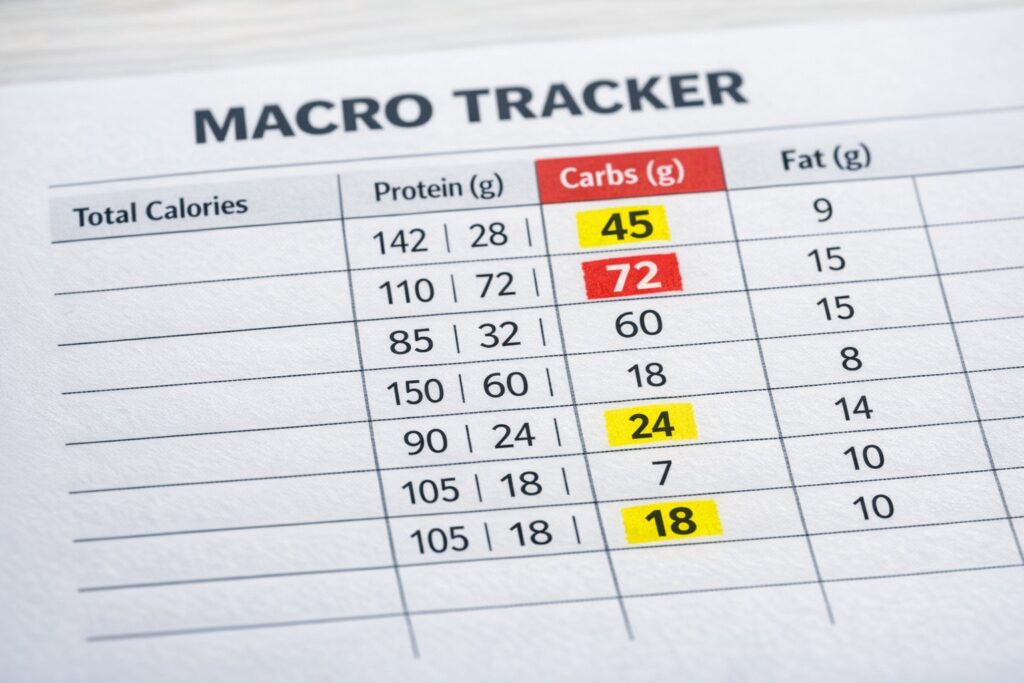
Generic keto plans stick to fixed formulas. They don’t really care if you’re super active, have dieted before, or have health issues. Most just assume everyone fits into the same calorie and macro boxes.
One-Size-Fits-All Macro Templates
Most off-the-shelf keto plans hand out the same ratio: 70% fat, 25% protein, 5% carbs. It’s like they think everyone’s body is identical.
A 150-pound woman at a desk job and a 200-pound guy hitting the gym four times a week? They need totally different things. One might need 1,400 calories, the other more like 2,500.
Common template problems:
- No adjustment for muscle mass
- Protein targets that miss the mark for active people
- Fat percentages too high for folks trying to lose body fat
- Same carb cap, no matter how much you move
Follow these strict templates and you might end up losing muscle or eating so much fat you can’t lose weight. Bodies don’t care about percentages—they care about actual amounts, tailored to you.
Calorie Assumptions That Ignore Metabolic History
Generic plans often use basic math—just multiply your weight by a set number. But these formulas can’t see your diet history or how your metabolism’s adapted over time.
If you’ve dieted a bunch, your body might burn fewer calories at rest than those formulas guess. Years of eating low-calorie? You’ll need a different plan than someone just starting keto after eating normally.
Formulas also miss thyroid issues, hormone problems, and stress. Two people with the same stats on paper might burn 300-400 calories apart, every single day. If your plan sets calories too high or too low, you’ll stall out fast.
Carb Tolerance Differences Between Individuals
Most template keto plans set carbs at 20-25 grams for everyone. But bodies are all over the map when it comes to handling carbs.
Athletes might stay in ketosis at 40-50 grams, since their muscles suck up glycogen during workouts. Sedentary people or those with insulin resistance sometimes need to stay under 15 grams to see any change.
Age matters too. Younger folks with good insulin sensitivity can often handle more carbs and still stay in ketosis. Older adults or anyone with metabolic issues? They probably need to go stricter.
Testing ketone levels is the only way to know, but generic plans don’t bother. So you might be struggling at 25 grams when you could eat more, or not getting into ketosis because you actually need less.
Research shows that metabolic response to carbohydrate restriction varies significantly between individuals.
Why Online Macro Calculators Often Mislead
Free keto macro calculators use simple equations. They’ll ask your age, weight, height, and activity level—but that’s just scratching the surface.
Key calculator limitations:
- Activity multipliers are vague—what does “moderately active” even mean?
- No info about muscle vs. fat
- Nothing about your metabolic health or if you’re on meds
- Formulas that never update as your body changes
A calculator might call you “moderately active” and tack on 500 calories. But walking 10,000 steps isn’t the same as three days of CrossFit.
These calculators can set you up for failure before you even get started. If the numbers don’t match your real needs, you end up blaming yourself or keto—when really, it was bad math all along.
A basic understanding of the science of ketosis helps explain why identical carb limits produce different results between individuals.
Early Signs You May Need a Personalized Keto Plan
Standard keto rules help a lot of people, but some bodies just don’t play by those rules. If you’re out of ketosis, always tired, or your weight won’t budge—even when you’re following everything to the letter—it’s probably time to try something more tailored.
No Ketosis Despite Carb Restriction
Some folks keep carbs under 20-50 grams but never get into ketosis. Hidden carbs in sauces, dressings, or “keto” products with sneaky fillers can trip you up. Even some meds or supplements with sugar alcohols can block ketosis.
Everyone’s carb tolerance is different. Athletes might handle 50 grams and stay in ketosis, while someone with insulin resistance might need less than 15. Age throws another wrench in—the older you get, the stricter you may need to be.
Testing ketones with a blood meter or strips takes out the guesswork. If your readings are still low after two weeks of really sticking to it, it could be too much protein or stress hormones like cortisol messing with fat burning.
Fatigue, Brain Fog, or Persistent Hunger
Always tired or foggy? That’s usually an electrolyte issue or not enough fat. On keto, your body needs a lot more sodium, potassium, and magnesium than you’d think—otherwise, your cells just can’t do their job.
If you’re always hungry, your fat-to-protein ratio might be off. Eat too much protein (over 1.2g per kg of body weight) and your body turns it into glucose, which messes with ketosis and triggers cravings.
Energy crashes after meals or in the afternoon? That’s probably blood sugar swings. Could be meal timing, or maybe you’re eating foods your body doesn’t like—think certain dairy or processed oils.
Persistent exhaustion may mirror known keto fatigue patterns rather than simple lack of discipline.
Weight Stagnation Despite “Correct” Tracking
The scale won’t move if you’re eating as many calories as you burn, ketosis or not. Most people underestimate high-calorie keto foods like nuts (164 calories in just an ounce), cheese, or oils. A single tablespoon of olive oil is 120 calories—easy to miss.
If you’ve dieted a bunch or have thyroid issues, your body might slow down to match your new, lower calorie intake. That’s metabolic adaptation, and a personalized plan can help adjust for it.
Not getting enough sleep or dealing with chronic stress? That raises cortisol, making your body stubbornly hold onto fat no matter how good your diet is. If you’re sleeping less than seven hours or always stressed, you need a plan that tackles more than just food.
If you are consistently not losing weight on keto despite accurate tracking, structural misalignment may be the deeper issue.
Inconsistent Results Week to Week
Wild swings in weight or ketone levels usually mean something’s off with the approach. If you’re bouncing between strict keto and carb-heavy meals, your body never really settles into fat-burning mode.
Hormones play a role too, especially for women. Water retention or shifting macro needs during different phases of the menstrual cycle are pretty common, and a cookie-cutter plan can’t really handle that.
Pushing the intensity in workouts without fueling right can also throw things off. If you’re doing lots of high-intensity training, you might actually need a few more carbs around workouts, while someone who’s mostly sedentary should probably keep things tighter.
If this situation feels familiar, reviewing the full diagnostic breakdown inside Why Keto Is Not Working for Me can clarify whether the issue is adaptation timing or structural mismatch.
The Most Common Execution Mismatches on Keto

It’s easy to blame keto itself when results stall, but honestly, the problem is usually in the execution. Most macro mistakes come from following “standard” ratios that don’t really fit your body or lifestyle.
Protein Intake Misaligned With Body Composition
Getting protein right is way more important than most people realize. A 250-pound person obviously needs more protein than someone at 150, but lots of people just follow the same macro split anyway.
Too much protein on keto can actually nudge some folks out of ketosis, thanks to gluconeogenesis. Your body will turn that extra protein into glucose, which bumps up blood sugar and drops ketone levels—especially if you’re insulin resistant.
But skimping on protein isn’t great either. Not enough, and you risk losing muscle. The ballpark is about 0.6 to 1.0 grams per pound of lean body mass, with those lifting weights needing more.
Body composition really changes the equation. Two people weighing 230 pounds, but with different muscle and fat ratios, will need totally different protein amounts.
Fat Intake That Is Too High or Too Low for Goals
Fat intake should line up with your actual goals. If you’re trying to lose fat, you don’t need to drown everything in butter—your body already has plenty of fuel stored up.
Not eating enough fat, though, usually shows up as constant hunger and feeling drained. Fat keeps you full and helps you stay in ketosis without feeling miserable.
On the flip side, eating too much fat just blocks weight loss. If you’re eating more fat calories than you burn, your body’s not going to dip into its reserves, ketosis or not.
Fat needs shift depending on what you’re after:
- Weight loss: Moderate fat to tap into body stores
- Maintenance: Higher fat to keep up with energy needs
- Athletic performance: Time fat carefully around workouts
- Therapeutic keto: Very high fat for specific medical reasons
Carb Thresholds That Vary by Insulin Sensitivity
The classic 20-gram carb limit works for plenty of people, but it’s not universal. Some can handle 50 grams and stay in ketosis; others have to go under 15.
How your body handles carbs depends on insulin sensitivity. If you’re insulin resistant, you might need to keep things really low. Metabolically healthy athletes can usually get away with more.
Testing blood ketones is the only way to really know your personal carb limit. Bumping carbs up by 5 grams a week and watching ketone levels can help find your sweet spot.
Your past diet matters, too. If you’ve spent years on high-carb eating, you’ll probably need to go stricter at first compared to someone who’s already used to low-carb cycles.
Unrecognized hidden carb sources often create confusion before personalization is even considered.
Ignoring Activity Level and Energy Expenditure
One-size-fits-all macros don’t work when your activity level is totally different from someone else’s. A construction worker burning 3,000 calories a day needs a different setup than an office worker at 1,800.
The type of exercise matters too. Lifting weights means you need more protein for muscle repair, while endurance sports might call for a little more carb flexibility for some people.
Macro calculators usually ask about activity, but let’s be real—most people guess wrong. Overestimating means eating too much; underestimating means you’re probably dragging all day. Tracking how you actually feel and perform gives better feedback than numbers on a screen.
As you lose weight, your energy needs drop. What worked at 200 pounds won’t work at 170. Adjusting every 10-15 pounds lost helps keep things moving forward.
Learning how to calculate macros accurately often reveals that generic macro splits do not match your body composition.
Adaptation Timeline vs Structural Mismatch

Your body needs a little time to switch fuel sources. But if keto just isn’t clicking, waiting forever doesn’t help. There’s a pretty clear line between normal adaptation and when something’s just not working.
When It’s Too Early to Personalize
The first week or so of keto is mostly about burning through stored carbs, not fat. Expect some fatigue, headaches, and cravings—it’s just part of the process as your body adjusts.
Keto flu usually hits around days three to five. It’s not a sign of failure, just your body dumping glycogen and shifting insulin levels.
Early-stage symptoms that are totally normal:
- Headaches and brain fog in the first week
- Energy crashes early on
- Intense carb cravings in the first few days
- Water weight bouncing up and down
Trying to tweak your plan during this phase usually misses the mark. Your body hasn’t even started making ketones efficiently yet. Making changes before day ten just muddies the waters.
When Two to Four Weeks Signals a Structural Issue
After about two weeks on strict keto, some problems are more than just slow adaptation. True fat adaptation can take up to eight weeks, but big warning signs show up sooner.
Red flags after two weeks:
- Fatigue getting worse, not better
- Workouts totally tank with no rebound
- Sleep stays messed up
- Rising anxiety or mood swings
Women, in particular, might notice changes in their cycle, hair thinning, or trouble with body temperature. These are signs your metabolism’s under stress, not just adapting.
If you still feel wiped out by week three, something needs to change. By days 10-14, you should at least notice some mental clarity and less hunger, even if the scale isn’t moving.
How to Differentiate Patience From Misalignment
Track actual numbers instead of just guessing by feel. There’s a difference between slow adaptation and keto simply not working for you.
Signs things are on track (just give it time):
- Energy slowly improving, even with ups and downs
- Less hunger between meals
- Sharper focus, especially in the morning
- Weight stabilizes after the initial water drop
Signs it’s a mismatch (needs a new approach):
- No progress at all after three weeks
- Insomnia that won’t quit
- Strength drops despite eating enough protein
- Always feeling cold
Blood ketones in the 0.5-3.0 mmol/L range mean you’re technically in ketosis, but if you feel awful, the plan isn’t right for your metabolism. Some folks adapt in three weeks, others take six. But if you just keep feeling worse, that’s not adaptation—it’s a sign to change course.
Understanding normal keto adaptation timelines prevents premature personalization during the early transition phase.
What Personalization Actually Means (And What It Does Not)

Personalizing keto isn’t about a fancy PDF with your name on it. It’s about tweaking specific parts of your plan based on real body data, tolerance, and how well you’re actually recovering and adapting.
Adjusting Macros Based on Body Metrics
Real personalization starts with macros based on your actual body composition, not some generic percentage. The 70-25-5 split is just too broad—two people with the same weight can have totally different muscle and fat amounts.
If you’ve got 150 pounds of lean mass, you need more protein than someone with 100, no matter what the scale says. A metabolic profile approach uses your body fat percentage, lean mass, and how active you are to set real gram targets.
Here’s how that plays out: A 180-pound person with 30% body fat will need different macros than a 180-pounder with 15% body fat. The first might get by with 1,800 calories and 120g protein, while the second could need 2,200 calories and 145g protein.
Metrics that actually matter:
- Body fat percentage right now
- Lean muscle mass in pounds
- Basal metabolic rate
- How active you really are
Aligning Carb Limits With Individual Tolerance
Personal carb limits take into account things like insulin sensitivity, activity, and how flexible your metabolism is. Some people can hang onto ketosis with 50g net carbs; others have to stay under 20g.
The best keto plans test carb tolerance with blood ketone monitoring, not guesswork. Athletes with lots of muscle and good insulin sensitivity can handle more carbs. If you’re more sedentary or insulin resistant, stricter limits are usually needed.
Carb timing matters, too. If you work out, you can cluster most of your carbs around training. If you’re at a desk all day, that’s not really an option. The 20g rule is a decent starting point but doesn’t fit everyone.
Testing is the only way to know for sure. You might find you stay in ketosis at 35g, but 40g kicks you out. That’s your real limit.
Structuring Protein for Lean Mass Protection
Protein needs depend on your lean mass, training, and whether you’re cutting or maintaining. Generic keto advice often sets protein too low, which can mean muscle loss as you drop fat.
Start with lean mass, not total weight. Someone with 130 pounds of lean mass should shoot for 130-150g protein a day while losing fat. Any lower, and you risk eating away at muscle, which just tanks metabolism and makes losing fat tougher.
Being active bumps up those needs. Lifting weights? You’ll want more protein for repair and growth. If you’re mostly sedentary, you can probably get by with 0.8g per pound of lean mass, but lifters might need up to 1.2g.
Protein by activity level:
- Sedentary: 0.8g per pound lean mass
- Moderately active: 1.0g per pound
- Lifting/resistance training: 1.2g per pound
Accounting for Stress, Sleep, and Recovery Capacity
A good keto plan tweaks macros and meal timing based on stress, sleep, and how well you’re recovering. High stress means more cortisol, which can mess with ketosis and fat burning even if your macros look perfect.
If you’re only sleeping five hours a night, you need a different approach than someone clocking eight. Bad sleep tanks insulin sensitivity and ramps up hunger. You might need more fat and fewer carbs to offset the metabolic mess.
Recovery matters, too. Someone who’s well-rested and low-stress can handle a bigger calorie deficit. If you’re always stressed and sleeping poorly, you’ll want a smaller deficit to avoid stalling out.
Shift work throws a wrench in things. Messed up circadian rhythms change hormone production and when you should eat. A real personalized plan takes your schedule into account and shifts meal timing to match.
Many symptoms blamed on macro mismatch reflect the same electrolyte mistakes beginners make during early stages.
Medical and Metabolic Factors That Require Customization

Some people have a tough time with keto because their bodies just react differently. Medical conditions or a long history of dieting can really change the game.
These factors influence how fast someone gets into ketosis, how their hormones shift during fat loss, and whether the usual keto ratios even do anything for them.
Insulin Resistance and Slower Ketone Production
If you’ve got insulin resistance, ketosis is a bigger hill to climb. Your cells ignore insulin, so glucose hangs around in your blood longer and takes its sweet time to run out.
This means the switch to burning fat for energy gets delayed. Folks with insulin resistance might have to go even lower on carbs than the standard 20-30 grams per day—sometimes 15 grams or less.
Protein becomes a bigger deal too, since too much can turn into glucose through gluconeogenesis. It’s a balancing act that’s trickier for some than others.
Key adjustments for insulin resistance include:
- Stricter carb limits (10-15g daily)
- Moderate protein intake (0.6-0.8g per pound of lean body mass)
- Longer fasting windows between meals
- Focus on foods with minimal insulin response
Personalized plans help you find your actual carb and protein limits. Blood glucose and ketone testing matter more here—guesswork doesn’t cut it.
PCOS, Thyroid, and Hormonal Variability
Women with PCOS can have a completely different experience with keto. PCOS involves insulin resistance and higher androgens, which mess with how carbs are processed.
Some women with PCOS need even higher fat and extra-low carbs to keep symptoms in check. Thyroid issues add another layer. An underactive thyroid slows metabolism, so losing weight—even in ketosis—gets harder.
People with thyroid problems might actually need more calories than the usual keto calculators suggest, just to avoid their metabolism slowing down further. Hormonal imbalances, like high cortisol from stress, can keep blood sugar up and block ketosis.
A custom plan here means tweaking meal timing, calories, and macros based on lab results and what you’re actually feeling day to day.
History of Chronic Dieting and Metabolic Adaptation
If you’ve dieted hard for years, your body learns to burn fewer calories at rest. That’s metabolic adaptation, and it makes things complicated.
Someone who’s bounced between diets for ages may need a slow transition into keto, not a sudden leap. Cutting calories too fast can backfire and slow metabolism even more.
Sometimes, a reverse dieting phase is needed first—raising calories bit by bit to get metabolism back on track before starting keto. These folks usually need more calories and regular diet breaks, maybe even some carb cycling around workouts.
Standard keto macros don’t really account for this kind of metabolic wear and tear. It’s a different ballgame.
Why More Restriction Is Not the Same as Personalization

When keto stalls, a lot of people just double down—cutting harder, eating less. But piling on more rules without solving the real issue can make things worse, not better. It’s easy to fall into that trap.
The Trap of Cutting Carbs Lower and Lower
If 20 grams of carbs isn’t working, is 10 better? It sounds logical, but honestly, the body doesn’t always reward extra restriction with extra results.
Drop carbs too low and you can stress your thyroid, slowing your metabolism. If you don’t give your body enough carbs for basic functions, it might just slow everything down to save energy.
Common signs of excessive carb restriction:
- Constant fatigue and brain fog
- Hair loss or thinning
- Feeling cold all the time
- Mood swings and irritability
Sometimes, the problem isn’t too many carbs—it’s too few. The body might need a slight bump in carbs to keep the thyroid and metabolism humming.
Over-Fasting and Energy Suppression
Fasting can be powerful, but some folks take it too far when progress stalls. Long fasting windows or multi-day fasts might look like the answer, but the body can see that as a threat.
Over-fasting on keto can make your body cling to fat stores instead of letting them go. This slows metabolism and ramps up hunger hormones. Suddenly, you’re more tired, hungrier, and still not losing weight.
What happens with excessive fasting:
- Metabolic adaptation slows calorie burn
- Muscle tissue breaks down for energy
- Cortisol levels rise and cause inflammation
- Energy levels crash between meals
Personalized plans take into account your stress, activity, and sleep before adding fasting. If you’re stressed or not sleeping well, you might actually need regular meals, not more fasting.
When Aggressive Adjustments Backfire
Pushing keto to extremes—severe calorie cuts, endless restrictions—can create a mess. The body fights back, holding onto weight and draining your energy.
Eating too few calories on keto can hurt more than help. Your body needs enough fuel to keep muscle, balance hormones, and run your metabolism. Dropping to 1000 calories a day might work for a bit, but it’s rough on your long-term health.
Restriction just means doing more of what isn’t working. Personalization means paying attention to your own signals, activity, and health. Sometimes you need more food, not less—or better sleep, or less stress—before any diet change will stick.
Transitioning From Generic Keto to Structured Personalization
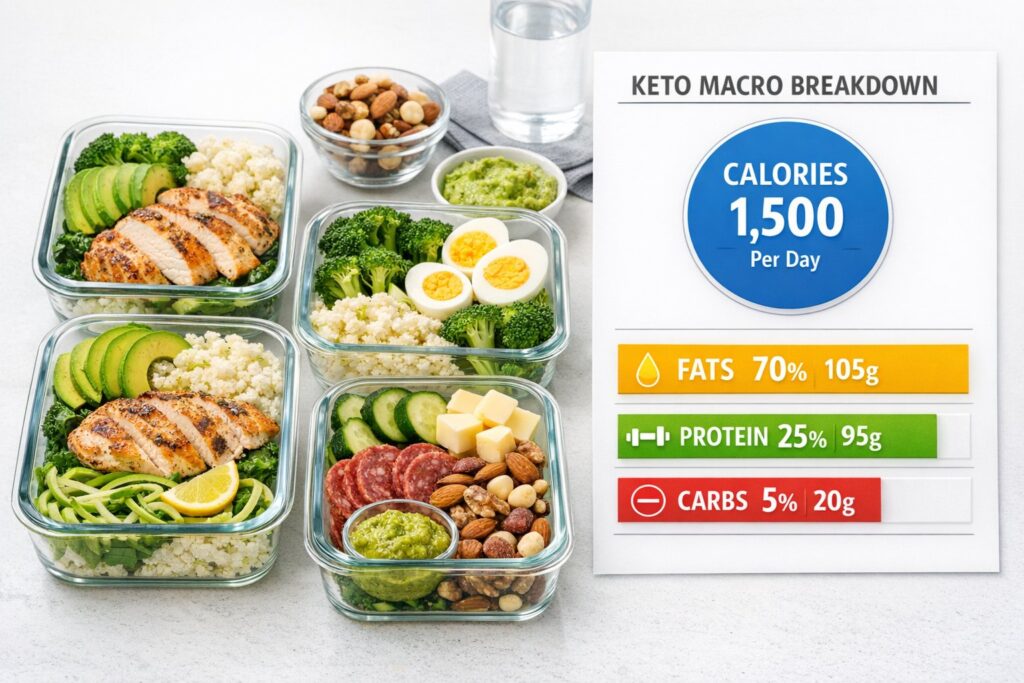
Switching from a cookie-cutter keto plan to something that actually fits you means three things: figuring out why the standard plan failed, recalculating your macros with your real context, and building a structure that fits your metabolism instead of following a template.
Identifying Your Primary Failure Category
First, you’ve got to figure out where things went off the rails. Are you eating too many calories, even though your carbs are low? Not getting enough protein for your muscle mass? Maybe your carb limit is still too high for your insulin sensitivity. Or maybe you’re forgetting to factor in how active (or inactive) you are.
Tracking what you eat for three days can be eye-opening. You might think you’re on target, but numbers don’t lie. Maybe you’re eating 2,200 calories when your body only needs 1,800. Or your 50-gram carb limit is just too high for your metabolism. Physical signs matter too—if you’re always hungry, you might need more protein. If you crash in the afternoon, your fat ratio could be off.
Whatever the pattern, that’s your clue for what needs fixing. If you’re stuck at the same weight, it’s probably a calorie issue. Losing muscle? Add protein. Not hitting ketosis? Try lowering carbs or tweaking when you eat them.
Recalculating Macros With Context
Generic keto says 70-75% fat, 20-25% protein, and 5-10% carbs for everyone. But real life isn’t that simple. Personalized macros look at your age, gender, weight, lean mass, and how much you move.
Start with protein, and base it on lean body mass—not total weight. Aim for 0.8-1.2 grams per kilogram of lean mass. For example, if you weigh 180 pounds and are 30% body fat, you have about 126 pounds of lean mass (57 kg). That means 46-68 grams of protein if you’re sedentary, or up to 90 grams if you’re lifting weights.
Carbs come next, and they depend on your metabolic health. If you’re insulin resistant, you might need 20 grams or less. If you’re metabolically healthy, 30-40 grams could work. Athletes sometimes push to 50 grams on workout days. Fat fills in the rest—not the other way around.
| Factor | Generic Approach | Personalized Approach |
|---|---|---|
| Protein | 20-25% of calories | 0.8-1.2g per kg lean mass |
| Carbs | Under 50g for everyone | 20-50g based on insulin sensitivity |
| Fat | 70-75% of calories | Fills remaining calorie needs |
| Calories | Standard deficit | Adjusted for TDEE and goals |
Building a Plan That Matches Your Metabolic Profile
Your metabolic profile includes stuff generic plans just ignore—insulin sensitivity, thyroid health, cortisol patterns, and how you react to fasting. If your thyroid is low, you’ll need more calories and might not do well with long fasts.
High stress and elevated cortisol? You might need to eat more often to keep blood sugar steady. Testing helps a ton. Check your blood glucose before and after meals to see how you handle carbs. Measure blood ketones, not just urine, to see if you’re really in ketosis.
Some people feel great at 0.5-1.0 mmol/L of ketones, others need 1.5-3.0 mmol/L. The plan changes with your results. If your glucose spikes after breakfast, maybe move your carbs to dinner. If your morning ketones are low, try MCT oil or tweak your eating window.
Age matters, too. Older adults usually need stricter carb limits (under 25 grams) and more fat because metabolism slows down. Building a keto plan that fits means testing, measuring, and adjusting—no more guessing or blindly following someone else’s rules.
If your results suggest structural mismatch rather than temporary adjustment, a plan built around your specific metabolic profile becomes more important than further restriction.
Diagnostic Summary: Do You Need a Personalized Keto Plan?

So, do you need a personalized keto plan? It really depends on whether you’re just experiencing normal adaptation, making execution errors, or if there’s a deeper mismatch between the generic keto rules and what your body actually needs.
If Your Results Suggest Normal Adaptation
Plenty of people freak out when they don’t see instant results, but keto takes time. The first two to four weeks are usually full of water weight shifts, electrolyte changes, and metabolic adjustments that can hide real fat loss on the scale.
Energy often dips in the first week as your body switches from burning sugar to burning fat. That’s the “keto flu”—it usually clears up in a week or so. Sometimes weight loss just stalls around week three while your body resets hormones and water levels.
If you’ve only been on keto for a few weeks, are having mild side effects, and you’re sticking to your macros, you probably don’t need a personalized plan yet. Give your body a little more time. Patience and consistency go a long way here.
Checking your blood ketones can help you know if you’re actually in ketosis. Readings between 0.5 and 3.0 mmol/L mean you’re there, even if the scale isn’t moving much yet.
If Execution Errors Are the Core Issue
Generic keto guidelines do work—when you actually stick to them. Most people trip up on hidden carbs, portion size slip-ups, or just not tracking consistently. Honestly, that’s usually the culprit, not some need for a fancy custom plan.
It’s easy to miss carbs in veggies, sauces, and those sneaky processed foods. Think about it: one tablespoon of ketchup has 4 grams of carbs. A cup of cherry tomatoes? That’s 6 grams. These little numbers add up fast when you aren’t paying attention.
Protein is another thing people overlook. Too much of it can kick off gluconeogenesis, which basically means your body turns extra protein into glucose. That can block ketosis for some folks.
The usual target is 0.6 to 1.0 grams of protein per pound of lean body mass. It’s a range, not a magic number, and it’s easy to overshoot if you’re not careful.
Key execution checks:
- Track everything you eat for at least two weeks—yes, with a food scale
- Double-check ingredient labels for sneaky sugars and starches
- Calculate net carbs by subtracting fiber from total carbs
- Measure your ketones to see where you’re really at
If Structural Mismatch Requires Personalization
Sometimes, you do everything right and keto still doesn’t work. That’s when the generic macro ratios just don’t fit your body, your lifestyle, or your health quirks. It’s frustrating, but it happens.
Women over 40, for example, often need different macros than younger men—hormones just change the game. Someone with insulin resistance might have to cut carbs even lower than usual. Athletes? They usually need extra protein to keep muscle on during training.
Most plans say 70-75% fat, 20-25% protein, and 5-10% carbs. But a sedentary 50-year-old woman might do better with 75% fat and only 15% protein. A 30-year-old lifter might need 60% fat and 30% protein to stay strong. There’s no one-size-fits-all here.
Health issues like thyroid disorders, PCOS, or metabolic syndrome can throw a wrench into standard keto plans. Medications can mess with your metabolism too, making the usual advice less helpful.
Signs personalization is needed:
- You’ve nailed your macros for six weeks and… nothing’s happening
- You’ve got metabolic or hormonal conditions going on
- Your activity level or body goals are way outside the average
- Side effects just won’t quit, even though you’re doing everything right
What This Means for Your Next Step
The right next step really comes down to honestly figuring out where things went off track. If you’re still in your first month, it’s probably smarter to focus on just sticking with it and being patient, rather than hopping from one approach to another.
If you’re missing the mark on execution, that’s usually a sign to get better at tracking and pay more attention to the little details. There’s no need for a fancy new plan—just watching out for sneaky carbs or eating too much protein can fix most issues, and it won’t cost you anything.
But let’s say you’ve truly done keto by the book for at least six weeks and nothing’s budged. That’s when it makes sense to think about whether a personalized approach might work better than the standard advice.
Custom plans usually tweak your macro ratios, suggest foods that actually fit your tastes and needs, and sometimes play around with meal timing to match your lifestyle. These small changes can make a difference, since generic guidelines just don’t capture everyone’s metabolism.