
First Week of Keto with No Results: What’s Normal vs a Red Flag
The first week of keto often carries high expectations. Many people anticipate rapid scale drops, visible fat loss, or clear ketosis confirmation within days. When none of that happens, the immediate assumption is failure.
But a first week of keto with no results does not automatically signal that something is wrong. In most cases, week one reflects physiological transition, not fat-loss output. The real issue is misunderstanding what should — and should not — happen during the first seven days.

The critical distinction is whether you are seeing normal metabolic adjustment or early execution errors that could compound if left uncorrected.
This article separates expected week-one physiology from genuine red flags, clarifies what “no results” actually means, and outlines what adjustments are justified — and what overreactions should be avoided.
First Week of Keto With No Results: Is This Actually a Problem?

Seeing zero results after week one on keto is stressful. The gap between what you expected and what actually happened can make you second-guess the whole thing, even if your body’s just doing its thing.
What Most People Expect in the First 7 Days
Most people starting keto expect to lose 5-10 pounds in the first week. That’s what you see in all those wild success stories online.
Many beginners think a big water weight drop and visible changes are guaranteed. But honestly, it’s not the same for everyone.
Some lose a little, some see nothing, and a few even see the scale go up at first.
These hopes usually ignore personal differences. Body composition, metabolic history, and starting weight all play a role. If you’ve got more to lose, you might see faster changes than someone already close to their goal.
Why the Scale Becomes the Immediate Judge
Let’s be real: the bathroom scale is the go-to progress tracker. It’s quick, it’s easy, and it spits out a number on demand.
But weight naturally swings 2-5 pounds in a day. Water, hormones, digestion—they all mess with the scale. One weekly weigh-in can’t really capture these normal ups and downs.
The scale doesn’t show fat loss versus water loss. It doesn’t track muscle or how your body’s changing inside. But we tend to ignore all that when the number is all we see.
The Critical Question: No Results or Misinterpreted Signals?
Your body is going through a ton of metabolic changes in week one. It’s moving from burning glucose to burning fat, but that switch takes time—sometimes with zero visible weight loss.
Signs you’re making progress that have nothing to do with the scale:
- Less hunger and fewer cravings
- Energy levels that don’t crash mid-day
- Better sleep
- Less bloating or stomach drama
- Clothes fitting a bit differently, even if the scale says otherwise
If you’re not actually in ketosis, though, that’s a real issue. Maybe your carbs are sneaking higher than you thought, or labels are trickier than they look. Hidden carbs in sauces, drinks, or processed foods add up fast.
Most folks need to stay under 20-30 grams of net carbs daily to hit ketosis, but everyone’s threshold is a little different.
If week-one confusion feels familiar, reviewing the broader diagnostic breakdown inside Why Keto Is Not Working for Me can clarify whether this is an isolated adjustment or part of a larger execution pattern.
What Actually Happens in Your Body During the First Week
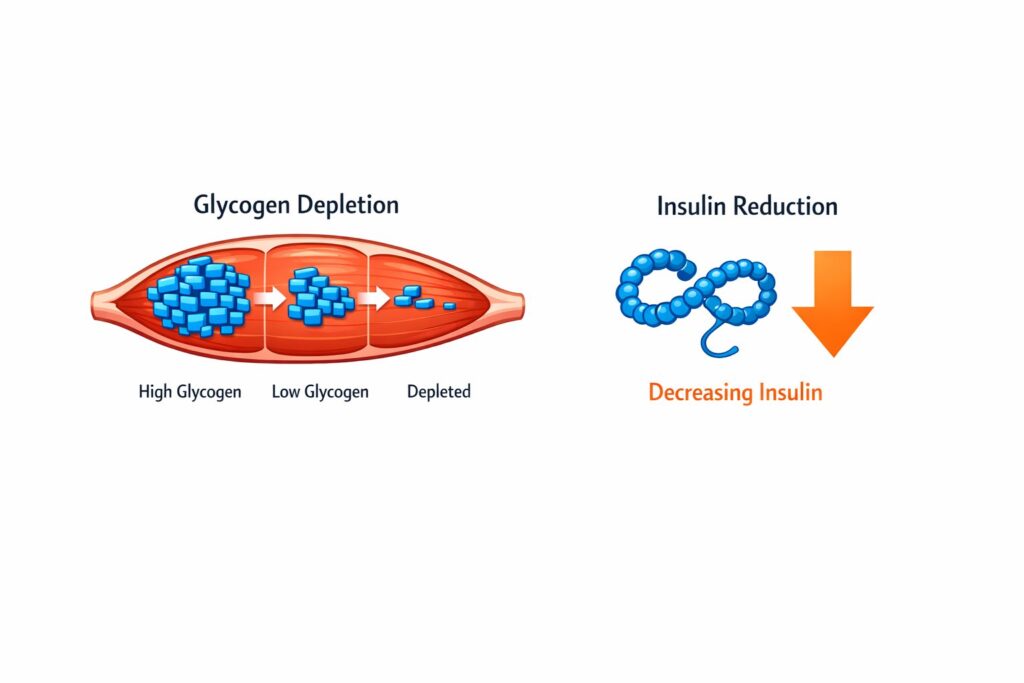
The first week of keto kicks off a bunch of metabolic changes, but it’s rarely actual fat loss yet. Mostly, your body dumps water weight and starts lowering insulin, while true fat adaptation is still weeks away.
Understanding the underlying science of ketosis helps explain why visible fat loss rarely occurs in the first few days.
Glycogen Depletion and Initial Water Shifts
Your body stores glucose as glycogen in muscles and your liver, and each gram of glycogen holds on to about 3-4 grams of water.
When you drop carbs below 50 grams a day, those glycogen stores burn up in 24-48 hours. That’s why most people see the scale drop 2-10 pounds right away.
This isn’t fat loss, though. It’s just water leaving your system. The kidneys flush out that water plus electrolytes like sodium, potassium, and magnesium.
It’s easy to mistake this for rapid fat burning, but don’t get your hopes up that the trend will keep going. Once glycogen’s gone, weight loss usually slows to maybe 1-2 pounds per week.
Insulin Reduction Before Significant Fat Loss
Insulin drops fast when carbs go down. This happens pretty early, as your body isn’t getting hit with a ton of glucose anymore.
Lower insulin tells your body to stop storing fat and start releasing it. But your body needs time to build up the machinery to actually burn fat efficiently. The insulin drop is just step one.
During this phase, energy can be all over the place. Your body wants glucose but isn’t getting it, and the fat-burning systems haven’t fully kicked in yet. That’s why so many people feel tired or foggy the first week.
Why Fat Adaptation Has Not Fully Begun Yet
Fat adaptation? That’s a 3-6 week process, not something you get in seven days.
Your body needs to make more mitochondria and ramp up the enzymes to break down fat. Cells have to get used to using ketones for energy, not glucose. That kind of change just doesn’t happen overnight.
In week one, your liver starts making ketones, but it’s not consistent. Blood ketone levels might barely register, or they could spike and drop. The process is messy and inefficient at first.
Most people aren’t in stable ketosis during week one. You’re in a weird in-between phase, running on both fuels but not doing either well. That’s why you might feel worse before you feel better, and why the fat loss is barely noticeable even if you’re following everything to the letter.
Early confusion disappears once you understand normal keto adaptation timelines and what the first seven days actually represent.
What “No Results” Really Means in Week One

Most people expect wild weight loss in their first week on keto. But honestly, “no results” usually means something different than failure. The scale might not move even if you’re actually losing fat, and a bunch of normal body processes can hide early progress.
No Scale Movement vs No Fat Loss
The scale just shows total body weight, not fat loss. When you see no change in week one, you could be losing fat but holding or gaining weight from other stuff.
Fat loss is slow, even on keto. You might lose half a pound of real fat in week one, but that’s easily hidden by normal weight swings. It takes a 3,500 calorie deficit to lose a pound of fat, so even a little progress is easy to miss.
Here’s what the scale is actually measuring:
- Body fat
- Muscle mass
- Water
- Food still in your digestive system
- Waste
If you ate a big meal the night before, the scale might spike even if you burned fat that week. If you’re a little backed up, that shows up too—it’s not fat loss, just extra weight hanging around.
Water Retention Masking Early Changes
Keto water retention is not always what you expect. Some people lose water weight fast, but others actually hold onto water at first.
Starting a new workout routine makes your muscles hold water for repair. Women can retain several pounds during certain parts of their cycle. Even stress from changing your diet can make your body keep water—thanks, cortisol.
Common reasons for early water retention:
- New or increased workouts
- Hormone shifts
- High sodium
- Stress from diet changes
- Not drinking enough water
Usually, your body lets go of this water in 2-3 weeks as it settles into keto. So if the scale’s not moving in week one, it’s probably not a big deal. Some people even gain a pound or two of water at first, even while burning fat underneath.
Digestive Changes That Distort Early Weight Data
Your digestive system goes through a lot when you switch to keto. That can mess with the scale, even if you’re losing fat.
High-fat diets slow down how food moves through your gut. So, you might have 1-3 pounds more food hanging around compared to a high-carb diet. Constipation is also pretty common in week one as your gut adjusts to new fiber sources and water balance.
The amount of food matters, too. Carbs hold water during digestion, so high-carb meals weigh more in your system. Keto foods are denser but move slower. You might have less food volume in your gut but still weigh the same because it’s moving slowly.
When you look at all these digestive factors, it’s no wonder the keto scale jumps around. Daily weight can swing 2-5 pounds just from digestion and water in your food.
When No Results in Week One Is Completely Normal

Not everyone drops weight like crazy in their first week of keto. A bunch of biological factors decide if you’ll see quick results or if your body needs more time to show changes.
Starting From a Lower Carb Baseline
If you were already eating low or moderate carbs before keto, your first week might look pretty uneventful. You probably already burned through a lot of that stored glycogen, so you won’t get the big water weight drop others do.
If you started at 100-150 grams of carbs daily, your first week won’t be as dramatic as someone who was eating 300 grams. The body stores about 400-500 grams of glycogen, each holding 3-4 grams of water. So, less stored glycogen means less water to lose.
This doesn’t mean keto isn’t working. Fat loss happens at about the same rate, but it just takes longer to see on the scale. The real goal is teaching your body to burn fat for fuel anyway.
Higher Initial Muscle Glycogen Stores
Athletes or people with a lot of muscle hold more glycogen than sedentary folks. Someone with serious muscle might be storing 600-700 grams, while others have closer to 400.
These people take longer to burn through their glycogen, even with strict keto. Their muscles are better at holding on to energy, so the water weight drop that signals ketosis takes longer—sometimes 7-10 days.
Active people also refill glycogen more easily, even with small carb amounts. Thirty grams of carbs might keep some glycogen in an athlete’s muscles, while that same amount would fully deplete stores in someone less active.
Hormonal and Sodium Retention Variability
Hormone fluctuations can really mess with water retention in that first week, making it hard to see any fat loss on the scale. Women nearing their menstrual cycle sometimes hold onto 2-5 pounds of water, no matter how perfectly they’ve stuck to their diet.
Stress doesn’t help either—it bumps up cortisol, and that signals your body to hang onto sodium and water. The result? You might feel puffy or stuck, even if you’re doing everything right.
When you start keto, insulin drops and your kidneys flush out sodium and water at first. But then, some bodies push back by raising aldosterone, a hormone that makes you retain sodium again.
This can stall weight loss on the scale, even if you’re burning fat underneath it all. It’s frustrating, for sure.
Sleep plays a sneaky role too. Not getting enough (think 5-6 hours) spikes cortisol and throws off leptin and ghrelin—those are the hormones that mess with hunger and metabolism.
Someone sleeping just a few hours less than they should might not see results as quickly as their well-rested friend, even if their meals are identical.
Body Recalibration Before Visible Loss
During your first week on keto, your body is basically rewiring itself behind the scenes. It’s switching from burning sugar to burning fat, but that takes a little time—your cells need to build new enzymes and tweak how their mitochondria work.
This can last anywhere from 3-7 days, but honestly, some people need closer to two weeks. Fat is being burned, just not at full speed yet.
There’s this odd “recalibration” phase where the scale doesn’t budge for days, then suddenly you drop weight almost overnight. Weird, right?
Early Execution Mistakes That Can Block Progress
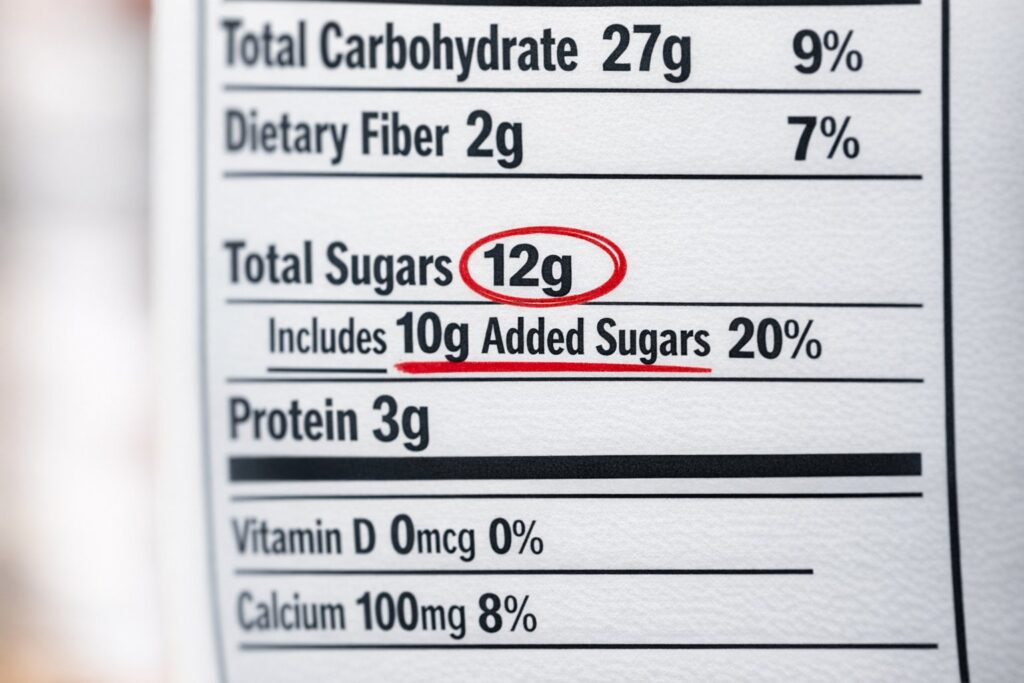
If you’re not seeing results in your first week, it’s usually not the diet—it’s little mistakes that keep you from real ketosis. Common culprits? Miscounting carbs, eating more protein than you realize, or just tracking inconsistently while you’re still getting the hang of it.
Hidden Carbohydrates in the First Week
Hidden carbs are everywhere, especially in week one. Ketchup, barbecue sauce, even some salad dressings sneak in 3-5 grams of sugar per tablespoon.
Processed meats like deli turkey or bacon can have added sugars or fillers too. Without realizing it, you could be eating an extra 10-15 grams of carbs a day.
Even “keto-friendly” veggies need to be counted. A cup of bell peppers? That’s 9 grams of carbs. A medium tomato? 5 grams. It adds up fast.
And don’t get me started on sugar alcohols in keto snacks. Some affect blood sugar more than people think, and the math on labels can be confusing. Reading every ingredient and tracking everything is the only way to spot these sneaky carbs.
Unnoticed hidden carbohydrates are one of the most common causes of stalled early progress.
Protein Intake That Is Too High for Ketone Production
Too much protein on keto can backfire because of gluconeogenesis—the body turns extra protein into sugar, which can keep you out of ketosis. Most folks need 0.6-1.0 grams of protein per pound of lean body mass, not total weight.
Take someone at 180 pounds with 30% body fat: that’s about 126 pounds of lean mass, so they need somewhere between 75 and 126 grams of protein, not 180 or more. It’s surprisingly easy to overshoot, especially with chicken breast (31 grams per 4 ounces!).
Protein should really be 20-25% of your calories, not 30-40%. Focusing on fat over protein is key, especially in week one.
Underestimating Carb Intake Through Portion Errors
Guessing portions instead of measuring is a recipe for carb creep. A “handful” of almonds might be 1 ounce for one person, 3 for another—that’s a big difference in carbs.
Veggies are another trap. You might think you’re eating a cup of broccoli (4 grams net carbs), but if it’s actually 2.5 cups, that’s 10 grams right there.
Eating out can really throw things off. Restaurant salads often hide dried cranberries, candied nuts, or sugary dressings. Even the oils and butters used in cooking sometimes have flour or other additives. It’s a minefield.
Inconsistent Macro Adherence During “Testing” Phase
Lots of people treat week one as a “test run,” but loose tracking keeps you stuck in limbo. Your body needs at least 3-4 days of really low carbs (below 20-30 grams) to start making ketones well.
If you’re strict Monday to Wednesday but let things slide on Thursday, you’re basically starting over. Same goes for “cheat meals” or relaxed weekends. The body never fully switches to fat burning.
Honestly, tracking macros every day is a lifesaver. Logging meals before you eat them helps avoid surprises, and planning your week ahead can take a lot of stress out of the process.
Are You Even in Ketosis Yet? Week One Reality Check
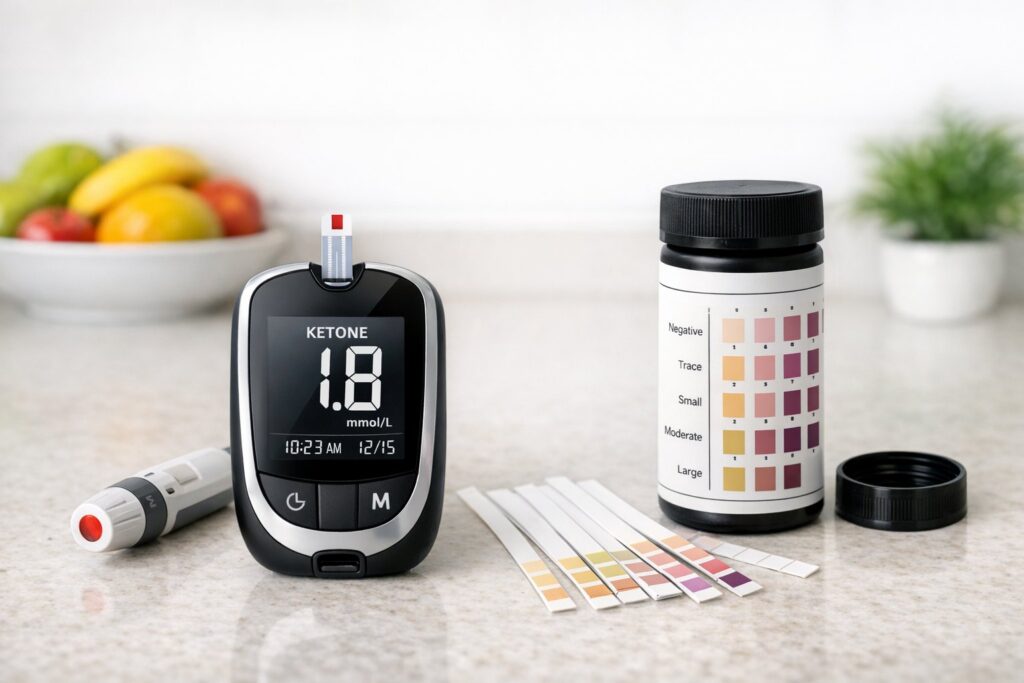
Getting into ketosis isn’t instant, and most people aren’t truly there in the first few days. There’s a difference between entering ketosis and being fat-adapted—knowing that helps keep expectations in check.
Understanding when the keto diet starts working prevents premature judgment after only a few days.
How Long It Typically Takes to Enter Ketosis
Usually, people hit ketosis in 2-4 days if they’re keeping carbs under 20-50 grams. Some folks need a full week, depending on their metabolism, how active they are, and what their diet looked like before.
Your body has to burn through stored glycogen first. Liver glycogen is gone in 24-48 hours, but muscle glycogen can take longer.
If you’re active, you’ll probably get into ketosis faster since exercise drains glycogen. But if you have insulin resistance or other metabolic issues, expect it to take longer. Coming from a high-carb lifestyle? That’ll slow things down too.
Clinical research indicates that metabolic adaptation to carbohydrate restriction varies significantly between individuals.
Ketosis vs Fat Adaptation: Important Distinction
Ketosis just means your body is making and using ketones. Fat adaptation is when your cells get really good at burning fat, and that takes time.
Ketosis can start in days, but real fat adaptation? That’s a 3-6 week process, sometimes even longer. In week one, you’re just getting started—your body’s making ketones but hasn’t mastered using them yet.
It’s pretty common to test positive for ketosis but still feel tired or see no fat loss right away. That’s just your cells figuring things out. Once your mitochondria adapt, energy gets steadier, hunger drops, and fat burning becomes more reliable—but those perks usually show up after the first week.
Why Urine Strips Often Mislead in Week One
Urine strips pick up acetoacetate, a ketone your body dumps when you first hit ketosis. In week one, you’ll often see dark purple, which can feel reassuring—but it’s not the whole story.
As your body gets better at using ketones, it stops wasting them in urine. Strips might show lighter colors or even negative results, even though you’re still in ketosis.
Drinking lots of water also dilutes the reading. If you want accuracy, blood ketone meters are the gold standard, showing 0.5-3.0 mmol/L for nutritional ketosis. Breath meters are a decent middle ground and don’t have the ongoing cost of blood strips.
Red Flags in the First Week That Require Attention

Some bumps in week one are normal, but a few warning signs mean you should pause and reassess. If you’re stuck in a high-carb range without realizing, feel wiped out with high blood sugar, or have a medical condition that affects ketosis, it’s time to look closer.
Many symptoms mistaken for failure align with known keto fatigue patterns during early transition.
Persistently High Carb Intake Despite Intent
Plenty of people think they’re under 30 grams of carbs but are actually hitting 80-100 grams thanks to hidden sources. Sauces, dressings, and “low-carb” processed foods can sneak in more carbs than you realize.
Watch out for:
- Sugar alcohols in “keto-friendly” snacks
- Condiments and dressings with added sugars
- Large servings of veggies like carrots, onions, or peppers
- Processed meats with fillers
Using a nutrition app, at least for the first week, helps spot these hidden carbs. If you see zero changes in energy, water weight, or appetite after seven days, your carb count might be higher than you think. Double-check portions, read every label, and cut questionable foods until you’ve got your numbers dialed in.
Severe Fatigue Combined With High Blood Glucose
Feeling a little sluggish is normal, but if you’re totally wiped out and your blood sugar is high, something’s off. This can happen if you’re insulin resistant or diabetic—your body just can’t switch fuel sources easily.
Warning signs include:
- Blood sugar stuck above 140 mg/dL even with low carb intake
- Extreme fatigue—can’t get out of bed or do basic tasks
- No improvement after upping salt and water
If this sounds like you, ketosis probably isn’t happening. Folks with type 2 diabetes or prediabetes may need medication tweaks or a doctor’s help. If blood sugar stays above 180 mg/dL or you feel seriously weak, call your doctor—don’t wait it out.
Medical Conditions That May Delay Metabolic Switching
Some health issues and meds make entering ketosis harder. Thyroid problems slow metabolism, while PCOS messes with insulin sensitivity and can drag out the adaptation phase.
Medications that might block ketosis:
| Medication Type | Effect on Ketosis |
|---|---|
| Corticosteroids | Raise blood sugar levels |
| Beta-blockers | Slow fat metabolism |
| Antipsychotics | Increase insulin resistance |
| Some diuretics | Disrupt electrolyte balance |
If you’re on these meds or managing a chronic condition, expect a slower transition. It’s smart to work with your healthcare provider and keep tabs on progress. If you’ve been strict for two weeks and still see no changes, it’s probably time for professional input before pushing ahead with keto.
Differentiating Normal Adjustment vs Early Breakdown

Not every slow start is a problem, but certain patterns do point to fixable mistakes rather than just the body adapting. The real trick is figuring out which early symptoms are just the body shifting into ketosis and which ones mean your macros, stress, or sleep need some attention—right now, not later.
Signals That Suggest Normal Transition
In the first week, if the scale isn’t budging but you’re seeing other markers, you might still be on track. Energy dips, mild headaches, and being thirstier than usual are all pretty standard during those first three to five days as your body burns through its glycogen.
Brain fog or feeling wiped out between days two and four? That’s common. The brain’s switching from glucose to ketones, and it just takes a little time for everything to settle in. The body hasn’t quite ramped up ketone production yet.
Clothes fitting the same despite sticking to the plan? That happens. Water weight shifts can hide fat loss on the scale in week one. Stronger food cravings can pop up, too, as insulin drops and hunger hormones do their thing. These signals aren’t failure—they’re just part of the metabolic shift before real fat burning kicks in.
Fatigue in week one may reflect the same electrolyte mistakes beginners make rather than a lack of ketosis.
Signals That Indicate Macro or Tracking Errors
Some patterns in week one are more about macro or tracking mistakes than normal adjustment. If you’re always hungry and never satisfied after meals, chances are you’re not eating enough fat or protein.
Hidden carbs are sneaky. Lots of processed “keto” foods have more carbs than you’d think, or maybe you’re just eyeballing serving sizes. Sauces, drinks, condiments—they add up fast if you’re not tracking. If you’re not measuring portions or logging food, you might be getting 20 to 30 grams more carbs daily than you realize.
Common tracking mistakes include:
- Not weighing food on a scale
- Forgetting to count vegetable carbs
- Underestimating portion sizes of nuts and cheese
- Skipping condiment and cooking oil calories
- Trusting packaged food labels without double-checking
Too much protein can slow down ketone production for some folks. If you’re consistently getting over 25% of your calories from protein, that could be the issue. Testing blood ketones and glucose can help you figure out if your food choices are the real problem, even if you’re cutting carbs.
When Stress and Sleep Are Already Interfering
High stress and lousy sleep can block ketosis, even if your macros are perfect. Elevated cortisol from stress keeps your body releasing stored glucose, which keeps insulin up and fat burning down.
Getting less than six hours of sleep? That’s a problem. Sleep deprivation messes with cortisol, ghrelin, and leptin, making weight loss tougher. If your body thinks it’s not getting enough rest, it goes into survival mode and hangs onto fat.
Physical signs like constant anxiety, trouble falling asleep even when tired, waking up a lot at night, or more belly bloating can all point to stress or sleep issues. Before tweaking your diet, try fixing sleep and stress. Small things—less screen time before bed, breathing exercises, short walks—can help lower cortisol and kickstart ketosis.
What To Adjust If You See No Results After 7 Days

If a full week goes by and nothing’s happening, it’s time to look at carb tracking, macro ratios, and electrolytes. These tweaks usually fix the most common issues—no need to overhaul your whole diet.
Rechecking Net Carb Accuracy
Lots of people focus on total carbs instead of net carbs, but that’s not usually the main issue in week one. The real culprit is hidden carbs in sauces, seasonings, and “keto-friendly” processed foods.
A food scale is your best friend here. Weighing oils, nuts, and veggies keeps carb creep in check. Condiments like ketchup sneak in 4-5 grams of carbs per tablespoon, and restaurant meals are loaded with sugar in dressings and marinades.
Tracking apps are helpful, but they’re not perfect—sometimes their databases are wrong. Double-check nutrition labels when you can. For week one, try aiming for 20-25 grams of net carbs daily, not 30-50, to make sure ketosis actually starts.
Calibrating Protein-to-Fat Ratios
Too much protein rarely blocks ketosis in the first week, even though you hear that a lot. The body turns extra protein into glucose slowly and not very efficiently. Honestly, most people eat too little protein, which just slows metabolism and causes muscle loss.
A decent ratio to try: 0.8-1.0 grams of protein per pound of lean body weight. So, for 150 pounds of lean mass, that’s 120-150 grams daily. Fat fills in the rest of your calories, but you don’t need to go overboard.
Adding extra fat with “fat bombs” or bulletproof coffee usually just ups your calories without helping ketosis. Fat is fuel, not a number you have to hit. If weight loss is your goal, you want to burn stored fat, not just what you eat. Try cutting back on added fats like butter and cream while keeping protein steady.
Learning how to calculate macros accurately often reveals portion errors that distort week-one expectations.
Managing Electrolytes to Reduce False Fatigue Signals
Sodium, potassium, and magnesium drop off fast during the first week of keto. That can make you feel tired, even if ketosis is happening. When glycogen depletes, the body dumps water and electrolytes within a couple days of carb restriction.
Sodium needs shoot up to 4,000-5,000 mg daily on keto. One teaspoon of salt is about 2,300 mg. Add salt to water, broth, or food throughout the day to avoid brain fog and weakness that feel like diet failure.
| Electrolyte | Daily Target | Food Sources |
|---|---|---|
| Sodium | 4,000-5,000 mg | Salt, broth, pickles |
| Potassium | 3,000-4,000 mg | Avocado, spinach, salmon |
| Magnesium | 300-400 mg | Pumpkin seeds, almonds, dark chocolate |
Potassium from real food works better than supplements, which are limited by law to 99 mg per pill—kinda useless, honestly. Magnesium glycinate before bed can help sleep and stop muscle cramps.
Avoiding Overcorrection and Extreme Restriction
Cutting calories too hard in week one slows your metabolism and just makes everything harder. Eating under 1,200 calories for women or 1,500 for men? Your body thinks it’s starving and clamps down on energy use.
If you’re adjusting keto macros after a week, change one thing at a time. Don’t drop carbs to 20 grams, cut calories by 500, and ditch all dairy at once—you’ll never know what actually helped. Test one tweak for three or four days before trying something else.
Some folks stall with dairy, sweeteners, or nuts, but there’s no need to cut them all in week one. Wait until week two or three to test those out if basic macro fixes don’t work.
Why Week-One Failure Is Often a Personalization Gap
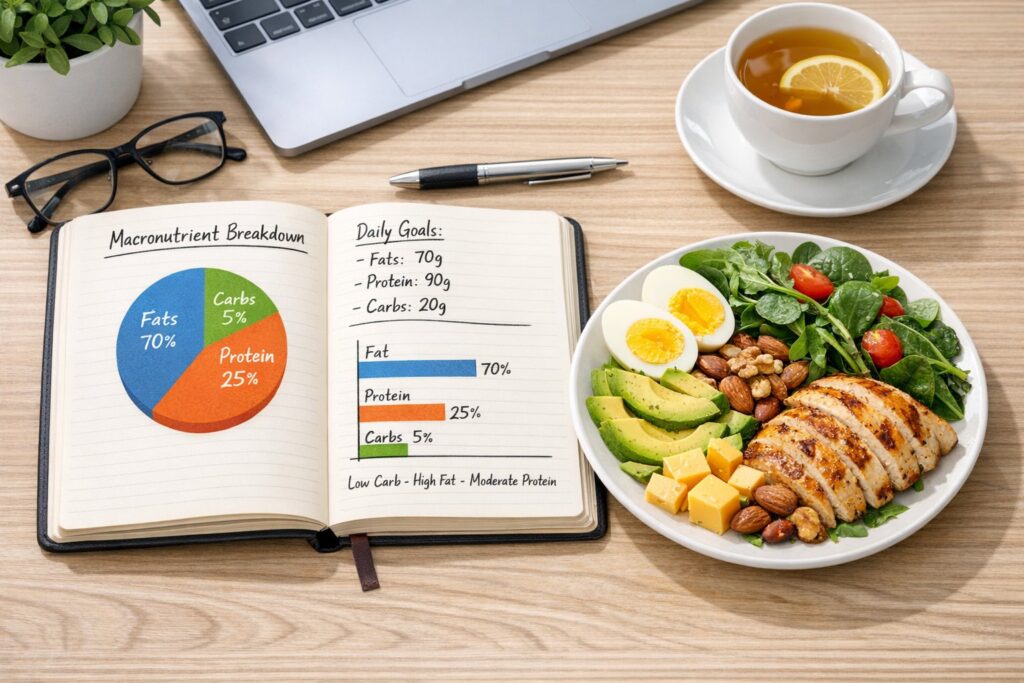
Most keto plans stall in week one because they ignore how different people really are. Generic macro templates don’t account for your actual carb tolerance, metabolic history, or insulin sensitivity. It’s not one-size-fits-all—never has been.
One-Size-Fits-All Macro Templates
Standard keto macros? Usually 70% fat, 25% protein, and 5% carbs. That might work for some, but it trips up a lot of others.
A 150-pound woman with a desk job just doesn’t need the same macros as a 200-pound guy who lifts weights all week. Using the same percentages for both can mean too little protein for one, too much fat for another.
Common problems with generic templates:
- Too much fat for folks trying to lose body fat
- Not enough protein for active people
- Carb limits that are way off—either too tight or too loose
- Calorie targets that don’t match real needs
A good keto plan should figure out macros based on your weight, activity, and goals—not just some universal chart.
Long-term progress depends on learning how to personalize your keto diet instead of relying on generic macro templates.
Individual Carb Tolerance Differences
Not everyone needs to stay under 20 grams of carbs for ketosis. Some folks do fine at 30-40 grams and still make ketones.
Athletes and people with more muscle usually handle more carbs since muscles use up glycogen faster. Someone exercising a lot might handle 35 grams and stay in ketosis. A sedentary person? Probably needs to stay closer to 15 grams.
Age matters too. Younger people with good insulin sensitivity adapt faster and can sometimes eat a bit more carbs. That’s why the same keto plan can work for your friend but not for you, even if you’re eating the same stuff.
Metabolic History and Insulin Sensitivity Variance
If you’ve been on a high-carb diet for years, keto adaptation is slower than for someone who already ate moderate carbs. The body needs time to rebuild fat-burning enzymes.
People with insulin resistance or prediabetes usually need a longer adaptation period. Their cells just don’t respond as well to insulin, so switching fuels is harder. It might take 10-14 days to see changes instead of just a few days.
Your dieting history counts, too. If you’ve done a bunch of low-calorie diets, your metabolism could be slower. You’ll need keto macros that fit your situation, not just the standard formulas everyone else uses.
If your week-one stall reflects a personalization mismatch rather than normal transition, a structured recalibration is more effective than tightening restriction blindly.
Diagnostic Summary: First Week With No Results — Normal or Red Flag?

Plenty of people starting keto see nothing change in week one. Usually, it’s just normal adaptation lag, but sometimes it’s execution errors or metabolic quirks holding things up. The difference shows up in your symptoms, eating habits, and how your body reacts to carb restriction.
If Your Signals Suggest Normal Adaptation
Some signs mean your body is adjusting, even if the scale doesn’t move. Water retention can hide fat loss, especially for women near their period. The body often hangs onto water as it gets used to lower insulin.
Mental fog, mild tiredness, and weaker workouts all point to your body moving away from burning glucose. Feeling a bit off, but not sick? That’s adaptation, not failure.
If your hunger drops around day 4-6, that’s a good sign ketone production is starting. Less appetite means your metabolism is shifting. If your energy feels steadier by days 5-7, even if weight’s the same, your body is learning to use fat for fuel.
No scale movement during real adaptation doesn’t mean no fat loss. Water changes can just hide what’s really going on.
If Execution Errors Are Likely Blocking Progress
Hidden carbs are the number one reason keto doesn’t work in week one. Most people underestimate carbs in sauces, dressings, nuts, and “keto” snacks. If you’re over 20-30 grams of net carbs, ketosis won’t happen.
Common execution mistakes:
- Not tracking food accurately (or at all)
- Eating too much protein (over 1.2g per pound of lean mass)
- Using inflammatory oils instead of quality fats
- Drinking alcohol, which stops ketone production
- Not getting enough salt (5000mg sodium minimum)
If you restrict carbs but don’t eat enough fat, you create an energy gap that triggers stress hormones. The body then holds onto weight as a defense. Some people also eat too often, never letting insulin drop between meals.
If you feel okay but see no change, it’s probably execution errors, not adaptation. These mistakes keep your body from ever reaching ketosis.
If Deeper Metabolic Issues May Be Emerging
Symptoms that go way past typical adaptation might mean there are metabolic complications. If you’re feeling wiped out all day, can’t sleep at all after day 3 or 4, or your brain fog is actually getting worse after day 5, that’s a sign something’s off.
Nausea that just won’t quit, diarrhea that hangs around for more than four days, or digestive pain could point to gallbladder trouble or maybe not enough digestive enzymes. If your body can’t break down fats properly, you’re not going to absorb them well either.
If you’ve got insulin resistance from years of eating lots of carbs, adapting will probably take longer. Some folks with metabolic syndrome might be waiting 10-14 days to notice anything, instead of just a week. Thyroid issues can slow down your response to keto, too.
Red flags requiring medical attention:
- Racing heart or chest discomfort
- Extreme dizziness when standing
- Severe muscle cramps even with electrolytes
- Sudden mood changes or depression
If you’re on diabetes or blood pressure meds, you really need your doctor in the loop. Keto can mess with your medication needs way faster than you’d expect.
What This Means for Your Next Step
Normal adapters should keep doing what they’re doing for another week. Just keep an eye on symptoms and jot down measurements.
Sometimes, weight drops suddenly in week two after water retention fades. It’s best to stick with carbs under 20g daily and not forget about electrolytes.
If you’ve made mistakes, it’s time to really look at what you’re eating. Writing down every single thing—yes, with measurements—can uncover hidden carbs or weird macro ratios.
Try using a tracking app for three or four days. Honestly, it can be eye-opening to see the real numbers compared to your guesses.
If you notice any worrying symptoms, reach out to a healthcare provider before pushing on. Getting medical advice now can help you avoid bigger problems later, but still lets you get the good stuff from keto.
Some folks might need to slow down or tweak their macros, depending on how their body reacts.