
Hidden Carbs Keto Mistakes: The Overlooked Errors Slowing Fat Loss
You can follow keto rules closely and still see no meaningful fat loss. This is one of the most common early-stage breakdowns: everything appears correct on the surface, but results don’t match the effort.
In many cases, the issue isn’t discipline—it’s hidden carb exposure that quietly disrupts ketosis without obvious signs. Small, untracked inputs accumulate, distort your carb threshold, and create the illusion that keto “isn’t working.”
This article isolates that specific failure pattern. You’ll learn how to determine whether hidden carbs are actually slowing your progress, how to identify where they come from, and how to correct them without guesswork.
Why Hidden Carbs Quietly Break Keto Progress (Without You Realizing It)

Hidden carbs mess with ketosis because they slip in quietly—never enough to notice in the moment, but just enough to block fat burning. They often come from foods you’d never suspect, so there’s a real gap between what you think you’re eating and what actually goes in.
What “Hidden Carbs” Actually Mean in a Keto Context
Hidden carbs are the sneaky kind—carbs in foods most folks assume are basically carb-free. You’ll find them in condiments, spice mixes, processed meats, and even products that scream “keto-friendly” on the label.
For example, a tablespoon of ketchup? That’s about 4 grams of carbs, mostly sugar. Ranch dressing racks up 2 or 3 grams per serving, and spice blends often hide maltodextrin or corn starch.
Deli meats? They sometimes use dextrose or corn syrup solids for flavor or preservation. These things bump up carb counts, but you’d barely notice them on a quick scan of the label.
The real kicker is that hardly anyone measures these things right. A little extra sauce here, a few bites of processed food there—it adds up. Before you know it, you’re past the 20-30 gram daily limit needed for ketosis.
Why Small Carb Leaks Add Up to Fat Loss Failure
Once you go over your carb threshold—usually around 30-50 grams for most people—the body jumps out of ketosis. Let’s say you get 5 grams from salad dressing, 3 from “sugar-free” snacks, 4 from cheese, and 6 from veggies like onions and tomatoes. That’s already 18 grams, and you haven’t even counted the main carbs yet.
These little leaks spark insulin, which stops fat burning. Your body flips back to using glucose instead of ketones, even if your carb tracker says you’re in the clear. It’s frustrating, right?
Common daily hidden carb totals:
- Condiments and sauces: 5-10 grams
- Sugar alcohols in “keto” products: 3-8 grams
- Dairy products: 3-6 grams
- Higher-carb vegetables: 4-8 grams
The result? Fat loss stalls. You’re following all the rules you know—but these hidden carbs keep you from seeing results.
Even small increases in carbohydrate intake can disrupt ketosis, as supported by metabolic research on ketogenic diets.
The Illusion of Compliance: Why You Think You’re Doing Keto Right
It’s easy to feel like you’re nailing keto if you ditch bread, pasta, and sweets. Bacon, eggs, cheese, and veggies seem like safe bets, so you assume you’re golden.
But food tracking apps sometimes miss the mark, especially with restaurant meals or recipes. You might log “grilled chicken salad” and never realize the marinade had brown sugar or the dressing was full of corn syrup. The app says low carb, but reality says otherwise.
Serving sizes also trip people up. Nutrition labels show carbs for a standard portion, but who really uses just two tablespoons of dressing? Use three, and you’re eating 50% more carbs than you thought. Over a day, those extra bites can really add up.
And don’t get me started on “keto-friendly” labels. Some products with maltitol, chicory root fiber, or modified food starch still spike blood sugar. The gap between what you think you’re eating and what you’re actually eating is often bigger than you’d expect.
This is the exact pattern seen in many cases of not losing weight on keto, where execution looks correct but results don’t follow.
Keto Triage: Are Hidden Carbs Actually Your Problem?
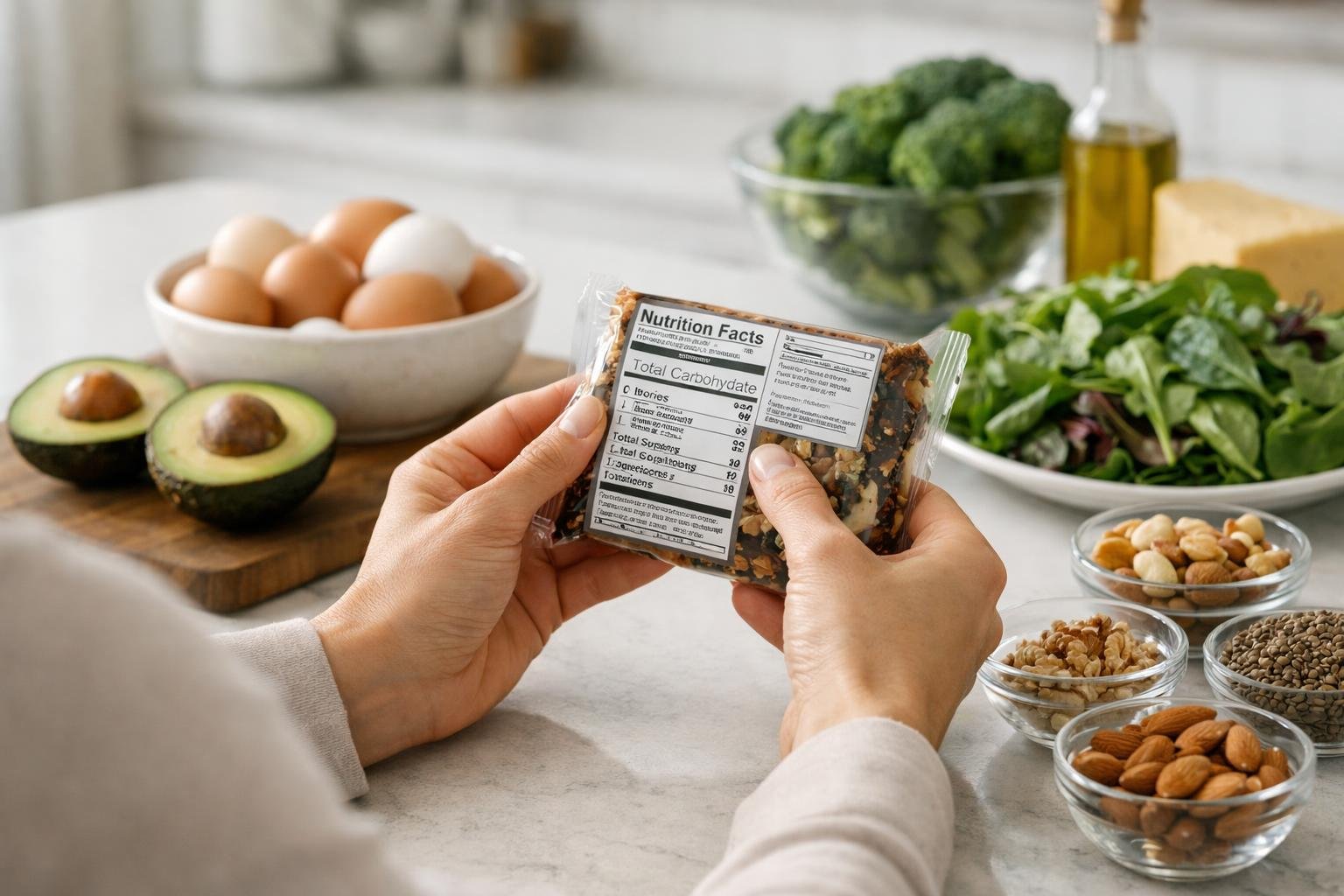
Before you pin your stalled weight loss on hidden carbs, it’s worth checking if your diet is actually working, if your body’s still adjusting, or if there’s something else going on. Different symptoms mean different things, so knowing what to look for can help you avoid changing what’s already working.
Signs Your Keto Is Working Despite Minor Carb Exposure
It’s not like fat loss stops cold if you accidentally eat a couple extra grams of carbs. The body can usually handle small slip-ups and still burn fat.
Physical indicators include:
- Steady energy all day—no big crashes
- Less hunger between meals
- Clothes fitting looser even if the scale stays the same
- Clearer thinking and good focus
With time, your metabolism gets more flexible. Someone who’s been keto for months can handle a few more carbs than a newbie. A little extra from veggies or condiments isn’t the end of the world if you’re still under 30-40 grams a day.
Weight can bounce up or down by a couple pounds just from water. If your measurements are moving and you feel good, those minor carbs probably aren’t the real problem.
Signs You’re Still Adapting (Not Yet a Hidden Carb Issue)
The first 2-4 weeks of keto can be rough. Most symptoms during this time are just your body figuring things out, not signs that you blew it.
Common adaptation symptoms:
- Feeling tired, especially during workouts
- Headaches or a bit of brain fog
- Drinking and peeing more than usual
- Mood swings or irritability
These are classic “keto flu” signs and usually clear up in about a week or so, especially if you keep up with electrolytes like sodium, potassium, and magnesium.
Sleep might get weird, and you might feel weaker for a bit. It just takes time for your body to get good at burning fat and making ketones. Patience helps here.
Signs Hidden Carbs Are Disrupting Fat Loss and Ketosis
Some patterns make it pretty obvious that extra carbs are messing with your progress. These usually pop up after you should be fully adapted.
Key warning signs:
| Symptom | What It Means |
|---|---|
| Energy crashes 1-2 hours after meals | Blood sugar spikes from hidden carbs |
| Intense carb cravings that won’t stop | Not in steady ketosis |
| Weight gain of 3+ pounds in 2-3 days | Water retention from glycogen storage |
| Hunger returning within 2 hours of eating | Insulin response triggered |
If your breath or urine ketone tests suddenly turn negative, that’s a pretty good clue you went over your carb limit. Rapid weight gain and bloating usually mean you’re storing water and glycogen again.
After four weeks on keto, if you’re still always hungry, foggy, or crashing, hidden carbs are probably to blame. These issues stick around or get worse, unlike the temporary stuff you see during adaptation.
Pattern Recognition: Inconsistent Results, Fluctuating Weight, No Clear Progress
If hidden carbs are behind your hidden carbs weight loss stall keto, the scale becomes a rollercoaster. You drop a few pounds, then gain them back for no obvious reason. This up-and-down repeats week after week.
Energy is all over the place. Maybe you feel great in the morning but crash hard after lunch, especially if that meal included a sneaky carb source.
Ketone readings are inconsistent, too. Moderate one day, barely registering the next—even with similar meals. That’s a telltale sign of hidden carbs messing with your system.
Clothes and body measurements don’t budge, even though you’re doing everything else right. It’s like the fat loss switch just won’t flip.
Diagnostic Summary: When Hidden Carbs Are the Root Cause
These patterns point to different underlying situations. Identifying which one applies to you determines whether hidden carbs are actually the problem.
- Execution Failure: You’re consuming more carbs than intended through untracked foods or portion misjudgment
- Misinterpretation: You believe you’re following keto correctly but rely on labels or assumptions instead of measurement
- Adaptation Phase: Your body is still adjusting, and current symptoms are temporary rather than execution-related
- Normal Progression: Fat loss and energy are improving, and minor carb exposure isn’t disrupting results
If your results feel inconsistent without a clear trend, hidden carb exposure is likely interfering with your execution.
If your results still feel inconsistent after reviewing these patterns, the broader issue usually goes beyond hidden carbs—this is where understanding Why Keto Is Not Working for Me becomes essential.
Where Hidden Carbs Actually Come From (Beyond the Obvious)
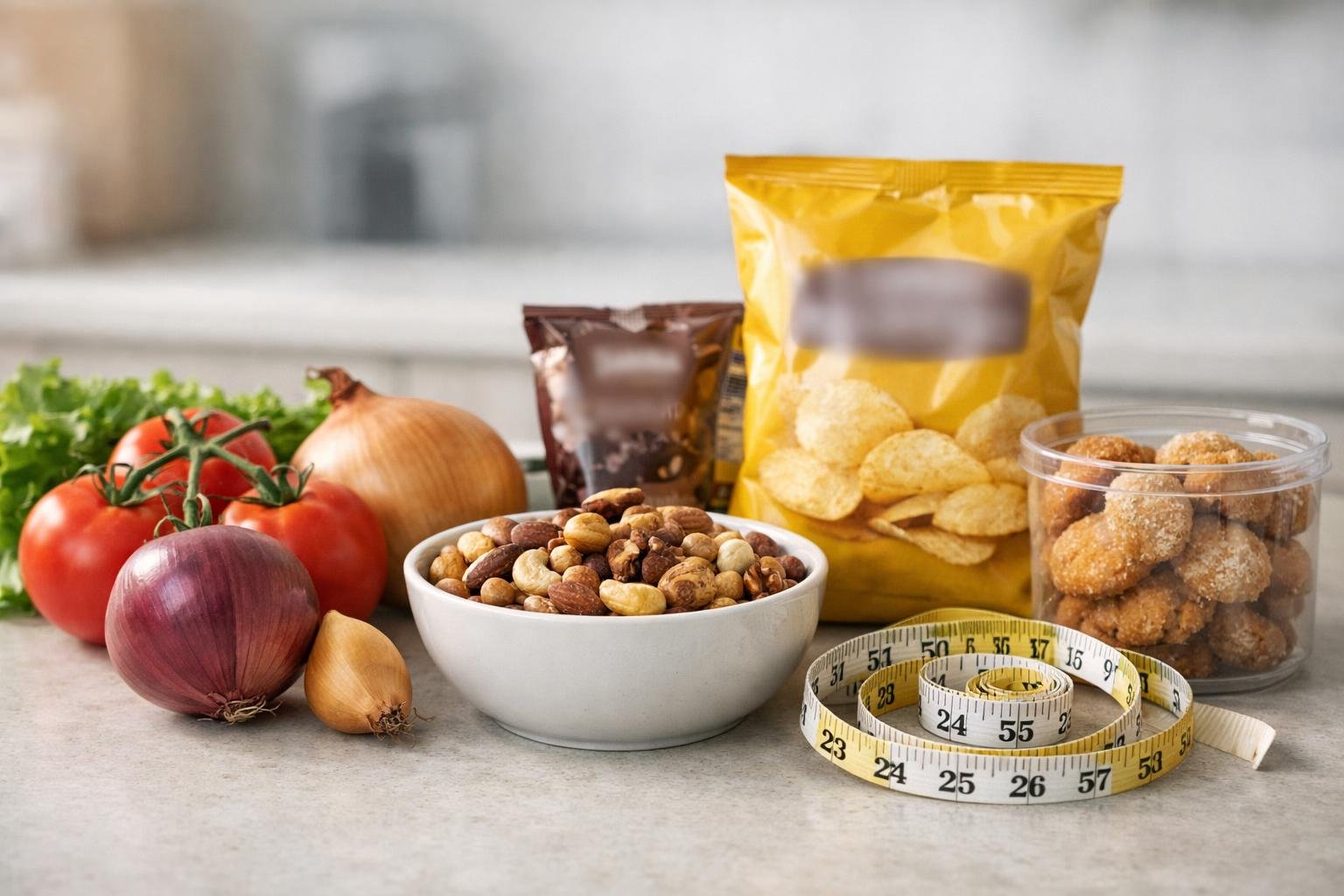
Most keto dieters keep an eye on bread, pasta, and sugar. But honestly, carbs hide in way more places than you’d expect. These sneaky sources pile up fast and can stall your fat loss before you even realize it.
Many of these issues come from overlooked hidden carb sources that quietly accumulate throughout the day.
Processed “Keto-Friendly” Foods and Labeling Loopholes
Plenty of products with “keto” or “low-carb” on the label sneak in more carbs than you’d expect. Food companies have all sorts of tricks to make the carb count look better than it really is.
Common labeling loopholes include:
- Serving sizes that are comically small
- Using “net carbs” by subtracting fiber and sugar alcohols
- Throwing in maltodextrin or dextrose as fillers (both spike blood sugar)
- Listing sweeteners separately to keep them low on the ingredient list
Take protein bars—they’re sold as keto-friendly, but most have 8-12 grams of impact carbs per bar. “Low-carb” tortillas? Four to six grams each, and if you eat two, well, you get the idea.
Keto bread, ice cream, and cookies often use chicory root fiber or soluble corn fiber. For some folks, those still act like carbs in the body.
Honestly, reading ingredient lists counts for more than any front-of-package claim. If you spot starch, maltodextrin, or dextrose in the first five ingredients, chances are it’ll mess with ketosis.
Sauces, Condiments, and Liquid Calories That Add Up
Seasonings and condiments bring flavor, but they can sneak in hidden carbs you might not notice. Just a tablespoon of some can pack in 3-6 grams of carbs.
| Condiment/Seasoning | Carbs per Tablespoon |
|---|---|
| Garlic powder | 6g |
| Onion powder | 5.4g |
| Chili powder | 4.1g |
| Balsamic vinegar | 2g |
| Ketchup | 4-5g |
| BBQ sauce | 7-12g |
Teriyaki, honey mustard, and sweet chili sauces? Even higher in sugar. Coffee drinks with flavored syrups can add 10-20 grams of carbs in one go.
Even “sugar-free” sauces might sneak in maltitol or other sugar alcohols that still affect blood sugar. It’s kind of frustrating, honestly.
On the bright side, hot sauce and plain mustard are usually safe—less than 0.5 grams per teaspoon. Real mayo is about 0.5 grams per tablespoon. White, apple cider, and wine vinegars are zero-carb, but balsamic isn’t.
Dairy, Nuts, and “Safe Foods” That Become Carb Traps
Full-fat dairy has natural sugars that add up faster than you might think. Sure, these foods can fit into keto, but portion size is everything.
Carb content in common dairy:
- Heavy cream: 0.8g per 2 tablespoons
- Sour cream: 1g per ounce
- Greek yogurt: 6-7g per serving
- Whole milk: 12g per cup
Nuts seem perfect for keto, but a few handfuls can really add up. Cashews have 8 grams per ounce, almonds about 6 grams. A quarter cup of almonds (about 30 nuts) clocks in at 6 grams of carbs.
Processed meats like deli slices and sausages can hide starches and sugars too. Some brands add 3-4 grams of carbs per serving. Canned tuna or salmon in sauce? Often has sugars that plain versions don’t.
Even veggies contribute. Kale has 9 grams per 100 grams, spinach 3.6 grams, and lettuce 2.9 grams. Three cups of raw spinach is about 6 grams of carbs. Easy to overlook, right?
Artificial Sweeteners and Their Indirect Impact on Intake
Not all sugar alternatives are created equal. Some sweeteners sold as zero-carb actually have carbs or trigger insulin spikes that can kick you out of ketosis.
Sweeteners that contain hidden carbs:
- Maltitol
- Sorbitol
- Xylitol
- Splenda (the bulking agents add carbs)
- Yacon syrup
Maltitol, for instance, has a glycemic index of 35. That’s about half as much as regular sugar. So, products with maltitol can still mess with ketosis, even if they’re labeled “sugar-free.”
Splenda packets? They use maltodextrin as a bulking agent. Each packet adds about 0.9 grams of carbs, so if you use five or six a day, that’s almost 5 grams right there.
Better alternatives include:
- Stevia
- Erythritol
- Monk fruit
- Pure liquid sucralose (no bulking agents)
Some folks find that any sweetener, even zero-carb ones, ramps up cravings. That can lead to eating more overall, which just bumps up your carb total for the day.
The Measurement Problem: Why You’re Underestimating Carb Intake

Most people on keto swear they’re eating 20 grams of carbs a day, but the real number is closer to 35-40 grams. The gap usually comes from three things: confusion over net vs total carbs, guessing portions instead of measuring, and food tracking apps with bad info.
Net Carbs vs Total Carbs: Where Miscalculations Happen
Net carbs are what you get when you subtract fiber and sugar alcohols from total carbs. The formula is: Total Carbs – Fiber – Sugar Alcohols = Net Carbs.
Here’s where the mistakes start. People subtract all fiber and all sugar alcohols, not realizing some sugar alcohols still impact blood sugar. Maltitol, for example, shouldn’t be fully subtracted—it’s not harmless.
It gets trickier with processed “low-carb” products. A protein bar might say 3g net carbs, but the company already did the math their own way. If you subtract fiber again when logging it, you’re double-counting and underestimating your intake.
For strict keto, it’s safest to track total carbs from whole foods and only subtract fiber from veggies, not from packaged stuff. That takes out the guesswork and helps you avoid accidental overdoing it.
Portion Size Distortion and “Small Bites” Accumulation
Guessing portions is one of the biggest keto mistakes out there. Studies show most people underestimate by 25-50% when they don’t use a food scale.
A “medium” avocado can weigh anywhere from 136g to 200g. That difference alone can mean 4 extra grams of net carbs. And a handful of nuts? A quarter cup of almonds (23 nuts) is 3g net carbs, but most people grab way more without thinking.
“Small bites” sneak in extra carbs all day:
- Tasting food while cooking (0.5-1g per taste)
- A berry here or there (3-5g total)
- “Splashes” of coffee creamer (1-2g per coffee)
- Finishing a kid’s leftovers (2-4g)
Add it all up, and you could have 8-15 grams of uncounted carbs every day. A digital food scale takes out the guesswork. Just weighing food for a week can be eye-opening—most people are surprised where the extra carbs come from.
Tracking App Errors and Inaccurate Food Database Entries
Food tracking apps get their data from users, and honestly, a lot of it is wrong. The same “grilled chicken breast” might have five different carb counts, with only one being right.
Common database problems:
- Restaurant items copied wrong from old menus
- Generic entries that don’t match your brand
- Net carbs listed as total carbs or the other way around
- Missing ingredients in homemade recipes
- Serving sizes that don’t match the actual product
Some apps pull from the USDA database, but even that’s not perfect. Raw vs cooked weights can be way off. For example, 100g of raw broccoli has 4g net carbs, but 100g cooked is 3g because of water loss.
Learning how to calculate macros for keto is essential to prevent underestimating carb intake.
The fix? Double-check entries against the real nutrition label or the USDA site before saving. Making custom foods for stuff you eat all the time helps too. It might take a few extra minutes, but it saves you weeks of bad tracking.
Misinterpretations That Lead to Hidden Carb Exposure
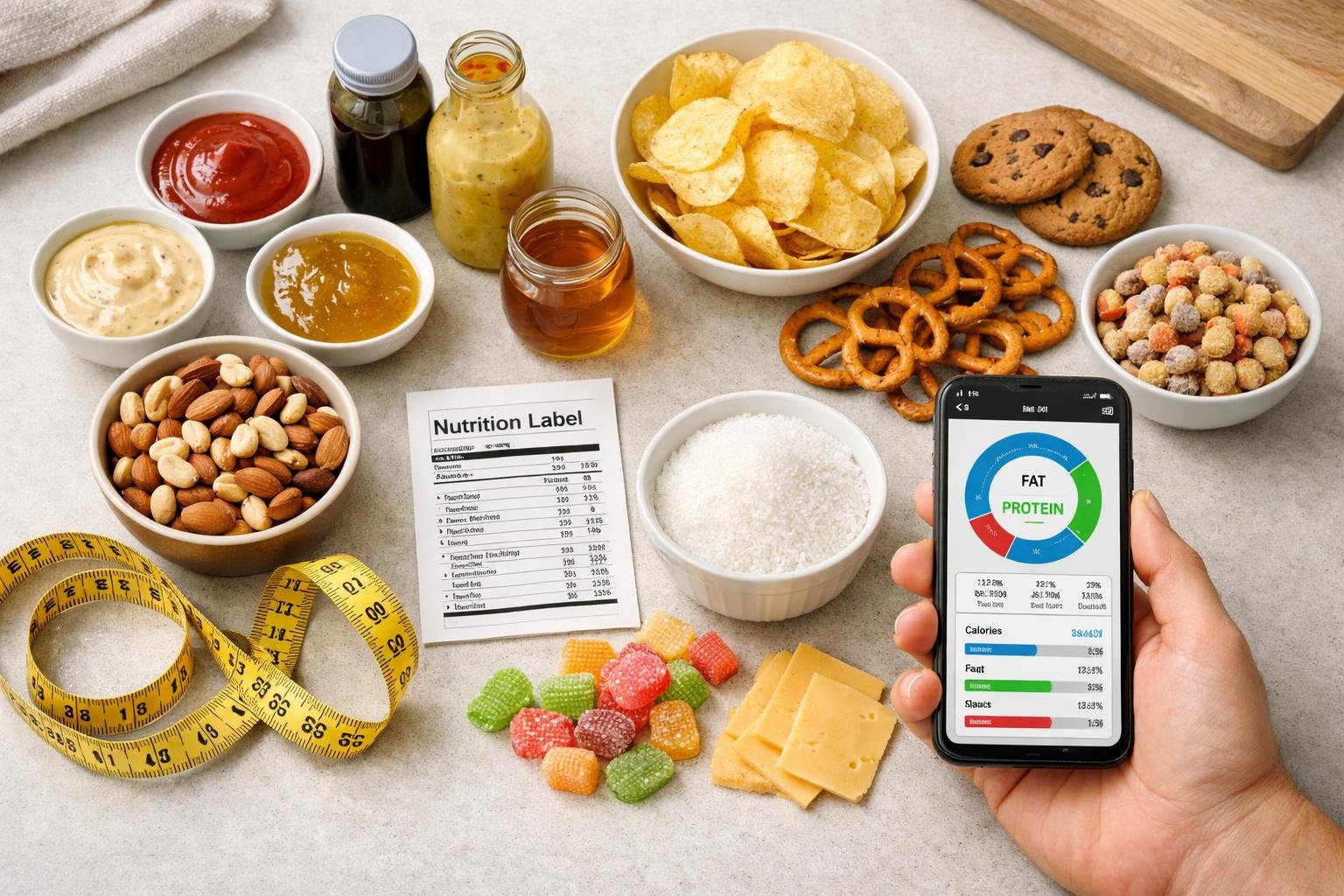
Lots of people on keto make the mistake of trusting labels, guessing portions, or treating the diet like an all-you-can-eat snack party. These habits let hidden carbs creep in and can knock you out of ketosis before you know it.
“If It’s Keto-Labeled, It’s Safe” — The Marketing Trap
Products labeled “keto-friendly” or “low-carb” often have more carbs than you think. Food makers use labeling laws to round down tiny carb amounts to zero if they’re under 0.5 grams per serving. So, a serving might say 0g carbs, but eat three servings and that’s 1.5 grams you didn’t count.
Keto foods can also use tiny serving sizes to make carb counts look low. Keto bread might list 2g net carbs per slice, but each slice is half the size of regular bread. Most people eat two or three slices to feel full, tripling their actual carb intake.
Common keto products with hidden carbs:
- Sugar-free syrups with maltitol
- Keto protein bars with soluble corn fiber
- Low-carb tortillas with modified wheat starch
- Keto ice cream with chicory root fiber
Sugar alcohols in these products can spike blood sugar in some people, even if they’re subtracted from net carbs.
Over-Flexibility Early in Keto (Too Much Guesswork)
New keto folks often skip measuring and just eyeball portions. This kind of flexibility usually means eating way more carbs than planned. A handful of almonds might look harmless, but it’s 3g net carbs per ounce, and most people take two or three ounces without realizing.
Veggies can be a problem too when you don’t track amounts. Tomatoes, bell peppers, onions—they add up fast in recipes. One cup of diced tomatoes is 7g net carbs, which is a third of a 20g daily limit.
High-risk foods for portion estimation:
- Nuts and nut butters
- Cheese and dairy
- Condiments and dressings
- Non-starchy veggies in big salads
The first month of keto really calls for strict tracking. Guessing before you know real food volumes is a classic beginner mistake, and it’s so easy to fall for.
Treat-Based Keto vs Structured Keto: Why It Slows Progress
Some folks treat keto almost like a points game, saving up carbs for treats instead of using them for nutrient-rich foods. They might skip veggies at meals just so they can have keto desserts or processed snacks later.
This fills up daily macros with low-quality, nutrient-poor ingredients. It’s not just about the carbs—these foods lack essential vitamins and minerals your body needs.
Keto snacks can really slow weight loss, especially when people eat fat bombs, keto cookies, or cheese crisps all day long. These snacks pack a ton of calories and are easy to overeat.
Sure, three keto cookies might fit your carb limit, but they can add 600 calories and leave you feeling hungry for real food. It’s a sneaky way to stall progress.
Structured keto is a different story. It’s all about real food—leafy greens, quality proteins, fats from avocados or olive oil. Treats? They’re a tiny part, maybe 10% of your intake.
Many hidden carb issues originate from confusion around dirty keto vs lazy keto approaches.
Treat-based keto flips that around, making desserts and processed stuff the main event. You might stay in ketosis, technically, but your body’s missing the nutrition it needs for real fat burning and better health.
Behavioral Clues: “Clean Eating” Without Measurable Outcomes
People with keto inconsistent results causes often swear they’re eating super clean. No bread, no pasta—just the basics. But they skip tracking condiments, sauces, or those little bites here and there.
Common habits include:
- Using store-bought marinades and dressings without checking labels
- Trusting “keto-friendly” claims without reading the fine print
- Piling on higher-carb veggies like tomatoes and peppers
- Adding milk or flavored creamers to several coffees a day
- Snacking on nuts straight from the bag instead of measuring
It’s easy to think you’re on track, but these small habits can really add up and stall progress.
Lots of people also skip detailed food logging. They eyeball portions or only track main meals, ignoring snacks and drinks. That’s where the carbs sneak in.
Secondary Execution Errors That Amplify Hidden Carb Impact
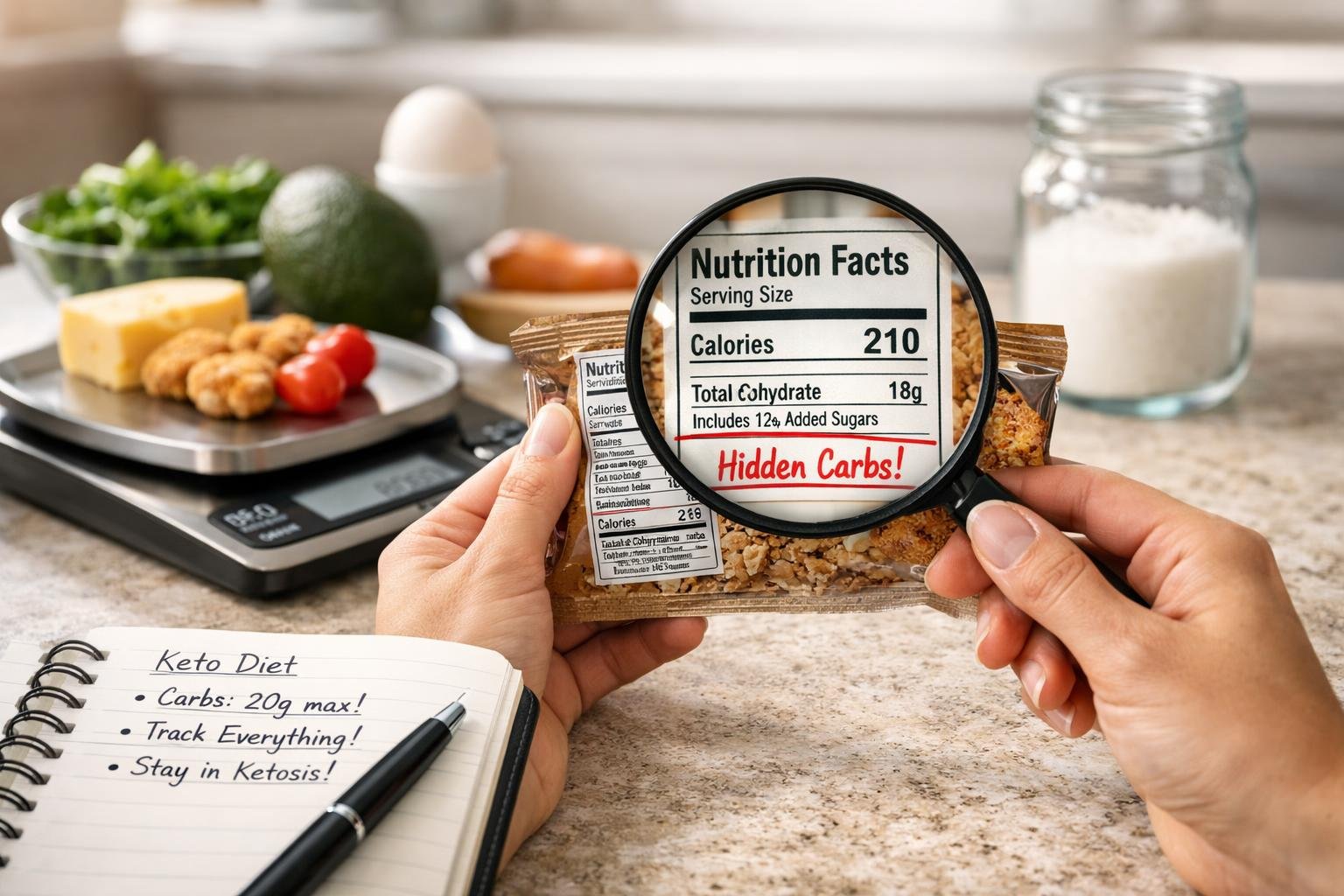
It’s not just missing hidden carbs that causes trouble. Certain habits make things worse, turning small carb slip-ups into bigger metabolic disruptions.
Poor tracking, constant snacking, and skipping meal planning all pile up, making those sneaky carbs a bigger deal than they should be.
Inconsistent Tracking and Lack of Baseline Awareness
A lot of people jump into keto without knowing what they’re actually eating. They guess at portions, or just forget to log things like sauces or cooking oils.
This can mean they’re eating 15-30 grams more carbs than they realize. That’s a lot when you’re aiming for ketosis.
Tracking usually starts out strong, then fizzles. Someone might log meals for a few days, then stop, assuming nothing’s changed—but those little extras add up. A tablespoon of ranch here, a handful of nuts there, and suddenly you’re over your carb limit.
Common Tracking Gaps:
- Condiments and sauces tossed in during cooking
- Cooking fats and oils (yep, they count)
- Beverages and sneaky additives
- Veggies in side dishes (not just the main event)
- Eyeballing portions instead of weighing them
Without a real baseline, you can’t see which foods are tripping you up. It’s like trying to fix a car without knowing what’s broken.
Eating Patterns That Increase Snacking and Carb Drift
Snacking all day means more chances for hidden carbs to sneak in. Every snack is another shot for sugar or starch to creep into your day.
If you’re eating six times a day, that’s six opportunities for those carbs to add up. Packaged keto snacks are especially sneaky—cheese sticks, flavored nuts, meat bars—they all add up fast.
Grazing makes portion control a nightmare. When you’re always nibbling, it’s almost impossible to keep track of what you’ve actually eaten.
Lack of Structured Meal Planning in Early Keto
Skipping meal planning? That’s risky, especially for beginners. Without a plan, you’re more likely to grab whatever’s easy, which usually means more packaged foods and restaurant meals loaded with hidden carbs.
It helps to have a simple rotation—7 to 10 go-to meals with known carb counts. That way, you know exactly what’s in your breakfast, and you can budget the rest of your carbs for the day without guessing.
Planning helps by:
- Cutting out last-minute, desperate food choices
- Building comfort with familiar ingredients
- Letting you prep meals in bulk
- Keeping you away from unpredictable restaurant menus
If you plan your meals, it’s easier to spot patterns when things stall. Eating randomly? Good luck figuring out what’s causing the problem.
How to Systematically Eliminate Hidden Carbs (Without Guessing)

If you want to get rid of hidden carbs, start by making things simple. Strip away the complicated stuff, then add things back in with control.
Whole, single-ingredient foods remove uncertainty. Tracking keeps you honest and helps prevent those sneaky carbs from creeping in.
Reset Phase: Simplifying Food Choices to Regain Control
Try a reset for 7–14 days. Cut out all processed foods—even the “keto-friendly” ones. No protein bars, sugar-free treats, flavored yogurts, or packaged snacks.
During this time, stick to:
- Unprocessed meats like beef, chicken, pork, or fish
- Whole eggs
- Non-starchy veggies (think spinach, broccoli, cauliflower, zucchini)
- Pure fats such as butter, olive oil, or avocado
- Salt and simple spices (black pepper, paprika—nothing fancy)
This way, there’s just no guesswork. Chicken breast? Zero carbs. Spinach? Easy to count. Plain butter? No hidden surprises.
The reset helps you feel what real ketosis is like, without sugar alcohols or weird fillers messing things up. You might be surprised what you learn about your own body.
Using a verified keto food list helps eliminate uncertainty around what is actually low-carb.
Building a Controlled Macro Environment (Tightening Inputs)
After the reset, it’s time to get precise. Track every gram you eat. You’ll need a food scale, a tracking app, and a bit of patience to measure portions.
Tracking rules that really work:
- Weigh proteins raw, before cooking
- Measure oils and fats by the gram
- Count veggie carbs—even from greens
- Log every spice or seasoning if it’s over a teaspoon
Eyeballing? Not so reliable. Most people underestimate by 30–50%. Garlic powder, for example—a tablespoon has 6g of carbs. Add a few tablespoons to a dish, and you’re way off your target.
For beginners, aim for 20g total carbs per day—not net carbs. Don’t even bother subtracting fiber at first. If you keep total carbs low enough, you’ll stay in ketosis.
Transitioning from Processed Keto to Whole-Food Precision
Clean keto is all about quality and simplicity. Dirty keto lets in fast food and sugar-free candies. Clean keto sticks with whole, unprocessed foods and skips the additives.
The switch doesn’t have to be all at once. Start by swapping out one processed thing at a time. Protein bars? Try hard-boiled eggs instead. Sugar-free syrup? Cinnamon and butter works just fine. Flavored almonds? Go for plain, and weigh them.
Processed vs. whole-food swaps:
| Processed Option | Whole-Food Alternative | Carb Difference |
|---|---|---|
| Deli turkey (2g per 2 oz) | Roasted turkey breast (0g per 2 oz) | 2g saved |
| Keto bread (3-5g per slice) | Lettuce wrap (0.5g) | 2.5-4.5g saved |
| Sugar-free BBQ sauce (4g per 2 tbsp) | Olive oil and spices (0g) | 4g saved |
These swaps add up. Saving 10g of carbs a day means 70g less per week. That can be the difference between just scraping by and actually hitting deep ketosis.
Without a structured keto meal plan, small inconsistencies tend to compound quickly.
Personalization Layer: Why Hidden Carb Sensitivity Differs by Individual

Not everyone hits ketosis at the same carb intake. Hidden carbs can throw some people off track, while others barely notice.
Carb Threshold Variability and Ketosis Sensitivity
That 20–30 gram carb limit is just a starting point. Some people can handle 50 grams and stay in ketosis. Others need to stay under 15 grams to see any results at all.
What affects your personal carb limit?
- Metabolic flexibility—how easily your body switches between burning carbs and fat
- Insulin sensitivity—some folks just process carbs better
- Time spent in ketosis—long-timers usually handle more carbs
- Genetics—certain genes make a big difference
This explains why two people can eat the same meals but get totally different results. If you have high insulin resistance, even 5 grams of hidden carbs can set you back. Someone else might not even notice.
Activity Level, Body Composition, and Carb Tolerance
Being active gives you more wiggle room. Athletes and really active people burn through carbs faster, so their muscles soak up glucose more efficiently.
Muscle mass matters too. The more muscle you have, the more carbs your body can handle. A person with 150 pounds of muscle can get away with more hidden carbs than someone with 100 pounds, even at the same weight.
If you’re sedentary, you’ve got to be stricter. Desk workers might struggle with 30 grams of carbs, while someone doing physical labor can handle 35 grams and stay in ketosis.
Why Some People Stall Faster Than Others on the Same Intake
Plateaus from hidden carbs hit everyone differently. One person stalls at 25 grams, while another keeps losing at 40 grams.
Common stall triggers:
- History of insulin resistance—former pre-diabetics usually need lower carb limits
- Thyroid function—a slower metabolism means lower carb tolerance
- Cortisol levels—chronic stress can mess with ketone production
- Age and hormones—as you get older, your metabolism shifts
Three grams of hidden carbs in your coffee creamer might not faze one person, but for someone else, it’s enough to stall fat loss. That’s why tracking is so important for people who stall easily—even if others seem to get away with more.
In some cases, what looks like stalled progress is actually part of the normal keto adaptation timeline rather than an execution failure.
When Hidden Carbs Are Not the Problem (And What to Look at Next)

Sometimes, even with super low carb intake, progress just stalls. It might not be hidden carbs at all. Maybe it’s just part of adapting to keto, eating too many calories, too much protein, or lousy sleep. There’s always something else to check.
Distinguishing Hidden Carb Issues from Adaptation Delays
New keto dieters sometimes confuse the normal adjustment period with a plateau caused by hidden carbs. Your body needs about 2-4 weeks to really switch over to burning fat, and during that time, weight loss might slow down or even stall for a bit.
Water weight can shift a lot in the beginning, making it tricky to see actual fat loss. It’s easy to think hidden carbs are sneaking in and messing things up, but that’s not always the case.
Actual hidden carb problems show up fast. If you eat something with more carbs than you realized, blood sugar usually spikes within an hour or two.
Hunger and cravings can come back quickly. You might also notice a sudden drop in energy.
Adaptation delays are a bit different. Energy tends to stay steady or even get better, and your appetite is usually under control.
The scale just won’t budge for a few days, even though you’re doing everything right. It’s frustrating, but not uncommon.
Signs you’re dealing with adaptation, not hidden carbs:
- Energy feels pretty consistent all day
- No weird hunger spikes or cravings
- Your measurements might change even if your weight doesn’t
- You’ve been on keto for less than 6 weeks
If you’ve been sticking to low-carb foods for under a month, it’s usually better to just wait it out than to go on a wild hunt for hidden carbs.
When to Escalate to Broader Keto Failure Diagnosis
Sometimes keto just stops working after a good start. That’s usually not because of hidden carbs sneaking in.
More often, it’s things like eating too many calories, going overboard on protein, stress, or certain medications that mess with your progress.
Other common reasons for keto plateaus:
- Eating at maintenance calories instead of a deficit
- More than 1 gram of protein per pound of lean body mass
- Not sleeping enough, which can raise cortisol
- Medications like beta blockers or antipsychotics
- Possible thyroid issues you haven’t checked out
Hidden carbs usually don’t add up to more than 10-15 grams a day—unless you’re eating a bunch of processed “keto” treats. For most people staying under 30 total grams, that’s not enough to kick you out of ketosis.
Once you’re adapted, total calories matter way more than a few extra carbs here or there. If you’re eating 2,500 calories a day but only need 2,000, the weight’s not going anywhere—doesn’t matter if it’s 15 net carbs or not.
At that point, it’s worth focusing on portions and energy intake, not chasing down imaginary carbs.
Elimination Check: Ruling Out Other Early Keto Failure Causes
Before you blame hidden carbs for keto diet not working reasons, it’s smart to rule out other stuff. Not eating enough fat can leave you hungry and likely to overeat, even if it’s low carb. Calories still matter for weight loss.
Low electrolytes can make you feel tired and weak—sometimes it feels like you’re out of ketosis when it’s really just a sodium or magnesium issue.
Protein intake matters, too. Not enough, and you risk losing muscle. Too much protein isn’t usually the problem people think it is, but it can make you less hungry for fats.
Sleep is another big one. Less than seven hours a night raises stress hormones and makes it harder to lose weight. Stress in general can block progress, even if your macros are perfect.
Health conditions like thyroid issues or insulin resistance sometimes need to be addressed before keto will really work. And certain meds can interfere, no matter how careful you are with carbs.
Recognizing When You Need a Structured System Instead of Trial-and-Error
Repeated troubleshooting attempts without tracking can get confusing fast. It’s honestly frustrating—people who tweak their diet every day based on what the scale says often waste weeks chasing problems that might not even be real.
Guessing rarely works out. A more structured approach just makes sense.
Try tracking your food with an app for about a week or so—seven to ten days is usually plenty. That way, you can actually see your baseline calories, protein, and carbs.
Weigh yourself at the same time each day, but don’t obsess over those daily ups and downs. Weekly averages give you a clearer picture.
It helps to measure your waist, hips, and thighs every couple of weeks, too. Numbers don’t lie, but you have to look at the right ones.
When structured tracking becomes necessary:
- Scale hasn’t budged in over four weeks
- You’ve tried changing your diet a bunch of times and nothing’s happened
- You’re more stressed and confused about what to eat than ever
- You can’t pin down which foods might be causing issues
If you’re genuinely sticking to your macros and calories, and nothing’s changing, maybe it’s time to check your metabolic markers with bloodwork. No need to keep cutting foods just for the sake of it.
When hidden carb control and consistency still don’t produce results, it usually means your setup needs a structured, personalized approach.