
How to Avoid Keto Flu: Smart Tips for a Smooth Keto Transition
Starting keto should not feel like getting sick — yet many beginners experience fatigue, headaches, and brain fog within the first week. These symptoms, commonly called keto flu, are not caused by ketosis itself but by how the transition is executed.
Most cases happen because the body loses water, sodium, and metabolic stability faster than it can adapt. When the transition is managed correctly, keto flu is often mild or avoided entirely.

This guide explains how to avoid keto flu by understanding what actually goes wrong during early adaptation and how to prevent those failures before they start.
Why Keto Flu Happens During the Keto Transition
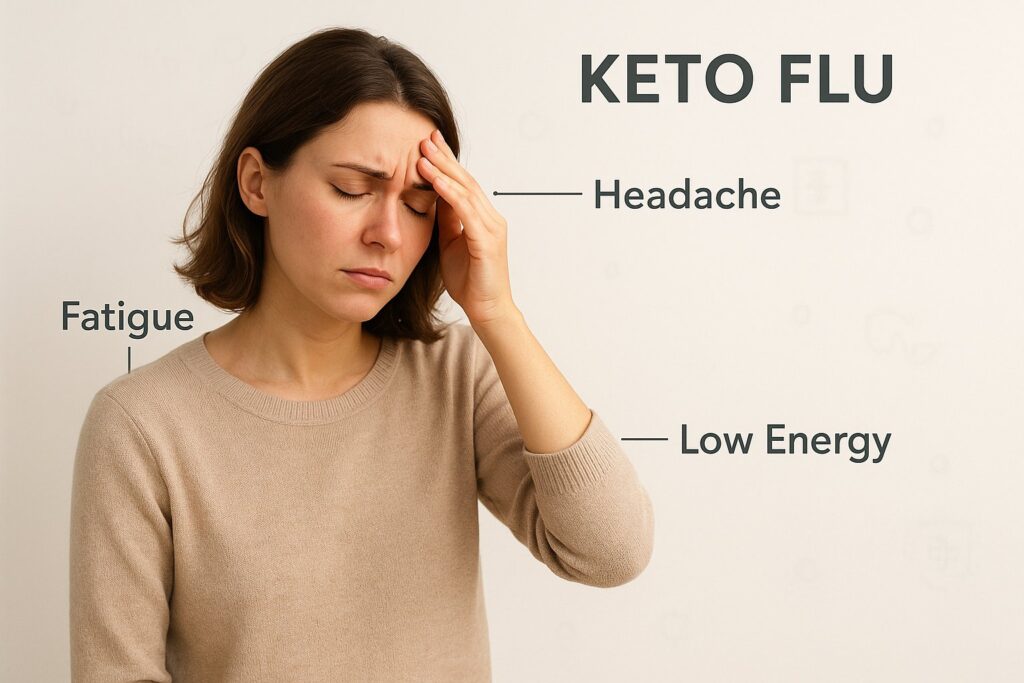
Starting a ketogenic diet changes how your body produces energy. Instead of relying on glucose from carbohydrates, your metabolism begins shifting toward fat and ketones as its primary fuel source.
The symptoms commonly called keto flu are not caused by illness or intolerance to keto itself. They occur because this metabolic transition temporarily disrupts fluid balance, electrolyte regulation, and energy availability before the body fully adapts.
Understanding what is happening biologically removes much of the confusion surrounding early keto discomfort. In most cases, keto flu is a predictable response to rapid dietary change — not a sign that keto is failing.
Glycogen Depletion and Fluid Loss
Before entering ketosis, the body stores carbohydrates in the form of glycogen inside the liver and muscles. Each gram of glycogen is stored together with approximately three to four grams of water.
When carbohydrate intake drops significantly, glycogen reserves begin to deplete within the first few days. As these stores are used for energy, the attached water is released and excreted through urine. This explains why many beginners notice rapid weight loss early on — much of it comes from water rather than body fat.
This sudden fluid loss reduces circulating water volume and can leave the body temporarily under-hydrated. As hydration levels fall, symptoms such as headaches, fatigue, and lightheadedness may begin to appear even before full ketosis is established.
These effects typically occur during the early stages your metabolism moves through while transitioning into ketosis.
Electrolyte Shifts and Energy Drops
At the same time glycogen levels decline, insulin levels also decrease. Lower insulin signals the kidneys to excrete more sodium, which increases water loss further. As sodium levels fall, other electrolytes — particularly potassium and magnesium — can become imbalanced.
Electrolytes regulate nerve signaling, muscle contraction, and cellular energy production. When levels drop too quickly, the body struggles to maintain stable energy output. This is why early keto symptoms often include:
- Fatigue or low energy
- Headaches
- Brain fog or difficulty concentrating
- Muscle weakness or cramps
- Dizziness when standing
Importantly, these symptoms are usually driven by fluid and electrolyte shifts rather than carbohydrate withdrawal itself. The body is learning to operate on a new fuel system, and temporary instability is part of that adjustment process.
Understanding realistic keto adaptation timelines helps explain why these symptoms tend to appear early and gradually improve as metabolic balance returns.
Essential Steps on How to Avoid Keto Flu

Keto flu is largely preventable when the transition into ketosis is managed deliberately. Most early symptoms appear when carbohydrate intake drops faster than the body can stabilize hydration, electrolytes, and energy production.
Avoiding keto flu is therefore less about endurance and more about execution. By controlling how quickly dietary changes occur and ensuring the body receives adequate fuel, most people can reduce or even avoid significant discomfort during the first weeks of keto.
Reduce Carbs Gradually
One of the most common mistakes beginners make is eliminating carbohydrates too aggressively. While ketosis requires low carbohydrate intake, an abrupt reduction forces the body to switch fuel systems before metabolic pathways are fully prepared.
Gradually lowering carbohydrate intake over one to two weeks allows enzymes involved in fat metabolism to increase while reducing the shock associated with sudden glycogen depletion. This smoother transition helps stabilize energy levels and reduces the likelihood of headaches, fatigue, and irritability.
Practical ways to ease into carbohydrate reduction include:
- Replacing refined carbohydrates with low-carb vegetables first
- Removing sugary drinks and snacks before cutting complex carbs
- Reducing portion sizes progressively rather than eliminating foods overnight
Personalizing your carb reduction speed prevents unnecessary metabolic stress during the transition phase, especially for individuals coming from a high-carbohydrate diet.
Eat Enough Fat and Calories
Another hidden cause of keto flu is unintentional undereating. When carbohydrates are reduced, calories often drop sharply because familiar energy sources disappear before adequate fat intake replaces them.
Fat becomes the body’s primary fuel on keto. If total calorie intake is too low during adaptation, the brain and muscles temporarily experience an energy gap, which can intensify fatigue and brain fog.
During the early transition phase, focus on maintaining energy intake rather than restricting food quantity. Prioritize nutrient-dense fat sources such as:
- Avocado and olive oil
- Eggs and fatty fish
- Nuts and seeds
- Butter or ghee in balanced portions
Eating enough fat supports steady energy availability while the body increases its ability to produce and use ketones efficiently.
Plan Your Transition in Advance
Preparation significantly reduces early keto friction. Many symptoms arise not from ketosis itself but from inconsistent meals, missed nutrients, or last-minute food choices that disrupt adaptation.
Planning meals ahead of time ensures consistent macronutrient intake and prevents situations where hunger leads to poor food decisions. A structured transition plan should include:
- Simple keto-friendly meals prepared in advance
- Accessible low-carb snacks to avoid energy crashes
- Clear hydration habits from day one
- Awareness of electrolyte intake alongside dietary changes
When the transition is planned rather than reactive, the body experiences fewer sudden metabolic swings, allowing adaptation to occur more smoothly.
Simple daily habits that stabilize energy can further support this process and make early keto adherence easier as routines begin to form.
Hydration and Electrolyte Balance Explained

Hydration and electrolyte management are the most important physiological factors in preventing keto flu. When carbohydrate intake decreases, hormonal changes alter how the body regulates fluids and minerals. Without adjusting hydration habits accordingly, temporary imbalances can develop and trigger many of the symptoms associated with early keto adaptation.
Understanding how electrolytes function during this transition allows you to correct the underlying cause rather than treating symptoms individually.
Sodium, Potassium, and Magnesium Roles
Electrolytes are electrically charged minerals that regulate nerve communication, muscle contractions, and energy production at the cellular level. During the first phase of keto, declining insulin levels signal the kidneys to release more sodium through urine. This process increases fluid loss and indirectly affects potassium and magnesium balance as well.
Each electrolyte plays a distinct role:
- Sodium helps maintain fluid balance and blood pressure stability. Low sodium levels commonly contribute to headaches, dizziness, and fatigue during early keto.
- Potassium supports muscle and heart function and helps regulate nerve signals. Insufficient potassium may lead to weakness or muscle cramps.
- Magnesium assists with muscle relaxation, sleep quality, and energy metabolism. Low levels are often linked to cramps, restlessness, or poor sleep.
Because these minerals work together, imbalance in one can affect overall energy regulation. Learning how electrolytes support keto adaptation can dramatically reduce early discomfort and stabilize the transition process.
Practical Hydration Guidelines
Proper hydration on keto involves more than simply drinking large amounts of water. Excess water without adequate electrolytes can further dilute mineral levels and worsen symptoms. The goal is balanced hydration rather than maximum fluid intake.
Effective hydration practices include:
- Drinking water consistently throughout the day instead of consuming large amounts at once
- Adding a moderate amount of salt to meals to compensate for increased sodium loss
- Including electrolyte-rich foods such as leafy greens, avocados, nuts, and seeds
- Increasing fluid intake slightly during hot weather or physical activity
Urine color can serve as a simple indicator of hydration status; pale yellow typically reflects adequate fluid balance. Persistent clear urine may indicate excessive water intake without sufficient electrolytes.
Maintaining hydration stability helps prevent sudden energy dips and allows the body to adapt more efficiently as ketone production increases.
Execution Safeguards That Prevent Keto Flu

Beyond nutrition and hydration, daily execution habits strongly influence how smoothly the body adapts to ketosis. Many early difficulties arise not from metabolic limitations but from inconsistent routines, irregular meals, or sudden lifestyle changes introduced at the same time as dietary restriction.
Establishing simple safeguards reduces physiological stress and allows adaptation to occur under stable conditions. These practices help maintain energy consistency while the body becomes more efficient at using fat for fuel.
Meal Preparation Strategy
Planning meals in advance minimizes decision fatigue and prevents situations where hunger leads to inadequate food choices. During early keto adaptation, skipping meals or relying on convenience foods often results in insufficient calories or electrolyte intake — both common triggers of keto flu symptoms.
A basic meal preparation strategy focuses on consistency rather than complexity:
- Prepare several keto-friendly meals ahead of the week
- Include a reliable source of healthy fats in each meal
- Keep simple low-carb options available for busy days
- Avoid long gaps between meals during the first adaptation phase
Structured meal timing helps stabilize blood sugar and energy availability while metabolic pathways adjust. When meals are predictable, the body experiences fewer sudden fluctuations that can worsen fatigue or irritability.
Daily Habits That Stabilize Energy
Early keto adaptation places additional demands on sleep, stress regulation, and physical activity levels. Supporting recovery during this period allows the body to redirect energy toward metabolic adjustment instead of coping with unnecessary strain.
Helpful daily habits include:
- Prioritizing consistent sleep schedules to support hormonal balance
- Choosing light movement such as walking or stretching instead of intense workouts initially
- Managing stress through short breaks, breathing exercises, or outdoor activity
- Maintaining regular meal and hydration routines
Simple daily habits that stabilize energy can make early keto adaptation significantly smoother by reducing competing stressors. As energy levels improve and fat adaptation progresses, activity intensity and dietary flexibility can gradually increase without triggering symptoms.
Monitoring Your Transition and Adjusting Early

Even with proper preparation, the body still needs time to adapt to using fat as its primary fuel source. Monitoring early signals allows small adjustments to be made before mild discomfort develops into more disruptive symptoms.
Keto flu is often intensified not because problems appear, but because they go unrecognized for too long. Learning how to interpret early feedback from your body helps maintain stability throughout the transition phase.
Warning Signs to Watch
Early keto symptoms usually begin subtly. Paying attention to small changes in energy, mood, and physical performance makes it easier to correct imbalances quickly.
Common warning signs include:
- Persistent fatigue despite adequate sleep
- Headaches or pressure sensations
- Dizziness when standing up quickly
- Muscle cramps or unusual weakness
- Difficulty concentrating or mental fog
These signals often indicate dehydration, electrolyte imbalance, or insufficient calorie intake rather than a problem with ketosis itself. Addressing these factors early — by adjusting fluids, electrolytes, or meal consistency — typically resolves symptoms within a short period.
Recognizing keto flu warning signs early allows you to adjust hydration and electrolytes intake before symptoms intensify.
When Symptoms Still Appear
Some discomfort can still occur even with careful planning, especially for individuals transitioning from a high-carbohydrate diet or those increasing physical activity at the same time. In these cases, symptoms should be viewed as diagnostic feedback rather than failure.
If symptoms develop, consider revisiting the foundational adjustment factors:
- Increase sodium and fluid intake gradually
- Ensure meals provide sufficient calories from fat
- Reduce exercise intensity temporarily
- Maintain consistent sleep and meal timing
Symptoms that improve within several days typically reflect normal adaptation. However, if fatigue or discomfort persists, it may indicate deeper execution issues that extend beyond hydration alone.
If keto flu makes you feel like keto isn’t working, read Why Keto Is Not Working for Me to understand the deeper transition mistakes most beginners never realize they’re making.
Long-Term Adaptation Stability

Once the initial transition phase passes, the body becomes increasingly efficient at using fat and ketones for energy. At this stage, keto flu symptoms typically disappear because hydration balance, electrolyte regulation, and metabolic flexibility begin to stabilize.
Long-term success on keto depends less on strict restriction and more on maintaining consistent habits that support metabolic stability. The goal shifts from avoiding symptoms to sustaining energy, clarity, and adherence without unnecessary strain.
Stable adaptation occurs when dietary patterns, daily routines, and recovery habits work together rather than competing for the body’s resources.
Maintaining consistency is the primary safeguard against setbacks. Regular meal timing, adequate hydration, and balanced electrolyte intake remain important even after adaptation, as sudden disruptions can temporarily recreate early symptoms.
Many people also benefit from gradually reintroducing higher activity levels only after energy feels consistently stable. Increasing exercise intensity too quickly during early adaptation is a common cause of fatigue returning.
Long-term stability is supported by:
- Continuing to prioritize whole, nutrient-dense foods
- Maintaining consistent hydration habits
- Monitoring energy levels rather than chasing rapid results
- Adjusting food intake based on activity and recovery needs
- Treating keto as a sustainable routine rather than a short-term challenge
As metabolic flexibility improves, the body transitions from reacting to dietary change to operating efficiently within it. At this point, ketosis feels less like an adjustment and more like a normal energy state.
Diagnostic Summary — Avoiding Keto Flu Is About Transition Control
Keto flu is not an unavoidable part of starting a ketogenic diet. In most cases, it appears when the transition into ketosis happens faster than the body can stabilize hydration, electrolytes, and energy production. What feels like illness is usually a temporary imbalance created by rapid metabolic change rather than a problem with keto itself.
Throughout the early phase of keto, the body is learning to shift from glucose dependence to fat-based energy. Glycogen depletion releases stored water, insulin levels fall, and electrolyte regulation adjusts accordingly. When these changes are unsupported by proper hydration, adequate nutrition, and structured habits, symptoms such as fatigue, headaches, and brain fog can emerge.
Avoiding keto flu comes down to transition control:
- Reduce carbohydrates gradually instead of abruptly
- Maintain sufficient calorie and fat intake during adaptation
- Support electrolyte balance alongside hydration
- Establish consistent meals, sleep, and daily routines
- Monitor early warning signs and adjust quickly
When these factors are managed well, adaptation typically becomes smoother and symptoms remain mild or short-lived. Persistent discomfort, however, often signals broader execution issues rather than a failure of ketosis itself.
If you want to prevent transition mistakes from the beginning, a structured plan removes much of the uncertainty that causes early setbacks.