
Why Does Keto Cause Bad Breath? Understanding Keto Breath and Other Possible Causes
If your breath has developed an unusual smell after starting keto, you may wonder whether the change means you are in ketosis. People often call this “keto breath,” describing an odor that can seem fruity, sweet, or similar to acetone or nail-polish remover.
The change can be surprising, particularly when it appears alongside other early adjustments to the diet.
One possible explanation is acetone, a substance produced as part of ketone metabolism that can leave the body through the breath. However, keto breath is not the only reason breath odor can change.
Dry mouth, bacteria on the tongue and teeth, gum problems, certain foods, medications, and other health conditions can also contribute to bad breath.
The important distinction is that breath odor alone cannot establish whether you are in nutritional ketosis, how much ketone your body is producing, or whether your keto routine is working as intended.
A familiar smell may be related to ketosis, but it does not rule out other causes or reliably measure progress.
The useful approach is to consider when the smell began, whether your mouth feels dry, how well you maintain oral hygiene, and whether other symptoms are present.
Persistent or unusual breath odor deserves attention, and fruity breath accompanied by symptoms such as vomiting, abdominal pain, or abnormal breathing should never automatically be dismissed as ordinary keto adaptation.
Why Does Keto Cause Bad Breath?

Keto can change your breath because your body starts making more ketones, and one of them, acetone, leaves the body in the air you breathe out. The terms people use for this smell vary, so it helps to pin down what keto breath means.
What People Mean by Keto Breath
Keto breath is a casual name for breath odor during ketosis. People describe it as fruity, sweet, sharp, chemical, or metallic. Some notice it themselves as a strange taste. Others only learn about it when someone close to them mentions it.
The term is not a medical diagnosis. It describes a change many people link to starting a ketogenic or very low-carb diet.
Why Breath May Smell Fruity, Acetone-Like, or Unusual
When carbohydrate intake drops, your liver breaks down more fat. This process makes three ketone bodies:
- Acetoacetate, the first ketone formed
- Beta-hydroxybutyrate (BHB), which stays in the blood
- Acetone, which forms from acetoacetate and evaporates easily
Because acetone is volatile (it turns into a gas readily), some of it passes from your blood into your lungs and out with each breath. Acetone has a sharp, sweet odor, which is why acetone breath on keto gets compared to nail polish remover or overripe fruit.
A metallic taste is reported too, though people describe it in different ways.
Why Not Everyone Experiences Keto Breath
Research on people following the same ketogenic plan has found large differences in ketone levels from person to person. Two people eating identical meals can produce quite different amounts of breath acetone.
Your sense of smell, the people around you, and other odors in your mouth also affect whether anyone notices. So the absence of keto breath tells you very little about your diet.
Not everyone develops a noticeable breath odor during ketosis, so the absence of keto breath does not establish that the diet is failing; reviewing the broader signs keto is working can provide more useful context than looking for one specific symptom.
Triage: Does Your Breath Odor Fit Keto Breath or Another Cause?
Start by matching the smell and timing to the patterns below.
Breath Changes That May Be Related to Ketosis
- Odor is sweet, fruity, or acetone-like.
- It began after you cut carbohydrates sharply.
- It stays even right after brushing.
- You feel well otherwise.
- It appears with a metallic or odd taste.
Breath Odor That May Relate to Oral Health or Dry Mouth
- Odor is sour, stale, or sulfur-like (“rotten egg”).
- Your mouth feels sticky, dry, or burning.
- Breath is worst in the morning or after long gaps without drinking.
- Your gums bleed, feel sore, or look swollen.
- A white or yellow coating sits on the back of your tongue.
- Brushing helps for a short time, then the odor returns.
Breath Odor That Should Not Automatically Be Blamed on Keto
- Odor started before the diet or has no clear link to it.
- Fruity breath comes with vomiting, belly pain, fast breathing, or confusion.
- You have diabetes or take insulin or SGLT2 inhibitor medicines.
- A tooth hurts, a sore won’t heal, or a bad taste stays on one side.
- New sinus symptoms, a sore throat, or postnasal drip appeared.
- You started a new medicine around the same time.
Diagnostic Summary: What May Explain Your Breath Odor?
Use the pattern you matched above to pick the most likely explanation and the step to take next.
Acetone From Ketone Metabolism May Be Contributing
Fits if: the smell is fruity or chemical, started with the diet, and you feel well.
Next step: keep up oral care and fluids, and use sugar-free gum for social situations. No need to change your diet because of the smell alone.
Dry Mouth or Oral-Hygiene Issues May Be the Main Cause
Fits if: the smell is sour or stale, your mouth feels dry, or your gums or tongue show problems.
Next step: focus on hydration, tongue cleaning, and flossing. Book a dental visit if odor or gum symptoms continue.
Your Diet or Daily Routine May Have Changed
Fits if: you now skip meals, fast longer, drink more coffee, or eat more garlic, onion, or strong-smelling proteins.
Next step: adjust the habit that changed, such as adding water between meals, and see whether the odor shifts.
The Symptoms Require More Than a Keto Explanation
Fits if: fruity breath comes with illness symptoms, you have diabetes, or odor persists despite good oral care.
Next step: contact a doctor or dentist. Seek emergency care if warning signs appear (see the urgent-care section below).
| Pattern | Most likely source | First action |
|---|---|---|
| Fruity, feel well | Acetone | Oral care, fluids |
| Sour, dry mouth | Saliva or bacteria | Hydrate, clean tongue |
| New habits | Routine change | Adjust habit |
| Fruity plus illness | Possible DKA | Urgent care |
If you want to understand what ketones actually are, how nutritional ketosis works, and what ketone measurements can tell you, a deeper explanation of the science of ketosis is the appropriate next step.
Cause #1: Acetone Produced During Ketosis
Acetone is the ketone most directly tied to breath odor, so the way your body makes it explains much of keto breath.
How the Body Produces Ketones
With few carbohydrates available, insulin levels fall and the body releases more fat from storage. The liver breaks these fats down and builds acetoacetate. Some acetoacetate turns into BHB, which muscles, the brain, and other tissues use for energy.
A smaller share breaks down into acetone. Protein intake plays a role as well, since the body can turn some protein into glucose, which slows ketone production.
How Acetone Can Affect Breath Odor
Your body doesn’t use acetone well as fuel, so much of it is released. Because it evaporates easily, it moves from the blood into the lungs and out with each breath.
Studies measuring breath acetone show levels rise within hours of starting a ketogenic diet. In one study of healthy adults, average breath acetone rose from about 0.7 to 2.5 parts per million after 12 hours. When enough acetone is present, you or others can smell it.
Why Ketone Production and Breath Odor Vary Between People
Ketone levels depend on how much fat your body releases, how fast your tissues burn ketones, your protein and carb intake, fasting, and exercise. Even under tightly controlled diets, researchers have seen strong differences between people on the same meals.
Your levels also shift through the day, so the smell may come and go.
Why a Particular Smell Cannot Measure Ketone Levels Reliably
Your nose can’t put a number on acetone. Smell is subjective, people get used to their own odors, and other breath compounds can mask or mimic acetone.
A stronger smell does not reliably mean higher ketones, and a faint one does not mean you’ve left ketosis.
Cause #2: Dry Mouth and Oral-Health Problems
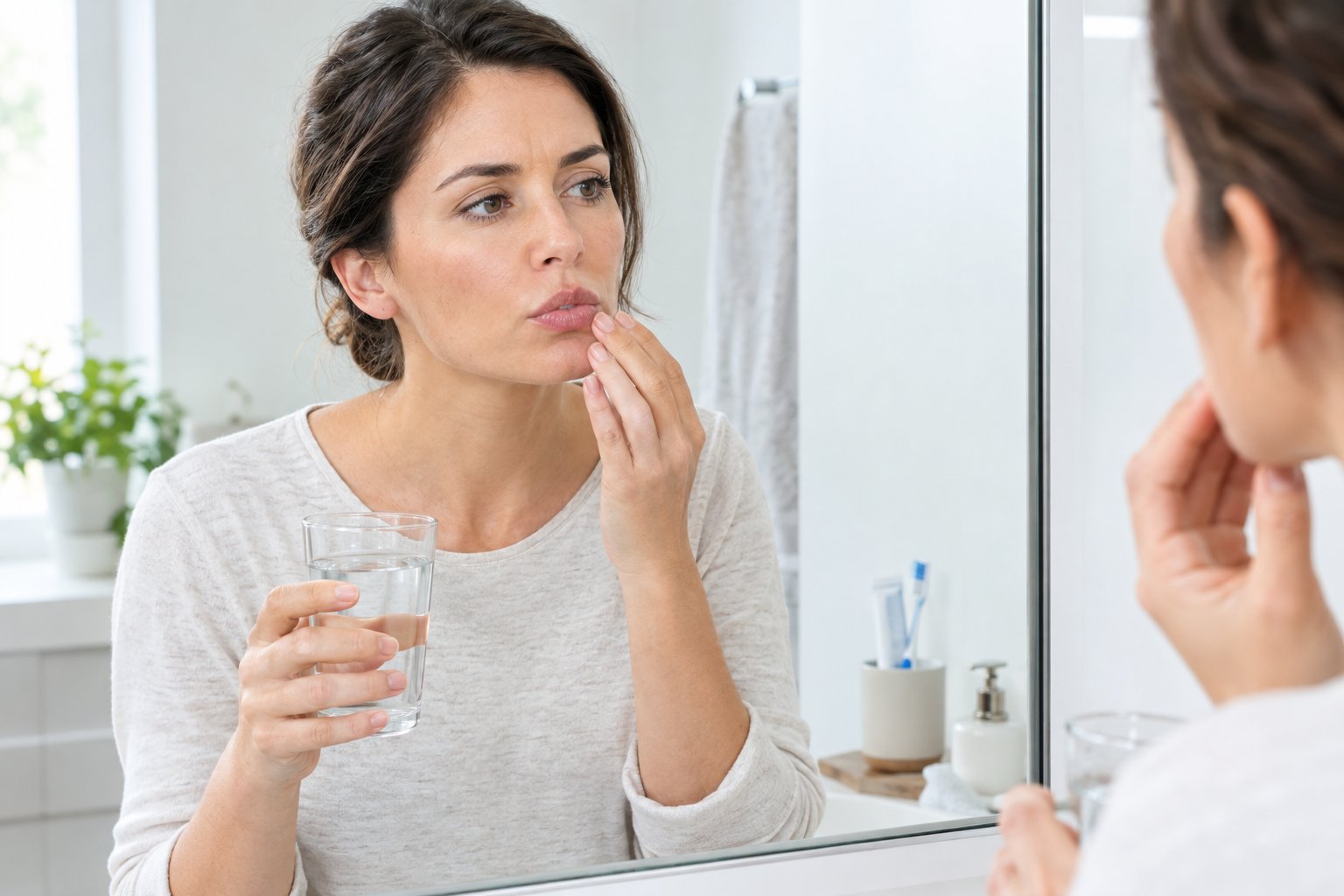
Dry mouth and oral bacteria are common sources of bad breath on keto, and they respond to different fixes than acetone does.
How Reduced Saliva Can Affect Breath
Saliva washes food bits from your teeth and gums, keeps germs in check, and keeps the mouth’s pH balanced. When saliva drops, bacteria and debris build up and odor follows. Dental and government health groups list bad breath as a symptom of dry mouth.
Saliva flow is lowest during sleep, which explains why morning breath is often the worst, and mouth breathing makes it drier still.
Several causes of dry mouth overlap with keto life: drinking less water, more caffeine, alcohol, and some medicines (including antihistamines, blood pressure drugs, diuretics, antidepressants, and GLP-1 medicines).
The Role of Teeth, Gums, and Tongue Bacteria
Bacteria living on the back of the tongue, between teeth, and along the gumline break down proteins and release sulfur gases. These gases smell sour or rotten, which differs from the sweet edge of acetone. Gum disease, cavities, and old dental work that traps food add more places for bacteria to grow.
Why Brushing Alone May Not Address Every Cause
A toothbrush cleans tooth surfaces well but misses much of the tongue and the spaces between teeth. If the odor comes from acetone, brushing won’t stop it, because acetone comes from your lungs. If it comes from gum pockets or a dry mouth, brushing gives short relief before the odor returns.
When a Dental Cause Is More Likely
A dental cause is more likely when you notice:
- Bleeding or puffy gums
- A bad taste in one area of the mouth
- Tooth pain or sensitivity
- Ongoing dryness, a rough tongue, or mouth sores
- Odor that existed before you started keto
Cause #3: Dietary and Routine Changes
Starting keto changes more than your carb count, and those side changes can affect breath on their own.
Changes in Food Intake and Meal Timing
Many people eat fewer meals or add fasting windows on keto. Long gaps without food mean less chewing and less saliva, so odor builds up.
Fasting also raises ketone production, which can add acetone on top of the dry-mouth effect.
Hydration and Dry Mouth
Low-carb eating leads to extra water loss early on, as your body uses up stored carbohydrate that holds water. If you don’t replace those fluids, your mouth gets drier.
The NIDCR suggests drinking plenty of water, about 8 to 12 cups a day, to ease dry mouth, unless your doctor has given you a fluid limit.
Other Foods, Drinks, and Habits That Affect Breath
- Garlic, onions, and strong spices
- Fish, eggs, and certain cheeses
- Coffee and other caffeine drinks, which can dry the mouth
- Alcohol and tobacco
- Protein-heavy meals that leave residue on the tongue
Why These Factors Don’t Automatically Indicate Ketosis
Each of these changes can cause breath odor whether or not you’re in ketosis. A person who fasts, drinks more coffee, and eats more garlic may notice new breath odor while producing few ketones.
Changes in routine explain the smell without telling you anything about your metabolic state.
Does Keto Breath Prove You Are in Ketosis?
No. Keto breath suggests your body may be making more ketones, but it does not prove ketosis. Testing gives a far clearer answer.
Why Smell Is Not a Reliable Ketosis Test
Smell can’t separate acetone from other odors, can’t give a level, and changes with your nose’s sensitivity. Dry mouth or new foods can create a similar impression. Some people in ketosis notice no odor at all.
What Blood Ketone Testing Can Tell You
A blood ketone meter measures BHB from a finger prick. Health groups such as the American Diabetes Association describe blood testing as the most accurate home method. It gives a number at that moment.
Ketones shift through the day, so one reading shows a snapshot. The downsides are cost per strip and the finger stick.
What Urine and Breath Testing Can Tell You
| Method | Measures | Strengths | Limits |
|---|---|---|---|
| Blood meter | BHB | Most accurate at home | Cost, finger stick |
| Urine strips | Acetoacetate | Cheap, easy | Affected by hydration; less precise |
| Breath meter | Acetone | No needles, repeatable | Device quality varies; limited independent data |
Research shows breath acetone tracks reasonably with blood BHB in studies using lab-grade sensors. Evidence for many consumer breath devices is thin, and several are rebranded generic products.
Why Ketone Levels Do Not Directly Measure Weight-Loss Progress
Ketone numbers reflect how much fat is being turned into ketones and how quickly your body uses them. They don’t measure body fat lost.
Fat loss depends on your energy balance over weeks. A higher reading on one day does not mean faster results, so track progress with measures such as weight trends, waist size, or how clothes fit.
If you are using breath odor to judge whether your overall keto plan is working, reviewing why keto is not working for you can help you examine broader execution and progress issues instead of relying on one bodily sign.
How to Reduce Keto Breath

You can reduce the odor with steady oral care and better hydration, even though acetone itself will keep leaving through your breath while ketone levels stay high.
Brush Teeth and Clean Your Tongue Consistently
Brush twice a day with fluoride toothpaste. Clean the back of your tongue with a scraper or your brush, working from back to front.
This removes the coating where odor-causing bacteria live, which helps when other odors are mixing with acetone.
Clean Between Teeth and Maintain Dental Care
Floss or use interdental brushes once a day to clear food trapped between teeth. Keep regular dental checkups. A dentist can spot gum disease or decay that home care misses.
Address Dry Mouth With Appropriate Fluids and Oral Care
- Sip water through the day and with meals.
- Limit caffeine and alcohol, which dry the mouth.
- Use a humidifier at night if you wake with a dry mouth.
- Ask a pharmacist about saliva substitutes if dryness persists.
- Ask your doctor whether a medicine might be drying your mouth. Don’t stop any medicine on your own.
Use Sugar-Free Gum or Mints for Temporary Relief
Sugar-free gum and mints mask odor and boost saliva. Gum with xylitol may also help protect teeth. Read labels, since some sugar alcohols upset digestion in larger amounts. Expect relief to last a short time; this is a cover, not a cure.
Review Persistent Odor Rather Than Changing Your Diet Based on Smell Alone
If the odor lasts despite good care, look into its cause before changing how you eat. Adding carbs only to stop the smell may not help if dry mouth or gum disease is behind it. If you choose to adjust your diet, base that choice on your health goals and advice from your doctor or dietitian.
How Long Does Keto Breath Last?
Keto breath fades for many people as their bodies adjust, but there is no fixed timeline, and odor that lingers deserves a closer look.
Why Breath Odor May Change During Adaptation
Ketone levels can rise quickly in the first days of carb restriction. As time goes on, your tissues may use ketones more efficiently, and your eating and drinking habits settle.
Either change can affect how much acetone you release and how strong the odor seems.
If the odor appeared during the early transition to keto, understanding the keto adaptation stages can help you place that change in the wider context of adjusting to a new eating pattern, without assuming every symptom is caused by adaptation.
Why There Is No Guaranteed Timeline
Studies show large differences in ketone patterns between people on the same diet. Your carb and protein intake, fasting, exercise, and fluids all shift ketone levels.
Any promise of a set number of days or weeks goes beyond what the evidence supports.
What Persistent or Returning Odor May Indicate
Odor that stays may reflect ongoing high ketones, such as with long fasts. It can also point to dry mouth, gum disease, or another cause that keto has made easier to notice.
If the smell returns after fading, check what changed: a new fasting pattern, less water, a new medicine, or a dental problem.
When to Consider a Dental or Medical Assessment
See a dentist if odor persists despite good oral care, or if you have gum bleeding, tooth pain, or dry mouth that doesn’t improve.
See a doctor if you have diabetes, take medicines that affect ketones, or notice other new symptoms alongside the smell.
When Fruity Breath Needs Urgent Medical Attention

Fruity breath together with signs of illness can signal diabetic ketoacidosis (DKA), a life-threatening emergency that needs care right away.
The Difference Between Nutritional Ketosis and Diabetic Ketoacidosis
| Feature | Nutritional ketosis | DKA |
|---|---|---|
| Cause | Low-carb eating or fasting | Not enough insulin |
| Blood sugar | Normal or slightly lower | Usually very high (can be lower with SGLT2 inhibitors) |
| Ketone level | Moderate | Very high, blood turns acidic |
| How you feel | Generally well | Increasingly sick |
| Who is at risk | Most healthy adults | Mainly people with diabetes |
In healthy people, insulin keeps ketone levels in check. In DKA, the body lacks insulin, so ketones build up until the blood becomes too acidic.
Fruity Breath With Vomiting, Abdominal Pain, or Abnormal Breathing
Call your emergency number or go to an emergency room if fruity breath comes with:
- Nausea or vomiting, especially if you can’t keep fluids down
- Stomach or belly pain
- Fast, deep, or heavy breathing, or trouble breathing
Fruity breath should not automatically be attributed to nutritional ketosis if it occurs with vomiting, abdominal pain, rapid or deep breathing, confusion, or severe weakness; the CDC’s guidance on diabetic ketoacidosis explains these warning signs and when emergency care is needed.
Additional Warning Signs Such as Confusion or Severe Weakness
Other signs that need prompt care include confusion, extreme tiredness or weakness, intense thirst, peeing much more than usual, a flushed face, dry skin, headache, and muscle aches. DKA can begin slowly and then worsen fast.
Why People With Diabetes or Relevant Medication Risks Need Particular Caution
The American Diabetes Association lists very low-carb eating and fasting as risk factors for high ketones in people with diabetes. Risk is higher if you take insulin or SGLT2 inhibitors (such as ertugliflozin).
With SGLT2 inhibitors, DKA can occur even when blood sugar is below 250 mg/dL, which makes it easy to miss. Illness, infection, dehydration, missed insulin doses, and pregnancy raise risk further. If you have diabetes, talk with your care team before starting keto, follow your ketone plan, and test ketones whenever you feel unwell.
Address the Odor Without Relying on It as a Health Signal
Treat keto breath as a hygiene issue to manage and use proper tools for health questions. These four steps pull the earlier guidance into one routine.
Identify Whether the Pattern Fits Keto Breath
Ask three questions: Did the smell start with the diet? Is it sweet or chemical? Do you feel well? Yes to all three points toward acetone. A sour smell, gum symptoms, or illness points elsewhere.
Maintain Oral Hygiene and Review Dry Mouth
Make tongue cleaning and flossing part of your daily routine, and check your water intake on fasting days. If dryness continues, review medicines and caffeine with your doctor or pharmacist.
Use Appropriate Testing Rather Than Smell to Assess Ketones
If you want to know your ketone level, use a blood meter for accuracy or urine strips as a rough guide. Let your progress toward goals be judged by measures that track those goals, since neither smell nor ketone readings show fat loss.
Seek Help When the Symptoms Don’t Fit Ordinary Adaptation
Book a dental visit for persistent odor with mouth symptoms. Contact your doctor if you have diabetes or take insulin or SGLT2 inhibitors. Seek emergency care for fruity breath with vomiting, belly pain, heavy breathing, or confusion.
If you are also looking for a more structured approach to your overall keto routine, a guided meal-plan framework can help organize day-to-day food choices and consistency. It is a routine-support option, not a treatment for persistent bad breath or a substitute for medical or dental assessment.
Conclusion: Keto Breath Can Reflect Ketone Production, but Smell Alone Doesn’t Tell the Whole Story
Keto breath happens when your body makes more acetone during ketosis and releases it through your lungs. Dry mouth, oral bacteria, and changes in eating and drinking can cause similar or added odor, and they call for their own fixes.
The smell can’t confirm ketosis or show fat loss, and blood or urine tests give you better answers about ketones.
Brush and clean your tongue daily, floss, drink enough water, and keep sugar-free gum on hand for social moments.
If odor lasts despite that care, see a dentist. If fruity breath comes with vomiting, belly pain, heavy breathing, or confusion, or if you have diabetes and feel unwell, get medical help right away.