
Keto Cheat Meal Rules: Smart Ways to Indulge Without Losing Ketosis
This post may contain affiliate links. If you purchase through these links, I may earn a small commission at no extra cost to you. LEARN MORE.
Craving a slice of pizza or a piece of cake while following keto? You’re not alone—strict low-carb eating can make those little indulgences feel almost irresistible.
But here’s the thing: one wrong move and your body might slip out of ketosis. The key is figuring out how to enjoy a cheat meal without undoing all your progress or losing that fat-burning state that makes keto work so well.
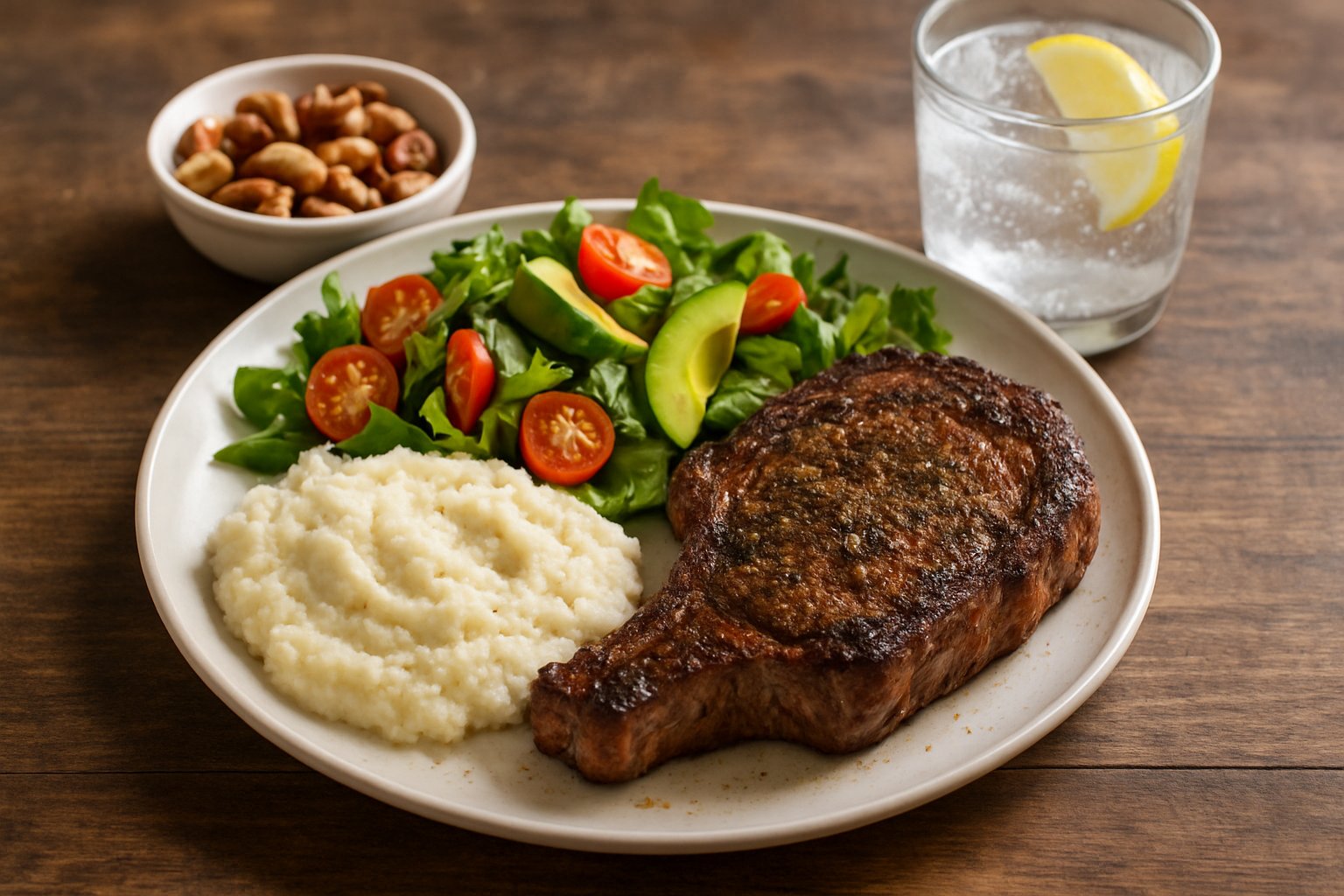
If you approach it with some intention, a cheat meal can absolutely fit into a keto lifestyle. It starts with understanding how carbs mess with ketosis, and a bit of planning around that.
Choosing smarter foods, timing your meal, and watching your portions—these small things can mean the difference between a quick blip and a longer setback.
Craving a personalized plan that lets you stay in ketosis even after a cheat? Try the Keto Creator plan — it adjusts your macros and food timing to keep fat-burning consistent.
Key Takeaways
- Yes, you can have cheat meals on keto—if you plan ahead.
- Making smart food and timing choices helps keep ketosis within reach.
- Getting back to low-carb eating quickly is your best bet for a speedy recovery.
Understanding Keto Cheat Meals
Keto cheat meals are basically those moments when you eat higher-carb foods while still following a ketogenic diet. Sometimes, you just want to satisfy a craving and make the diet feel less like a grind.
Of course, there’s a risk: too many carbs can disrupt ketosis and slow your fat loss. That’s why keeping an eye on portions, food choices, and timing is so important.
What Is a Keto Cheat Meal?
A keto cheat meal is just a planned meal where you eat foods that aren’t usually allowed on keto—like bread, pasta, or dessert. It’s a mental breather from all the rules, and honestly, sometimes that’s what keeps people going long-term.
But it’s not the same as ditching the diet altogether. A cheat meal is just that: one meal, not a whole day of carb overload.
Depending on your tolerance, a typical cheat meal might include 50–100 grams of carbs. Even a small amount, though, can raise insulin and pause ketone production.
Most people who plan cheat meals keep a close watch on their macronutrients and get right back to low-carb eating afterward to limit any detour from ketosis.
How Cheat Meals Affect Ketosis
When you eat a cheat meal, your carb intake goes up, which bumps up blood sugar and insulin levels. That’s enough to tell your body to stop making ketones and start burning glucose instead.
This shift can last anywhere from a few hours to a couple of days, depending on how many carbs you had and your own metabolism. Folks who’ve been in ketosis for a while usually bounce back faster, thanks to better fat adaptation.
Short-term, you might notice water retention, bloating, or a spike in hunger—mostly from glycogen refilling and insulin doing its thing.
Some people try to combine cheat meals with exercise or intermittent fasting to help burn off the extra glucose and get back to ketosis more quickly.
Difference Between Cheat Meals and Cheat Days
Here’s the big difference: a cheat meal is just one meal, while a cheat day is, well, the whole day.
| Type | Duration | Typical Carb Intake | Ketosis Impact |
|---|---|---|---|
| Cheat Meal | One meal | 50–100g | Temporary disruption |
| Cheat Day | Full day | 200g+ | Prolonged loss of ketosis |
With a cheat meal, you get to indulge a little but keep things under control. Cheat days, on the other hand, tend to lead to bigger insulin spikes, more cravings, and a much slower return to ketosis.
Most people on keto realize that sticking to just one meal is way easier for staying consistent and getting back to fat-burning mode quickly.
Learn how ketosis works in fat burning in our article The Science of Ketosis: Exploring Metabolic Adaptation.
Risks and Benefits of Cheat Meals on Keto
Cheat meals on keto can shake up your physical and mental progress. Sure, they might knock you out of ketosis for a bit, but sometimes a little break from strict eating is just what you need to stay motivated.
Potential Setbacks: Losing Ketosis and Keto Flu
One high-carb meal is enough to push your body out of ketosis by topping off glycogen stores and raising blood sugar. When that happens, ketone production stops, and glucose takes over as your main fuel.
Getting back into ketosis can take anywhere from a day to a few days. During that time, you might feel the dreaded keto flu: fatigue, headaches, maybe a bit of crankiness.
It’s all thanks to insulin spiking to handle the extra sugar, which temporarily reduces insulin sensitivity. For anyone managing blood sugar issues, this can make things trickier—just something to keep in mind.
To make it less painful, plan your cheat meals and try to keep the carbs reasonable. Staying hydrated and topping up on electrolytes can also help you bounce back.
Psychological Relief and Motivation
Let’s be honest—strict diets can wear you down. A planned cheat meal gives you a little mental break and lets you enjoy something you’ve been missing, guilt-free.
That short pause can actually boost your motivation and make sticking with keto feel more doable. Knowing you can have a treat every once in a while just makes the whole thing less daunting.
But, if you start making cheat meals a habit, it can backfire and lead to overeating. It works best as an occasional tool, not an everyday thing.
Try eating slowly and really savoring your cheat meal. Mindful eating can help you enjoy it more and keep you from going overboard.
Impact on Weight Loss and Metabolic Flexibility
Cheat meals can impact weight loss by bumping up your calorie intake and pausing fat burning. When you refill glycogen stores, your body hangs onto more water, so don’t be surprised by a little weight gain right after.
On the flip side, the occasional carb hit can improve metabolic flexibility, teaching your body to switch between burning fat and glucose. This is usually more noticeable if you’ve been on keto for a while.
Still, if you cheat too often, it’ll slow your progress by knocking you out of ketosis and messing with insulin sensitivity. Keeping track of carbs and getting back to keto quickly helps you stay on track.
Tip: A bit of light exercise after your cheat meal can help use up extra glucose and speed up your return to ketosis. Worth a try, right?
If you’ve stalled, check out Breaking Through Keto Plateaus: Advanced Strategies to Restart Your Weight Loss Journey.
Planning and Timing Your Keto Cheat Meal
If you’re going to have a cheat meal on keto, it’s way better to plan it out. When you eat, how much, and what you do before or after can all affect how fast you get back into ketosis—and how much the extra carbs actually set you back.
Strategic Scheduling for Special Occasions
Cheat meals work best around special occasions like birthdays, holidays, or get-togethers. If you plan ahead, you’re less likely to make impulsive choices and more likely to keep the carbs in check.
Some people like to schedule a cheat meal after two or three weeks of solid keto. That way, your body’s fat-adapted and can recover faster.
Having your cheat meal earlier in the day gives you more time to burn off the glucose before bed. If you can, pair it with a high-intensity workout or an active day to use up that glycogen.
Here’s a simple plan:
| Step | Action | Benefit |
|---|---|---|
| 1 | Schedule cheat meal around events | Reduces temptation to overindulge |
| 2 | Choose nutrient-dense carbs | Minimizes blood sugar spikes |
| 3 | Resume keto next meal | Helps re-enter ketosis faster |
Portion Control and Frequency
Cheat meals should be occasional and not over the top. If you turn one meal into a whole cheat day, you’ll just make it harder to get back into ketosis. Most folks do fine with a cheat meal once every week or two, or even less if they’re really focused.
Portion control is honestly more important than the food itself. A single serving of pasta or a small dessert can scratch that itch without sending your insulin through the roof.
Try using smaller plates and skip the seconds. Keeping portions in check also means less water retention and grogginess afterward.
It helps to keep an eye on your carb intake during a cheat meal—staying under 100 grams of net carbs is a reasonable target for most.
Role of Exercise and Intermittent Fasting
Exercise and intermittent fasting can help you get back into ketosis faster. Working out before your cheat meal can deplete glycogen stores, so your body uses the new carbs for recovery instead of storage.
Going for a fasting window of 14–18 hours after the cheat meal can drop insulin levels and nudge your body back into fat-burning mode. Staying hydrated and keeping up with electrolytes during fasting helps with energy and cravings.
Even light cardio or some resistance training the next day can speed things up. These little tweaks make cheat meals less of a roadblock and keep your keto progress moving.
Pair cheat flexibility with metabolic workouts — see how Hyperbolic Stretching improves fat-burning efficiency post-meal.
Choosing Keto-Friendly Cheat Meal Alternatives
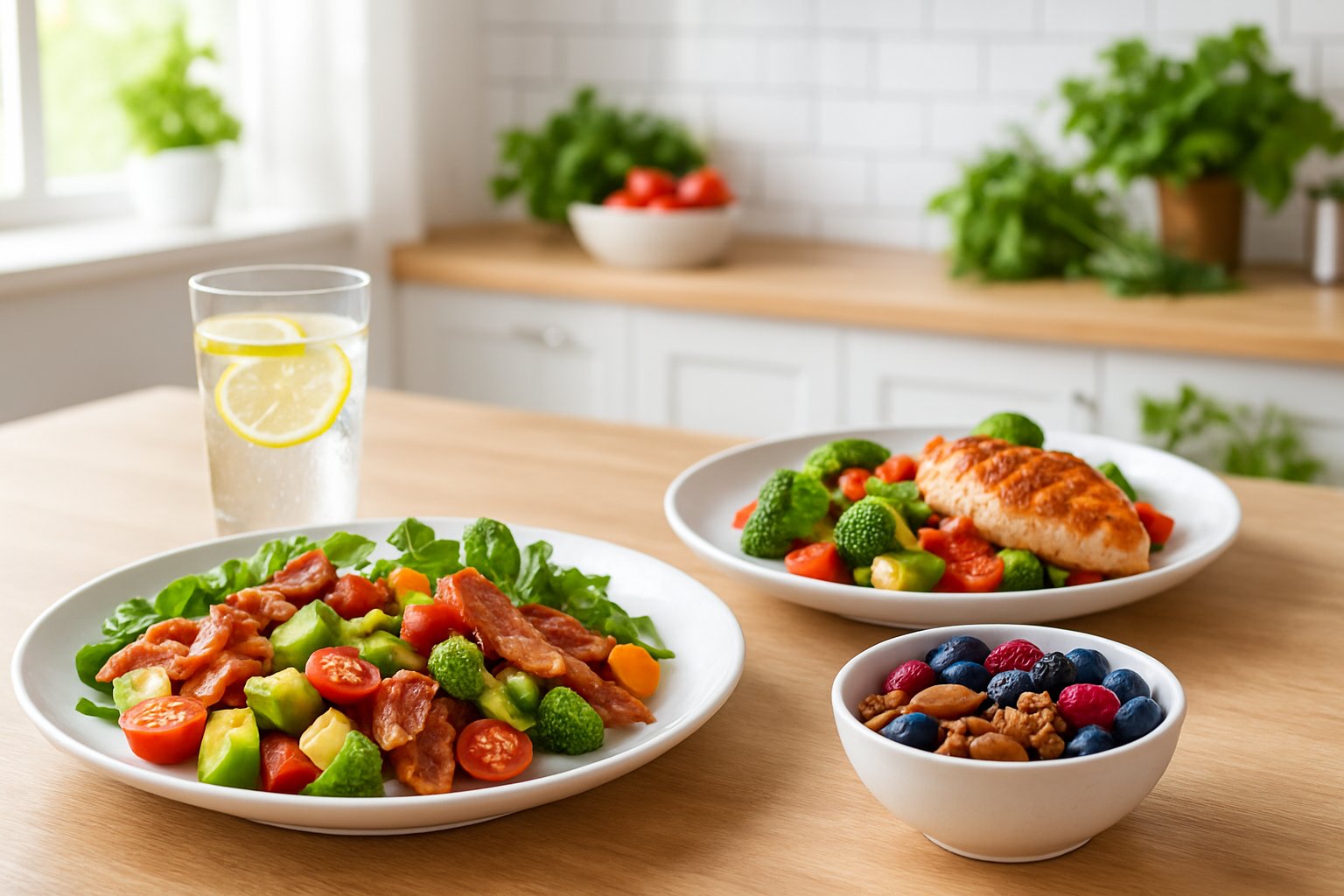
Picking the right foods is huge if you want to stay close to ketosis but still enjoy yourself. Low-carb swaps, high-fat treats, and just being a little choosy with ingredients can let you have a cheat meal without totally derailing your progress—even if you’re eating out or celebrating.
Low-Carb Swaps and High-Fat Treats
Swapping out high-carb foods for low-carb alternatives really keeps meals satisfying and still fits those keto goals. Cauliflower rice, zucchini noodles, and almond flour crusts do a surprisingly good job mimicking the texture of classic dishes, minus the carb overload.
High-fat treats can definitely help with cravings. Some tasty examples:
- Keto cheesecake—cream cheese and an almond flour base
- Fat bombs with coconut oil, nut butter, or cocoa powder
- Avocado mousse sweetened with a keto-friendly sweetener
These treats give you energy from fats instead of carbs. Just remember, moderation matters—even low-carb desserts can sneak up on your calorie count.
Smart Ingredient Choices: Almond Flour, Zucchini Noodles, and Dark Chocolate
Some keto staples really open up cheat meal options. Almond flour swaps in for wheat flour, bringing fewer carbs and a bit of nuttiness. Zucchini noodles are a handy pasta stand-in, especially with creamy sauces or meaty toppings.
Dark chocolate, at least 85% cocoa, makes for a rich dessert with hardly any sugar. Used in moderation, it scratches that sweet itch without spiking your blood sugar.
Here’s a quick look at how these swaps stack up on carbs:
| Ingredient | Traditional Option | Keto Swap | Approx. Carb Difference (per serving) |
|---|---|---|---|
| Wheat Flour | 20g | Almond Flour | 2g |
| Pasta | 40g | Zucchini Noodles | 4g |
| Milk Chocolate | 25g | Dark Chocolate (85%) | 10g |
You can find these ingredients from Amazon below. We have picked the best seller for you.
Navigating Dining Out and Social Events
Eating out or going to parties can really test your keto resolve. Planning ahead helps—check menus online, pick grilled meats, salads with olive oil, or bunless burgers to keep things low-carb.
For social events, bringing a keto dessert or snack like cheese bites or nut clusters is a solid move. Focusing on conversation (and politely passing on the bread basket) makes it easier to stay on track.
Ordering sides like steamed veggies instead of fries, or asking for butter and avocado as toppings, can make restaurant meals fit your keto goals. Small tweaks go a long way—it’s not all or nothing.
Need quick food inspiration? Explore 10 Delicious and Effortless Lazy Keto Meals.
Recovery: How to Re-Enter Ketosis After a Cheat Meal
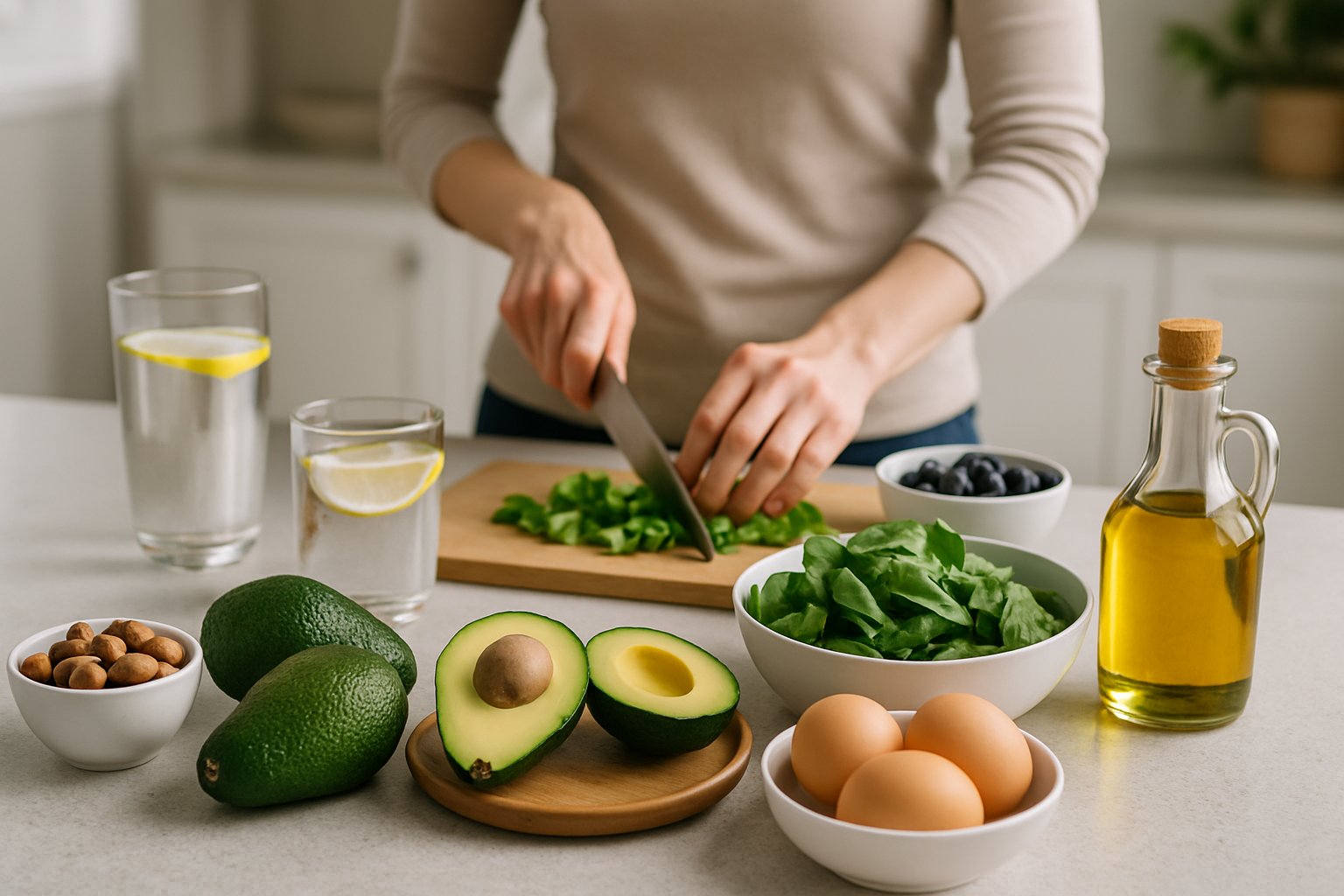
After a high-carb meal, your body flips back to burning glucose, not fat. To get back into fat-burning mode, you’ll need to cut carbs, restore electrolytes, and deal with the water and blood sugar changes that come with post-cheat recovery.
Steps to Regain Fat Burning
First step: drop net carbs below 25–30 grams per day. This pushes your body to use up stored glycogen and start making ketones again.
Lots of folks speed things up with intermittent fasting, stretching the overnight fast to 14–18 hours. That helps clear out glycogen and gets fat burning started sooner.
Light or moderate exercise—think walking or some resistance work—can help burn off leftover glucose. Just don’t overdo it, or you might end up feeling wiped out.
Meals loaded with healthy fats (avocado, olive oil, fatty fish) help keep hunger down and ketone levels up. Most people are back in ketosis within two or three days of staying consistent.
Managing Water Retention and Blood Sugar
Cheat meals usually mean water retention—glycogen holds onto water, leading to bloating or a couple pounds of temporary weight gain.
Drinking plenty of water helps flush things out and supports your kidneys. As you burn through glycogen, the extra water drops off.
Blood sugar might spike after a carb-heavy meal. Keeping an eye on glucose or ketone levels can show how fast you’re bouncing back. Go for low-glycemic foods and ditch added sugars to help stabilize insulin and get back to fat burning.
Even a short walk after meals can help bring blood sugar down and speed up recovery.
Electrolyte Balance: Sodium, Potassium, and Magnesium
As glycogen stores drop, your body dumps water and electrolytes. That can mean fatigue, headaches, or muscle cramps—never fun.
| Electrolyte | Function | Keto-Friendly Sources |
|---|---|---|
| Sodium | Maintains fluid balance | Sea salt, bone broth, olives |
| Potassium | Supports muscle and nerve function | Avocado, spinach, salmon |
| Magnesium | Aids energy metabolism | Almonds, pumpkin seeds, leafy greens |
Adding these foods or using an electrolyte supplement can really help. Staying on top of electrolytes keeps your energy up and makes the transition back to ketosis way smoother.
Learn more in Keto Electrolyte Drink Guide: Rehydrate Right for Keto Success.
To speed recovery and fat oxidation, try Nagano Tonic — designed to enhance energy and metabolic reset after a cheat.
Advanced Strategies: Cyclical Keto and Carb Cycling

Some folks plan carb intake to boost training, help with energy, or just make keto easier to stick with. These strategies can balance fat-burning with flexibility—if you’re careful about it.
According to Healthline’s guide on cyclical keto diets, strategic carb cycling can support energy and muscle performance without derailing ketosis.
Understanding CKD and Carb Cycling
The cyclical ketogenic diet (CKD) alternates strict low-carb days with short, higher-carb periods. Usually it’s 5–6 days of keto, then 1–2 days of more carbs. That carb window helps refill muscle glycogen and can improve workout recovery.
Carb cycling keto is a bit looser. Instead of set days, you plan carb boosts around tough workouts or especially active days. Your body leaves ketosis briefly but usually gets back on track within 24–48 hours if you return to low-carb eating right away.
It takes precision—too many carbs or too frequent refeeds can slow fat adaptation. Tracking net carbs and keeping fat high on low-carb days helps you stay in ketosis between cycles. A lot of athletes like CKD because it supports both endurance and strength, all while keeping the keto base.
Who Should Consider These Approaches?
Cyclical keto and carb cycling aren’t for everyone. Athletes, bodybuilders, and very active people may benefit since glycogen replenishment supports intense exercise. If you’re feeling tired or your performance drops on strict keto, these might help.
If you want metabolic flexibility—being able to burn both fat and carbs—carb cycling can train your body for that. Beginners or those using keto for blood sugar control should probably wait until they’re fully fat-adapted before experimenting.
A balanced CKD plan needs discipline and regular check-ins. People with insulin resistance or unpredictable eating habits might struggle to bounce back into ketosis. It’s smart to talk to a healthcare or nutrition pro to make sure your plan fits your goals and health needs.
Monitoring Keto Progress and Adjusting
Tracking keto progress is key for figuring out if cyclical keto or carb cycling is working. Blood ketone meters, glucose monitors, or food-tracking apps can show how quickly you’re re-entering ketosis after carb days.
Key metrics to watch:
| Metric | Purpose | Ideal Range (Typical) |
|---|---|---|
| Blood Ketones | Confirms ketosis | 0.5–3.0 mmol/L |
| Fasting Glucose | Tracks carb impact | 70–100 mg/dL |
| Weight & Energy | Measures adaptation | Stable or improving |
If ketone levels stay low for days, it might help to cut back on carb refeeds or have them less often. Getting more active after carb days can also help burn off glycogen faster.
For athletes, explore Keto Diet for Athletes: Enhancing Performance Naturally.
Frequently Asked Questions
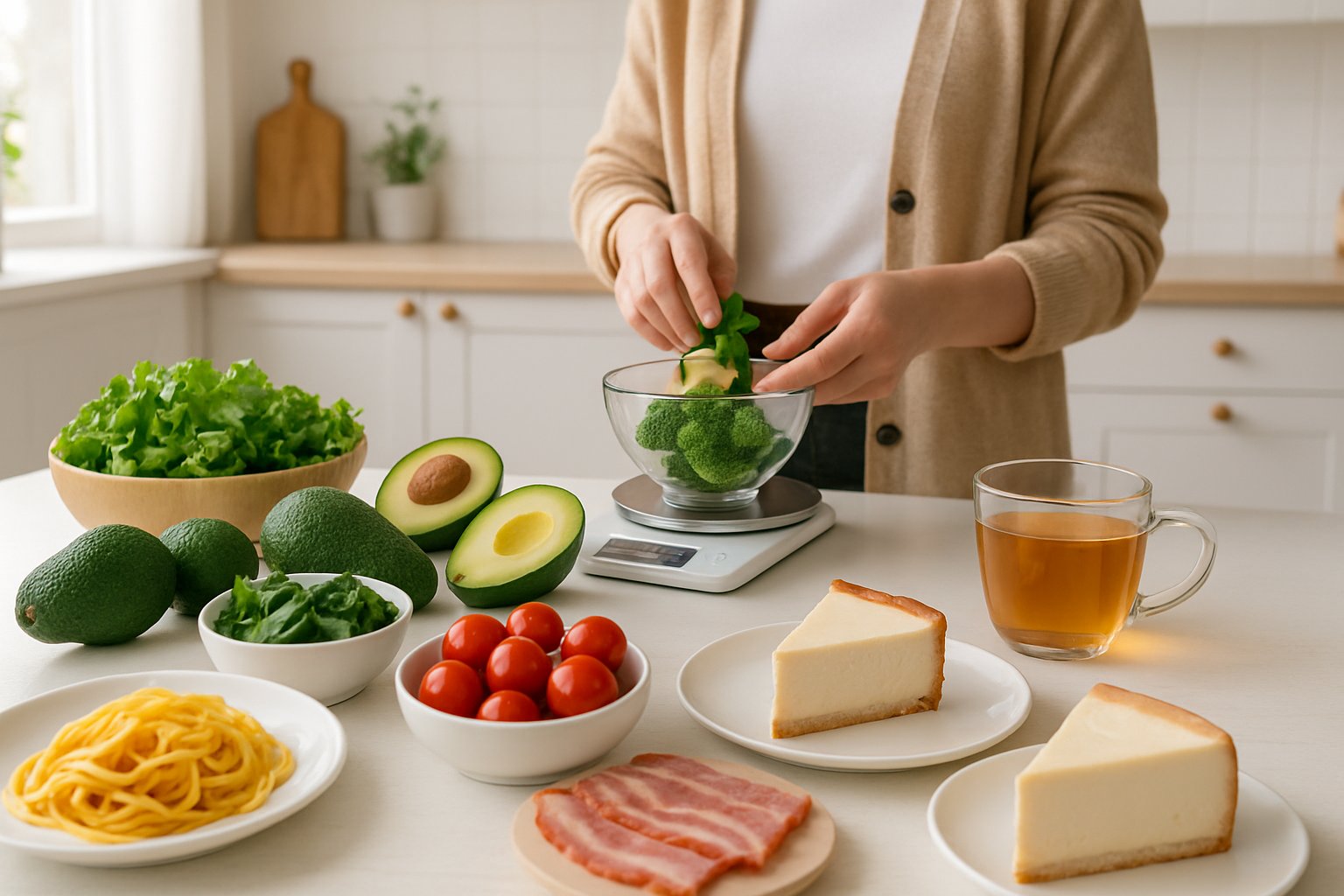
Cheat meals on keto can mess with ketosis, energy levels, and cravings. Watching portions, carb counts, and food quality helps soften the blow and gets you back on track faster.
What are the best strategies for incorporating a cheat meal into a ketogenic diet?
Honestly, planning ahead is your best bet. Some people schedule cheat meals for special occasions or use a cyclical keto approach—alternating low-carb and higher-carb days.
Eating low-carb earlier in the day, staying hydrated, and picking whole foods over processed ones can help keep blood sugar spikes in check.
How many carbs can I consume during a cheat meal without being kicked out of ketosis?
Most folks stay in ketosis with under 20–50 grams of net carbs a day. One cheat meal can easily push you over.
Even a moderate amount of high-carb food will probably lower your ketones for a bit, but getting back to low-carb eating right away usually restores ketosis in a day or two.
Are there any specific foods that are better for cheat meals on a keto diet?
Foods with moderate carbs, plus some protein and fat, are easier on ketosis. Think sweet potatoes, berries with cream, or low-carb desserts with almond flour and stevia.
Try to avoid stuff loaded with refined sugar or white flour—they spike blood sugar and make recovery slower.
How often can I have a cheat meal while following a keto diet?
It really depends on your goals and metabolism. A lot of people keep cheat meals to once every few weeks, or just for special events.
Too many cheat days can slow fat adaptation and make ketosis harder to maintain, especially for beginners still getting used to keto.
What are the potential impacts of a cheat meal on ketosis and how can I minimize them?
Cheat meals can spike blood sugar, drop ketone levels, and lead to cravings—or even some fatigue or stomach issues.
To bounce back, drink water, get your electrolytes in, and return to low-carb meals right away. Intermittent fasting can also speed up your return to ketosis.
Can exercise help mitigate the effects of a keto diet cheat meal?
Yes, it can. Exercise burns through glycogen stores and nudges your body back into fat-burning mode.
High-intensity workouts or lifting weights do a great job of using up those extra carbs. Even lighter stuff, like walking or a bit of yoga, might help you bounce back without stressing your system too much.
Conclusion
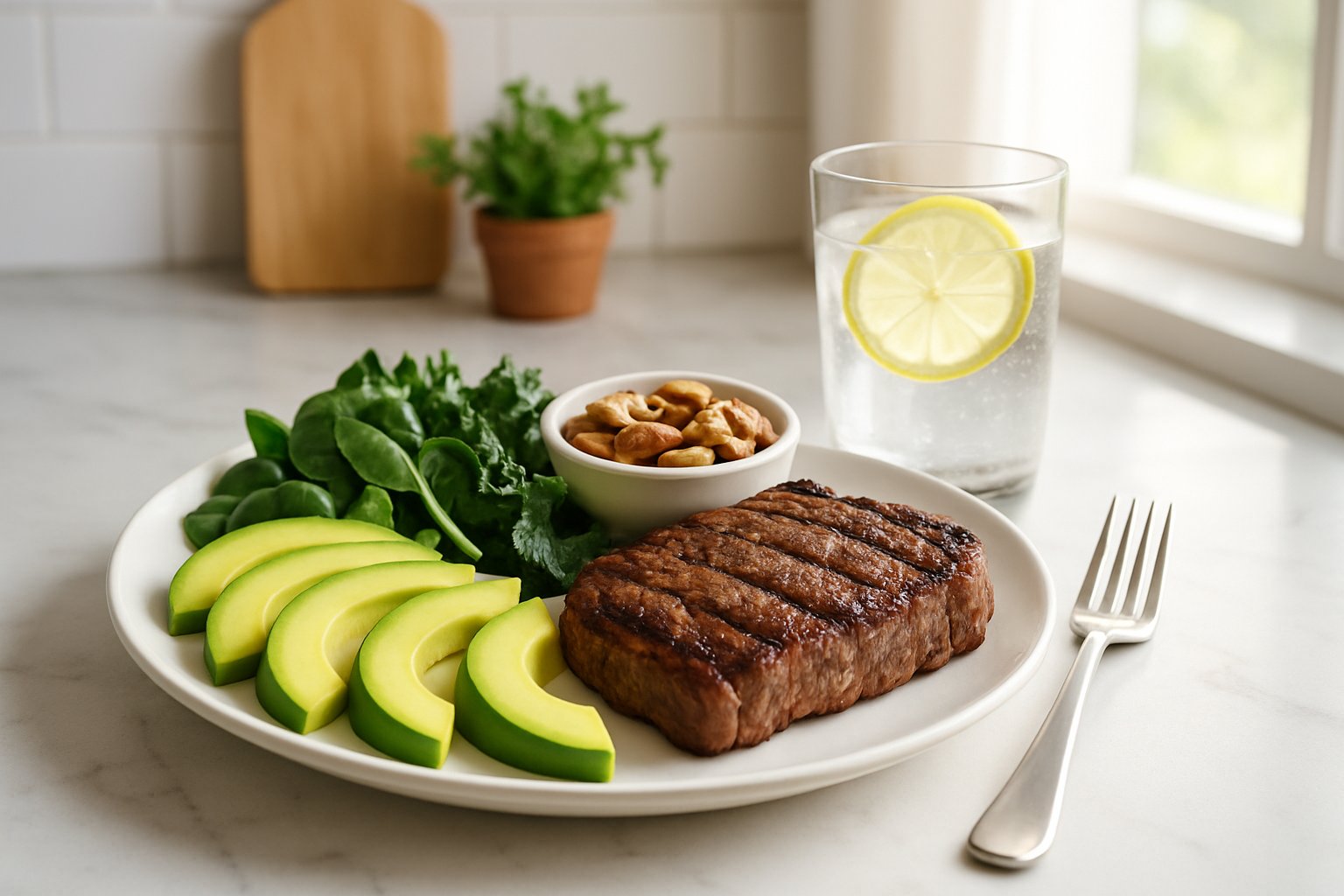
A keto cheat meal can fit into a low-carb lifestyle, but it takes a little planning and self-awareness. You’ve got to know how carbs hit your system and what it takes to get back into that fat-burning groove.
Key reminders:
- Keep cheat meals occasional—maybe once every few weeks, tops.
- Go for smaller portions, and don’t forget the healthy fats and proteins.
- Jump right back into strict keto eating as soon as you’re done.
| Goal | Action |
|---|---|
| Stay near ketosis | Limit carbs and skip the sugary stuff |
| Reduce cravings | Eat a balanced meal before diving in |
| Support recovery | Drink plenty of water and keep electrolytes in check |
Honestly, cheat meals work best if you plan them out instead of just giving in on a whim. Maybe tie them to a big workout or a special event—it can take the sting out of the splurge.
Let’s be real, sometimes your brain just needs a break. Letting yourself have a treat now and then might actually make the whole keto thing easier to stick with.