
Keto Diet Before Supplements: Why Beginners Should Fix the Basics First
It’s easy to believe that the right supplement will make keto easier, speed up weight loss, or solve common beginner challenges. With so many products marketed to keto dieters, many people start shopping for supplements before they’ve built a solid nutritional foundation.
In reality, supplements work best when they support an already well-structured diet. If carbohydrate intake is inconsistent, protein is inadequate, hydration is poor, or electrolytes are neglected, adding more products rarely addresses the underlying problem.
For most beginners, improving the fundamentals has a far greater impact than buying another supplement. Once those basics are in place, targeted supplementation can become a useful tool rather than an attempt to compensate for poor habits.
This guide explains why your keto diet should come before supplements, which fundamentals deserve your attention first, and when supplementation genuinely becomes worthwhile.
Keto Diet Before Supplements: Why the Basics Come First

Most people starting keto reach for supplements before they fix their basic diet mistakes. The thing is, a well-planned keto diet gives you almost everything you need from whole foods—so long as you haven’t skipped the fundamentals.
Why Many Beginners Look for a Quick Solution
New keto folks often get hit with fatigue, headaches, or muscle cramps in the first week. That’s when they start searching for keto supplements for beginners, hoping for a quick fix.
The supplement industry knows this and markets all sorts of products promising to speed up ketosis or banish discomfort. But honestly, this skips over the real problem.
Most early keto struggles are about not eating enough salt, skimping on water, or cutting out veggies to keep carbs low. If you’re eating only bacon and cheese, no supplement is going to make you feel good.
Chasing quick fixes costs money and delays the real learning. Building proper keto meals from the start gets you better results than leaning on pills and powders.
What Supplements Can—and Cannot—Do
Supplements can fill specific gaps, but they can’t fix a bad diet. Electrolyte supplements help with hydration and cramping, but only if you’re already eating good fats and proteins.
Magnesium might help with muscle function and sleep, but it works best when you’re also eating nutrient-dense foods like greens and fish. No supplement can force your body into ketosis or make you burn fat faster.
Those “boost ketones” or “accelerate weight loss” claims? Mostly marketing. Your body enters ketosis by keeping carbs low, not by swallowing capsules.
Supplements work as support tools. If you’re eating grass-fed meat, wild-caught fish, eggs, and low-carb veggies, then maybe magnesium or a basic electrolyte mix is helpful. But they’re not a replacement for getting keto basics right.
Why the Basics Matter More Than Any Product
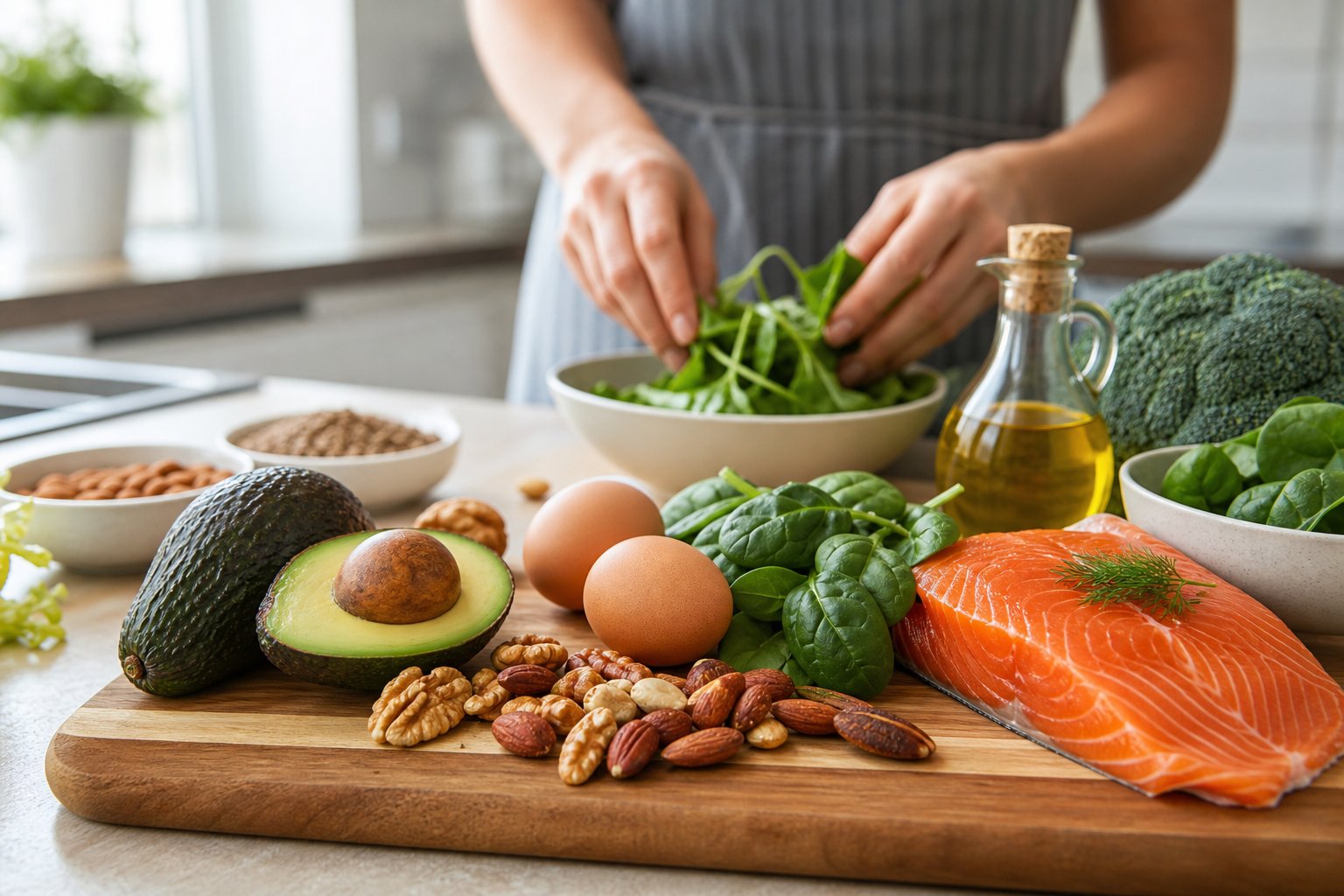
The heart of any keto diet is three things: quality fats, enough protein, and low-carb veggies. Grass-fed beef, pasture-raised eggs, and fatty fish bring vitamins A, D, E, and K naturally.
Veggies like broccoli, spinach, and Brussels sprouts give you fiber, potassium, and other minerals. Getting these basics right means your body gets nutrients the way nature intended—where they work together better than any isolated supplement.
Some beginners cut out veggies to keep carbs low, then end up buying fiber supplements for digestion. It’s smarter to just include 3-4 cups of leafy greens and low-carb veggies from the start.
Salt is another basic that matters. Adding a pinch of sea salt to your food and water can prevent cramping and fatigue, which are usually what send people running for expensive electrolyte products. Most keto problems disappear when you drink enough water and add a bit of salt.
Triage — Are You Ready for Supplements Yet?
Before you start adding supplements, you’ve got to check if you’ve actually nailed the fundamentals. A lot of early struggles aren’t about missing nutrients—they’re about basic mistakes.
Signs You’ve Built a Strong Keto Foundation
If you’ve been in ketosis for 3-4 weeks, track your macros daily, and hit your fat, protein, and carb targets, that’s a good sign. Your meals are built around whole foods—fatty fish, grass-fed meat, eggs, greens, and low-carb veggies.
You know how to manage sodium, potassium, and magnesium through food and salt. Your energy is steady after the first adaptation weeks, and you’re not stuck in a fog.
Key indicators:
- Ketone levels between 0.5-3.0 mmol/L for weeks
- Stable energy, no big afternoon crashes
- Regular digestion
- Clear sense of your carb tolerance
- Eating real food, not just keto-branded snacks
If this sounds like you, you’ve moved past beginner mistakes and your body’s adapting to fat as fuel. At this point, supplements can help optimize things.
Signs You Should Focus on the Basics First
If you keep dropping out of ketosis, it’s time to fix consistency before buying supplements. If you can’t identify which foods fit your macros or you’re living on packaged keto snacks, the basics aren’t there yet.
Common signs:
- Tracking food only sometimes (or not at all)
- Eating fewer than two servings of veggies a day
- Still feeling keto flu symptoms after two weeks
- Skipping meals or eating the same thing over and over
- Not drinking enough water (under 8 cups a day)
Supplements won’t help here. A magnesium pill won’t fix dehydration. MCT oil doesn’t make up for not eating enough fat.
Your body needs time to adapt. For most, this takes 3-6 weeks. Jumping to supplements before you’re metabolically flexible just wastes money and sets up the wrong expectations.
Signs Supplements Won’t Solve Your Current Problem
Supplements can’t fix basic diet mistakes. If you’re always hungry, you’re probably not eating enough fat—or maybe eating too much protein. If you’re tired in week one, you probably just need more time and some salt, not exogenous ketones.
Problems supplements can’t fix:
- Poor food quality (factory-farmed meats, pesticide-heavy produce)
- Not eating enough calories, slowing down your metabolism
- Hidden carbs sneaking in through sauces or processed foods
- Not giving yourself enough time to adapt to fat burning
- Expecting weight loss when you’re not in a calorie deficit
Lots of beginners blame “deficiencies” when it’s really just macro mistakes. You might think you need vitamins, but your real issue is eating only 15 grams of fat per meal. Or maybe you need more veggie variety, not digestive enzymes.
If you haven’t managed three strict weeks of keto, it’s too soon for supplements. Debug the diet first.
Diagnostic Summary — Which Situation Best Describes You?
Most beginners land in one of four camps when they struggle with keto. Knowing where you fit helps you decide if you actually need supplement support or just a stronger foundation.
Your Foundation Is Strong Enough for Targeted Supplements
If you’re hitting your protein target within 10 grams, tracking carbs and staying under 30 grams, and keeping fat intake steady, you’re in a good place. You’re also drinking enough water—clear urine is a decent sign.
Sleep averages 7-8 hours, energy is steady, and weight loss is happening at a predictable 1-2 pounds per week.
Foundation signs:
- Consistent macros in your food logs for over three weeks
- No big cravings or crashes
- Ketones above 0.5 mmol/L
- Rarely any electrolyte issues
If that’s you, targeted supplements like MCT oil or specific vitamins (if blood work says so) can help you fine-tune results. The structure is there—supplements just give you an extra boost.
Your Diet Needs Improvement Before Supplementation
If carbs swing between 20 and 60 grams a day, protein jumps from 50 to 150 grams, and fat is mostly cheese and bacon, there’s some work to do. Meals happen whenever, and tracking is hit-or-miss, especially on weekends or eating out.
Water intake is based on thirst, which usually means not enough—sometimes less than six glasses a day.
Common issues here:
- Frequent keto flu
- Stalled weight loss, even with supplements
- Cravings for carbs every few days
- Not sure what to eat next
Supplements won’t fix this. You need reliable meal patterns, two weeks of accurate tracking, and a better sense of which foods fit your macros before adding products.
Your Biggest Problem Is Consistency
Maybe your diet is perfect for four or five days, then stress hits or a social event throws you off for a couple days. This cycle keeps repeating, and every restart feels a little harder.
You know what to do, but sticking with it long enough to see progress is tough.
Tips for consistency issues:
- Make a rotation of 5-7 go-to recipes
- Prep ingredients in bulk once a week
- Have backup meals for busy days
- If full tracking is overwhelming, just track carbs and protein
Supplements just add complexity here. A simple, more personalized plan with fewer choices and easier tracking usually works better than another pill.
A Personalized Plan Would Deliver Better Results
Generic keto advice is confusing. One place says 75% fat, another says 60%. Then there’s all the conflicting info about fasting, workouts, and food quality.
You might have tried a few approaches, but nothing sticks for more than a couple weeks. Maybe you bought some supplements based on articles, but stopped taking them when nothing changed. It’s frustrating.
A structured plan cuts through the noise. It spells out what to eat, how much, and when—based on your goals and your life. That’s the real fix for overwhelm, and no supplement can give you that.
If you’re unsure whether supplements are really the answer, our complete troubleshooting guide can help identify whether your current challenges stem from your diet, consistency, or another hidden barrier.
→ Why Keto Is Not Working for Me
The Five Keto Fundamentals Every Beginner Should Master

New to keto? A lot of folks rush straight to supplements without really grasping what makes ketosis tick. Before you even think about pills or powders, you’ve got to nail down carb limits, protein needs, electrolyte balance, hydration, and daily consistency.
Consistent Carbohydrate Intake
For beginners, staying under 20 grams of net carbs daily is the easiest way to get into ketosis. Net carbs are just total carbs minus fiber, so you’ll want to keep an eye on those labels.
Your body needs several days of really low-carb eating to start burning fat for fuel. Slip up and go over that carb limit, and you might have to start the whole process again.
Common carb-heavy foods to avoid:
- Bread, pasta, and rice
- Sugar and sweetened drinks
- Most fruits except small portions of berries
- Starchy vegetables like potatoes and corn
Tracking carbs gets easier after a few weeks. Most people figure out which foods work for them and stop obsessing over every gram.
Fill your plate with green veggies, leafy greens, and low-carb options like broccoli and cauliflower. They’re packed with nutrients and fiber, but won’t blow your carb count.
Eating Enough Protein
Most people need at least 70 grams of protein a day to keep muscle and feel good. Keto is about moderate protein—not low protein, despite what you might’ve heard.
Too little protein leads to muscle loss and a sluggish metabolism. That old myth about protein knocking you out of ketosis? Turns out, research shows it’s not really a concern for most.
Good protein sources on keto:
- Meat (beef, pork, lamb)
- Poultry (chicken, turkey)
- Fish and seafood
- Eggs
- Some dairy products
A decent rule of thumb: aim for 0.7 to 1 gram of protein per pound of lean body mass. So, if you’re 150 pounds with 30% body fat, you’re looking at 70-105 grams a day.
Spread your protein out over meals. It’s easier for your body to use, and you’ll feel fuller longer. Just aim for a palm-sized portion at each meal.
Maintaining Electrolyte Balance
Keto flushes water and electrolytes fast, especially in that first week. That’s because lower insulin levels tell your kidneys to get rid of stored sodium.
Key electrolytes to monitor:
- Sodium: 3,000-5,000 mg per day
- Potassium: 3,000-4,000 mg per day
- Magnesium: 300-400 mg per day
Salt helps fend off those dreaded “keto flu” symptoms. Toss some salt on your meals or sip some broth for fast sodium.
Potassium shows up in foods like avocados, spinach, salmon, and mushrooms. Magnesium? Try pumpkin seeds, almonds, and dark leafy greens. Food usually covers most needs, but a little magnesium supplement isn’t uncommon.
Low electrolytes can hit you with headaches, fatigue, cramps, and dizziness. People often blame keto, but really, it’s about missing minerals.
Staying Properly Hydrated
On keto, you’ll need more water than you did before—your body just doesn’t hold onto it the same way. That old “eight glasses a day” rule might not cut it now.
Thirst isn’t always a great signal. If you’re thirsty, you might already be running low. Better to sip water all day and stay ahead of it.
A good place to start: drink half an ounce of water for every pound you weigh. So, if you’re 160 pounds, shoot for 80 ounces. If you’re sweating or it’s hot, you’ll need more.
Signs of proper hydration:
- Clear or light yellow urine
- Regular bathroom trips
- Moist lips and mouth
- Good energy levels
Plain water is your best bet. Coffee and tea count, but don’t rely on them alone. Skip the sugary drinks and most diet sodas—they don’t do ketosis any favors.
Add a pinch of salt to your water now and then. It actually helps your body absorb it better—no fancy products needed.
Following a Sustainable Routine
Consistency beats perfection, especially when you’re just starting out. Building simple habits is way more effective than juggling complicated meal plans.
Plan meals around a protein, then add two low-carb veggies and a healthy fat like olive oil or butter. Keep it simple and you’ll stick with it.
Daily keto routine basics:
- Eat when hungry, stop when satisfied
- Keep carbs under 20 grams
- Include protein at each meal
- Drink water regularly
- Get enough sleep
Some folks do fine with three meals a day, others like two or even intermittent fasting. There’s no magic formula—listen to your body and your schedule.
Stock up on keto-friendly staples at home. Eggs, cheese, cooked meats, bagged greens—having these ready makes it a whole lot easier to avoid last-minute carb bombs.
In the beginning, you’ll need to pay more attention to tracking and measuring. But after a while, you’ll get the hang of it and won’t need to obsess over every bite.
Why These Fundamentals Matter More Than Supplements

Getting the basics right sets you up better than any supplement ever could. If you skip over the food choices, meal timing, and the basic approach, no amount of expensive products will get you where you want to be.
The Academy of Nutrition and Dietetics emphasizes that dietary supplements are intended to complement a healthy eating pattern—not replace a balanced diet—and should be used to address specific nutritional needs rather than compensate for poor eating habits.
Supplements Cannot Correct Poor Food Choices
If you’re eating processed keto snacks and ignoring real food, supplements won’t save you. Your body needs nutrients from meat, fish, eggs, and veggies—supplements just fill small gaps, not big holes.
Relying on packaged foods means you’re missing out on natural vitamins, minerals, and fiber. A magnesium pill can’t fix a diet made up of bacon and cheese. Your body works best with variety and quality.
Bad food choices also mess with how you absorb supplements. If you’re eating a lot of inflammatory oils or artificial stuff, your gut won’t take in nutrients as well. Nail down your nutrition first—then supplements might actually help.
Consistency Creates Better Results Than New Products
Stick to eating under 20 grams of carbs a day and you’ll see way more fat loss than someone who just buys every new supplement but bounces between 50 grams one day and 30 the next. Consistency really is king here.
Your body needs repeated low-carb days to get into ketosis—there’s just no shortcut. Eat regular meals, keep your macros steady, and avoid constant snacking. That’s how your metabolism adapts, not with a magic pill.
Building habits pays off. You’ll figure out which foods keep you full, how to throw together quick meals, and when to eat for energy. These skills stick with you. Supplements? They’re just temporary extras.
The Foundation Behind Long-Term Keto Success
It takes time for your body to switch from burning sugar to burning fat. You can’t force this with supplements—it’s all about the basics: enough protein, moderate fat, minimal carbs, and plenty of water.
Build your routine around whole foods and steady eating patterns. You’ll start to notice hunger signals, energy changes, and how certain foods affect you. That kind of confidence? You can’t buy it in a bottle.
If you start out relying on supplements, you never really learn the ropes. But if you master meal planning, grocery shopping, and basic cooking, you’re free to keep going—even if your favorite product disappears.
Common Mistakes Beginners Make Before Buying Supplements
Lots of beginners grab supplements before they even get the keto basics down. They skip steps like figuring out their macros or planning meals, then wonder why it’s not working.
Chasing Faster Ketosis
It’s tempting to buy ketone supplements hoping for quicker fat loss or instant ketosis. But if you’re eating too many carbs or not tracking your food, those products can’t fix the root problem.
Ketosis happens naturally when you keep carbs below 50 grams a day. Your body needs a little time to adjust and start burning fat instead of sugar. Popping exogenous ketones doesn’t replace that process.
Some folks also get obsessed with ketone test strips, chasing high numbers instead of tuning in to how they feel. High ketones don’t guarantee more weight loss. What matters is sticking to the right macro ranges: 5-10% carbs, 20-30% protein, 70-80% fat.
Usually, it takes 2-4 days of strict carb restriction to get into ketosis. No supplement can skip the work of learning to read food labels and track what you eat.
Ignoring Electrolytes
Electrolyte balance gets ignored while people shop for fancy fat-burners. Keto lowers insulin, which makes your kidneys flush out water and electrolytes fast.
Most “keto flu” symptoms are just low electrolytes—headaches, cramps, weakness, fatigue. It’s almost always about sodium, potassium, or magnesium.
Key electrolytes to maintain:
- Sodium: 3,000-5,000 mg daily
- Potassium: 3,000-4,000 mg daily
- Magnesium: 300-400 mg daily
Simple fixes work better than pricey pills. Add a pinch of salt to your water, sip bone broth, or eat more avocados. Most people feel better within hours of upping their sodium.
Skipping Meal Planning
Buying weight loss supplements before learning which foods fit your macros? That’s a common trap. Without meal prep, it’s easy to grab the wrong foods when you’re hungry.
Meal planning helps you avoid eating too much protein or too little fat. If you don’t plan, you might end up with hidden carbs from processed foods, nuts, or condiments. That can push your total way over your target.
You might think you’re eating 30 grams of carbs, but it could be double if you’re not tracking. Knowing what to buy, how to prep it, and what portions to eat is key. Supplements can’t replace that groundwork.
Take time to make a weekly meal plan and a shopping list. It saves you from random purchases that never really fix diet mistakes.
Expecting Supplements to Replace Good Nutrition
Some people lean on multivitamins or other supplements instead of eating real, nutrient-dense foods. They fill up on processed keto snacks and skip out on veggies, proteins, and healthy fats.
Whole foods like spinach, salmon, eggs, and organ meats give you vitamins and minerals in forms your body actually knows what to do with. Supplements just can’t match that.
Packaged keto products are often higher in calories and lower in nutrients than real food. Relying on them can lead to weight gain and nutritional gaps, even if they’re “keto-friendly.”
Food quality matters. A diet built on grass-fed beef, wild-caught fish, pasture-raised eggs, and non-starchy veggies is always going to beat one full of bars and shakes. No supplement can make up for skipping real food.
Many supplement-related frustrations are actually common keto problems that originate from inconsistent eating habits rather than nutrient deficiencies.
When Supplements Actually Become Helpful

Supplements start to make sense when even a solid keto diet just isn’t cutting it. This usually pops up with stubborn mineral losses, trouble getting certain nutrients, higher physical demands, or symptoms that hint at a real deficiency.
Persistent Electrolyte Challenges
Some folks just can’t keep their electrolytes balanced with food alone, especially during those first few wild weeks of keto. As insulin drops and glycogen empties out, the body dumps sodium, potassium, and magnesium, so you end up losing more than you might think.
If you keep getting headaches, muscle cramps, or that annoying fatigue even after adding salt and eating mineral-rich veggies, electrolyte supplements for keto can actually help. A good electrolyte powder will usually pack 1,000 mg sodium, 400 mg potassium, and 200 mg magnesium per serving.
People who sweat a lot or live somewhere hot might need to supplement regularly. Athletes and anyone active often can’t quite get enough from food alone.
Difficulty Meeting Nutritional Needs
Some vitamins and minerals are just tough to get if you have extra dietary restrictions on top of keto. If you’re a vegetarian, vitamin B12 can be a struggle since it’s mostly in animal foods. Skip dairy? You might need a calcium supplement to hit that 1,000–1,200 mg daily mark.
Magnesium supplements are worth considering if you don’t eat much spinach, pumpkin seeds, or dark chocolate. Adults need 300–400 mg daily—falling short can mean muscle cramps or lousy sleep.
Not getting much sun? That’s a fair reason for vitamin D supplements. Most folks need 600–800 IU daily if they’re mostly indoors or live up north.
Increased Activity Levels
If you’re working out a lot, your body just burns through more nutrients—especially electrolytes. Sweat speeds up those losses and ramps up your need for recovery nutrients.
MCT oil on keto is popular for people who want quick energy without carbs. Medium-chain triglycerides turn into ketones fast, fueling workouts or even just a busy brain. Most people use 1–2 tablespoons a day.
Heavy lifters might need more protein or specific amino acids, while endurance athletes often need extra sodium after long training sessions. In these cases, targeted keto supplements can actually make a difference.
Specific Symptoms That Suggest Targeted Support
Sometimes your body just tells you something’s missing. If you’re still getting muscle cramps even with enough salt, that could be low magnesium. Night blindness or dry skin? Maybe not enough vitamin A. If you’re feeling unusually tired and look pale, B vitamin deficiencies might be the culprit.
Hair loss or brittle nails sometimes improve with biotin, though honestly, the evidence is kind of thin. Digestive issues might get better with a probiotic or digestive enzymes, especially if you’ve bumped up your fat intake on keto.
Best supplements for keto should actually solve a real problem, not just fill a hypothetical gap. If you have ongoing symptoms, consider targeted support—but get a blood test first if you suspect a deficiency.
Mood swings or brain fog that stick around after adapting to keto might improve with omega-3s or extra B vitamins. These things can really impact your day-to-day life, so they’re worth paying attention to.
Once the fundamentals are in place, understanding the best supplements for keto becomes much easier because you’ll know which products address your specific needs.
Which Supplements Usually Deserve Attention First?
Most people starting keto need electrolytes and magnesium more than anything else. MCT oil and protein powder have their place but aren’t for everyone.
Electrolytes
When you start keto, your body dumps sodium, potassium, and magnesium because lower insulin tells your kidneys to flush out extra water. That’s what causes the classic “keto flu”—headaches, fatigue, muscle cramps, you name it.
The best electrolyte for keto covers all three minerals in decent amounts. Sodium needs are usually 3,000–5,000 mg a day, potassium 3,000–4,000 mg, and magnesium 300–400 mg. Sodium’s easy if you use enough salt, but potassium and magnesium often need a boost.
Bone broth is a natural sodium source. Avocados and spinach give you potassium. Still, many people need dedicated supplements to hit their targets.
Keto-friendly electrolyte powders are handy—they’re balanced and don’t have added sugar. Liquid drops for water work too. Some folks like taking each mineral separately to fine-tune the doses.
Selecting the best electrolyte for keto depends on your symptoms, activity level, and stage of adaptation.
Magnesium
Magnesium is a big deal—it’s involved in over 300 processes in your body, from energy to muscle function to sleep. Lots of people are low before keto, and the diet can make it worse.
For keto, magnesium glycinate is a favorite because it absorbs well and is easier on the stomach. Magnesium L-threonate is good if you want brain benefits.
Men need 270–400 mg daily, women need 280–300 mg. Those are the official numbers.
Magnesium citrate is common but can upset your stomach. Some people skip pills and use Epsom salt baths for sore muscles. Starting with a small dose and slowly increasing helps avoid digestive issues.
If muscle cramps, poor sleep, or recovery remain ongoing concerns, choosing the best magnesium for keto can provide more targeted support.
MCT Oil
MCT oil is made of medium-chain triglycerides that your liver turns right into ketones. It speeds up ketosis and gives quick energy, which can help when you’re just starting out.
MCT oil on keto can boost ketone levels in 30–60 minutes. People often notice better focus and less hunger, which makes sticking to the diet easier. Studies show MCT oil bumps up BHB ketones more reliably than just eating regular fat.
Start small—one teaspoon in coffee or a smoothie. Too much at once? You’ll regret it. Work up to a tablespoon if you want.
MCT oil powder mixes easily and tends to be gentler on the stomach than the liquid version. Both raise ketones well. You don’t have to use MCT oil to succeed on keto, but it can help, especially in the first month.
Protein Powder (When Appropriate)
If you eat meat, fish, eggs, and dairy, you probably get enough protein without supplements. Keto protein powder only makes sense for vegetarians, people with really high protein needs, or those who just can’t eat enough whole food protein.
Most people need 0.6–1.0 grams per pound of lean body mass. Someone with 150 pounds of lean mass should aim for 90–150 grams of protein daily, usually doable with regular meals.
Whey protein isolate is low in carbs and digests fast—good after workouts. Collagen protein is nice for joints and skin but doesn’t have all the amino acids, so don’t make it your only protein source.
Plant-based powders are out there but often have more carbs. Always check labels for sneaky sugars or fillers. Whole foods should be your first stop before reaching for any powder.
Supplements That Are Often Less Important for Beginners
There’s a flood of keto supplements promising fast results, but most aren’t worth it—especially if you’re just getting started. Focus on the basics first before dropping cash on these extras.
Exogenous Ketones
Exogenous ketones are powders or drinks that raise blood ketone levels, but your body makes its own ketones just fine if you keep carbs low. These supplements can be pricey.
Taking exogenous ketones doesn’t get you into ketosis faster or help you stay there longer. They just bump your blood ketones for a bit.
They don’t burn fat or cause weight loss. At best, they might curb appetite for a while, but honestly, that effect is short-lived and not really worth the cost for most beginners.
Exogenous ketones might help:
- Athletes during tough training
- People under medical supervision for specific conditions
For most people, these are just expensive and unnecessary if you’re eating keto foods.
Fat Burners
Keto fat burners usually have caffeine, green tea extract, or other stimulants. They’re marketed as fat loss boosters for keto dieters.
No pill replaces the fat-burning you get from actually being in ketosis. Your body burns fat when it runs out of carbs for fuel. That’s it.
Most fat burners are just caffeine in disguise—sure, it gives you a bit more energy, but so does a regular cup of coffee.
Some of these products have sketchy ingredients that can make you jittery or mess with your stomach. It’s smarter to see how your body handles keto before adding in extra stimulants.
Keto Gummies
Keto gummies are everywhere now, promising weight loss, energy, or faster ketosis. They look fun, but they rarely deliver.
Most are just apple cider vinegar, exogenous ketones, or basic vitamins. None of that actually creates ketosis or burns fat. It’s just a flashy way to sell basic supplements.
Common keto gummy ingredients:
- Apple cider vinegar (cheaper as a liquid, honestly)
- BHB salts (exogenous ketones—see above)
- B vitamins (easy to get from food)
- MCT oil (better as a liquid or powder)
There’s barely enough active ingredient in gummies to do anything. You’re better off spending your money on real food.
Trend-Driven Products
New keto supplements pop up all the time, each one hyped as the next big thing. Most of them are just marketing in a shiny wrapper.
Companies take a basic ingredient, slap on bold claims, and target beginners who aren’t sure how keto works yet. A lot of what’s out there falls into this category.
Myths spread fast online—someone might swear a product made them lose weight, but it’s usually the diet, not the pill. Wait a few weeks before considering any fancy supplements. Your body might just need time to adjust.
Before buying another product, it’s worth asking whether you really need supplements on keto or whether improving your diet would solve the problem first.
A Practical Checklist Before Buying Any Keto Supplement
Before adding anything to your cart, make sure your diet is steady, know what problem you’re trying to solve, and get the basics down. Understanding what each supplement does can save you a lot of money and frustration.
Is Your Diet Consistent?
Supplements won’t fix a wobbly eating routine. If your carb intake swings wildly, focus on getting that stable first.
Signs your diet needs more consistency:
- Carb intake jumps by more than 20–30 grams day-to-day
- Meals get skipped or swapped for snacks a lot
- You go days without logging food
- You honestly can’t remember what you ate yesterday
Most people need at least 2–4 weeks of steady keto eating before they can tell if a supplement is working. Without that, you’re just guessing.
Track your food for a solid week before buying supplements. If you can’t stick to your carb target for seven days, work on that before spending money on powders or pills.
Are You Solving a Specific Problem?
Every supplement should have a purpose. Don’t buy “keto support” just because it sounds good.
Valid reasons to consider supplements:
- Muscle cramps that won’t quit, even with enough water
- Headaches or fatigue in weeks 2–3 of keto
- Low vitamin D confirmed by blood work
- Constipation lasting more than 3–4 days
- Almost never eat fish
Not valid reasons:
- “Just in case”
- Claims about faster ketosis
- Random advice from social media
- Wanting to “optimize” without knowing what needs work
Start with the problem, not the product. If you can’t name a specific symptom or goal, you probably don’t need a supplement yet. Write down what you’re hoping to fix before you start shopping.
Have You Fixed the Basics First?
Most early keto struggles come from basic diet slip-ups, not some mysterious supplement gap. Before you reach for any products, double-check the keto fundamentals.
Essential basics to verify:
- Salt intake: Add 1-2 teaspoons of salt to food throughout the day.
- Water: Drink when you’re thirsty, plus a bit extra with meals.
- Vegetables: Get 2-3 servings of leafy greens or low-carb veggies daily.
- Protein: Hit at least 0.7-1 gram per pound of your goal body weight.
- Sleep: Shoot for 7-8 hours each night.
It’s wild how many folks think they “need” magnesium when really, they just aren’t salting their food enough. Others reach for MCT oil, but the real issue is skipping meals and running on fumes.
Start by fixing hydration and salt. Add more veggies next. Check your protein intake after that. Only once these basics are on autopilot for a week or two should you even think about supplements.
Do You Know What the Supplement Is Supposed to Do?
Before grabbing any supplement, you should be able to say what it’s for in one sentence. If you can’t, maybe hold off for now.
Questions to ask yourself about each supplement:
- What result am I hoping for?
- How will I tell if it’s working?
- How long should I give it before judging?
- What’s the right dose for me?
For example: “I’m taking magnesium glycinate at 200 mg before bed to reduce leg cramps. I’ll keep track of cramps for two weeks and see if there’s any change.”
Deciding on a keto supplement shouldn’t come down to “this sounds cool” or “everyone online swears by it.” That’s just not enough. Stuff like exogenous ketones or digestive enzymes? They have their place, but they’re not magic bullets.
Actually read the label and figure out what’s in there. If you see a “proprietary blend” with no details, skip it. The good stuff always lists the exact amount of each ingredient.
Before spending money on supplements, build a stronger foundation with our free 7-Day Keto Meal Plan. It helps you focus on the habits that make the biggest difference during the early stages of keto.
How a Better Keto Plan Often Reduces the Need for Supplements
A solid keto diet usually covers most of your nutrient bases. When you focus on real food and decent meal choices, you might realize you don’t need to spend much on supplements at all.
Better Meal Planning
Planning keto meals ahead lets you mix things up more. You can rotate between beef, chicken, fish, eggs—whatever you’re into.
Same goes for veggies. Spinach, broccoli, bell peppers, cauliflower—they all bring something different to the table.
This kind of variety matters. Beef gives you iron and B vitamins. Fish brings omega-3s. Leafy greens have folate and magnesium.
When you tailor keto to your own tastes and nutrition needs, gaps get smaller. People who track what they eat for a bit often find they’re hitting most of their vitamin and mineral needs with food alone.
More Balanced Nutrition
It’s easy to fall into the rut of eating the same things over and over, especially at the start. Lots of folks go heavy on cheese, bacon, and butter, but skip veggies and organ meats.
A more balanced keto approach includes:
- Protein sources: Meat, fish, eggs, and some dairy.
- Healthy fats: Olive oil, avocados, nuts, fatty fish.
- Vegetables: Leafy greens and other low-carb picks.
- Occasional organ meats: Liver’s great for vitamin A and minerals.
If you eat this way, you’ll get magnesium from spinach and almonds, vitamin C from bell peppers and broccoli, calcium from dairy and greens. Whole foods just work better in your body than a handful of pills.
Fewer Adaptation Problems
When you plan keto meals well, your body adapts more easily. Most supplement “needs” pop up because of shaky meal planning, not keto itself.
Keto flu? That’s usually about losing water and electrolytes when you cut carbs. Salting your food and eating potassium-rich foods like avocados and salmon helps a ton. Bone broth is another easy win for sodium and minerals.
If you take it slow and eat plenty of nutrient-dense foods, you’ll probably dodge most of the drama. Your energy stabilizes sooner, and you’re less likely to panic-buy electrolyte powders or MCT oil.
Greater Long-Term Consistency
Sticking with keto long-term really comes down to making it fit your life. People who keep things centered on real food—not supplements—tend to last longer.
Honestly, it’s cheaper than buying a pile of pills every month. It also feels more like actual eating, not some weird science experiment. You can join in at restaurants or family dinners without hauling around a supplement stash.
Once the basics are dialed in, you build better habits. You notice what foods make you feel good. You get a handle on portions and meal timing. That sticks with you, even if you tweak your carbs down the road. In the end, it’s about food quality, not products—and that’s what really makes a difference.
If you’ve mastered the fundamentals but still struggle to build a sustainable routine, a personalized keto plan can help simplify your nutrition before relying on additional supplements.
Conclusion: Master the Diet First, Then Use Supplements Strategically
Starting a keto diet doesn’t mean you need a shelf full of supplements. For beginners, it’s smarter to focus on eating the right foods and keeping net carbs under 20 grams a day.
The basics really do the heavy lifting. Eating meat, fish, eggs, and low-carb veggies gives your body most of what it needs.
These whole foods pack in protein, fat, and vitamins that help the diet work. You don’t need to overcomplicate things right out of the gate.
Most beginners make better progress by:
- Choosing quality protein sources at each meal
- Including leafy greens and non-starchy vegetables
- Drinking enough water throughout the day
- Eating when hungry and stopping when satisfied
Supplements can come later. Once you’ve been eating keto for a few weeks and have a sense of how your body reacts, you might consider adding specific supplements if something feels off.
Electrolytes like sodium, potassium, and magnesium can help if you’re dealing with side effects. Sometimes, it’s just a matter of tweaking what you’re already doing.
Beginners should invest their time and money in:
- Learning which foods fit their carb limits
- Planning simple keto meals
- Tracking how they feel during the first few weeks
- Building sustainable eating habits
Supplements are just tools—not magic bullets. They work best when you’ve already nailed the basics.
Honestly, if you get the foundation right, you’ll know exactly what you need and when. There’s no rush to buy everything at once.