
Keto Electrolyte Drink Guide: Rehydrate Right for Keto Success
This post may contain affiliate links. If you purchase through these links, I may earn a small commission at no extra cost to you. LEARN MORE.
Starting keto changes how your body uses energy, but it also shakes up hydration. Cutting carbs drops insulin, which tells your body to let go of more water and essential minerals.
A keto electrolyte drink helps replace lost sodium, potassium, and magnesium so you stay balanced and avoid fatigue, cramps, or that notorious “keto flu.”

These drinks support hydration and muscle function without piling on sugar or carbs. They can make it a bit easier to stay active, think straight, and keep your energy up all day.
Choosing the right mix of electrolytes helps your body perform better and adjust to ketosis without as much struggle.
Struggling with keto fatigue? Try Nagano Tonic — a natural supplement that supports hydration, metabolism, and sustained energy.
Key Takeaways
- Electrolyte drinks help maintain hydration and balance on a keto diet.
- The right mix of sodium, potassium, and magnesium supports energy and focus.
- Sugar-free, low-carb options fit best with ketogenic goals.
Why Keto Electrolyte Drinks Matter
Switching to a low-carb or keto diet means your body loses more water and minerals than usual. This can bring on dehydration, fatigue, and those annoying muscle cramps if you don’t replace the lost electrolytes.
Balanced hydration is key for energy, focus, and keeping your muscles and nerves working right.
Check out for more information about what are electrolytes and what they do.
Electrolyte Loss on a Low-Carb Diet
A keto or low-carb diet lowers insulin, making your kidneys release more sodium and water. This diuretic effect leads to more bathroom trips and a drop in crucial electrolytes like sodium, potassium, and magnesium.
As your body burns through stored glycogen, you lose even more water and minerals. Without replacement, you might get early keto flu symptoms like headaches, cramps, and feeling wiped out.
To keep things balanced, a lot of people use keto electrolyte drinks with sodium, potassium, and magnesium in the right amounts. These drinks help you stay hydrated without sneaking in sugar or carbs.
| Electrolyte | Main Function | Common Keto Source |
|---|---|---|
| Sodium | Fluid balance, nerve signals | Sea salt, broth |
| Potassium | Muscle and heart function | Avocado, spinach |
| Magnesium | Energy production, sleep | Nuts, seeds |
Common Signs of Electrolyte Deficiency
You’ll often notice muscle cramps, dizziness, or an irregular heartbeat when electrolytes run low. Some people also feel weak, tired, or just mentally foggy.
These signs pop up because electrolytes help your cells send signals and manage fluids. During the first weeks of keto, symptoms can look like dehydration or low blood sugar, which makes things a little confusing.
Salting your meals, sipping electrolyte drinks, or eating more magnesium-rich foods can help ease these symptoms. If you feel seriously fatigued or confused, it’s smart to check with a doctor—electrolyte imbalance isn’t something to mess with.
Hydration Challenges on Keto
Hydration on keto isn’t as simple as drinking more water. Without enough electrolytes, water alone can actually make mineral balance worse.
Your body loses more fluids through urine on a low-carb diet, especially if it’s hot out or you’re exercising. That means a higher risk of dehydration and the dreaded keto flu.
It helps to drink when you’re thirsty, add a pinch of salt to meals, and use electrolyte drinks before or after workouts. These habits can help you avoid headaches, fatigue, and muscle weakness.
Learn how hydration affects fat burning in our post on Exercise Ketosis Connection: Best Ways to Speed Up Your Keto Results
Key Electrolytes for Keto Hydration

When you drop carbs, your body flushes out more water and minerals. Suddenly, you need more sodium, potassium, magnesium, and even calcium to keep things running smoothly.
These electrolytes regulate hydration, nerve function, and muscle activity. They also help reduce fatigue, cramps, and headaches—issues that love to show up in the early days of ketosis.
Sodium: The Essential Mineral
Sodium keeps your fluids balanced and blood pressure in check. On keto, lower insulin means your kidneys dump sodium and water, which can leave you dehydrated, dizzy, or cramping up.
Most people on keto need 3,000–5,000 mg of sodium per day. Adding sea salt, broth, or electrolyte tablets helps make up the difference.
Sodium also matters for nerve signaling and muscle contractions. If you don’t get enough, expect fatigue, headaches, or some serious brain fog. If you sweat a lot or live somewhere hot, you might even need a bit more.
| Source | Sodium (mg per serving) |
|---|---|
| Bone broth | 500–800 |
| Pickles | 300–600 |
| Salted nuts | 200–400 |
Potassium and Muscle Function
Potassium works with sodium to keep cells hydrated and muscles working right. It helps prevent muscle cramps and keeps your heart rhythm steady.
If sodium drops, potassium balance can shift, which sometimes leads to weakness or an off-beat heart. Keto folks generally aim for 3,500–4,700 mg daily from things like avocados, spinach, mushrooms, and salmon.
Low potassium can cause fatigue, constipation, or just make you irritable. Getting enough helps with recovery after exercise, too.
| Food | Potassium (mg per serving) |
|---|---|
| Avocado | 700 |
| Spinach (cooked) | 800 |
| Salmon | 600 |
Magnesium for Energy and Relaxation
Magnesium is all about energy production, muscle relaxation, and nerve function. It also helps your cells move calcium and potassium around.
Honestly, a lot of people are already low in magnesium, and keto can make it worse since you lose more fluids. Typical intake is 300–400 mg per day. Magnesium glycinate or citrate are good choices—they absorb well and don’t upset your stomach.
Signs you’re low? Muscle twitches, sleep problems, and fatigue. Try pumpkin seeds, almonds, and leafy greens to help out. Keeping up with magnesium can really cut down on nighttime cramps and help you feel calmer as you adjust to keto.
| Source | Magnesium (mg per serving) |
|---|---|
| Pumpkin seeds | 150 |
| Almonds | 80 |
| Spinach | 75 |
Calcium and Nerve Health
Calcium isn’t just for bones—it’s important for nerve transmission and muscle contraction too. On keto, if you cut back on dairy, you might not get enough.
The recommended range is 1,000–1,300 mg daily. Things like cheese, yogurt, sardines, and leafy greens can help you hit your target without blowing your carb count.
Low calcium can show up as muscle spasms, tingling, or an irregular heartbeat. It also teams up with magnesium and potassium to keep your nerves firing right. Keeping your calcium steady helps with muscle control and cuts down on cramps.
| Food | Calcium (mg per serving) |
|---|---|
| Cheese | 200 |
| Yogurt (unsweetened) | 250 |
| Sardines (with bones) | 325 |
For more on nutrient balance, read Unmasking Hidden Carbs: 10 Sneaky Sources That Could Sabotage Your Keto Diet.
Benefits of Keto Electrolyte Drinks
Keto electrolyte drinks help you stay hydrated and keep sodium, potassium, and magnesium at healthy levels. They can ease those classic keto issues—fatigue, headaches, and muscle cramps—that hit when you drop carbs.
Preventing Keto Flu Symptoms
When you start keto, your body dumps stored carbs and the water attached to them. You also lose electrolytes like sodium and potassium, which can lead to the “keto flu”—cramps, fatigue, and brain fog.
Drinking keto electrolyte drinks replaces those lost minerals and helps your body get used to burning fat for fuel. Most of these drinks have a balanced mix of sodium, potassium, and magnesium to cut down on dehydration headaches and weakness.
Sipping electrolyte drinks through the day can help you feel better, especially that first week when your body’s adjusting.
Supporting Electrolyte Balance
Electrolytes control muscle contractions, nerve signals, and fluid balance. On keto, lower insulin makes your kidneys flush out more sodium and water, which can mess up that balance.
Regularly using electrolyte drinks helps restore normal blood levels of these key minerals.
| Electrolyte | Typical Role | Common Keto Source |
|---|---|---|
| Sodium | Maintains fluid balance | Salted broth, electrolyte drinks |
| Potassium | Supports heart rhythm | Avocado, leafy greens |
| Magnesium | Aids muscle relaxation | Nuts, seeds, supplements |
Replacing these minerals with drinks is often just simpler than counting them all in your food. Balanced electrolytes mean fewer cramps and better muscle recovery after you work out.
Boosting Energy and Mental Clarity
Low electrolytes can slow down nerve communication and cut blood flow to the brain. That’s usually when you notice tiredness, brain fog, or even confusion sneaking in.
Keto electrolyte drinks deliver minerals that your body absorbs quickly, supporting normal nerve and muscle action. Sodium and potassium keep your cells hydrated, which helps you feel steady and alert.
Magnesium plays a part in turning food into energy, which can boost endurance and help you stay awake. It’s not magic, but keeping those minerals in check can make a difference during workouts or long days.
If you often feel tired on keto, check out Best Muscle Recovery Tips After a Workout (Keto-Friendly + At-Home).
Support your hydration and energy with Keto Creator — personalize your keto plan and stay fueled the right way.
Types of Keto Electrolyte Drinks
Keto electrolyte drinks help you get back sodium, potassium, and magnesium lost in ketosis. There’s a range—powders you mix into water, ready-to-drink options, and even homemade blends if you’re feeling crafty.
Electrolyte Powders and Mixes
Electrolyte powders are probably the most versatile for keto hydration. They dissolve in water and usually pack sodium, potassium, magnesium, and calcium in balanced doses.
Most skip sugar, using stevia or erythritol so they don’t mess with ketosis. Brands like LMNT and Ultima Replenisherget a lot of love—LMNT goes heavier on sodium, while Ultima keeps things more balanced.
You can adjust serving size based on your activity. Powders often come in single-serve packets, which is handy. It’s smart to check the electrolyte ratio and carb content per scoop before buying.
Some mixes throw in extra trace minerals or vitamins, which might help with hydration or muscle support. Not everyone needs that, but it’s there if you want it.
Ready-to-Drink Keto Options
If you don’t want to fuss with powders, ready-to-drink keto electrolyte beverages are the grab-and-go choice. They’re premixed, usually zero sugar, and low in carbs.
Most use natural sweeteners like stevia or erythritol to keep the taste up and blood sugar down. Some toss in B vitaminsor amino acids for an extra kick.
They’re great for travel, gym sessions, or fasting days. Downside? They’ll usually cost you more per serving than powders. Always peek at the nutrition label—you want enough sodium and potassium, but not a bunch of weird additives or hidden caffeine.
DIY Keto Electrolyte Drink Recipes
Making a DIY keto electrolyte drink gives you full control. The classic recipe is just water, lemon juice, and a pinch of pink Himalayan salt or sea salt for sodium.
Some folks add potassium chloride (from salt substitutes) and magnesium citrate for a more complete mix. Sweeten it with stevia or erythritol if you want it to taste better.
You can tweak the recipe—more salt for heavy workouts, or toss in lime or cucumber slices for flavor. Here’s a basic version:
| Ingredient | Amount | Purpose |
|---|---|---|
| Water | 16–20 oz | Hydration |
| Pink Himalayan Salt | 1/4 tsp | Sodium |
| Potassium Chloride | 1/8 tsp | Potassium |
| Magnesium Citrate | 100 mg | Muscle support |
| Lemon Juice | 1 tbsp | Flavor + Vitamin C |
This keeps your drink keto and covers your electrolyte bases without getting complicated.
Looking for some electrolytes powder? We have selected the best seller from Amazon for you.
How to Choose and Use Keto Electrolyte Drinks
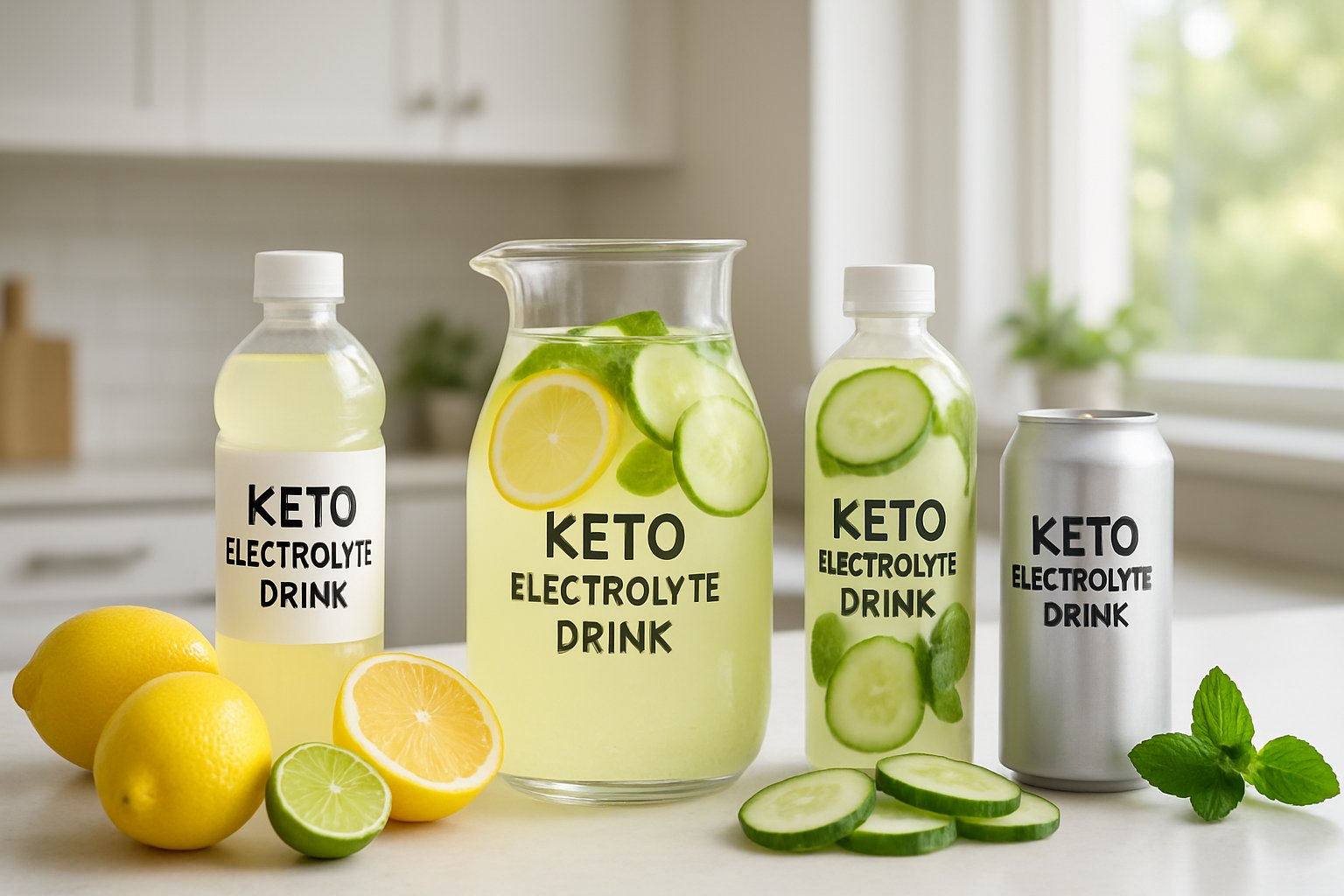
Picking the right electrolyte drink can help you stay hydrated and keep your nerves and muscles working right. Getting the balance of sodium, potassium, and magnesium right might cut down on fatigue and cramps, especially when you’re running low on carbs.
Checking Ingredient Quality and Sweeteners
Good keto electrolyte drinks have sodium, potassium, magnesium, and calcium in reasonable amounts. When insulin drops on keto, your body dumps more sodium and water—so you need to put those minerals back.
Always check for artificial colors, flavors, and preservatives. The best options stick to natural minerals and keep the ingredients list short.
Sweeteners matter. Zero-sugar or low-carb keeps you in ketosis. Natural choices like stevia or monk fruit are usually better than artificial ones. Avoid drinks with added sugars or maltodextrin—they can spike your blood sugar and mess with fat burning.
Here’s a quick checklist:
| Ingredient Type | What to Look For | What to Avoid |
|---|---|---|
| Electrolytes | Sodium, Potassium, Magnesium, Calcium | Low mineral content |
| Sweeteners | Stevia, Monk Fruit | Sugar, Aspartame, Sucralose |
| Additives | Natural flavors | Artificial dyes, fillers |
Balancing Electrolyte Intake
Keto changes how your body handles fluids and minerals. With fewer carbs, insulin drops and your kidneys send out more sodium. That can throw off your electrolyte balance and leave you feeling wiped out or headachy.
Look for drinks with about 500–1000 mg sodium, 200–400 mg potassium, and 100–200 mg magnesium per serving. That’s enough for most people without going overboard.
Some drinks include B-vitamins to help with energy and recovery. If you’re working out a lot, you might need more sodium than someone who’s less active.
Pay attention to your body. Cramps, dizziness, or a weird heartbeat might mean you need to adjust your electrolyte intake.
Timing and Frequency for Optimal Results
When you drink electrolytes matters. Many people like a serving in the morning to make up for what’s lost overnight, and another after a workout or lots of sweating.
During the first weeks of keto, daily electrolyte drinks can help dodge the dreaded “keto flu.” If you’re eating plenty of mineral-rich foods, you might only need a drink as needed—like after a long run or on a hot day.
Don’t overdo it, though. Too much sodium or potassium isn’t great for your kidneys. Stick with a moderate, steady intake and you’ll likely be fine.
Stay hydrated and energized with Java Burn — the metabolism-boosting supplement that pairs perfectly with keto hydration.
Frequently Asked Questions
Electrolytes are crucial for hydration, muscle movement, and nerve signals—especially when you’re eating low carb. Keto changes how your body handles water and minerals, so knowing your electrolyte needs is key.
What are the essential electrolytes needed for a ketogenic diet?
The main ones are sodium, potassium, magnesium, calcium, and chloride. These keep your muscles moving, nerves firing, and hydration on track.
Sodium keeps fluids balanced, potassium helps your heart, and magnesium relaxes muscles. Calcium and chloride also play roles in nerve and muscle health.
How does a keto diet affect electrolyte balance in the body?
Cutting carbs means insulin drops, and your kidneys let go of more sodium and water. That can drop your electrolyte levels and make dehydration more likely.
As glycogen goes down, water loss goes up, so you lose sodium and potassium faster. Replacing those minerals is pretty important to avoid feeling wiped out or crampy.
Can you list popular keto-friendly electrolyte drinks?
Most keto-friendly electrolyte drinks skip sugar and use minerals like sodium, potassium, and magnesium. There are both powders and ready-to-drink options with natural flavors.
Some of the big names: LMNT, Perfect Keto Electrolytes, Ultima Replenisher, and Key Nutrients Electrolyte Powder. They help you stay hydrated without adding carbs.
What are the symptoms of electrolyte imbalance on keto?
You might notice muscle cramps, fatigue, headaches, dizziness, or an irregular heartbeat. These often pop up during the first weeks as your body adjusts to keto.
If these symptoms stick around, try upping your fluids and electrolytes. If things get severe, it’s smart to check in with a healthcare provider.
How can I make a homemade keto electrolyte drink?
Just mix water, sea salt, potassium chloride (salt substitute), and magnesium citrate powder. Lemon juice or a few drops of stevia can make it taste better without adding carbs.
This combo replaces lost minerals and keeps you hydrated during workouts or in hot weather. Adjust the salt and minerals to your own taste and how you feel.
What is the recommended daily intake of electrolytes for someone on a keto diet?
Rough ranges: sodium: 3,000–5,000 mg, potassium: 3,000–4,700 mg, and magnesium: 300–500 mg per day. Your needs might be higher if you sweat a lot or exercise often.
Watch for signs of dehydration or cramps to know if you need more. Everyone’s a bit different, so listen to your body.
You can also explore our Complete Keto Beginner Guide for more hydration and meal planning tips.
Conclusion
Keeping your electrolytes in check really helps your body adjust to ketosis and hang onto hydration. Once carbs drop, you lose more water and minerals than you might expect.
That makes sodium, potassium, and magnesium kind of a big deal.
Honestly, a few simple habits can go a long way here. Toss a little extra salt on your meals, sip some mineral water, or reach for foods like avocados, spinach, and salmon.
Those all help replace minerals you lose through sweat and, well, bathroom trips.
If you want things easier, electrolyte drinks or powders can help out. Just look for sugar-free and low-carb options that list the main minerals:
| Electrolyte | Typical Daily Range | Common Sources |
|---|---|---|
| Sodium | 3,000–5,000 mg | Salt, broth, pickles |
| Potassium | 3,500–4,700 mg | Avocado, leafy greens, salmon |
| Magnesium | 300–400 mg | Nuts, seeds, spinach |
| Calcium | 1,000–1,300 mg | Dairy, fish with bones |
Pay attention to what your body’s telling you—muscle cramps, feeling wiped out, or getting dizzy? Those are little nudges that you might need more electrolytes.
If you’re using supplements or any meds that mess with minerals, it’s probably smart to check in with your doctor. And don’t try to change everything at once—start slow, see how you feel, and adjust as needed.