
Keto for Women Over 40: Fat Loss, Hormones & Metabolism Reset
This post may contain affiliate links. If you purchase through these links, I may earn a small commission at no extra cost to you. LEARN MORE.
Turning 40 often brings changes that feel out of control—slower metabolism, stubborn belly fat, and shifting hormones that make old habits stop working.
Many find that what helped them stay lean or energetic in their 30s no longer delivers the same results.
A well-balanced ketogenic approach can help the body burn fat more efficiently, stabilize energy, and support hormone balance during this stage of life.

By focusing on healthy fats, steady protein, and fewer refined carbs, keto encourages lower insulin levels and improved metabolic flexibility.
This shift helps the body tap into stored fat for fuel while calming the hormonal ups and downs that often cause fatigue and sugar cravings.
When tailored for women over 40, keto becomes more than a diet—it’s a targeted way to help the body reset.
This guide explains how to adapt keto specifically for women navigating hormonal changes, from nutrient balance to lifestyle habits that protect muscle and support long-term energy.
The goal is simple: help the body work with its natural rhythms instead of against them.
If you’re new to keto or restarting, our guide on How to Start Keto After 40 gives an excellent foundation before diving into hormone-specific strategies.
If you want personalized macros and a tailored meal plan for your age and metabolism, the Keto Creator Program provides a structured blueprint to start correctly.
Key Takeaways
- Keto can help rebalance hormones and improve fat metabolism after 40
- Proper macronutrient ratios support stable energy and hormone health
- Sustainable habits make keto a long-term tool for better wellbeing
Why Keto Is Effective for Women Over 40
Keto helps balance the connection between hormones, metabolism, and fat storage during midlife.
By reducing carbohydrates and supporting stable blood sugar, it improves energy and helps the body burn fat more efficiently.
Challenges of Weight Loss After 40
After age 40, estrogen and progesterone begin to shift.
Lower estrogen can slow metabolism, while declining progesterone may increase stress hormones like cortisol.
These changes often lead to fat accumulation around the abdomen, mood swings, and disrupted sleep.
At the same time, lean muscle mass tends to decrease, reducing daily calorie needs.
Many women eat the same amount but burn fewer calories, causing weight gain even without overeating.
Higher insulin levels also make it harder to release stored fat for energy.
Common challenges include:
| Factor | Effect on Metabolism |
|---|---|
| Hormonal changes | Slow calorie burning, increased fat storage |
| Loss of muscle | Lower resting metabolic rate |
| Insulin resistance | Blocks fat breakdown, promotes cravings |
These combined effects make traditional low-calorie diets less effective and often frustrating.
We previously covered How to Boost Metabolism on Keto, which explains why fat loss becomes harder with age.
Benefits of Ketogenic Diet for Fat Loss
A well-formulated ketogenic diet lowers carbohydrate intake and encourages ketosis, a state where the body uses fat for fuel instead of glucose.
In ketosis, the liver produces ketones that provide a steady energy source for both muscles and the brain.
For women over 40, this metabolic shift supports stable blood sugar and helps reduce insulin levels.
Lower insulin means less fat storage and fewer energy crashes during the day.
Many experience reduced cravings, improved focus, and more consistent energy levels.
Healthy fats such as avocado, olive oil, and salmon support hormone production, while adequate protein helps preserve lean muscle.
Together, these changes promote fat loss without the muscle loss often seen with calorie-restricted plans.
Differences From Traditional Diets
Traditional diets often rely on cutting calories or low-fat meals, which can worsen hunger and slow metabolism.
The keto approach instead adjusts the body’s fuel source rather than simply limiting intake.
In low-fat, high-carb diets, frequent glucose spikes raise insulin, which keeps the body in fat-storage mode.
Keto reduces these spikes, allowing fat stores to be used for energy more easily.
This difference can make weight management simpler and more sustainable.
Key distinctions:
- Fuel source: Fat vs. carbs
- Hunger levels: Lower on keto due to steady ketone energy
- Hormone impact: Keto supports balanced insulin and cortisol
Hormonal Shifts and Weight Gain After 40
Between the late 30s and mid-40s, a woman’s body often begins to change in response to fluctuating hormones and slower metabolism.
Shifts in estrogen, progesterone, insulin, and cortisol influence fat storage, appetite, and energy, making weight management more difficult even with the same habits as before.
Overview of Hormonal Changes
During perimenopause and menopause, estrogen levels swing unpredictably while progesterone gradually falls.
This imbalance affects nearly every system in the body, including metabolism, mood, and sleep.
Estrogen helps regulate how the body uses glucose and stores fat, so declining levels can increase fat accumulation.
When progesterone drops, it may also raise stress sensitivity and worsen fluid retention.
At the same time, insulin resistance tends to rise with age.
This means cells respond less effectively to insulin, leading to higher blood sugar and easier fat storage, particularly when dietary carbohydrates are high.
Elevated cortisol, the main stress hormone, often compounds the problem by signaling the body to store fat around the abdomen.
Together, these hormonal shifts create conditions that make fat loss slower and energy dips more common.
Impact on Body Fat Distribution
Declining estrogen and progesterone shift the pattern of body fat distribution.
Before 40, women often store more fat in the hips and thighs due to estrogen’s protective influence.
Afterward, the body begins redirecting fat storage toward the abdominal area, increasing visceral fat—deposits that sit deeper around internal organs.
| Hormone | Typical Trend After 40 | Impact on Weight |
|---|---|---|
| Estrogen | Fluctuates, then declines | More abdominal fat, water retention |
| Progesterone | Declines steadily | Bloating, mood changes, poor sleep |
| Cortisol | May remain elevated | Belly fat, fatigue |
| Insulin | Sensitivity decreases | Easier fat storage |
A higher waist-to-hip ratio can follow, even without a major change in calorie intake.
This pattern is tied to insulin and cortisol interaction, where stress and blood sugar instability reinforce each other.
Gentle resistance training, consistent sleep, and lower-glycemic meals can help counter these effects over time.
Hormonal Imbalance Symptoms
As hormone levels fluctuate, symptoms often appear in both physical and emotional forms.
Common signs include:
- Increased belly fat despite unchanged diet
- Trouble falling or staying asleep
- Irritability, anxiety, or frequent mood changes
- Slower recovery from stress or exercise
- Cravings for sugar or carbohydrates
Many also notice hot flashes, irregular cycles, and fatigue that lingers through the day.
These symptoms reflect how the body adapts to fluctuating estrogen and dropping progesterone while under greater cortisol influence.
When insulin resistance develops alongside, energy highs and crashes become more noticeable.
Recognizing these hormone-driven signals allows individuals to support balance with nutrition, stress reduction, and medical evaluation if needed.
For those struggling with estrogen-related symptoms, our post Keto for Menopause discusses additional hormonal benefits.
How Keto Resets Key Hormones
A well-formulated ketogenic diet may influence several hormones tied to fat storage, energy production, and stress regulation.
It supports more stable blood sugar, affects sex hormone metabolism, and can reduce hormonal fluctuations that often appear in midlife.
Regulating Insulin and Blood Sugar
Keto lowers carbohydrate intake, which directly reduces blood sugar spikes and the need for constant insulin release.
When insulin levels drop, the body can switch from storing fat to using it for fuel.
This helps manage insulin resistance, a key factor in weight gain and energy dips for many women after 40.
By keeping insulin and glucose steady, keto reduces cravings and energy crashes.
Cells become more sensitive to insulin signals, which can improve metabolic health.
Some people also notice less bloating and fewer mood swings related to blood sugar swings.
Key effects of improved insulin regulation:
| Outcome | Benefit |
|---|---|
| Lower fasting insulin | Better fat metabolism |
| Fewer sugar cravings | More stable mood and energy |
| Improved insulin sensitivity | Easier weight management |
A consistent state of ketosis often helps the body maintain this smooth rhythm, giving steady energy and supporting long-term hormone balance.
Balancing Estrogen and Progesterone
For women over 40, estrogen and progesterone levels begin to shift.
Extra body fat can increase estrogen production, especially after menopause.
A ketogenic diet can help lower body fat, which may help reduce excess estrogen stored in fat tissue.
As insulin stabilizes, other hormones involved in ovulation and mood may also find better equilibrium.
Some women report fewer symptoms of estrogen dominance, such as fluid retention or mood changes.
Adequate intake of healthy fats—like olive oil, avocado, and salmon—supports the body’s natural progesteroneproduction.
These fats also help maintain cell function and hormone synthesis.
Because fat is essential for hormone creation, keto naturally encourages nutrient sources that promote balance between estrogen and progesterone.
If insulin resistance is a concern, our guide Can Keto Reverse Diabetes? explains the underlying mechanisms.
Managing Cortisol and Stress Response
Cortisol, known as the stress hormone, plays a major role in how the body uses energy.
When cortisol stays high, it signals the body to store fat and can increase appetite.
A diet that swings blood sugar widely can make cortisol rise repeatedly.
Ketogenic eating provides a steadier fuel supply, reducing the need for cortisol-driven glucose releases.
Many individuals find this helps manage stress-related fatigue.
However, extreme carbohydrate restriction or calorie deficits can also raise cortisol, so a balanced keto plan is important.
Managing sleep, hydration, and moderate exercise further supports the stress response.
When cortisol moderates, other hormones like insulin and thyroid hormones tend to function more efficiently, promoting overall hormonal steadiness.
Supporting Thyroid Function
The thyroid controls metabolism with hormones like T3 and T4. Diet changes and energy shifts can affect how well your thyroid works.
Some women actually notice better thyroid function after switching to keto, maybe because it calms inflammation and helps with insulin sensitivity. But you still need enough calories, protein, and micronutrients—especially iodine, selenium, and zinc.
These nutrients help your thyroid turn T4 into the more active T3 hormone. Eating foods like eggs, seafood, leafy greens, and healthy fats gives your thyroid the building blocks it needs.
Ultra-low carb diets might lower T3 a bit, but that doesn’t always mean your thyroid’s struggling. Sometimes, it just means your metabolism’s running more efficiently.
Paying attention to your energy and body temperature is a good way to see how your thyroid is handling keto over time.
Fat Loss and Metabolism Reset

Women in their 40s often feel their metabolism slowing down. Stubborn body fat and lower energy become familiar challenges.
Going keto in a smart way can help lower insulin, stabilize blood sugar, and make it easier for your body to tap into fat stores.
Boosting Metabolic Rate
Muscle loss and hormone shifts naturally slow metabolism with age. Resistance training and getting enough protein help you keep muscle, which keeps your metabolism humming.
Nutrient-rich fats—think avocado, olive oil, and fatty fish—give you steady energy. Lower insulin from keto frees up fat for fuel.
Non-starchy veggies, moderate protein, and measured healthy fats keep energy steady and support better calorie burning. Here’s a sample nutrient breakdown:
| Macronutrient | Approx. % of Calories | Key Sources |
|---|---|---|
| Fat | 65–70% | Olive oil, nuts, seeds, fatty fish |
| Protein | 20–25% | Poultry, eggs, lean meats |
| Carbohydrates | 5–10% | Leafy greens, cruciferous veggies |
Becoming Fat-Adapted
When you’re fat-adapted, your body switches from burning glucose to using fat for fuel. This shift takes a few weeks of steady low-carb eating.
During this time, your liver makes ketones to power your brain and muscles. You might notice more stable energy and fewer mood swings or cravings.
Fat adaptation means you don’t need to eat as often, since your body taps into fat stores. Many women say they feel more focused and less tempted by sugar once they’ve adapted.
Staying hydrated and getting enough magnesium, sodium, and potassium helps with early fatigue or cramps. Easing into lower carbs, rather than going cold turkey, can make the whole process less rough.
To understand fat adaptation stages, see Keto Adaptation Stages, which details exactly what happens in your metabolism.
Addressing Leptin and Appetite
Leptin, made by fat cells, tells your brain when you’re full. After 40, body changes and insulin resistance can throw off this signal, making you hungrier and slowing fat loss.
Cutting carbs can help your body listen to leptin better, and it keeps insulin from getting out of hand. Meals with healthy fats, fiber, and protein help you stay full longer.
- Grilled salmon with spinach and avocado
- Eggs cooked in olive oil with vegetables
- Chia pudding with unsweetened almond milk
Better leptin signaling, plus steady blood sugar, helps you manage calories naturally. That’s a big win for sustainable fat loss and feeling more in control of your appetite.
Essential Macronutrient Ratios for Women Over 40

Getting your macros right helps keep energy steady, supports hormones, and boosts fat loss. Women over 40 usually need more protein and tighter carb limits to stay in ketosis and protect muscle.
Optimizing Keto Macro Ratios
Keto is all about high fat, moderate protein, and very low carbs. For women over 40, tweaking the typical keto ratios can make a difference.
A good range is 65–70% fat, 25–30% protein, and around 5% carbs of daily calories. These numbers help you make ketones, keep muscle, and manage insulin.
Quality fats matter. Avocado, olive oil, grass-fed butter, coconut oil, and MCT oil are all solid picks—they fuel you and help with hormone production.
Tracking macros is useful, especially at first.
- Total Daily Calories × % Fat ÷ 9 = grams of fat
- Total Daily Calories × % Protein ÷ 4 = grams of protein
- Total Daily Calories × % Carbs ÷ 4 = grams of carbs
Everyone’s different, so you might need to adjust these numbers based on your activity, body type, or how you’re feeling.
You can calculate these precisely using our tutorial How to Calculate Macros for Keto.
Importance of Protein Intake
Protein matters even more after 40, since muscle loss and slower metabolism can really sneak up on you. Eating enough protein helps burn fat, repair tissue, and keeps you full.
Most experts recommend 1.2–1.6 grams of protein per kilogram of body weight per day for women on keto. Top choices: fish, eggs, poultry, grass-fed meats, and collagen or whey protein.
Collagen’s a bonus for joints and skin, which is something a lot of women care about in midlife. Not eating enough protein can leave you tired or stalling out.
Balancing protein and fat helps you stay in ketosis without spiking your blood sugar. Checking in on your progress and tweaking intake as needed keeps you on track.
Calculating Net Carbs
To stay in ketosis, you’ve got to watch your carbs. Net carbs are the ones that actually impact blood sugar.
Here’s the formula:
Net Carbs = Total Carbohydrates – Fiber – Sugar Alcohols.
Most women stay in ketosis at under 20–30 grams of net carbs daily. Tracking with an app or food journal helps spot sneaky carbs in sauces or snacks.
Stick to leafy greens, non-starchy veggies, and a few low-sugar berries. These keep your fiber up and glucose down. Staying on top of carbs keeps your body burning fat and your energy more even all day.
Healthy Fats and Best Foods for Hormone Support
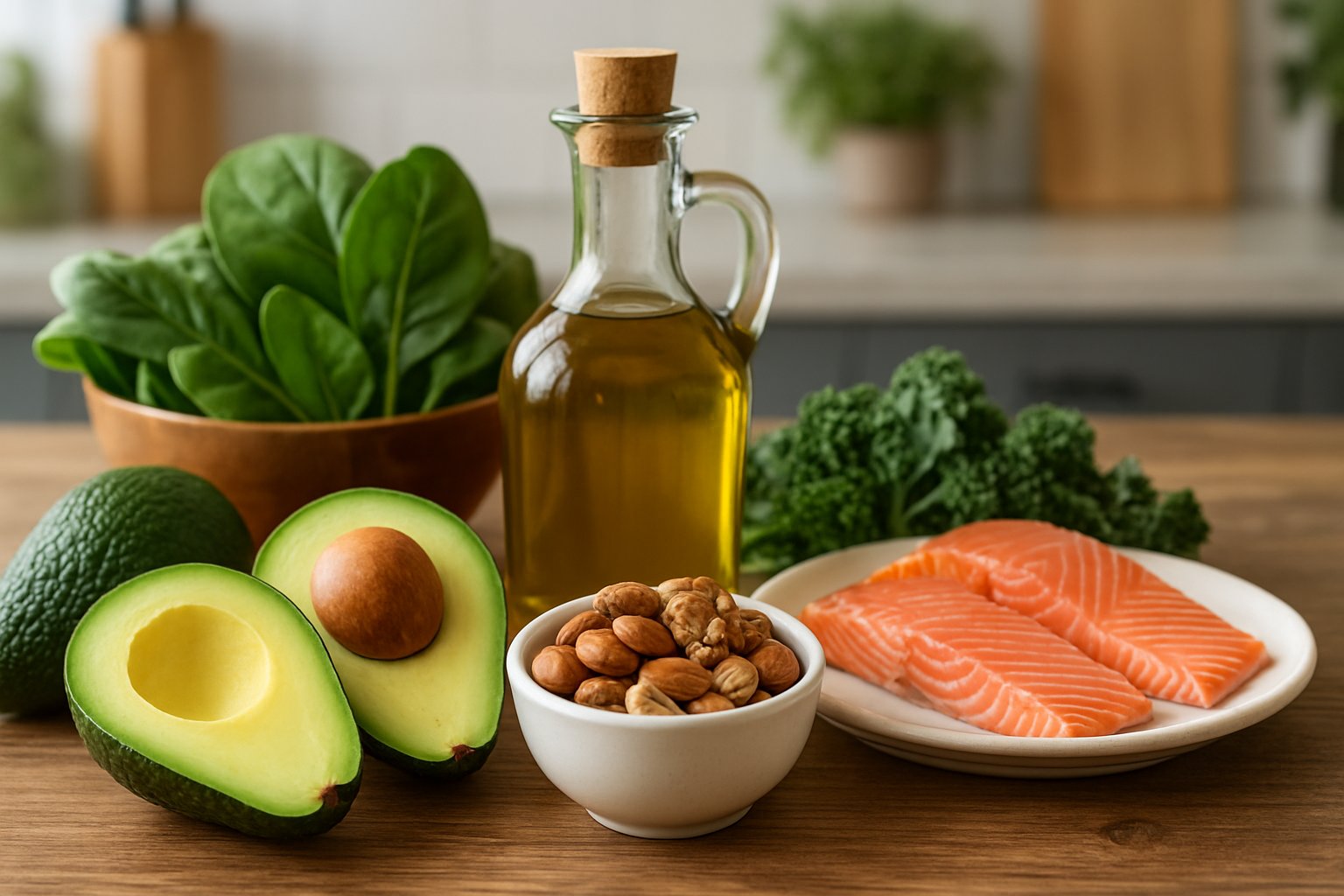
Getting the right mix of fats keeps hormones steady, supports metabolism, and helps your body use energy well. Choosing natural fats with a balance of monounsaturated, saturated, and omega-3s can help keep estrogen, progesterone, and cortisol in check.
Monounsaturated and Saturated Fats
Both monounsaturated and saturated fats are important for making hormones. Monounsaturated fats—found in olive oil, avocados, and nuts—are great for heart health and keeping insulin steady.
They also help your liver detox and balance estrogen. Saturated fats from grass-fed butter, ghee, and coconut oil help your body make key sex hormones and keep cell membranes strong.
Coconut and MCT oils are handy for quick energy without messing with your blood sugar. Mixing up these fats is smart—drizzle olive oil on veggies, cook with coconut oil, and add a pat of grass-fed butter here and there.
Top Keto-Friendly Foods
Some foods pack both healthy fats and nutrients that support hormones. Salmon, sardines, and mackerel have omega-3s that fight inflammation and help your adrenals and thyroid.
Pasture-raised eggs are loaded with choline and cholesterol, both needed for making estrogen and progesterone. Here’s a quick look at some top foods:
| Food | Type of Fat | Key Benefit |
|---|---|---|
| Avocado | Monounsaturated | Stabilizes blood sugar, supports estrogen balance |
| Olive oil | Monounsaturated | Reduces inflammation, protects heart |
| Salmon | Omega-3 | Aids thyroid and adrenal health |
| Grass-fed butter | Saturated | Supports hormone synthesis |
| Ghee | Saturated | High smoke point, rich in fat-soluble vitamins |
| Coconut oil | MCTs | Quick energy, supports metabolism |
Eating these regularly helps you stay in nutrient-rich ketosis and keeps your hormones more balanced.
Nutrients for Hormone Production
Fats work best alongside vitamins and minerals that help make hormones. Zinc, magnesium, selenium, and vitamins B6 and D all play a part in turning cholesterol into active hormones.
Nuts, seeds, leafy greens, and fatty fish are good sources. Cholesterol is still key for hormone production, so don’t skimp on quality fats.
Omega-3s from salmon or supplements help tame inflammation that can mess with hormone signals. Meals with healthy fats, moderate protein, and plenty of non-starchy veggies set the stage for better hormone balance and more energy after 40.
For more information about Dietary Supplements, check out this post from U.S. FDA.
We have selected the best seller keto supplements for you. Check them out from Amazon below.
Importance of Vegetables and Micronutrients

Veggies are packed with fiber, vitamins, and minerals that support hormones, muscle, and metabolism. A colorful mix of leafy greens and low-carb veggies gives you magnesium, potassium, and other essentials for energy and health on keto.
Incorporating Leafy Greens
Leafy greens like spinach, kale, and Swiss chard are packed with nutrients and don’t spike carbs. They’re loaded with magnesium and potassium, both crucial for nerve and muscle function.
These minerals help balance electrolytes and keep fatigue at bay, especially when you’re in ketosis. A daily serving of greens can also keep digestion humming along.
They help your body handle the fluid shifts that come with cutting carbs. Plus, they’re full of antioxidants and phytonutrients that can ease inflammation and support hormone health.
Examples of nutrient-dense greens:
| Leafy Green | Key Nutrients | Benefits |
|---|---|---|
| Spinach | Magnesium, iron, vitamin K | Supports energy metabolism |
| Kale | Vitamin C, calcium | Promotes collagen and bone health |
| Arugula | Folate, potassium | Helps electrolyte balance |
Tossing a handful of mixed greens into meals or smoothies is such an easy way to get steady energy and meet those daily micronutrient goals.
Low-Carb Vegetable Choices
Low-carb veggies are the real backbone of a keto diet. They bring crunch and flavor, and thankfully, don’t bump you out of ketosis.
Zucchini, broccoli, cauliflower, and peppers are all fair game. They bring fiber, vitamin C, and those important electrolytes.
Mixing cooked and raw veggies keeps things interesting and helps digestion. Steamed broccoli or spiralized zucchini can totally stand in for pasta or rice—who knew?
Try prepping veggies with olive oil or avocado oil. This little trick helps your body soak up fat-soluble vitamins like A, D, and K.
Eating a rainbow of veggies means you’re getting a mix of antioxidants. That’s a win for metabolism and hormones, if you ask me.
See our full guide on Keto Diet Vegetables for the best low-carb options.
Micronutrient-Rich Foods
Hitting your micronutrient targets is especially important for women over 40 on keto. As carbs go down, the body tends to lose magnesium, potassium, and sodium through extra water loss.
If you don’t replace them, you might feel cramps or low energy—no thanks. Here are a few foods to focus on:
- Magnesium: spinach, almonds, pumpkin seeds
- Potassium: avocado, leafy greens, mushrooms
- Sodium: pink salt or broth (as advised for keto balance)
Making these foods a regular part of your meals helps with hydration, muscle tone, and metabolism. Keeping up with micronutrients also helps steady hormone levels, which can make keto feel a lot more doable through perimenopause or menopause.
Electrolytes and Avoiding the Keto Flu

Switching to a low-carb, high-fat diet can cause your body to lose water and minerals fast. That’s when you might notice fatigue or muscle cramps creeping in.
Getting enough electrolytes—especially sodium, potassium, and magnesium—makes adapting to keto a lot smoother. It can also soften the blow to your energy and hydration levels.
Role of Electrolytes in Keto
Electrolytes are those little minerals with a big job: they keep your muscles, nerves, and fluids balanced. When you go keto, insulin drops and your kidneys flush out more water and sodium.
This can drag down potassium and magnesium too. Each mineral brings something different to the table:
| Electrolyte | Key Function | Common Keto Sources |
|---|---|---|
| Sodium | Maintains fluid balance and nerve function | Sea salt, broth, pickles |
| Potassium | Supports muscle contraction and heart rhythm | Avocado, spinach, salmon |
| Magnesium | Aids muscle relaxation and sleep quality | Almonds, pumpkin seeds, leafy greens |
When electrolytes are in check, you’ll likely dodge the worst of those early keto side effects. Nobody wants dizziness or muscle cramps, right?
Preventing and Managing Keto Flu
The so-called keto flu can pop up as your body learns to burn fat instead of carbs. Headaches, brain fog, and feeling wiped out are pretty common early on.
It’s usually not the diet itself, but a sign you’re losing water and minerals. Eating mineral-rich foods and using electrolyte powder can really help.
Broth, a bit more salt, and potassium-packed veggies are easy fixes. Some folks swear by magnesium supplements or sprays for relief.
If you’re new to keto, expect some quick fluid shifts. Rest, gentle stretching, and easing into carb reduction can make the transition less bumpy.
For more solutions, see our article Keto Flu Symptoms and How to Overcome Them.
Tips for Hydration
Hydration and electrolytes go hand in hand on keto. Less carbs means less water stored in the body, so you’ll need to pay attention to fluids.
Usually, drinking when you’re thirsty is enough. But if you notice dry mouth or fatigue, it’s a sign to up your intake.
Some easy hydration habits:
- Drink water throughout the day—don’t just chug it all at once.
- Add salted foods or sip on broth with meals.
- Try a sugar-free electrolyte powder after workouts or when it’s hot.
Keeping up with fluids and electrolytes makes it a lot easier to avoid that dreaded keto flu feeling.
Mental Clarity, Mood, and Overall Wellbeing

A well-designed ketogenic diet can do more than change your waistline. It can shape how your brain works, how you handle stress, and even how you sleep.
Energy metabolism and hormone activity shift in ketosis, and that ripples out to your mood and mental sharpness.
Cognitive Benefits of Ketosis
When carbs are low, your body makes ketones—a different fuel that the brain actually likes. Ketones cross into the brain easily and provide a steady energy source, which helps avoid the mental ups and downs you might get from glucose.
Lots of people report sharper focus, better recall, and fewer brain fog moments once they’re adapted to ketosis. That’s not just anecdotal; some studies show folks on keto feel more alert and content overall.
Stable blood sugar and less inflammation could be behind these brain perks. For many, it means saying goodbye to the afternoon slump and needing less caffeine to stay sharp.
Who wouldn’t want smoother workdays and better reaction time?
Mood Stability and Emotional Health
Diet changes can absolutely affect mood. Ketosis seems to balance GABA and glutamate—the brain’s calming and activating chemicals.
Some research even suggests people in ketosis feel less anxious or lonely compared to other diets. Stable blood sugar helps too, cutting down on irritability and mood swings.
Women over 40 often notice hormone swings make emotions more intense. Keeping energy and hormones steady with keto might help soften those edges.
It’s normal to feel a dip in mood during the first few weeks, but that usually fades as your body gets used to burning fat. Hydration and electrolytes can help make that phase pass quicker.
Managing Stress and Sleep Quality
Cortisol, your main stress hormone, has its own daily rhythm. If it stays high, you might notice worse sleep or more stress.
Keto’s steady blood sugar can help bring cortisol back into balance, which often means better sleep and calmer days. Eating enough fat supports serotonin and hormone balance, both linked to mood and sleep quality.
Many people say they fall asleep faster and wake up more refreshed once they’re keto-adapted. A few simple habits can help:
- Magnesium-rich foods—leafy greens and nuts are great—help with relaxation.
- Regular meal timing keeps your body’s clock on track.
- Evening routines like dimming lights and cutting screen time can boost melatonin release.
Good sleep feeds back into mental clarity and stress resilience. It’s a nice cycle to be in.
Keto Meal Planning and Sustainable Lifestyle

Solid meal planning is a huge help for women over 40 on keto. It keeps you on track, cuts cravings, and helps with hormone balance.
Building meals around whole, nutrient-rich foods and planning ahead makes sticking with keto so much easier in the long run.
Keto Meal Plan Strategies
A solid keto meal plan means moderate protein, lots of healthy fats, and barely any carbs. Each meal should have something like eggs, avocados, salmon, olive oil, nuts, or leafy greens.
Women over 40 often see the best results when meals are balanced for blood sugar and metabolism. A general rule is 70% fat, 20% protein, and 10% carbs, but you can tweak that for your own needs.
Three meals and an optional snack seems to work for a lot of people. Here are some foods to put on your list:
| Category | Examples |
|---|---|
| Healthy Fats | Avocado, coconut oil, olive oil, grass-fed butter |
| Proteins | Eggs, poultry, fish, tofu, collagen peptides |
| Low-Carb Veggies | Spinach, zucchini, broccoli, cauliflower |
| Flavor Boosters | Herbs, spices, lemon juice, vinegar |
Adding collagen peptides to coffee or smoothies is a sneaky way to hit your protein goal without too much meat. It’s good for skin, joints, and muscles too.
Batch Cooking and Meal Prep
Planning ahead saves time and keeps you from making last-minute carb-heavy choices. Batch cooking once or twice a week makes sticking to your keto meal prep a lot easier.
Cook proteins like chicken, ground beef, or salmon in bulk and store them in airtight containers. Roasted veggies or cauliflower rice can be prepped ahead too.
Labeling containers helps you keep portions straight and meals organized. Having snacks like hard-boiled eggs, cheese, or mixed nuts ready to grab can really save the day.
Try keeping your fridge organized: proteins on one shelf, veggies on another, and fats or dressings grouped together. That way, throwing a meal together feels almost effortless.
Typical Day of Eating
A typical keto day for a woman over 40 is all about feeling full, steady energy, and some hormonal support. Breakfast? Scrambled eggs in butter, with spinach and avocado—simple but honestly satisfying.
Lunch might be a grilled salmon salad with olive oil dressing, plus a handful of nuts for extra fat. For dinner, think roasted chicken thighs, cauliflower mash, and some sautéed greens.
If you want a snack, keep it small: a few olives, a cheese stick, or a collagen shake with unsweetened almond milk.
Hydration is a big deal. Unsweetened tea, water with electrolytes, or just black coffee can help keep things balanced and cravings at bay.
This way, you get steady nutrients without it feeling like a chore.
To complement your nutrition, Hyperbolic Stretching can help reduce stress and improve mobility—important for women over 40.
Keys to Long-Term Success for Women Over 40

Women over 40 can keep making progress on keto by tracking what matters, spotting barriers early, and building habits that actually stick. Paying attention to energy, sleep, and hormones helps tweak nutrition and movement for better fat loss and health.
Tracking Progress and Adjusting
It’s not just about the scale. Tracking waist and hip measurements, body fat percentage, and energy levels each week gives a fuller picture.
Simple logs or digital apps can make it less of a hassle to spot trends. Hormone shifts can change how you respond to carbs, calories, and sleep.
Sometimes, adjusting macros—maybe a bit less fat or a touch more protein—can get things moving again. Many women notice better progress when they add resistance training two or three times per week for muscle.
Key markers to watch:
| Metric | What It Shows | Typical Adjustment |
|---|---|---|
| Morning energy & mood | Hormonal balance | Check sleep and carb timing |
| Waist-to-hip ratio | Fat distribution | Adjust calorie intake |
| Blood sugar trends | Insulin health | Reassess carb quality |
Overcoming Common Plateaus
After some initial fat loss, things can slow down. That’s normal—your metabolism adapts. First, look for causes like undereating, stress, or poor sleep—all of which can spike cortisol and stall fat loss.
Women over 40 might hit hormonal plateaus, too, from estrogen or thyroid changes. Testing thyroid levels or boosting magnesium and omega-3s can help. Adding short fasting windows or cycling carbs might also improve insulin sensitivity.
Mixing up movement—strength training, walking, yoga—keeps muscles engaged and hormones happier. If you’re recovering well and energy’s good, you don’t need to go extreme to see results.
If you hit a fat-loss stall, check our detailed guide How to Break a Weight Loss Stall on Keto.
Sustaining Healthy Habits
Honestly, it’s about steady routines, not perfection. Eating mostly whole foods, staying hydrated, and building balanced meals keeps hormones in check and cravings down.
Planning ahead—like prepping keto snacks or blocking out workout time—makes it less likely you’ll fall off track. Regular sleep and simple stress relief, like breathing exercises or stretching, help keep cortisol in check.
Having support matters, too. Sharing goals with a partner, coach, or even just a friend can keep motivation up. Over time, these small daily choices add up to a lifestyle that supports metabolic health and energy, year after year.
Frequently Asked Questions

Women over 40 on keto often focus on balancing hormones, keeping muscle, and improving insulin sensitivity. Getting the right nutrients, setting realistic fat loss goals, and recognizing midlife challenges can make keto safer and more effective.
What specific dietary changes should women over 40 consider when starting a ketogenic diet?
Carbs should drop to roughly 20–50 grams per day, depending on activity and tolerance. Protein needs to be moderate for muscle, but not too high.
Choosing whole, nutrient-rich foods—leafy greens, fatty fish, eggs, nuts, seeds, avocados—helps keep energy steady. Don’t forget hydration and electrolytes, especially during the “keto adaptation” phase.
How does the ketogenic diet impact hormone levels for women in their 40s?
Lower carbs can help with insulin sensitivity, which often gets worse with age. Better insulin control might mean less fat storage and more stable blood sugar.
Effects on cortisol and estrogen really vary. Some women see better hormonal balance as they lose body fat, but others may need to tweak calories or carbs to avoid cycle disruptions.
Are there any specific micronutrients that need more attention in keto for women over 40?
Magnesium, potassium, and sodium become especially important, since you lose more electrolytes cutting carbs. Calcium and vitamin D matter for bone health—big deal after menopause.
Foods like spinach, pumpkin seeds, salmon, and fortified dairy alternatives help. Supplements can be useful, but best to check with a doctor.
Can a ketogenic diet aid in weight loss for women over 40, and how does it compare to other diets?
Research says keto can help women over 40 lose fat while keeping muscle, especially if you add strength training. Lower insulin helps burn fat and may target belly fat.
It usually works faster than low-fat diets at first, but the long game is all about consistency and habits.
What are the common challenges women over 40 might face on a keto diet, and how can they overcome them?
Common issues: fatigue, constipation, or mood swings, especially early on. Staying hydrated, keeping up with electrolytes, and easing into lower carbs can help.
Social stuff, cravings, and hormone swings can also trip you up. Tracking meals, prepping snacks, and allowing a little flexibility makes sticking with it easier.
How can women over 40 ensure they are getting a balanced keto diet to support metabolism reset?
Prioritize good fats like olive oil, nuts, and fatty fish, and keep saturated fats reasonable. Non-starchy veggies are a must for fiber and micronutrients.
Regular checkups and tracking markers like thyroid, cholesterol, and energy can confirm the diet’s working for you—not against you.
Conclusion
Adopting a ketogenic lifestyle might help a lot of women over 40 manage the changes that come with shifting hormones and a slower metabolism.
By cutting back on carbs and focusing on healthy fats, the body tends to use fat for energy instead.
This switch can support weight management and might keep energy levels more stable.
Keeping blood sugar steady helps regulate insulin, which can break the cycle of fatigue and cravings.
Meals built around protein and vegetables may also keep cortisol spikes in check—something that gets tricky when stress piles up.
These tweaks often lead to more consistent energy and mood as the day goes on.
When excess body fat drops, hormonal balance can shift too.
This affects estrogen and leptin levels, which play a role in hunger and fullness signals.
Key reminders for success:
- Stay hydrated and go for foods rich in minerals.
- Monitor progress and adjust carbs slowly over time.
- Prioritize sleep and give yourself time to recover to help with stress hormones.
- Consult a healthcare professional before making any big changes to your diet.
If you want extra help supporting metabolism and energy, the Nagano Tonic can complement your keto efforts effectively.