
Keto Refeed Day Explained: How & When to Do It Right
This post may contain affiliate links. If you purchase through these links, I may earn a small commission at no extra cost to you. LEARN MORE.
A keto refeed day is basically a short, intentional pause from strict low-carb eating. You eat more carbs for a meal or a whole day, aiming to restore glycogen, support hormones, and just get a little more pep in your step.
A well-timed keto refeed can help dodge plateaus, improve how you feel during workouts, and honestly, make keto more livable for the long haul.

This isn’t a “cheat day” free-for-all. A refeed day is planned out, with a focus on real, whole-food carbs.
It’s about balancing hormones like leptin and insulin, which can dip if you’ve been low-carb for ages. When you do it right, you get a bump in metabolism, mood, and energy—without totally derailing ketosis.
Getting the timing, portions, and food choices right really matters. If you can learn to use this tool well, keto becomes a lot more sustainable (and maybe even enjoyable?).
Learn more about metabolic stalls in “Why Am I Not Losing Weight on Keto? Tips to Overcome Common Mistakes.”
Want to reset your metabolism and personalize your keto refeeds? Try the Keto Creator plan — tailored to your macros, energy levels, and fat-loss goals.
Key Takeaways
- A keto refeed day is a planned carb boost to restore energy and rebalance hormones.
- Timing and food choices are pretty much everything for a successful refeed.
- Strategic refeeds help you avoid plateaus and stick with keto longer term.
What Is a Keto Refeed Day?
A keto refeed day means you plan a short-term jump in carbs while staying on a ketogenic diet. The idea is to refill your energy, help out your hormones, and just take the edge off the fatigue that can creep in with long-term low-carb.
It’s not about going wild—it’s about structure and keeping things under control.
Definition and Purpose
A keto refeed day is basically a temporary bump in both calories and carbs to fight back against the effects of long-term restriction. On refeed days, carbs might be 60–70% of your calories, with fats dialed down, and protein steady to keep your muscles happy.
The main goals? Refill muscle glycogen and give leptin (the hunger/metabolism hormone) a little boost. When leptin gets too low, fat loss can stall out. A refeed can help normalize things and give you more juice for workouts.
Most folks do a refeed every week or two, but if you’re lean or training hard, you might need them more often to keep hormones and performance in check.
Keto Refeed vs. Cheat Day
A cheat day is basically “eat whatever you want,” often high in both fat and sugar. A refeed day is more of a science experiment: focused on complex carbs like rice, oats, potatoes, or fruit, and keeping fats low so calories don’t get out of hand.
| Feature | Refeed Day | Cheat Day |
|---|---|---|
| Purpose | Support metabolism and performance | Indulge without restriction |
| Structure | Planned and measured | Uncontrolled |
| Macronutrients | High carbs, moderate protein, low fat | Any combination |
| Effect on Progress | Can aid fat loss | May slow progress |
Refeed days are about staying consistent with your goals, while cheat days can turn into setbacks—think bloating, water retention, or just feeling “off.”
Carb Cycling and the Ketogenic Diet
Carb cycling is the practice of rotating between low-carb and higher-carb days to balance fat loss and energy. A keto refeed day fits right into this—it’s the high-carb part of a cyclical ketogenic diet (CKD).
With CKD, you stick to keto for 5–6 days, then add carbs for 1–2 days. That way, you refill muscle glycogen and get a performance boost, but don’t leave ketosis for too long.
Honestly, refeeds can make keto a lot more sustainable. They give you some wiggle room and help with fatigue, mood swings, or that “keto flu” feeling that can hit after weeks of super low carbs.
For a related approach, read “Keto Carb Cycling: Smart Fat-Loss Strategy That Breaks Plateaus.“
Benefits of Keto Refeed Days
Keto refeed days can help your body bounce back after long stretches of calorie restriction. You get a recharge in energy, a little hormone reset, and—let’s be real—it just feels good to take a break from the grind.
Breaking Through Weight Loss Plateaus
It’s common to hit a weight loss plateau after several weeks of strict keto. The body gets used to fewer calories and slows down the metabolic rate to save energy.
When you refeed, you temporarily increase carbs and calories, which kind of reassures your body that it’s not starving. This can help prevent your metabolism from dragging and get things moving again.
Refilling glycogen stores also helps muscles hold onto less water, so you might notice a drop in water weight and a boost in energy. Sometimes that’s all it takes to kickstart fat loss again.
Boosting Metabolic Rate and Hormones
Long-term dieting can lower hormones like leptin, thyroid hormone, and insulin—all big players in metabolism. Leptin especially gets called the fat-burning hormone for a reason.
On a refeed day, more carbs and calories cause a quick bump in leptin and insulin. That can help you keep your metabolic rate up and avoid that sluggish, low-energy feeling.
Some research says refeeds may also support testosterone and thyroid function, which are both important for burning fat and keeping energy steady.
Learn more about boosting your metabolism naturally in “How to Boost Metabolism on Keto: Proven Tips for Faster Fat Burning.”
Enhancing Athletic Performance
With low-carb diets, glycogen—the carb fuel in your muscles—can run low. Over time, that means you might not perform as well in the gym, especially with tough or long workouts.
A keto refeed day helps refill glycogen stores so your muscles have more to work with. You might notice better strength, endurance, and faster recovery.
Athletes (or anyone who trains hard) often plan refeeds before big workouts or competitions. It’s a way to get an energy boost without fully falling out of ketosis, since you’ll go back to low-carb right after.
This can help you hang onto lean muscle and keep fat loss rolling.
Supporting Psychological Wellbeing
Let’s be honest—strict dieting can make you tired, cranky, and just over it. A planned refeed day gives you a mental break, more food variety, and maybe just a little more happiness.
That break can help with cravings and make it easier to stick to keto for the long term. Plus, knowing a refeed is coming up can keep you from going off the rails with random “cheats.”
For a lot of people, refeeds bring back focus and make food feel a bit more enjoyable again.
Support your fat-burning metabolism and hormonal balance naturally with Nagano Tonic — ideal for days you refeed or cycle carbs.
How Keto Refeed Days Work
A keto refeed day is all about temporarily raising your carbs to refill glycogen, rebalance hormones, and just get your energy back. It gives your metabolism a short reset after long stretches of low calories and super low carbs.
For overview of refeed day, you can also check this at Healline for more information.
Impact on Metabolism and Glycogen Stores
When you’re in ketosis, your body burns fat for fuel, and muscle/liver glycogen gets low. A refeed day brings those glycogen stores back up by adding moderate to high carbs.
This restores energy for strength training and endurance. Plus, digesting and storing carbs actually burns some calories, giving your metabolism a little nudge.
Example carb sources:
- Sweet potatoes
- Rice
- Oats
- Fruit
These foods help refill glycogen without piling on too much fat.
Role of Insulin and Thyroid Hormone
Insulin steps in on refeed days—higher carbs mean insulin rises, which helps shuttle glucose into muscles for glycogen. This helps with energy and recovery, especially if you’re training hard.
Thyroid hormones like T3 can dip with long-term low-carb dieting. A refeed can help keep thyroid function on track by providing the glucose needed for hormone conversion.
Leptin, which controls hunger and energy, also jumps up after eating more carbs. That can help curb appetite and keep your energy output up.
Influence on Energy Levels
If your glycogen is low and thyroid is sluggish, you’re probably dragging. A refeed day brings back energy by topping off glycogen and getting hormones back in balance.
Many people notice better workout performance and recovery after a refeed. The extra carbs also help muscles hold onto water, so you might feel stronger or just less “flat.”
For hormone-focused support, see “Keto for Women: Balancing Hormones for Optimal Weight Loss.”
When and How Often to Implement Refeed Days

How often you do a refeed on keto depends on your energy, how hard you’re dieting, and your goals. Pay attention to your body—if you’re feeling run down, workouts are suffering, or you’re just stuck, it might be time.
People with lower body fat or heavy training loads may need refeeds more often. If you have type 2 diabetes, you’ll want to be extra careful with timing and carb choices, just to play it safe.
Identifying Signs You Need a Refeed
Sometimes, your body just tells you it needs a refeed. You might notice fatigue, reduced workout performance, or slowed fat loss even though you’re still in a calorie deficit.
Other flags? Poor sleep, low motivation, or those stubborn carb cravings that won’t quit.
If your weight and progress stall for more than a week or two, that’s a clue. It often means your metabolism has hit the brakes and glycogen stores are running low.
Some folks also deal with feeling cold, irritability, or trouble concentrating. These are all signs you might be due for a metabolic reset.
Optimal Frequency and Timing
How often should you refeed? Well, it depends—body fat, training intensity, and how deep your calorie deficit is all play a part.
- Lean individuals (under 15% body fat for men, under 25% for women) might need a refeed every 1–2 weeks.
- If you’ve got more body fat, every 3–4 weeks or even less often is usually plenty.
Lots of people time refeeds for intense training days or right before a heavy workout. It’s a way to top up glycogen and boost performance.
On refeed days, focus on complex carbs like quinoa, sweet potatoes, or fruit. Keep fats moderate and protein steady. Usually, a 24-hour refeed does the trick—any longer and you risk knocking yourself out of ketosis for days.
Considerations for Type 2 Diabetes
If you have type 2 diabetes, you’ll want to be extra careful. Big jumps in carbs can spike blood sugar and mess with insulin sensitivity.
Go for low-glycemic, fiber-rich carbs like lentils or berries. Seriously, check your blood sugar before and after the refeed.
It helps to schedule refeeds earlier in the day when your body’s more insulin sensitive. Pairing carbs with lean proteincan slow things down, too.
Honestly, if you’re unsure, talk to your doctor or a dietitian. It’s just safer that way.
If you haven’t tested metabolic markers, read “When Does the Keto Diet Start Working? Unlocking Speedy Fat Loss Results.”
How to Structure a Keto Refeed Day
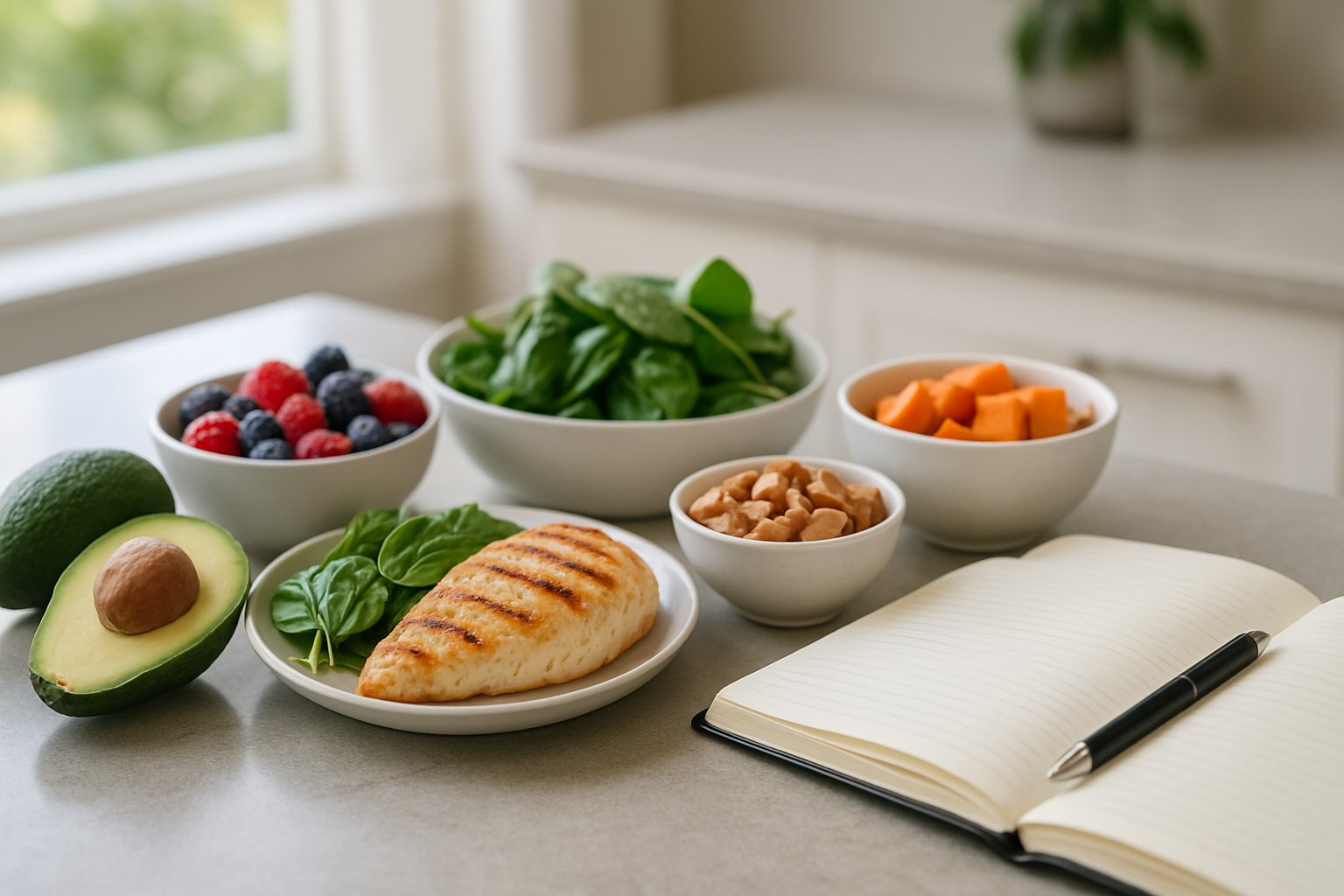
Planning ahead makes a keto refeed day way easier. The main idea is to boost carbs from healthy sources, keep fats low, and bump calories just a bit above maintenance.
Pick your foods and portions with care. That way, you still get the benefits of keto while giving your body a metabolic breather.
Choosing the Right Carbohydrates
Stick with whole, nutrient-dense carbs for steady energy and fiber. Stuff like sweet potatoes, oats, rice, and quinoaworks well—they digest slowly and refill glycogen without crazy blood sugar swings.
Skip the refined sugars and processed junk. They just spike insulin and can undo your hard work.
Most people aim for carbs to make up 60–70% of total calories on refeed days. The exact number depends on how active you are and your body fat.
Mix in both starchy and fibrous carbs. It helps digestion and makes it easier to slide back into keto mode afterward.
Managing Calorie and Fat Intake
Try raising your calories by about 20–30% above your usual. The goal isn’t to binge, just to give your system a little boost.
Keep fat low—think 20–40 grams per day. Carbs should be your main energy source here. Protein? Keep it steady, around 0.68–0.9 grams per pound of body weight.
Track what you eat, but don’t stress if it’s not perfect. The main thing is to stay consistent and not go overboard.
Sample Foods and Meal Ideas
A good keto refeed meal plan keeps carbs up, protein moderate, and fat low.
Sample foods:
- Sweet potatoes, oats, brown rice, quinoa
- Bananas, apples, berries
- Lean proteins like chicken breast or fish
- Low-fat dairy—Greek yogurt is a favorite
Example meal plan:
| Meal | Foods | Notes |
|---|---|---|
| Breakfast | Oats with berries and egg whites | High-carb, low-fat start |
| Lunch | Chicken with rice and vegetables | Moderate carbs and protein |
| Dinner | Quinoa with lean fish and greens | Keeps energy stable |
Drink plenty of water. Skip extra oils or butter—they just sneak in more calories and can slow you down.
For meal examples, use “Your Ultimate Guide to the Best Keto Diet Food List for Healthy Weight Loss.”
For your grocery, check our keto essential top picked below.
Potential Risks and Common Mistakes
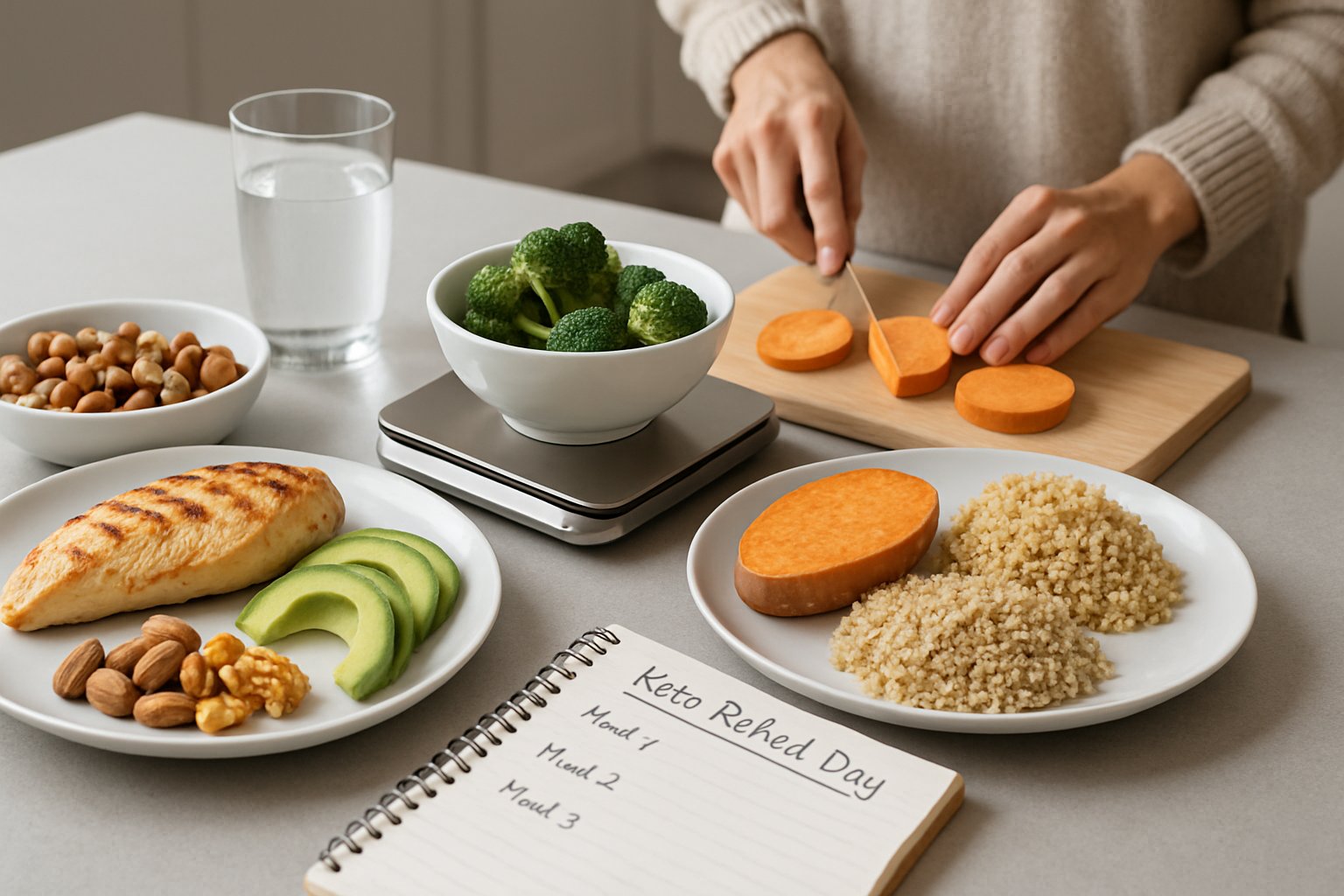
Refeeds can be helpful, but if you don’t plan well, they can backfire. Eating too many calories or refeeding when you don’t actually need it often leads to weight gain and stalls progress.
Avoiding Excess Calories and Fat
It’s easy to overdo it on refeed days. Some people end up eating high-fat keto foods along with carbs, and that’s a recipe for fat gain, not glycogen recovery.
Cut fat as you add carbs. If you don’t, total calories can shoot up fast. Keeping fat under 20–30% of your daily intake works for most.
Example of balanced intake:
| Macronutrient | Approximate Percentage | Purpose |
|---|---|---|
| Carbohydrates | 50–60% | Replenish glycogen |
| Protein | 20–25% | Maintain muscle |
| Fat | 20–30% | Support energy needs |
Watch your portions and stick with complex carbs. Oats, rice, and sweet potatoes are solid picks—they fill you up and help prevent overeating.
Returning to Ketosis After a Refeed
After a refeed, you’ll want to get back into ketosis. Too many carbs for too long will slow things down.
To bounce back faster, try:
- Switching right back to strict keto macros (under 30–50g carbs daily)
- Light exercise or even a short fast to burn off glycogen
- Drinking water and getting enough electrolytes
If you skip these steps, you might feel tired or crave more carbs. Some people like to check their ketones with strips or a meter just to know where they stand.
Who Should Avoid Refeed Days
Refeeds aren’t for everyone. If you’re new to keto or still getting used to it, a carb bump can make things harder.
If you have insulin resistance, diabetes, or any metabolic disorder, skip refeeds unless your healthcare provider says it’s okay.
Folks with a history of disordered eating might find refeeds trigger cravings or stress. Sometimes, it’s just better to stick with your usual keto plan if you’re losing weight and feeling good.
If you struggle after cheats, see “How to Avoid Keto Flu: Smart Tips for a Smooth Keto Transition.”
Frequently Asked Questions

A keto refeed day is when you plan to eat more calories—mainly from carbs—to help restore energy, support hormones, and break through weight loss stalls. You need to time it right and watch your food choices so you don’t knock yourself out of ketosis for too long.
What is the purpose of a refeed day in a ketogenic diet?
Refeed days help refill your glycogen, which drops when you’re low-carb. They can also bump up leptin, the hormone that helps control metabolism and hunger. It’s a way to give your body a break from calorie and carb restriction without ditching keto altogether.
How often should you incorporate a refeed day when following a keto regimen?
Most people do well with a refeed every week or two. If you’re lean or super active, maybe more often. But honestly, it should depend on how you feel and your results—not a strict calendar.
Which foods are optimal for a keto refeed day to ensure nutritional balance?
Best bets are complex carbs that are low in fat. Think oats, sweet potatoes, quinoa, brown rice, beans, or whole-grain pasta. They’ve got fiber, nutrients, and don’t spike your blood sugar as much as sugary stuff does.
Can a refeed day kick you out of ketosis, and how can you minimize this risk?
Yeah, a refeed can lower your ketones for a bit since you’re eating more carbs. To keep it short, limit the refeed to just one day and get back to keto right after. Sticking with whole-food carbs (not candy or pastries) helps you return to ketosis faster.
What are the potential benefits of implementing a refeed day in a keto diet plan?
Refeed days can keep your metabolism humming, cut down cravings, and boost workout performance. They also make strict keto easier to stick with—sometimes your brain just needs a carb break. Some people even notice better mood and energy afterward.
How should you monitor your body’s response to a refeed day while on a keto diet?
Keep an eye on your weight, energy, mood, and how you perform at the gym. If you want, check your ketones before and after. If you feel more tired or hungry after a refeed, you might need to tweak the amount or how often you do them.
Conclusion

A keto refeed day is basically a planned break from strict carb restriction. The goal? Bump up carbs in a controlled way to refill glycogen and give your hormones a little support.
Done right, it can help keep your energy up and make workouts feel less like a slog. Not everyone needs it, but for folks deep into keto who feel sluggish or stuck, it might be just the thing.
Key points to remember:
- Plan your refeed ahead—don’t just wing it because you’re craving pizza.
- Calories go up about 20–30%, mostly from carbs.
- Keep fats on the low side, and don’t overdo it on protein.
- Pick carbs that actually give you something back, like oats, sweet potatoes, or whole grains.
| Goal | Recommended Focus |
|---|---|
| Restore energy | Carbohydrates 60–70% of calories |
| Support muscle recovery | Moderate protein intake |
| Limit fat storage | Keep fats low (20–40 g per day) |
How often? It really depends. If you’re lean and active, maybe once a week makes sense, but others might only need it every couple of weeks.
Ideally, your refeed should fit your own goals and what your body actually needs. If you’re unsure, chatting with a nutrition pro isn’t a bad idea—they can help you figure out what works for you.
Ready to dial in refeeds without guesswork? Try the Keto Creator plan to schedule refeeds and macro targets tailored for your workouts and lifestyle.