
Keto Supplements for Beginners: Which Ones Actually Matter?
Many beginners assume they need a long list of supplements to succeed on keto. Electrolyte powders, magnesium, MCT oil, ketone drinks, collagen, and dozens of other products are often marketed as essential, making it difficult to know what actually matters.
The truth is that most people do not need every supplement advertised for keto. While some products can make adaptation easier or help address specific nutritional gaps, others offer little benefit unless they solve a clearly identified problem.
Understanding the difference between essential, helpful, and optional supplements can save money, reduce confusion, and help you focus on the habits that have the greatest impact on long-term success.
This guide explains which keto supplements beginners should prioritize, when supplementation is genuinely useful, and how to build a simple strategy without buying products you don’t need.
Keto Supplements for Beginners: Do You Really Need Them?
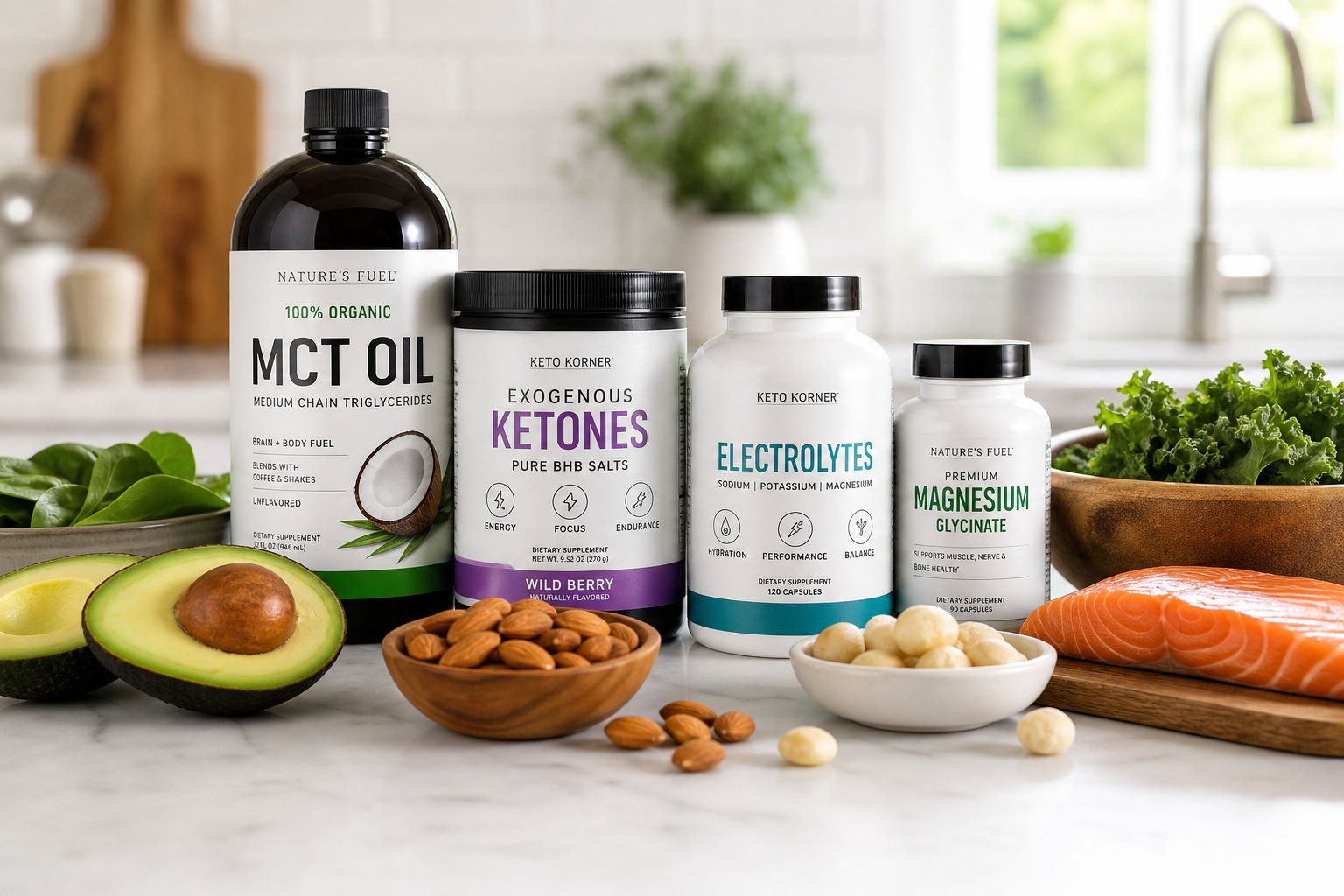
Honestly, most beginners don’t need to run out and buy keto supplements if they’re eating a variety of whole foods. But sometimes, a supplement can help plug a gap or make the transition into ketosis a little smoother.
Why Supplement Advice Can Be So Confusing
The keto supplement industry is a bit of a wild west. Companies push all sorts of products—exogenous ketones, “fat burners,” and complicated stacks—claiming you need them to succeed.
Most of it’s just marketing. They target problems that might not even exist, or sell you things that real food already covers.
Honestly, it’s much simpler than all those ads make it seem. A thoughtful keto diet usually checks most nutrition boxes. The confusion comes from mixing up what’s helpful with what’s just profitable for someone else.
Food First vs Supplement Support
If you’re just starting out, focus on real, nutrient-dense food. Fatty fish, leafy greens, nuts, seeds, avocados, and good quality meats have most of what you need.
Key nutrients from keto foods:
- Magnesium: Pumpkin seeds, spinach, avocado, salmon
- Potassium: Avocado, salmon, chicken, spinach
- Omega-3s: Fatty fish, chia seeds, walnuts
- Vitamin D: Fatty fish, egg yolks, mushrooms
Food comes with all sorts of cofactors that help your body actually use those nutrients. If you’re eating a good variety, you’ll probably avoid most deficiencies.
Supplements are there to fill in the gaps—not to make up for a junky, processed “keto” diet.
When Supplements Actually Become Helpful
Supplements make sense only in certain situations. If you’re dealing with keto flu—headaches, cramps, feeling wiped out—electrolytes can really help since your body flushes out more sodium, potassium, and magnesium at first.
Not a fan of fish? An omega-3 supplement might be smart for your heart and to keep inflammation down. If you’re stuck inside all winter, vitamin D could be important, keto or not.
If you’re working out hard, you might need more electrolytes because you sweat out even more. Some people find MCT oil helps them stay in ketosis, but it’s not a must-have for everyone.
Want to know for sure? Get a blood test instead of guessing. Saves money and avoids taking things you don’t need.
Triage — Which Beginner Situation Describes You?
Not everyone needs supplements on day one. Some people adapt to keto with barely a hiccup, while others run into issues that targeted supplements can help fix.
You’re Adapting Well Without Supplements
Signs you’re in this group:
- No keto flu symptoms in the first week
- Energy feels steady all day
- No muscle cramps, headaches, or brain fog
- Regular digestion
- Normal sleep
What this means:
You’re getting what you need from food. Your body’s handling the switch to ketosis just fine—no big electrolyte issues popping up.
Action steps:
- Stick with nutrient-dense foods
- Keep an eye out for any changes
- Skip the supplements unless you start noticing symptoms
You May Benefit From Targeted Supplement Support
Signs you’re in this group:
- Keto fatigue that just won’t quit after a few days
- Muscle cramps, especially at night
- Headaches, nausea, or dizziness
- Can’t focus or think as clearly
- Heart feels a bit jumpy or irregular
What this means:
These are classic signs of low electrolytes or maybe a magnesium shortage. Your body needs a little extra help as it adjusts.
Recommended supplements:
- Sodium: 3,000-5,000 mg daily (from salt or electrolytes)
- Potassium: 2,000-3,000 mg from food or supplements
- Magnesium: 300-400 mg before bed
- MCT oil: Start small, like a teaspoon, and see how you feel
Duration:
Usually, these symptoms clear up in a week or two with the right support.
You’re Probably Buying Supplements You Don’t Need
Common purchases to avoid:
- Exogenous ketone “fat burner” supplements
- Keto pills promising rapid weight loss
- Daily ketone test strips
- Multiple bottles of BHB salts
- Pre-made “keto stacks” with mystery ingredients
Why these don’t matter:
Your body makes ketones naturally when you cut carbs. Weight loss comes from eating fewer calories, not magic pills. Testing your ketone levels every day? Not really necessary.
Better spending priorities:
- Good food: fatty fish, eggs, veggies
- Basic electrolyte powder (skip the ones with caffeine)
- Simple magnesium if you’re cramping up
- Maybe a multivitamin if your diet’s a bit limited
Diagnostic Summary — Which Supplement Strategy Fits You?
Most people fall into one of a few categories when it comes to keto supplements. Figuring out where you land saves you money and helps you actually feel better, instead of just adding clutter to your kitchen.
Your Diet Covers Most Nutritional Needs
If you’re eating a mix of greens, fatty fish, nuts, seeds, and maybe even organ meats, you’re probably set for magnesium, omega-3s, and vitamin D. The main thing is keeping up with electrolytes, especially in the first few weeks.
Here’s a simple approach:
- Sodium: 1-2 teaspoons of salt daily (in water or on food)
- Potassium: Use lite salt or eat more avocados
- Magnesium: Only add if you start getting cramps
Don’t buy a bunch of stuff just in case. If you’re worried, a blood test will tell you if you’re low on vitamin D or anything else. Most of the time, food-first works fine.
You Need Targeted Support for Adaptation
If you’re still feeling rough after the first week—fatigue, headaches, cramps, brain fog—you likely need to address electrolytes or fat adaptation. It’s a common bump in the road, not a sign you’re failing.
Recommended targeted supplements:
| Supplement | Purpose | Typical Dose |
|---|---|---|
| Electrolyte blend | Prevents keto flu | 1-2 servings daily |
| Magnesium glycinate | Reduces cramps, improves sleep | 200-400mg before bed |
| MCT oil | Supports ketone production | Start with 1 teaspoon, increase slowly |
Most people only need these for a few weeks while their body gets used to running on fat. After that, you can usually dial things back.
You’re Solving Problems With Too Many Products
Some folks end up with a line-up of exogenous ketones, greens powders, digestive enzymes, omega-3s, vitamin D, and more. Honestly, it’s easy to lose track of what’s actually working—and your wallet takes a hit.
Signs you’re in supplement overload:
- Spending $100+ a month on keto products
- Taking five or more supplements daily
- No idea which product is helping, if any
- Your stomach’s not happy with all those pills
Time to simplify. Stick to electrolytes and maybe magnesium for the first month. Add one new thing at a time if you need to. That way, you’ll actually know what works for you.
A Personalized Plan Would Be More Effective
If you’re an athlete, have health conditions, or cut out entire food groups, you’ll need a more tailored plan. One-size-fits-all advice just isn’t enough here.
Training for a marathon? You’ll need more electrolytes than someone who sits at a desk all day. Taking blood thinners? Be careful with omega-3s. Avoiding dairy? You’ll have to find a different calcium source.
Working with a dietitian or healthcare pro means your supplement plan is based on your blood work, activity, and health goals. It’s a bit more effort, but it’s way better than guessing and buying random stuff. For example, knowing your vitamin D level tells you exactly how much you need—no more, no less.
If you’ve identified gaps in your current supplement strategy, our complete guide to the best supplements for keto explains which options are most useful for different goals and adaptation challenges.
The Three Categories of Keto Supplements Every Beginner Should Know
Not all keto supplements do the same job. Some help prevent real deficiencies or side effects, but a lot are just nice-to-haves—or, honestly, not needed at all for most beginners.
Essential Supplements
Electrolytes top the keto supplement checklist. When you start ketosis, your kidneys flush out extra water and electrolytes like sodium, potassium, and magnesium.
This loss can trigger keto flu symptoms—headaches, fatigue, muscle cramps. It’s not fun, but it’s common.
Most beginners need extra sodium (3,000-5,000mg daily), potassium (3,000-4,000mg), and magnesium (300-400mg). You can get these from foods like bone broth, avocados, and leafy greens, or just grab an electrolyte supplement.
Magnesium’s worth a special mention because so many people are already running low on it. Magnesium glycinate is usually a safe bet since it’s gentle on the stomach.
If you’re cramping up, sleeping poorly, or just dragging, low magnesium could be the culprit. It’s surprisingly easy to miss.
Fiber supplements might be needed if you can’t hit 25-30 grams daily from low-carb veggies, nuts, and seeds. Psyllium husk works, but always check labels for sneaky sugars that could mess with ketosis.
Helpful Supplements
MCT oil is handy for speeding up ketosis. Medium-chain triglycerides turn into ketones faster than most fats, offering a quick energy bump.
Start with a teaspoon a day to dodge possible stomach drama. Trust me, more isn’t always better at first.
Omega-3s help balance out the omega-6s that tend to creep in on keto. Fish oil or krill oil (1,000-2,000mg EPA/DHA daily) supports your heart and keeps inflammation down.
If you’re not eating fatty fish a few times a week, you’ll probably want a supplement. It’s tough to get enough otherwise.
Vitamin D is another one to consider, especially if you’re stuck indoors or don’t eat much fish or eggs. Many people are low, no matter the diet.
A blood test is the only way to know for sure if you need more. Otherwise, it’s a bit of a guessing game.
Optional Supplements
Exogenous ketones might give you a quick energy kick, but they’re not a substitute for sticking to the diet. Your body will make its own ketones if carbs stay low enough.
They’re pricey and the effects don’t last long. Most folks skip them without missing much.
Collagen powder is good for joints and skin, but it’s not keto-specific. Bone broth or meat with connective tissue can deliver similar perks.
Greens powders are convenient, but you don’t need them if you’re eating enough low-carb veggies. Fresh spinach, kale, and broccoli pack more punch per serving.
These powders can be a backup, not a daily must-have.
Essential Supplements That Support Keto Adaptation
The first weeks of keto are rough for some, and the right supplements help your body adjust to burning fat instead of carbs. Electrolytes—magnesium, sodium, and potassium—are crucial for dodging side effects and supporting your system during this transition.
Electrolytes During the First Weeks
Your body dumps a lot of water and electrolytes when you switch to keto. Low insulin tells your kidneys to let go of sodium and water.
Headaches, fatigue, and muscle cramps are common in the first week or two. That’s the “keto flu” everyone warns about.
The best electrolyte mix for keto includes sodium, potassium, and magnesium. If you sweat a lot or work out, you’ll need even more.
Look for a product with at least 1,000 mg sodium, 400 mg potassium, and 200 mg magnesium per serving. That’s a solid baseline.
Choosing the best electrolyte for keto depends on your symptoms, activity level, and stage of adaptation.
Why Magnesium Often Deserves Special Attention
Magnesium is tricky on keto because high-carb foods like beans, fruit, and grains are usually off the table. That means less magnesium from your regular meals.
Magnesium glycinate or citrate absorbs better than cheap magnesium oxide. Adults need roughly 310 to 420 mg per day.
It’s key for energy, blood sugar, and muscle function. Keto-friendly foods like spinach, avocado, pumpkin seeds, and salmon help, but supplements often fill the gap.
Understanding the best magnesium for keto can help you choose the right form if muscle cramps, poor sleep, or recovery become ongoing concerns.
When Sodium and Potassium Become Important
Sodium needs shoot up during keto adaptation. You might lose 2,000 to 3,000 mg per day in the first week alone.
Sprinkling 1 to 2 teaspoons of salt across meals usually does the trick. Don’t be shy with it.
Potassium teams up with sodium to keep your fluids and nerves in check. Low potassium can mean weakness, heart flutters, or cramps.
You’ll want about 3,000 to 4,000 mg of potassium each day. Spinach, avocado, salmon, and mushrooms are your best bets for low-carb potassium.
Supplements only offer about 99 mg per dose (thanks, safety rules), so food is your main source here.
Many supplements recommended during the first week are intended to reduce symptoms commonly associated with keto flu.
Helpful Supplements That May Improve Consistency

Some supplements make sticking to keto a little less of a headache. They help with meal fatigue, protein goals, and filling gaps that might trip you up down the road.
MCT Oil for Energy and Meal Transition
MCT oil is a quick hit of energy. Your body turns it into ketones fast, so it’s handy between meals or when you need fuel without breaking ketosis.
People often toss one or two tablespoons into coffee or tea for a filling morning drink. Start with just a teaspoon though—your stomach will thank you.
If you’re coming off a carb-heavy meal, MCT oil helps you slide back into keto. It’s flavorless, so you can mix it into shakes or drizzle it over food.
Typical dosing: Begin with 1 teaspoon, then work up to 1-2 tablespoons per day if all goes well.
Before adding it to your routine, learn how MCT oil on keto may support energy and make the transition easier for some beginners.
Protein Powder for Meeting Protein Goals
Keto calls for moderate protein—about 0.6 to 1.0 grams per pound of body weight. Hitting that with only whole foods can be tough, especially if you’re busy or just not that hungry.
Protein powder is a quick fix. One scoop usually gives you 20-25 grams of protein with barely any carbs.
Look for powders with less than 3 grams of carbs per serving and no added sugar. Whey isolate is solid for most, but pea or hemp protein works if you’re avoiding dairy.
Mix it into shakes, stir into Greek yogurt, or sneak it into recipes like fat bombs. Using it daily keeps muscle loss at bay and helps recovery after workouts.
Choosing the right keto-friendly protein powder can make it easier to meet your daily protein goals without adding unnecessary carbohydrates.
Omega-3 for Overall Diet Quality
Omega-3s from fish oil are good for your heart and help keep inflammation in check. Keto tends to tilt the balance toward omega-6 fats unless you plan carefully.
Most people do well with 1-2 grams of combined EPA and DHA daily. If you’re not eating salmon or other fatty fish regularly, a supplement is your best bet.
Fish oil capsules are common, but krill oil is an option if you want something easier to digest. Both work for getting those active omega-3s your body actually uses.
Omega-3s fill a gap that eggs, cheese, and chicken just can’t cover. They round out the diet nicely.
Fiber Support When Needed
Keto wipes out a lot of fiber-rich foods like beans and grains. Some folks get enough from veggies and nuts, but others run into digestive slowdowns.
Fiber supplements can help without bumping up your carb count. Psyllium husk, acacia fiber, and glucomannan are solid choices.
They add bulk and keep things moving. Just don’t forget the water, or you’ll regret it.
Recommended sources:
- Psyllium husk powder (5-10g daily)
- Chia seeds (1-2 tablespoons)
- Flaxseed meal (2-3 tablespoons)
Aim for 15-25 grams of fiber daily on keto. Too much fiber without enough water can actually backfire and make constipation worse.
Supplements Most Beginners Can Usually Skip
Lots of products are marketed to keto newbies, but most aren’t worth the money. Many don’t actually help you get into ketosis or improve your results.
Exogenous Ketones
Exogenous ketones come from outside your body. They’re supposed to raise your blood ketone levels fast and help you get into ketosis sooner.
Most research uses ketone esters, not the ketone salts sold to consumers. There’s not much evidence these help beginners, honestly.
If you’re following keto, your body will make its own ketones within a few days to a week.
Why beginners can skip them:
- They don’t replace actually following the diet
- Your body makes ketones naturally when carbs are low
- They’re expensive and don’t offer much in return
- High blood ketones don’t always mean better results
Some people try exogenous ketones to ease into keto, but most beginners do fine without them.
Fat Burners and “Rapid Keto” Products
Keto fat burners claim to speed up weight loss and ketosis. They usually have caffeine, green tea, and herbs—but there’s little proof they work for keto specifically.
The marketing hypes up unrealistic results. No pill can replace cutting carbs and eating fewer calories.
Common ingredients that don’t live up to the hype:
- Raspberry ketones (not the same as what your body makes)
- Garcinia cambogia
- Proprietary “fat-burning blends”
- Random herbal extracts
Weight loss comes from calorie deficit and your body adapting, not from supplements. These products can drain your wallet and don’t really move the needle.
Expensive Keto Gummies and Trend Products
Keto gummies are everywhere now, promising to support ketosis with apple cider vinegar, B vitamins, or tiny amounts of exogenous ketones. The packaging looks great, but the contents? Not so much.
Most gummies barely contain enough of anything to matter. They’re pricey because of marketing, not nutrition.
Issues with keto gummies:
- Hardly any active ingredients at useful doses
- Sometimes include sugars or sugar alcohols that mess with ketosis
- Cost way more than basic supplements with the same nutrients
- Rely on hype and testimonials, not real science
A basic multivitamin or single-ingredient supplement like magnesium is a better deal. Gummy vitamins don’t make nutrients more effective—they just taste better.
Buying Supplements Without a Clear Purpose
One of the biggest mistakes beginners make is buying supplements without really knowing what they need. This usually happens when people just go with a generic “keto supplement stack” instead of thinking about their own diet and health.
Different people have different needs, and it all depends on what you eat. For example, if you’re eating a lot of fatty fish, you probably don’t need omega-3 supplements. If you’re outside in the sun a lot, vitamin D might not be necessary.
Before buying any supplement, beginners should:
- Track what they eat for a few days to spot real gaps
- Get blood work done if possible to check for deficiencies
- Start with basics like electrolytes—almost everyone needs these
- Add other supplements only if there’s a clear reason
Unnecessary keto supplements just fill up your medicine cabinet and drain your wallet. It’s smarter to focus on what you actually need, not whatever’s being marketed to keto dieters. Most people really only need two or three key supplements, not a dozen.
How to Decide Which Supplements You Actually Need
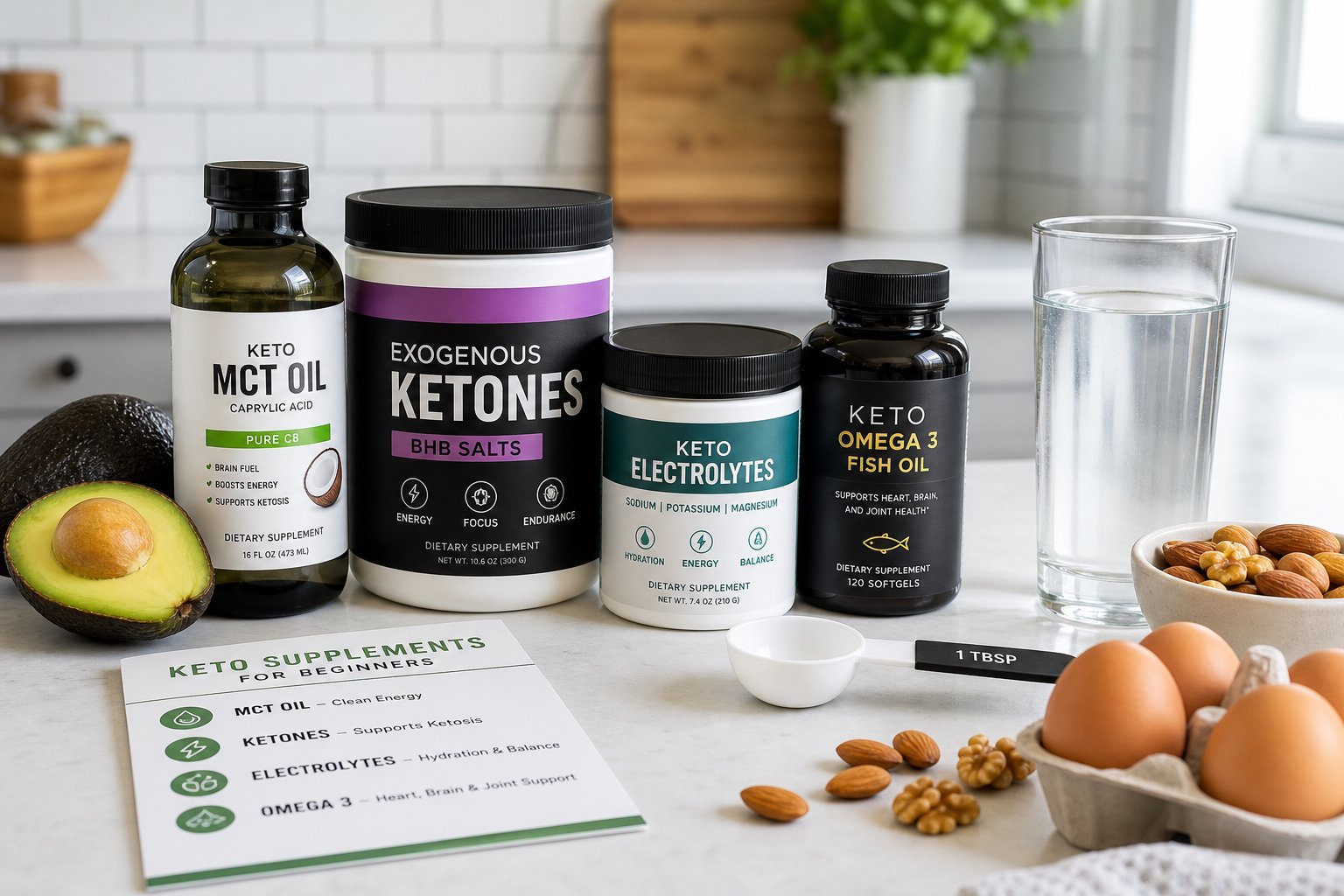
You don’t need every keto supplement out there. The best plan is to match supplements to your actual issues, not just grab whatever’s trending or has flashy labels.
Start With Your Symptoms
The most practical way to choose keto supplements? Start with your symptoms. If you’re getting muscle cramps, headaches, or feeling wiped out in those first weeks, you probably need electrolytes—not pricey exogenous ketones.
Keto flu symptoms usually mean you’re low on electrolytes. These can show up as:
- Headaches and brain fog
- Muscle cramps or spasms
- Fatigue and weakness
- Irritability or mood changes
- Sleep problems
If you’re dealing with digestive issues like bloating or constipation, digestive enzymes or fiber supplements might help. Still feeling foggy after you’ve adjusted? Maybe you need more omega-3s or vitamin D.
It makes more sense to wait and see what actually comes up, instead of trying to prevent every possible issue before it happens. A lot of people adapt to keto just fine with nothing more than basic electrolytes.
Review Your Diet Before Buying Supplements
Look at what you’re actually eating—this reveals what you might be missing. If you’re eating plenty of leafy greens, avocados, and nuts, you probably get enough magnesium from food alone.
Don’t eat much fatty fish? Then you might want omega-3 supplements, but if you’re eating salmon a few times a week, you’re probably covered. If your diet lacks dairy or fortified foods, vitamin D might make sense.
Common keto diet gaps:
| Food Group Limited | Potential Nutrient Gap | Food Solution | Supplement Option |
|---|---|---|---|
| Leafy greens | Magnesium, folate | Spinach, kale | Magnesium glycinate |
| Fatty fish | Omega-3 (EPA/DHA) | Salmon, sardines | Fish oil |
| Dairy | Vitamin D, calcium | Full-fat yogurt | Vitamin D3 |
| Nuts and seeds | Magnesium, fiber | Almonds, chia seeds | Psyllium husk |
Track your food for a few days—three to five is usually enough. That’ll show you if you actually need supplements or if you’re just duplicating what your diet already gives you.
Match Supplements to Specific Problems
Every supplement has its own job. It’s better to pick products that solve real problems instead of just copying someone else’s supplement stack.
Electrolyte supplements are most helpful during the early transition, when your body is flushing out water and minerals. Magnesium helps with cramps and sleep. MCT oil gives you quick energy and can help bump up ketone levels if you’re struggling to stay in ketosis.
If fatty meals make you feel queasy, digestive enzymes with lipase might help. Omega-3s can reduce inflammation and support your heart on a high-fat diet.
Exogenous ketones? Most beginners don’t need them—the body makes ketones just fine when carbs stay low. Greens powders can be useful, but they’re not a substitute for real veggies.
Avoid Buying Everything at Once
Start with one or two supplements so you can actually tell what’s working. If you add everything at the same time, you won’t know what’s making a difference.
Most people should just start with electrolytes: sodium, potassium, and magnesium. These three cover the most common early keto issues.
After a couple of weeks, see how you feel. Still having trouble? Maybe add magnesium or digestive enzymes. If you’re feeling good, you probably don’t need anything else yet.
This saves you money and helps you avoid taking stuff you don’t need. Plus, fewer supplements means less chance of weird side effects from mixing too many things together.
Asking whether you really need supplements on keto is often the best place to start before buying additional products.
Common Supplement Mistakes That Slow Keto Progress
Lots of people turn to supplements when they start keto, but it’s easy to waste money or even slow down your results. The biggest mistakes? Spending on fancy products but ignoring basics, expecting pills to fix a bad diet, being inconsistent, and misunderstanding what ketosis really means.
Ignoring Electrolytes While Buying Expensive Products
New keto folks often skip electrolytes and buy ketone supplements or fat burners instead. That’s backwards. When you hit ketosis, your body flushes out water and electrolytes through urine. Without enough sodium, potassium, and magnesium, you’re in for headaches, fatigue, cramps, and brain fog.
Magnesium needs go up on keto because a lot of magnesium-rich foods are higher in carbs. Most people need 300-400mg of magnesium daily from supplements or foods like spinach and avocado. Sodium needs can jump to 3,000-5,000mg per day. Potassium usually stays around 3,000-4,000mg daily.
These basics are cheap to fix—a good sea salt costs a few bucks. Magnesium glycinate is affordable and works well. But people skip these and spend big on products that promise fast ketosis or fat loss, missing the foundation.
Expecting Supplements to Replace Good Nutrition
No supplement can fix a bad keto diet. Some folks eat processed snacks and fast food, then wonder why their supplements aren’t helping. Real food has hundreds of nutrients that pills just can’t copy.
Whole foods like eggs, fatty fish, meat, greens, and nuts give you protein, healthy fats, vitamins, minerals, and all sorts of extras that work together. A fish oil capsule gives you omega-3s, but it’s not the same as eating actual salmon. Multivitamins can’t make up for eating the same three foods every day.
Supplements support a good diet, not replace it. They fill little gaps, not huge holes. If you’re eating mostly bacon and cheese, you’ll struggle even with supplements. You need variety and nutrient-rich foods first—supplements are just the backup.
Using Supplements Without Consistency
Taking electrolytes one day and skipping the next three isn’t going to cut it. Your body needs steady electrolyte intake on keto since it’s always losing them. If you’re inconsistent, you’ll feel good for a bit, then crash with keto flu again.
Same goes for other supplements. Magnesium won’t help sleep or cramps if you take it only now and then. Fish oil needs to be taken regularly to reduce inflammation. Digestive enzymes only help if you use them with meals every time.
Lots of people start out strong, then forget or decide they don’t need supplements after they feel better. They stop, symptoms come back, and suddenly they think keto isn’t working. Usually, it’s just inconsistency.
Confusing Ketosis With Better Results
Being in ketosis doesn’t automatically mean you’ll lose fat faster or get healthier. Some people obsessively test their ketone levels and take exogenous ketones to get higher numbers. But high ketones don’t always mean better results.
You can be in deep ketosis, eat too many calories, and not lose weight. Or you can be in light ketosis and lose fat steadily. Ketone levels just show your metabolic state, not your progress.
Exogenous ketone supplements can bump your ketones up temporarily, but they don’t make you burn more fat. Your body just uses those ketones for energy instead of burning its own fat stores. For most people, these supplements are pricey and unnecessary. Your body’s natural ketone production works just fine.
Choosing Safe and High-Quality Keto Supplements

Quality matters a lot with keto supplements. You’ve got to check ingredients, look for third-party testing, and read labels closely. It’s important to know which certifications count and how to spot the difference between real value and empty marketing.
The NIH Office of Dietary Supplements recommends evaluating supplements based on their ingredients, intended use, and the available scientific evidence rather than relying solely on marketing claims.
Understanding Ingredient Quality
Not all supplement ingredients are equal—far from it. Third-party testing by groups like NSF International or USP checks that products actually have what the label says and aren’t full of junk.
How the ingredients are sourced affects how well your body can use them. Chelated minerals, for example, are bound to amino acids and are easier to absorb than cheap oxide forms. MCT oil should list C8 and C10 fatty acids, not just a vague “medium chain triglycerides.”
Brands that pay for good testing usually show certification seals on their packaging. These seals mean independent labs have checked potency and purity. If you don’t see third-party verification, you might be getting less active ingredient—or even some hidden fillers.
Some companies share certificates of analysis on their websites, showing test results for each batch. If you’re curious, it’s worth checking those out to make sure you’re getting what you paid for.
Looking Beyond Marketing Claims
If a supplement promises instant weight loss or ketosis, be skeptical. Safe keto supplements don’t make wild promises that sound too good to be true.
The FDA doesn’t regulate supplements like it does medications. Companies can sell products without proving they work. Phrases like “clinically proven” are often just marketing fluff.
Red flags to watch for:
- Claims of big weight loss without changing your diet
- Promises to get you into ketosis in just hours
- Proprietary blends that hide actual ingredient amounts
- Before-and-after photos with no real studies behind them
Reputable brands talk about specific benefits, like electrolyte balance or filling nutrient gaps, and they’ll cite real research. The best companies are transparent about quality control and often have dietitians on staff.
Choosing Appropriate Forms of Magnesium
Not all magnesium is created equal for keto. Magnesium glycinate is absorbed better than magnesium oxide, which is basically just a laxative.
Glycinate binds magnesium to glycine, helping it get through your gut wall more easily. Most people find magnesium glycinate gentler, with fewer digestive side effects.
Common magnesium forms and their uses:
| Form | Absorption Rate | Best For |
|---|---|---|
| Magnesium glycinate | High | Sleep, muscle relaxation, daily use |
| Magnesium citrate | Medium-high | Occasional constipation relief |
| Magnesium oxide | Low | Not recommended for supplementation |
| Magnesium malate | Medium | Energy support |
Magnesium threonate crosses the blood-brain barrier well, but it’s pricier. Most folks do just fine with glycinate for everyday use. Usual doses are in the 200-400mg range, but adjust to your needs.
Reading Labels With Confidence
Supplement labels have to include certain info, which helps you make better choices. The supplement facts panel lists serving size, ingredients, and amounts per dose.
Ingredients are listed by weight. You want to see active ingredients first, not fillers like maltodextrin or rice flour. Watch out for added sugars—they can mess with ketosis.
The “other ingredients” section shows what’s used as binders or fillers. Cellulose and silica are fine, but artificial colors and sweeteners are just extra chemicals. Some people don’t tolerate magnesium stearate or titanium dioxide well.
Look for expiration dates and batch numbers. These show the manufacturer cares about quality. Pay attention to storage instructions, too—some supplements break down with heat or light.
The manufacturer’s contact info should be easy to find. Good companies give you a phone number or website for questions. If you can’t find any contact details, that’s a red flag.
Building a Simple Beginner Supplement Plan
Most beginners really only need three to five supplements when starting keto. It makes sense to focus on avoiding the usual problems first, and only add extras if you realize you need them.
Start With the Essentials
Honestly, every beginner should start with electrolytes and magnesium. These two cover the most common early issues on keto.
Electrolytes help fend off fatigue, headaches, and that weird dizziness lots of people get in the first weeks. Look for a keto electrolyte with at least 500 mg sodium per serving, plus a bit of potassium and magnesium if possible.
Magnesium is worth its own supplement, since most electrolyte mixes just don’t have enough. Taking 100-200 mg of magnesium glycinate or citrate in the evening can help with sleep and those annoying muscle cramps.
Essential starter supplements:
- Electrolyte mix (1-2 servings daily)
- Magnesium (100-200 mg before bed)
Stick with these for at least two weeks before adding anything else. It’s tempting to pile on more, but simple is usually better at first.
Add Helpful Supplements Only If Needed
After two weeks, take a look at how you’re feeling. Not everyone needs the same keto supplement routine, and that’s totally fine.
Add omega-3s (500-2,000 mg EPA+DHA daily) if you’re not eating fatty fish at least twice a week. It’s a good way to support your heart and brain without living on salmon.
Consider vitamin D if your blood test shows you’re low, or if you barely see the sun during winter. No need to take it blindly—guessing wastes money.
Try fiber supplements like psyllium husk only if constipation is an issue, even after you’re eating greens, avocado, and nuts. Start with a teaspoon and work up, and don’t forget plenty of water.
MCT oil might help with energy and appetite for some people. If you’re curious, start with a teaspoon to avoid, well, bathroom emergencies. It’s definitely optional.
Evaluate Results Before Adding More
Track your symptoms or goals for at least two weeks before adding new supplements. Otherwise, how do you know what’s actually helping?
Simple tracking methods:
| What to Track | How to Measure |
|---|---|
| Energy levels | Rate 1-10 each afternoon |
| Sleep quality | Note wake-ups and morning feeling |
| Digestive comfort | Track bathroom regularity |
| Workout performance | Record strength or endurance |
Jot down notes in a notebook or use your phone. Compare the two weeks before starting a supplement to the two weeks after.
If you notice things getting better, that supplement’s probably helping. If nothing changes, maybe skip it for now. No need to waste money on stuff that isn’t doing anything.
Keep Your Approach Sustainable
A good keto plan really just uses the fewest supplements needed to feel and stay healthy. More isn’t always better.
Try to keep your routine under two minutes a day. When you’re traveling or slammed at work, complicated plans with six or more supplements just fall apart.
Simple daily routine example:
- Morning: electrolyte drink with breakfast
- Evening: magnesium before bed
- If needed: omega-3s with dinner, fiber with water
This basic setup covers the big nutritional gaps and avoids supplement burnout. You can always add more if something comes up later, but most people do fine with just these basics.
Keep your supplements in one spot and set a phone reminder for the first week or so. Consistency matters way more than having every possible supplement on hand.
Not sure where to begin? Our free 7-Day Keto Meal Plan helps you focus on food first while identifying where supplements may actually add value.
When a Personalized Keto Plan May Reduce the Need for Supplements
A well-designed keto diet—one that actually fits your food preferences and health needs—can fill a lot of nutritional gaps naturally. If you’re following a plan tailored to you, you’ll probably get more nutrients from real food.
Better Meal Planning Improves Nutrient Intake
Working with a keto creator or nutritionist means your plan isn’t just about keeping carbs low. Instead, it’s built to include nutrient-dense foods so you get things like magnesium from spinach, pumpkin seeds, and avocado—not just pills.
Strategic meal planning brings in foods that provide:
- Electrolytes from bone broth, leafy greens, and salt
- Omega-3 fatty acids from salmon and sardines
- Vitamin D from egg yolks and fatty fish
- Fiber from low-carb veggies and chia seeds
If you’re following a personalized keto plan, you’ll get to know which foods cover your specific needs. You can track your intake and see if you really need a supplement or if you’re good with food alone.
Individual Needs Vary
No two people on keto need exactly the same supplements. Someone who works out a lot may need more electrolytes, while a person who sits at a desk all day might not.
A custom keto diet takes into account age, activity level, health issues, and even what you actually like to eat. An athlete has different needs than an office worker, and someone with digestive issues might find digestive enzymes helpful while others never need them.
Blood tests can show what you’re actually missing, instead of guessing. A sustainable approach means adjusting things based on how you feel and what your labs say.
Supplements Should Support—Not Replace—Your Nutrition Strategy
Supplements should fill specific gaps in a solid keto nutrition plan, not act as a stand-in for real food. If your diet is mostly processed keto snacks and fat bombs, no vitamin can fix that.
The real foundation is always whole foods: meat, fish, eggs, veggies, nuts, and healthy fats. Supplements are for when you can’t get enough of something from food alone. If you hate fish, sure, maybe add omega-3s—but still aim for plenty of other nutrient-rich foods.
A personalized keto plan helps you figure out what you actually need, instead of following some generic list. It saves money and keeps you from taking stuff you don’t need.
If you’re relying on supplements to solve problems that are actually caused by meal planning or inconsistent habits, a more personalized approach can help you build a sustainable strategy from the start.
Conclusion: Most Beginners Need Fewer Supplements Than They Think
The keto supplement market sure makes it seem like you need a shelf full of bottles just to get started. But honestly, things are a lot simpler than that.
Most people starting keto only need three things: sodium, potassium, and magnesium. These electrolytes are key for avoiding that dreaded keto flu and keeping your energy up while your body adapts.
Just adding more salt to your food and maybe sipping on some bone broth usually covers most of what you need.
Everything else? That’s more of a “maybe” than a “must.” Omega-3 supplements are only useful if you’re not eating much fatty fish. Psyllium husk might help if your digestion gets weird from less fiber. MCT oil can give you a little energy kick, but it’s not going to make or break your results.
The expensive stuff? Usually unnecessary. Exogenous ketones won’t magically put you in ketosis if you’re still eating carbs. Keto pills that promise shortcuts without changing your diet—yeah, those are scams. Raspberry ketones? They’re not even related to the ketogenic diet.
Here’s what’s actually useful for beginners:
- Required: Sodium (3,000-5,000mg), potassium (1,000-3,500mg), magnesium (300-500mg)
- Helpful: Omega-3 fish oil, psyllium husk for fiber
- Optional: MCT oil for energy or mental clarity
- Skip: Exogenous ketones, keto pills, raspberry ketones
It really makes sense to just start with electrolytes. If you run into specific problems, then maybe add something else.
Most of that keto flu stuff? It goes away if you’re getting enough salt. Digestive issues usually settle down with more water and a little patience.
Honestly, beginners save money and headaches by sticking to the basics instead of buying every “essential” product on the market.