
Keto vs Carnivore Diet: Which One Burns Fat Better?
This post may contain affiliate links. If you purchase through these links, I may earn a small commission at no extra cost to you. LEARN MORE.
Lots of folks look to low-carb diets for fat loss and a bit more zip in their day, but two plans really steal the spotlight: the keto diet and the carnivore diet. Both slash carbs and nudge your body toward burning fat for fuel, but honestly, they go about it in totally different ways.
The keto diet usually burns fat more efficiently for most people. Why? It lets you eat a wider range of foods while still keeping you in ketosis, that fat-burning state where your body skips the sugar and runs on fat instead.
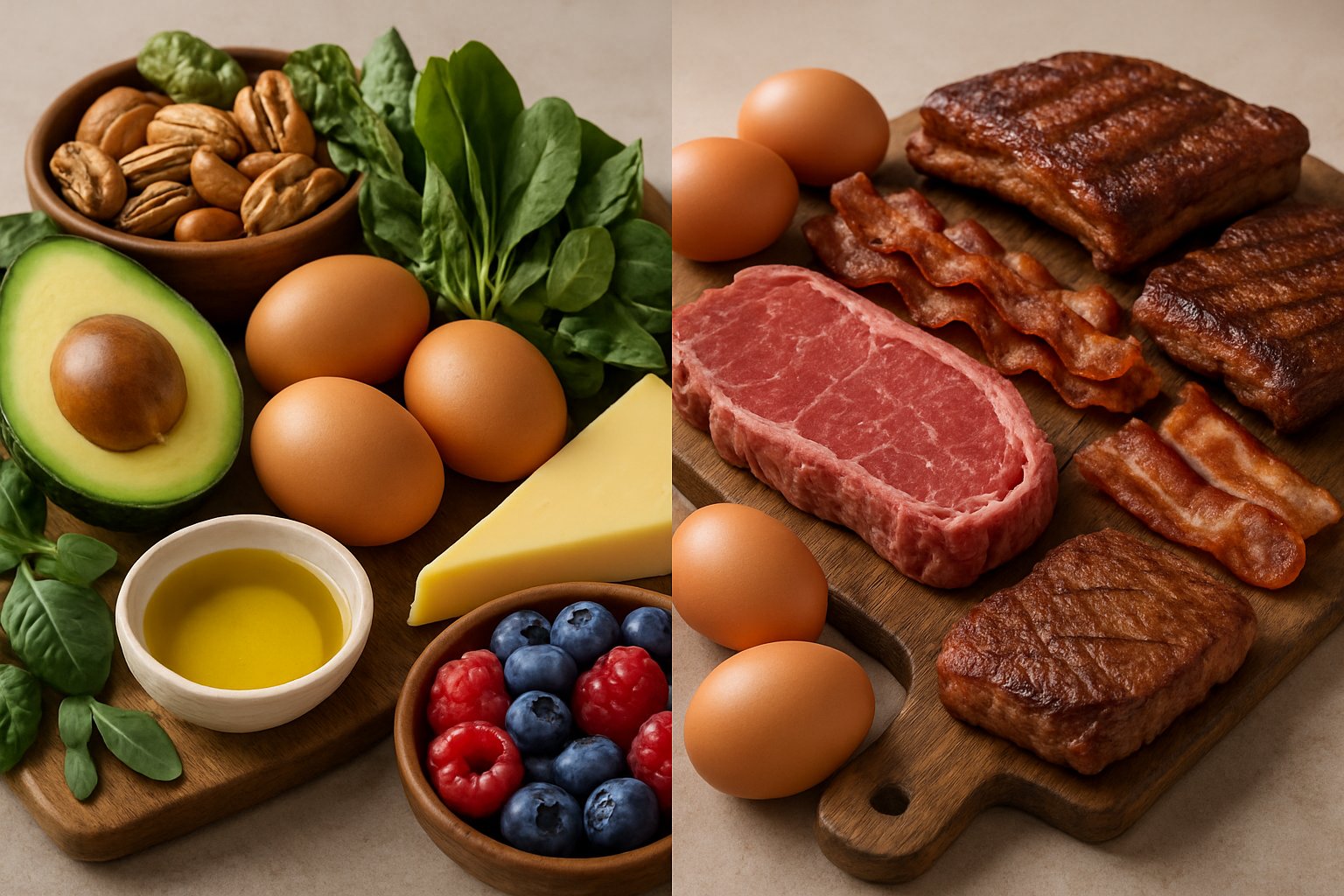
The carnivore diet goes all-in by cutting out every plant food—just meat, eggs, fish, and maybe some cheese or butter if you’re lucky. This can mean super quick fat loss at first, but honestly, it’s tough to stick with for the long haul since it’s so restrictive.
Keto, though, gives you fats, proteins, and a handful of low-carb veggies, so it’s got more flexibility and a better shot at balanced nutrition.
Both diets chase the same big goals: burn fat, feel energized, and maybe even sharpen your focus. But the way they get there—and what happens over time—can be pretty different.
Key Takeaways
- Both diets aim to burn fat by lowering carbohydrate intake.
- Keto generally supports more balanced nutrition and easier long-term use.
- Carnivore may trigger faster results but is more restrictive and harder to maintain.
Keto vs Carnivore Diet: Core Differences
Both cut carbs and ramp up fat burning, but the foods you can eat, the nutrients you get, and how realistic it is to stick with them long-term? That’s where they split. One’s open to both animal and plant foods, while the other’s strictly animal-based.
What Is the Keto Diet?
The keto diet is a low-carb, high-fat, moderate-protein plan. You keep carbs to about 20–50 grams a day, which pushes your body into ketosis—that sweet spot where fat becomes your main energy source.
People on keto eat things like eggs, fish, meat, cheese, nuts, seeds, and a few low-carb veggies. This variety really helps keep your nutrient intake up while you’re working on fat loss and steady energy.
Keto’s all about healthy fats—think olive oil, avocado, butter. Processed foods and added sugars? Not so much. Since you get both animal and plant foods, you also get fiber, vitamins, and minerals that help with digestion and overall health.
Plenty of folks pick keto for its flexibility and the solid research behind its benefits for weight management and metabolic health.
For beginners, check out our complete guide on Keto Diet for Beginner Guide here.
What Is the Carnivore Diet?
The carnivore diet is all about animal-based foods—no plants allowed. Think meat, fish, eggs, and sometimes dairy like butter or cheese. Carbs? Pretty much zero, making it a zero-carb diet.
Fans say it can help with inflammation or digestive issues by ditching plant irritants, but you’re also cutting out key nutrients you’d get from plants, like fiber, vitamin C, and potassium.
It’s heavy on protein and fat from animal sources. Some people use it short-term as an elimination diet, but sticking with it long-term might mean you’re missing out on important nutrients and, honestly, food variety.
Comparing Allowed Foods and Restrictions
| Category | Keto Diet | Carnivore Diet |
|---|---|---|
| Main Focus | Low-carb, high-fat | All-animal foods |
| Carb Intake | 20–50g per day | Nearly zero |
| Plant-Based Foods | Allowed (low-carb vegetables, nuts, seeds) | Not allowed |
| Animal Products | Included but balanced with plants | Exclusively consumed |
| Processed Foods | Discouraged | Usually avoided |
The keto diet lets you mix animal and plant foods, which gives you more options and a bit more balance. The carnivore diet is way more limited, so you’re getting fewer micronutrients and less variety. That can make a real difference in how easy the diet is to stick to and what nutrients you’re actually getting.
Want to customize your own keto meal? Take the Keto Creator Quiz to get a personalized plan based on your body type and fat-burning goals.
How Both Diets Promote Fat Burning
Both keto and carnivore pull your body away from using carbs for energy and push it toward burning fat. This shift changes your metabolism, tweaks hormones, and actually changes how your body taps into stored fat.
Understanding Ketosis and Fat for Energy
When carbs drop below about 20–50 grams a day, your body hits ketosis. The liver flips fatty acids into ketones, which your brain and muscles can use for fuel.
This switch lowers insulin, making it easier for your body to tap into fat stores. Since glucose is scarce, fat oxidation steps up to meet your energy needs.
Both diets push this metabolic shift, but the macronutrient breakdown isn’t quite the same. Keto usually lands at 70–75% fat, 20–25% protein, and barely any carbs. Carnivore? More protein, almost no carbs.
So, you end up with a steady stream of energy from fat, and you don’t have to rely on blood sugar spikes to keep you going.
Fat Loss Mechanisms in Keto
The keto diet keeps you in ketosis by dialing in fats and keeping protein moderate. Too much protein and you risk making glucose, which can kick you out of ketosis—nobody wants that.
Lower insulin means less fat storage and more access to your own body fat. Over time, this helps you burn fat instead of carbs for energy.
With moderate protein, you keep your muscles happy, so your metabolism doesn’t crash while you lose weight. And honestly, the high-fat diet tends to keep hunger and cravings at bay, making it easier to stick to your goals.
Here’s a quick look at keto’s macros:
| Macronutrient | Typical Range | Role in Fat Burning |
|---|---|---|
| Fat | 70–75% | Main energy source |
| Protein | 20–25% | Maintains muscle mass |
| Carbohydrates | 5–10% | Keeps ketosis active |
You can also read our article on How to Boost Metabolism on Keto for Faster Fat Burning here.
Fat Loss Mechanisms in Carnivore
The carnivore diet leans on fat and protein from animal foods to fuel fat burning. With almost no carbs, you’ll hit ketosis, though if you eat a ton of protein, you might not stay in deep ketosis all the time.
Meals heavy in meat and animal fat keep insulin low, so your body keeps releasing fat for energy. That’s fat oxidation in action—steady energy, fewer crashes.
This diet’s simplicity often means you just end up eating less, since protein and fat are super filling. But, missing out on plant foods means less fiber and fewer micronutrients, which could make it tough to keep up long-term.
Carbohydrate Intake and Its Impact on Fat Loss
How many carbs you eat really shapes how your body burns fat. Cut carbs, and your body has to swap over to burning fat, which changes your metabolism and even your hormones.
Carbohydrate Limits in Keto and Carnivore
The keto diet usually keeps carbs at 20–50 grams per day. That’s low enough to get you into ketosis, where your body burns stored fat instead of glucose. Most of your calories come from fat, with enough protein to keep your muscles happy.
The carnivore diet goes even further—basically zero carbs, just animal products like meat, eggs, and dairy. No plant foods, so your carb intake is as close to zero as it gets.
| Diet | Approx. Daily Carbs | Primary Fuel Source |
|---|---|---|
| Keto | 20–50 g | Fat (via ketones) |
| Carnivore | 0–5 g | Fat and protein |
Both cut carbs enough to help you burn fat, but keto gives you more food options and nutrients from low-carb veggies and nuts. Carnivore’s strictness might speed up fat burning, but you’re missing out on some important vitamins and fiber.
Blood Sugar Control and Insulin Sensitivity
Low-carb diets help control blood sugar by preventing those big glucose spikes after eating. With fewer carbs, your body needs less insulin to keep blood sugar in check, which can improve insulin sensitivity over time.
For anyone with type 2 diabetes, both keto and carnivore could help stabilize blood sugar and lower insulin resistance. Still, keto’s plant foods add fiber and micronutrients that support your metabolism in the long run.
Keeping insulin steady nudges your body to burn fat, not store it. Over time, this shift means more consistent energy and steady fat loss—even if you’re not slashing calories super hard.
We’ve detailed this balance further in our Keto Electrolyte Drink Guide to prevent fatigue during adaptation.
Nutritional Value and Potential Deficiencies
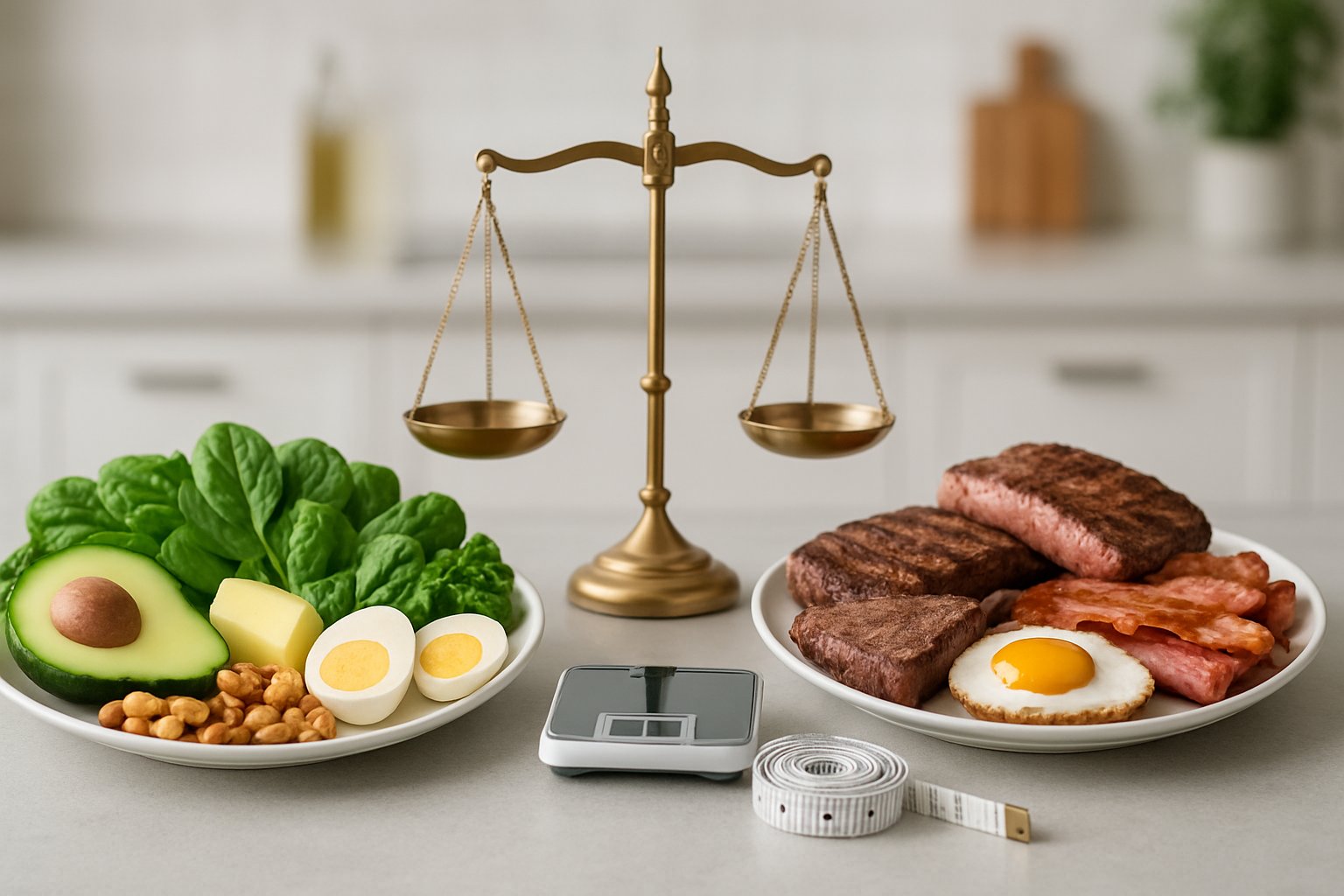
Keto and carnivore both cut carbs and lean heavy on fat and protein. Where they really differ is in food variety and where you get your vitamins and minerals.
Keto gives you more choices and a better shot at balanced nutrition, thanks to the mix of plants and animal foods. Carnivore’s strict animal-only approach means you might miss out on fiber and certain vitamins, and that could be a problem if you stick with it for a long time.
Micronutrients in Keto vs Carnivore
The keto diet brings in a variety of nutrient-dense foods—think low-carb veggies, nuts, seeds, dairy, and healthy oils. These foods supply important micronutrients like magnesium, potassium, and vitamin C.
The carnivore diet is all about animal-based foods. You’ll get plenty of B vitamins, zinc, iron, and vitamin A (retinol) here. Organ meats like liver and kidney can help fill gaps that come from skipping plants.
But if you don’t mix it up, carnivore followers might miss out on nutrients mostly found in plants, such as vitamin C, manganese, and folate. Keto eaters, especially those who include both plant and animal foods, usually have fewer deficiencies.
| Nutrient Source | Keto Diet | Carnivore Diet |
|---|---|---|
| Vitamin C | From vegetables and berries | Minimal, unless organ meats eaten raw |
| Magnesium | From nuts, seeds, leafy greens | Low |
| Iron & Zinc | Moderate | High |
| Folate | From green vegetables | Very low |
Fiber, Vitamins, and Minerals
Keto eaters can still get dietary fiber from non-starchy vegetables, nuts, and seeds. Fiber helps digestion and gut health and may even help with cholesterol and blood sugar.
The carnivore diet skips fiber entirely since there’s no room for plants. Some people do fine, but others run into constipation or irregularity.
Vitamins and minerals look pretty different between these two. Keto offers more vitamin C, K, E, and magnesiumthanks to veggies and plant oils. Carnivore gives you more vitamin B12, heme iron, and zinc from meat and organs.
Risks of Nutrient Gaps and Deficiencies
Both diets risk deficiencies if you’re not careful. Keto folks might lack sodium, potassium, or magnesium, especially early on. Supplements or mineral-rich foods can help cover those bases.
Carnivore fans are more likely to miss vitamin C, folate, calcium, and fiber. That can eventually impact immune and bone health. Organ meats, bone broth, and fatty fish can help, but it takes effort.
If you’re supplementing, review our insights on top 10 Muscle Recovery Foods that work for both keto and carnivore.
Health Effects Beyond Fat Loss
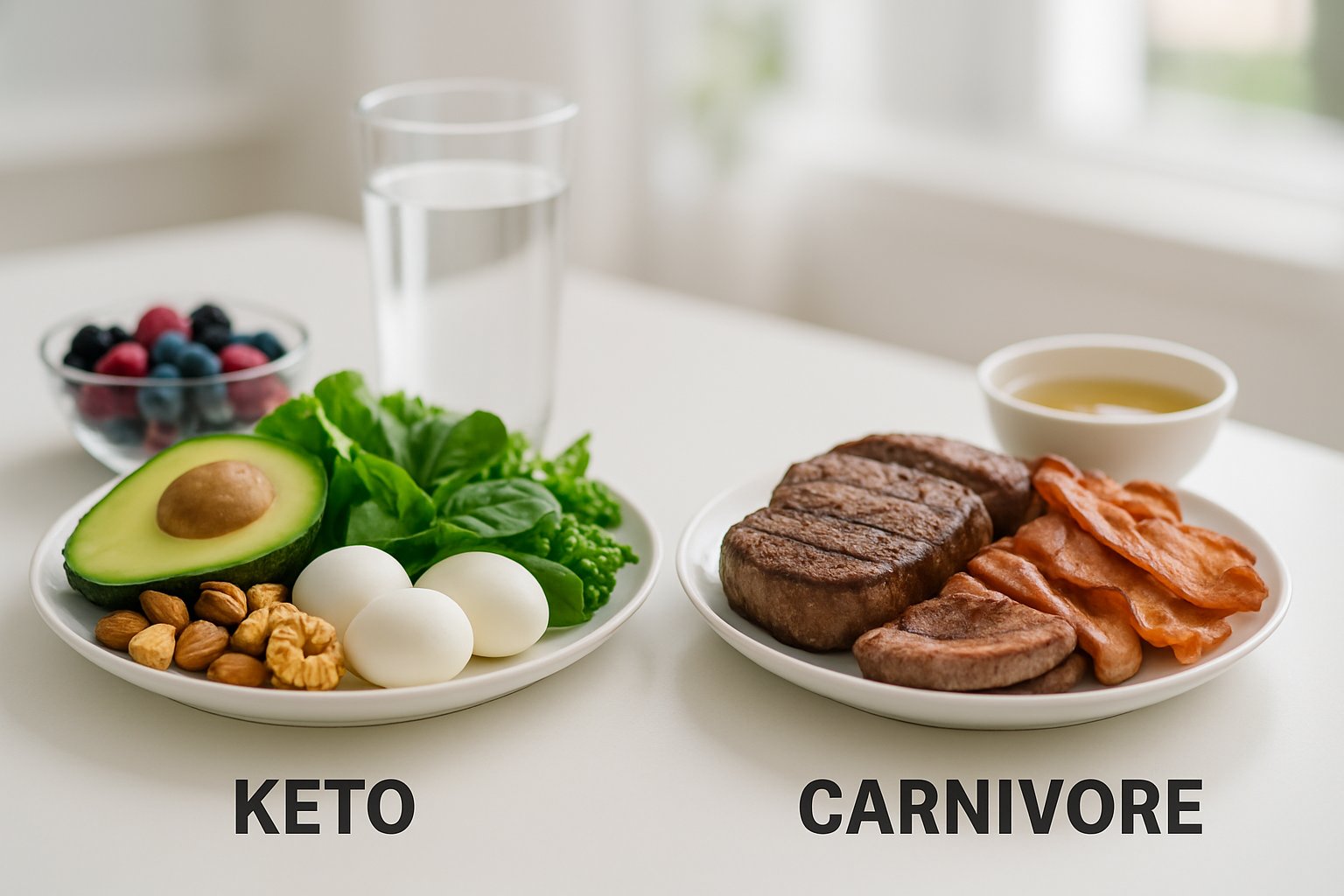
There’s more to keto and carnivore than just weight. These diets can change inflammation, immune response, cholesterol, and digestion—mostly because of how they alter nutrient intake and metabolism.
According to Health.com’s comparison of keto vs carnivore diet, the ketogenic diet tends to be more sustainable over time thanks to its greater nutrient flexibility.
Inflammation and Autoimmune Conditions
Cutting carbs may help lower chronic inflammation by stabilizing blood sugar and insulin. Some people with autoimmune issues like lupus or rheumatoid arthritis say they get fewer flare-ups on low-carb diets. That might be tied to drops in inflammatory markers like CRP.
The carnivore diet skips plant irritants like lectins and oxalates, which some folks think make inflammation worse. Keto, being less strict, can also help thanks to more omega-3s and less sugar.
Still, research is thin. Long-term impacts on immune health and inflammation depend a lot on individual tolerance and nutrient diversity.
Learn more about how keto helps reduce chronic inflammation naturally.
Cholesterol Levels and Heart Health
Both diets shift cholesterol levels, especially LDL and HDL. On keto, many people see higher HDL and lower triglycerides, which is usually good for the heart. But LDL can climb, especially if you’re eating a lot of saturated fat.
The carnivore diet can swing cholesterol numbers even more. Some people get better lipid ratios, while others see their total cholesterol spike. Genetics, fat sources, and calories all play a part.
It’s smart to keep an eye on your bloodwork. Regular lipid panels can show how your diet is really affecting your heart health.
Gut Health and Electrolyte Imbalances
Keto lets you keep some low-carb veggies and fiber, which helps gut bacteria. Carnivore cuts all plant fiber, so stool bulk drops and the gut microbiome changes. Constipation or weird digestion isn’t unusual.
Both diets can mess with electrolyte balance. When carbs go down, your body dumps more sodium and water. That can mean low magnesium or potassium—cue the fatigue, cramps, or dizziness.
Many people add salt or eat more electrolyte-rich foods like mineral water or bone broth. Sometimes, supplements are necessary.
Need an energy boost while staying in fat-burning mode? Try Nagano Tonic — formulated to support energy, metabolism, and hormonal balance naturally.
For gut health and recovery support, we recommend Grass-Fed Collagen Peptides to assist with your diet.
Energy, Mental Clarity, and Cognitive Function

Keto and carnivore both change how your body and brain fuel themselves. That can shift metabolism, energy, and mental clarity—sometimes for the better, sometimes not, depending on how your body adapts.
Energy Levels and Metabolism
The keto diet keeps carbs low to trigger nutritional ketosis. Your body starts burning fat, making ketones for energy. For many, this means steadier energy and fewer crashes compared to running on glucose.
The carnivore diet is all animal products, so carbs are out. It leans on protein and fat. You might hit mild ketosis, but higher protein can boost gluconeogenesis—making glucose from amino acids. That can mean fewer ketones and a different energy feel.
| Factor | Keto Diet | Carnivore Diet |
|---|---|---|
| Primary Fuel | Fat (ketones) | Fat and protein |
| Energy Stability | More consistent | May vary with protein intake |
| Metabolic State | Nutritional ketosis | Variable, sometimes mild ketosis |
Both diets can ramp up fat metabolism. Keto usually keeps you in deeper ketosis, which can mean longer-lasting, steady energy and less hunger.
Brain Health and Mental Performance
The brain can run on ketones when glucose is low. On keto, this shift often means better mental clarity and focus—some say it’s like a fog lifting.
There’s research hinting at improved cognitive function and memory in ketosis. Mitochondrial efficiency and insulin sensitivity might get a boost, too.
Carnivore might bring similar mental calm, thanks to stable blood sugar. But missing out on plant nutrients like magnesium, folate, and antioxidants—yeah, that could limit long-term brain benefits. Those nutrients matter for neurotransmitter balance and cognitive performance.
Explore how ketosis supports focus in our post on exercise and ketosis connection.
Sustainability, Lifestyle, and Long-Term Considerations

Both diets can help with fat loss, but sticking with them long term is another story. Dietary variety, nutrient balance, and social life all matter more than you might think.
Diet Flexibility and Social Factors
The keto diet offers more options: meat, fish, eggs, low-carb veggies, nuts, and dairy. This makes meal planning and eating out a lot simpler. You can tweak carb levels and still stay in ketosis, which fits different lifestyles.
The carnivore diet is stricter—only animal products. Some people love the simplicity, but it can make social situations and eating out a hassle. Menu choices are slim.
| Factor | Keto Diet | Carnivore Diet |
|---|---|---|
| Food variety | High | Very limited |
| Social adaptability | Easier | Often difficult |
| Nutrient diversity | Balanced | Restricted |
Honestly, most folks find keto easier to stick with day to day. Carnivore seems better suited for short-term use or as an elimination diet.
Long-Term Health Effects and Risks
Long-term results depend on nutrient intake and how each diet impacts metabolism and hormones. Keto brings vitamins, minerals, and fiber from plant foods, which help with digestion and heart health.
The carnivore diet can lead to nutrient deficiencies like vitamin C, folate, and magnesium. High protein might strain kidneys for some. And without fiber, gut bacteria can shift—possibly upping inflammation risk.
Some use carnivore for a while to spot food sensitivities, but sticking with it long term raises concerns about hormones and cardiovascular health. Keto, if well planned, usually supports more stable long-term health.
Want faster recovery and flexibility while on keto or carnivore? Discover Hyperbolic Stretching — just 8 minutes daily to enhance metabolism, strength, and fat loss synergy.
Frequently Asked Questions
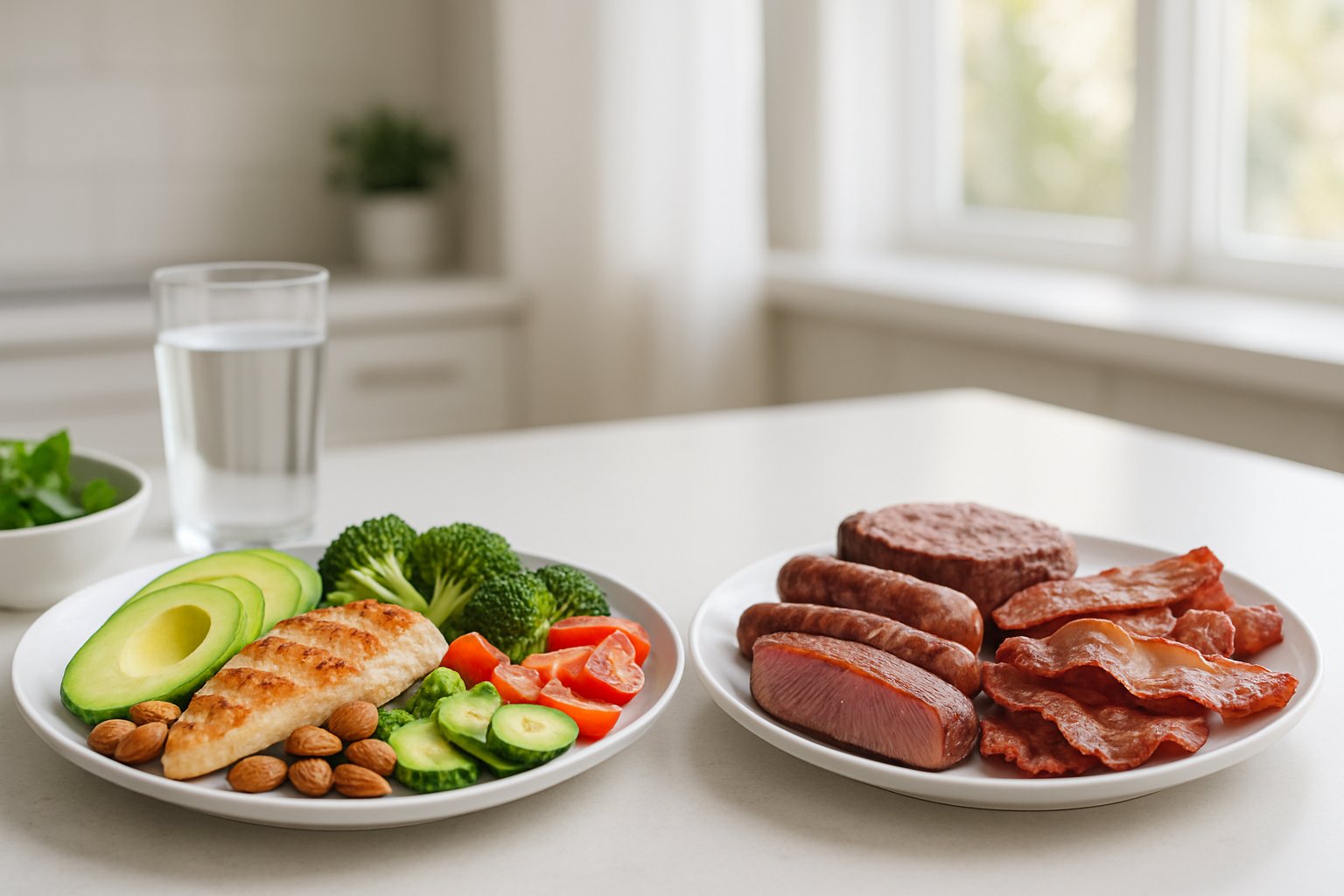
Both the ketogenic and carnivore diets use fat as the main energy source, but they approach fat metabolism differently. The differences come down to how many carbs and how much protein you eat, and how your body handles ketosis and gluconeogenesis.
What are the primary differences in fat-burning mechanisms between the keto and carnivore diets?
The keto diet limits carbs to around 20–50 grams a day, pushing your body to make ketones from fat for fuel. Carnivore cuts carbs out completely, so it runs almost entirely on fat and protein.
Since carnivore removes all plant foods, it can keep you in deeper ketosis, while keto’s small amount of carbs might lower ketone levels just a bit.
How does the body’s metabolic response compare when on a ketogenic diet versus a carnivore diet?
On a ketogenic diet, your body learns to run mostly on fat and ketones for energy. There’s still a bit of glucose coming in from low-carb veggies or a splash of dairy here and there.
The carnivore diet pushes things further, with almost zero carbs, so fat oxidation stays steady. It’s a more rigid approach, honestly.
But cutting out all plant foods on carnivore? That could mess with your gut health and micronutrient balance after a while.
Can you achieve ketosis faster on a carnivore diet than on a keto diet, and how does this affect fat loss?
Most folks hit ketosis faster on carnivore since carbs basically vanish from the menu. That quick drop can boost ketone levels and get your body burning fat sooner.
Sure, fat loss might kick in quickly at first. But after that, it really comes down to what you eat, how much you move, and whether you stick with it.
What are the long-term effects of the keto and carnivore diets on body composition and fat loss?
Studies say both diets can cut body weight and fat mass over a few months. Keto tends to stick around longer for most people, probably because you still get some plant foods and variety.
The carnivore approach might keep fat loss going, but it raises the risk of missing out on important nutrients. Plus, eating only animal products gets boring fast for a lot of people.
How do protein intake and gluconeogenesis differ in keto versus carnivore diets, and what is the impact on fat metabolism?
Keto usually means moderate protein, so your body doesn’t go wild making glucose from protein. Carnivore, on the other hand, often means more protein, and that can ramp up glucose production from amino acids.
This might nudge ketone levels down a bit, but with no carbs, fat metabolism still keeps chugging along.
Are there any studies that show a clear advantage in fat loss between the keto diet and the carnivore diet?
So far, studies show both diets help with fat loss by cutting carbs and raising fat burning. There was a 2023 study that found about the same short-term weight loss for both over 24 weeks.
Honestly, no real winner has emerged for the long haul. Keto seems easier to keep up with and probably offers a better shot at balanced nutrition.
Conclusion

The keto and carnivore diets both run on fat as their main energy source. Still, they’re worlds apart in food variety and how much wiggle room you get.
Keto lets you have low-carb veggies, nuts, and even some plant fats. Carnivore, on the other hand, ditches all plant foods and sticks with animal-based nutrition only.
Looking at keto vs carnivore results, both can help with fat loss thanks to ketosis and lower insulin levels. Keto’s usually better for folks craving a little more balance and food choices in the long run.
Carnivore can deliver faster short-term results for some, mostly because it’s just so simple and cuts out all carbs.
| Aspect | Keto Diet | Carnivore Diet |
|---|---|---|
| Carbs | 20–50 g/day | 0 g/day |
| Food Variety | Includes some plants | Animal foods only |
| Ease of Maintenance | Moderate | Challenging long term |
| Potential Risks | Nutrient gaps if poorly planned | Possible micronutrient deficiencies |
Both diets might boost energy, help you control your appetite, and change your body composition—if you stick with them and do it right.
Your own tolerance, goals, and health quirks should shape your pick. If you want something flexible and easier to keep up, keto’s probably the way to go.
If you just want to keep things super simple and cut out all the extras, maybe carnivore’s more your style. Just depends what you’re after, honestly.