
Keto Weight Loss Plateau: Why You’re Stuck & How to Break It Fast
This post may contain affiliate links. If you purchase through these links, I may earn a small commission at no extra cost to you. LEARN MORE.
Hitting a weight loss stall on keto can be downright maddening, especially when you swear you’re doing everything right. Progress slows, the scale just sits there, and your motivation starts to slip.
A keto weight loss plateau happens when your body adapts to new eating patterns and stops burning fat at the same rate—but the good news? You can fix it.

You can break through a stall by spotting hidden carbs, tweaking calorie intake, and making a few smart changes to your keto routine. Sometimes it’s the little things—like too much snacking, stress, or just not sleeping enough—that quietly stall fat loss.
With a few focused tweaks, you can get things moving again and see steady results. Most people hit slow periods at some point, so don’t panic if it happens to you.
If you want to understand how your body switches into fat-burning mode, this guide on The Science of Ketosis: Exploring Metabolic Adaptation explains the process in detail.
If your macros may be holding you back, a personalized plan like Keto Creator can help reset your calorie and carb targets accurately.
Key Takeaways
- A keto plateau means fat loss slows down because your body’s gotten used to your new routine.
- Tracking carbs, calories, and habits can help you find what’s holding you back.
- Small changes in diet, movement, and recovery can get the scale moving again.
What Is a Keto Weight Loss Plateau?
A keto weight loss plateau is when fat loss just stops, even though you’re sticking to your usual ketogenic eating. It usually comes from a slower metabolism, shifting calorie needs, or sometimes just water weight messing with the scale.
Unlike quick scale changes, a real plateau means zero progress for weeks, even though you’re putting in the effort.
How It Differs From Standard Diet Plateaus
A keto plateau isn’t quite like a stall on other diets, mostly because your body is adapting to ketosis—burning fat for energy instead of carbs. On regular diets, plateaus often come from eating too many calories or little metabolic shifts.
With keto, there are more moving parts: macronutrient balance, ketone levels, and sneaky “carb creep”—those tiny hidden carbs that can push you out of ketosis.
At first, keto can cause rapid water loss and depletes glycogen, so the early weight drop can look dramatic. Once your body settles into ketosis, fat burning slows down and the scale might not budge for a while.
Sometimes, you’re not truly stalled—it’s just water shifting around, not actual fat loss. Keto is pretty sensitive to small mistakes, so even little errors can lead to a weight loss stall.
Signs You’ve Reached a True Plateau
A real keto weight loss plateau sticks around for two or more weeks with no changes in body composition, even when your food, macros, and exercise are on point. Short-term stalls from things like your cycle, sodium, or hydration don’t really count.
Common signs include:
- The scale stays within a 1–2 pound range, even though your routine hasn’t changed.
- Your waist and hip measurements aren’t budging.
- Energy and ketone levels stay steady—no dip in ketosis.
If your motivation’s slipping, check for non-scale victories like looser clothes, better mood, or more stamina. Sometimes the scale lies, honestly.
Understanding Why Plateaus Happen
A keto weight loss plateau usually shows up when your body starts adapting to your new energy intake, hormone shifts, and water balance. Fat loss can pause even if your habits don’t change, because your metabolism and hormones are always working to keep you in balance.
Metabolic Adaptation Explained
Metabolic adaptation is basically your body’s way of being stingy with energy after you lose weight. As you lose fat, your metabolism slows down, so you burn fewer calories at rest and when moving.
This slower metabolic rate can shrink your calorie deficit—the thing that actually drives weight loss. When you cut carbs on keto, your body starts using fat for fuel through ketosis.
But over time, your body gets better at this, and becomes more efficient, so you burn even fewer calories. This efficiency can stall your progress, even if your carbs are still low.
Leptin, the hormone that helps control hunger and energy use, drops too. Low leptin tells your body to save energy, which slows weight loss. Sometimes, tracking what you eat and adjusting calories or activity can help offset this slowdown.
Water Retention Versus Fat Loss
Not every stall is a true plateau. Sometimes, your body just holds onto extra water, which masks fat loss on the scale.
Glycogen—the stored form of carbs—binds to water. As glycogen goes up and down, so does your water weight. Stress, salty foods, and hormones can all make you retain water, too.
Here’s a quick look at how these changes play out:
| Cause | Effect on Weight | Typical Duration |
|---|---|---|
| Glycogen shifts | Water retention | 1–5 days |
| High sodium meals | Swelling, bloat | 1–3 days |
| Menstrual cycle changes | Temporary gain | Several days |
Honestly, tracking waist size, body fat, or how your clothes fit can tell you more than the scale ever will.
Hormonal Factors That Influence Progress
Hormones have a huge say in weight regulation. Insulin resistance can make fat loss tough, since your cells don’t respond well to insulin and your body stores fat instead of burning it.
Keto usually helps with insulin sensitivity, but if you’re stressed or sleeping poorly, it can undo those benefits. The stress hormone cortisol can also make things worse—it boosts appetite and encourages fat storage, especially around your belly.
Shifts in thyroid or sex hormones can slow your metabolism too. If you eat too little for too long, your body dials down hormone production to save energy. Keeping calories, sleep, and stress in check can help keep your hormones—and your weight loss—on track.
For hormonal-specific fat loss challenges, this guide on Keto and Hormones: How Healthy Fats Support Balance & Vitality breaks down the connection.
Hidden Keto Pitfalls That Stall Results
Little mistakes can totally throw off your fat-burning, even if you think you’re following keto to the letter. Hidden carbs, too many calories, and off-balance macros sneak in more often than you’d think.
Spotting and fixing these issues can get you back on track and keep your metabolism humming along.
Hidden Carbs and Sneaky Sugars
It’s shockingly easy to underestimate hidden carbs. Processed meats, sauces, condiments, and flavored drinks often sneak in sugars or starches that bump up blood sugar and insulin.
Even a couple grams here and there can knock you out of ketosis and slow down fat burning. Always check labels—words like maltodextrin, starch, and evaporated cane juice are red flags.
Some “sugar-free” foods have sugar alcohols that still raise blood sugar for some people. Sticking to whole, simple foods makes it way easier to stay on track.
Tips to reduce hidden carbs:
- Skip sweetened coffee creamers and flavored yogurts
- Go easy on keto snacks with long ingredient lists
- Stick to simple dressings like olive oil and vinegar
Keeping a close eye on your carbs helps you stay in ketosis and avoids those tiny daily slip-ups that can add up to a big stall.
Calorie Creep: Are You Eating Too Much?
Even on keto, eating more than your body needs will slow fat loss. High-fat foods are calorie bombs, so portion size actually matters.
Just a few tablespoons of butter or a handful of nuts can push you over your energy needs for the day. This slow calorie creep is a common reason the scale won’t budge.
Counting calories isn’t always necessary, but it helps to be aware. Try tracking portions for a few days to see if you’re eating more than you think.
Common high-calorie culprits:
| Food | Approx. Calories per Serving |
|---|---|
| 1 tbsp olive oil | 120 |
| ¼ cup almonds | 200 |
| 2 tbsp heavy cream | 100 |
Little extras add up. Try shrinking serving sizes, eating only when you’re actually hungry, and ditching constant snacking to get back into a calorie deficit—no need to go to extremes.
Mistakes in Macronutrient Ratios
Keto only works if your fat, protein, and carbs are in the right ballpark. Too few carbs keeps insulin low, but too little protein can cost you muscle and slow your metabolism.
On the flip side, eating way more fat than you need can stop your body from burning its own fat. As a general rule, aim for 70–75% of calories from fat, 20–25% from protein, and 5–10% from carbs—but everyone’s a little different.
If you’re stuck, try nudging up the protein and reining in added fats. That can help your body tap into stored fat for energy, and keep you feeling fuller, too.
Checking your macros every so often keeps your diet working for you, not against you. Balance is the name of the game if you want keto to last.
If you’re unsure about your carb tolerance, this step-by-step guide on How to Calculate Your Macros for the Keto Diet: A Step-by-Step Guide for Optimal Nutritional Balance will help you recalibrate.
Optimizing Ketosis for Continued Fat Loss

Staying on track with low-carb eating means getting a little nerdy about fat metabolism and how your body handles glucose. Tracking ketone levels can show you when fat burning’s happening, and boosting insulin sensitivity keeps your energy and hunger more stable.
Testing for Ketosis
Testing tells you if your body’s actually in ketosis—the state where fat steps in as your main fuel instead of carbs.
Ketone levels bounce around depending on what you eat, how much you move, or even the time of day. If you track them over time, you’ll start to see some patterns.
There are three main ways to check ketones:
| Method | Measurement Type | Accuracy | Notes |
|---|---|---|---|
| Urine strips | Acetoacetate | Low | Best for beginners |
| Breath meters | Acetone | Moderate | Reusable; non-invasive |
| Blood meters | Beta-hydroxybutyrate (BHB) | High | Most accurate for active dieters |
Blood testing gives you the clearest read on your metabolic state. Most people aiming for fat loss see ideal numbers between 0.5–3.0 mmol/L.
If your ketones dip, it might be time to lower carbs below 30–50 grams daily or play with meal timing to stretch fasting a bit.
Tracking also points out when hidden carbs or too much protein are sneaking in and messing with ketosis.
Improving Insulin Sensitivity
Better insulin sensitivity means your body handles glucose well, so you store less fat. On keto, this helps keep your energy steady and makes deeper ketosis easier to reach.
Some habits that help:
- Do strength or resistance training regularly
- Cut back on added sugars and refined carbs
- Stick to a steady sleep schedule
- Add foods high in magnesium and fiber—think leafy greens
Frequent blood sugar spikes make ketosis tougher to maintain. When insulin works better, your body can flip between burning glucose and fat more smoothly.
Many people improve insulin sensitivity by using magnesium complex supplements for electrolyte balance and muscle recovery.
Effective Strategies to Break a Keto Plateau
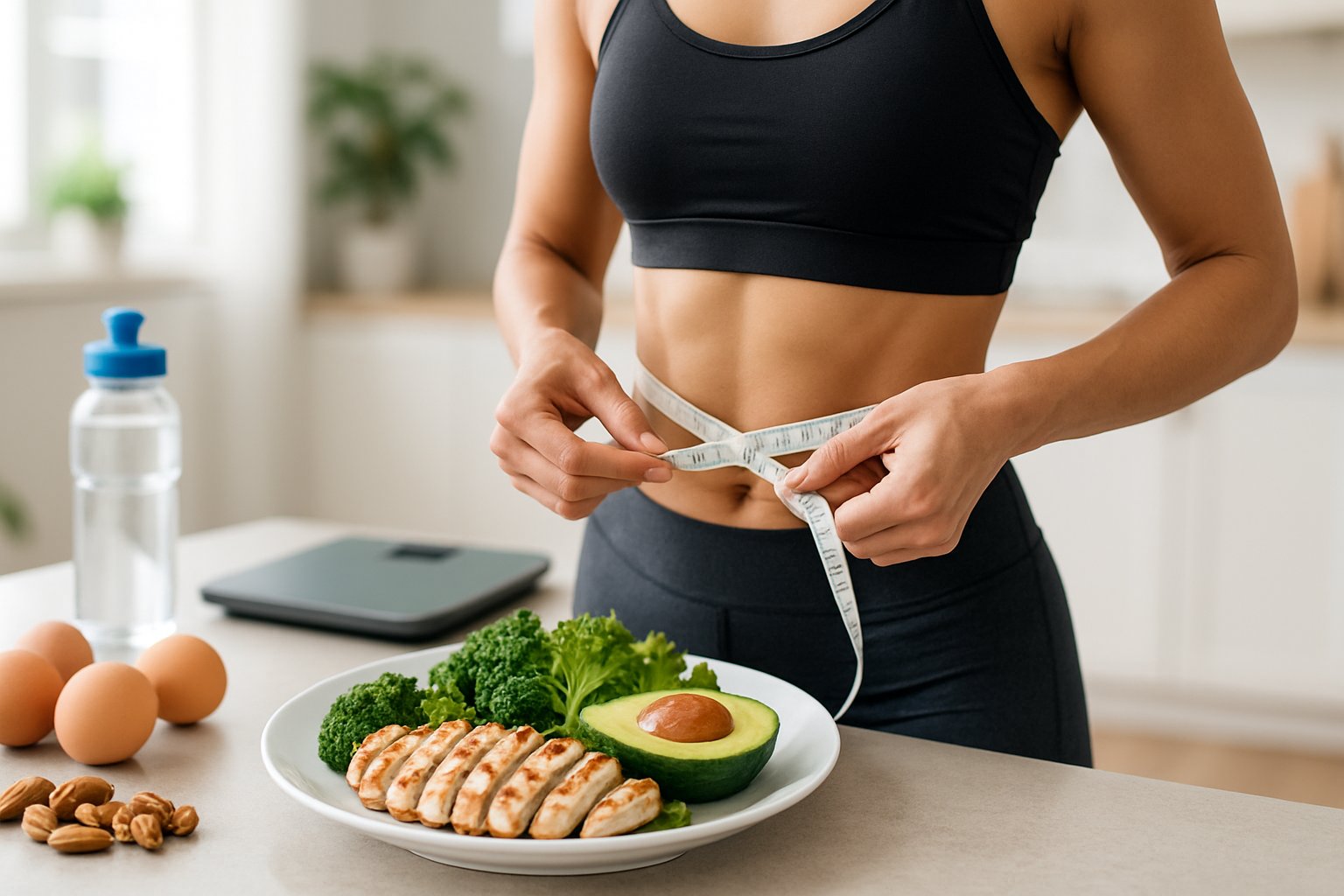
Hitting a keto weight loss plateau? Sometimes, waiting it out just doesn’t cut it. A few small, precise tweaks can get things moving again by restoring ketosis and balancing what you eat with what you burn.
Usually, it comes down to dialing in your macros and hunting down sneaky carbs.
Recalculate and Track Your Macros
If you’re stuck, your old macro ratios might not fit anymore. As you lose weight, you need fewer calories, so recalculating macros using your current stats is worth it.
Lots of folks do well with about 70–75% fat, 20–25% protein, and 5–10% carbs, but that’s not set in stone. Using an app or food scale helps—eyeballing portions leads to mistakes, especially with things like oils, cheese, or meats.
Here’s a quick reference for daily goals:
| Goal | Typical Range |
|---|---|
| Carbs | 20–50 g net carbs |
| Protein | 0.8–1.2 g per pound of lean mass |
| Fat | Remainder of calories |
Consistent tracking can uncover hidden calories or low protein that might be quietly slowing things down.
If manual tracking feels overwhelming, a structured system like Keto Creator can automatically update your fat-loss macros and meal planning.
Temporarily Tighten Carb Intake
Even tiny carb increases can kick you out of ketosis and stall fat loss. Condiments, dressings, and packaged foods are classic places for sugars and starches to hide.
Try a short phase with net carbs under 20 grams per day. Stick to whole, unprocessed foods—eggs, meats, avocados, greens—to keep nutrients up while carbs stay low.
If you use a food tracker, double-check labels for fiber and sugar alcohols. Some sweeteners, like maltitol, can mess with insulin and slow progress. Watching for these little carb sources can make all the difference when you’re breaking through a plateau.
The Power of Intermittent Fasting and OMAD

Fasting strategies can shake things up when keto weight loss stalls. By eating less often and narrowing your eating window, you stay in ketosis longer and burn more stored fat.
Choosing the Right Fasting Protocol
There’s no one-size-fits-all here. Intermittent fasting (IF) means cycling between eating and fasting, while OMAD (One Meal a Day) packs all your calories into about an hour.
Both can deepen ketosis and help break a plateau. Many start with a 16:8 schedule (16 hours fasting, 8 hours eating). Once you’re used to keto, you might try 18:6 or 20:4 for a bigger challenge.
OMAD goes further—roughly 23 hours fasting. That’s a long stretch, so you’ll need to plan your nutrients carefully.
Here’s a quick breakdown:
| Fasting Method | Fasting Hours | Eating Window | Typical Use |
|---|---|---|---|
| 16:8 | 16 | 8 | Starting point |
| 18:6 | 18 | 6 | Intermediate level |
| OMAD (23:1) | 23 | 1 | Advanced keto plateau strategy |
Whatever you choose, balance your macros and drink plenty of water. That’ll help you avoid fatigue or missing out on nutrients.
This complete guide on intermittent fasting and keto for maximum fat loss efficiency explains which protocol fits your lifestyle.
Fasting Window Adjustments
Tweaking your fasting window can matter more than following strict rules. If you’re stuck, try stretching your fast by an hour or two, or cut out snacks during your eating window.
These little shifts can lower insulin and help you stay in ketosis longer. If you feel good, you can tighten the window even more, but keep an eye on your energy and recovery.
Too much restriction can backfire and slow things down. Sipping water, coffee, or tea (unsweetened) during fasts helps with hunger and fat burning. Adjust your window to fit your life—work, sleep, workouts—so it feels doable and not like torture.
During fasting, many people rely on electrolyte powder with sodium, potassium, and magnesium for hydration and cramp prevention.
Exercise and Activity: Move Beyond the Stall

Moving more can kickstart fat loss again during a keto plateau. It boosts your energy burn and helps insulin work better.
Building or keeping muscle also helps your metabolism, which can get sluggish after too much dieting or sitting around.
Adding Strength Training
Strength training is a game-changer. More lean muscle means a higher resting metabolic rate (RMR), so you burn more calories even when you’re not moving.
You don’t need anything fancy—simple moves like squats, push-ups, and rows work. Add weights or resistance bands for a bigger challenge and to keep your muscles adapting.
Try for 2–4 sessions weekly, leaving time for rest. Beginners can stick to bodyweight; others might want a more structured plan.
| Goal | Recommended Focus |
|---|---|
| Preserve muscle mass | Moderate weights, higher protein intake |
| Boost metabolism | Compound lifts, consistent training |
| Improve shape | Train all major muscle groups |
Track your progress—reps, sets, weights—to stay motivated. It’s easy to lose sight of small wins otherwise.
You can start easily by following this How to Build a Weekly Full-Body Workout Routine Without a Gym: Expert Tips for Effective Home Fitness.
Mixing Up Exercise Types
Mixing strength, cardio, and easy movement keeps your body guessing and energy burn high. If you do the same routine forever, your body adapts and results slow down.
Try short, hard bursts (intervals) to spike calorie burn, or steady activities like walking or cycling to keep stress in check.
Daily walks, a few resistance workouts, and the occasional tough session usually do the trick. The real secret? Just keep moving—don’t overdo it to the point of burnout or injury.
Sleep, Stress, and the Role of Hormones

Weight loss on keto isn’t just about macros. Rest and stress matter—a lot. Hormones tied to sleep and cortisol levels can make or break your fat loss and hunger control.
Quality Sleep for Weight Loss
Sleep isn’t just downtime. Less than seven hours a night? Your ghrelin (hunger hormone) goes up, leptin (fullness hormone) drops, and suddenly you want carbs and burn fat slower.
During deep sleep, your body releases growth hormone that helps repair tissue and burn fat. If your sleep is choppy or too short, you’ll miss out on that benefit.
To help, try sticking to a regular bedtime, dimming lights at night, and ditching screens before bed. It can seriously boost sleep quality and keep your hormones happier.
Here’s a table with some sleep-impacting habits:
| Habit | Effect on Sleep | Weight Impact |
|---|---|---|
| Consistent bedtime | Improves deep sleep | Stabilizes hormones |
| Late caffeine | Reduces sleep time | Increases cravings |
| Dark, cool room | Supports melatonin release | Enhances fat metabolism |
If your rest is disrupted, this guide on Keto and Sleeping: Understanding Low-Carb Diet Effects on Sleep may reveal what’s holding you back.
Stress Reduction Practices
High stress sends cortisol soaring—a hormone that nudges the body to stash fat, especially around your belly. Chronic stress messes with ketosis, too, since it bumps up blood sugar by releasing stored glucose.
Dialing down stress helps keep cortisol in check and steadies your metabolism. Meditation, yoga, or even just a few deep breaths can flip your body’s relaxation switch, making emotions and sleep a bit easier to handle.
Even a quick daily session can ease tension and nudge your hormones back in line. Sometimes it’s as simple as scheduling a break, stepping outside, or just giving yourself a minute to breathe.
Moments that calm your mind make sticking to keto less of a grind. Lower stress can mean steadier energy and, honestly, fat loss just feels a bit more manageable.
Advanced Techniques: Carb Cycling and Fat Fasts

When fat loss slows down on keto, shaking up your macros can sometimes jumpstart things again. Tweaking how you use carbs and fats can boost insulin sensitivity and keep your energy from flatlining.
It’s a way to nudge your metabolism back awake when it’s gotten a bit too comfortable.
Carb Cycling for Metabolic Flexibility
Carb cycling flips between low-carb and higher-carb days, helping you stay fat-adapted without ditching ketosis entirely. On low-carb days, your body keeps burning fat, while planned higher-carb days refill muscle glycogen and give hormones like leptin and thyroid a boost.
Some folks find their workouts improve, too, after a higher-carb day. A straightforward plan might look like 5–6 low-carb days (20–50g net carbs), then 1 refeed day (75–150g net carbs).
Whole foods like quinoa, oats, lentils, and fruit work better than anything processed. If you can, line up your refeed with intense training—your muscles will thank you for it.
| Day Type | Net Carbs (approx.) | Goal |
|---|---|---|
| Keto Days | 20–50g | Maintain fat adaptation |
| Refeed Day | 75–150g | Boost hormones & glycogen |
Keep tabs on your weight, energy, and ketone levels to see if it’s actually working for you.
This full guide on Keto Carb Cycling: Smart Fat-Loss Strategy That Breaks Plateaus explains how to structure it safely.
Short-Term Fat Fast Approaches
A fat fast means eating mostly fat—about 80–90% of your calories—for a day or two. It’s a way to bounce back into ketosis after a carb slip or to nudge past a stubborn plateau by dropping insulin and ramping up fat burning.
Think eggs, avocados, cream, cheese, and oils, split into small meals. Calories usually stay around 1,000–1,200 daily, with protein and carbs kept low.
This isn’t something to do long-term. It’s restrictive, so stay hydrated and don’t forget your electrolytes—sodium and potassium can prevent fatigue or dizziness.
Done right, a fat fast can help reset your appetite, kickstart ketone production, and get your metabolism humming again before you slide back to balanced keto eating.
Non-Scale Victories and Long-Term Keto Success

Keto progress isn’t just about what the scale says. Often, the real wins show up in your energy, focus, and how you feel day-to-day—even if the weight loss slows down.
Those little changes add up and help you keep going when the numbers don’t budge.
Tracking Progress Beyond the Scale
Your weight can jump around thanks to water, hormones, or just random body stuff. That’s why tracking non-scale victories (NSVs) gives you a better sense of what’s actually changing.
Some common NSVs:
- Clothes fitting looser or your waist shrinking
- More energy and less fatigue
- Sharper focus or steadier moods
- Lower blood pressure or better blood sugar numbers
Even small wins in these areas mean your body’s adapting to keto. Try snapping progress photos, jotting down measurements, or just noticing when cravings pop up less often.
| Marker | How to Track | Why It Matters |
|---|---|---|
| Waist-to-Height Ratio | Measure waist circumference | Indicates fat loss more accurately than weight alone |
| Energy & Focus | Daily notes on alertness | Reflects improved metabolism and stable blood sugar |
| Hunger Levels | Rate before and after meals | Helps fine-tune eating patterns |
Spotting these patterns can keep you motivated, even if the scale is being stubborn.
Celebrating Lifestyle Changes
A good keto journey isn’t just about dropping pounds—it’s about shifting your routines. You might find yourself cooking more, planning meals, and skipping the sugar-laden snacks that used to be a habit.
These changes matter. Trying a new low-carb recipe, making it through a party without regret, or handling cravings with a little more ease? All wins worth celebrating.
Focusing on these steady habits builds real confidence. Over time, it’s these new skills—not just the weight loss—that help you keep moving forward.
Troubleshooting Persistent Plateaus

If your weight loss stalls for ages, it’s probably not just about calories or workouts. Sometimes hormones, health issues, or even certain meds can mess with your metabolism.
Medical Issues to Consider
Some health conditions just make breaking a keto plateau harder. Insulin resistance, thyroid problems, and hormone shifts can slow your metabolism and make fat loss tougher.
For instance, low thyroid hormones drop your energy use, while insulin resistance pushes your body to store fat even if you’re eating low-carb.
Certain medications—like antidepressants, steroids, or blood pressure pills—can also get in the way by causing water retention or making you hungrier. A quick chat with your doctor about your meds might reveal something you missed.
And then there’s metabolic adaptation, where your body gets too good at using less energy. It’s normal, but it can pause weight loss for a bit.
Sometimes, tweaking your calories or cycling them helps shake things up without leaving you drained or hungry.
| Possible Factor | Effect on Weight |
|---|---|
| Insulin Resistance | Encourages fat storage |
| Thyroid Issues | Slows energy use |
| Medication Side Effects | Increases appetite or water retention |
For hormone-linked plateaus in women, this detailed guide on Keto for PCOS: Enhancing Hormonal Health and Weight Management is essential reading.
When to Consult a Professional
If you’ve tried adjusting macros, tracking calories, and moving more but the scale won’t budge, it’s probably time to get some help. A registered dietitian or healthcare provider can run blood tests for thyroid, glucose, and insulin.
They’ll help figure out if your plateau is about metabolic adaptation or something medical. Sometimes, changing meds or tweaking your diet under supervision makes all the difference.
Feeling wiped out, moody, or noticing weird shifts in your body? That’s a good reason to get checked out. A professional can help you move forward safely and tailor a plan that actually works for you.
See this post from NIH for more information about Metabolic Adaptation & Weight Loss
Frequently Asked Questions

Keto plateaus happen because your body gets used to new eating patterns and energy use. Shifts in carbs, calories, or activity can all slow things down. Figuring out how food, movement, and metabolism fit together is key to breaking through.
What are the common reasons for hitting a weight loss plateau on a ketogenic diet?
Plateaus usually show up when what you’re eating matches what you’re burning. Hidden carbs in sauces, nuts, dairy, or packaged foods can sneak up and raise insulin, blocking fat loss.
Metabolic adaptation, low activity, not enough sleep, and stress can all play a part. Early weight loss is often just water, so things slow down once you’re burning mostly fat.
How can I adjust my macronutrient intake to overcome a stall in weight loss?
Tweaking your macros can help. Drop hidden carbs below 20–30 grams a day to keep insulin low. Bumping protein up to 20–25% of your calories helps keep muscle on and hunger down.
If you’re overdoing fat, your body might just burn what you eat, not what you’ve stored. Cutting back a bit on added fats while keeping protein steady can help your body tap into fat stores again.
Are there specific exercises that can help break through a keto weight loss plateau?
Exercise is huge for metabolism and muscle. Strength training keeps your resting energy use up, and short, intense workouts (like intervals) can burn more calories fast.
Just moving more—walking, cycling, whatever—adds up, even on days off. Building muscle and staying active both help avoid long stalls.
How does intermittent fasting contribute to overcoming a weight loss plateau on keto?
Intermittent fasting stretches out the time you’re not eating, so your body taps into stored fat. Pairing fasting with keto keeps insulin low and encourages deeper fat burning.
Lots of people use 16:8 fasting, eating within an eight-hour window. It can naturally cut calories and help with appetite, all without obsessive tracking.
What role do calories play in a ketogenic weight loss plateau?
Calories matter on keto, even if carbs are low. Eat more than you need and fat loss stops, since the extra gets stored.
Most people feel fuller and naturally eat less on keto, but tracking for a bit can spotlight hidden extras. Cutting snacks, shrinking portions, or trimming added fats can make a real difference.
How long should I wait before making changes if my weight loss has stalled on keto?
A real plateau usually lasts at least three months with no change in weight or measurements. Shorter stalls—a week or two—are normal and often just water or glycogen shifts.
If nothing’s moved after a few months of solid effort, try small tweaks to food, activity, or meal timing. Patience really does pay off—steady, slow loss tends to stick around longer anyway.
Conclusion
Hitting a plateau on keto? It happens to almost everyone, even if you’re sticking to the plan. Weight loss tends to slow down as your body gets used to fewer carbs and settles into a new groove with energy use.
This doesn’t mean you’ve failed. It’s more like a signal—maybe something needs to shift.
Sometimes, small tweaks can jumpstart progress again. Tracking hidden carbs or cutting back on snacking can make a surprising difference.
Rebalancing protein intake is another trick that works for a lot of folks. Some people also notice changes when they switch up meal timing or add more physical activity. Strength training, in particular, seems to help.
Habits really do matter. Staying hydrated, getting enough sleep, and keeping stress in check all support your hormones and recovery.
If you’re still stuck after a few months, it might be worth checking in with your doctor. Sometimes things like thyroid issues or medication side effects play a role.
Key reminders:
| Focus Area | Why It Matters |
|---|---|
| Carbohydrate intake | Hidden carbs can delay fat burning |
| Protein balance | Too little causes hunger; too much adds calories |
| Lifestyle routines | Sleep, stress, and movement affect metabolism |
| Patience | Real body changes take time |
Everyone’s pace is a little different. Sticking with it, while staying informed, is usually the best way to keep fat loss moving and protect your health along the way.
If fatigue or electrolyte imbalance is slowing your fat loss, combining magnesium, electrolytes, and MCT oil together can often restart progress within days.