
What to Do When You’re Sick on Keto: Food, Fluids, and When to Seek Advice
Getting sick while following keto can make your normal eating routine difficult to maintain. Your appetite may decrease, familiar meals may become hard to tolerate, and vomiting, diarrhea, fever, or other symptoms may affect your ability to eat and drink normally.
During an unrelated illness, maintaining strict carbohydrate or macro targets should not automatically take priority over appropriate recovery. Eating what you can tolerate and maintaining adequate fluid intake may matter more than preserving ketosis for a short period.
This guide explains how to approach food and fluids when you are unwell, when ordinary carbohydrate-containing foods may be appropriate, and when symptoms require medical attention.
It also distinguishes ordinary weight-loss keto from medically supervised ketogenic therapy and explains why people with diabetes or medication-related risks need individualized sick-day guidance.
Keto When Sick: What Should You Do?
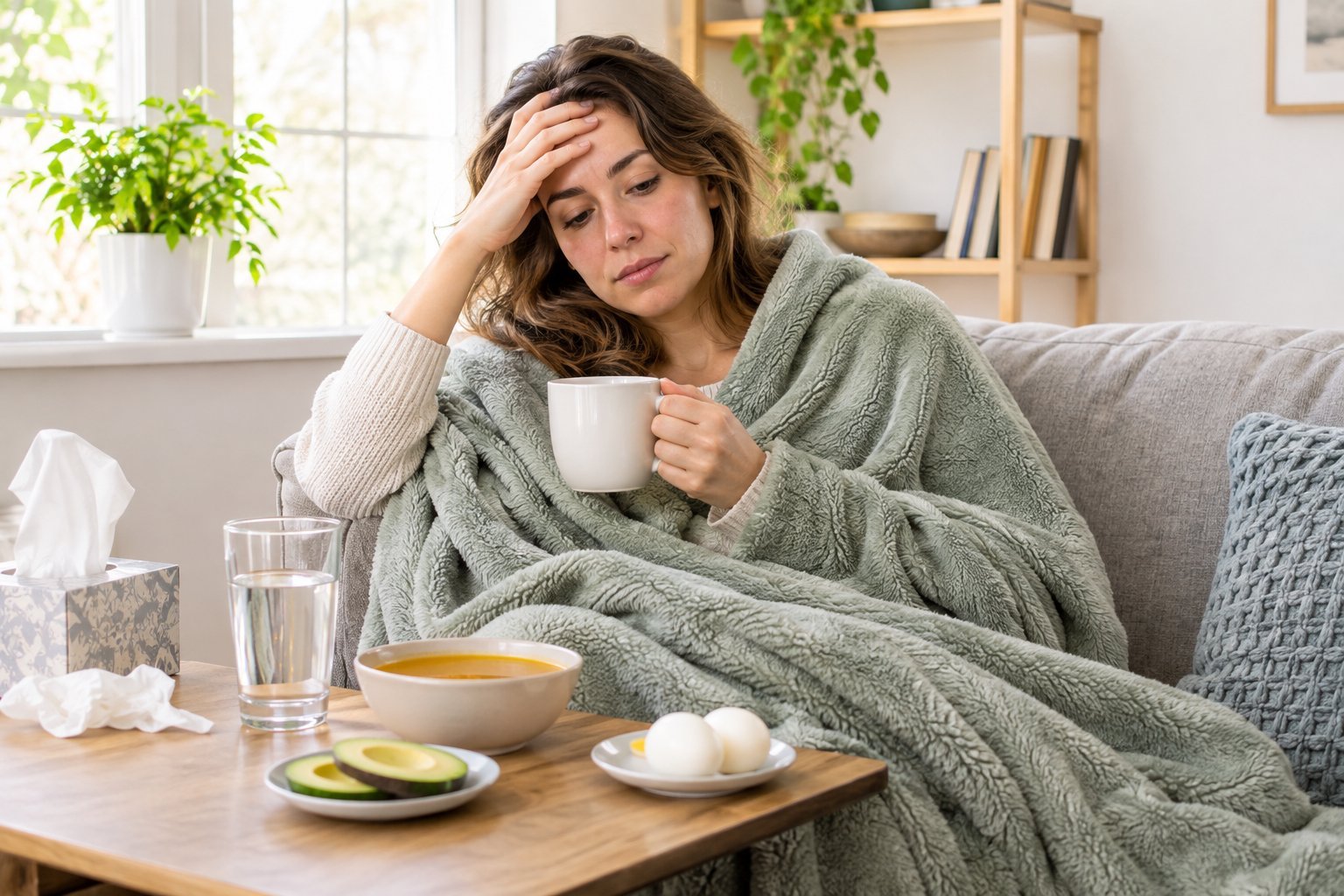
When you are sick on keto, your main jobs are to rest, stay hydrated, and eat whatever food your body can handle. Keto when sick becomes a flexible goal. Your keto diet during illness can bend to match your symptoms, and you can tighten it up again after you recover.
Why Illness Can Disrupt Your Normal Eating Routine
Illness changes both your appetite and what your stomach will accept. A cold may make swallowing painful. The flu can leave you too tired to cook.
A stomach bug can bring nausea, vomiting, and diarrhea that make most meals hard to keep down.
Your planned keto meals, such as fatty cuts of meat, cheese-heavy dishes, or large salads, were built for a day when you felt well.
On a sick day, those same meals can feel heavy or unappealing. Eating keto when ill often means working with smaller portions and simpler foods.
Why Strict Keto Targets Shouldn’t Become Your Main Priority
Your carb limit is a tool for your long-term goals. When you are sick, short-term needs take the lead: replacing lost fluids, getting some energy in, and resting.
Good keto illness management means letting your symptoms guide your choices for a few days.
A few days of eating differently will not erase weeks of effort. Trying to hold strict targets while you can barely eat or drink can make you feel worse and may slow your return to normal.
The Difference Between Ordinary Weight-Loss Keto and Medical Ketogenic Therapy
This guidance is for adults following keto for weight loss or general health.
Some people follow a ketogenic diet as medical treatment, most often for epilepsy that medication does not control or for certain metabolic disorders.
That form of keto is prescribed and monitored by a clinical team, and it comes with its own illness rules. If that describes you, follow your team’s plan.
Triage — How Is Your Illness Affecting Your Ability to Eat and Drink?
Start by asking how much food and fluid you can take in. Your answer points you to the right sick-day keto approach.
You’re Unwell but Can Still Eat and Drink
- You have a cold, mild flu, or low energy, but meals stay down.
- Keep eating regular meals in smaller, simpler forms.
- Drink fluids through the day, more if you have a fever.
- Keto can continue loosely if it feels comfortable.
- Rest comes before meal prep or exercise.
Your Appetite Is Reduced and Normal Meals Are Difficult
- Full meals feel like too much.
- Eat small amounts often: a few bites every couple of hours.
- Choose soft, mild foods you can tolerate, keto or not.
- Do not treat low appetite as a chance to fast.
- Reduced appetite on keto during illness is common and usually short-lived.
Vomiting or Diarrhea Is Affecting Your Food and Fluid Intake
- Fluids become your first priority.
- Take small, frequent sips if drinking makes you queasy.
- Food can wait a few hours; fluid cannot.
- An oral rehydration solution may fit better than water alone (see the hydration section).
- Watch for dehydration signs such as peeing less or feeling dizzy when you stand.
Your Symptoms Require Medical Attention
- You cannot keep fluids down.
- You see blood in vomit or stool.
- You feel confused, very drowsy, or short of breath.
- You have diabetes or take glucose-lowering medication and your illness is affecting intake.
- Contact a healthcare professional now. Your keto plan is not relevant at this stage.
Diagnostic Summary — What Should Take Priority When You’re Sick on Keto?
Match your situation to the right priority below, then act on it.
You Can Continue Eating but Need Simpler Meals
Priority: comfort and steady intake. Keep foods easy to prepare and easy to eat. Stay close to keto if that works, and loosen your targets if it does not.
Your Appetite Has Dropped Significantly
Priority: getting some food in. Eat small amounts of whatever you can tolerate. Some calories from any reasonable source beat none at all.
Fluid Loss Is Becoming the Main Concern
Priority: hydration. Sip fluids often. Think about an oral rehydration solution if vomiting or diarrhea continues. Keto hydration habits like plain water or sugar-free drinks may not be enough.
Your Health Circumstances Require Individual Instructions
Priority: your care team’s plan. If you have diabetes, kidney disease, heart failure, or follow therapeutic keto, use your written sick-day plan and call your provider early.
Once your immediate illness and care needs are being addressed, the broader diagnostic framework in Why Keto Is Not Working for Me can help you review the execution and routine problems that may affect your longer-term approach.
→ Why Keto Is Not Working for Me
Why You Shouldn’t Force Strict Keto When You’re Unwell
Forcing strict keto while you are sick adds stress to a body that is already working hard. Keto diet flexibility during illness is a sensible, short-term adjustment.
Why Normal Macro Targets May Not Fit a Sick Day
Your keto carbohydrate targets and calorie goals assume normal hunger and a working digestive system. When you are sick, you may eat half your usual amount, lose fluid through vomiting, or crave only bland foods.
Hitting a fat ratio means little on a day when you struggle to finish a cup of broth.
When Tolerable Foods Matter More Than Carbohydrate Restriction
If the only foods that settle your stomach are crackers, rice, or a banana, eating carbs when sick is a reasonable choice. Health agencies note that saltine crackers can help replace electrolytes during a stomach bug.
Food that stays down does more for you than a perfect keto meal you cannot finish.
Why Temporary Dietary Flexibility Is Not a Keto Failure
A few days of different eating is a temporary adjustment. Your habits, skills, and goals are still there. Once you recover, you can return to your routine, and you may slip back into ketosis within a few days of resuming your usual meals.
Why Fasting or Aggressive Restriction Can Make an Illness More Difficult to Manage
Some keto communities suggest fasting through an illness. Experts do not recommend fasting or a restricted diet for viral stomach infections, and research shows restriction does not help treat them.
Keto fasting and illness together can leave you weaker, more dehydrated, and slower to bounce back. Eat when you are able, even if it is a small amount.
How to Stay Hydrated When Normal Meals Are Difficult

Hydration is the most important thing you can do during most short illnesses, especially stomach bugs. Dehydration during illness is the most common complication of viral gastroenteritis.
Take Frequent Small Sips When Drinking Feels Difficult
When nausea makes drinking hard, NHS guidance recommends small sips. A few mouthfuls every 10 to 15 minutes add up over the day and are easier to keep down than a full glass. Water, clear broth, and weak decaf tea all count.
Recognize Signs That Fluid Intake May Be Insufficient
Watch for these signs of dehydration:
- Peeing less than usual
- Dark yellow or strong-smelling urine
- Dry mouth and throat, or strong thirst
- Feeling dizzy or lightheaded when you stand
- Unusual tiredness
- Sunken eyes or cheeks
If you notice these, increase your fluids and think about an oral rehydration solution. If they persist or worsen, contact a healthcare professional.
When Oral Rehydration Solutions May Be More Appropriate
Vomiting and diarrhea pull water, salts, and minerals out of your body. Oral rehydration solutions (ORS), such as Pedialyte or CeraLyte, are made to replace those losses in balanced amounts.
The CDC calls over-the-counter ORS the most helpful option for mild dehydration. NHS guidance suggests asking a pharmacist about oral rehydration products when you have signs of dehydration from fluid loss.
ORS contain a small amount of glucose. That sugar has a purpose: glucose helps your gut absorb sodium, and water follows the sodium. This is why ORS works better than salty water alone. The carbs in a rehydration drink are a reasonable trade while you are losing fluid.
For a broader look at everyday hydration habits during carbohydrate restriction, see Keto Hydration Mistakes. However, ordinary keto hydration practices should not be treated as a substitute for appropriate oral rehydration or medical care during illness.
Why Sugar-Free Electrolyte Drinks Are Not Automatically Equivalent to Oral Rehydration Solutions
Many keto electrolyte powders contain sodium, potassium, or magnesium, but their amounts are designed for daily use, not for replacing losses from vomiting or diarrhea.
Without glucose, they also miss the absorption boost that makes ORS effective. Broth adds salt and fluid, which helps, but it does not match an ORS either.
Regular sports drinks fall short too; the CDC notes they may not replace important minerals. If you are losing fluid steadily, a real ORS is the better choice.
Follow Individual Fluid Restrictions if You Have a Relevant Medical Condition
If you have kidney disease, heart failure, or diabetes, or you are an older adult, talk with your doctor before using an ORS. You may need a specific product, a set amount, or a fluid limit. Follow those instructions over any general advice here.
Which Foods May Be Easier to Tolerate When You’re Sick?
The best foods to eat when sick are the ones your body accepts right now. Your illness and your symptoms decide what fits, so use the ideas below as options to try, not a fixed menu.
When a Cold or Sore Throat Makes Eating Difficult
Warm, soft foods are easier to swallow. Keto meals when sick with a cold might include:
- Warm broth or soup
- Scrambled or soft-boiled eggs
- Mashed avocado
- Plain yogurt, if dairy agrees with you
- Soft cooked vegetables
Warm drinks can soothe your throat. These foods comfort you; they do not treat the infection. Garlic, broth, and supplements are not cures for a cold or flu.
Soft and Simple Foods When Appetite Is Reduced
Eating with low appetite works best in small portions. Try a few spoonfuls of soup, half an egg, or a small piece of chicken every couple of hours.
Keep foods you can grab without cooking. Mild flavors and simple textures are less likely to put you off.
What to Consider When Nausea Is Present
With nausea, fluids come first and food follows once your stomach settles. When you are ready, start with small amounts of plain foods.
Cold or room-temperature foods have less smell, which helps some people. Skip greasy and spicy foods for now.
Caffeine and large amounts of sugar can make diarrhea worse for some people.
If nausea began after a change in your keto foods, meal size, MCT oil, or supplements rather than alongside an unrelated illness, see this guide to Nausea on Keto for the separate dietary-trigger question.
Why Large, High-Fat Meals May Be Difficult to Tolerate
Fatty foods digest slowly and are linked to worse diarrhea in some people with stomach bugs. A big plate of bacon, fatty steak, or cheese-heavy dishes can sit heavily on an upset stomach.
Do not force extra fat to stay in ketosis. Smaller, lighter portions are easier on you.
When Ordinary Carbohydrate-Containing Foods May Be More Appropriate Than Forcing Keto
Sometimes plain crackers, toast, rice, oatmeal, or a banana are what you can keep down. These foods are gentle, easy to prepare, and add energy when you eat very little.
Choosing them during a stomach bug or after vomiting is good nutrition during illness. Return to keto foods as your appetite comes back.
What to Check When Illness Disrupts Your Keto Routine
Use this quick keto sick day checklist to decide what to change today.
Is Your Appetite Significantly Lower Than Usual?
If you are eating far less than normal, focus on any food you can tolerate. Reduced food intake for a day or two is common. If you cannot eat for longer, or you are losing weight quickly, talk to a healthcare professional.
Are You Losing More Fluids Than You Can Replace?
Count trips to the bathroom and times you vomit. If losses outpace what you drink, switch to frequent sips and consider an ORS.
A common keto hydration mistake is relying only on water or sugar-free electrolyte drinks during heavy fluid loss.
Are Your Usual Foods Making Symptoms Worse?
If fatty meals, dairy, coffee, or sugar alcohols in keto snacks worsen nausea or diarrhea, set them aside. Some people have trouble digesting lactose for a few weeks after a stomach bug.
Are You Still Trying to Follow a Normal Calorie or Carb Target?
If you are still tracking macros while sick, pause it. Tracking adds pressure and can push you to skip foods that would help.
Pick up your keto dietary flexibility now and your tracking app after you recover.
Are Diabetes, Medications, or Other Health Conditions Relevant?
If you have diabetes, take glucose-lowering drugs, have kidney or heart problems, or are pregnant, your illness carries extra risk.
Call your provider early and follow your personal plan.
Why Illness Can Change Your Energy, Hydration, and Ketone Readings
Illness affects your blood sugar, fluid balance, and ketone levels, so your usual numbers become less reliable while you are sick.
How Illness Can Affect Blood Glucose
When you fight an infection, your body releases stress hormones. These hormones raise blood glucose, even if you are eating very few carbs. This is a normal part of fighting illness.
Why Reduced Food Intake Doesn’t Always Mean Lower Blood Glucose
You might expect blood sugar to drop when you barely eat. Stress hormones can push it up instead.
For most healthy people this causes no problem.
For people with diabetes, it is one reason sick days need close monitoring.
How Vomiting, Diarrhea, and Dehydration Can Affect Ketone Measurements
Ketone readings swing during illness. Eating very little can raise ketones. Dehydration concentrates urine, which makes urine strips look darker.
Carbs from crackers or an ORS can lower readings. None of these changes tell you whether you are getting better.
Some early research has looked at ketones like BHB and immune function, but that work is preliminary and does not show that being in ketosis helps you recover faster.
Diarrhea that develops after a change in keto foods, sweeteners, or supplements is a different situation from diarrhea occurring during an unrelated illness. For that separate dietary-trigger question, see Diarrhea on Keto.
Why Keto Flu and an Unrelated Illness Shouldn’t Automatically Be Confused
Keto flu describes headache, tiredness, and irritability some people feel in the first days of cutting carbs. It does not cause fever, a sore throat, a cough, vomiting, or diarrhea.
If you have those symptoms, you likely have an infection. Do not dismiss a real illness as keto adaptation.
If your symptoms began during the normal transition to a ketogenic eating pattern rather than during an unrelated illness, the Keto Adaptation Timeline explains the broader metabolic changes that may occur.
Why Ketone Readings Shouldn’t Replace Assessment of How Unwell You Are
Your symptoms tell you more than a ketone meter. Focus on whether you can drink, keep fluids down, pee normally, and think clearly. Do not chase a ketone number while sick.
For people with diabetes, ketone testing has a different purpose, covered next.
Special Precautions for People With Diabetes or Taking Glucose-Lowering Medication
If you have diabetes or take medicine that lowers blood glucose, being sick on keto carries higher risk, and your care team’s diabetes sick day rules come first.
People with diabetes should not rely on general keto advice for managing illness. The NHS adult diabetes sick-day guidance explains why illness can affect glucose levels, hydration, monitoring, and medication requirements.
Why Illness Can Change Blood Glucose and Fluid Requirements
Stress hormones from illness can raise glucose. Eating less, combined with certain medications, can push glucose too low. Vomiting and diarrhea add the risk of dehydration. A low-carb diet makes these swings harder to predict.
Follow Your Individual Sick-Day Plan
The American Diabetes Association recommends making a written sick-day plan with your healthcare team before you get sick. It should cover when to call your doctor, how often to check glucose, what to eat and drink, and if and when to check ketones.
If you do not have one, call your provider at the start of your illness.
Monitor Glucose and Ketones as Directed by Your Healthcare Team
Your team will tell you how often to check blood glucose monitoring when sick and when to test for ketones.
For you, ketones are a safety check, not a diet goal. Keep a log to share with your provider.
Why Medication Changes Must Follow Professional Instructions
Some diabetes medications need changes during illness, and others need to stay the same. The right choice depends on your specific drugs, your diabetes type, and your symptoms.
Do not stop, skip, or change any medicine on your own. Call your provider or pharmacist for guidance on keto and diabetes medication during illness.
Recognize Possible Diabetic Ketoacidosis Warning Signs
Diabetic ketoacidosis (DKA) is a medical emergency. It is most common in type 1 diabetes but can happen in type 2. Diabetic ketoacidosis symptoms include:
- Strong thirst and peeing much more than usual
- Nausea, vomiting, or stomach pain
- Fast, deep breathing or trouble breathing
- Fruity-smelling breath
- Confusion or unusual drowsiness
- Dry or flushed skin
If you have these signs, high ketones, or cannot keep fluids down, call 911 or go to the emergency room.
How Medically Supervised Ketogenic Therapy Is Different
If you follow a ketogenic diet prescribed by a medical team, your illness plan is different from everything above.
Why Therapeutic Keto Is Used for Specific Medical Conditions
A therapeutic ketogenic diet has been used for about a century to treat epilepsy that medicine or surgery cannot control.
It is also the main treatment for certain rare metabolic disorders. Here, ketosis is part of medical care.
Why Its Dietary Requirements May Be More Strict
The classic ketogenic diet for epilepsy can provide 70 to 90 percent of calories from fat, with foods weighed on a gram scale.
Clinics stress that these diets must be followed precisely, without breaks, to keep seizures controlled. A small change can matter.
Follow Your Prescribed Illness Protocol Rather Than General Weight-Loss Keto Advice
Your team may have a specific plan for sick days, special formulas, or approved medications. Use that plan.
Advice meant for weight-loss keto, including the flexible approach in this article, may not be safe for you.
Contact Your Ketogenic Dietitian or Clinical Team When Intake Changes
Call your ketogenic dietitian or clinic as soon as vomiting, diarrhea, fever, or poor appetite affects what you can eat or drink.
Early contact lets them adjust your plan before problems grow.
Why You Shouldn’t Independently Stop or Modify Therapeutic Keto
Stopping or loosening a supervised ketogenic diet without guidance can raise the risk of seizures or other complications.
Weaning off is planned over weeks or months. Make no changes without your team’s direction.
When Being Sick on Keto Needs Medical Attention

Most colds and stomach bugs improve on their own within a few days, but certain symptoms need prompt medical care.
Persistent Vomiting or Inability to Keep Fluids Down
Get medical advice if you cannot keep liquids down or keep vomiting. NHS guidance flags vomiting lasting more than 2 days and diarrhea lasting more than 7 days.
US guidance advises adults to see a doctor for diarrhea lasting more than 2 days or six or more loose stools in a day.
Signs of Significant Dehydration
Seek care if you have very little urine, dark urine, dizziness or fainting, extreme thirst, or if you do not improve after drinking an oral rehydration solution.
Severe dehydration may need IV fluids in a hospital.
Severe Abdominal Pain or Bloody Vomit or Stools
Get urgent care for severe stomach or rectal pain, blood in your vomit, vomit that looks like coffee grounds, or stools that are bloody, black, or tarry.
A fever over 102°F with diarrhea also needs a doctor.
Confusion, Unusual Drowsiness, or Breathing Difficulties
Call Emergency number or go to the emergency room if you feel confused, very drowsy, hard to wake, or short of breath, or are breathing fast. These are signs of serious illness.
When Diabetes or Medication-Related Risks Increase the Urgency
If you have diabetes or take glucose-lowering medicine, seek help sooner.
The CDC advises going to the emergency room if you cannot keep liquids down for more than 4 hours, have vomiting or severe diarrhea for more than 6 hours, or have ketones in your urine.
Older adults, pregnant people, and those with weak immune systems should also call a doctor early.
How to Return to Your Usual Keto Routine After Recovery
Returning to keto after illness works best as a gradual, calm transition once you are eating and drinking normally.
Wait Until Appetite and Fluid Intake Have Improved
Start once you can drink normally, keep food down, and feel hungry again. Your energy does not need to be fully back, but nausea and vomiting should be gone.
Resume Normal Meals Gradually as Tolerated
Begin with lighter keto meals: eggs, fish, chicken, cooked vegetables, and soup. Add richer foods like cheese, fatty meats, and heavy cream over a few days. If dairy bothers you after a stomach bug, give it extra time.
Return to Your Previous Eating Structure Without Compensatory Fasting
Go back to your usual keto meal routine. Do not fast, cut calories hard, or drop carbs below your normal target to make up for sick days.
Compensatory restriction can drain the energy you need to recover, and you do not need to earn your way back.
Once you feel well enough to rebuild your normal routine, planning for unpredictable schedules can make it easier to maintain an appropriate eating structure. See How to Stay Keto When Life Gets Busy for practical routine flexibility.
Review Any Symptoms That Persist After Recovery
If fatigue, digestive problems, or other symptoms linger for weeks, talk to your doctor. Do not assume it is keto adaptation. Ongoing symptoms deserve a proper check.
Follow Your Healthcare Team’s Guidance if You Have a Medical Sick-Day Plan
If you have diabetes or follow therapeutic keto, ask your team how and when to resume your normal plan, including any medication changes made during your illness.
Build a Practical Sick-Day Plan Before You Need One
A keto sick day plan made while you feel well saves you from hard decisions when you feel awful.
Keep Simple, Tolerable Foods Available
Stock a few items for sick day food planning:
- Boxed or canned broth
- Eggs
- Plain yogurt or soft cheese, if you tolerate dairy
- Frozen soups in single portions
- Saltine crackers or plain rice for stomach upsets
Having both keto and non-keto options means you can choose by symptoms.
Have Appropriate Drinks and Rehydration Options Available
Keep a pack of oral rehydration solution or powder in your cabinet, along with decaf tea and broth.
Your usual keto hydration electrolyte powder is fine for daily use, but keep a true ORS for vomiting or diarrhea.
Know When to Contact a Healthcare Professional
Save your doctor’s number, a nurse line, and the location of the nearest urgent care in your phone.
Review the warning signs above so you can act fast.
Keep Your Individual Medical Instructions Accessible
If you have diabetes, kidney disease, or a therapeutic keto plan, keep your written sick-day plan, a medication list, and supplies such as glucose and ketone strips in one place.
Tell someone in your home where they are.
Don’t Make Strict Keto Adherence the Measure of a Successful Recovery
Measure success by whether you are drinking enough, resting, and getting better. A few days with more carbs is a temporary adjustment that fits keto dietary flexibility. Your longer-term routine is still there for you.
Conclusion: Let Recovery Take Priority Over Ketosis
When you are sick, your body needs fluids, rest, and food it can tolerate. For ordinary weight-loss keto, that means loosening your carb and macro targets, sipping fluids often, choosing an oral rehydration solution when vomiting or diarrhea drains you, and skipping fasting or heavy, high-fat meals.
Watch for dehydration and urgent warning signs, and call a professional early if you have diabetes, take glucose-lowering medication, or follow medical ketogenic therapy. Once your appetite and fluid intake return, ease back into your usual meals over a few days and pick up your routine where you left it.
Once you have recovered and your usual food and fluid intake have returned, a structured keto plan may help organize suitable meals around your goals and daily routine, provided ordinary weight-loss keto remains appropriate for your circumstances.