
Keto While Breastfeeding: Is It Safe for Fat Loss & Milk Supply?
This post may contain affiliate links. If you purchase through these links, I may earn a small commission at no extra cost to you. LEARN MORE.
Many new mothers want safe ways to lose weight after childbirth, and the keto diet can sound tempting. Fast fat loss? Sure, but what about milk supply and health while nursing?
Most experts agree that strict keto isn’t the best choice while breastfeeding because it may limit key nutrients and reduce milk supply.

The keto diet can help with weight loss for some people. But its low-carb approach might make it tough to stay hydrated or get enough calories to support nursing.
Breastfeeding already ramps up energy needs. Your body wants a steady stream of healthy carbs, fats, and protein to keep milk quality and supply up.
A more balanced or slightly relaxed low-carb plan is probably safer than jumping straight into strict keto right now.
Every mom’s situation is unique. It’s important to know how dietary shifts affect both you and your baby.
Learning about your nutritional needs, realistic alternatives, and safe fat loss options can help you make choices that feel right after pregnancy.
If you are new to keto fundamentals, this beginner guide explains exactly how ketosis works step-by-step.
Key Takeaways
- Strict keto may not provide enough nutrients or calories for breastfeeding.
- Balanced meals support healthy milk production and gradual fat loss.
- Modified diet plans with medical guidance can reduce potential risks.
Understanding the Keto Diet and Lactation
The ketogenic diet shifts your body to run on fat instead of carbs. During lactation, this change can impact your nutrient intake, hydration, and energy—things that matter for milk production.
Getting a handle on these factors helps balance your own fat loss goals with your baby’s needs.
How the Keto Diet Works
The keto diet is high in fat, moderate in protein, and super low in carbs. Cut carbs to around 20–50 grams a day, and your body burns through its glycogen stores, then starts making ketones from fat for fuel.
This metabolic state is called ketosis. Most of your energy comes from fat, not sugar, at this point.
Some folks notice less hunger and slow, steady fat loss thanks to stable blood sugar. But if you’re breastfeeding, your body’s energy needs are higher, and you still need plenty of calories, fluids, and electrolytes to keep milk flowing—even if you want to stay in mild ketosis.
A typical macronutrient ratio for keto might look like:
| Macronutrient | Typical Range (Calories) |
|---|---|
| Fat | 70–75% |
| Protein | 20–25% |
| Carbohydrates | 5–10% |
This full breakdown of ketosis stages shows what happens inside the body week by week.
Keto Diet and Lactation Basics
Lactation needs extra calories—usually 300–500 a day—and a steady flow of nutrients to make milk. If you go keto while breastfeeding, low carbs can sometimes lower prolactin or drop milk supply if you’re not eating enough.
Hydration is huge. Both ketosis and breastfeeding can leave you losing more fluids, so aim for at least 3 liters of water a day.
Electrolyte-rich foods like avocado, spinach, and nuts help prevent dehydration and keep milk coming.
Some moms find a modified ketogenic diet—with 70–100 grams of carbs from things like berries or sweet potatoes—lets them stay in mild ketosis without hurting milk supply. It’s smart to check in with a doctor or dietitian to find your best balance.
Difference Between Ketosis and Ketoacidosis
Ketosis and ketoacidosis are not the same, though people mix them up. Nutritional ketosis is a controlled state where ketone levels rise a bit (maybe 0.5–3.0 mmol/L), but your body keeps things in check.
Diabetic ketoacidosis (DKA) is way more serious, mostly seen in type 1 diabetes when there’s not enough insulin. Ketones shoot up (over 10 mmol/L), blood turns acidic—this is an emergency.
If you’re breastfeeding and doing keto, ketosis is usually mild and safe if you manage it right. Keep an eye on hydration, calories, and how you feel to stay in the safe zone for you and your baby.
Potential Benefits and Challenges of Keto While Breastfeeding
A low-carb, high-fat diet might help some breastfeeding moms manage postpartum weight and energy. But it brings up questions about nutrient balance and what’s actually happening to your milk.
Weight Loss Prospects for Breastfeeding Moms
Some breastfeeding mothers turn to keto for postpartum fat loss. Since your body burns fat for energy in ketosis, you can see gradual weight loss.
Small studies say you might lose weight on a low-carb, high-fat plan and still keep up your milk—if you get enough calories and nutrients.
But tracking calories is key. Eat too little, or cut carbs too hard, and your milk supply might dip or you might just feel wiped out.
Going moderate—maybe 50–75 grams of carbs per day—often works better than strict keto. And choosing good fats like avocado, olive oil, nuts, and fatty fish can help with both milk and recovery.
| Focus Area | Recommendation |
|---|---|
| Carbohydrates | Reduce gradually to avoid sudden drops in milk production |
| Fats | Choose healthy sources for steady energy |
| Calories | Maintain a slight deficit, not extreme restriction |
Changes in Energy Levels and Fatigue
Energy can get weird when you first start keto. Some moms feel tired or get “keto flu”—usually from dehydration or losing electrolytes.
Staying hydrated and getting enough sodium, potassium, and magnesium can help take the edge off.
After a while, stable blood sugar from fewer carbs might help with focus and afternoon slumps. Still, you need good sleep and plenty of nutrients, since breastfeeding itself is draining.
If you’re still tired after hydrating and eating well, try bumping up your carbs a bit. Sometimes that’s all it takes.
It helps to track how you’re sleeping, your mood, and your milk supply to see if your diet is working for you—or not.
When Does the Keto Diet Start Working? Unlocking Speedy Fat Loss Results explains why fat loss timing varies greatly between individuals.
Breast Milk Composition on Keto
There’s not a ton of research on breast milk composition during keto, but there are some clues. Higher-fat diets might raise the fat content and energy density of milk, while protein and lactose stay pretty steady.
Still, watch your nutrients. If you’re not eating a variety of foods, vitamins like B-complex, calcium, and folate can drop.
Mix in non-starchy veggies, seeds, and fortified foods to cover your bases for you and your baby.
Hydration matters here, too. Keto can make you lose more water, so drinking enough is key for milk flow. Little tweaks in water, calories, and electrolytes usually help keep production on track.
Many new moms use a B-complex vitamin for low-carb diets from Amazon to help support energy production while keeping carbohydrates controlled.
Impact on Milk Supply and Production
Milk production depends on solid nutrition, enough fluids, and regular feeding. A keto diet changes how your body fuels itself, which can affect supply if calories or fluids drop too low.
Planning ahead helps you keep up nutrients for both you and your little one.
Factors Influencing Milk Supply
Milk supply responds to how often you nurse, what you eat, and your hormones. If you burn more calories than you eat, your body might put its own needs first, not milk.
Stress, tiredness, and losing weight too fast can also make supply dip. A steady feeding schedule boosts milk-making hormones like prolactin.
Pumping or nursing 8–12 times a day helps keep things steady. Getting enough rest and protein matters, too, for hormone function and tissue repair.
When you’re on keto and making milk, most of your energy comes from fat. But moving into ketosis can cause fatigue or a temporary dip in supply.
Keep an eye on your baby’s wet diapers, growth, and feeding cues. If things seem off, adjusting your macros or adding some carbs can help milk flow bounce back.
Caloric and Fluid Needs
Making milk takes extra calories—about 450–500 kcal per day more while breastfeeding. On keto, keeping calories too low can make your body slow down milk output.
If you’re using keto for fat loss, track your calories closely. Hydration is just as important.
Breastfeeding increases water loss through milk and metabolism. Aim for around 3 liters (about 13 cups) a day to stay hydrated.
Foods like spinach, avocado, or bone broth help replace sodium, potassium, and magnesium lost during ketosis.
Even mild dehydration can drop your supply. If your urine is clear or pale, your energy is steady, and your baby’s feeding well, you’re probably hydrated enough.
Try to sip water throughout the day, not just when you’re already thirsty. That helps keep production consistent.
Best Electrolyte for Keto: Prevent Fatigue and Cramps shows how sodium, potassium, and magnesium regulate fluid balance.
A sugar-free electrolyte drink mix for keto from Amazon is often used to maintain hydration without disrupting ketosis.
Effects of Carbohydrate and Fat Intake
Carbs support glucose levels, giving quick energy for making milk. If you go below 20–30 grams of carbs a day, insulin and glycogen stores can drop, and sometimes so does supply.
Moderate carbs—say, 75–100 grams from berries, pumpkin, or quinoa—often strike a better balance for lactation and ketosis.
Fat is the main energy source in keto and a big part of breast milk. But the kind of fat matters.
Using unsaturated fats from olive oil, nuts, or fatty fish is better for milk composition than loading up on saturated fats like butter.
Table: Example of balanced keto-friendly fats
| Fat Source | Type of Fat | Benefits for Milk Production |
|---|---|---|
| Avocado | Monounsaturated | Aids hormone balance and hydration |
| Salmon | Omega-3 polyunsaturated | Supports brain development in infant |
| Olive oil | Monounsaturated | Enhances nutrient absorption |
Keeping a reasonable fat-to-carb ratio gives your body enough fuel for milk production while staying within safe keto limits.
If you want a structured, calorie-safe keto plan specifically designed to support sustainable fat loss without harming energy levels, Keto Creator offers fully personalized meal planning that prevents common macro mistakes during demanding life stages.
Nutritional Considerations for Breastfeeding Mothers
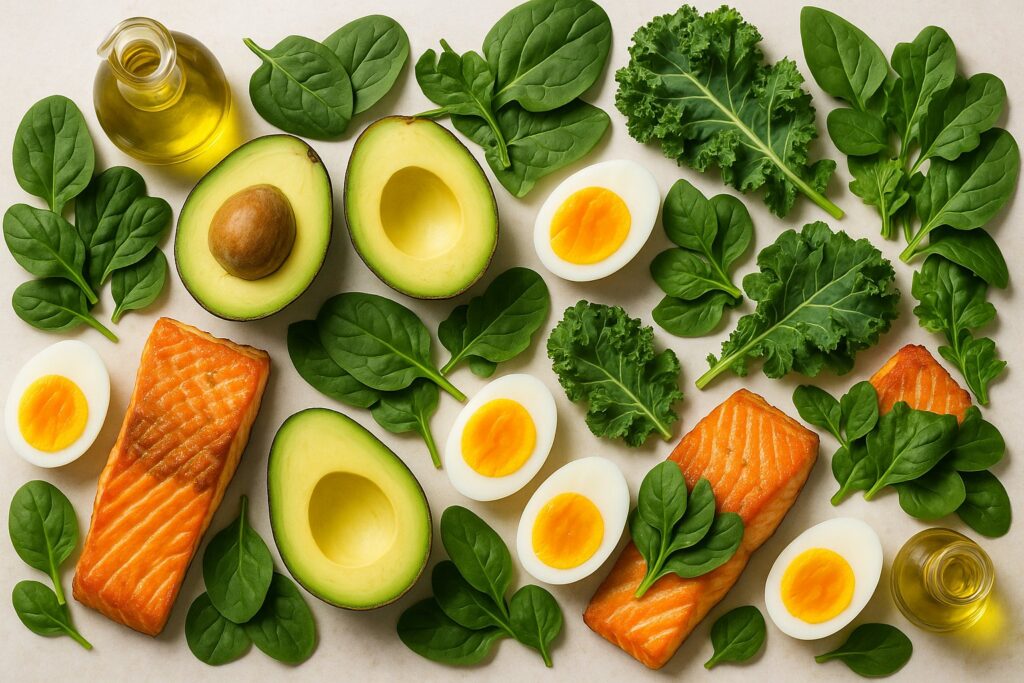
A keto diet for breastfeeding needs to deliver enough energy, macronutrients, and micronutrients for both mom and baby. It’s less about strict rules and more about making sure there aren’t any nutrient gaps and that milk production stays steady.
Instead of obsessing over what not to eat, focus on nutrient-dense foods. That’s where the real benefit comes in, honestly.
Preventing Nutrient Deficiencies
Breastfeeding bumps up your need for calories, protein, and certain vitamins. If you go too strict with keto, you might accidentally cut out food groups and risk nutrient deficiencies—especially calcium, magnesium, folate, and potassium, which are key for recovery and milk production.
It’s smart to aim for at least 50 grams of carbs a day. That helps keep your milk supply from dipping.
Low-carb veggies, berries, and nuts are pretty much your best friends here. They bring in fiber and a bunch of the nutrients you really need.
And don’t forget hydration. Water and electrolytes like sodium, potassium, and magnesium are a must if you want to avoid that sluggish, dehydrated feeling that sometimes comes with ketosis.
The Role of Micronutrients and Vitamins
Micronutrients matter a lot for lactation and helping you recover after birth. Vitamins A, B-complex, C, D, E, and minerals like iron, zinc, and iodine all play a role in milk quality and your own health.
If you’re breastfeeding, sticking with a prenatal or postnatal vitamin is usually a good idea. Don’t go too low-carb, or you might miss out on important nutrients.
Leafy greens, broccoli, and cauliflower give you iron and vitamin K. Fatty fish like salmon are loaded with omega‑3s and vitamin D—both super important.
| Key Micronutrient | Major Keto Sources | Primary Benefit |
|---|---|---|
| Vitamin D | Fatty fish, eggs | Bone health, immune function |
| Iron | Meat, spinach | Prevents anemia |
| Magnesium | Nuts, seeds | Supports muscle and nerve function |
Many breastfeeding moms safely supplement with a triple-tested omega-3 fish oil for keto diets from Amazon to support both brain function and breast milk composition.
Recommended Foods on Keto While Breastfeeding
If you’re doing keto while breastfeeding, prioritize nutrient-dense foods. Lean proteins like chicken, eggs, and tofu give you steady energy without piling on saturated fat.
Healthy fats from avocados, olive oil, and nuts help with hormone balance and keep you feeling full. Low-carb veggies—think zucchini, spinach, kale, Brussels sprouts—bring in vitamins and antioxidants your body needs.
Fatty fish is a good pick for omega‑3s, which are important for your baby’s brain. Eating small, balanced meals throughout the day helps keep your energy up and blood sugar stable.
Maximizing Fiber on a Keto Diet: Enhance Digestion Without Exiting Ketosis explains how to prevent digestive issues while staying low carb.
Risks and Side Effects to Monitor

Keto changes how your body uses energy, and that can affect hydration, nutrient balance, or even your milk. If you’re nursing, it’s worth keeping an eye on how you feel and how your baby responds—just to be sure everything’s on track.
Signs of Ketoacidosis and Dehydration
Ketoacidosis is when your body builds up too many ketones, making your blood more acidic. It’s rare if you’re not diabetic, but it can happen if you drop calories or carbs way too low while breastfeeding.
Look out for nausea, vomiting, fatigue, fruity breath, rapid breathing, or confusion. Dehydration sneaks up fast too, since ketosis can make you lose more fluids through urine, and breastfeeding already ups your water needs.
Dry mouth, dizziness, and dark urine are red flags. Drinking water regularly and eating enough calories really helps. Electrolytes matter too—vegetable broth, leafy greens, or low-carb electrolyte supplements can be a lifesaver.
If you start feeling worse—fatigue, nausea, anything like that—don’t wait. Get medical help, because untreated ketoacidosis is no joke.
How to Avoid Keto Flu: Smart Tips for a Smooth Keto Transition provides prevention strategies for fatigue and dizziness.
A magnesium complex supplement for keto cramps and sleep from Amazon is widely used to reduce muscle tension and sleep disruption during early ketosis.
Possible Reductions in Milk Quality
Milk quality depends on your diet, hydration, and how many calories you’re taking in. If you cut out too many fruits, grains, or certain veggies, you might lose out on B vitamins, vitamin C, or minerals that matter for your milk.
Keto usually means more fat, but if you’re not getting enough essential fatty acids, the fat profile in your milk can shift. That’s not ideal, especially since omega-3s are important for your baby’s brain and eyes.
Sticking with a moderate amount of carbs helps keep your glucose steady, which is good for milk production and nutrient transfer. Tracking calories and making sure you eat eggs, avocado, nuts, and low-carb veggies can help keep your milk quality up while giving you the energy you need.
Potential Impacts on Infant Health
Babies depend entirely on breast milk for energy and nutrients early on. If you’re eating super restrictively, your baby might not get enough vitamins or micronutrients, and too few carbs could lower your milk volume.
If you get dehydrated or overly tired, feedings might get shorter or less frequent. That can mean slower weight gain or a crankier baby—nobody wants that. Keeping an eye on diaper output and your baby’s weight helps spot any early issues.
Most healthcare pros suggest a balanced plan over strict keto to keep your baby’s development on track. Checking in with a lactation consultant or dietitian can make a real difference here.
Modified Keto Approaches and Alternatives
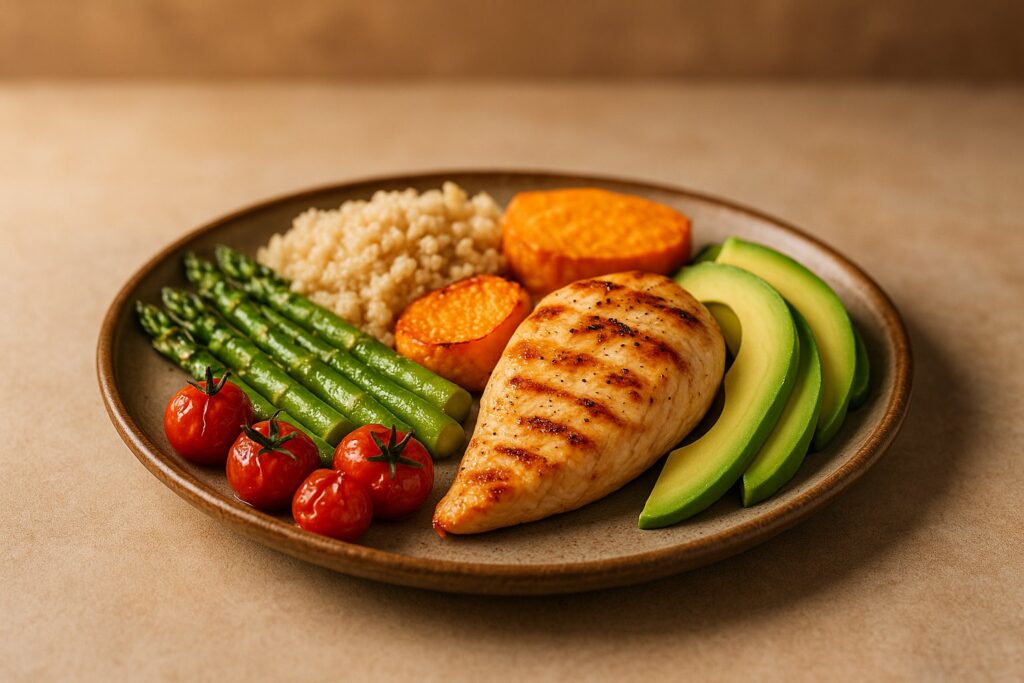
Breastfeeding isn’t the time to get super rigid about diet. Most moms do better with some flexibility—maybe a modified keto or just a moderate low-carb plan. That way, you keep your energy up and milk supply steady without going overboard on carb restrictions.
What Is a Modified Keto Diet?
A modified keto diet isn’t as strict as the classic version. Instead of keeping carbs under 20–30 grams, you might allow 50 to 75 grams of net carbs. That little boost can help stabilize blood sugar and support healthy milk production.
Fat still makes up most of your calories—maybe 55–65%. But with a bit more protein and carbs, you avoid deep ketosis, which can feel pretty rough when you’re already tired from newborn life.
Nutrient-dense fats like avocado, nuts, olive oil, and fatty fish are great options. Add in low-glycemic veggies like spinach, broccoli, and zucchini to get fiber and vitamins without overdoing the carbs.
Balancing Carbohydrates for Lactation
Carbs directly affect milk volume and lactose production. Too little, and you might feel wiped out or have trouble feeding.
For a lot of moms, keeping carbs between 75–125 grams a day seems to work well. You’re still burning fat but not risking your milk supply.
Slow-digesting carbs—like sweet potatoes, berries, oats, quinoa, and some legumes—are solid choices (just don’t go wild with the portions). Pair them with protein and fat to avoid sugar spikes.
Don’t forget about water and electrolytes. Strict low-carb diets can dry you out and reduce milk, so make hydration a priority if you’re trying a modified keto approach.
Keto Carb Cycling: Smart Fat-Loss Strategy That Breaks Plateaus introduces controlled carb refeeding as a gentler approach.
Alternative Low-Carb Strategies
Some moms go for a low-carb diet without aiming for ketosis. This usually means 100–150 grams of carbs daily, which lets you eat a wider variety of foods and is easier to stick with long-term.
Options like cyclical low-carb (higher-carb days mixed in) or just focusing on whole, unprocessed foods can work well. It’s less about hitting exact numbers and more about quality.
Pay attention to how you feel and how your milk supply is doing. If you notice a dip, try bumping up carbs or adding healthy fats. The main thing is making sure both you and your baby are getting what you need.
If postpartum fatigue is slowing your fat loss progress, Nagano Tonic is designed to support energy metabolism and fatigue resistance without stimulants or carbs.
Guidelines for Safe Implementation

If you’re thinking about keto while breastfeeding, it’s best to get the green light from your doctor first. Safe implementation means medical clearance, nutrition support, and ongoing guidance—no winging it here.
Consulting with a Healthcare Provider
Your healthcare provider can help decide if keto or low-carb is right for you during lactation. Everyone’s postpartum recovery and milk production needs are different, so there’s no one-size-fits-all answer.
They’ll check for dehydration, vitamin deficiencies, or metabolic stress, which can sneak up if you cut carbs too much. During your appointment, talk about your energy, weight goals, and any symptoms you’re noticing.
They might suggest regular tests for electrolytes, kidney function, or hydration. A safe plan under medical supervision keeps calories moderate, milk supply steady, and weight loss gradual—so both you and your baby stay healthy.
Tip: Jot down what you eat, how much water you drink, and feeding times. It makes follow-up visits way more helpful.
Working with a Registered Dietitian
A registered dietitian who knows postpartum nutrition can help tweak keto so you’re getting what you need. They’ll make sure you’re not missing out on protein, fiber-rich foods, or healthy fats like avocado, olive oil, and nuts.
Dietitians usually add 400–500 extra calories for breastfeeding. They’ll help you pick low-carb veggies, full-fat dairy, and snacks that keep your nutrients up.
Many use food logs or quick tracking tools to double-check your vitamin and mineral intake. They also watch for rapid weight loss, since that can drop milk production.
| Key Focus | Dietitian Strategies |
|---|---|
| Maintain Milk Supply | Ensure balanced macronutrients and steady fluid intake |
| Gradual Weight Loss | Encourage small adjustments over time |
| Nutrient Quality | Emphasize whole foods, avoid extreme restriction |
Best Supplements for Keto: What You Actually Need (2026 Guide) explains which nutrients are most critical during fat loss.
Role of a Lactation Consultant
A lactation consultant supports milk production and checks how dietary changes affect breastfeeding success.
They help spot early signs like reduced milk volume, poor infant weight gain, or odd feeding patterns.
Consultants can teach mothers how to track output, feeding frequency, and hydration.
This helps make sure that any fat loss efforts don’t weaken milk supply.
They’ll often work alongside dietitians and healthcare providers to tweak food plans if problems show up.
Sometimes, they suggest small carb increases or changes in hydration if milk flow dips.
Their advice can be reassuring, helping moms know that nutritional goals and the baby’s health are still on track.
By watching both what the mother eats and how the baby responds, a lactation consultant helps make safe keto while breastfeeding feel a bit less intimidating.
They encourage confident, informed choices—even if things get a little complicated.
For moms experiencing brain fog while managing sleep deprivation, Java Burn supports natural metabolic activation and focus when paired with black coffee or decaf.
Frequently Asked Questions
The ketogenic diet can shift a breastfeeding mom’s metabolism, nutrient levels, and milk production.
Knowing how low-carb eating affects both parent and baby helps decide if this path really supports healthy recovery and nutrition after childbirth.
What are the potential risks of a ketogenic diet for a nursing mother?
The main risks? Dehydration, nutrient deficiency, and—though rare—lactation ketoacidosis, where ketones build up in the blood.
These problems crop up when the body leans too hard on fat metabolism during milk production.
Rapid weight loss or cutting calories can sap energy, shrink milk output, and slow postpartum recovery.
Keeping calories and fluids steady goes a long way toward lowering these risks.
How does ketosis affect breast milk composition and supply?
A strict keto diet might lower milk volume and change its nutrient balance.
Cutting carbs too much can reduce glucose in breast milk, which babies need for brain growth.
Many moms notice milk supply drops if carbs or fluids dip too low.
Hydration and a moderate amount of carbs usually help keep things flowing.
Can a low-carb diet lead to adequate nutrition for both mother and baby during lactation?
A moderately low-carb diet can work if it includes a mix of whole foods.
The tough part is getting enough vitamins, minerals, and calories for milk production and recovery.
Severely slashing carbs makes it harder to get fiber, B vitamins, and calcium.
Sticking with balanced, unprocessed meals helps fill in those nutritional gaps.
What modifications to the standard keto diet are recommended for breastfeeding women?
Experts usually suggest a less strict, moderate-carb version of keto for breastfeeding moms.
Extra servings of fruit, starchy veggies, and whole grains can support energy and milk supply.
Adding healthy fats like olive oil, avocado, and nuts keeps some keto perks without diving deep into ketosis.
Drinking enough water and eating regularly are pretty much non-negotiable here.
Are there specific nutrients that breastfeeding mothers on a keto diet should focus on?
Calcium, iodine, iron, folate, vitamin D, and omega-3s deserve a spotlight.
These help with bone health, hormones, and the baby’s brain development.
Don’t forget protein—it matters for muscle recovery and milk quality.
A daily postnatal vitamin can help cover the usual gaps.
How soon after childbirth can a mother safely start a ketogenic diet for weight loss?
Most health professionals say to wait until breastfeeding is well established and energy levels feel steady—usually a few months after birth.
Jumping into dieting too early can throw off recovery and milk supply.
If you’re easing into lower carbs, go slow and check in with your doctor to keep tabs on hydration, milk output, and nutrition.
Conclusion

Breastfeeding moms really need enough energy and nutrients for themselves and their babies. A strict keto diet, with its low-carb rules, doesn’t always fit the bill.
When calories or carbs drop too much, milk supply can take a hit—especially if you’re not eating or drinking enough. Some women notice fatigue, dehydration, or nutrient shortages when they try keto while nursing.
It all depends on individual health, what you’re eating daily, and how much water you’re actually drinking. Many healthcare providers lean toward a balanced diet with some carbs for steady energy and milk production.
Here’s a quick side-by-side for clarity:
| Factor | Balanced Diet | Strict Keto Diet |
|---|---|---|
| Milk supply | More stable | May decrease if calories too low |
| Hydration needs | Normal | Higher |
| Nutrient intake | Broader variety | Can be limited |
| Risk of ketone buildup | Low | Possible if carbs too restricted |
If you’re hoping to lose weight while nursing, gradual fat loss with balanced meals and gentle movement is generally safer. Sudden diet changes or cutting too much can stress both your body and your baby.
Honestly, talking to a doctor or dietitian can help you shape a plan that keeps milk production up but still nudges you toward your health goals.