
MCT Oil on Keto: Benefits, Fat Loss & How to Use It Correctly
This post may contain affiliate links. If you purchase through these links, I may earn a small commission at no extra cost to you. LEARN MORE.
Starting a ketogenic diet can feel confusing. Choosing the right fats is one of those things that trips people up fast.
Many turn to MCT oil because it helps the body make ketones quickly, providing a fast and steady source of energy. MCT oil supports fat loss by promoting ketosis, improving energy levels, and helping control hunger.
It’s a simple tool that makes staying in ketosis easier and, honestly, just a bit more doable.
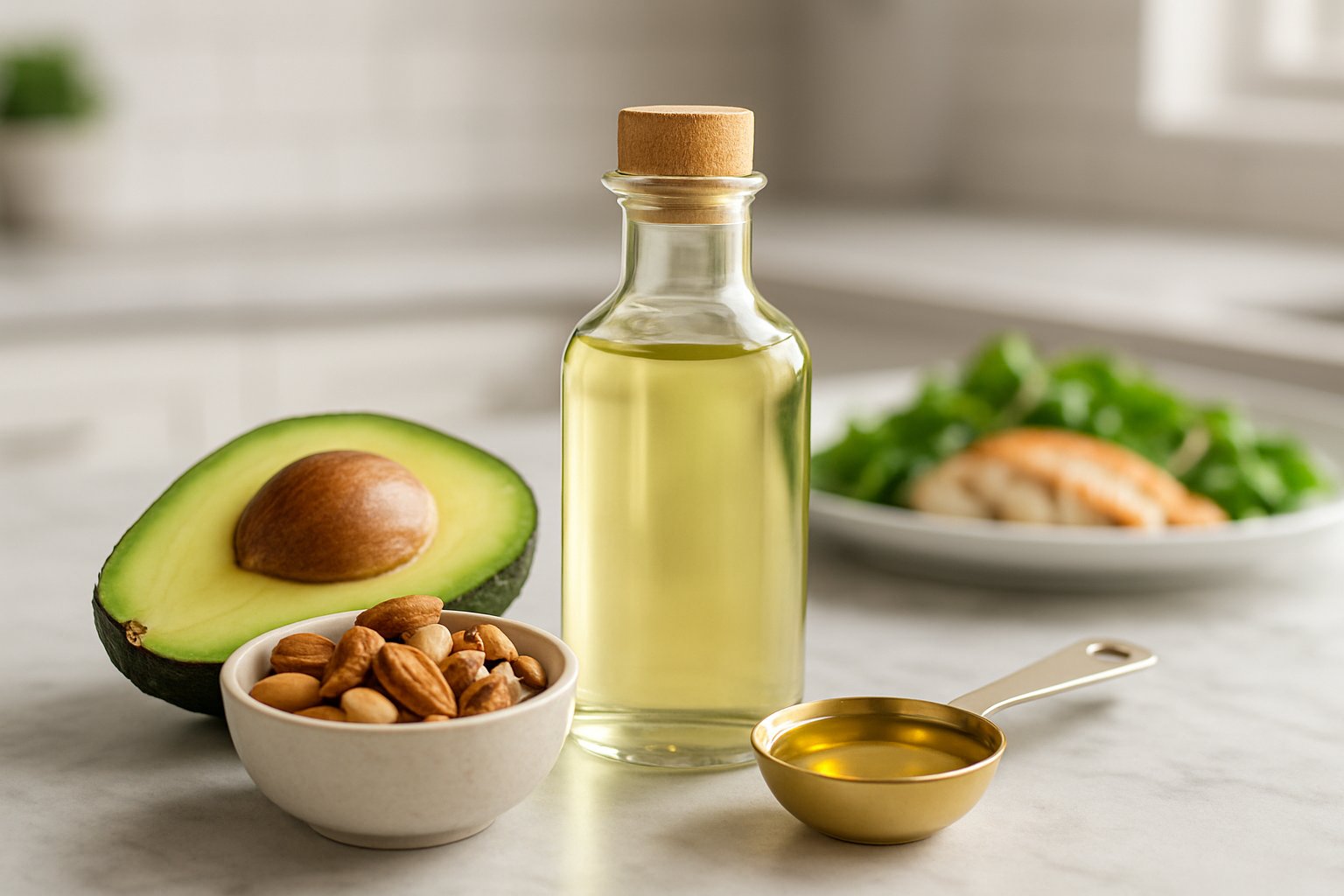
MCT oil, or medium-chain triglyceride oil, works differently from other fats. The body absorbs it fast and turns it into usable fuel instead of just storing it away.
This makes it valuable for folks aiming to burn fat while keeping their focus and stamina up. Using it properly can really change how you feel and what you get out of keto.
f you still struggle with early keto symptoms, this complete guide on Keto Flu Explained: Causes, Symptoms & Fast Relief can help stabilize your transition faster.
Key Takeaways
- MCT oil helps the body create and use ketones for steady energy.
- Proper use supports fat loss, focus, and metabolism on keto.
- Choosing the right MCT type and dosage improves results and reduces side effects.
What Is MCT Oil and How Does It Relate to Keto?
MCT oil is a concentrated form of dietary fat that supports ketosis by producing ketones quickly. It’s easy for the body to digest and turn into fuel, especially when you’re not eating many carbs.
Medium-Chain Triglycerides Explained
Medium-chain triglycerides (MCTs) are a type of fat made of fatty acids with 6–12 carbon atoms. Because they’re shorter, MCTs get absorbed faster than most other fats.
They go straight from digestion to the liver, where they’re converted into ketones. These ketones act as an alternative energy source when glucose is low, which is exactly why MCTs are big in the keto diet.
Common forms include caprylic acid (C8) and capric acid (C10), both known for efficient ketone conversion. Unlike long-chain fats that need bile and enzymes for breakdown, MCTs skip most of that process.
This makes them a quick and clean energy source, especially for low-carb eaters.
Natural Sources of MCT Oil
MCTs pop up naturally in a handful of foods. The main ones are coconut oil and palm kernel oil, which have different mixes of C6, C8, C10, and C12 fatty acids.
You’ll also find smaller amounts in butter, cheese, and full-fat dairy from grass-fed animals.
The table below sums up typical MCT content:
| Source | Approx. % MCTs | Notes |
|---|---|---|
| Coconut oil | 55–65% | High in lauric acid (C12) |
| Palm kernel oil | 50–60% | Rich in caprylic and capric acids |
| Butter (grass-fed) | 8–12% | Contains some short-chain fats |
Commercial MCT oil is usually refined to concentrate the most efficient MCTs, mainly C8 and C10. These forms are more effective for boosting ketone levels than the lauric acid (C12) found in larger amounts in coconut oil.
MCT Oil vs. Long-Chain Fats
Long-chain triglycerides (LCTs)—the kind in most cooking oils and animal fats—have 13 or more carbon atoms. Their longer structure means they take more time and digestive effort to break down.
LCTs go through the lymphatic system before hitting the bloodstream, while MCTs head to the liver almost right away. This makes MCT oil a quicker and more predictable energy source.
It can even raise ketone levels if your carb intake isn’t super low. Both MCTs and LCTs have their place in a balanced diet, though. LCTs help with essential fatty acids and vitamin absorption, while MCTs are more of a quick energy fix—especially handy for keto folks.
How MCT Oil Enhances Ketosis and Fat Loss
MCT oil helps the ketogenic diet by nudging the body to make ketones faster. This improves energy use and aids fat metabolism.
It delivers a steady fuel source that can help you stay in ketosis and makes fat loss a bit less of a struggle—no wild blood sugar swings or energy crashes.
MCT Oil and Ketone Production
Medium-chain triglycerides (MCTs) get absorbed quickly and head straight to the liver, where they’re turned into ketone bodies like beta-hydroxybutyrate (BHB). This happens way faster than with long-chain fats because MCTs skip most of the usual fat digestion steps.
When ketone production ramps up, your body shifts from using glucose as its main energy source to ketosis—which is what you want on keto. MCT oil, especially those high in caprylic acid (C8) and capric acid (C10), is especially good for this.
This faster transition gives people energy even in the early days of a low-carb or high-fat diet when glucose is scarce. Keeping ketone levels steady can help prevent the dreaded fatigue as you switch to burning fat for fuel.
| MCT Type | Common Name | Ketone Efficiency |
|---|---|---|
| C8 | Caprylic Acid | Very High |
| C10 | Capric Acid | High |
| C12 | Lauric Acid | Moderate |
Many keto users combine MCT oil with Keto Creator to accelerate ketone production and maximize daily fat-burning efficiency.
Fat Metabolism and Energy Boost
MCT oil plays a direct role in fat metabolism. Since the liver processes MCTs so quickly, your body starts burning fat sooner instead of just storing it.
This means you get a rapid fuel source for exercise or fasting. Unlike glucose, which can spike and crash your blood sugar, ketones give you a steady stream of ketosis energy.
Many people notice better mental clarity and endurance when they’re running on ketones instead of carbs. The quick conversion of MCTs into energy helps keep physical performance up and can make it easier to stick with a high-fat, low-carb diet—no more energy crashes.
Because metabolic speed plays a major role in fat loss, this guide on How to Boost Metabolism on Keto: Proven Tips for Faster Fat Burning explains how MCTs amplify results.
Supporting Weight Loss on Keto
MCT oil might help with weight management by reducing appetite and making calorie control less of a grind. When you produce more ketones, you often feel less hungry between meals.
This can make sticking to keto a lot simpler. Some research suggests swapping in MCTs for other fats can slightly increase how many calories you burn at rest, which might add up to gradual weight loss over time.
Using ketogenic MCT oil in meals or shakes can also help keep blood sugar levels steady. It gives you a satisfying fat source that helps hit your energy goals on a high-fat diet—without constant snacking or carb cravings.
Types of MCTs: C6, C8, C10, and C12
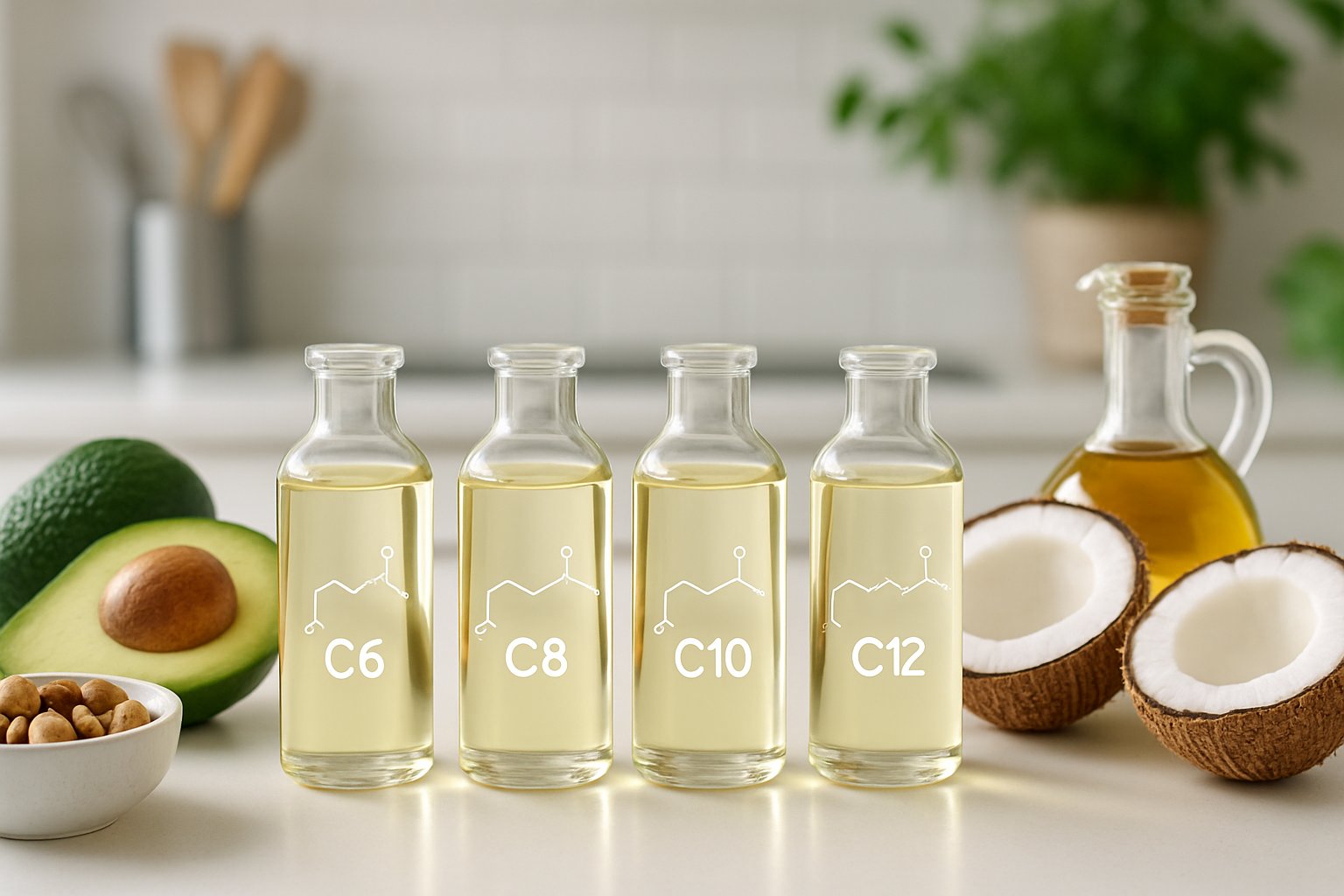
Medium-chain triglycerides include four main fatty acids—C6, C8, C10, and C12. Each has a different chain length and a slightly different effect on metabolism.
They vary in how quickly your body absorbs and turns them into ketones, and also in taste, digestibility, and health perks.
Caproic Acid (C6): Benefits and Drawbacks
Caproic acid, or C6, has six carbon atoms and is the shortest of the bunch. It converts into ketones fast, giving you a quick energy hit once digested.
But honestly, it has a strong odor and sharp taste—not exactly pleasant. That’s why you rarely see it in commercial MCT oils.
Because it’s so short, C6 is absorbed by the liver quickly and converted into ketones. It’s efficient for quick energy but not so great for sustained fuel.
Large doses can cause stomach discomfort or a burning throat, so products high in C6 are pretty rare. If it’s in there at all, it’s usually less than 2% of the total MCT oil.
Caprylic Acid (C8): Powerful Ketone Booster
Caprylic acid, or C8, has eight carbon atoms and becomes ketones faster than any other MCT. That’s why it’s so popular on keto for supporting ketosis and brain energy.
The liver almost instantly metabolizes C8, creating ketones that the brain and muscles can use for fuel. Some studies even suggest C8 might improve cognitive function and mental clarity, especially for low-carb folks.
It has antimicrobial properties too, which can help keep certain bad bacteria and yeasts in check. MCT oils rich in C8 are often labeled “pure C8 MCT oil” or “C8/C10 blends,” usually ranging from 40–70% C8.
These blends give you quick energy without the digestive upset that sometimes comes with shorter-chain fats like C6.
For fast ketone production, many keto users rely on Bulletproof Brain Octane MCT Oil due to its pure C8 formulation.
Capric Acid (C10): Balanced Energy Source
Capric acid, or C10, has ten carbon atoms. It absorbs a bit more slowly than C8 but still turns into ketones efficiently, giving you a steady and moderate energy release.
People use C10 for daily metabolic support and endurance since it keeps energy up for longer stretches. C10 has antifungal activity too, especially against Candida albicans, which is handy for digestive balance and immune support.
Combined with C8, it forms a balanced MCT blend in lots of keto products. Because it’s well tolerated, C10 is often included at 10–20% in standard MCT oil mixes—less volatile than C6 and easier on the stomach than high-C8 formulas.
Lauric Acid (C12): Unique Properties
Lauric acid, or C12, has twelve carbon atoms and acts a bit differently from other MCTs. It’s still a medium-chain fat, but because of its longer chain, it’s absorbed more slowly and doesn’t turn into ketones as quickly.
Its main claim to fame is immune support. Inside the body, lauric acid turns into monolaurin, which is known for its antiviral and antibacterial effects.
Monolaurin may tamp down viruses like influenza and some herpes strains. You’ll find C12 in coconut oil, where it can make up more than 40% of the fat content.
It’s not the best for fast ketosis, but it does help support microbial balance and skin health. That makes it pretty versatile for wellness—there’s more to it than just energy.
Health Benefits of MCT Oil on Keto Beyond Weight Loss
MCT oil has a bunch of metabolic and neurological perks that go way beyond just burning fat. It can boost mental energy, help your digestion, keep blood sugar more stable, and might even be useful for folks dealing with Alzheimer’s by giving the brain another fuel option.
Mental Clarity and Brain Function
Medium-chain triglycerides get turned into ketones by the liver pretty fast. These ketones are a quick, efficient energy source for your brain, especially when you’re low on carbs on keto.
People often say they feel more focused and less mentally foggy when they add MCT oil to their day. Ketones cross into the brain and give your neurons a steady stream of fuel.
This helps cut down those energy dips that mess with attention and memory. Some studies even show MCT oil can bump up ketone levels within minutes, which might help with mental performance in the short term.
MCTs don’t need much digestion, unlike long-chain fats. Because they’re absorbed so quickly, they can deliver energy fast and don’t put much strain on your gut—handy for keeping your mind clear during fasting or when carbs are low.
Gut Health and Antimicrobial Effects
MCT oil can help your gut environment, too. Certain fatty acids in MCT oil—mainly caprylic and capric acid—have been shown to slow down the growth of bad bacteria like Candida albicans and Clostridium difficile.
This antimicrobial effect supports a more balanced gut microbiome. A healthy gut means better digestion and stronger immunity.
MCTs are easier to digest than long-chain fats, so they’re often a good pick for people with sensitive stomachs or those just switching to a high-fat keto diet. If you’re new, start with a small amount to avoid bloating or cramps.
Some research hints that MCTs might help your body absorb fat-soluble vitamins like A, D, E, and K. By supporting nutrient absorption and keeping bad bugs in check, MCTs can help with digestive comfort and gut health.
Insulin Sensitivity and Blood Sugar Control
MCT oil might help with blood sugar by making your body respond better to insulin. A few small studies have found that MCTs can lower insulin resistance and bring down fasting glucose in people with metabolic syndrome or type 2 diabetes.
MCTs don’t spike blood sugar like carbs. Since they’re quickly turned into ketones, they give you steady energy—no rollercoaster crashes. Over time, this could mean better glucose control on a well-balanced keto diet.
But everyone’s different. Research is mixed, and things like your diet, total fat intake, and the ratio of caprylic (C8) to capric (C10) acids in your MCT oil can all play a role. It’s smart to keep an eye on how your body reacts.
Support for Alzheimer’s Disease
In Alzheimer’s, the brain has trouble using glucose. Ketones from MCT oil can step in as an alternative energy sourcefor brain cells.
Early studies suggest that taking about 20–30 grams of MCTs daily may help some people with mild to moderate Alzheimer’s think and remember a bit better. The C8 and C10 fatty acids in MCT oil are especially helpful, since they boost ketone production even if you’re not super strict with carbs.
This might help preserve memory and thinking skills, particularly in people without the APOE ε4 gene. The clinical evidence is still limited, though, so anyone considering MCT oil for brain health should definitely talk to their doctor first.
For more information about dietary-supplements, check out this post from U.S. Food & Drug Administration.
How to Use MCT Oil on a Ketogenic Diet
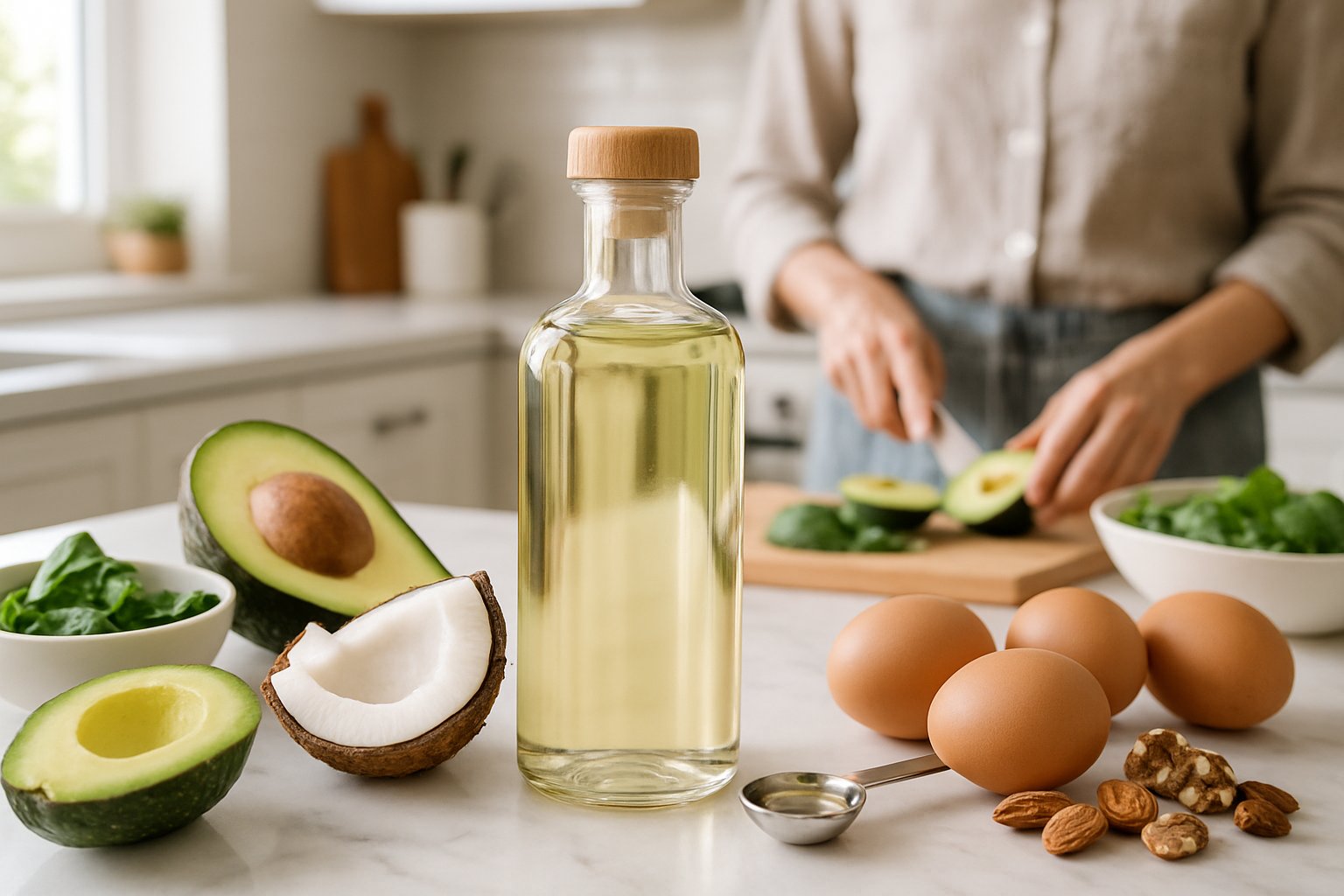
MCT oil can help you stay in ketosis by giving you quick energy and replacing some carbs or protein with healthy fats. Using it right means starting with a small dose, timing it around meals or workouts, and picking the form—liquid or powder—that fits your routine.
Ideal Dosage and How to Start
Most people new to MCT oil start with 1 teaspoon per day to see how their body handles it. If you jump in too fast, you might get an upset stomach, so it’s best to go slow.
After a few days, you can bump it up to 1 tablespoon once or twice a day if you’re feeling good. The right amount depends on your calorie needs and fat goals.
If you’re on a strict low-carb or keto diet, you might use more, but others may want to stick with less. Mixing MCT oil into drinks or meals can help slow digestion and ease any side effects.
| Level | Dosage | Notes |
|---|---|---|
| Beginner | 1 tsp/day | Start slow to avoid stomach discomfort |
| Moderate | 1 tbsp/day | Split between morning and afternoon |
| Experienced | 2 tbsp/day | Use only if tolerated well |
Best Times and Ways to Take MCT Oil
Your body soaks up medium-chain triglycerides pretty fast, so they’re great when you need energy. A lot of people take MCT oil in the morning, during intermittent fasting, or before a workout.
That timing can keep your energy up and help with fat burning. You can stir MCT oil into coffee, smoothies, or shakes, or blend it into soups, salad dressings, and keto sauces to up your fat intake without changing the flavor.
If you’re cooking with it, stick to low or medium heat—MCT oil’s smoke point is lower than most other oils.
MCT oil works exceptionally well when paired with fat-adaptation strategies outlined in Exercise Ketosis Connection: Best Ways to Speed Up Your Keto Results.
Bulletproof Coffee and Keto Recipes
Probably the most popular way to use MCT oil is in bulletproof coffee—that’s coffee mixed with unsalted butter or ghee and MCT oil. It makes for a filling breakfast and helps keep you in ketosis, especially if you’re skipping meals.
MCT oil also works in keto recipes like smoothies, “fat bombs,” or low-carb baked goods. It improves texture and adds fat without extra carbs.
Drizzling a little into dressings or sauces is another easy way to use it every day.
MCT Oil Powder vs. Liquid Oil
MCT oil comes as a powder or liquid, and both do the job, but they’ve got their quirks. Liquid oil absorbs faster, so it’s perfect for drinks or quick recipes.
The powder mixes better with dry ingredients and is sometimes easier on your stomach. It’s also less messy and more travel-friendly.
If you’re sensitive to digestive issues, you might find the powder version goes down smoother. Either way, you’ll get the same keto benefits.
For sensitive digestion and travel convenience, many keto users choose Perfect Keto MCT Oil Powder instead of liquid oil.
Practical Considerations and Common Mistakes
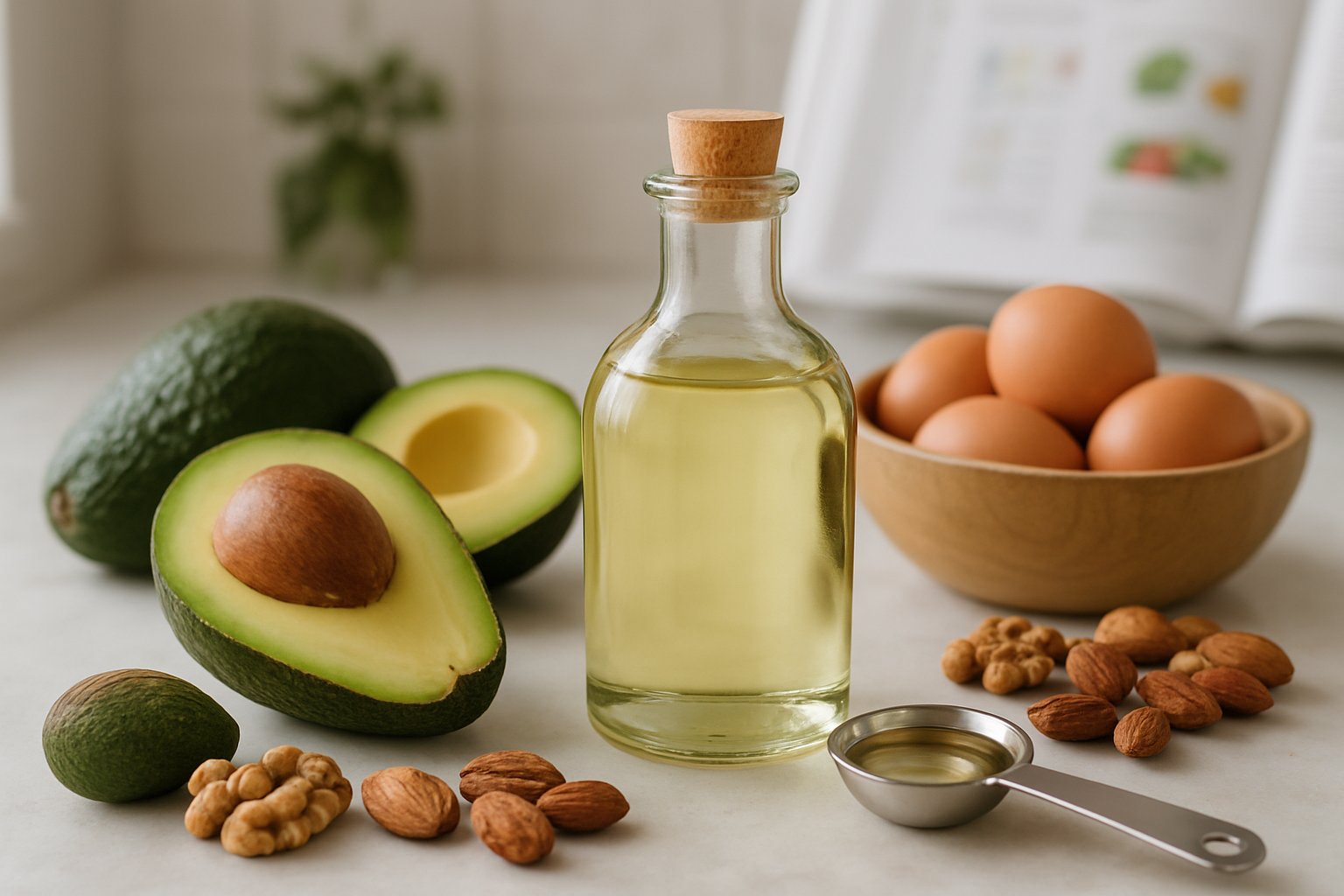
People often guess wrong about how much MCT oil to use, how their body will handle it, or which product is worth buying. Paying attention to dose, timing, and what’s actually in your oil can help you dodge side effects and get better results from ketosis.
Side Effects and How to Avoid Them
The biggest issues with MCT oil are stomach cramps, nausea, loose stools, and bloating. These usually hit when you take too much too quickly.
Since MCTs digest fast, your body needs a little time to catch up. Start with ½ to 1 teaspoon per day and slowly work up to 1–2 tablespoons if you’re tolerating it well.
Taking it with meals instead of on an empty stomach can also help. If you’ve got liver, gallbladder, or pancreatic problems, check with your doctor first.
Keeping a food log to track how much you’re taking and any symptoms can help you figure out your limits. Staying hydrated and balancing electrolytes can also ease minor cramps.
| Problem | Likely Cause | How to Fix It |
|---|---|---|
| Diarrhea or stomach pain | Too much, too fast | Start small and increase gradually |
| Nausea | Taking on empty stomach | Mix with food or coffee |
| Headache | Low hydration | Drink more water and add electrolytes |
Managing Keto Flu with MCT Oil
When you start keto, you might feel the keto flu—fatigue, brain fog, irritability, all that fun stuff. MCT oil can take the edge off these symptoms by giving you quick ketones before your body fully adapts to burning fat.
Spreading out about 1 tablespoon through the day can help keep your energy steady. Drinking more water and adding sodium, potassium, and magnesium can help too, since your body loses electrolytes early on keto.
MCT oil won’t totally wipe out keto flu, but it can shorten how long it lasts and help you focus. If you’re still feeling rough after a week, it might be time to tweak your carb intake or meal timing.
Strategic fat intake combined with hydration methods from Best Keto Meal Replacement Options for Busy Lifestyles can ease the keto flu phase.
Quality and Sourcing of MCT Oils
Honestly, not all MCT oils are created equal. The best ones use pure C8 (caprylic acid) or a C8/C10 blend, since those make more ketones and are easier to digest.
Try to avoid oils with lots of C12 lauric acid, since it acts more like regular fat and is slower to convert. Look for bottles labeled “100% coconut-derived MCTs” and skip palm kernel sources—they’re not great for the environment.
Good brands usually offer third-party testing for purity and heavy metals. Go for a clear, unflavored oil with no weird additives or fillers—it’s easier to mix into coffee, smoothies, or dressings.
Keep your oil in a cool, dark spot and try to use it within a year for the best taste and effect on your keto plan.
Some keto users stack MCT oil with Nagano Tonic to enhance cellular hydration, sustained energy, and metabolic efficiency.
Frequently Asked Questions
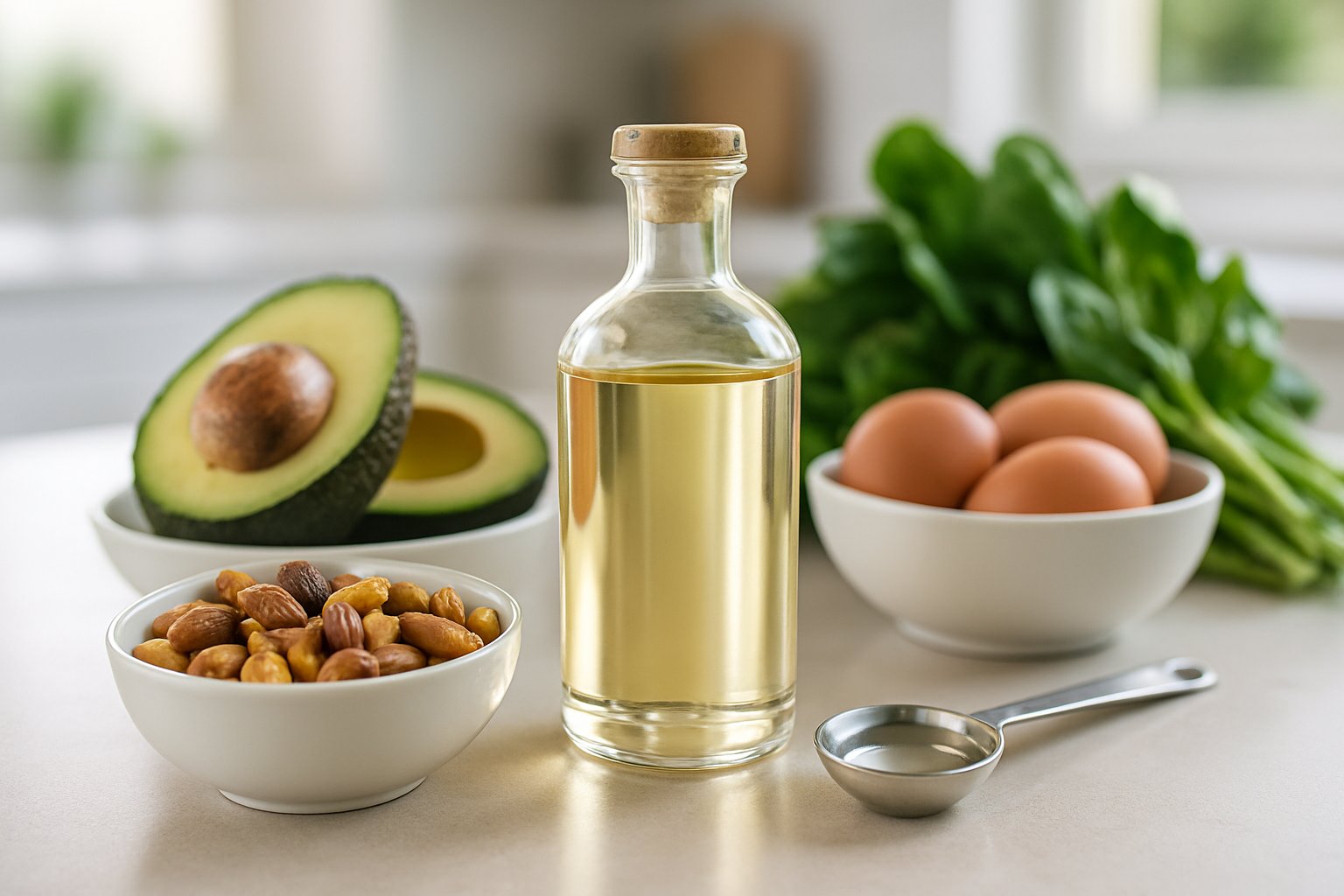
MCT oil’s kind of a staple for keto fans. It boosts energy, helps your body burn fat, and, if you use it right, keeps your appetite in check.
Just don’t go overboard—using the right amount helps you stay in ketosis and keeps your stomach happy.
What are the main health benefits of incorporating MCT oil into a ketogenic diet?
MCT oil helps your liver crank out ketones fast, which means you get a steady energy source. That can make you feel more clear-headed and focused, whether you’re working out or just getting through the day.
It’s also known to help with satiety and may keep blood sugar more stable, which is super helpful if you’re trying to stick with keto.
How does MCT oil support fat loss in the context of a keto diet?
MCT oil can give your metabolism a little nudge through thermogenesis. Basically, it encourages your body to burn more calories and use fat for fuel.
Lots of people notice they’re less hungry after adding it in, which can lead to eating less overall—always a plus if you’re aiming for fat loss.
What is the recommended dosage of MCT oil for someone following a keto diet?
Most folks go with about 1 to 2 tablespoons daily (that’s 15–30 grams, if you like numbers). If you’re new, start small—try 1 teaspoon to see how your stomach handles it.
Splitting it into two servings, maybe with breakfast and lunch, works well for a lot of people.
Are there any potential side effects of using MCT oil while on keto?
Too much MCT oil at once? Yeah, your gut might not thank you—cramps, gas, or even a quick trip to the bathroom can happen. It’s best to ease in slowly.
And don’t forget, it’s still a fat source, so it counts toward your daily calories and macros.
Can MCT oil be used during intermittent fasting, and if so, how?
MCT oil doesn’t have carbs and usually won’t kick you out of ketosis. Some people like a little bit during fasting windows to help with energy and focus.
But if you’re super strict about fasting (like, zero calories strict), you’ll probably want to skip it.
What are the best ways to incorporate MCT oil into a ketogenic meal plan?
It mixes right into coffee, tea, or smoothies—honestly, that’s how most people use it. You can stir it into protein shakes, drizzle it on salads, or blend it into yogurt or nut butter.
Just don’t try to fry with it—the smoke point’s pretty low, so it’ll taste weird and lose quality. If you’re after convenience, MCT oil powder is easier to mix and might be gentler on your stomach.
Conclusion
MCT oil can play a pretty practical role in a solid keto plan. Its medium-chain fats turn into ketones fast, so it’s a handy energy source when you’re cutting carbs.
Plenty of folks add it in to help stay in ketosis and keep their energy steady throughout the day. When you use it wisely, MCT oil might help with fat loss on keto by curbing hunger and boosting satiety.
It could even make the switch to low-carb eating a bit smoother for some people. Of course, how well it works depends on things like overall diet quality, keeping an eye on portions, and not blowing past your calorie needs.
A simple MCT oil keto guide looks something like this:
| Step | Action | Tip |
|---|---|---|
| 1 | Start small | Begin with 1 teaspoon per day to prevent stomach upset. |
| 2 | Mix with meals or drinks | Add to coffee, tea, or smoothies for convenience. |
| 3 | Increase gradually | Work up to 1–2 tablespoons daily as tolerated. |
| 4 | Track intake | Balance it within total fat and calorie goals. |
Moderation is key here. Jumping in with too much can really upset your stomach, but easing in and paying attention to how you feel tends to work out better.
Everyone’s different, so it’s worth adjusting your intake based on what actually feels right for you.
Muscle maintenance during fat loss is also supported by smart food choices covered in Top 10 Muscle Recovery Foods That Speed Up Healing.
For faster recovery, better circulation, and reduced muscle tightness during fat loss, combining MCT oil with Hyperbolic Stretching can significantly improve flexibility and performance.