
Why Do I Get Muscle Cramps on Keto? Common Causes and What to Check
Muscle cramps can be an unexpected problem after starting keto. A calf, foot, thigh, or other muscle may suddenly tighten and become painful, leaving you wondering whether the diet is causing the problem or whether you simply need more electrolytes or magnesium.
There are several possible explanations. Changes in fluid balance, dietary intake, exercise, sweating, and your overall routine can all affect how your muscles feel. Early changes during a new diet may also occur at the same time, making it easy to blame every cramp on keto adaptation.
But a muscle cramp does not automatically mean you are deficient in magnesium or another electrolyte. Cramps can also result from muscle overuse, dehydration, medications, and other health factors.
The useful question is not simply whether you have muscle cramps on keto. It is when the cramps occur, what changed around the same time, whether they follow exercise or fluid loss, what your diet currently looks like, and whether the pattern fits a simple keto-related adjustment or deserves a closer look.
Why Do I Get Muscle Cramps on Keto?

Keto cramps are most often linked to the changes your body goes through as it adjusts to running on fewer carbs. Fluid loss, shifts in sodium, and changes in what you eat may all contribute. Timing gives you the first clue.
When Cramps Can Appear During the Keto Transition
Cramps after starting keto tend to appear in the first one to three weeks. This is the stretch when your body uses up stored carbs and sheds the water stored with them. You may notice more trips to the bathroom during this time.
Cramps can also show up later, when you change something else. A new workout plan, a heat wave, or a switch to a stricter food list can bring them back even after months of feeling fine.
Why Changes in Fluid and Mineral Balance Can Matter
Your muscles rely on sodium, potassium, magnesium, and calcium to contract and relax on cue. Your body also uses sodium to control how much fluid stays in your blood and tissues. When you lose fluid and sodium faster than you replace them, muscles may become more prone to cramping. Medical sources list dehydration and low mineral levels among common cramp triggers, along with muscle overuse.
Are Muscle Cramps an Inevitable Part of Keto?
No. Many people go through keto adaptation without a single cramp. Cramps are a sign that something in your routine may need adjusting, and they can be associated with fluid intake, salt intake, food variety, or exercise load. With small changes, most people find the problem fades.
Muscle cramps alone do not show that keto is failing, but if they are occurring alongside broader problems with your progress, reviewing why keto is not working for you can help you step back and look at the bigger picture.
Triage: What Kind of Cramps Are You Experiencing?
Sorting your cramps by pattern helps you decide whether to wait, adjust, or get checked. Use these three groups as a rough guide. Symptoms alone cannot tell you if you have low sodium, low potassium, or low magnesium. Only a clinician and blood work can confirm those.
Cramps That May Fit Early Adaptation
These cramps tend to share a few traits:
- They started within the first few weeks of keto.
- They’re brief, lasting seconds to a few minutes.
- They ease with stretching.
- They often hit the calves or feet, sometimes at night.
- They become less frequent as the weeks go on.
Cramps That May Point to an Execution Issue
Some keto adaptation symptoms stick around because of how the diet is being carried out. Signs include:
- Cramps that started or got worse after you cut out more foods.
- Cramps on days when you drank little, sweated a lot, or skipped meals.
- Keto exercise cramps that appear during or after harder or hotter workouts.
- Cramps alongside very low salt intake because you’ve dropped packaged foods.
These patterns suggest an electrolyte imbalance on keto may be part of the picture, though they don’t prove it. They’re a good place to start your keto troubleshooting.
Cramps That Deserve a Closer Look
Pay closer attention if your cramps:
- Are severe or last longer than about 10 minutes.
- Keep coming back for weeks despite changes.
- Don’t ease with stretching.
- Come with swelling, redness, warmth, weakness, or numbness.
- Started after a new medicine.
These are covered in more detail in the medical attention section below.
Diagnostic Summary: What May Be Behind Your Cramps?
Most keto cramp causes fall into four groups. This quick summary helps you pick where to look first. Each one gets a full explanation in the sections that follow.
| Likely cause | Common clues | First place to look |
|---|---|---|
| Fluid and electrolyte shifts | Early weeks, more urination, low salt | Keto hydration and keto electrolytes |
| Diet changes | Narrow food list, few vegetables, low calories | Food variety |
| Exercise | Cramps during or after hard or hot workouts | Training load and sweat loss |
| Non-keto causes | Medicines, long history of cramps, other symptoms | Health history |
Fluid and Electrolyte Changes May Be Contributing
This fits best if cramps began early in keto adaptation and you’re urinating more than usual. It also fits if you’ve cut back on salty foods without adding salt elsewhere.
Your Diet or Overall Intake May Need Attention
This fits if your meals rely on a small set of foods, such as meat, cheese, and eggs, with few vegetables, nuts, or seeds. Eating too little in total may also play a part.
Exercise May Be Triggering the Pattern
This fits if your cramps line up with workouts, especially long, intense, or hot ones. Muscle overuse is one of the most common cramp triggers, keto or not.
The Pattern Doesn’t Fit Simple Keto Adaptation
If your cramps started before keto, never improve, or come with other symptoms, something else may be going on. Medicines and some health conditions can cause cramps on their own.
If the pattern points toward fluid or electrolyte changes, reviewing common keto electrolyte mistakes can help you troubleshoot the problem before deciding that a particular supplement is necessary.
Cause #1: Fluid and Electrolyte Changes During Keto Adaptation
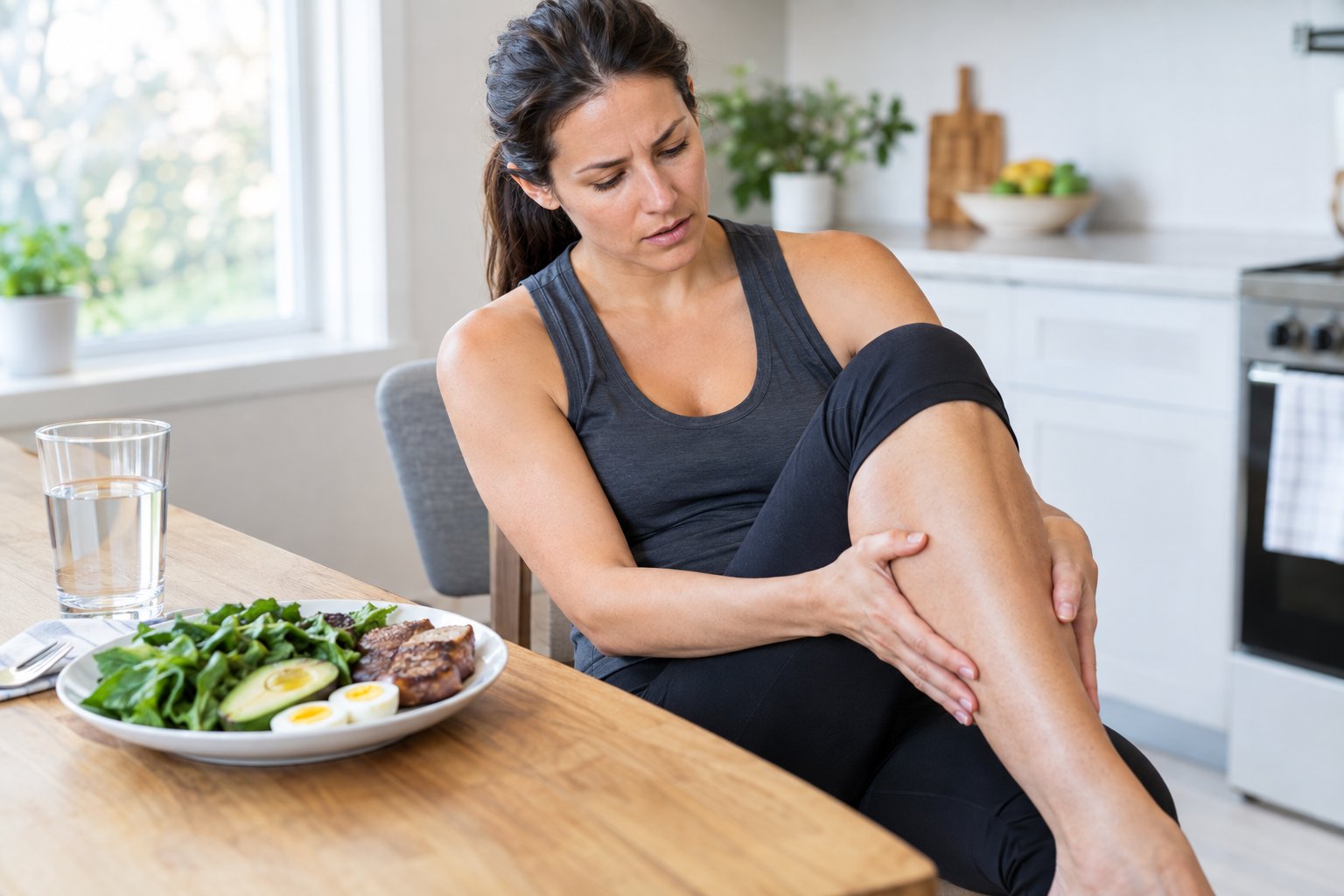
Fluid and sodium loss in the early weeks is the most common keto-specific factor tied to cramps. Many keto electrolyte mistakes and keto hydration mistakes come from not knowing this shift is happening.
Why Keto Can Change Fluid Balance
Your body stores carbs as glycogen, and glycogen holds water. When you cut carbs, you burn through those stores and release the water with them. Lower insulin levels may also lead your kidneys to release more sodium, and water follows sodium out of the body. This is one reason many people see quick weight loss in the first week. Much of it is water.
Sodium and Muscle Function
Sodium helps your nerves send signals and helps your muscles fire and relax. It also controls how much fluid stays in your blood. Most Americans get over 70% of their sodium from packaged and prepared foods. When you switch to keto, you often stop eating bread, crackers, chips, and many processed meals. Your salt intake may drop sharply without you noticing, at the same time your kidneys are releasing more of it. That combination may contribute to cramps.
Sodium needs on keto vary from person to person. If you have high blood pressure, heart disease, or kidney disease, talk to your doctor before adding salt.
Where Potassium and Magnesium Fit
Potassium and magnesium both help muscles contract and relax. Many Americans already get less of each than recommended, and cutting out fruit, beans, and whole grains can lower intake further. Low magnesium can also make it harder for your body to hold on to potassium.
Even so, true deficiency of either mineral is uncommon in healthy people with normal kidneys. Your kidneys work to conserve magnesium when intake is low. Magnesium on keto is worth reviewing through your food, but a cramp alone doesn’t mean you’re deficient.
Why Drinking More Water Alone May Not Solve the Problem
Water replaces fluid, but it doesn’t replace the sodium you’ve lost. Drinking large amounts of plain water while sodium stays low can dilute the sodium in your blood further. In extreme cases, such as long endurance events, this leads to a dangerous condition called hyponatremia. For everyday keto, the goal is steady fluid paired with enough salt from food, matched to your thirst and sweat.
If your routine has changed significantly since starting keto, reviewing common keto hydration mistakes can help you determine whether your fluid habits are part of the pattern.
Cause #2: Your Dietary Intake Has Changed
Keto changes what’s on your plate, and those changes can lower your intake of minerals your muscles use. Keto nutrition basics still apply: variety and enough total food.
Eating Fewer Foods Can Change Mineral Intake
Many top sources of potassium and magnesium in a typical American diet are off the menu on keto. Potatoes, fruit, beans, whole grains, and milk are common examples. If you don’t replace them, your keto mineral intake may fall.
Here are keto-friendly foods that supply key minerals:
| Mineral | Keto-friendly sources |
|---|---|
| Potassium | Avocado, spinach, broccoli, salmon, meat, poultry, plain yogurt |
| Magnesium | Pumpkin seeds, chia seeds, almonds, cashews, spinach |
| Sodium | Broth, salted foods, cured meats, cheese, olives, pickles |
One ounce of roasted pumpkin seeds has about 156 mg of magnesium. A half cup of boiled spinach has about 78 mg.
Why Meal Quality and Variety Still Matter
A keto plan built mostly on bacon, cheese, and cream can meet your carb goal while leaving gaps in minerals. Adding low-carb vegetables, nuts, seeds, and fish at most meals helps fill those gaps. Rotating foods across the week also spreads out your nutrient sources.
A more consistent meal structure can also make it easier to maintain a varied keto diet instead of unintentionally narrowing your food choices during a busy or restrictive period.
Avoiding Unnecessary Restriction
Restrictive keto, where you cut vegetables or nuts to drive carbs as low as possible, often removes the very foods that supply potassium and magnesium. Eating too few calories can add to the strain. Most people reach ketosis while still eating leafy greens, broccoli, cauliflower, avocado, and a handful of nuts.
Reviewing the Overall Diet Before Reaching for Supplements
Before buying a supplement, look at a few days of your meals. Ask yourself:
- Do I eat vegetables at most meals?
- Do I eat nuts, seeds, or avocado a few times a week?
- Have I added salt or broth since dropping packaged foods?
- Am I eating enough to feel full and steady?
If the answer to several of these is no, your keto food intake is a clear place to start.
Cause #3: Exercise, Sweating, and Recovery Are Contributing
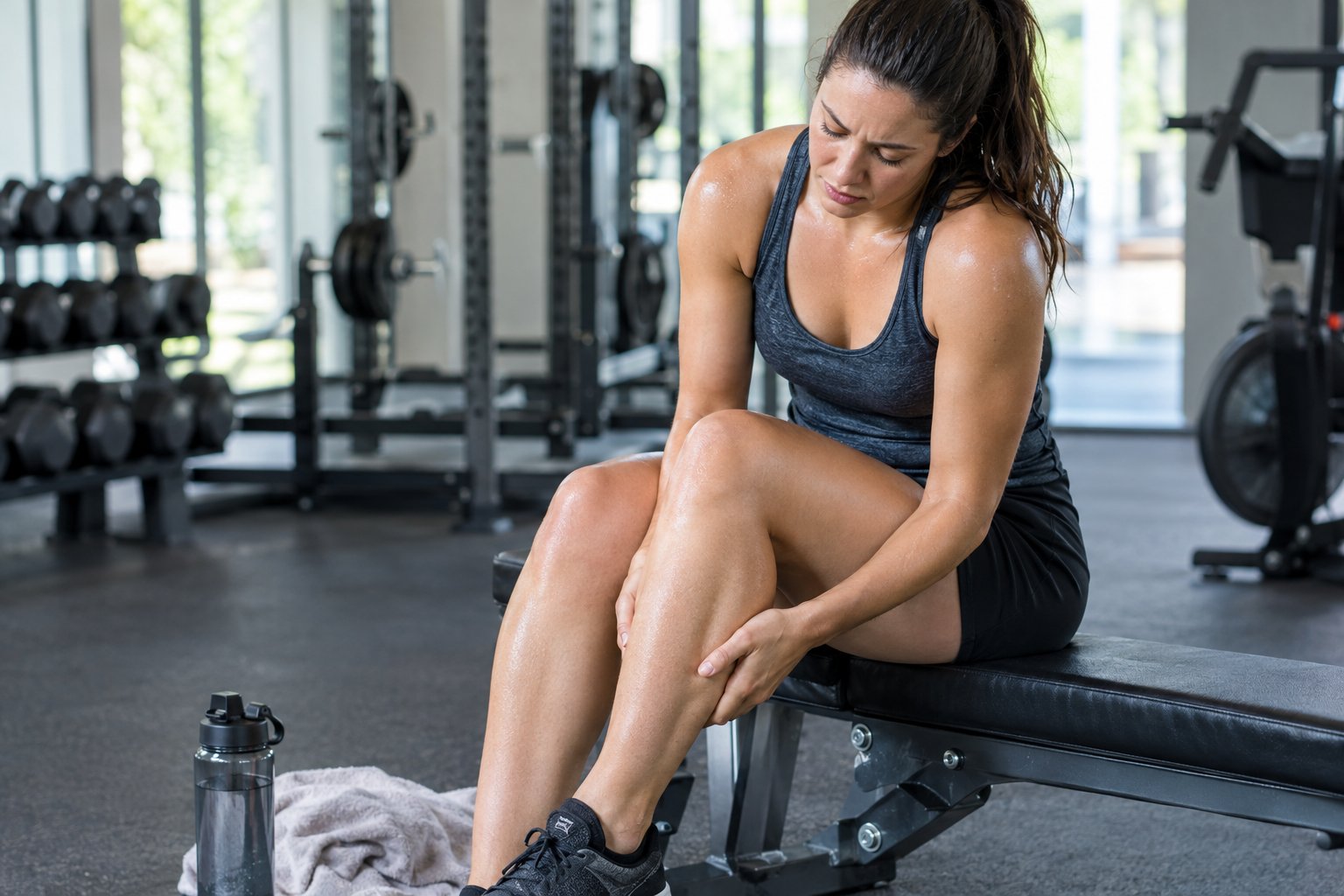
Exercise is one of the most common cramp triggers for everyone, and keto adaptation can add to the load. Muscle cramps after exercise often trace back to effort, heat, and fluid loss working together.
Why Cramps Can Follow Harder Workouts
Overused or tired muscles are more prone to cramping. During the first weeks of keto, your body is still learning to fuel itself with fat. Workouts may feel harder than usual, and pushing at your old pace may strain your muscles more. Cramps that show up mid-session or later the same day often fit this pattern.
Fluid Loss During Heat and Sweating
Sweat contains sodium and chloride. In hot weather or long workouts, sweat rates can reach about a liter per hour. That loss stacks on top of the fluid and sodium your body is already releasing on keto. Muscle cramping can also be an early sign of heat-related illness. If you feel faint or weak while exercising in the heat, stop and move to a cool place.
Adjusting Training During Early Adaptation
You don’t have to stop exercising. Try these changes for the first few weeks of your keto workout routine:
- Lower your intensity or shorten sessions.
- Work out in cooler parts of the day.
- Build back up gradually as your energy returns.
- Stretch the muscles you use most, especially your calves.
The Role of Recovery Between Workouts
Muscles need time to repair. Back-to-back hard days, short sleep, and low food intake all slow keto recovery. Leaving a lighter day between tough sessions and eating a full meal afterward gives your muscles a better chance to settle.
If cramps are occurring alongside unusual tiredness during the same period, reviewing keto fatigue can help you consider whether several symptoms are appearing as part of the same broader routine change.
Cause #4: Your Cramps May Not Be Caused by Keto
Some cramps would happen with or without keto. If your pattern doesn’t line up with diet changes, look at other common muscle cramps causes.
Medication and Other Health Factors
Several common medicines can be associated with cramps or with mineral loss:
- Diuretics (water pills) for blood pressure can increase loss of potassium and magnesium.
- Statins for cholesterol are linked to leg cramps in some people.
- Proton pump inhibitors for acid reflux can lower magnesium when taken for over a year.
Health conditions such as thyroid problems, kidney disease, nerve compression, poor blood flow, and diabetes can also play a part. Pregnancy, aging, and heavy alcohol use are other known factors.
Recurrent Cramps Outside Your Keto Routine
If you had frequent cramps before starting keto, the diet may not be the cause. Recurrent cramps that keep a steady pattern through diet changes point toward something else.
Why Timing and Context Matter
Ask when your cramps started and what else changed around that time. A new medicine, an injury, a new job with long hours standing, or a jump in activity can all line up with your keto start date by chance.
When to Look Beyond Diet and Hydration
If you’ve improved your food, salt, fluids, and training for a few weeks without change, it’s time to look further. Persistent muscle cramps deserve a conversation with your doctor, especially if you take any regular medicines.
What to Do When a Muscle Cramp Happens
Stop what you’re doing and stretch the cramped muscle gently. Most cramps pass within seconds to a few minutes.
Stop and Gently Stretch the Affected Muscle
For a calf cramp, keep your leg straight and pull the top of your foot toward your face. You can also stand and put your weight on the cramped leg. For a front thigh cramp, pull your foot up toward your buttock while holding a chair. Rubbing the muscle gently helps too.
Use Gentle Movement as the Muscle Relaxes
Once the grip loosens, walk slowly or flex your foot. A warm towel or warm shower helps relax a tight muscle. If the area is sore afterward, ice may feel better. Soreness can linger for up to a day.
Review Recent Fluid and Activity Losses
After the cramp passes, think back over the day. Did you sweat a lot, skip meals, or drink less than usual? If so, have some water with a salty food or broth. This is a sensible step for keto muscle cramps tied to fluid loss.
Avoid Immediately Assuming You Need a Supplement
One cramp is not proof of a mineral shortage. Note it, look at your day, and watch for a pattern before reaching for keto electrolyte support in pill form.
How to Support Fluids and Electrolytes Day to Day
Steady fluids and mineral-rich foods form the base of cramp prevention on keto. Small daily habits help more than big fixes after a cramp.
Maintain Consistent Hydration
Drink through the day and let thirst guide you. Keep a water bottle nearby. Pale yellow urine is a reasonable sign you’re getting enough, and it’s most accurate in the morning. Plain water, coffee, tea, and sparkling water all count toward your fluid intake.
Get Electrolytes Through Food When Practical
Food supplies minerals along with other nutrients your body uses. Build meals around a protein, a low-carb vegetable, and a fat source such as avocado, nuts, or olive oil. A cup of broth or a salted meal can help cover sodium.
Review Sodium, Potassium, and Magnesium Sources
Check that each mineral has a regular source in your week:
- Sodium: salting food to taste, broth, cheese, olives, pickles.
- Potassium: avocado, spinach, broccoli, fish, meat, plain yogurt. Adult women need about 2,600 mg a day and adult men about 3,400 mg.
- Magnesium: pumpkin seeds, chia seeds, almonds, leafy greens. Adult women need about 310 to 320 mg a day and adult men 400 to 420 mg.
Be careful with salt substitutes. Many contain potassium chloride, which can raise potassium too high in people with kidney disease or those taking certain blood pressure medicines.
Adjust for Activity, Heat, and Sweating
On hot days or before long workouts, drink more and add salt to your meals or snacks. For workouts over several hours in the heat, salty foods are an easy way to replace what you sweat out. Avoid forcing large amounts of water when you aren’t thirsty.
When Does Magnesium or an Electrolyte Supplement Make Sense?
A supplement makes sense when food changes haven’t helped, your intake is clearly low, or a clinician suggests one. It works best as a targeted step after you’ve checked the basics.
Magnesium Is One Possibility, Not the Default Answer
Magnesium for keto gets a lot of attention, but cramps have many causes. Healthy kidneys conserve magnesium when intake drops, so true magnesium deficiency on keto is uncommon in healthy adults. Taking magnesium won’t fix a cramp caused by low sodium, overuse, or a medicine.
Before deciding that cramps mean you need a supplement, it is worth understanding whether magnesium is necessary on keto and what factors actually make supplementation worth considering.
Magnesium deficiency can cause muscle cramps, but cramps by themselves do not establish that you are deficient; the NIH Office of Dietary Supplements notes that most muscle cramps have other causes.
What to Check Before Adding a Supplement
Before you start keto electrolyte supplements, review:
- Your daily food, including vegetables, nuts, and seeds.
- Your salt and fluid intake.
- Your recent exercise and heat exposure.
- Any medicines you take, since magnesium can interfere with some antibiotics and osteoporosis drugs.
- Any kidney problems, which raise the risk of mineral buildup.
Why Different Magnesium Forms Have Different Uses
The best magnesium for keto depends on your goal and how your stomach handles it. Forms that dissolve well, such as citrate, chloride, lactate, and aspartate, are absorbed better than magnesium oxide. Some forms, including oxide, carbonate, gluconate, and chloride, are more likely to cause loose stools. Magnesium citrate also has a laxative effect at higher doses.
The upper limit for magnesium from supplements is 350 mg a day for adults, unless a doctor advises more. This limit doesn’t include magnesium from food. Most potassium supplements contain only small amounts, under 100 mg per serving.
When Supplementation Deserves Clinical Guidance
Talk to your doctor before taking keto supplements if you have kidney disease, heart disease, or diabetes. The same applies if you take diuretics, ACE inhibitors, ARBs, or long-term acid reflux medicine. These can raise or lower your potassium and magnesium levels in ways that need monitoring.
A Simple Troubleshooting Process for Recurrent Cramps

If cramps keep returning, a short tracking process can show you what’s driving them. Plan on two to four weeks.
Record When the Cramps Occur
Each time you cramp, note:
- Date and time of day.
- Which muscle cramped.
- How long it lasted and how bad it was.
- What you were doing at the time.
Review Food, Fluids, Exercise, and Recovery
Add a few lines each day about what you ate, roughly how much you drank, whether you added salt, your workout, and how you slept. After a week, look for links. You may notice cramps follow long runs, hot days, or days with little food.
Change One Variable at a Time
Pick the most likely trigger and change only that. For example, add broth or salted food daily for a week. If you change salt, water, food, and exercise all at once, you won’t know which one helped.
Look for Improvement Before Adding More Changes
Give each change about a week. If cramps drop, keep the change. If nothing shifts, move to the next likely factor. If you’ve worked through food, fluids, and training without progress, bring your log to your doctor.
When Muscle Cramps Need Medical Attention
Most cramps are harmless, but some patterns need a professional’s view. Seek care when cramps are severe, frequent, or paired with other symptoms.
Severe or Unusual Symptoms
Contact your doctor if a cramp is severe, lasts more than 10 minutes, or doesn’t ease with stretching. Seek urgent care if you have dark, cola-colored urine with muscle pain and weakness after hard exercise. This can be a sign of rhabdomyolysis, a serious muscle breakdown condition.
Persistent or Recurrent Cramps
Cramps that keep coming back, disturb your sleep, or don’t improve after several weeks of changes deserve a checkup. Your doctor may order blood tests for potassium, calcium, magnesium, kidney function, and thyroid function.
Cramps With Other Concerning Symptoms
Get prompt care if leg pain comes with:
- Swelling, warmth, or redness, especially in one calf, which can signal a blood clot.
- Muscle weakness or numbness.
- Confusion, vomiting, or severe headache, particularly after drinking large amounts of water.
- Faintness or weakness during exercise in heat.
- An irregular heartbeat.
When Medication or an Underlying Condition May Be Relevant
If you take diuretics, statins, or long-term acid reflux medicine, or you have kidney, thyroid, or heart conditions, tell your doctor about your cramps and your keto diet. Bring a list of every medicine and supplement you take, with doses.
Match the Response to the Likely Cause
Your best fix depends on what’s behind your cramps. Use this as a quick guide.
Adaptation-Related Cramps
Stretch when they strike, keep fluids and salty foods steady, and give your body a few weeks. These usually fade as keto adaptation settles.
Fluid or Electrolyte-Related Cramps
Add salt or broth, drink to thirst, and fill your plate with avocado, leafy greens, nuts, and seeds. Avoid the common keto hydration mistakes of drinking lots of plain water with little salt, or cutting vegetables to save carbs.
Activity-Related Cramps
Ease your workout intensity for a few weeks, exercise in cooler hours, replace sweat losses with fluid and salty food, and leave recovery days between hard sessions.
Persistent Cramps That Need Further Evaluation
If tracking and changes haven’t helped, or you have warning signs, see your doctor. Bring your cramp log, your medicine list, and notes on when keto started.
If recurrent keto problems are partly coming from inconsistent meals, hydration, or day-to-day execution, a more structured keto plan may make the routine easier to follow consistently rather than relying on trial and error.
Conclusion: Treat the Cause of the Cramp, Not Just the Symptom
Keto muscle cramps often trace back to early fluid and sodium shifts, a narrower food list, or harder workouts in the heat. Stretching eases a cramp in the moment, but lasting relief comes from finding your trigger.
Start with steady fluids, enough salt, and mineral-rich keto foods. Track your cramps and change one thing at a time. Save supplements for when food changes fall short, and check with your doctor first if you take medicines or have kidney or heart concerns. If cramps are severe, keep returning after a few weeks, or come with swelling, weakness, or dark urine, book a visit with your doctor and bring your log.