
Signs Keto Is Not Working: How to Tell If It’s the Diet or the Plan
Many people start keto expecting clear and rapid signals that the diet is working. When those signals fail to appear—or when fatigue, cravings, or stalled weight loss persist—the immediate conclusion is that keto simply doesn’t work for them.
But most cases of signs keto is not working are not caused by the diet itself. More often, the issue lies in misinterpreting early adaptation signals, overlooking execution errors, or following a generic plan that does not match individual metabolic needs.

The challenge is distinguishing between temporary adjustment and true dysfunction. Some signals that feel like failure are actually part of the body’s transition into ketosis, while others indicate that something in the plan needs correction.
This article explains how to identify genuine signs keto may not be working, how to separate adaptation symptoms from real problems, and what adjustments are justified when progress appears stalled.
If you’re trying to troubleshoot multiple keto challenges at once, this complete guide to common keto problems explains the most frequent issues and how to fix them.
Table of Contents
Signs Keto Is Not Working — Or Are You Misreading the Signals?

A lot of people think keto’s failed them when, honestly, they’re just going through normal changes. The body sends all sorts of mixed signals in those first few weeks.
What feels like “keto failure” might just be your body doing exactly what it’s supposed to do.
Why Early Keto Signals Are Often Misinterpreted
The first couple of weeks on keto bring on changes that get mistaken for signs it’s not working. Fatigue, headaches, and brain fog usually hit during days three to seven as your body switches from burning sugar to burning fat.
This transition can make you wonder if keto’s just not for you, but really, it’s just your body adjusting.
Weight swings make things even more confusing. That first week, you might drop pounds fast—mostly water—then suddenly the scale stalls or even creeps up a bit.
It’s totally normal, but it can make you think the diet’s broken.
Energy is all over the place at first too. Some days you’re dragging, then suddenly you’re fine again.
It takes about two to four weeks for your body to get good at burning fat for fuel.
The Difference Between Adaptation Discomfort and Diet Failure
Adaptation discomfort shows up as symptoms that fade over time:
- Headaches that go away after a few days
- Tiredness that starts to lift
- Cravings that get less intense
- Physical performance dips, then comes back
Diet failure is different. It sticks around after the first few weeks:
- No energy change after a month
- Still super hungry even with enough food
- No mental clarity at all
- Digestive issues that just keep getting worse
The main thing is the timeline. If you still feel lousy after three or four weeks, it’s probably not just adaptation anymore.
The Core Question: Is It the Diet or the Plan?
This is where things get real. Keto works because of ketosis, plain and simple. If you follow the macros right, your body will make ketones.
Most of the time, the issue is with how the plan’s being carried out—not the diet itself.
Common mistakes? Eating more carbs than you realize, overdoing the protein, or just not eating enough overall. Hidden carbs in sauces and processed foods can sneak up on you.
If you really want to know if you’re in ketosis, a blood ketone meter is your friend. Readings between 0.5 and 3.0 mmol/L mean you’re there. Anything under 0.5? Time to tweak the plan, not ditch keto entirely.
In many cases, keto execution improves dramatically when beginners follow a more organized meal structure.
What “Keto Not Working” Actually Means

When people say keto’s not working, they usually mean one of two things: they’re not making ketones, or they’re not losing weight.
These are two separate problems, and each has its own fix.
No Ketosis vs No Weight Loss
Being in ketosis and losing weight? Not the same thing. You can be making ketones and not losing fat, or, weirdly, lose weight without being in full ketosis.
Ketosis is your body breaking down fat into ketones for fuel. This happens when you keep carbs low—usually under 20-50 grams a day. You can check this with blood, breath, or urine tests.
But fat loss only happens if you eat fewer calories than you burn. You might be in ketosis, but if you’re eating too much fat and protein, your body just burns what you eat instead of dipping into stored fat.
Key differences:
- Ketosis: metabolic state where you’re burning fat and making ketones
- Fat loss: actually losing body fat by eating less than you burn
- Both: that’s the sweet spot for keto weight loss
Temporary Stalls vs Structural Problems
A stall just means weight loss has stopped for a bit. This happens to almost everyone.
Short stalls (2-4 weeks) usually pass on their own. Water retention, hormones, or new workouts can hide fat loss on the scale.
If the stall lasts longer than a month, though, it could be a bigger issue. Eating too much, hidden carbs, or even slowing your metabolism by not eating enough—all of these can mess things up.
Red flags include constant hunger, low energy, bad sleep, or missing periods. That’s when it’s time to rethink the plan.
Research shows that metabolic responses to carbohydrate restriction vary significantly between individuals.
Why Early Results Can Be Misleading
The first week on keto? You might drop 5-10 pounds, but that’s mostly water, not fat.
Carbs make your body hold onto water. Each gram of stored carbs holds several grams of water. Cut the carbs, lose the water—it looks dramatic but isn’t fat loss yet.
This can set you up for disappointment when the scale slows down. Real fat loss is more like 1-2 pounds a week, tops.
Some people actually gain water weight at first, then start losing fat after a couple weeks. Early results really don’t tell you much about how things will go long-term.
The underlying science of ketosis explains how the body transitions from glucose metabolism to ketone fuel.
Clear Signs Keto May Not Be Working Properly

If keto’s not working, your body will let you know. The symptoms can be physical or show up in your bloodwork, but either way, it’s a sign that something needs tweaking.
Persistent Carb Cravings and Hunger
If you’re still hungry all the time after a few weeks, your body probably hasn’t switched over to burning fat yet. Once ketosis kicks in, most people notice their appetite drops off.
If you’re still craving carbs hard after two weeks, chances are your body is still running on glucose. Hidden carbs in processed foods or “keto” products can be the culprit.
Tracking your total carbs is the only way to know if you’re really sticking to the 20-30 grams a day most people need for ketosis.
Ongoing Fatigue and Brain Fog
If you’re still exhausted and foggy after the first week or two, something’s off. Early tiredness is normal, but after that, most people feel more energetic and sharp.
If the fog sticks around past week three, maybe you’re not eating enough calories or fat. Or maybe you’re missing out on electrolytes (sodium, potassium, magnesium) that your body flushes out on keto.
Eating nothing but processed meats and cheese won’t help either. You need real food—veggies, quality proteins, and healthy fats—to feel your best.
Many people who believe keto has failed discover the deeper explanation when they are not losing weight on keto despite following the rules.
Lack of Ketosis Indicators
If you test your ketones and they’re always low (below 0.5 mmol/L), you’re probably not in ketosis. Urine strips and breath meters can give you a hint, but blood tests are the most reliable.
Physical signs help too: a weird metallic or fruity breath, more thirst, peeing more often. If none of these show up, you might be eating too many carbs or protein.
Common ketosis indicators:
- Blood ketones between 0.5-3.0 mmol/L
- Less hunger and fewer cravings
- Metallic taste or odd breath
- Mental sharpness
- Stable energy all day
Testing at different times can show you how certain foods affect your ketone levels. Sometimes even foods that seem “safe” can knock you out of ketosis.
No Measurable Progress Over Time
If nothing’s changing after four to six weeks—not your weight, not your energy, not your clothes—something’s not right. Progress isn’t just about the scale. It could be better sleep, less inflammation, or other health wins.
If the scale is stuck but your clothes fit better or you feel stronger, that’s still progress. But if literally nothing’s moving, it’s time to re-evaluate.
Some people need to tweak more than just their macros. Maybe it’s about meal timing, total calories, or checking for health issues like thyroid or insulin resistance.
Blood tests can help you see if keto’s making a difference under the hood, even if the mirror or scale isn’t showing it yet.
If these signals sound familiar but the cause is still unclear, the full diagnostic breakdown in Why Keto Is Not Working for Me explains how to determine whether the issue is adaptation, execution, or plan structure.
Hidden Execution Mistakes That Disrupt Keto Results
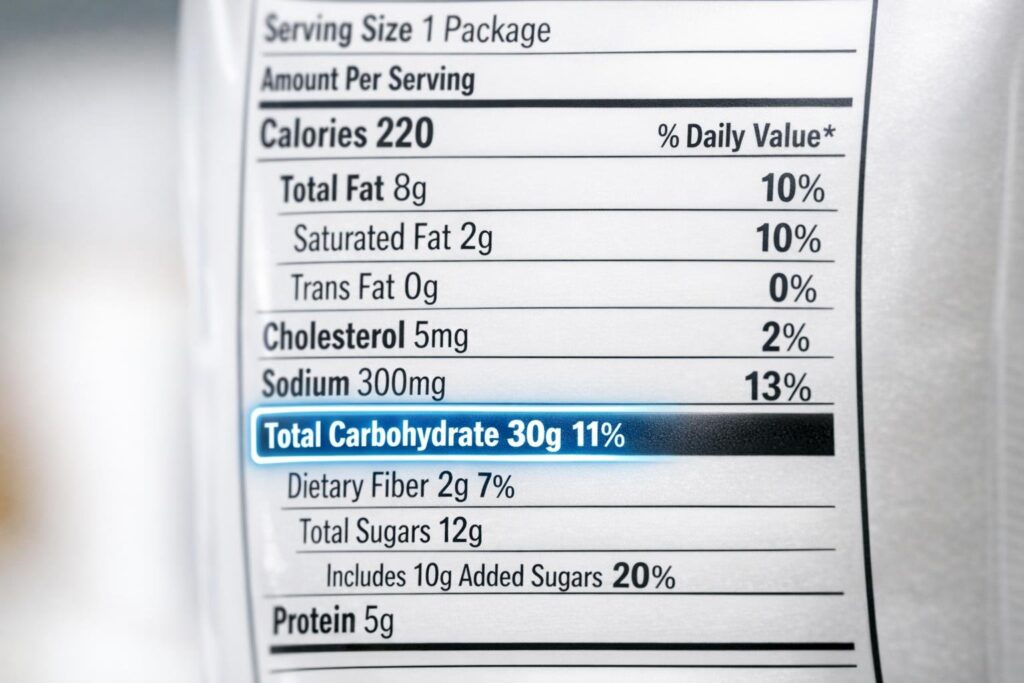
Even when you know the rules, little mistakes can trip you up. Carb counting slip-ups, sneaky calories from fats, too much protein, and inconsistent food tracking can all stall your progress.
Hidden Carbohydrates and Net Carb Confusion
Hidden carbs sneak into foods that seem keto-friendly but actually have more carbohydrates than you’d think. Condiments like ketchup, BBQ sauce, and salad dressings can have 3-5 grams of sugar per tablespoon.
It’s easy to forget about these little extras. Processed meats like deli turkey or flavored sausages sometimes contain fillers and sugars.
Even some cheeses aren’t as “pure” as they look, with added starches or potato starch to prevent clumping. Net carb confusion trips up a lot of folks.
People often subtract all fiber from total carbs, assuming none of it affects blood sugar. Some fiber types actually do, though, and sugar alcohols like maltitol can spike glucose in many people.
So, a label with 20 grams of carbs and 15 grams of fiber isn’t always just 5 net carbs if that fiber source impacts ketosis. Vegetables like onions, carrots, and bell peppers add up fast if you aren’t careful about portions.
Just a cup of cooked onions? That’s about 15 grams of carbs—enough to tip you over the daily limit for staying in ketosis.
Before assuming keto failure, it is important to rule out hidden carbohydrate sources that may quietly disrupt ketosis.
Calorie Drift Through High-Fat Foods
Fat is calorie-dense—9 calories per gram compared to 4 in protein or carbs. It’s surprisingly easy to overdo it.
Pouring olive oil without measuring? A single tablespoon clocks in at 120 calories, and most people don’t measure every time.
Nuts are another sneaky culprit. A quarter cup of almonds has about 200 calories and 6 grams of carbs.
It’s not hard to polish off several servings if you’re snacking mindlessly. Heavy cream in coffee is another one that adds up—two tablespoons hold 100 calories and 1 carb.
Four cups of coffee with cream? That’s an extra 400 calories and 4 carbs, often untracked.
Common high-fat foods that cause calorie drift:
- Nut butters (190 calories per 2 tablespoons)
- Cheese (110 calories per ounce)
- Butter and ghee (100 calories per tablespoon)
- Avocado (240 calories for a medium fruit)
- Bacon (43 calories per slice)
Protein Intake Misalignment
Too much protein can lead to gluconeogenesis, where excess protein gets turned into glucose. That can slow ketone production and bump you out of ketosis.
The sweet spot for protein is 0.6-1.0 grams per pound of lean body mass. For example, someone at 180 pounds with 25% body fat has 135 pounds of lean mass.
That person should aim for 81-135 grams of protein daily. Eating way over that, like 200 grams, probably messes with ketosis.
On the flip side, too little protein leads to muscle loss and a sluggish metabolism. Many keto newbies eat mostly fat, skimping on protein, and end up feeling weak and hungry.
Protein needs aren’t one-size-fits-all. If you’re hitting the gym 4-5 times a week, you’ll likely need more protein than someone who’s mostly sedentary.
Inconsistent Macro Tracking
Lots of people track macros for a few days, then let things slide. They think they know portion sizes, but it’s shockingly easy to misjudge.
Eating out makes things trickier. A salad with dressing might have 20-30 grams of hidden carbs, and grilled chicken could be marinated in a sugary sauce.
Measuring cups aren’t always reliable for portions. How much is a “cup” of shredded cheese, really? A food scale is more accurate—grams don’t lie.
Tracking tools that improve accuracy:
- Digital food scale (measures to 0.1 gram)
- Macro tracking apps like MyFitnessPal or Cronometer
- Pre-logging meals before eating
- Weekly macro averages instead of daily perfection
Some folks stop tracking once they feel confident, eyeballing portions instead. That can work, but sometimes carbs sneak back in unnoticed.
Testing blood ketone levels is a reality check when you aren’t sure if your macros have drifted.
Learning how to calculate macros accurately often reveals carb intake or calorie errors that delay ketosis.
When Keto Isn’t Working Because the Plan Is Misaligned

Keto can fall flat if the plan doesn’t fit your unique needs. Generic programs often ignore differences in metabolism, activity, and how your body handles carbs.
One-Size-Fits-All Macro Templates
Most generic keto plans stick to the same ratios: 70% fat, 25% protein, 5% carbs. But those numbers don’t consider your body composition or goals.
A 150-pound sedentary woman and a 200-pound active man shouldn’t be eating the same macros. She might end up with too many calories; he might not get enough protein to keep muscle.
Common issues with standard templates:
- Calories set too high or too low for the individual
- Protein amounts that don’t support lean muscle mass
- Fat percentages that exceed actual energy needs
- No adjustment for age or hormone status
Where you start matters, too. Someone with insulin resistance needs stricter carb limits than someone with good metabolic health.
The same 20-gram carb target isn’t magic for everyone.
Carb Tolerance Differences Between Individuals
Everyone has a different carb threshold for ketosis. Some people can handle 50 grams a day and stay in ketosis; others need to stay under 20.
Insulin sensitivity, muscle mass, and exercise habits all play a role. If you lift weights, your muscles can use more glucose, so you might get away with more carbs.
Testing blood ketones is the best way to find your personal limit. Sometimes you follow a plan perfectly but never hit ketosis because your allowance is just too high for your body.
People who ate high-carb diets for years often need stricter limits at first. Adapting to fat burning can take time.
Activity Level and Energy Balance Mismatch
If your keto plan is built for weight loss, it’s not going to work for someone training hard. Athletes often need more calories and sometimes more carbs, especially around workouts.
Sedentary folks eating like athletes will gain weight, ketosis or not. Active people eating too little lose energy and performance. When activity and intake don’t match, the plan just doesn’t work.
Signs of activity-calorie mismatch:
- Fatigue during normal workouts
- Weight gain despite tracking macros
- Loss of strength or endurance
- Constant hunger or never feeling hungry
If you start exercising more, your original macros probably need a tweak. Otherwise, you might hit a plateau or just feel lousy, even if you’re following your plan to the letter.
How to Verify Whether You Are Actually in Ketosis
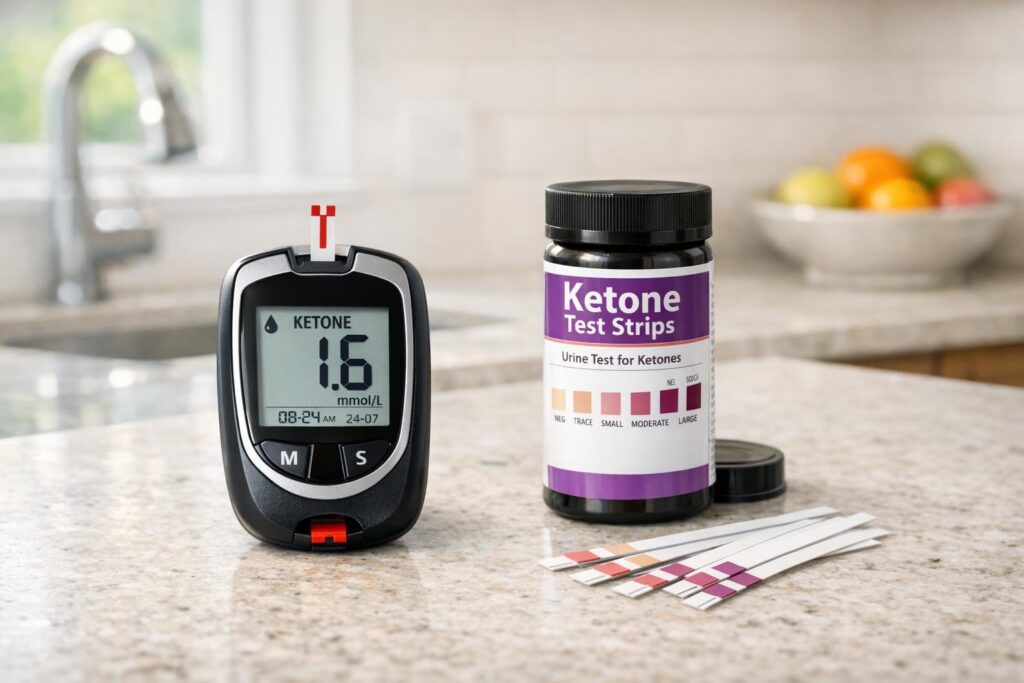
The only way to know for sure if you’re in ketosis? Test your ketone levels. Blood ketone meters are the gold standard, but urine strips and breath meters give you other options—each with its own quirks.
Blood Ketone Measurement
Blood ketone meters track beta-hydroxybutyrate (BHB), which is the main ketone in your bloodstream. This method is the most precise for checking ketosis.
Readings between 0.5 and 3.0 mmol/L mean you’re in nutritional ketosis. Most people burn fat best between 1.5 and 3.0 mmol/L.
Testing is a lot like using a glucose meter: prick your finger, put a drop of blood on the strip, and get your number in seconds. Testing at the same time each day gives you a better picture.
Most people check in the morning before eating, or a few hours after meals, to see how food affects their ketones. The downside? Cost. Test strips usually run $1-3 each, which adds up fast.
Still, if you want accuracy, it’s hard to beat.
Urine Ketone Strips and Their Limitations
Urine strips check for acetoacetate, a ketone your body pees out. They change color depending on how many ketones are there—pretty easy and cheap.
You just pass the strip through your urine or dip it, then compare the color after 15 seconds. Darker means more ketones.
These strips are handy for beginners in the first few weeks. They let you know if your body has started making ketones.
But accuracy drops as you get fat-adapted. After a few weeks, your body reabsorbs more ketones, so the strips might show low or negative even if you’re solidly in ketosis.
Drinking lots of water also dilutes the results, so sometimes you get a false negative.
Breath Ketone Testing
Breath meters measure acetone, a ketone you exhale. You breathe into the device for a few seconds and get a reading.
This is sort of a middle ground—more accurate than urine strips, less expensive than blood testing in the long run. You pay more upfront for the device, but you don’t need new strips all the time.
Results come as numbers or color codes, depending on the brand. Make sure to check your device’s guide for interpreting the results.
Accuracy is decent, but not perfect. Breath ketones usually track well with blood BHB, but things like eating, alcohol, or timing after exercise can throw off the reading.
Lifestyle Factors That Quietly Disrupt Keto Progress

You can hit your macros perfectly, but if stress, bad sleep, or low activity sneak in, your body might not burn fat or stay in ketosis as easily as you’d hope.
Sleep Deprivation and Hormonal Stress
Sleep quality matters—a lot. Less than seven hours a night and your ghrelin (the hunger hormone) goes up, making it tough to stick to calorie goals.
Poor sleep also drops insulin sensitivity. Even the small amount of carbs you eat on keto can push blood sugar higher than expected.
Bad sleep raises cortisol, too. High cortisol tells your body to hang onto fat, especially around your belly, which is the opposite of what you want on keto.
When you’re tired, it’s easy to reach for convenience foods. Those often hide carbs or are made with lower-quality fats.
Chronic Stress and Cortisol Effects
Stress sends cortisol through the roof, and that can stall weight loss even if you’re strict with carbs. High cortisol tells your body to store fat “just in case.”
Cortisol also triggers cravings for high-calorie foods. Under stress, you might eat more fat than you realize, and suddenly, you’re in a calorie surplus.
Common stress sources that affect keto:
- Work pressure and long hours
- Financial worries
- Relationship problems
- Over-exercising without recovery
- Not taking rest days
Stress messes with sleep, and poor sleep just ramps up stress again. It’s a tough cycle—one that can stall your progress, no matter how well you stick to keto.
Physical Activity and Energy Balance
Movement level really affects how quickly someone gets into ketosis and how well they burn fat.
Sedentary folks usually need to keep carbs even lower than active people to get the same results.
Too little activity means the body burns fewer calories overall.
Someone might nail their macros but still not have enough of a calorie deficit to lose weight.
But too much intense exercise, especially without recovery, can raise cortisol.
That stress hormone spike can actually make your body hold onto weight, even if you’re eating right.
Light to moderate exercise just works better for most people on keto.
Things like walking, swimming, or some gentle strength training help burn fat without spiking stress hormones.
These activities also help keep muscle while your body gets used to running on fat.
Fatigue and brain fog sometimes reflect the same electrolyte mistakes beginners make during early keto transition.
When Keto Problems Are Actually Adaptation Delays

A lot of the symptoms people worry about when starting keto are just the body figuring out how to burn fat instead of sugar.
The transition usually takes anywhere from a week to a month, and some people feel it more than others depending on their metabolism.
Early Transition Symptoms
The first week or two can be rough.
Headaches, fatigue, brain fog, crankiness, and muscle cramps are all pretty common as your body searches for its old fuel—glucose—while learning to use fat.
Common early symptoms include:
- Headaches and dizziness
- Low energy and weakness
- Mental fog or difficulty concentrating
- Irritability and mood swings
- Muscle cramps and soreness
- Digestive changes
These symptoms don’t mean keto’s broken.
They’re a sign your body’s actually making the switch.
Most people start to feel better within a week or so as ketone levels rise.
Drinking enough water and getting electrolytes—sodium, potassium, magnesium—can really help take the edge off.
Understanding normal keto adaptation timelines helps distinguish early adjustment symptoms from genuine keto failure.
Slow Ketone Production During Metabolic Switching
Some folks get into ketosis fast, others take their sweet time.
Slow adaptation isn’t failure—it’s just individual metabolism doing its thing.
The body needs to build up the right enzymes and machinery to burn fat efficiently.
During this phase, ketone readings might be low even with strict carb limits.
That’s normal.
Your cells are still learning to use ketones as fuel.
Testing blood ketones too early and seeing low numbers? That just stresses people out for no reason.
Fat adaptation—where you really run on fat—takes longer than just hitting ketosis.
Ketosis might happen in a few days, but true metabolic switching can take three or four weeks, sometimes more.
Energy levels usually pick up once your body’s finished making the switch.
Why Some People Adapt Slower
Metabolic history is a big factor.
If you’ve been eating high-carb for years, it’ll probably take longer to switch fuel systems than someone who already ate lower-carb.
Yo-yo dieting in the past can slow things down too.
Factors that extend adaptation time:
- Years of high-carbohydrate eating
- Insulin resistance or metabolic syndrome
- Chronic stress and poor sleep
- Age (older adults may adapt slower)
- Certain medications affecting metabolism
Athletes and super active people sometimes have a harder time at first.
Their bodies are used to burning glucose for workouts, so switching to fat takes more time and patience.
Women might notice slower adaptation because of hormonal cycles.
Hormone swings can make the transition less predictable compared to men.
Knowing when keto starts working helps prevent premature conclusions during the first weeks of adaptation.
What To Adjust If Keto Is Not Working

If keto suddenly stalls, tweaking your macros and calories usually gets things moving again.
Carb levels, protein-to-fat ratios, and total calories are the main things to look at.
Rechecking Net Carb Intake
Lots of people accidentally go over on carbs, either by counting total instead of net, or by misjudging portions.
Net carbs are total carbs minus fiber and some sugar alcohols.
Most folks need to stay under 20-30 grams of net carbs a day to stay in ketosis.
Hidden carbs sneak in everywhere—sauces, condiments, and “keto” packaged foods often pack 2-5 grams per serving.
That adds up fast.
Common hidden carb sources:
- Sugar-free syrups and sweeteners with maltodextrin
- Pre-packaged meat with added starches
- Vegetables like carrots, onions, and bell peppers in large quantities
- Low-carb tortillas and bread products
Tracking food with an app for a week can be eye-opening.
People think they’re eating 25 grams of carbs, but it’s often closer to 40 or 50 once everything’s logged.
Adjusting Protein and Fat Balance
Getting protein and fat wrong can stall fat burning or even kick you out of ketosis.
Too much protein turns into glucose through gluconeogenesis.
Too little protein, though, can mean muscle loss and slower metabolism.
Standard keto macros are about 70-75% fat, 20-25% protein, and 5-10% carbs by calories.
But everyone’s different—activity level and body comp matter.
Active people usually need more protein (1.2-1.6 grams per kilo), while sedentary folks do fine with 1.0-1.2 grams per kilo.
Fill the rest of your calories with fat after you set protein and carbs.
If you’re eating too much fat, you might just maintain weight instead of burning your own body fat.
Cutting dietary fat by 10-20% (while keeping protein up) often gets weight loss going again.
Identifying Hidden Calorie Surplus
Calories still count on keto, even if you’re less hungry.
Foods like nuts, cheese, and oils are calorie-dense, and it’s easy to go overboard.
Common calorie traps include:
- Bulletproof coffee with butter and MCT oil (400+ calories)
- Handfuls of nuts as snacks (170 calories per ounce)
- Heavy cream in multiple cups of coffee (50 calories per tablespoon)
- Large portions of cheese (110 calories per ounce)
You need a 500-calorie daily deficit to lose about a pound a week.
Tracking calories for a few days usually reveals if portions have crept up.
Many people find they’re eating an extra 300-500 calories from “keto” foods they don’t even think about.
Try smaller plates, measure oils, and cut back on snacking between meals to help create that deficit.
Fat bombs and keto treats? Save them for special occasions, not every day.
Why Keto Works Differently for Different People
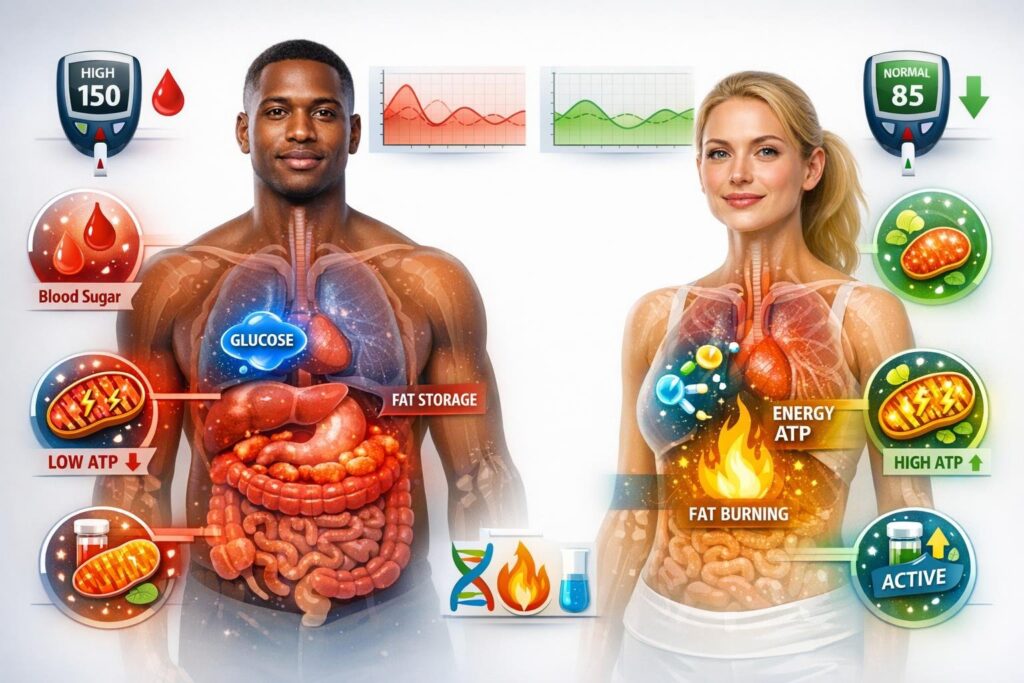
Keto just doesn’t hit everyone the same way.
Your metabolic history, insulin sensitivity, and personal carb tolerance all shape how your body reacts.
Insulin Sensitivity Differences
Insulin sensitivity basically means how well your body handles blood sugar.
If you’re insulin resistant, you might see quick results on keto because cutting carbs tackles the main issue head-on.
Your body struggles with glucose, so switching to fat can feel like a game-changer.
If you’re already insulin sensitive, you might not notice dramatic shifts.
Your body handles carbs fine, so ketosis won’t feel as life-altering.
You might lose weight slower or need to tweak calories to see results.
Past health conditions matter too.
Someone with prediabetes will respond differently than an active person with stable blood sugar.
Testing blood glucose and ketones can help you figure out where you stand.
Metabolic History and Previous Diets
What you’ve done in the past matters.
If you’ve bounced between restrictive diets, your metabolism might be slower and hormones out of whack, making ketosis harder to achieve.
Years of low-calorie eating can make your body stubborn about letting go of fat stores.
Athletes or people who already ate lower-carb tend to have an easier transition.
Their bodies are used to switching fuels.
Coming from a high-carb background? It’ll just take more time to build up fat-burning skills.
Metabolic flexibility—the ability to switch between carbs and fat—takes weeks or even months for some, not days.
Individual Carb Threshold Variability
Carb tolerance on keto is all over the map.
Some people stay in ketosis at 50 grams a day, others have to stick under 20.
It depends on activity, muscle mass, and your unique metabolism.
Active people with more muscle can usually handle more carbs, since their muscles use up glucose during workouts.
Sedentary folks? Stricter limits are usually needed.
Age and genetics play a role too.
Younger people and those with certain genes might process carbs differently.
The only way to find your real carb limit is to test ketone levels and see how your body responds to different amounts.
When keto problems persist despite correcting common mistakes, a structured plan built around your metabolic profile often resolves the mismatch faster than continued trial and error.
Diagnostic Summary: Signs Keto Is Not Working vs Signals You’re Still Adapting
The difference between normal adaptation and real problems is mostly about timing and tracking what’s happening in your body.
Early symptoms usually resolve in a couple of weeks, while ongoing issues point to mistakes or the need to tweak your plan.
If Your Signals Suggest Normal Adaptation
Some symptoms just mean your body’s making the switch to burning fat.
Fatigue, mild headaches, and low energy usually show up in the first week, then fade by week three.
Bad breath (that weird acetone smell) means you’re making ketones.
Hunger and cravings change as your body dumps its old sugar habit.
Physical performance might dip for a week or two, but it usually comes back stronger once your muscles adapt.
Mental fog tends to clear up as the brain gets used to running on ketones.
Normal adaptation signs:
- Symptoms that get better or go away after two or three weeks
- Energy and mental clarity gradually improve
- Hunger and cravings drop off
- Focus and mood stabilize after the initial adjustment
If Execution Errors Are Blocking Progress
Real issues show up when the basics aren’t dialed in.
Not tracking carbs means hidden carbs sneak in, especially from veggies, sauces, or packaged stuff.
Eating too little fat is another common hiccup.
Your body needs 70-80% of calories from fat to stay in ketosis and avoid “starvation mode.”
Too much protein can also mess with ketone production, since extra protein turns into glucose.
Key execution errors:
- Carb creep: Eating 30-50 grams of carbs daily instead of 20-25
- Inadequate fat intake: Missing calorie targets because of fat fear
- Protein overconsumption: Going over 20-25% of daily calories from protein
- Not testing ketones: Guessing about ketosis instead of checking blood or breath
These mistakes need fixing—log your food, recalculate your macros, and test ketones to see where you really stand.
If Your Plan Requires Personalization
Some folks just can’t stick to the standard keto playbook. Carbohydrate tolerance isn’t the same for everyone—it depends on your metabolic history, activity, and how your body handles insulin.
If you’ve struggled with metabolic issues for years, you might have to be extra careful with carbs. But if your glucose control is solid, maybe you can be a bit more flexible.
Athletes are a different story. They often need to time carbs carefully around workouts, which is a whole strategy in itself.
And let’s not forget women—sometimes, really low calories can mess with hormones. In those cases, eating more might actually be the right move.
People with thyroid challenges might also need a different balance of macros. It’s not always a one-size-fits-all situation.
For some, food quality is everything. If you deal with inflammation, ditching dairy, nuts, or processed keto snacks can make a real difference, even if your macros look good on paper.
Others might need a boost from organ meats or supplements to hit their micronutrient goals. It really does depend on the person.
What This Means for Your Next Step
After looking at your symptoms and matching them to these categories, you can figure out what to do next. If you’re just going through a normal adaptation, stick with your current plan and let your body keep adjusting.
If the problem is more about execution, it’s probably time to get a bit more organized. Try tracking what you’re eating, and maybe run a test to see if you’re actually in ketosis.
For folks who need more personalization, change one thing at a time. You could lower carbs by five grams, tweak protein by about 10 percent, or swap out fat sources. Keep an eye on your ketone levels and how you feel.
Don’t rush the process. Wait a couple of weeks after each adjustment before changing anything else. That way, you can really tell what’s working and what’s not.