
Collagen Supplements for Keto: Skin, Joints & Muscle Recovery Benefits
This post may contain affiliate links. If you purchase through these links, I may earn a small commission at no extra cost to you. LEARN MORE.
When you’re following a keto lifestyle, you might notice some great things—weight loss, more stable energy. But, honestly, there are some hidden challenges, too. Low-carb eating can sometimes mean you’re getting less protein, which isn’t ideal for your skin, joints, or muscle recovery.
Collagen supplements help fill this gap by supporting skin, joints, and muscles without interrupting ketosis.

Collagen is actually the most abundant protein in your body. It gives structure to your skin, bones, and connective tissues.
As we age, natural collagen production drops off. Supplementing can help keep things firm, mobile, and strong.
Collagen peptides don’t have any carbs, so they fit right into a ketogenic diet. They support active recovery and general wellness, too.
Adding collagen to your keto routine isn’t just about smoother skin or more flexible joints. It helps your body stay strong and resilient as you adjust to burning fat for fuel.
If readers are still learning how keto affects recovery and inflammation, they may benefit from reading your full guide on Best Muscle Recovery Tips After a Workout (Keto-Friendly + At-Home).
Key Takeaways
- Collagen supports skin, joint, and muscle health while staying keto friendly
- Supplementing helps balance lower protein intake on a ketogenic diet
- Consistent use can enhance recovery, mobility, and long-term wellness
How Collagen Supplements for Keto Enhance Results
Collagen supplements do a lot for folks on keto. They help keep your joints strong, improve skin elasticity, and aid in muscle repair.
They also help balance protein intake and work with fat metabolism to keep energy steady—without bumping up your carbs.
For more information about dietary-supplements, read this post from U.S. Food & Drug Administration.
Synergistic Effects of Collagen and the Keto Diet
Collagen and keto actually work together to keep your tissues healthy and support recovery. When your body switches to burning fat, you might feel a bit tired or notice your muscles aren’t performing quite the same.
Collagen supplementation brings in amino acids like glycine, proline, and hydroxyproline. These help strengthen your connective tissues and can ease those early keto transitions.
This combo is good news for your skin, joints, and muscles—especially since low-carb diets can limit your protein options. Collagen also helps shore up your gut barrier, which can get a little sensitive when you change how you eat.
Key interactions:
| Benefit | Collagen Function | Keto Impact |
|---|---|---|
| Skin elasticity | Rebuilds dermal matrix | Reduces dryness when carbs lower |
| Joint mobility | Supports cartilage integrity | Helps counter stiffness during adaptation |
| Muscle repair | Restores tissue fibers | Maintains strength in fat-burning mode |
Impact on Ketosis and Metabolic Health
Staying in ketosis means you have to watch both carbs and protein. Too much protein can spike insulin, but collagen’s amino acids don’t really mess with blood sugar. That makes collagen supplements keto-compatible for folks who want to stick with ketosis.
Collagen helps keep your nitrogen balance steady, which is important for holding onto lean muscle while you’re burning fat. The amino acid glycine also supports your liver, which works harder when you’re eating more fat.
Taking keto-friendly collagen regularly might make you feel more flexible and efficient in your workouts. Some people say it helps with inflammation, especially when they’re just starting keto.
Collagen as a Keto-Friendly Protein Source
Collagen is a low-carb protein source that really fits into a ketogenic diet. Unlike most protein powders, it offers structural amino acids, not a ton of branched-chain amino acids, so it doesn’t push up insulin much.
Lots of people add collagen powder or peptides to their coffee, tea, or smoothies. It dissolves easily and there’s no sugar or starch. Usually, 10–15 grams a day is enough for muscle recovery and supporting connective tissue.
Examples of keto-compatible collagen sources:
- Unflavored collagen peptides
- Bone broth
- Marine or bovine collagen powders
These options help keto fans keep their muscles, joints, and skin in good shape. Plus, you get steady energy throughout ketosis.
Many keto users prefer Vital Proteins Collagen Peptides Powder for clean sourcing and fast absorption.
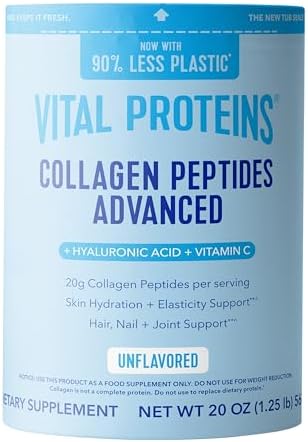
- SUPPORTS COLLAGEN PRODUCTION: With 100% daily value of Vitamin C, this Vital Proteins Collagen Peptides Advanced Powder …
- SUPPLE SKIN HYDRATION: Contains 120mg Hyaluronic Acid to support skin hydration and collagen for skin elasticity
- HIGHLY BIOAVAILABLE: Derived from grass-fed, pasture-raised bovine, our hydrolyzed collagen peptides are easily digested…
Benefits for Skin: Hydration, Elasticity, and Aging

Collagen gives your skin structure by strengthening connective tissue and helping it hold onto moisture. If you’re on keto, it can help keep your skin looking healthy and less prone to dryness or sagging.
Collagen’s Role in Skin Health on Keto
When you’re in ketosis, your body burns more fat and holds onto less water from carbs. That can leave your skin feeling dry unless you’re careful with hydration and nutrients.
Collagen supplements bring back amino acids like glycine, proline, and hydroxyproline. These are the main building blocks for your skin.
They help your fibroblasts keep the skin firm and elastic. Hydrolyzed collagen, in particular, is absorbed well and increases collagen density in deeper skin layers.
Taking collagen regularly may also make your skin’s barrier stronger, so it loses less moisture. For keto folks, collagen powder slips easily into coffee, shakes, or even soups—no spike in blood sugar, just better skin support.
A popular daily option is Sports Research Collagen Peptides with Vitamin C for Enhanced Absorption.

- ENERGY PRODUCTION SUPPORT: Also known as Vitamin B7, Biotin plays an important role in metabolizing carbohydrates, fats …
- 5 TYPES OF COLLAGEN: Our Multi Collagen capsules contain a unique blend of collagen types I, II, III, V, and X sourced f…
- Skin Hydration: Sports Research Phytoceramides 350mg liquid softgels are here to help combat dry and itchy skin by helpi…
Addressing Skin Hydration and Elasticity
Hydration and elasticity depend on having enough collagen in the skin. As you get older or cut back on certain foods, your natural collagen takes a hit.
Hydrolyzed collagen can help restore moisture by letting your skin hold water better. Randomized trials found that 2.5–10 grams of collagen peptides daily increased hydration and elasticity after a couple months.
Collagen also helps your skin make more hyaluronic acid, which pulls moisture in and keeps things smooth.
Typical improvements include:
| Benefit | Supporting Mechanism |
|---|---|
| Increased skin hydration | Improves moisture retention in the epidermis |
| Higher elasticity | Stimulates fibroblasts and collagen network repair |
| Firmer texture | Reduces breakdown of existing collagen fibers |
These effects can help with the dryness some folks get when starting keto.
Reducing Wrinkles and Signs of Aging
Fine lines and wrinkles show up as collagen and elastin break down. Collagen peptide supplements encourage new collagen growth, making skin smoother and more resilient.
Some studies show regular collagen use can reduce wrinkle depth and improve skin density. Keto might help here, too, since it can lower inflammation and oxidative stress—both of which age your skin faster.
After a few weeks, you might notice firmer skin around your eyes or mouth. Results vary, but these changes are usually from real improvements in elasticity and hydration, not just surface effects.
If you want to support skin from the inside while also improving metabolic efficiency, Nagano Tonic provides antioxidant support that complements collagen beautifully.
Joint Health and Improved Mobility
Collagen helps keep your joints comfortable by strengthening connective tissues and reducing the wear and tear of daily movement. That’s pretty important if you’re staying active on keto and want to hang onto your strength.
Supporting Cartilage, Tendons, and Ligaments
Cartilage cushions your bones, and tendons and ligaments hold joints together. Collagen is a big part of all these tissues.
As you age, your body makes less collagen, which weakens these structures. Taking hydrolyzed collagen peptides or undenatured type II collagen gives you amino acids like glycine and proline to help keep connective tissue healthy.
Research says that 10–20 grams per day of hydrolyzed collagen can help with cartilage and flexibility. Type II collagen—even at just 40 milligrams daily—works with your immune system to protect cartilage.
Together, they help you move smoothly and reduce stiffness, whether you’re getting older or just working out hard.
| Collagen Type | Primary Benefit | Typical Effective Dose |
|---|---|---|
| Type I & III (Hydrolyzed) | Strengthens tendons, ligaments, and overall structure | 10–20 g/day |
| Type II (Undenatured) | Supports cartilage and joint cushioning | 40 mg/day |
Managing Joint Pain and Inflammation
Joint pain can come from inflammation breaking down collagen in cartilage. Collagen supplements may help reduce stiffness by encouraging new collagen to form.
People using UC‑II® or hydrolyzed collagen sometimes report less knee discomfort after a few weeks. Pairing collagen with vitamin C, hyaluronic acid, or turmeric can boost the effect—vitamin C helps your body make collagen, hyaluronic acid keeps joints lubed, and turmeric fights inflammation.
If you’re on keto, you might have fewer glycated collagen fibers, since less sugar means less oxidative stress. That helps keep your joints elastic and cuts down on the kind of inflammation that makes pain worse over time.
Active Lifestyle Support on Keto
Collagen supports an active lifestyle by helping with recovery and flexibility. That makes workouts a bit easier on a ketogenic diet.
Strength training plus collagen can help tendons and muscles stay strong and lower your risk of injury. Some athletes take collagen about 30–60 minutes before exercise for a boost in tissue-repair amino acids.
Regular use can lead to steadier mobility, better joint cushioning, and more stable ligaments. Since keto relies more on fat for energy, collagen’s role in tissue repair is even more important.
Don’t forget: staying hydrated and pairing collagen with low‑carb vitamin C foods—think bell peppers or spinach—helps your body make the most of these proteins.
Anyone following mobility-focused training may also benefit from your article on Sciatica Stretches: Best Exercises to Relieve Nerve Pain at Home.
Muscle Recovery and Performance After Workouts

Collagen supplements can help rebuild muscle tissue and support recovery after exercise. This is especially useful on a keto diet, where protein intake sometimes varies.
They offer amino acids that promote repair and help maintain muscle strength. Collagen might also improve recovery between sessions—something most of us want after tough workouts.
Essential Amino Acids for Muscle Repair
Collagen peptides supply proline, glycine, and hydroxyproline. These amino acids are key for rebuilding connective tissue and supporting muscle recovery.
They help form and stabilize structures like tendons and ligaments, which you definitely notice when they’re sore. Unlike complete proteins such as whey, collagen lacks a few essential amino acids.
Its amino acid profile complements other protein sources on a keto diet. Combining collagen with foods rich in leucine, isoleucine, and valine helps promote full muscle protein synthesis.
Some research shows that people who take collagen after strength or endurance training experience lower levels of creatine kinase, an indicator of muscle stress. That usually means less soreness and easier recovery between workouts.
Supplemental collagen can be mixed with vitamin C or creatine for added support. Both help collagen formation and energy production in muscle tissue.
Supporting Muscle Mass and Synthesis
Collagen supports muscle mass maintenance, especially when combined with resistance training. It provides structural amino acids that reinforce tissues affected by repetitive load.
Studies in both trained and untrained adults show modest increases in fat‑free mass and strength with daily collagen intake, often around 10–15 grams per day. The main benefit seems to come from improved connective tissue recovery and better force transmission through tendons.
On a keto diet, total protein can be limited, so using collagen as a complementary source helps close potential nutrient gaps. Supporting protein synthesis through regular collagen intake may reduce fatigue and make training more efficient.
This helps maintain lean tissue, especially during calorie restriction. It’s not a miracle, but every bit helps when you’re working hard.
Many athletes use Ancient Nutrition Multi Collagen Protein Powder for Recovery Support.

- You will receive (1) box of Multi Collagen Powder Packets to go with 40 single serve packs, great for travel..
- BURSTING WITH BENEFITS – Every collagen packet to go features hydrolyzed collagen types I, II, III, V, and X from 4 food…
- EASY TO USE & PACKED WITH NUTRIENTS – One packet of Ancient Nutrition Multi Collagen Protein powder mix provides 9g of p…
Optimizing Keto Workouts with Collagen
Collagen fits smoothly into post‑workout routines for those following low‑carb or ketogenic eating plans. It has minimal carbs and fat, so it blends well into shakes or coffee without affecting ketosis.
Taking collagen shortly after workouts supplies amino acids needed for repair. Timing it with a small dose of creatine or electrolytes can give recovery and hydration a little extra boost.
Athletes often find that consistent use reduces stiffness and joint tightness after strength or endurance sessions. Repairing connective tissues can make it easier to keep up with regular training.
For keto athletes, this helps sustain workout performance without disrupting metabolic balance. It’s a small but noticeable edge.
If you are aiming to pair supplements with structured fat-loss nutrition, Keto Creator provides automated keto meal planning that aligns perfectly with collagen-supported muscle recovery.
Additional Health Benefits of Collagen on Keto

Collagen supports more than just skin, joints, and muscles while following a ketogenic diet. It also aids digestive wellness and helps sustain energy and appetite control.
Collagen strengthens bones through key amino acids and improved nutrient absorption. It’s a pretty versatile protein, honestly.
Gut Health and Leaky Gut Support
Collagen contributes to a healthy gut lining by supplying amino acids like glycine and glutamine. These help rebuild and maintain the intestinal barrier, which keeps unwanted particles out of the bloodstream.
A stronger gut lining improves nutrient absorption. This lets the body use fats and proteins more efficiently in ketosis.
People on keto sometimes struggle with digestive changes. Collagen can support smoother digestion and may reduce inflammation in the intestinal tract.
Adding collagen peptides to meals or drinks is a simple way to aid gut repair. Consistent intake could also help with microbial balance, making digestive upsets less frequent and energy levels a bit more stable.
Boosting Satiety, Weight Loss, and Energy
As a pure protein supplement, collagen helps increase satiety—that full feeling after eating. This can make it easier to manage calories while staying in ketosis.
Collagen lacks carbohydrates, so it doesn’t interrupt fat burning or blood sugar stability. Its amino acid profile supports steady energy by promoting efficient use of dietary fats and helping maintain lean muscle during weight loss.
Improved satiety can reduce cravings, especially for carb-heavy foods that could disrupt ketosis. It’s a subtle but welcome effect.
| Benefit | How Collagen Helps |
|---|---|
| Satiety | Protein slows digestion, keeping hunger under control |
| Weight Management | Supports lean muscle and fat metabolism |
| Energy | Provides amino acids for sustained energy production |
These factors can help maintain steady energy levels throughout the day. They also support healthy body composition, which is kind of the goal, right?
Bone Density and Bone Health
Collagen forms a vital part of bones, providing the flexible framework that calcium and other minerals bind to. Over time, collagen production declines, which can reduce bone density.
Supplementing with collagen on a keto diet may support healthy bones by increasing levels of key proteins that regulate mineralization. Amino acids like proline and hydroxyproline promote collagen synthesis in bone tissue.
Combined with adequate vitamin D, vitamin K2, and magnesium, collagen helps maintain strong and resilient bones. Those following a long-term ketogenic lifestyle often emphasize fat and protein intake; adding collagen just fits naturally with this approach.
It’s an easy addition for anyone looking to preserve bone strength, especially as the body adapts to using fat as its main energy source.
Types of Collagen Supplements and How to Use Them
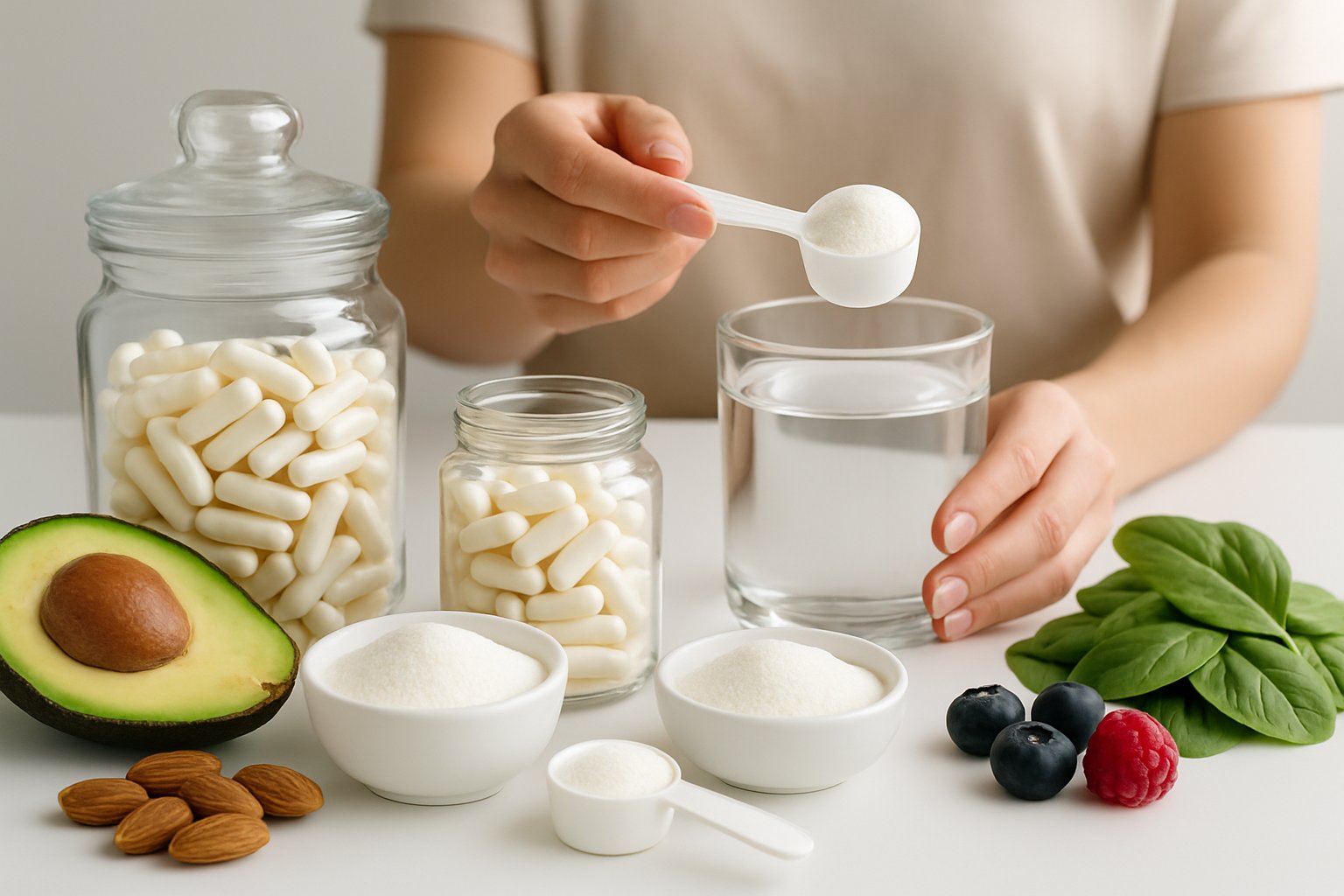
Different collagen supplements vary by source, structure, and digestion method. Their effectiveness depends on how easily the body can absorb and use them, as well as how they fit into a low-carb or ketogenic lifestyle.
Hydrolyzed Collagen, Peptides, and Gelatin
Hydrolyzed collagen and collagen peptides are popular in keto-friendly supplements because they dissolve easily in liquids and contain no carbohydrates. They’re made by breaking down larger collagen proteins into smaller chains of amino acids called peptides.
This makes them more bioavailable, so the body can absorb and use them for skin elasticity, joint comfort, and muscle recovery. Gelatin is a less processed form made by partially breaking down collagen.
It thickens when cooled and works well in recipes like keto gummies or puddings. Gelatin provides similar amino acids, but it digests more slowly than hydrolyzed collagen.
For everyday mixing into coffee or shakes, most people prefer collagen peptides because they dissolve smoothly without altering texture. It’s honestly a convenience thing.
| Type | Processing | Solubility | Best Use |
|---|---|---|---|
| Hydrolyzed Collagen | Fully broken down | Highly soluble | Drinks, smoothies |
| Collagen Peptides | Same as hydrolyzed | Highly soluble | Hot or cold liquids |
| Gelatin | Partially broken down | Gels when cooled | Cooking, desserts |
Bovine vs Marine Collagen
Bovine collagen comes from grass-fed cattle hides and connective tissue. It mainly contains Type I and Type III collagen, which help maintain healthy skin, bones, and tendons.
Because of the high protein content and absence of carbs, it suits those following ketogenic diets. Marine collagen, made from fish skin and scales, offers similar amino acids but smaller peptide sizes, which may improve absorption for some people.
It also provides mostly Type I collagen, the type most abundant in skin and hair. Both sources are compatible with keto goals, but personal preference may depend on taste, sourcing practices, or dietary restrictions.
For sustainability or pescatarian diets, marine collagen may be ideal. For everyday cost-effective use and broader availability, bovine collagen powders fit better.
Best Practices for Keto-Friendly Collagen Intake
People following keto can benefit from collagen powders that mix easily with liquids and contain no added sugars or fillers. Capsules or flavored powders might include unwanted carbohydrates, so checking the label is pretty important.
Many effective keto supplements combine collagen with MCT oil or electrolytes to support energy levels and hydration. Typical servings range from 10 to 15 grams per day, often taken in coffee, shakes, or post-workout drinks.
Timing is flexible, though consuming collagen after exercise may help tissue recovery. Using unflavored collagen keeps things versatile for both sweet and savory items.
Those tracking macronutrients should confirm each serving lists 0–1 gram of carbohydrates to maintain ketosis. It’s a small detail, but it matters for strict keto folks.
Integrating Collagen into Keto Recipes and Meals
Collagen blends easily into many keto meals without changing flavor. It can be stirred into bone broth, unsweetened coffee, or tea for a protein-rich drink.
In smoothies, it pairs well with low-carb vegetables, nut butters, and coconut milk. Adding MCT oil can boost energy and fat intake.
In cooking, gelatin works as a thickener in keto soups, puddings, and desserts. A single scoop of collagen peptide powder can increase protein without affecting taste or texture.
This makes it simple to reinforce skin, joint, and muscle health while keeping meals low in carbohydrate content. To stay consistent, a lot of people keep collagen powder near their coffee station or supplement area as part of their daily routine.
For fat-enhanced absorption, collagen pairs extremely well with your guide on MCT Oil on Keto: Benefits, Fat Loss & How to Use It Correctly.
Frequently Asked Questions
Collagen supplements can play a useful role in a ketogenic diet by supporting the structure of skin, joints, and muscles without affecting ketosis. They offer a source of amino acids that may help with tissue repair, hydration, and recovery while fitting within low-carb nutritional goals.
How can collagen supplements enhance skin health for individuals on a ketogenic diet?
Collagen supports skin elasticity and hydration, which may decline during ketosis due to lower carbohydrate intake. The amino acids glycine and proline help maintain the skin’s structure, reducing dryness and fine lines.
Regular use of collagen peptides may improve moisture retention and promote smoother skin over time. These effects are often most noticeable after several weeks of consistent supplementation.
What are the potential benefits of collagen supplements for joint health in a keto-adapted lifestyle?
Reduced carbohydrate intake can sometimes affect joint comfort as the body adapts to new energy sources. Collagen contains amino acids that help form cartilage and promote joint flexibility.
Daily supplementation may reduce stiffness and support smoother movement, especially for individuals who exercise regularly on a keto plan. Combining collagen with vitamin C can further enhance collagen formation in joint tissues.
Are there any specific advantages to using collagen for muscle recovery while maintaining ketosis?
Collagen provides amino acids that help with muscle repair after exercise, and it does this without adding carbs that might mess with ketosis.
These compounds help rebuild muscle fibers. They can also make recovery feel a bit smoother overall.
If you’re on keto and lifting weights, collagen might help you hang onto lean muscle mass. It’s also good for tendons and ligaments, which could mean fewer injuries or strains.
Can collagen supplementation support weight management on a ketogenic diet?
Collagen doesn’t directly melt off pounds, but it could help you feel fuller and hang onto muscle while you’re cutting calories.
Supplements or meals rich in collagen might make keto a little easier to stick with, since they fill you up without adding carbs.
What is the recommended dosage of collagen for someone following a strict keto regimen?
Most folks on keto go for around 10 to 15 grams of collagen peptides per day. That amount usually covers skin, joint, and muscle support without messing up your macros.
Some people bump it up to 20 grams, depending on things like age or how active they are. It’s smart to start slow and see how your body reacts.
How do collagen peptides interact with the ketogenic process in the body?
Collagen peptides are mostly protein, with barely any carbs, so they don’t really threaten ketosis. They offer up amino acids you might not get from the usual keto foods.
There’s a catch, though—too much protein in general can nudge up insulin and potentially slow down fasting benefits. But with a normal serving, most people have no issues. It’s all about finding a good balance.
Conclusion
Collagen really does play a measurable role if you’re trying to stick with a ketogenic lifestyle. It’s packed with amino acids like glycine, proline, and hydroxyproline.
These help maintain healthy skin, joints, and muscles—kind of essential if you want to feel good in ketosis. Typical keto protein sources don’t really offer these specific amino acids, so collagen can fill that nutritional gap.
Plenty of keto folks notice that consistent collagen intake seems to help with joint stiffness and dry skin. Those issues can pop up when your body’s getting used to burning fat instead of carbs.
It’s also handy for muscle recovery after workouts. If you pair it with vitamin C, you might get an extra boost for collagen synthesis.
Benefits at a glance:
| Area Supported | Collagen’s Primary Role |
|---|---|
| Skin | Improves elasticity and hydration |
| Joints | Aids cartilage repair and mobility |
| Muscles | Supports recovery and strength |
| Gut | Helps maintain intestinal barrier integrity |
Collagen supplements fit into a ketogenic plan without much fuss. They’ve got little to no carbs, so you don’t have to worry about getting knocked out of ketosis.
Most people stick with about 10–15 grams per day, and that usually works just fine.
Tossing collagen into coffee, tea, smoothies, or even bone broth is about as easy as it gets. Over a few weeks, regular use tends to help with comfort, resilience, and tissue strength—all while you keep your metabolism humming along in ketosis.
If you are combining collagen with metabolic optimization, Nagano Tonic remains an excellent complementary option for improving insulin sensitivity and overall fat-burning efficiency.