
Do You Really Need Supplements on Keto? Science-Backed Analysis
This post contains affiliate links. If you make a purchase through these links, I may earn a small commission at no extra cost to you. Learn more.
Starting keto tends to bring up a big question: do you really need supplements on keto? The ketogenic diet can cover most nutrients if it’s centered on whole, low-carb foods like meat, fish, eggs, and plenty of veggies.
But here’s the catch—your body loses more electrolytes and some nutrients when carbs drop. Most folks do best by focusing on food first, but certain supplements—think electrolytes, magnesium, and vitamin D—might help you avoid fatigue, cramps, and some of those classic keto headaches.

Supplements aren’t some magic shortcut. They just fill in little gaps that pop up because of food choices or the body’s increased need for certain nutrients on keto.
Which ones you pick really depends on your diet, lifestyle, and goals. Knowing what’s actually worth considering can make keto way more doable.
Many beginners experience early symptoms that trigger supplement use, which is fully explained in Keto Flu Explained: Causes, Symptoms & Fast Relief.
Key Takeaways
- Whole foods usually cover most nutrients on a well-planned keto diet.
- Some supplements help prevent imbalances and can make starting keto a bit smoother.
- Sticking to evidence-based choices keeps things safer and more effective.
The Basics of the Ketogenic Diet
The ketogenic diet cuts carbs and ups fat to shift how your body makes energy. In ketosis, fat becomes the main fuel instead of glucose.
This change affects energy production, nutrient needs, and how your body stays balanced. It’s a pretty dramatic shift for most people.
How Ketosis Works
Ketosis happens when your body runs low on carbs, its usual energy source. As glucose drops, the body breaks down stored fat through lipolysis.
That releases fatty acids, which the liver converts to ketone bodies—mostly acetoacetate, beta-hydroxybutyrate, and acetone.
These ketones step in to fuel your brain and muscles. Ketogenesis usually kicks in after two to four days of eating under about 50 grams of carbs.
As blood ketones rise, the body officially enters ketosis. Energy production gets steadier since fat stores offer a constant supply.
Many people notice fewer hunger swings and more stable energy than on high-carb diets. That’s one of keto’s main appeals, honestly.
Nutritional Needs on Keto
Even with the energy shift, you still need a balance of nutrients. Electrolytes like sodium, potassium, and magnesium can drop fast because lower insulin means you lose more water and minerals through urine.
Replacing these helps cut down on tiredness, cramping, or headaches, especially early on. Vitamins and minerals are still key for metabolism and nerve function.
Leafy greens, fish, avocados, and seeds are natural sources. Most people can meet their needs through whole foods if they mix things up and aim for nutrient-dense choices.
Since keto cuts back on a lot of fruits and grains, planning is crucial to avoid missing out on nutrients. Hydration matters too—fluid balance changes a lot at first.
Macronutrients vs. Micronutrients
A typical keto macronutrient breakdown looks like this:
| Macronutrient | Approximate % of Total Calories | Key Function |
|---|---|---|
| Fat | 70–75% | Main energy source during ketosis |
| Protein | 20–25% | Maintains muscle and tissue repair |
| Carbohydrates | 5–10% | Limited to allow ketone production |
Fats give you steady energy via ketones. Proteins supply amino acids for repair and support gluconeogenesis—the slow creation of glucose for cells that still need it.
Micronutrients—vitamins and minerals—might seem like small players, but they’re huge for muscle, heart, bones, and immune health. Picking nutrient-rich foods within your carb limit helps keep things balanced long term.
Understanding how nutrients affect fat burning is essential, as explained in How to Boost Metabolism on Keto: Proven Tips for Faster Fat Burning.
Do You Really Need Supplements on Keto
People look at supplements on keto because cutting carbs means losing out on some food groups that normally provide key vitamins and minerals. Plus, higher fluid loss and eating more processed or low-carb replacements can make nutrients harder to get, even if you think your diet’s solid.
Potential Nutrient Gaps
Keto skips over grains, legumes, and a lot of fruits—foods that deliver B vitamins, vitamin C, magnesium, and potassium. Missing these can leave gaps that are tough to fill with just fats and proteins.
Meat, fish, eggs, and leafy greens are packed with nutrients, but they don’t always cover everything you’d get from a broader diet. That’s where supplements might be useful—not for “supercharging” your results, but just to meet daily needs.
Here are some nutrients people often supplement:
| Nutrient | Typical Keto Source | Why a Supplement May Help |
|---|---|---|
| Magnesium | Nuts, spinach | May support energy metabolism and muscle function |
| Potassium | Avocado, leafy greens | Helps maintain fluid and nerve health |
| Vitamin D | Fatty fish, egg yolks | Sun exposure varies; intake often too low |
| Sodium | Salt, broth | Replenishes electrolytes lost through urination |
Supplements can help keep energy up, maintain electrolyte balance, and support overall well-being if you’re sticking with keto for the long haul.
Impact of Food Choices and Processed Foods
Leaning on packaged or ready-made “keto” foods usually means lower micronutrient quality. These products might be high in fats and additives but don’t always have the natural vitamins and minerals you need.
Whole foods—fish, meat, nuts, and above-ground veggies—are just more reliable for nutrition. If your diet leans too much on processed stuff, you might hit your macro goals but still miss out on important micronutrients.
Mixing up your food choices helps cover more nutrients and can cut down on the need for extra supplements. If you’re short on time or just prefer convenience, a multivitamin or electrolyte mix can be a decent backup plan.
Deficiency Risks Unique to Keto
Some deficiencies pop up more often when you cut carbs sharply. Moving into ketosis ramps up water and electrolyte loss, which can drain sodium, magnesium, and potassium stores.
This is where those headaches, cramps, or the dreaded “keto flu” come from. If you’re not eating enough veggies or low-sugar fruits, you might also fall short on fiber, vitamin C, and certain phytonutrients.
Over time, missing minerals can mess with blood pressure and energy. Many keto folks keep an eye on their micronutrients and add simple supplements like electrolyte powders, magnesium, or vitamin D—especially if a doctor recommends it.
For a deeper understanding of mineral balance, readers should also review Keto Electrolyte Supplements: What to Take for Energy, Cramps & Hydration.
Because mineral imbalance is one of the most common keto issues, Nagano Tonic is often used to support hydration, recovery, and metabolic stability.
Science-Based Evidence for Keto Supplements
Research on keto supplements looks at stuff like ketone levels, nutrient status, and body composition. A few supplements have some scientific backing, but results can be pretty mixed depending on the study.
This post from U.S. Food & Drug Administration will give more information about dietary-supplements.
Key Findings from Clinical Trials
Clinical evidence is all over the place. Some trials show medium-chain triglyceride (MCT) oil boosts blood ketones faster than regular fats, which might help you get into ketosis sooner.
But actual improvements in energy or weight loss? Not so impressive. Beta-hydroxybutyrate (BHB) salts and esters can raise ketones for a bit, but there’s little solid proof they help your metabolism in the long run.
Electrolyte and multivitamin supplements have better support, especially for avoiding dehydration and deficiencies when you’re just starting keto. Some small studies say creatine and protein powder might help with muscle, but honestly, the sample sizes are tiny.
Supplements are widely marketed in the U.S. under the Dietary Supplement Health and Education Act (DSHEA), but the FDA doesn’t check them for safety or effectiveness before they hit the shelves. It’s smart to look for third-party tested products.
Popular Supplements and the Research Behind Them
MCT oil and exogenous ketones are the most studied. Controlled research shows they can bump up blood ketone levels and might ease “keto flu” symptoms like fatigue or brain fog.
Still, effects on fat loss or athletic performance aren’t consistent. Electrolyte blends with sodium, potassium, and magnesium help keep you hydrated and lower the risk of headaches and cramps.
Low-carb protein powders can help preserve muscle if you’re eating fewer calories. There’s some support for creatine too, especially if you’re into lifting weights.
On the flip side, “keto fat burners” and fancy “ketone boosters” often rely on flashy marketing and not much real data. Reviews point out that these products often have unproven formulas and sketchy claims.
Limitations and Controversies
Even with promising data, many keto supplement studies are small or short-term. That makes it tough to draw big conclusions about safety or how well they work in real life.
Differences in study design—like whether people were fasting, exercising, or eating certain macros—make it hard to compare results. Some experts even question whether exogenous ketones really mimic true ketosis or just spike blood ketones temporarily.
Overdoing it on supplements, especially sodium-based ones, can cause its own problems. The lack of strict FDA oversight means label claims might not match what’s actually inside the bottle.
If you’re considering supplements, look for third-party testing from programs like USP, NSF, or ConsumerLab. It’s just a safer bet.
Fat-based supplements are frequently misunderstood, which is clarified in MCT Oil on Keto: Benefits, Fat Loss & How to Use It Correctly.
Essential Micronutrients and Common Deficiencies
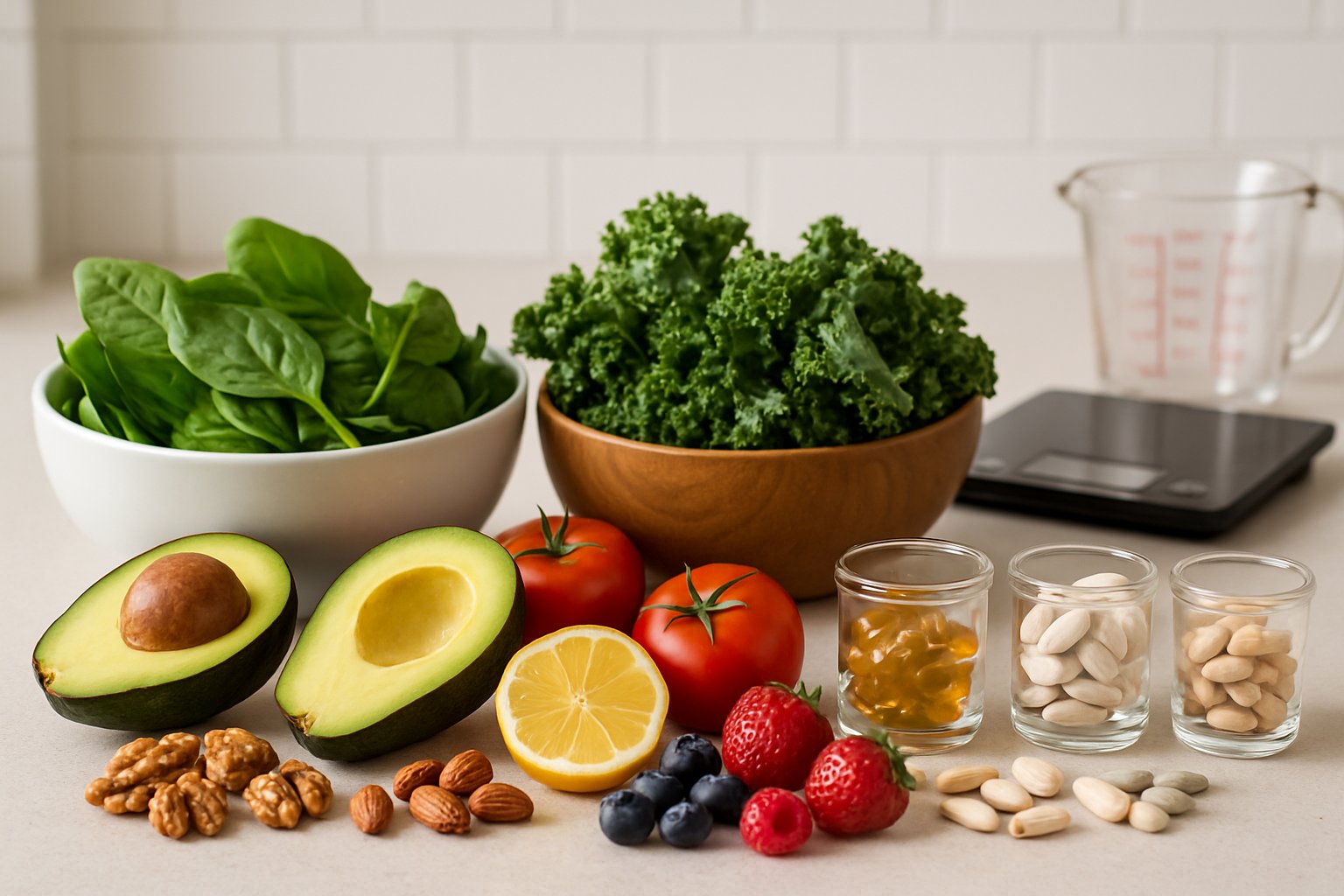
A ketogenic diet can help keep blood sugar steady and support fat metabolism. But, let’s be honest, it often cuts out a bunch of vitamins and minerals you’d normally get from fruits, grains, and certain veggies.
Keeping tabs on magnesium, electrolytes, vitamin D, omega-3 fatty acids, and iron is pretty important. Otherwise, you might run into fatigue, muscle cramps, or just feel off while sticking with ketosis long-term.
Magnesium and Electrolytes
When you eat fewer carbs, insulin drops, and your kidneys start flushing out more sodium and water. That’s when you risk losing magnesium, potassium, and sodium—all crucial for nerves and muscles.
If you’re low, you might notice weakness, headaches, or those annoying leg cramps.
Some solid sources? Almonds, pumpkin seeds, spinach, and avocado are all good bets. Lots of folks on keto also grab electrolyte supplements that mix sodium, potassium, and magnesium in the right proportions.
| Electrolyte | Suggested Daily Range (Adults) | Common Keto Sources |
|---|---|---|
| Sodium | 3,000–5,000 mg | Sea salt, broth, canned sardines |
| Potassium | 3,000–4,000 mg | Avocado, spinach, dark chocolate |
| Magnesium | 300–400 mg | Nuts, seeds, leafy greens |
Getting these in balance can help dodge “keto flu” and keep your hydration on track.
Many keto dieters prefer Natural Calm Organic Magnesium Powder for night time relaxation and muscle cramp prevention.

- DIETARY SUPPLEMENT: One 16 oz. bottle of Natural Vitality CALM Magnesium Supplement Drink Mix that helps support healthy…
- SUPPORT BALANCED MOOD: Magnesium CALM powder helps manage stress, release tension and relax your mind for a calming expe…
- MAGNESIUM CITRATE SUPPLEMENT: Magnesium carbonate and citric acid, when combined with water, create a solution of magnes…
Vitamin D and Sun Exposure
Vitamin D is a big deal for absorbing calcium and phosphorus—key for bones and immune health. Not getting enough is common if you’re indoors a lot or living somewhere cloudy.
On keto, you might miss out on fortified foods, which doesn’t help. Your body actually makes vitamin D when your skin gets sunlight—usually 10–30 minutes a few times a week does the trick, but it depends on your skin and where you live.
Food-wise, think fatty fish like salmon, mackerel, sardines, plus egg yolks and liver. Most adults need about 600–800 IU (15–20 mcg) per day.
Getting your vitamin D levels checked isn’t a bad idea if you’re not sure where you stand.
Omega-3 Fatty Acids (EPA, DHA, ALA)
Omega-3s—EPA, DHA, and ALA—are pretty crucial for your heart, brain, and joints. On keto, it’s super easy to end up with way more omega-6s from oils and meats, and not enough omega-3s.
EPA and DHA show up mostly in fatty fish like salmon, trout, sardines, and anchovies. ALA comes from plants—chia seeds, flaxseeds, walnuts—but your body barely converts it to the other forms.
Aim for two servings of fatty fish a week if you can, or grab a decent fish oil supplement. This helps balance out your fatty acids and can really support your triglycerides and heart health on keto.
For omega-3 support, Nordic Naturals Ultimate Omega Softgels are widely used for purity and dosage accuracy.

- WHY OMEGA-3 + COQ10 – Ultimate Omega + CoQ10 combines high-potency, concentrated fish oil and Coenzyme Q10 (CoQ10) for c…
- COMBAT AGING – This unique formula helps maintain natural CoQ10 levels, which have been shown to decrease with age. Ulti…
- BETTER ABSORPTION, BETTER TASTE, NO FISHY BURPS – All of our omega-3 fish oil concentrates are in the triglyceride molec…
Iron and Other Critical Minerals
Keto tends to cut out plant and grain iron sources, so iron deficiency can be a real thing, especially for women. Iron keeps your energy up and helps move oxygen around your body.
Best bets are lean meats, liver, poultry, eggs, and seafood for heme iron, which your body actually absorbs well. If you’re eating non-heme iron foods like pumpkin seeds or spinach, pair them with vitamin C–rich foods (think broccoli or peppers) for a boost.
Other minerals—zinc and selenium—matter too for immune and thyroid function. Low levels can show up as fatigue or even hair loss, which nobody wants.
Mix up your meals with meats, nuts, and green veggies to cover your bases. If you’re not sure you’re getting enough, a lab test can clear things up.
Muscle soreness and recovery demands also increase micronutrient demand, as explained in Best Muscle Recovery Tips After a Workout (Keto-Friendly + At-Home).
Ketogenic Supplements: Types, Benefits, and Risks
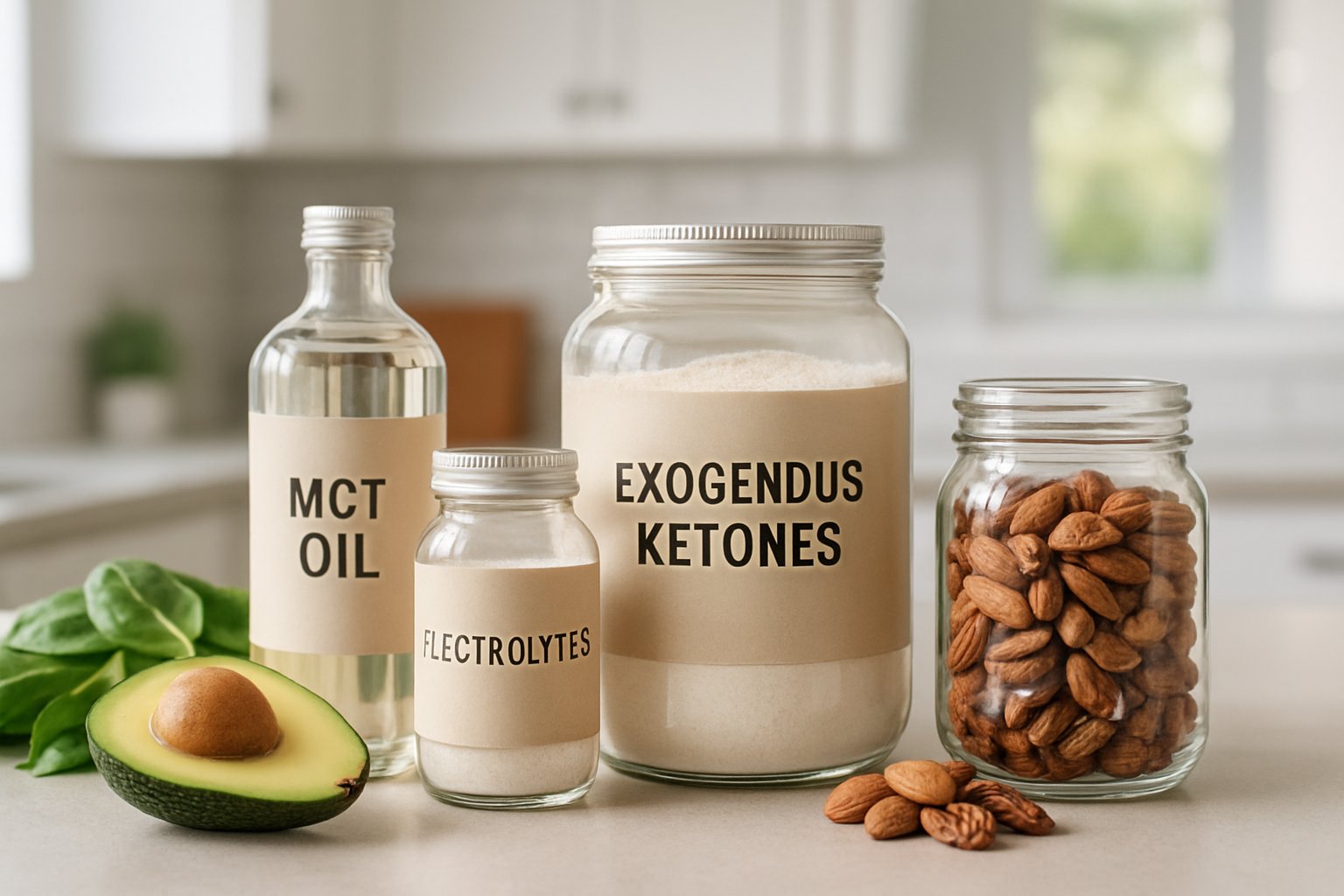
Some keto supplements promise to make the switch to ketosis easier, help with digestion, or keep your gut happy. But, honestly, how well they work—and how safe they are—really depends on the product and your own health situation.
For those who prefer to meet most nutrient needs from food before supplements, Keto Creator provides structured meal plans that naturally cover many common deficiencies.
Exogenous Ketones and Ketone Supplements
Exogenous ketones are basically outside sources of ketones, usually as ketone salts or ketone esters. They can bump up your blood ketone levels for a bit, which might help you get into ketosis faster or fuel you during low-carb days.
Some smaller studies say these can cut down on fatigue and brain fog when you’re new to keto, but the effects usually don’t last long. They don’t actually replace your body’s own ketogenesis from eating fewer carbs.
Downsides? Digestive upset like nausea or diarrhea isn’t rare. If you have kidney issues or trouble with electrolytes, be extra cautious. Some folks say they feel more focused or have better endurance, but research is mixed and long-term safety is still a bit of a question mark.
| Form | Potential Benefit | Common Risk |
|---|---|---|
| Ketone salts | Temporary energy boost | Stomach discomfort |
| Ketone esters | Faster rise in blood ketones | Bitter taste, nausea |
Digestive Enzymes and Gut Health
Keto’s high fat and moderate protein can be tough on digestion if you’re not used to it. Digestive enzyme supplementswith lipase (for fat) and protease (for protein) might help break things down and ease bloating or constipation.
Some blends also add ox bile extract or pancreatin to help process fats, especially if your body’s not making enough bile. It’s smart to start with a small dose and see how you feel—too much can lead to mild stomach pain or cramps.
Honestly, most people do fine with a gradual diet shift, some extra water, and fiber from low-carb veggies, rather than loading up on enzyme pills.
Gut balance plays a large role in fat loss and digestion, as detailed in Probiotics for Keto: Gut Health, Digestion & Fat Loss Explained.
Probiotics for Microbiome Support
Keto can shrink the variety of gut bacteria since you’re eating less fiber-rich plants. Probiotic supplements can help support your gut flora, which affects digestion, immunity, and even your mood sometimes.
Look for probiotics with Lactobacillus and Bifidobacterium strains—they help restore balance and keep things moving. Some research links them to better fat metabolism and less inflammation, which is a bonus for long-term keto folks.
Watch out for probiotics with added sugars or weird fillers—not all are keto-friendly. Pairing probiotics with prebiotic fibers from foods like avocado or asparagus helps them thrive, too.
A popular daily option is Garden of Life Dr. Formulated Probiotics Once Daily for digestion and immune support.

- COMPREHENSIVE DAILY PROBIOTIC: Garden of Life Once Daily Ultra contains 90 billion CFU from 15 probiotic strains
- COLON CARE SUPPORT: L. acidophilus NCFM offers immune system and colon support for both men and women*
- PROBIOTIC BLEND: Our daily health supplement features a diverse probiotic blend, including L. acidophilus NCFM for colon…
Safety, Regulation, and Making Evidence-Based Decisions

Supplement safety really comes down to how products are made, labeled, and how you use them. Knowing the rules and possible risks can help you figure out what you actually need on a keto diet.
FDA Oversight and the Role of DSHEA
The Dietary Supplement Health and Education Act (DSHEA) of 1994 sets the ground rules for supplement regulation in the U.S. Under DSHEA, it’s up to supplement makers—not the FDA—to make sure products are safe and labeled right before they hit the shelves.
The FDA usually only steps in after there’s a problem, like contamination or false claims. Unlike prescription meds, supplements don’t need clinical trials for approval, so quality and effectiveness can be all over the place.
Labels can say things like “supports energy metabolism,” but they can’t claim to treat or prevent diseases. That’s something to keep in mind, especially with keto supplement brands hyping up fat-burning or metabolism.
Risks of Over-Supplementation
Taking too many supplements or using them wrong can backfire. Some nutrients build up and cause issues, for example:
| Nutrient | Possible Concern When Overused |
|---|---|
| Magnesium | Diarrhea, low blood pressure |
| Vitamin D | High calcium levels, kidney strain |
| Selenium | Hair loss, nausea, nerve issues |
People on keto diets might lean on electrolytes or vitamins to fill gaps, but stacking multiple products can easily push you over safe limits. Some supplements also mess with meds or affect blood sugar, which is a big deal if you have diabetes.
A balanced diet—think avocados, leafy greens, seeds, fish—usually covers your needs better than a pile of pills. Checking your blood levels first can help you skip unnecessary risks.
Choosing Quality Supplements
Not all supplements are created equal. Look for brands following Good Manufacturing Practices (GMP) or those with third-party seals from groups like USP, NSF, or ConsumerLab.
Read the ingredient list and see if there’s real contact info for the company—that’s usually a good sign. If a product makes wild health claims, be skeptical; that’s not allowed under FDA supplement regulation anyway.
You can check ingredients in the FDA’s Dietary Supplement Ingredient Directory or similar sites. Honestly, the best approach is to look at real research, talk to your healthcare provider, and only use supplements when there’s a clear need. That way, you keep things safe and don’t waste money on hype.
Long-term consistency matters more than aggressive stacking, which aligns with guidance in How to Stay Consistent with Home Workouts: Motivation and Simple Tips.
Frequently Asked Questions
Switching to keto changes how your body uses energy, and yeah, it affects your nutrient and electrolyte needs, too. Keeping an eye on vitamins, minerals, and hydration goes a long way toward staying healthy with this low-carb, high-fat lifestyle.
What are the essential nutrients that might be deficient in a ketogenic diet?
People on a ketogenic diet sometimes miss out on certain micronutrients that are mostly found in carb-heavy foods. These often include magnesium, potassium, sodium, calcium, and vitamin D.
Cutting back on fruits, grains, and some veggies can also mean less access to B vitamins and vitamin C. Honestly, if you want to avoid these gaps, it helps to get creative with low-carb, nutrient-packed foods like leafy greens, nuts, and good old fatty fish.
Can you maintain proper electrolyte balance on keto without supplements?
Sure, it’s doable—if you’re eating enough foods high in electrolytes and don’t forget to add a little extra salt here and there. Things like avocados, spinach, nuts, and bone broth are solid sources of potassium and magnesium.
Still, ketosis makes your body flush out more water and electrolytes, especially early on. That’s why some folks swear by electrolyte powders or mineral salts to help them get through those first weeks without feeling lousy.
Is it necessary to take vitamin or mineral supplements to support a keto lifestyle?
Supplements aren’t a must for everyone, but they can really help if your food choices are limited or you’re not getting much sun. Vitamin D and magnesium tend to be low for a lot of people, keto or not.
If you start feeling wiped out, get headaches, or notice muscle cramps that won’t quit, a targeted supplement might be worth a shot—just don’t forget that whole foods come first.
How do you determine whether you need supplementation while following a keto diet?
Honestly, tracking what you eat and getting bloodwork done now and then is your best bet. A health professional can check your vitamin D, B12, and electrolyte levels to see if you’re missing anything important.
Pay attention to how you feel—energy, mood, how you perform day-to-day—it all matters. Keeping a food log isn’t glamorous, but it really helps you spot patterns and gaps over time.
What are the potential risks of not taking supplements when on a strict keto regimen?
Going without key nutrients for too long can cause muscle cramps, irregular heartbeat, or bone weakness. Low magnesium or potassium messes with your nerves and muscles.
If you keep missing out on these, bigger problems like weak immunity or constant fatigue can sneak up. Sometimes it takes a while for these issues to show up, which makes them easy to overlook until they’re a real pain.
Are there any specific symptoms to lookout for that might indicate a need for supplementation on a keto diet?
Watch for tiredness, dizziness, headaches, constipation, and muscle cramps. These are common when your body is getting used to ketosis, but sometimes they’re a red flag for nutrient shortages.
Other signs like dry skin, brittle nails, or mood shifts can pop up too. If these stick around, it’s probably time to check your nutrient levels and rethink your diet.
Conclusion

The ketogenic diet does cover most essential nutrients if you plan it out. Still, some folks might find they need supplements, especially when they’re just starting or if their food choices are a bit limited.
Common supplements that might help keep things balanced include:
- Electrolytes like sodium, potassium, and magnesium
- Vitamin D and omega-3 fatty acids
- Multivitamins or mineral blends for people with a more restricted diet
These can help with hydration and energy, and might keep annoying stuff like fatigue or muscle cramps at bay.
| Nutrient | Primary Food Sources | When to Consider Supplementing |
|---|---|---|
| Sodium | Sea salt, broth, sardines | If dizziness or headaches crop up |
| Potassium | Leafy greens, avocado | If you notice muscle weakness |
| Magnesium | Nuts, seeds, spinach | If sleep isn’t great or muscles aren’t recovering |
| Vitamin D | Sunlight, fatty fish | If you’re not getting much sun |
It’s usually best to stick with whole, nutrient-dense foods whenever possible. Supplements are more of a backup plan, not the main event. If you’re not sure where to start, it’s worth checking in with a healthcare pro before adding anything new.
For readers seeking broad mineral and metabolic support without stacking multiple products, Nagano Tonic provides a simple all-in-one support option.