
Best Keto Meal Plan for Beginners Who Hate Counting Macros: Easy Guide, Foods, and Success Strategies
Starting keto often feels more complicated than it should be.
Many beginners are told to track every gram of carbs, fat, and protein, follow strict ratios, and measure everything they eat. For most people, this creates confusion before they even get started.
This is why so many give up early—not because keto doesn’t work, but because the approach feels too rigid to follow consistently.
This is why many people look for the best keto meal plan for beginners without having to track every macro.
A beginner-friendly keto meal plan should simplify the process, not add more rules.
Instead of focusing on numbers, the most effective approach for many people is to follow a structured, low-carb way of eating that removes guesswork while still supporting fat adaptation.
This guide will show you how to follow a simple keto meal plan for beginners without counting macros, how to know if this approach fits you, and what to fix if it doesn’t.
Why Most Beginners Fail Keto Meal Plans
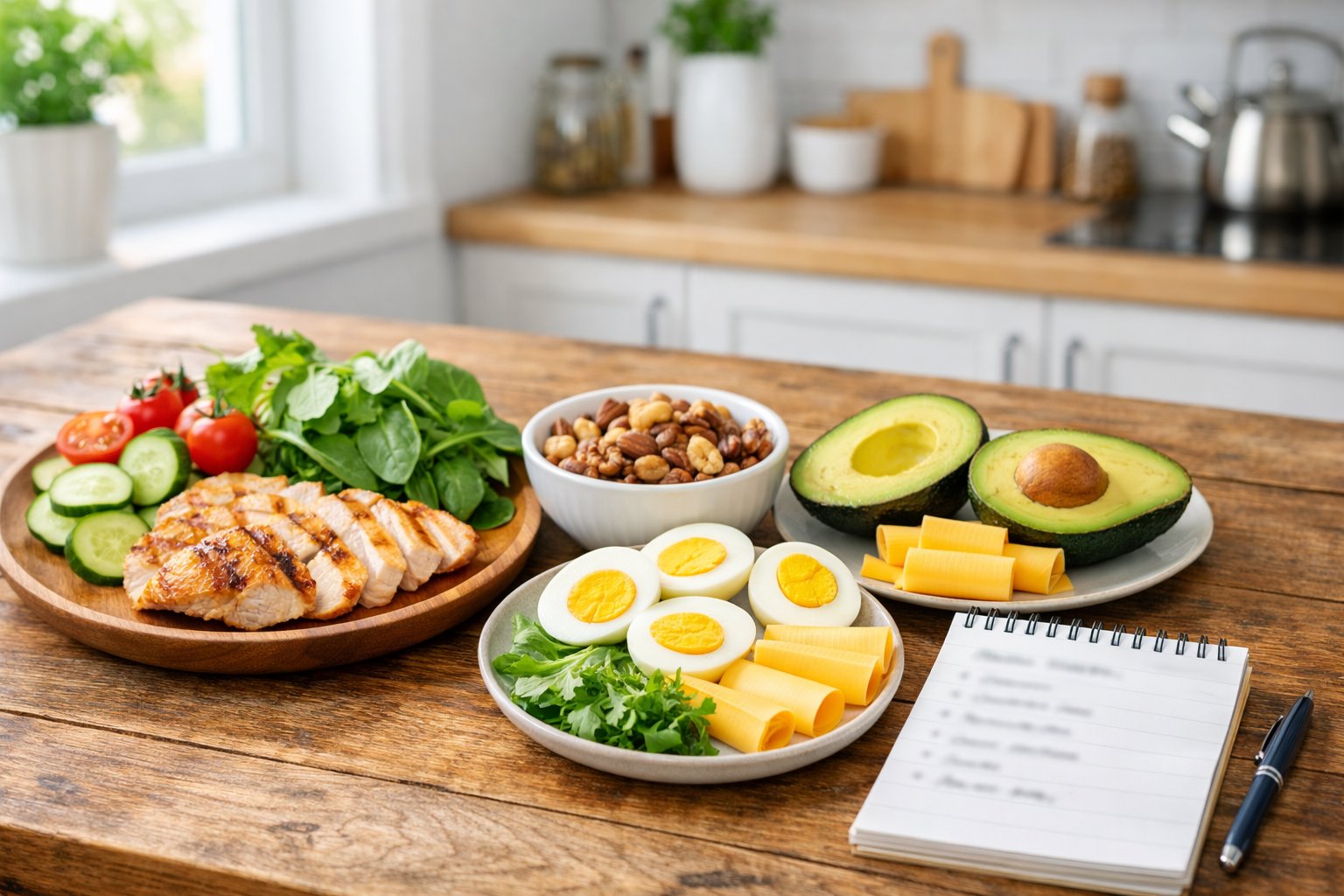
Most beginners don’t fail keto because the diet doesn’t work—they fail because the way they start is too complicated to sustain.
Many meal plans assume you’re ready to track every gram of carbs, fat, and protein from day one. For someone just starting out, this creates friction instead of clarity.
The result is predictable: confusion, inconsistency, and early burnout.
Instead of focusing on simple habits like lowering carbs and choosing the right foods, beginners get stuck trying to “do keto perfectly.” This often leads to second-guessing every meal and constantly wondering if they’re doing something wrong.
In reality, most early struggles are not caused by the food itself, but by how the approach is structured. When the system is too rigid, it becomes difficult to follow consistently, which is why many people feel like keto isn’t working even when they are trying to do everything right.
This is one reason the best keto meal plan for beginners should focus on simplicity instead of strict tracking.
This is why many people feel like keto isn’t working even when they are trying to do everything right, which is explained in a deeper breakdown of why keto fails for many beginners.
If macro tracking feels overwhelming, a structured beginner meal plan can make keto far easier to maintain consistently.
What “Lazy Keto” Actually Means (Without Macro Tracking)
Lazy keto is often misunderstood as a shortcut or a less effective version of the ketogenic diet.
According to Harvard Health Publishing, very low carbohydrate intake helps shift the body toward using fat as its primary fuel source.
In reality, it is a simplified execution model that focuses on the single variable that matters most in the early stage: keeping carbohydrate intake low enough to enter and maintain ketosis.
Instead of tracking precise ratios of fat, protein, and carbs, lazy keto removes unnecessary complexity and centers around food selection. By consistently choosing low-carb foods and avoiding high-carb triggers, many beginners can achieve similar early results without constant measurement.
This is why lazy keto works well for people who feel overwhelmed by strict tracking. It replaces precision with consistency, which is often more sustainable during the first phase of the diet.
However, the effectiveness of this approach depends on understanding what to prioritize. Without that clarity, some people end up eating too loosely, assuming that “low-carb” automatically means they are doing keto correctly.
This is where confusion starts. Lazy keto is not about ignoring structure—it is about simplifying it enough to follow consistently.
Is This Meal Plan Right for You?
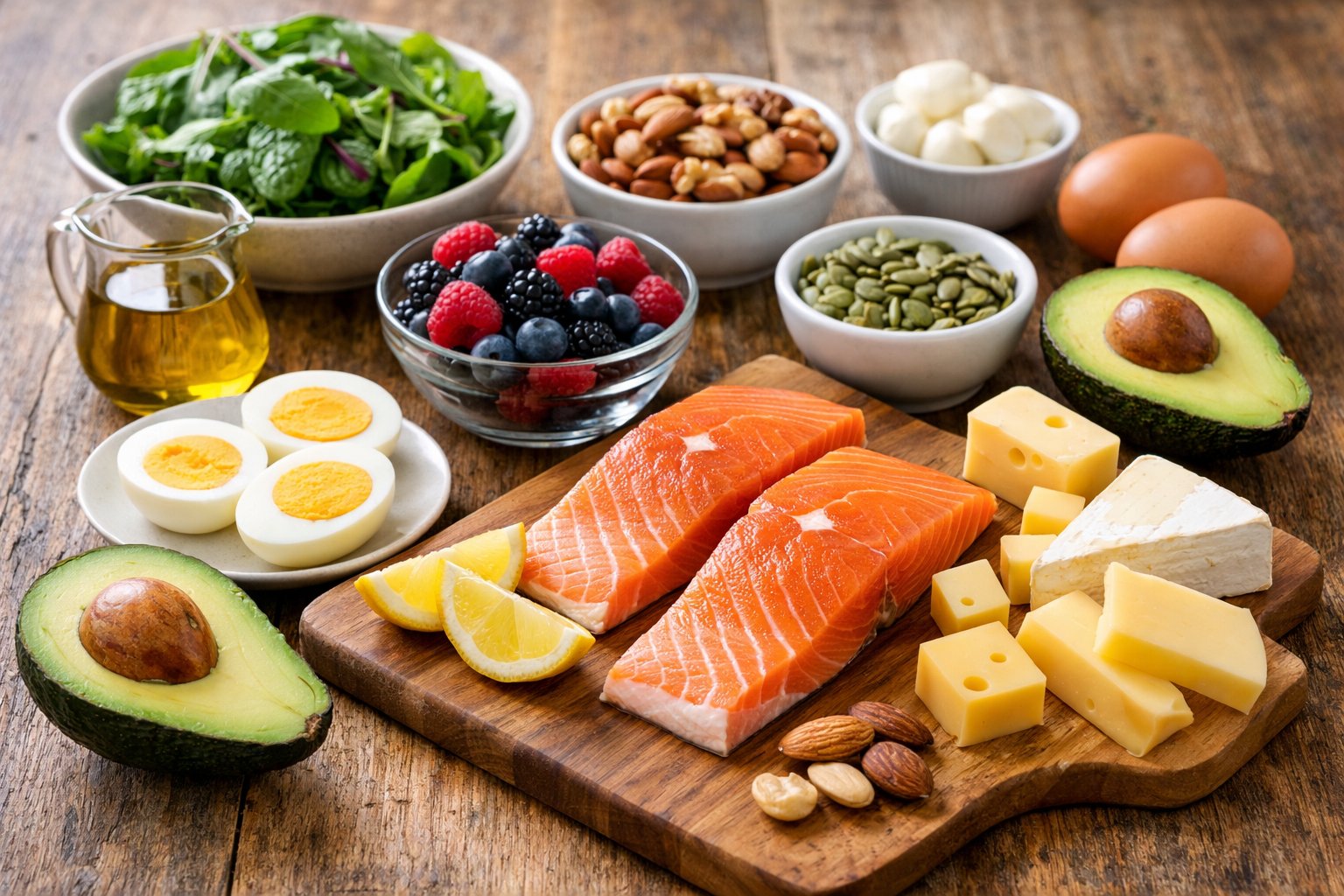
Choosing a keto meal plan is not just about what you eat—it’s about whether the approach matches how you actually live and make decisions around food.
A simplified, no-tracking approach works well for some beginners, but it can also fail if the structure is misunderstood or applied too loosely.
This Approach Will Likely Work for You If:
- You want a flexible system that fits into a busy schedule
- You feel overwhelmed by tracking macros or measuring every meal
- You prefer simple, repeatable meals over complex recipes
- You can consistently avoid high-carb foods without needing precise numbers
This Approach Will Likely NOT Work for You If:
- You expect results without maintaining consistency
- You rely on exact numbers to stay accountable
- You frequently eat processed or hidden-carb foods
- You struggle to recognize what is truly low-carb
Diagnostic Summary
If you can stay consistent with low-carb food choices without tracking every detail, this simplified approach can work effectively.
If your results feel inconsistent or unclear, the issue is usually not the idea of lazy keto—but how your overall approach is structured.
If keto feels confusing or inconsistent even without tracking, the real issue is often deeper than the meal plan itself → why keto is not working for me
The Simplest Keto Meal Plan Structure for Beginners

The best keto meal plan for beginners does not need to be complex to be effective. What matters most is having a simple structure you can follow consistently without second-guessing every choice.
Instead of focusing on exact numbers, this approach relies on a few clear rules that guide your meals throughout the day.
The best keto meal plan for beginners focuses on simple low-carb foods, consistent meals, and avoiding unnecessary tracking.
Build Meals Around Low-Carb Foods First
Start by choosing foods that naturally keep carbohydrates low. This includes meats, eggs, fish, and non-starchy vegetables.
By making these the base of every meal, you reduce the risk of accidentally increasing carb intake without needing to track it precisely.
Add Fat for Energy and Satiety
Once your base is set, include healthy fats such as olive oil, butter, avocado, or cheese to keep meals satisfying.
Fat helps maintain energy levels and reduces cravings, making it easier to stay consistent without relying on snacks or constant adjustments.
Keep Protein Moderate and Consistent
Protein supports muscle and overall health, but balance is important. Most beginners do well by including a steady portion of protein in each meal without overcomplicating portion sizes.
Keeping protein consistent helps stabilize meals without requiring detailed tracking.
Repeat Simple Meals to Reduce Decision Fatigue
You do not need a different recipe for every meal. Repeating a small set of simple meals reduces decision-making and makes it easier to stay consistent.
This is one of the main reasons lazy keto works—less variation leads to fewer mistakes.
Use Simple Substitutions Instead of Eliminations
Instead of removing foods completely, replace high-carb items with low-carb alternatives. For example:
- Lettuce wraps instead of bread
- Cauliflower rice instead of regular rice
- Zucchini noodles instead of pasta
These substitutions allow you to keep meals familiar while staying aligned with keto.
Example 7-Day Keto Plan for Beginners (No Tracking)
This sample plan shows how simple keto meals can look without tracking macros. Each day follows the same structure: low-carb foods, moderate protein, and added fats for satiety.
No measuring or logging is required—just consistent food choices.
| Day | Breakfast | Lunch | Dinner |
|---|---|---|---|
| 1 | Eggs with avocado | Chicken salad | Chicken with broccoli |
| 2 | Greek yogurt (unsweetened) with chia seeds | Tuna salad | Grilled steak with greens |
| 3 | Egg muffins | Lettuce wraps | Shrimp with zucchini |
| 4 | Crustless quiche | Chicken Caesar salad | Pork chops with spinach |
| 5 | Chia pudding | Ham roll-ups | Ground beef with vegetables |
| 6 | Avocado egg cups | Spinach salad | Grilled salmon with asparagus |
| 7 | Smoothie (low-carb) | Turkey wraps | Cauliflower fried rice |
Important Note:
This plan works because it follows a consistent pattern—not because of specific meals.
Meals can be swapped or repeated as long as they remain low in carbohydrates and based on whole, simple foods.
Common Mistakes Beginners Make With Keto Meal Plans

Most beginner meal plans fail not because the foods are wrong, but because the way they are followed creates inconsistency.
Many beginners unknowingly repeat the same patterns that make keto feel harder than it needs to be, especially when trying to simplify the process.
Many of these issues come from common electrolyte mistakes beginners make on keto, which can affect energy, hydration, and overall consistency.
1) Keeping Too Many High-Carb Foods “Just in Case”
Holding onto bread, snacks, or sugary foods often leads to small slips that add up over time. Even without tracking, these choices can prevent your body from staying in ketosis.
2) Treating “Lazy Keto” as No Structure at All
Lazy keto removes tracking, not structure. Without clear food choices, meals can drift toward higher carbs without you realizing it.
3) Ignoring Electrolytes and Hydration
Low energy, headaches, and fatigue are often blamed on the meal plan, when they are actually caused by poor electrolyte balance.
4) Changing the Plan Too Frequently
Switching meals constantly or trying new recipes every day creates inconsistency. Repeating simple meals is what allows the system to work.
When a Meal Plan Is Not Enough
A simple keto meal plan can make the diet easier to follow, but it does not solve every problem you may encounter.
If your results feel inconsistent—even when you are following a low-carb plan—the issue is usually not the meals themselves.
At this stage, continuing to adjust meals or trying new recipes often leads to more confusion rather than clarity.
If your energy remains low or your progress feels stalled, it may be related to keto fatigue rather than the structure of your meals.
In many cases, the real issue comes from how the diet is executed overall. This can include:
- Inconsistent carbohydrate intake disrupting ketosis
- Poor balance between meals leading to unstable energy
- Lack of a structured approach that fits your routine
A meal plan provides guidance, but it cannot correct deeper inconsistencies in how the diet is applied day to day.
Recognizing this is what allows you to move from following a plan to building a system that actually works.
Conclusion: Structure Beats Tracking
Starting keto does not require perfect tracking—it requires a structure you can follow consistently.
For many beginners, removing the pressure of counting every macro makes it easier to stay on track, build better habits, and avoid early burnout.
A simple meal plan works when it provides clarity, not complexity. The goal is not to follow a perfect plan, but to follow a clear one that fits your routine.
When meals are consistent and based on low-carb foods, your body can adapt without needing constant adjustments or calculations.
The best keto meal plan for beginners is one that removes complexity and makes consistency easier to maintain.
If your results still feel inconsistent, the issue is usually not the lack of tracking—it is the lack of a structured approach that aligns with how you eat and live day to day.
If your keto approach feels unclear or inconsistent, a personalized structure can remove guesswork and help you stay on track from the start.