
Do Keto Supplements Work? Science, Risks, and Real Benefits
Keto supplements are often promoted as the missing piece for faster weight loss, easier ketosis, or better energy. With so many products claiming to accelerate results, it’s easy to wonder whether they actually work—or whether they’re simply another marketing trend.
The truth is that the answer depends on what you expect a supplement to do. Some products can provide targeted support for specific situations, such as helping maintain electrolyte balance or making it easier to meet nutritional needs. However, no supplement can replace carbohydrate restriction, consistent eating habits, or a well-planned ketogenic diet.
Understanding this distinction is essential before spending money on any product. Supplements are designed to support an effective keto diet, not compensate for an ineffective one.
This guide explains what keto supplements can realistically do, what they cannot do, and how to decide whether a supplement is appropriate for your individual situation.
Do Keto Supplements Work? What You Should Know First

Honestly, it depends on what you’re expecting. Yes, keto supplements raise blood ketone levels, but that doesn’t mean instant weight loss.
Why Supplements Create So Much Confusion
Marketing for these products is relentless. Companies push the idea that you can skip the hard parts of keto and still get all the benefits.
People end up mixing up two things: higher ketone levels and actual nutritional ketosis. Swallowing exogenous ketones does boost your blood ketones—sometimes by a lot. For example, 12 grams of ketone salts can spike blood ketones by over 300%.
But that’s not the same as your body making ketones from burning its own fat. If your ketone levels get high from a supplement, your body just slows down its own production. It’s a weird, almost counterintuitive feedback loop.
The Biggest Misconception About Keto Supplements
Here’s the kicker: most folks assume these supplements burn fat. They don’t. When you take exogenous ketones, your body burns those first, not your stored fat.
And don’t forget—these supplements have calories, about four per gram. A single serving is usually under 100 calories, but if you’re taking them all day, it adds up. Plus, the effect only sticks around for a few hours.
If you take ketone supplements after eating carbs, the boost in blood ketones is way smaller than if you take them fasting. The body loves glucose, so it’ll always use that first. Ironically, most people take these after meals, when they work least well.
What “Working” Really Means
Keto supplements do what they promise in one sense: they raise ketone levels. But they don’t guarantee weight loss.
As for appetite suppression, the research is all over the place. One study found ketone esters could cut hunger by half after fasting overnight. That’s interesting, but only if you take them on an empty stomach.
What keto supplements can actually do:
- Raise blood ketone levels quickly
- Maybe help curb appetite when fasting
- Ease keto flu symptoms early on
What they can’t do:
- Replace real dietary changes
- Guarantee fat loss
- Give you the same metabolic state as true nutritional ketosis
Triage — Do You Actually Need a Keto Supplement?
Here’s the honest truth: most people on keto don’t need supplements to see results. Whether you add them or not really depends on how your body’s responding—and what you’re hoping to achieve.
Signs Your Diet Is Already Working Well
- Steady energy all day
- Natural appetite control—you can go 4-6 hours without hunger
- Losing 1-2 pounds per week
- No keto flu: no headaches, muscle cramps, or fatigue
- Mental clarity—you’re focused and sharp
- Sleeping well, getting 7-8 hours
If this sounds like you, your body’s already doing what it’s supposed to. Supplements won’t make you lose fat faster, and they might just be a waste of money. Plus, they add extra calories your body will burn before touching its own fat stores.
Signs Supplements May Provide Targeted Support
- Muscle cramps that won’t quit, even with greens and salt
- Fatigue that lingers into weeks 2-4
- Workout performance drops
- Trouble hitting protein goals
- Blood sugar dips making you shaky
- Chronic anxiety or mood swings that ease with higher ketones
- High-intensity workouts where you need quick fuel
Electrolyte supplements can be a lifesaver when you lose water weight fast. Sodium, potassium, and magnesium drop quickly during keto adaptation.
MCT oil is another option for a quick energy boost. It converts to ketones faster than most other fats.
If you’re an athlete or doing tough physical work, targeted ketone support might help. But for most people, it’s not essential.
Signs Supplements Probably Won’t Solve Your Problem
- No weight loss even with high ketone readings from supplements
- Still eating too many carbs
- Too many calories from fat bombs or bulletproof coffee
- Emotional eating not tied to real hunger
- Not tracking food or portions
- Inconsistent meal timing
Supplements can’t override a messy diet. If you’re eating too many calories or carbs, ketone pills won’t force your body into fat burning.
And if your carb intake is all over the place, don’t expect supplements to keep you in ketosis. The body needs consistency.
Seeing high ketone numbers from supplements can be misleading. Those are just the supplemented ketones burning off—extra calories that may even slow down fat loss if you’re not careful.
Diagnostic Summary — Which Situation Fits You?
Not everyone needs keto supplements. Figuring out where you stand can save you money and frustration. Your current diet, your goals, and your expectations all play a part in whether supplements will help—or just get in the way.
Your Diet Is Already Doing Most of the Work
If you’re sticking to a well-structured keto diet with consistent carb restriction, your body’s making ketones on its own. Usually, ketosis kicks in within 2-4 days once carbs drop below 50 grams.
People in this group see blood ketones between 0.5-3.0 mmol/L without any supplements. Taking exogenous ketones might bump those numbers up temporarily, but the body just produces less on its own. So, in the end, you might not see more fat loss.
Signs this is you:
- Carbs under 50 grams a day, consistently
- Stable energy
- Keto breath or other signs of ketosis
- Weight loss is happening
The only time supplements might help here? Maybe when you’re traveling or at a party and it’s tough to keep carbs low.
You May Benefit From Targeted Supplementation
Short-term supplement use can make sense during tough stretches. New to keto and feeling rough? Supplements might help with headaches, fatigue, or brain fog for a few days.
Athletes or people with physically demanding jobs might use supplements before a workout or a long shift. Taking 8-12 grams of ketone salts can spike blood ketones quickly—sometimes over 300% in 30 minutes. That’s a fast energy boost without breaking ketosis.
Some folks use supplements after a carb-heavy meal to get back into ketosis faster. Just know the effect only lasts 2-4 hours, so timing matters.
Who might want to try supplements:
- First week of keto
- Need a pre-workout boost
- Recovering from a carb slip-up
- Appetite control during fasting
But keep an eye on the price. At $3 or more per serving, daily use adds up fast.
Your Foundation Needs Improvement First
Supplements won’t fix a wobbly diet. If you’re eating 100-150 grams of carbs a day and taking ketone supplements, you probably won’t see much fat loss. The body always uses glucose first, so the supplemented ketones just become extra (expensive) calories.
Most keto struggles come down to food quality, not ketone levels. Too much protein, hidden carbs, or not enough electrolytes tend to be the real culprits. Fixing those basics is free and way more effective than any supplement.
Common keto problems that supplements can’t fix:
- Carbs still too high
- Eating too much protein
- Electrolyte imbalances causing cramps
- Eating more calories than you burn, even while in ketosis
To troubleshoot, track your macros and adjust your food first. Sometimes, the best investment is a food scale and some decent groceries—not another bottle of pills.
Your Expectations About Supplements Need Adjustment
Ketone supplements won’t make you lose weight by themselves. Each serving has 60-100 calories, and keeping your ketone levels up means taking 3-4 servings a day.
That adds up to 240-400 extra calories your body has to deal with. It’s something most people don’t really consider at first.
The supplement industry loves to market these products as fat-burning shortcuts. But the research? It actually suggests they might slow down your body’s own fat breakdown.
When your blood ketones go up from supplements, your body tries to protect itself by burning less of its own fat. It’s a defense against dangerous ketone buildup, but it works against any fat loss goals.
If you’re hoping supplements will replace a real diet change or speed up fat loss beyond what a solid keto plan does, you’re going to be let down.
They’re more of a temporary tool than a magic solution.
Realistic supplement expectations:
- Less hunger for a few hours if you take them fasted
- Quicker start getting into ketosis in the beginning
- Some mental clarity during the tough early days
- Not a swap for real dietary ketosis
- Not a promise of weight loss
Most studies on these supplements only last a few weeks, so we really don’t know the long-term effects. If you’re thinking about using them regularly, just know you’re paying for a temporary ketone boost—not some kind of fat-burning miracle.
If you’re still unsure whether a supplement is necessary, reviewing the situations where supplementation is genuinely helpful can prevent unnecessary purchases.
→ Do You Really Need Supplements on Keto
What Keto Supplements Can Actually Do
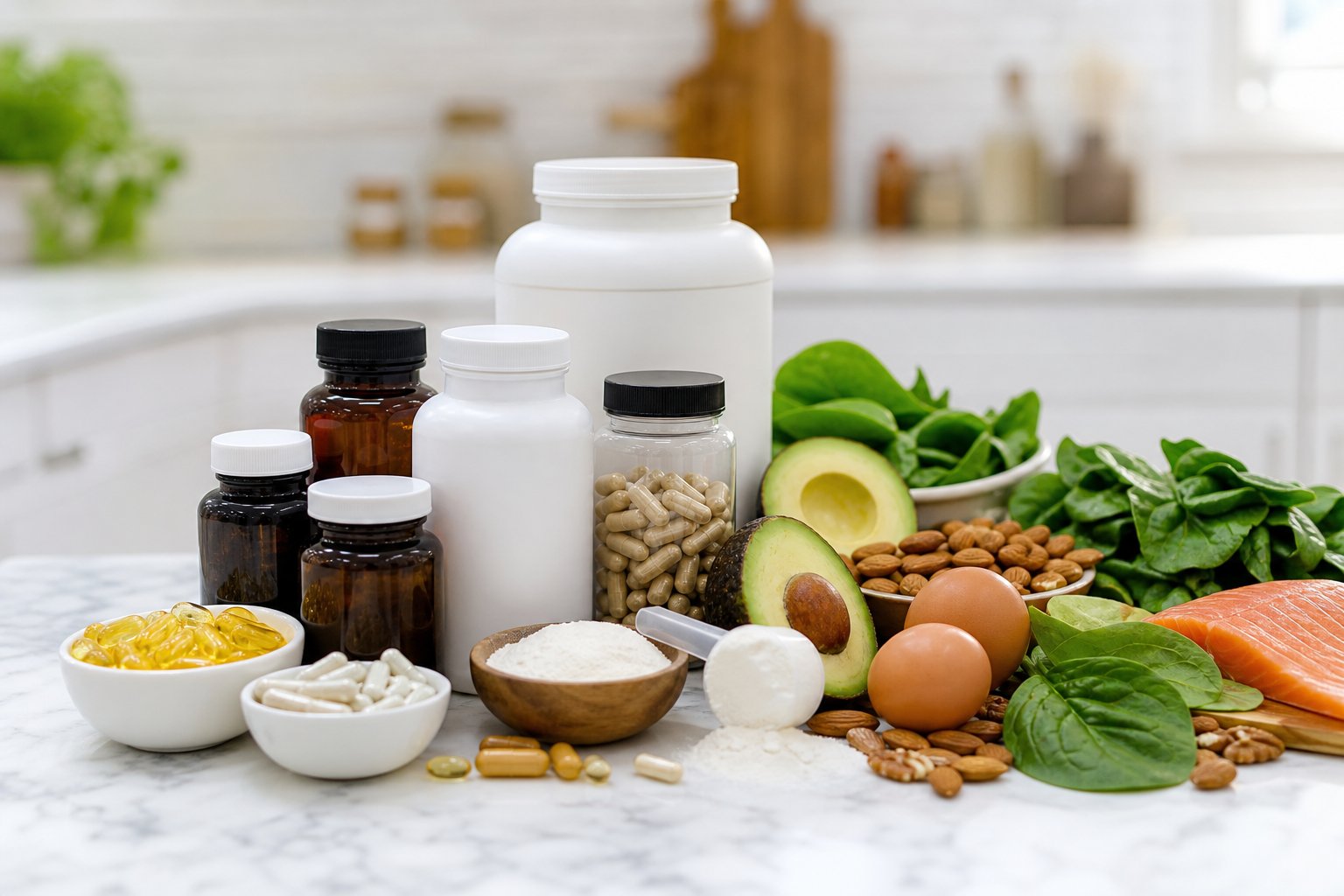
Keto supplements do offer some real benefits when you use them the right way. They can help your body handle the changes that come with a low-carb diet and help plug a few nutritional gaps.
They’re not a cure-all, but they can make the process smoother.
The National Institutes of Health Office of Dietary Supplements explains that dietary supplements can help some people meet specific nutritional needs, but they do not replace a healthy eating pattern and many supplements require more research to determine their effectiveness.
Support Electrolyte Balance
When you switch to keto, your body flushes out more water and electrolytes. Low insulin makes your kidneys dump sodium, and then potassium and magnesium follow.
Electrolyte supplements can help you dodge the usual headaches, muscle cramps, and fatigue—especially in that dreaded first week, sometimes called the “keto flu.”
Key electrolytes needed on keto:
- Sodium: 3,000-5,000 mg per day
- Potassium: 3,000-4,000 mg per day
- Magnesium: 300-500 mg per day
Magnesium supplements are especially helpful for muscle function and sleep. They also support your cells’ energy production.
These won’t make you lose weight, but they do keep you from feeling run down or quitting early.
Help Fill Specific Nutritional Gaps
Strict keto cuts out a lot of foods that have important nutrients. No more fruits, whole grains, or certain veggies means you might run low on some essentials over time.
Vitamins like D, omega-3s, and fiber can be tricky to get from keto foods alone. If you don’t eat much meat or leafy greens, you might also need more B vitamins.
MCT oil is one supplement that stands out for quick energy. Your body turns medium-chain triglycerides into ketones faster than other fats, so some people toss it in coffee or use it for cooking.
Improve Convenience in Certain Situations
Sometimes, life just makes keto hard. Travel, busy days, or weird food options can throw you off.
Electrolyte powders or tablets are great if you can’t add enough salt to your food. MCT oil packets fit in your bag for a quick boost anywhere.
These don’t replace real food, but they help you stick with keto when things get messy. That little bit of convenience can make a difference for some folks.
Support, Not Replace, a Keto Diet
Supplements are there to help, not to do the heavy lifting. No pill or powder will put you into ketosis if you’re still eating lots of carbs.
Your body needs you to actually cut carbs to switch over to burning fat. Supplements just make that process less miserable and help with some side effects.
You still have to eat mostly fat, keep protein moderate, and keep carbs really low. Track your food, stick to your carb limits, and use supplements as a boost—not as a replacement for the basics.
What Keto Supplements Cannot Do
Keto supplements have some hard limits, and it’s good to know them before you spend your money. They can’t replace the core parts of a keto diet or give you a shortcut to fat loss.
They Can’t Replace Carb Restriction
If you keep eating lots of carbs, no supplement will put you into real ketosis. Your body will always burn the glucose from carbs first, not ketones.
Taking exogenous ketones after a carb-heavy meal might raise your blood ketone levels for a bit, but your body still burns the carbs first. Those supplement ketones mostly hang around unused.
So, if you’re eating bread, pasta, and sugar, you won’t get the real metabolic benefits of ketosis—supplements or not. You might see higher ketone numbers on a test, but that’s not the same as being in fat-burning mode.
They Can’t Force Fat Loss
Ketone supplements aren’t some magic fat burner. When you take them, your body notices the extra ketones and actually slows down its own ketone production from fat.
This is your body’s way of keeping things safe and balanced. Instead of burning more stored fat, you just use the supplement ketones for energy.
Plus, these supplements have calories. Each gram is about four calories, just like carbs or protein. If you’re not careful, those servings can add up and work against your weight loss goals.
They Can’t Correct Poor Eating Habits
No supplement will fix a diet that’s high in junk or way over your calorie needs. If you’re eating processed foods or just too much, adding keto supplements won’t make you lose weight.
Losing weight takes real changes in what and how much you eat. Supplements don’t teach you portion control or help you enjoy veggies if you hate them.
Honestly, most research is pretty mixed—if not skeptical—about whether supplements help with weight loss at all. If you ignore your food quality and quantity, you’re missing the whole point.
They Can’t Eliminate the Need for Consistency
Staying in ketosis takes steady effort. If you bounce between high-carb and low-carb eating, supplements won’t keep you in that fat-burning state.
Ketone supplements only bump your levels for a few hours, so you’d have to keep taking them all day to stay elevated. Even then, it’s not the same as what your body does naturally with consistent carb restriction.
Trying to use supplements to cover up an inconsistent diet just doesn’t work. Real change comes from sticking to the basics every day, not from chasing quick fixes.
If keto isn’t producing the results you expected, the underlying issue is often execution rather than a lack of supplements.
Understanding the Most Common Keto Supplements

There are a handful of supplements that get a lot of attention in the keto world. Electrolytes, magnesium, MCT oil, and exogenous ketones each have their own role, and not everyone needs all of them.
Electrolytes
Keto makes your body flush out more water and sodium. That’s because lower insulin tells your kidneys to let go of more fluid, and then potassium and chloride follow.
Lots of people get headaches, feel wiped out, or get muscle cramps in the first weeks of keto. It’s usually an electrolyte thing, not some mysterious “keto flu.”
Key electrolytes to supplement include:
- Sodium: 3,000-5,000 mg per day
- Potassium: 1,000-3,500 mg per day
- Chloride: Usually comes along with sodium
The best electrolyte supplements have plenty of sodium and no added sugar. Some people just add salt to their food or water, while others go for powders made for low-carb diets.
Selecting the best electrolyte for keto depends on your symptoms, activity level, and dietary intake.
Magnesium
Magnesium is involved in a ton of body processes—over 300, if you’re counting. Keto makes it harder to get enough since most high-magnesium foods (like beans and whole grains) are off the table.
If you’re low on magnesium, you might get muscle cramps, trouble sleeping, or just feel cranky. These issues often show up when you’re just getting started with keto.
The best forms are magnesium glycinate, citrate, or chloride—they absorb better than magnesium oxide. Most folks need 300-400 mg per day.
Taking magnesium at night can help with sleep and those annoying leg cramps.
When magnesium intake is inadequate, choosing the best magnesium for keto may help address specific symptoms such as muscle cramps or poor sleep.
MCT Oil
MCT means medium-chain triglycerides—fats your body quickly turns into ketones. MCT oil usually comes from coconut or palm kernel oil.
Your body handles MCT oil differently than other fats. It heads straight to your liver and gets made into ketones fast, so it’s a handy energy source if you’re already in ketosis.
Adding MCT oil to coffee or smoothies is pretty common. Start small—maybe a teaspoon—since too much at once can mess with your stomach.
Common types include:
- C8 (caprylic acid): Best for ketone production
- C10 (capric acid): A bit slower
- Mixed MCT: A blend of different types
Work up to 1-2 tablespoons a day, but take it slow to avoid stomach issues.
Exogenous Ketones
Exogenous ketones are just ketones you take from outside your body. Usually, it’s beta-hydroxybutyrate attached to a mineral like sodium or calcium.
They come mostly as powders. Take them, and your blood ketone levels jump within half an hour, but the effect fades in a few hours—so you’d need to keep dosing to stay elevated.
Some research says exogenous ketones cut appetite if you’re fasting. But they have calories (about 4 per gram) and can be pricey—often $3 or more per serving. Your body might also slow its own ketone production if you take too much.
Side effects? Upset stomach, nausea, and sometimes diarrhea. The taste is… let’s just say it’s not great. Taking a lot can also mean you get too much sodium or calcium.
Most people on keto don’t need these at all. They don’t give you the same benefits as getting into ketosis with food choices.
Comparing the best supplements for keto can help you understand which products have practical uses and which are often unnecessary.
Which Supplements Are Often Overhyped?
The keto supplement world is packed with products promising quick fixes and dramatic results. Flashy marketing and big claims are everywhere, but honestly, most don’t have much real evidence behind them.
Keto Gummies
Keto gummies are sold as a quick fix for boosting ketones and losing weight. Most have barely any active ingredients, and the doses are usually far below what research says might do anything.
Lots of brands stick these ingredients into “proprietary blends” without listing actual amounts. So, you never really know what you’re getting.
They often cost $30-60 a bottle, but in reality, you’re mostly paying for flavored gelatin with a sprinkle of exogenous ketones or apple cider vinegar. The tiny bit of BHB salts in there? It’s not enough to raise your blood ketone levels in any meaningful way.
Some gummies sneak in added sugars or sugar alcohols, which can mess with ketosis or upset your stomach. The convenience just doesn’t make up for the weak dosing and vague labels.
Fat Burners
Keto fat burners usually mix caffeine with plant extracts and claim to “boost metabolism” or burn fat faster. The main thing you’ll feel is the stimulant kick, which might kill your appetite for a bit—but it doesn’t really burn more fat than plain caffeine.
You’ll see things like green tea extract, garcinia cambogia, and raspberry ketones on the label, but honestly, the evidence for weight loss is pretty thin. Fat loss still comes down to eating fewer calories than you burn, not magic pills.
Many of these products also hide behind proprietary blends, so you can’t tell how much of anything is inside. Too much caffeine can bring jitters, anxiety, a racing heart, or even mess with your sleep.
“Instant Ketosis” Products
Supplements that promise instant ketosis or let you eat carbs without leaving ketosis are, well, misleading at best. Exogenous ketones can temporarily bump up your blood ketone levels, but that’s not the same as being in real ketosis from cutting carbs.
If you’re aiming for fat loss, popping exogenous ketones won’t let you skip dietary changes. Your body will just burn the ketones you swallowed instead of breaking down its own fat.
And if you eat a bunch of carbs, no supplement will magically keep you in nutritional ketosis. That’s just not how it works.
Marketing Claims vs Reality
Supplement companies love to throw around words like “clinically proven,” “doctor recommended,” or “scientifically formulated.” But they rarely provide actual study links or context.
Celebrity endorsements and dramatic before-and-after photos? Those set up unrealistic expectations about what these products can do.
Dietary supplements aren’t tightly regulated by the FDA. The label doesn’t always match what’s in the bottle, and safety testing is often minimal or skipped altogether.
Watch out for vague promises like “rapid weight loss,” “melting fat,” or “blocking carbs.” These are red flags for marketing fluff, not real science. If you see third-party testing certifications like NSF Certified for Sport or USP Verified, that’s a good sign for quality control—but still no guarantee the product does what it claims.
When Supplements Are Worth Considering

Keto supplements aren’t magic bullets for weight loss. They’re most useful for specific challenges—like filling nutritional gaps or helping your body get used to burning fat.
During Keto Adaptation
The first few weeks of keto can be rough as your body switches from burning sugar to burning fat. Lots of people get hit with the “keto flu”: headaches, fatigue, cramps, and brain fog.
Supplements can help you get through this phase. Your body dumps extra water and electrolytes at first, since low insulin tells your kidneys to get rid of sodium. When sodium goes, water and other minerals follow.
Key supplements during adaptation include:
- Sodium: 2,000-4,000 mg per day on top of what you get from food
- Magnesium: 300-400 mg daily to help avoid cramps
- Potassium: 1,000-2,000 mg for muscle function
These don’t make you lose weight. They just make it easier to stick with keto by easing the nasty symptoms that might otherwise make you quit.
Persistent Electrolyte Challenges
Some folks keep struggling with electrolytes even after getting used to keto. Athletes, heavy sweaters, or people on certain meds might need ongoing support.
Magnesium deficiency can show up as muscle twitches, bad sleep, or irregular heartbeat. Keto makes it harder to get enough magnesium, since a lot of high-magnesium foods are also high in carbs. Leafy greens help, but sometimes it’s not enough.
Sodium needs stay higher on keto than on other diets. If you eat mostly whole foods and skip processed stuff, you might need to add salt or take supplements. Low sodium can make you tired, dizzy, or unable to focus.
Recurring headaches, muscle cramps, or stubborn fatigue (even if you’re eating enough calories) could be signs you need electrolyte supplements. Blood tests can confirm if you’re actually low before you start supplementing.
Difficulty Meeting Dietary Needs
Keto’s restrictions can make certain nutrients tough to get from food alone. That’s where targeted supplements can fill the gap—beyond just electrolytes.
Vitamin D deficiency is super common, and keto dieters who skip dairy might have an even harder time. Cutting grains, beans, and many fruits also means fiber intake usually drops. Some people find fiber supplements helpful for digestive health.
Common nutritional gaps on keto:
| Nutrient | Why It’s Low | Food Solutions |
|---|---|---|
| Fiber | Limited plant variety | Chia seeds, flaxseed |
| Folate | Fewer legumes and grains | Spinach, asparagus |
| Vitamin C | Restricted fruit intake | Bell peppers, broccoli |
Supplements work best as a backup when your food just can’t cover your needs. They’re not a replacement for eating real, nutrient-rich foods.
Increased Physical Activity
Athletes and active people have different supplement needs than those who sit at a desk all day. Exercise burns through electrolytes faster and raises the demand for certain nutrients.
If you’re working out hard on keto, MCT oil can be handy. It turns into ketones quickly and gives you fast energy for training. Some athletes use it before workouts—less for weight loss, more for fuel.
Protein needs also go up with activity. Active folks need about 1.6-2.2 grams of protein per kilogram of body weight. If you can’t eat enough protein from food, a protein powder might be worth it.
Electrolyte needs can double or triple during long workouts or training in the heat. Many athletes use special keto supplements that mix sodium, potassium, and magnesium in the right ratios for exercise.
Before Buying Any Keto Supplement, Ask Yourself These Questions

Most people grab keto supplements without really checking if they need them. Asking a few basic questions first could save you cash and keep you focused on what actually helps.
Have I Fixed the Basics?
Get the diet right before you think about supplements. That means 70-75% of your calories from fat, 20-25% from protein, and just 5-10% from carbs.
No supplement can fix a bad diet. If you’re still eating bread, pasta, or sugar, you’re not in ketosis—no matter what pills you take. The body always burns glucose from carbs first, blocking fat burning.
Other basics matter, too: sleep, hydration, and stress. Sleeping 7-9 hours helps with fat loss. Drinking enough water stops you from mistaking thirst for hunger. High stress raises cortisol, which can stall weight loss even if your keto game is strong.
Am I Solving a Specific Problem?
Good supplements target real issues, not vague hopes. If you’ve got keto flu—headaches, cramps, fatigue—you probably need electrolytes, especially sodium and magnesium. If you crash in the afternoon, maybe MCT oil will help.
Buying something just “for weight loss” is too broad. The diet itself does the heavy lifting. Supplements only support certain parts of the process.
Common problems supplements can address:
- Low energy in the first week or two (MCT oil, electrolytes)
- Muscle cramps or headaches (magnesium, sodium)
- Struggling to stay full between meals (fiber supplements)
- Bad workout performance (creatine, electrolytes)
If you don’t have a clear problem, odds are you don’t need a supplement.
What Benefit Am I Expecting?
Know what you want before you buy. Ketone supplements can raise blood ketone levels within hours, but they don’t burn body fat or replace the actual keto diet. If you take ketone pills while eating carbs, you’re just making expensive urine.
Some realistic benefits from proven supplements:
- Electrolytes: can ease keto flu symptoms in a day or two
- MCT oil: gives quick energy in 30-60 minutes
- Magnesium: may help with sleep and muscle cramps in a week or two
- Fiber: supports digestion and fullness
Don’t expect “fast weight loss” or “fat burning without dieting.” That’s just marketing. Also, ketone supplements have calories (about 4 per gram), so if you overdo it, you could actually slow your weight loss.
Before purchasing any supplement, make sure you’ve built a solid keto diet before supplements become part of your strategy.
Is There Evidence This Supplement Fits My Situation?
Research matters way more than hype. Exogenous ketones do raise blood ketone levels, but they might also stop your body from burning its own fat. Studies show they’re most useful during fasting, not after meals.
If you’re already following keto and losing weight, you probably don’t need ketone supplements. If you’re just starting out and struggling with transition symptoms, electrolytes or MCT oil might actually help.
The evidence supports these supplements for most keto folks:
- Sodium (2-3 extra grams daily)
- Magnesium (300-400mg daily)
- Omega-3s (if you skip fatty fish)
- Vitamin D (if bloodwork shows you’re low)
But there’s not much support for most “keto fat burner” pills or pricey ketone salt formulas. One study found ketone supplements reduced appetite for about four hours in fasted people, but other research suggests they might block fat loss. The body can slow its own ketone production when you take a bunch of supplements.
Before buying another supplement, make sure your keto foundation is solid. Our free 7-Day Keto Meal Plan helps you focus on the habits that matter most.
How to Build a Supplement Strategy That Actually Makes Sense
The smartest approach is to fix real gaps in your diet, not just grab every supplement on the shelf. Support your body’s needs based on symptoms or test results—not what ads promise.
Start With Nutrition
Food should always be the foundation. A solid keto diet means fatty fish, leafy greens, avocados, nuts, seeds, and quality protein—all loaded with nutrients.
Too many people jump to supplements before checking their meals. That’s a waste of money and misses the point of sustainable keto. A personalized diet built around whole foods usually covers magnesium (think pumpkin seeds, spinach), omega-3s (like salmon), and B vitamins from meat and eggs.
Track your food for a week. Use an app to see if you’re actually low in any vitamins or minerals. That’s more useful than guessing what keto dieters “always need.”
Add Only What You Need
Supplements should match your real needs or goals. Getting muscle cramps? Maybe you need magnesium. Training hard? You might need more electrolytes. Low vitamin D on your blood test? That’s a good reason for a supplement.
Common scenarios that justify supplements:
- Low magnesium intake (under 400mg for men, 310mg for women)
- Digestive issues when adjusting to higher fat
- Struggling to eat enough low-carb veggies
- Vitamin D below 30 ng/mL in bloodwork
- Heavy sweating from intense exercise
Generic “keto supplements” with a laundry list of ingredients rarely fit individual needs. If you’re creating content about keto supplements, focus on targeted solutions—not one-size-fits-all. One person might need digestive enzymes, while someone else might not need anything at all beyond their diet.
Reassess Regularly
Supplement needs shift over time as your body adjusts and your eating habits change. Someone dealing with keto flu in week two probably won’t need the same electrolytes three months down the line.
If you struggled with fat digestion at first, chances are you’ll adapt within a few weeks. It’s wild how fast things can change.
Checking in every 4-6 weeks can help you avoid taking stuff you don’t need. Ask yourself: have those original symptoms faded? Have you changed what you eat? Did the supplement actually do anything noticeable?
Blood work every 6-12 months gives you real numbers for things like vitamin D and magnesium. It’s worth doing if you want to know where you stand.
Avoid Chasing Every New Product
The supplement industry is always rolling out some “breakthrough” keto product. Honestly, most of them don’t offer anything you can’t get from real food or basic supplements.
Take exogenous ketones, for example. Sure, they’ll bump your ketone levels for a bit, but research says they don’t really help with fat loss or metabolism.
Red flags in supplement marketing:
- Promises like “instant ketosis” or “burn fat without diet changes”
- Proprietary blends that hide ingredient amounts
- No clear explanation of what the supplement actually does
- Prices way higher than the plain, basic version of the same nutrient
Honestly, a good supplement routine should be simple and not break the bank. Magnesium glycinate, vitamin D3, maybe an omega-3 if you don’t eat fish—that’s usually plenty for most people trying to do keto long-term, as long as your diet is on point.
If you’ve already built a solid keto foundation and want a personalized approach to nutrition and supplementation, a structured keto plan can help you focus only on what you truly need.
Conclusion: Supplements Work Best When They’re Supporting a Strong Keto Foundation
Keto supplements can definitely help, but honestly, they’re just support tools—they can’t replace the diet itself.
A well-planned ketogenic diet, built around real whole foods, usually covers most of what you need without relying on pills or powders.
What supplements can actually do:
- Help ease the transition into ketosis by managing keto flu symptoms
- Support electrolyte balance and hydration
- Boost energy levels during the adaptation phase
- Fill specific nutrient gaps that appear in some keto meal plans
What they cannot do:
- Replace the need to eat a proper ketogenic diet
- Cause weight loss without dietary changes
- Force the body into ketosis while eating high-carb foods
- Deliver results without any effort or lifestyle changes
The best results usually come from combining a solid keto diet with some regular movement.
Supplements like MCT oil, electrolytes, and certain vitamins might make things a little easier, especially when you’re just starting out or hitting a rough patch.
If someone skips fixing their actual food choices and just takes supplements, they’re probably not going to see much progress.
Honestly, supplements only add real value when you’re already sticking to keto basics.
They’re there to help, not to do all the work for you.
If you’re thinking about trying keto pills, it makes sense to test your own response and keep an eye on what matters—like blood ketone levels, energy, and real weight changes.
Supplements can be handy, sure, but the real foundation always comes from what you eat and how you live day-to-day.