
Can Too Much Fat on Keto Slow Weight Loss? Understanding Why More Fat Isn’t Always Better
One of the biggest misconceptions about the ketogenic diet is that eating more fat automatically leads to more fat loss. After all, if keto encourages your body to burn fat for fuel, it seems logical to assume that adding extra butter, oils, or fat bombs will speed up weight loss.
In reality, keto doesn’t work that way. While dietary fat is an essential part of a ketogenic diet, eating more fat than your body needs doesn’t necessarily increase fat burning. In some cases, it may even slow weight-loss progress by providing more energy than your body needs to draw from stored body fat.
The goal isn’t to fear fat or drastically reduce it. Instead, it’s about finding the right balance based on your hunger, activity level, and weight-loss goals.
This guide explains why too much fat on keto can sometimes become an obstacle, how to recognize the difference between appropriate and excessive fat intake, and when it’s worth reviewing your overall keto strategy.
Too Much Fat on Keto: Can It Slow Weight Loss?
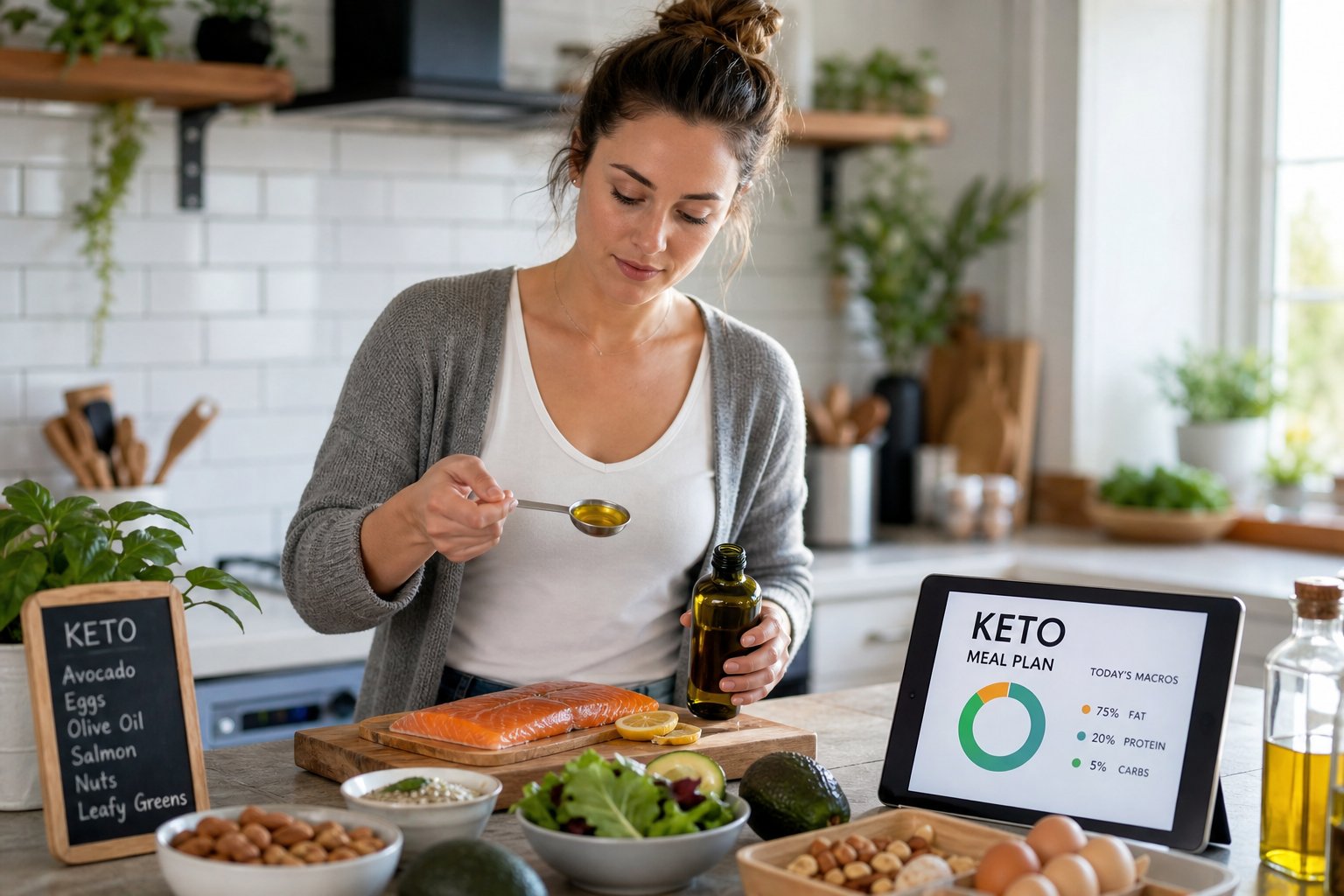
It’s true—too much fat on keto can slow weight loss, even if you keep your carbs super low. Many people think more fat means faster results, but your body always burns the fat you eat before dipping into your own reserves.
Can Eating Too Much Fat on Keto Slow Weight Loss?
When you eat more fat than your body needs, those extra calories still count. Your body will always use up the fat from food first, leaving your own body fat basically untouched.
Fat packs a punch at 9 calories per gram—way more than protein or carbs. Even a tablespoon of oil or butter can sneak in about 120 calories just like that.
If you’re eating more calories than you burn, weight loss just… stops. You can be in ketosis and still not see the scale move.
Your body doesn’t need to dip into its own fat when you’re giving it plenty from your plate.
Why This Is One of the Biggest Beginner Misunderstandings
Lots of keto newbies think they need to pile on the fat to make the diet work. They start adding butter to coffee, snacking on fat bombs, and drizzling oil over everything.
The mix-up comes from confusing dietary fat with body fat. The fat you eat isn’t the same as the fat you want to lose.
Studies show that successful people on low-carb diets don’t always eat much more fat than before. Some even eat less fat overall and still lose weight. The real driver is cutting carbs and, often, eating fewer calories—not just adding fat for the sake of it.
The Difference Between Fueling Your Body and Overfeeding It
Your body needs some fat for basic stuff and to keep you satisfied. That’s fueling. A moderate amount makes food taste good and helps you absorb vitamins.
Overfeeding is when you start adding cream, oils, and butter just to hit a fat goal. Like, eggs cooked in butter already have enough fat—do you really need bulletproof coffee on top?
Signs your fat intake is on point:
- You’re satisfied after meals without needing fat bombs
- Your energy doesn’t crash between meals
- Weight loss is steady
- Food tastes good without drowning in oil or cream
Your body stores extra energy as fat, no matter where it comes from—fat, protein, or carbs. Sure, carbs spike insulin more, but too much fat still means extra calories your body will stash away.
Why More Fat Doesn’t Automatically Mean More Fat Loss
To burn your own fat, you need low insulin and a reason for your body to use stored energy. Cutting carbs takes care of insulin, but if you eat too much fat, your body never needs to dip into its reserves.
Your body only burns stored fat when it needs more energy than it’s getting from food. If you’re giving it enough (or extra) through meals and snacks, there’s no reason for it to go after your fat stores.
Some folks do fine with higher fat because it keeps them full and they naturally eat less. Others, though, find it way too easy to overeat fat—especially from oils, nuts, cheese, and cream. For them, tracking fat helps.
What really drives fat loss on keto:
- Keeping insulin low by cutting carbs
- Creating an energy deficit
- Getting enough protein to keep muscle
- Eating veggies for fiber and fullness
Honestly, focusing on protein and veggies, with just enough fat for flavor, usually works out better than chasing high fat percentages.
Triage — Is Too Much Dietary Fat Slowing Your Progress?
Before you blame fat for stalling your keto results, check if fat is really the issue. Sometimes, other keto mistakes are the real problem.
Signs Your Fat Intake Is Probably Appropriate
- Your hunger patterns are steady. If you can go 4-5 hours between meals without getting hungry, your fat intake is probably just right.
- Your energy is stable all day. No mid-morning or afternoon slumps. You feel pretty sharp.
- Your clothes fit better, even if the scale is stubborn. You might be losing fat but holding onto muscle. Waistline shrinking? That’s a good sign.
- You feel full at meals and don’t have to force yourself to stop eating. No constant food cravings or feeling deprived.
- Your blood markers are improving. Lower fasting glucose, better blood pressure, and less inflammation are all positive signals.
Signs You May Be Eating More Fat Than You Need
- You’re adding fat when you’re not even hungry. Butter in your coffee when you already feel satisfied? Or drizzling oil on food just to hit macros?
- You’re using cream, cheese, or nuts all the time. Multiple coffees with cream, cheese as a snack, handfuls of nuts—these add up fast.
- Your weight hasn’t budged for 3+ months. If your measurements and body fat percentage aren’t changing either, it might be time to look at fat intake.
- Your calories are consistently higher than what you burn. Even on keto, eating more than you need keeps your body from tapping into its fat stores.
- You’re relying on high-fat packaged “keto” foods. Fat-heavy bars, keto cookies, and processed snacks sneak in a lot of extra calories.
Signs Another Problem Is More Likely
- Carbs have crept back in. Hidden carbs can sneak into sausages, dressings, sauces, and packaged foods. Even higher-carb veggies or daily berries can add up.
- Your protein is off. Too little protein leaves you hungry; too much can add unnecessary calories.
- You’re eating for reasons other than hunger. Stress, boredom, or habits can all drive eating, even if you’re not truly hungry.
- The scale moved recently or your measurements changed. If it’s been less than three months without progress, it’s probably not a real stall. Water retention, digestion, or new muscle can make the scale weird.
- Medications are a factor. Some meds—like insulin, antidepressants, or birth control—can make weight loss tougher.
- Hormones are at play. Menopause, low thyroid, or PCOS can all affect how your body handles fat and weight loss.
Diagnostic Summary — Which Pattern Best Fits Your Situation?
Most beginners who are in ketosis but not losing weight fall into one of four patterns. Figuring out which one fits you makes it a lot easier to fix the real issue.
Your Fat Intake Looks Well Balanced
If you’re getting about 70-75% of your calories from fat without forcing it, you’re probably in a good spot. Eating fatty proteins like salmon or chicken thighs, using a bit of oil, and having some nuts or avocado is usually enough.
Signs you’ve nailed the balance: You feel satisfied after meals, not overstuffed. Your energy stays steady. If the scale’s stuck, the issue might be somewhere else in your routine.
Honestly, even healthy fats can sneak in extra calories. It’s easy to go overboard without noticing.
You’re Prioritizing Fat More Than Necessary
Some folks treat keto like a high-fat contest and end up adding butter or eating fat bombs just to hit numbers. This can block fat loss.
If you’re adding fat when you’re not hungry, eating fat bombs between meals, or picking fattier cuts just to raise your fat intake, you might be overdoing it.
Your body will always use up dietary fat first. If you keep giving it more than it needs, it never has a reason to burn your own fat stores.
Try focusing on protein first, keep carbs low, and let fat come naturally from whole foods. Fat should satisfy your hunger, not be a goal by itself.
Another Execution Mistake Is More Likely
Sometimes, fat isn’t the problem at all. Hidden carbs are a classic keto trap, especially from sauces, dressings, or “keto-friendly” processed foods.
Other common mistakes:
- Ignoring total calories while tracking macros
- Eating too much protein, which can get converted to glucose
- Snacking too often, which keeps your body from burning fat between meals
- Not drinking enough water or getting enough electrolytes
- Poor sleep or high stress messing with your hormones
There’s also that weird adaptation period after the first couple weeks, where weight loss slows down after the initial drop. That’s normal and doesn’t always mean something’s wrong.
Your Keto Plan Needs Better Personalization
Generic keto macros and meal plans work for some, but not everyone. Stuff like age, activity, metabolism, and hormones all play a role in how you respond.
Your starting weight and body composition matter. Someone with a lot to lose has different needs than someone just trying to drop the last 10 or 15 pounds. How much you move each day changes things, too.
Health issues like insulin resistance, thyroid problems, or PCOS can change how your body reacts to fat and carbs. Women might need to tweak things based on their cycle, too.
Honestly, working with someone who understands personalized keto can make a big difference. You might need to play around with carb cycling, meal timing, or your fat-to-protein ratio to find what actually works for you.
If your fat intake looks reasonable but weight loss still isn’t happening, it’s worth exploring the other common reasons you can be in ketosis without seeing progress on the scale.
→ Why Am I in Ketosis but Not Losing Weight?
Understanding the Role of Fat on Keto
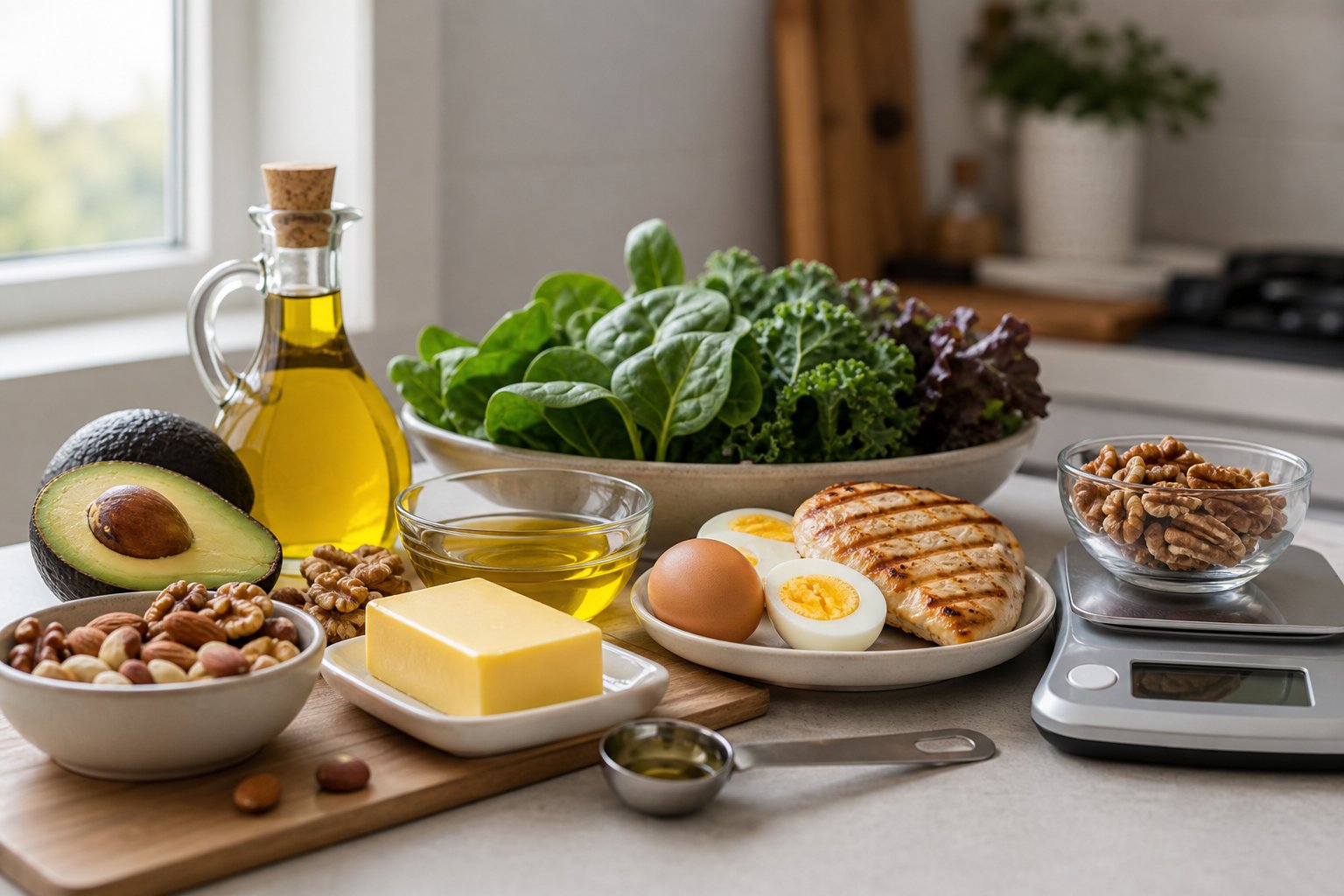
Fat is the main energy source on a ketogenic diet. A lot of folks starting out mix up eating fat with actually burning off their own body fat.
It’s important to know how these two types of fat interact. That’s what really helps trigger ketosis and supports weight loss.
The Harvard T.H. Chan School of Public Health explains that while healthy fats are an important part of many eating patterns, overall dietary balance and food quality remain more important than simply increasing fat intake.
Why Fat Is Important
On keto, fat takes over where carbs left off. When you slash carbs down to 20-50 grams a day, your body scrambles for another way to keep going.
Dietary fat steps in to fill that gap. It keeps you energized and helps you stick with the plan—otherwise, you might just feel wiped out and hungry all the time.
Fat’s not just about energy, though. It helps your body absorb vitamins like A, D, E, and K—those need fat to actually get where they’re going.
Plus, let’s be honest, fat makes food taste better. It helps you stay full between meals, too.
Your body also needs essential fatty acids, which it can’t make itself. Keto can give you those through things like fish, nuts, and healthy oils.
Dietary Fat vs Stored Body Fat
Dietary fat comes from what you eat. Stored fat is what’s hanging out in your fat cells, waiting to be used.
This distinction is huge for weight loss. When you eat fat, your body uses it for energy first, before dipping into the fat you want to lose.
If you eat too much dietary fat, your body won’t need to burn its own fat stores. For losing weight, you want your body to tap into those reserves.
You still need some fat in your diet for health and satisfaction, but you don’t have to drown everything in oil just because you’re on keto.
Finding the sweet spot means your body uses both dietary and stored fat for energy. Once you hit your goal weight, you might need to eat a bit more fat to keep from losing too much.
How Keto Encourages Fat Burning
Keto pushes your body into ketosis, a metabolic state where the liver turns fat into ketones. These ketones fuel your brain and body.
This shift happens when carbs are low enough that your body runs out of quick energy. Usually, after a few days of strict low-carb eating, the liver starts pumping out ketones from fat.
Keto fat burning works like this:
- Carbs go down, glucose stores get used up.
- Insulin drops.
- Your body releases stored fat.
- The liver makes ketones from fat.
- Your cells use those ketones and fat for energy.
Both dietary and stored fat get burned in this process. Lower insulin makes it easier for your body to tap into fat reserves.
Most folks hit ketosis in about a week if they’re really cutting carbs. Getting fully “fat-adapted” can take a few weeks longer.
The Myth That More Fat Equals More Weight Loss
Lots of keto newbies think eating more fat means faster weight loss. That idea comes from confusion about burning body fat versus eating fat.
Weight loss on keto is really about lowering insulin and keeping a calorie deficit—not just piling on more fat.
Why This Idea Became Popular
Keto asks for a high percentage of calories from fat, but that doesn’t mean you have to eat tons more fat overall. When you drop carbs, fat naturally takes up a bigger slice of the pie.
Clinical studies show that low-carb dieters usually only bump up fat a little, maybe 18 grams more per day. Not as dramatic as you might think.
The phrase “eat fat to burn fat” caught on and muddied the waters. People started mixing up what they eat with what they want to lose.
Your body burns fat on keto because insulin drops from cutting carbs—not because you’re eating a stick of butter every day.
Where Beginners Often Misinterpret Keto Advice
Newbies often obsess over hitting “keto macros” like 70-80% fat. That leads to things like fat bombs, butter coffee, and pouring oil on everything.
But research-backed studies never told people to max out fat like that. Eating protein-rich foods like eggs and meat usually gives you enough fat without going overboard.
Some folks also think fat doesn’t count for calories if carbs are low. Not true—fat has 9 calories per gram, more than double protein or carbs.
Those extra calories absolutely matter when it comes to losing weight.
Why Weight Loss Depends on More Than Fat Intake
Losing weight on keto takes two things: lower insulin and eating fewer calories than you burn. Cutting carbs drops insulin, unlocking stored fat for fuel.
What actually drives keto weight loss:
- Low carbs = lower blood sugar and insulin
- Enough protein to keep you full and support your metabolism
- Eating fewer calories than you use
- Plenty of high-fiber veggies for fullness without extra calories
If you eat too much dietary fat, your body will just burn that instead of dipping into fat stores. That’s how you end up stuck at the same weight—or even gaining—while technically still in ketosis.
Protein and fiber fill you up better than fat alone. Meals built around protein and veggies with a reasonable amount of fat work better for weight loss than super high-fat, low-protein meals.
Many people feel they’re doing keto correctly but not losing weight, when one misunderstanding about dietary fat quietly limits their progress.
Common Ways Beginners Accidentally Eat Too Much Fat
When people start keto, they often toss extra fat into every meal and snack, thinking more is better. That’s partly because of trendy recipes and a misunderstanding of how fat actually works on keto.
Adding Fat Without Hunger
People new to keto sometimes add butter, oil, or cream even when they aren’t hungry. It’s easy to get caught up in the idea that you have to hit a fat target every day.
But fat’s job is to satisfy hunger, not to be a daily goal. If you’re already full, adding more fat just means extra calories your body doesn’t need.
Dumping coconut oil in your coffee or pouring heavy cream on everything adds up fast. If you’re full after eggs and veggies, there’s no need to chase a macro number.
Eating fat past fullness just keeps your body burning what you ate, not what you want to lose.
Drinking Butter Coffee Every Morning
Bulletproof coffee is everywhere in keto circles. Usually, it’s 2-4 tablespoons of butter or MCT oil blended into coffee—sometimes both.
That’s 300-500 calories, just from fat, before you’ve eaten anything else. If you have breakfast an hour later, it’s easy to see how calories pile up.
Some people even have more than one cup a day, which can put you at 600-1,000 extra calories, mostly from fat, and it’s not exactly a balanced meal.
Frequent Fat Bombs and Keto Desserts
Fat bombs—those little snacks made of butter, cream cheese, or coconut oil—were meant as occasional treats. Keto desserts are similar, just with sweeteners thrown in.
But it’s easy to eat two or three fat bombs a day without thinking. Each one can have 150-200 calories, mostly fat, and they don’t really fill you up.
You can snack on these all day and still be hungry for dinner. The calories sneak up on you, and you’re not getting much nutrition in return.
Treating Fat as “Unlimited”
Some beginners hear “high-fat diet” and think fat is unlimited. They figure calories don’t count as long as carbs are low.
But fat is calorie-dense—9 calories per gram. A couple spoonfuls of olive oil here, a handful of nuts there, and a slice of cheese, and you’ve added 500+ calories without realizing it.
Your body still cares about total energy in versus energy out, even on keto. Fat should mostly come from real foods in portions that leave you satisfied, not just as an add-on to every meal.
Treating dietary fat as unlimited is one of several hidden beginner mistakes that can slow progress without people realizing it.
How to Find the Right Balance
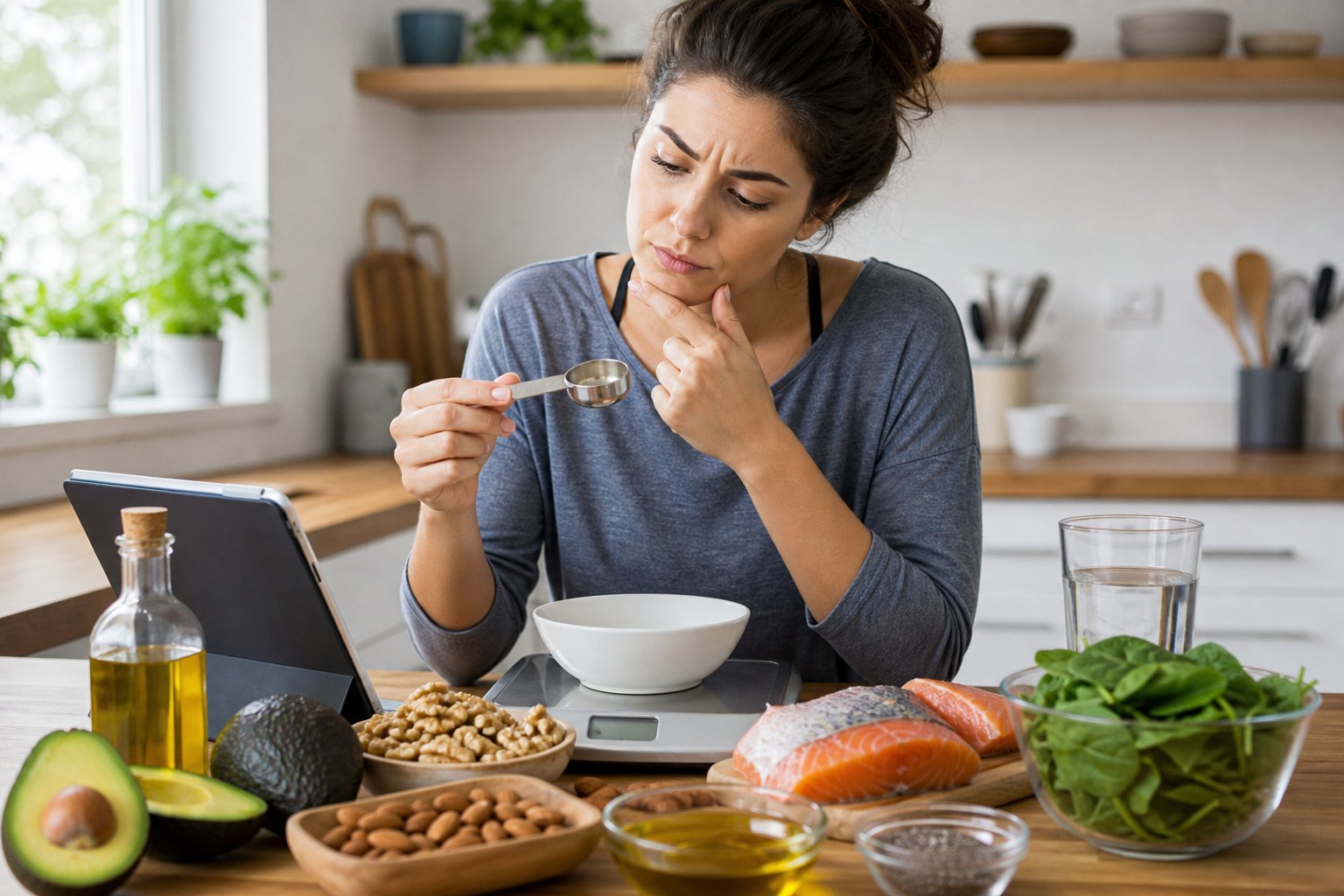
Getting fat intake right on keto is about eating enough to feel good, but not so much that you stop burning your own fat. It’s a balance—enough protein, low carbs, and listening to your appetite.
Eat Fat to Satisfaction, Not Excess
Fat should make food taste good and help you feel full, but too much can slow down weight loss. If you eat more fat than your body needs, you’ll just burn what you ate instead of your own stored fat.
The aim is to finish a meal feeling satisfied—not stuffed. Use butter, oil, or fatty cuts of meat for flavor and fullness, but don’t force it if you’re already comfortable.
You don’t need to chase a fat target or add oil to coffee if you’re not hungry.
How you know you’re getting it right:
- You feel full for 4-6 hours after eating
- No crazy cravings or hunger crashes
- Meals are enjoyable, but you’re not overstuffed
- Your energy feels steady all day
If the scale stops moving, try cutting back on added fats like butter or cream first. That usually gets things going again.
Let Hunger Guide Portions
Once you’re fat-adapted—usually after a few weeks—your hunger signals get more reliable. Pay attention to them.
Real hunger builds slowly and any food sounds good. Cravings hit fast and are usually for something specific.
Ideally, you should feel satisfied for at least 4-5 hours between meals. If you’re hungry sooner, maybe you need more fat or protein next time. If you’re sluggish or uncomfortably full, you probably overdid it.
For weight loss, it’s better to eat just enough fat and let yourself get a little hungry before your next meal. That’s when your body will burn its own fat for energy.
If you’re just trying to maintain your weight, eating enough fat to keep hunger away between meals makes more sense.
Keep Protein Adequate
Getting enough protein at each meal is crucial for controlling hunger and keeping muscle on your frame. A lot of folks end up focusing so much on fat that they forget about protein, which can lead to more cravings and slower weight loss.
Most people do best with 1.2-2.0 grams of protein per kilogram of their goal body weight each day. For example, if your goal weight is 70 kilograms (154 pounds), you’re looking at roughly 84-140 grams of protein daily. If you’re lifting weights or pretty active, you’ll probably want to aim for the higher end.
Protein portions at meals:
- Palm-sized serving of meat, fish, or poultry (20-30 grams)
- 3-4 eggs (18-24 grams)
- 4-6 ounces of fatty fish like salmon (25-35 grams)
Protein is more filling than fat alone. With enough protein, you don’t need as much fat to feel satisfied.
Stay Consistent With Carbohydrate Intake
Keeping carbs low—usually 20-50 grams per day—helps your body stay in ketosis and keep burning fat. If your carb intake jumps around or creeps up, your body will go back to burning glucose, and that interrupts fat loss.
Most people do well aiming for 20-30 grams of net carbs a day. Net carbs are just total carbs minus fiber. That’s enough to let you eat veggies and maybe a little low-carb fruit.
It’s more about consistency than hitting a magic number. Eating 25 grams every day beats bouncing between 10 grams one day and 50 the next. Stable carb intake keeps hunger hormones in check and makes keto feel a lot more manageable.
Daily carb distribution:
- 5-10 grams at breakfast (vegetables, small amounts of berries)
- 10-15 grams at lunch (salad greens, low-carb vegetables)
- 10-15 grams at dinner (cruciferous vegetables, leafy greens)
Signs You Should Review Your Overall Keto Plan Instead
Sometimes, weight loss stalls on keto aren’t about fat at all. Hidden carbs, erratic eating habits, unrealistic expectations, and normal body adaptation can all slow things down in ways that cutting back on fat just won’t fix.
Hidden Carbs
Hidden carbs sneak into keto diets more often than people realize. Packaged foods are loaded with added sugars, starches, and fillers that don’t always jump out on the label.
Common sources include:
- Salad dressings and condiments
- Processed meats with fillers
- Sugar-free products with maltodextrin
- Restaurant meals with hidden sauces
- Nuts and nut butters in large quantities
Even vegetables add up. A medium tomato clocks in at 5 grams of carbs, and each bell pepper has about 6 grams. If you’re eating a lot of higher-carb veggies, you might blow past your limit without even noticing.
Don’t forget about certain meds and supplements. Things like cough syrup, vitamins, and fiber powders often use sugar or dextrose as fillers. Reading every label is honestly a must for troubleshooting keto.
Poor Meal Consistency
Skipping meals or eating at random times throws your body off. Regular eating patterns help your metabolism run smoother, even on keto.
Some folks eat once a day, others graze nonstop. Neither extreme usually works well, especially for beginners. Eating too little can slow your metabolism and spike stress hormones. Eating too often keeps your body from dipping into fat stores.
Meal timing actually affects hunger and energy. People who stick to consistent meal times usually find it easier to control cravings and hit their protein goals.
Recommended approach: Try eating 2-3 meals a day around the same times. That routine just makes things easier.
Unrealistic Expectations
Lots of beginners expect to lose weight super fast, but bodies don’t really work that way. You might drop 5-10 pounds of water weight right away, but fat loss is a slower process.
Realistically, losing 1-2 pounds of fat per week is about right. Sometimes the scale won’t budge even when you’re doing everything right. Water retention happens during fat loss, hormone shifts, and muscle repair.
Honestly, non-scale victories matter more than daily weigh-ins. Your clothes fit differently, you feel more energetic, and your mind feels clearer—usually before the scale changes. If you’re only watching the number, you’ll miss all those wins.
Weight loss isn’t a straight line. Plateaus are normal as your body adjusts. It doesn’t mean you’re failing.
Slow progress isn’t always caused by eating too much fat. Sometimes it’s simply part of the normal reasons keto weight loss is slow at first, especially during the early stages of the diet.
Normal Adaptation
Keto adaptation takes a while—usually 4-6 weeks. During this time, it’s totally normal to run into some bumps. Your body is building new fat-burning enzymes and adjusting how it runs things.
Early on, you might feel tired, foggy, or get muscle cramps. That’s mostly from needing more electrolytes. Sodium needs can jump to 5000 mg daily, magnesium to 400 mg, and potassium to 3000-4000 mg.
If you’re active, workouts might feel tougher for a couple of weeks. That usually gets better once your body is running on fat more efficiently.
Energy can be all over the place at first. Some days are great, others not so much. It evens out once you’re fully adapted. If you quit during this phase, you miss out on the benefits that come later.
If adjusting your fat intake doesn’t improve results, it’s worth exploring the other reasons why keto is not working before making more dietary changes.
Practical Tips for Managing Fat Intake
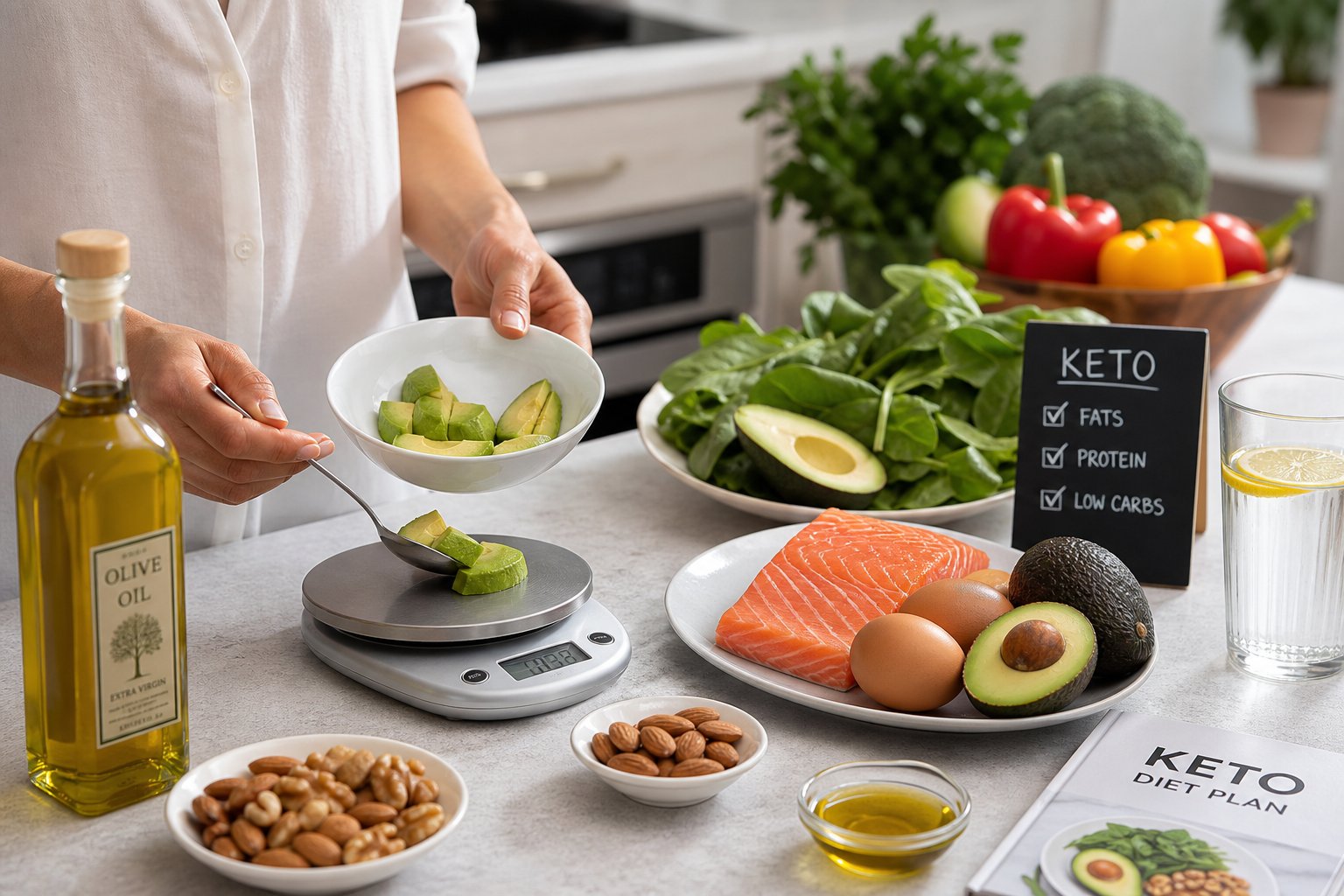
Managing fat on keto isn’t about strict calorie counting. It’s more about food quality and keeping an eye on portions. Small tweaks to fat intake can really help with weight loss, and you don’t have to sacrifice feeling full.
Choose Whole-Food Fat Sources
Whole food keto is where it’s at. Natural fat sources like avocados, nuts, seeds, olive oil, fatty fish, and eggs give you the healthy fats you need, plus a lot of extra nutrients.
These foods have vitamins, minerals, and fiber that you just won’t get from processed fats. Almonds, for example, give you fat, vitamin E, and magnesium. Salmon’s packed with omega-3s—way better than just eating butter or cream all the time.
Sure, things like heavy cream, butter, and cheese can fit in. But you probably don’t want them to be the main event at every meal. They’re calorie-dense and not as nutritious.
Quality fat sources for keto nutrition:
- Avocados
- Nuts (almonds, macadamias, walnuts)
- Seeds (chia, flax, pumpkin)
- Fatty fish (salmon, sardines, mackerel)
- Olive oil and coconut oil
- Whole eggs
Avoid Adding Fat Automatically
It’s easy to get in the habit of adding butter to coffee, pouring oil on everything, and topping meals with cheese—whether you’re hungry or not. That habit can sneak in hundreds of extra calories.
Fat should make your meal satisfying, not be a box you have to check. If you’re full after eating chicken and veggies, you don’t need to add more fat just because you think you should.
Listening to your hunger cues is more important than hitting a fat number. If you’re satisfied and energized, you’re good. Your body will burn stored fat if you’re not overdoing it on dietary fat.
Track Patterns if Progress Stalls
If you hit a plateau, tracking what you eat for a few days can be eye-opening. Most of us underestimate how much fat sneaks in through oils, dressings, and snacks.
You don’t have to track forever—just long enough to spot patterns. It’ll show you if you’re consistently overeating certain foods or if your portions have crept up.
Tracking also helps you see if you’re getting enough protein. Not enough protein can leave you hungry, which makes it easy to overeat fat. Most folks need 1.2 to 2.0 grams of protein per kilogram of their reference body weight.
If your weight loss seems to stall after adjusting your fat intake, learning how to measure keto progress can help you evaluate changes beyond the number on the scale.
Adjust Gradually Instead of Drastically
Cutting fat too fast can backfire—it’ll just make you hungrier and more likely to give in to cravings. Try small reductions, like 10-15 grams a day, so your body can adjust.
If you’re eating 150 grams of fat daily, drop to 135 grams for a week or two and see how you feel. This slow approach helps you keep your energy up and avoid feeling deprived.
Going cold turkey on added fats usually doesn’t end well. You’ll probably feel unsatisfied and might bounce back to high-carb eating. Patience and small tweaks are key for sticking with keto long term.
Not sure whether your meals contain the right balance of fat, protein, and carbohydrates? Our free 7-Day Keto Meal Plan helps you build a more balanced keto routine from the start.
When Fat Intake Should Change
Your fat intake on keto isn’t set in stone. It changes as you move from starting out, to losing weight, to maintaining your results.
Early Adaptation
During the first 2-4 weeks, your body is making a big shift from burning glucose to using fat and ketones. At this stage, it’s usually better to eat enough fat to keep hunger away and make the transition smoother.
This isn’t the time to cut back hard on fat. Keep carbs super low and let your body get used to its new fuel. Most people naturally end up eating 70-75% of their calories from fat during this phase.
More fat helps you avoid the fatigue and hunger that can come with cutting carbs. If you skimp on both carbs and fat at the start, you’ll probably feel awful and want to quit.
Your body isn’t great at tapping into stored fat just yet. Dietary fat gives you the energy you need while your metabolism adjusts.
Active Weight Loss
Once you’re adapted, it’s time to adjust fat intake if you want to lose weight. You’ll need to create a calorie deficit, which means eating a bit less fat than before—while keeping protein up and carbs down.
When you eat less fat from food, your body is forced to burn more of its own stores. That’s when real fat loss happens.
Many people stick to 60-70% of calories from fat during active weight loss, but the exact amount depends on your calorie needs and protein requirements. For example, a 150-pound person aiming for 100 grams of protein and 20 grams of net carbs would fill the rest of their calories with fat.
Eating too much added fat can slow things down, since your body will burn what you eat first. Bulletproof coffee, fat bombs, and lots of oils can easily push your fat intake too high without giving you much nutrition.
Weight Maintenance
After you hit your goal weight, you’ll probably need to bump your fat intake up a bit. Maintenance means eating enough calories to keep your weight steady, and most of those extra calories will come from fat.
At this point, 70-80% of calories from fat is pretty common. That keeps you in ketosis and supports your energy needs. You’re not relying on body fat for fuel anymore, so dietary fat takes over.
Maintenance lets you be a little more flexible. You can enjoy fattier cuts of meat, more olive oil on salads, or higher-fat dairy without stressing about progress. Now, it’s about keeping your results, not losing more.
Most long-term keto folks find their appetite naturally regulates fat intake. They eat enough to feel good—not more, not less.
Personalizing Your Approach
There’s no one-size-fits-all fat target on keto. What works for your favorite keto influencer might not work for you. Personal factors really matter here.
How active you are changes what you need. If you’re hitting the gym or running a lot, you’ll need more fat than someone who sits at a desk all day. Athletes often need higher fat even while losing weight.
Your starting point matters too. If you have a lot of weight to lose, you can eat less dietary fat and let your body use its own stores. If you’re already lean, you’ll need more fat from food to keep your energy and hormones balanced.
Things like age, gender, and metabolic health also play a role. Women and men usually need different macros. Older adults might need something different than younger folks. If you have insulin resistance, you may need to keep fat moderate even once you’re maintaining.
The best way to personalize? Track your results for a few weeks. If weight loss stalls while you’re eating a lot of fat, dial back on added fats and oils. If your energy tanks or you’re always hungry, add some fat back in. Honestly, tweaking based on what actually happens beats any generic macro calculator.
If you’re unsure how much fat, protein, and carbohydrate you should be eating, a personalized keto plan can help you find a balance that matches your goals instead of relying on generic advice.
Conclusion: Keto Isn’t About Eating the Most Fat—It’s About Finding the Right Balance
Lots of folks jump into keto thinking they need to load up on fat at every meal. Honestly, that’s a pretty common misconception.
The main point of keto is actually to keep carbs really low so insulin levels drop. When that happens, your body gets a chance to tap into its own fat stores for fuel instead of just burning what you eat.
Adding extra dietary fat isn’t what triggers fat burning—it’s the low carbs and lower insulin that do the trick.
Fat plays three important roles on keto:
- It makes food taste good and satisfying.
- It provides energy when carbs are off the table.
- It helps you stay full between meals.
Still, fat isn’t some magic food you can eat endlessly. Even on keto, going overboard with calories can stall or even stop weight loss.
Honestly, the most satisfying foods are usually protein and fiber-rich vegetables, not just pure fat. Think about it—a chicken breast with broccoli is way more filling than a mug of butter coffee or a fat bomb.
Protein and veggies also come with nutrients your body actually needs, while pure fat is mostly just calories.
You want enough fat to feel satisfied, but not so much that it gets in the way of your goals. There’s really no need to dump oil or butter on everything.
The fat that naturally comes in eggs, meat, cheese, nuts, or whatever oil you use for cooking? That’s usually plenty.
If you stick to protein-rich foods, toss in some veggies, and add just enough fat to make things taste good, you’ll probably do better than if you make fat the star of every meal.
Honestly, it’s all about balance—not chasing some magic fat percentage.