
Headaches on Keto: Causes, Relief, and Warning Signs
Getting a headache after starting keto can make it seem as though something is going wrong with the diet. Headaches can occur during the early transition to keto, but the symptom does not automatically mean that ketosis itself is the cause.
Several changes can happen at the same time when someone starts keto, including changes in fluid intake, electrolyte balance, caffeine consumption, meal timing, and overall food intake. That makes it useful to look at the surrounding changes rather than assuming every headache is simply part of “keto flu.”
This article breaks down the common possibilities, how to distinguish them, what may help, and when a headache should not be attributed to keto at all.
Headaches on Keto: Why Do They Happen?
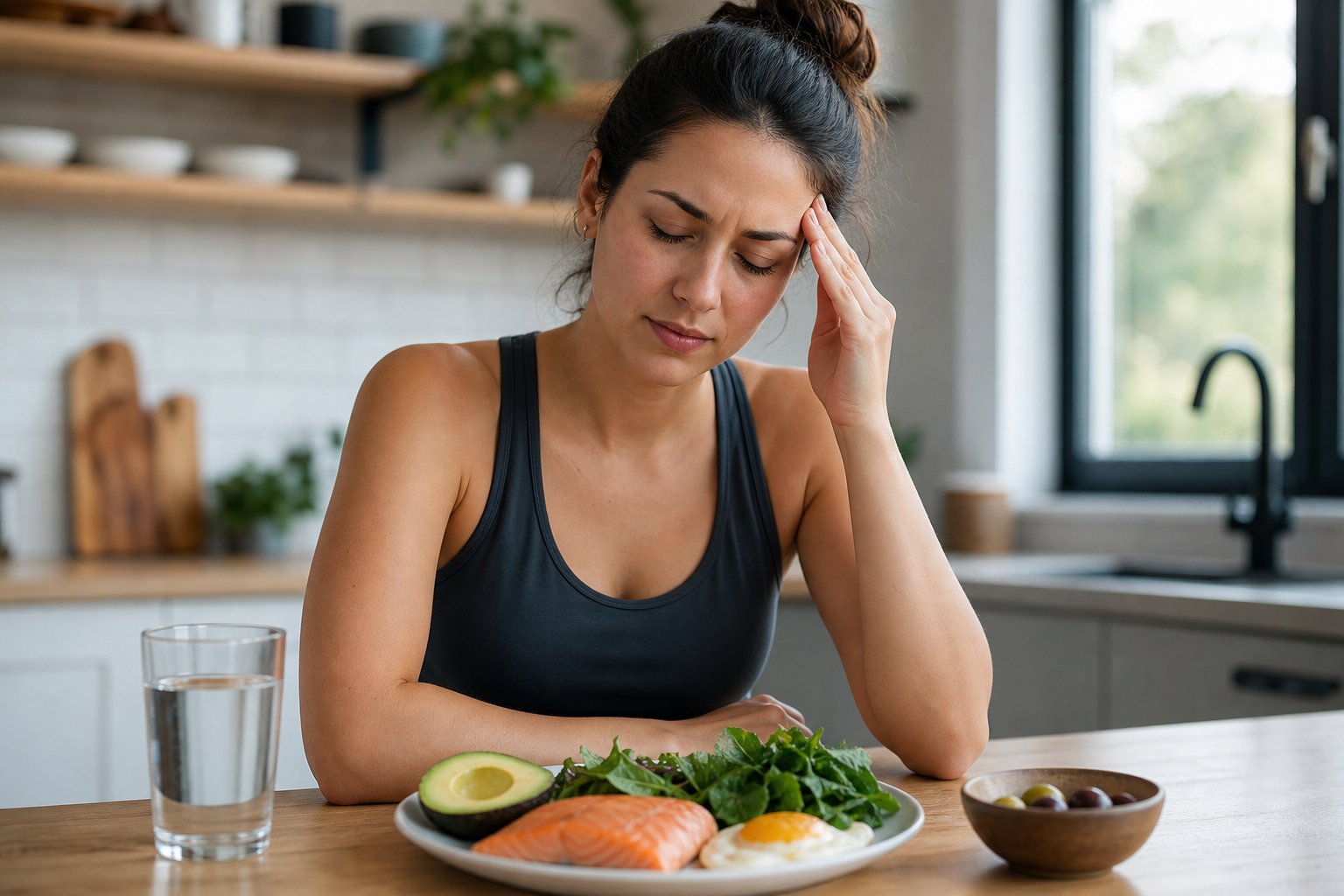
Headaches on keto commonly appear when several parts of your routine change at the same time. Carbohydrate intake drops, stored water is released, meal patterns shift, and your body begins adapting to a different fuel supply.
When Keto Headaches Usually Appear
A headache after starting keto often begins within the first few days of a sharp carbohydrate reduction. Early symptoms may last from several days to about a week, though your experience will depend on your diet, activity, medications, and health.
Timing offers a useful clue. A headache that starts soon after keto induction and improves as your fluid intake and meals stabilize fits early keto adaptation. A headache that begins weeks later deserves a broader review of sleep, stress, illness, medication use, hydration, and other common triggers.
Why a Headache Can Happen During the Transition
Your body stores carbohydrates as glycogen, a form of fuel held mainly in your liver and muscles. Glycogen binds water. As glycogen levels fall during carbohydrate restriction, you release some of that water through urine. Sodium can leave with it, which can contribute to headache and lightheadedness.
Other changes can overlap with this fluid shift. You may eat fewer calories because keto foods feel more filling, stop sweetened coffee, sleep poorly, or continue demanding workouts while your fuel use is changing. Reduced glucose availability may also contribute to symptoms during the transition, especially if you skip meals or use glucose-lowering medication.
Why Being in Ketosis Doesn’t Automatically Explain the Symptom
Ketosis means your liver is producing ketones for fuel. It does not identify the cause of your headache. You can enter ketosis without getting a headache, and you can have a headache while eating keto for reasons unrelated to ketosis.
The timing and surrounding symptoms provide better clues. Thirst and lightheadedness suggest reviewing fluid balance. Hunger and weakness point toward low food intake. A headache after reducing coffee fits caffeine withdrawal. Fever, neurological changes, or a sudden severe headache require medical assessment.
Triage: Does Your Headache Fit Normal Keto Adaptation?
A mild headache that begins soon after you restrict carbohydrates may fit early keto adaptation, while severe or unusual symptoms need prompt attention.
Headaches That May Be Related to Early Adaptation
- Begin within a few days of starting or tightening keto
- Feel mild to moderate
- Occur with fatigue, mild brain fog, thirst, or lower exercise tolerance
- Improve after rest, regular meals, and appropriate hydration
- Ease over several days as your routine stabilizes
Headaches That May Point to a Specific Execution Issue
- Thirst or dark urine: Review your fluid intake.
- Dizziness when standing: Fluid or sodium loss may be contributing.
- Hunger, shakiness, or weakness: You may be eating too little.
- Symptoms after skipping coffee: Caffeine withdrawal may be responsible.
- Symptoms after hard training: Exercise stress and fluid loss may be involved.
- Symptoms after poor sleep: Sleep disruption may be lowering your headache threshold.
Headaches That Shouldn’t Automatically Be Blamed on Keto
- A sudden, explosive, or unusually severe headache
- A headache after a head injury
- Pain with fever, stiff neck, confusion, fainting, or a seizure
- Pain with weakness, numbness, trouble speaking, or vision loss
- A persistent headache that keeps worsening
- A new headache during pregnancy or after childbirth
- Symptoms linked to very high or very low blood glucose
Diagnostic Summary: What May Be Driving Your Headache?
The most useful next step is to match the timing of your headache with recent changes in fluids, caffeine, food intake, and carbohydrate restriction.
Fluid and Electrolyte Changes Are the Likely Trigger
Choose this explanation first if you have thirst, increased urination, dark urine, muscle cramps, or lightheadedness. Review how much you are drinking and whether your meals provide sodium. Contact a clinician before increasing sodium if you have kidney disease, heart failure, uncontrolled high blood pressure, or a sodium restriction.
Caffeine Withdrawal May Be the Main Cause
Consider caffeine withdrawal if you reduced coffee, tea, soda, energy drinks, or pre-workout products around the same time you began keto. Headache, sleepiness, poor focus, and irritability support this pattern.
Reduced Food Intake May Be Contributing
Review your meals if the headache appears with hunger, weakness, shakiness, nausea, or long gaps without food. Eat a balanced, satisfying meal and note whether your symptoms improve. If you use insulin or glucose-lowering medicine, check your glucose as directed and follow your treatment plan.
You’re Still Adjusting to the Transition
Early keto adaptation is plausible when the headache began during the first week and no single trigger stands out. Keep meals, sleep, fluids, caffeine, and activity steady for a few days. Seek medical advice if symptoms persist, recur, or become more intense.
If your headache is appearing alongside several symptoms during the early transition to keto, it may help to look at the broader pattern of keto flu symptoms rather than treating the headache in isolation
Cause #1: Fluid and Electrolyte Changes

Fluid and sodium loss are common contributors to an early keto headache because carbohydrate restriction changes how much water your body stores and releases.
Why Keto Can Change Fluid Balance
Glycogen holds water in your liver and muscles. When you cut carbohydrates, your body uses some of this stored glycogen. The attached water is released and leaves through urine, which explains part of the quick drop in scale weight that many people see during early keto.
Lower insulin levels also encourage your kidneys to release more sodium. The combined loss of water and sodium may leave you thirsty, tired, lightheaded, or prone to headaches.
If your fluid intake changed substantially after starting keto, reviewing common keto hydration mistakes can help determine whether hydration is part of the problem.
Sodium and Hydration
Your body needs sodium to maintain fluid balance and support nerve and muscle function. A diet built around unsalted whole foods may supply less sodium than your previous eating pattern, especially if you removed bread, sauces, soups, and packaged meals.
Salted food or broth may help some people replace sodium lost during early keto. Your needs depend on climate, activity, sweating, medications, and health conditions. Get personal guidance before changing sodium intake if you have kidney or heart disease, high blood pressure, swelling, or instructions to limit salt.
Where Magnesium Fits
Magnesium supports nerve and muscle function. Low intake can contribute to cramps and other symptoms, though a headache alone does not prove magnesium deficiency.
You can obtain magnesium from low-carbohydrate foods such as pumpkin seeds, almonds, spinach, and avocado. Supplements can cause diarrhea and may interact with medicines. Kidney disease raises the risk of unsafe magnesium levels, so supplementation is worth discussing with a clinician or pharmacist.
Magnesium is sometimes discussed as part of keto electrolyte support, but whether magnesium is necessary on keto is a separate question from assuming that every keto headache requires a magnesium supplement.
Why Drinking More Water Isn’t Always the Complete Answer
Large amounts of plain water can dilute sodium when your intake is already low. Drinking far beyond thirst also creates its own risk of low blood sodium.
Use thirst, urine color, sweating, and activity as practical context. Pale yellow urine often suggests adequate hydration. Persistent dark urine, very frequent clear urine, swelling, confusion, or worsening symptoms call for a more careful assessment.
If your headache appeared alongside changes in fluid intake or other early keto symptoms, it is also worth reviewing keto electrolyte mistakes rather than assuming that simply drinking more water will solve it.
Cause #2: Caffeine Withdrawal
A sudden drop in caffeine can cause a headache that happens to coincide with your keto transition.
What Happens When Caffeine Intake Drops
Regular caffeine use affects blood vessels and signaling in your brain. When your intake falls sharply, withdrawal may cause headache, sleepiness, irritability, low energy, and trouble concentrating. Symptoms often begin within a day of the reduction and can continue for several days.
Your usual intake provides the key clue. Compare your current coffee, tea, soda, energy drink, chocolate, and pre-workout use with what you consumed before keto.
Why Keto Can Accidentally Change Your Caffeine Routine
Your caffeine intake may fall when you remove sweetened coffee drinks, regular soda, or energy drinks. You might also skip your morning coffee after deciding that milk, creamer, or sugar no longer fits your carbohydrate goal.
Coffee and unsweetened tea can fit a keto diet if they suit your health and sleep needs. The headache comes from a rapid caffeine change, not from coffee being incompatible with ketosis.
Adjusting Gradually When Appropriate
A gradual reduction may make withdrawal easier if your goal is to lower caffeine. You can reduce serving size, mix regular coffee with decaf, or remove one caffeinated drink at a time.
Keep intake earlier in the day so caffeine does not disturb your sleep. Ask a clinician for guidance if you are pregnant, have a heart rhythm condition, experience severe anxiety, or have been told to limit caffeine.
Cause #3: You’re Not Eating Enough
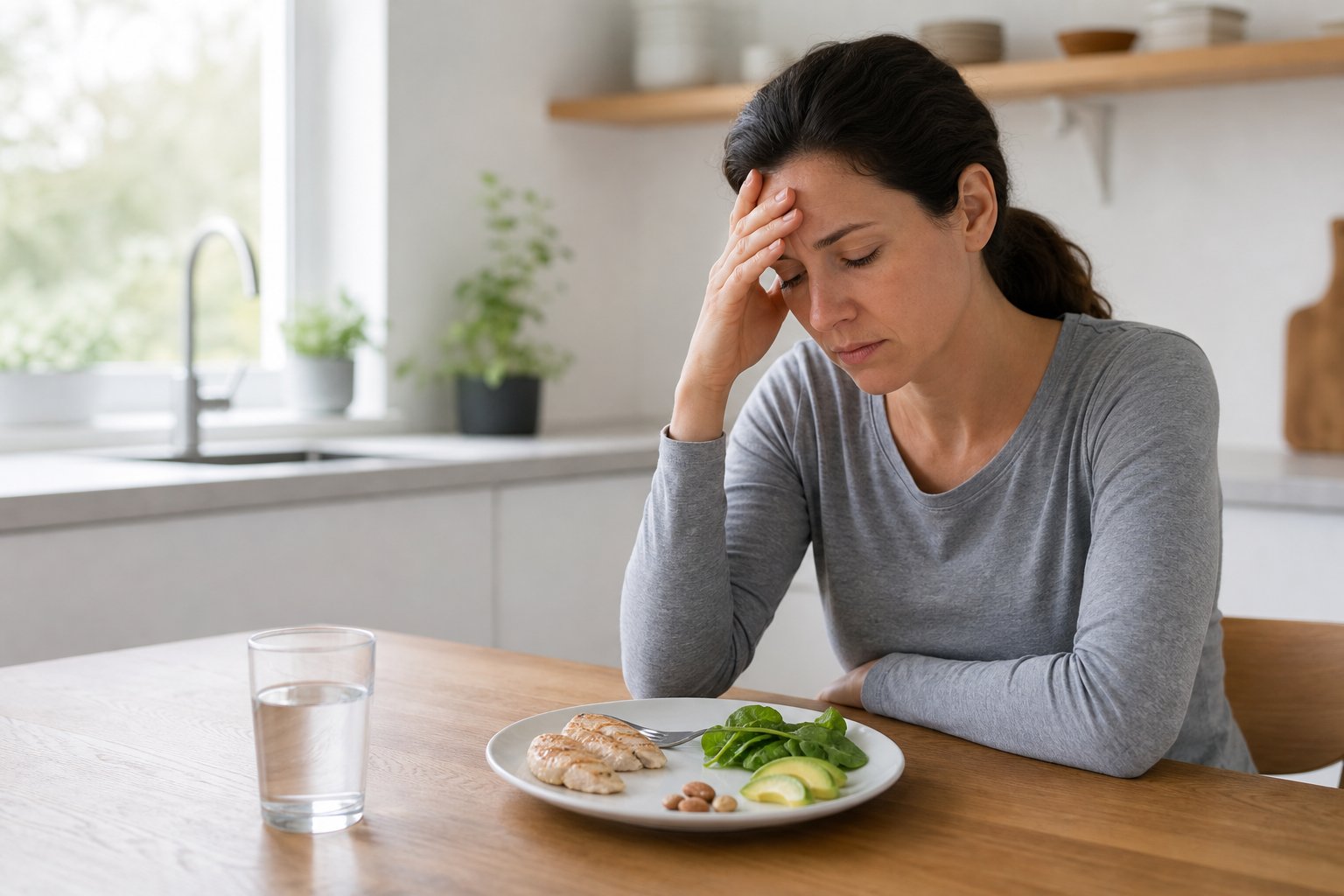
Eating too little on keto can contribute to headache, weakness, and poor concentration, especially while your body is adapting.
Skipping Meals During Early Keto
Keto meals may reduce your appetite, and planning unfamiliar foods can make meals easier to miss. You may also cut out carbohydrate-rich staples without replacing their energy and nutrients.
Long gaps between meals can leave you hungry, tired, or shaky. True hypoglycemia means your blood glucose has fallen below a healthy level. It is more concerning when you use insulin or medicines that lower glucose, drink alcohol without eating, or have a health condition that affects blood sugar.
Why Low Food Intake Can Overlap With Other Adaptation Symptoms
Under-eating can produce fatigue, headache, dizziness, irritability, nausea, and reduced exercise capacity. These symptoms overlap with fluid loss, caffeine withdrawal, poor sleep, and early keto adaptation.
Low food intake may also mean low sodium, magnesium, protein, or other nutrients. A very small meal paired with intense exercise increases the chance that several triggers will occur together.
Building More Consistent Meals
Build meals around a source of protein, low-carbohydrate vegetables, and enough fat to make the meal satisfying. Examples include eggs with spinach and avocado, chicken with a dressed salad, or salmon with roasted non-starchy vegetables.
Plan food before busy periods and keep practical options available. Your meals should support stable energy and adequate nutrition, even if weight loss is one reason you chose keto.
A keto meal plan can also make the transition easier by providing a more consistent structure when skipped or irregular meals are contributing to headaches.
Cause #4: The Transition to Keto Was Too Abrupt
A sharp drop in carbohydrates can make early keto symptoms more noticeable because your fluid balance, food choices, and fuel use all change within a short period.
Large Changes in Carbohydrate Intake
Moving from a high-carbohydrate diet to very low carbohydrate intake in one step quickly reduces glycogen. Water and sodium loss may follow, while your body increases ketone production and adjusts how it supplies energy.
Some people tolerate this shift with few symptoms. Others develop headache, fatigue, digestive changes, or lower exercise capacity. Symptom severity does not show how “deep” your ketosis is or predict long-term success.
Why Several Changes at Once Can Make Adaptation Harder
Starting keto while stopping caffeine, fasting, cutting calories, and increasing exercise makes the cause of a headache hard to identify. Poor sleep or alcohol use adds another possible trigger.
Change one major part of your routine at a time when your health plan allows it. If you are using keto as medical nutrition therapy for epilepsy or another condition, follow the schedule provided by your clinical team.
Giving Your Routine Time to Stabilize
Keep your meal timing, fluid intake, caffeine, sleep schedule, and activity level steady while you assess mild symptoms. A brief symptom log can reveal whether headaches are improving and what occurs before each episode.
You do not need to force deeper carbohydrate restriction while you feel unwell. Discuss a slower transition with a dietitian or clinician if abrupt restriction repeatedly causes symptoms or interferes with daily life.
What May Help When a Keto Headache Appears

Keto headache relief starts with reviewing recent changes and correcting the most plausible contributor without making several aggressive adjustments at once.
Review Fluids and Electrolytes
Drink in response to thirst and check whether heat, exercise, vomiting, diarrhea, or increased urination has raised your fluid needs. Include normal sources of sodium in your meals if you have no medical reason to restrict it.
Avoid guessing at high-dose electrolyte supplements. Product amounts vary, and potassium supplements can be dangerous with kidney disease or certain medications. A clinician can help if you have ongoing dizziness, cramps, heart palpitations, or suspected dehydration.
Eat a Consistent, Satisfying Meal
Have a balanced meal if you skipped food or ate very little. Include protein and nutrient-rich low-carbohydrate foods, with enough energy to leave you satisfied.
Check your glucose if you have diabetes and your care plan tells you to do so. Treat low glucose according to that plan, even when the required carbohydrate takes you out of ketosis. Immediate safety takes priority over a ketone target.
Review Recent Changes in Caffeine and Routine
Compare your current caffeine intake with your previous routine. A sudden reduction supports caffeine withdrawal as a contributor. Keep your sleep and caffeine schedule steady while symptoms settle, or taper caffeine gradually if reduction is your goal.
Also review alcohol intake, screen time, missed sleep, and new medications. Any of these changes may explain the timing more clearly than ketosis.
Reduce Demanding Exercise Temporarily if Needed
Hard training increases fluid loss and energy needs. During early keto adaptation, you may have less readily available glycogen for intense activity.
Choose light walking, mobility work, or a rest day if exertion worsens your headache. Resume demanding sessions gradually once you can eat, drink, and complete normal daily tasks without symptoms.
If your headache is occurring together with unusual tiredness during the transition, comparing it with keto fatigue may help you determine whether several symptoms are appearing together.
A consistent meal structure can remove some of the guesswork during the early transition, especially if irregular eating is making it harder to identify what may be contributing to your symptoms.
What Not to Do When You Get a Keto Headache
Avoid aggressive fixes because excessive fluids, supplements, and deeper restriction can worsen symptoms or create new health risks.
Don’t Assume You Need More Ketones
A headache does not show that your ketone level is too low. Cutting carbohydrates further, fasting longer, or adding large amounts of supplemental ketones may increase fluid loss or reduce your food intake.
Focus on symptoms and recent routine changes. Ketone readings cannot determine whether your headache comes from dehydration, caffeine withdrawal, under-eating, illness, or another cause.
Don’t Overcorrect With Excessive Water or Supplements
Forcing large amounts of water can lower blood sodium. Taking high doses of sodium, magnesium, or potassium without guidance can also cause harm.
Use food and a steady drinking pattern for mild issues when appropriate. Seek personal advice if you take diuretics, blood pressure medicine, lithium, insulin, or drugs that affect kidney function or electrolyte levels.
Don’t Stack Multiple Major Diet Changes at Once
Avoid combining strict keto with prolonged fasting, a major calorie cut, caffeine withdrawal, and a demanding new exercise plan. Multiple changes make keto troubleshooting less reliable and increase physical stress.
Keep your routine stable enough to identify patterns. Introduce a new change only after your symptoms and daily energy have settled.
Don’t Ignore a Persistent or Unusual Headache
A headache that continues, keeps returning, wakes you from sleep, or feels different from your past headaches deserves medical review. Repeatedly treating it as keto flu can delay care for another condition.
Record when the pain starts, how long it lasts, its severity, related symptoms, and any medicines you took. Share those details with your healthcare professional.
When a Headache May Need Medical Attention
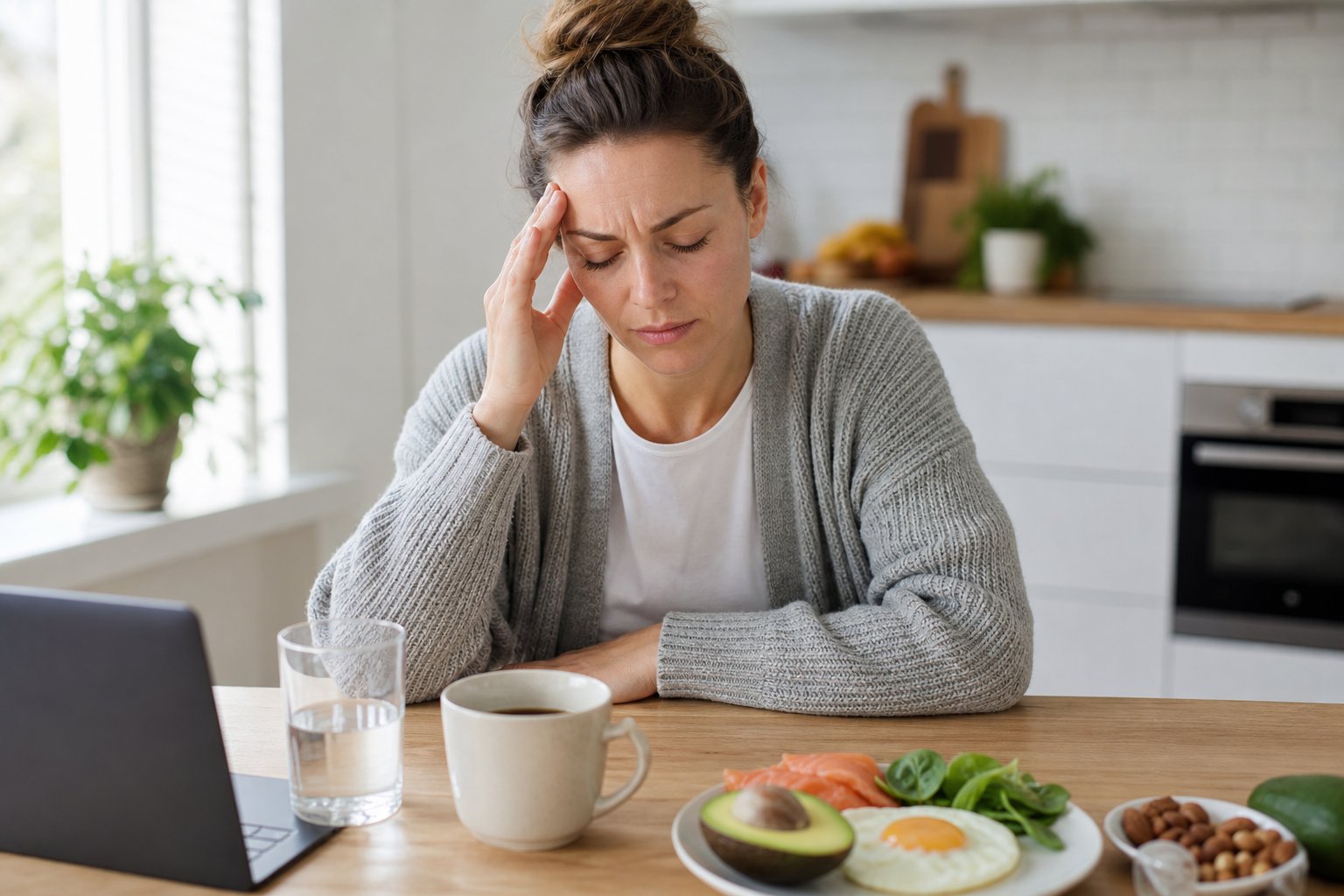
A sudden, severe, progressive, or neurologically unusual headache requires prompt medical assessment, regardless of when you started keto.
Severe or Sudden Headaches
Call 911 for an explosive headache that reaches peak intensity within seconds or minutes, especially if it is the worst headache you have experienced. Emergency care is also appropriate after a significant head injury or when severe pain follows intense exertion.
Seek urgent advice for a new severe headache during pregnancy or after childbirth. These situations require assessment beyond diet troubleshooting.
Headaches With Other Concerning Symptoms
Get emergency help when a headache occurs with:
- Weakness or numbness on one side
- Trouble speaking, walking, or staying alert
- New confusion, fainting, or a seizure
- Sudden vision loss or double vision
- Fever with a stiff neck
- Repeated vomiting or rapid breathing
- Fruity-smelling breath with marked thirst and frequent urination
The last group can occur with diabetic ketoacidosis, a dangerous buildup of acids. Nutritional ketosis is different, yet diabetes, illness, missed insulin, and certain medications can raise the risk of ketoacidosis.
A headache that is sudden and severe, or occurs with symptoms such as confusion, vision or movement problems, fever, stiff neck, or loss of balance, should not automatically be attributed to keto and may require urgent medical attention.
Persistent or Recurrent Headaches
Contact a clinician if your headache lasts beyond the expected early transition, worsens over time, or repeatedly interferes with work, sleep, exercise, or eating. Arrange an assessment sooner if you are over age 50 with a new type of headache, have cancer, or have a weakened immune system.
Frequent use of pain medicine can also contribute to recurring headaches. A clinician or pharmacist can review safe options and how often you are using them.
Medications and Health Conditions That Change the Situation
Speak with your healthcare team before starting or tightening keto if you use insulin, sulfonylureas, SGLT2 inhibitors, diuretics, lithium, or blood pressure medicine. Carbohydrate restriction and fluid loss may change glucose, blood pressure, and medication needs.
Personal guidance is also important if you have kidney disease, heart failure, liver disease, an eating disorder history, or a condition requiring sodium or fluid limits. Do not stop or adjust prescription medication on your own.
How to Make Keto Adaptation Easier
A steady routine may reduce early keto adaptation symptoms by limiting abrupt changes in fluids, meals, sleep, caffeine, and training load.
Keep Hydration and Meals Consistent
Drink regularly according to thirst, with extra attention during heat or exercise. Eat dependable meals that provide protein, low-carbohydrate produce, and enough energy for your daily needs.
Plan a few repeatable meals before you begin. This reduces the chance that carbohydrate restriction will turn into skipped meals or a diet based on a narrow range of foods.
Avoid Unnecessary Changes During the Transition
Keep your caffeine and sleep schedule stable during the first days of keto. Delay optional fasting, major calorie cuts, and new high-intensity training until you know how the diet affects you.
A gradual carbohydrate reduction may suit you better if a sharp transition causes repeated symptoms. A dietitian can help you set an approach that fits your health needs and reason for using keto.
Monitor How Your Symptoms Change Over Time
Track the headache’s start time, severity, duration, meals, fluids, caffeine, sleep, exercise, and any related symptoms. Improvement over several days supports a short-lived transition issue. A worsening or recurring pattern supports medical review.
If you monitor blood pressure or glucose for a health condition, follow the plan given by your clinical team. Report readings outside your target range and ask whether your medications need review.
If the transition to keto continues to feel difficult despite improving your basic routine, a more personalized approach may help you identify what needs to change.
Conclusion: A Keto Headache Is a Signal to Investigate, Not Automatically a Sign to Quit
A mild headache soon after starting keto may reflect fluid and sodium loss, caffeine withdrawal, reduced food intake, sleep disruption, training stress, or the broader shift in fuel use. Review the timing and change one plausible factor carefully while keeping your routine steady.
Seek medical care for sudden or severe pain, neurological symptoms, repeated vomiting, signs of ketoacidosis, or a headache that persists or worsens. If you take glucose-lowering drugs, diuretics, or other medicines that affect fluids and electrolytes, involve your healthcare professional before changing your diet or supplement intake.