
Keto Diet Not Satisfying? How to Build Meals That Actually Keep You Full
Keto meals can fit your carbohydrate target and still leave you feeling hungry shortly after eating. You may be choosing low-carb foods, adding fat to your meals, and avoiding sugar, yet still find yourself looking for another snack or struggling to stay satisfied between meals.
The problem is not necessarily that you need more fat or that keto is unsuitable for you. A meal can be low in carbohydrates but too small, short on protein, low in food volume, or built around calorie-dense ingredients that provide less physical volume than you expect.
Relying on shakes, packaged keto snacks, or small convenience meals can create a similar problem if they do not provide enough substance for your needs.
A satisfying meal usually depends on how its components work together. Protein, low-carb vegetables and appropriate fiber, dietary fat, portion size, food texture, and variety can all influence the experience of eating. Their importance varies with individual needs, preferences, and tolerability.
The useful question is not simply whether your meal is keto-friendly. It is whether the meal is substantial and well constructed enough to satisfy you in practice.
Once you identify which component is missing or poorly matched to your needs, you can improve the meal structure instead of automatically adding fat, cutting more carbohydrates, or reaching for another snack.
Why Is Your Keto Diet Not Satisfying?

Most keto meals that leave you hungry fail on structure, since “low-carb” describes only what a meal leaves out. Keto meal satisfaction depends on what the meal includes, and in what amounts.
Why Staying Low-Carb Doesn’t Guarantee a Satisfying Meal
Keto rules tell you which foods fit. They say little about whether a meal is complete. Coffee blended with butter and oil fits keto. So does a handful of almonds with two cheese cubes. Both are low in carbs, yet both are small, mostly fat, and quick to eat. Neither gives you much to chew, much protein, or much food in your stomach.
That gap explains a lot of the frustration people feel when they are hungry after eating keto. The meal passed the carb test but skipped the parts that help you feel fed.
The Difference Between Feeling Full and Staying Satisfied
Feeling full is the sense of having eaten enough right now. Staying satisfied means that feeling lasts until your next planned meal. A big salad with little protein can make you feel full at the table, then leave you snacking two hours later. A small, rich meal can taste good but never quite register as “enough.”
A satisfying meal does both jobs. It fills you at the time and keeps hunger quiet for a reasonable stretch afterward.
If unsatisfying meals are only one part of a broader pattern of stalled progress, reviewing why keto is not working for you can help you assess the wider execution problem rather than focusing on one meal in isolation.
Why Meal Structure Matters More Than Simply Adding Fat
Common keto advice says to add fat when you feel hungry. Fat does help a meal feel complete, and it plays a role later in this guide. Extra fat adds calories fast without adding much food, though, so it can push protein and vegetables off the plate.
Good keto meal structure balances protein, vegetables, fat, and portion size so each piece does its own job.
Triage: Why Isn’t Your Keto Meal Keeping You Full?
Run through these quick checks to find the likely cause of your keto hunger.
Your Meal May Be Too Small or Incomplete
- You finish eating in a few minutes.
- The plate looks sparse or holds one or two foods.
- You feel hungry within one to two hours.
- The “meal” is a drink or a snack-sized serving.
Your Meal May Be Missing a Key Component
- No clear protein food, like eggs, meat, fish, or tofu.
- No vegetables or other fiber source.
- Little to chew: mostly soft, creamy, or liquid foods.
Your Food Choices May Be Working Against Meal Satisfaction
- Most calories come from added oils, cream, cheese, or nuts.
- Packaged keto bars or snacks stand in for meals.
- The same few foods appear at every meal, so eating feels repetitive.
Your Hunger May Come From Something Beyond Meal Structure
- Your meals look balanced and sized well, yet hunger stays strong all day.
- You eat much less than you used to overall.
- Poor sleep, high stress, or a new medicine lines up with the change.
- Hunger feels intense or unusual for you.
Diagnostic Summary: Which Meal-Structure Problem Fits You?
Match your pattern to one of the problems below, then go to the section that fixes it.
Your Meals Are Simply Too Small
Sign: You get hungry soon after every meal, even balanced ones.
Fix: Increase portions, starting with protein and vegetables. See Component #4.
Your Meals Lack a Strong Protein Anchor
Sign: Meals center on cheese, nuts, or added fat, with little meat, fish, eggs, or tofu.
Fix: Build every meal around a real protein serving. See Component #1.
Your Meals Lack Volume and Variety
Sign: Meals are dense and small, and you get bored of them.
Fix: Add low-carb vegetables, fiber, and more textures. See Component #2.
Convenience Foods Are Replacing More Substantial Meals
Sign: Shakes, bars, or snack packs fill in for lunch or dinner most days.
Fix: Decide when a convenient option fits and when a full meal works better. See Component #5.
The Problem May Be Overall Intake Rather Than Meal Design
Sign: Meals look complete, but you are hungry, tired, or low on energy across the whole day.
Fix: Check your total daily food intake and outside factors. See “When Better Meal Structure Isn’t Enough.”
Once you have identified why your meals are not satisfying, the next step is to build a more consistent meal structure that combines suitable protein, vegetables or fiber, appropriate fat, and portions that fit your needs.
Component #1: Build Your Meal Around an Appropriate Protein Serving
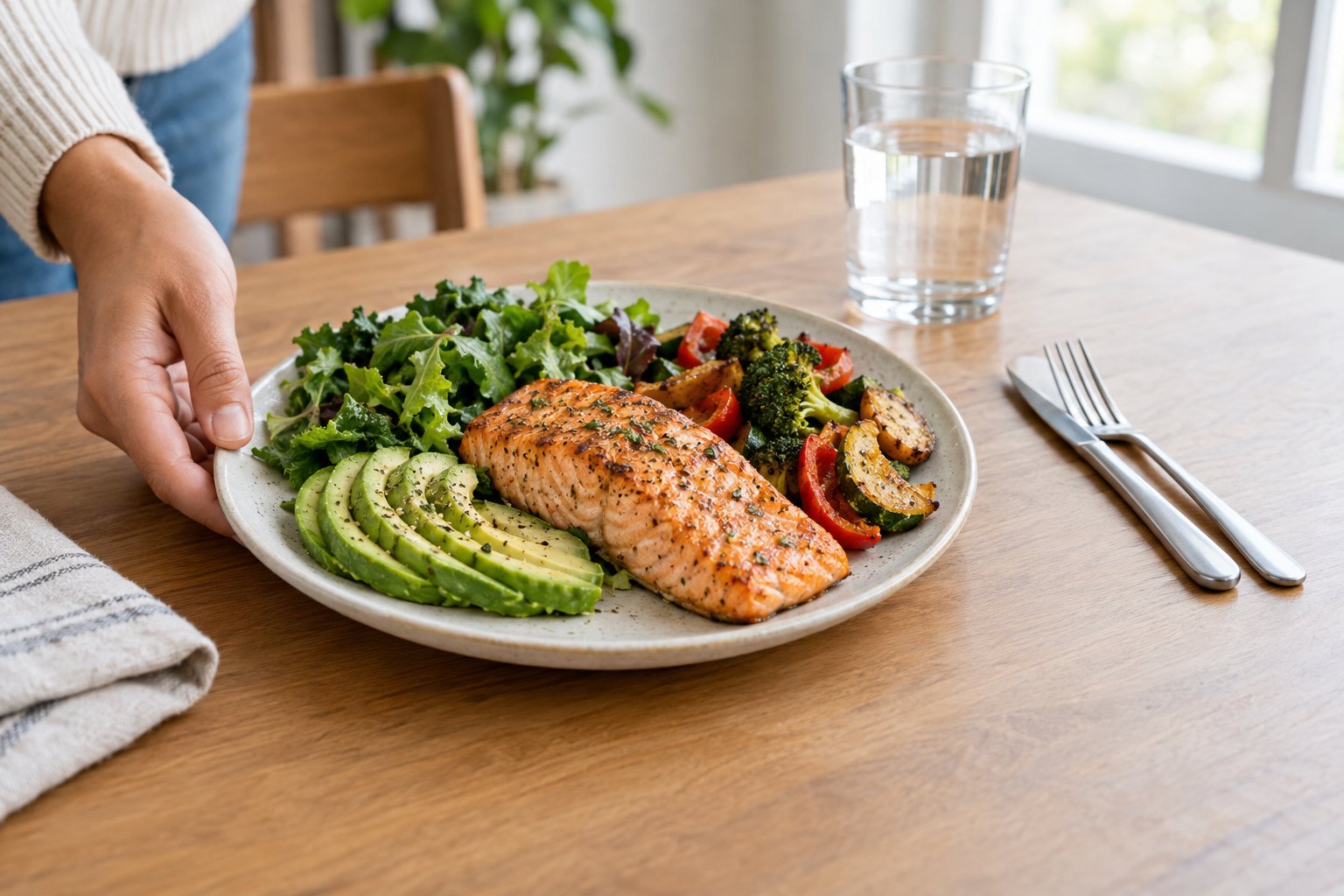
Protein should be the first thing you put on a keto plate, because it gives the meal a solid base and supports fullness.
Why Protein Belongs at the Center of Meal Structure
Your body uses protein to build and maintain muscle, bone, and skin. It does not store protein the way it stores fat, so you need it every day. Protein foods also tend to be filling and take time to eat.
In one study of healthy adults, a breakfast with 20 grams of protein produced similar fullness to versions with 30 or 40 grams. That suggests a moderate, steady serving at each meal does a lot of the work.
Your exact needs depend on your age, sex, size, health, and activity level, so treat any number as a starting point.
How to Recognize a Meal With Too Little Protein
Watch for these patterns:
- The main “protein” is a slice or two of cheese.
- Nuts or seeds are the only protein source.
- Eggs show up as one egg mixed into a sauce.
- The meal is coffee, a fat bomb, or a cream-based drink.
A useful visual check: a palm-sized portion of meat, fish, or tofu, or two to three eggs, gives most adults a clear protein anchor.
Choosing Protein Sources That Fit Your Keto Routine
Pick protein foods you like and can prepare easily:
| Protein type | Examples | Practical notes |
|---|---|---|
| Poultry and meat | Chicken thighs, ground beef, pork | Cook in batches for the week |
| Fish and seafood | Salmon, tuna, shrimp | Canned options save time |
| Eggs and dairy | Eggs, Greek yogurt (plain), cottage cheese | Check labels for carbs per serving |
| Plant-based | Tofu, tempeh | Mix plant proteins across the day |
Animal proteins supply all the amino acids your body cannot make. If you rely on plant proteins, eating a variety of them helps cover your needs.
When Protein Powder Can Fill a Practical Gap
Protein powder helps on busy mornings, after workouts, or when a meal falls short on protein. Stirring a scoop into plain Greek yogurt, or having a shake beside eggs and vegetables, raises the protein of a light meal.
If you shop for the best keto protein powder, read the Nutrition Facts label for protein and total carbohydrate per serving, and look at the ingredient list for added sugars. Both whey and pea protein appeared equally filling in the study above, so you can choose based on taste and tolerance.
When a convenient protein source would help you build more consistent meals, comparing options in the best keto protein powder guide can help you assess products based on protein content, ingredients, and practical fit.
Component #2: Add Low-Carb Vegetables, Fiber, and Food Volume
Vegetables give your keto meal the bulk and chew that make it feel like a full plate.
Why Meal Volume Matters
Your stomach notices how much food you eat, along with what it contains. Low-carb high-volume foods, like leafy greens, zucchini, and cauliflower, add size to a meal for very few calories and carbs.
A plate of salmon with a big pile of roasted broccoli looks and feels more substantial than salmon alone. Eating more slowly through a larger plate also gives fullness time to build.
Choose Vegetables That Fit Your Carbohydrate Target
Most non-starchy keto vegetables fit easily:
- Very low-carb: spinach, lettuce, arugula, celery, cucumber, zucchini
- Low-carb, more filling: broccoli, cauliflower, green beans, cabbage, Brussels sprouts, mushrooms
- Use smaller amounts if your target is strict: onions, bell peppers, tomatoes
Root vegetables like potatoes and corn are high in carbs and fall outside most keto plans. Your daily carb limit decides how freely you use the middle group.
Include Fiber Sources You Tolerate Well
Fiber on keto comes from vegetables, avocado, chia seeds, flaxseed, and some nuts. Fiber adds bulk and helps with regular digestion.
Constipation is a known side effect of keto, so this part of the plate does double duty. Add fiber slowly and drink enough water, since a sudden jump can cause gas or bloating.
Use Variety and Texture to Make Meals More Substantial
Meals that are all soft or all creamy get boring and are easy to eat fast. Mix textures on purpose:
- Crunch: raw cucumber, celery, toasted seeds, cabbage slaw
- Chew: grilled meat, roasted vegetables
- Creaminess: avocado, a spoon of sour cream
- Freshness: herbs, lemon, vinegar-based dressing
Rotating a few vegetables and cooking styles each week keeps keto food variety high, which makes meals easier to enjoy and stick with.
Component #3: Use Dietary Fat to Complete the Meal, Not Maximize It
Keto dietary fat works best as a finishing piece that adds flavor and staying power to an already solid meal.
Why Dietary Fat Can Contribute to Meal Satisfaction
Fat makes food taste rich and helps a meal feel complete. It also slows how quickly your stomach empties, which helps fullness last. Olive oil on roasted vegetables, avocado beside eggs, or butter melted over fish all make a meal more enjoyable.
When Added Oils, Cheese, Cream, or Nuts Crowd Out Other Foods
Fat holds about nine calories per gram, more than twice the amount in protein or carbs. A few spoonfuls of oil or a handful of nuts add a lot of energy in a small space. When too much fat on keto fills your calorie budget, you may shrink the protein and vegetables to make room. The plate ends up smaller, softer, and less filling.
Common crowding patterns:
- Coffee with butter and oil replacing breakfast
- Cheese piled high while the protein portion stays small
- Cream sauces covering a tiny amount of chicken
- Nut snacks eaten in place of a meal
Finding a Practical Balance Between Fat and Protein
Start with your protein and vegetables, then add fat to cook them and season them.
Fatty proteins like salmon, chicken thighs, or eggs already bring some fat, so you need less extra.
Leaner proteins like chicken breast or white fish can use more added fat, such as an olive oil dressing or half an avocado.
A tablespoon or two of added fat per meal is a common, workable range for many people, though your needs may differ.
Why More Fat Isn’t Always the Solution to Persistent Hunger
If you keep adding fat and still feel hungry, the missing piece is probably elsewhere.
Look at protein and vegetables first. Adding more fat to a small meal makes it richer while leaving it small.
Component #4: Make Sure the Meal Is Substantial Enough
Some keto meals leave you hungry because there is not enough food on the plate for your body’s needs.
How Undersized Meals Can Leave You Unsatisfied
A meal can be balanced and still too small. Two eggs with a few spinach leaves have the right parts but may fall short for a tall, active adult.
If you feel hungry soon after meals that include protein, vegetables, and fat, portion size is the next thing to check.
Low energy, trouble focusing, or thinking about food between meals point the same way.
Why Calorie-Dense Foods May Provide Less Food Volume
Many keto staples pack a lot of calories into a small amount. Compare these rough examples:
| Food | Approximate calories | How much food it looks like |
|---|---|---|
| 1 oz macadamia nuts | about 200 | A small handful |
| 2 tbsp olive oil | about 240 | A splash in a pan |
| 4 oz grilled chicken plus 2 cups broccoli | about 240 | A full plate |
When you limit calories with dense foods, you get very little to eat. Shifting some calories toward protein and vegetables gives you more food for a similar amount of energy.
If added fats, nuts, cheese, or other calorie-dense foods frequently lead you to eat more than you intended without feeling proportionately satisfied, reviewing overeating on keto can help you assess the broader portion and eating-pattern problem.
Adjusting Portions for Your Needs and Activity
Calorie and protein needs vary with age, sex, height, weight, and activity level. Generic label numbers, like the 2,000-calorie basis for % Daily Value, are only a general guide. Serving sizes on food labels reflect what people commonly eat; they are not a recommendation for you.
Practical adjustments:
- On active days or after exercise, add a larger protein portion or an extra side of vegetables.
- If you skip snacks, make your meals bigger to match.
- Increase portions in small steps, then see how long fullness lasts.
Avoiding Unnecessary Restriction to Accelerate Weight Loss
Cutting portions hard to lose weight faster often backfires. Losing more than about 2 pounds a week requires eating very few calories, and that kind of diet is meant for short periods with medical supervision.
People who lose weight very quickly are more likely to regain it, partly because the body responds with strong hormonal changes, including stronger hunger. A steady pace with meals large enough to satisfy you is easier to keep up.
Component #5: Consider Whether Your Meal Format Works for You
How you eat a meal shapes how satisfied you feel, apart from what it contains.
Solid Meals Versus Liquid Meals
Solid food takes longer to eat and requires chewing, which gives your body time to register fullness.
Liquid meals go down in a minute or two.
Many people find that a drink with the same calories as a plate of food leaves them hungry sooner. If shakes or fatty coffee leave you hungry by mid-morning, switching to a solid breakfast is a reasonable first test.
Food format may affect how satisfying a meal feels: a systematic review and meta-analysis of food texture and satiety found modest differences in hunger responses between solid and liquid foods, although the effects varied across studies.
When a Protein Shake Is Not a Complete Meal
A keto protein shake made with powder and water or almond milk is mostly protein. It lacks vegetables, fiber, and much fat, and it may be fairly low in calories. That makes it a good add-on or post-workout option.
As a full lunch, it often falls short. To make it more filling, pair it with solid food, such as a hard-boiled egg and raw vegetables, or blend in chia seeds and spinach.
When a Meal Replacement May Be More Appropriate
Meal replacement shakes and bars are designed to supply more of a meal’s nutrients, including protein, fat, fiber, and vitamins.
A keto meal replacement can help when you travel, work long shifts, or have no way to prepare food. Read the label for protein, fiber, total carbohydrate, and calories per serving to judge whether it matches what a meal would give you.
If you regularly need a convenient meal option, comparing products in the best keto meal replacement guide can help you evaluate whether a replacement product fits your needs better than relying on a snack or an incomplete shake.
For daily use, many people still feel better with solid meals most of the time.
Why Packaged Keto Snacks Shouldn’t Automatically Replace Meals
Keto convenience foods like bars, cheese crisps, and fat bombs are handy and have a place in your routine. Most are snack-sized and lean heavily on fat.
Eating one as lunch leaves out protein volume and vegetables. Use them to bridge a gap between meals, and keep a few simple fallback meals ready, such as canned tuna with a bagged salad or rotisserie chicken with frozen vegetables.
What Does a Well-Structured Keto Meal Look Like?

A well-structured keto meal follows a simple order: protein, then vegetables, then fat, then portion check.
Use this framework for any meal of the day.
Start With a Suitable Protein Source
Choose one main protein and serve a palm-sized portion or more. Examples include salmon, chicken thighs, ground beef, three eggs, or firm tofu.
This anchor sets up the rest of the plate.
Add Low-Carb Vegetables or Another Appropriate Fiber Source
Fill about half your plate with non-starchy vegetables. Mix raw and cooked when you can for different textures.
If vegetables are limited at a meal, add avocado or a spoon of chia or flaxseed for fiber.
Include Dietary Fat in an Amount That Fits the Meal
Add fat for cooking and flavor, based on how fatty the protein already is. A lean protein might get olive oil dressing and avocado.
A fatty cut like salmon may need only a squeeze of lemon and a little butter.
Adjust Portions to Create a Substantial, Satisfying Meal
Look at the plate and ask whether it will hold you until your next meal. Then compare it to your day.
| Meal | Falls short | Better structured |
|---|---|---|
| Breakfast | Coffee with butter and oil | 3 eggs scrambled with spinach and mushrooms, half an avocado |
| Lunch | Cheese cubes and a handful of nuts | Grilled chicken over a large salad with olive oil dressing and seeds |
| Dinner | Small steak with butter | Steak, roasted broccoli, and a side of cabbage slaw |
| On the go | Keto bar | Canned tuna, bagged greens, cucumber, and a cheese stick |
After a few days, adjust based on how long you stay satisfied.
Applying these principles consistently can be easier when you have a simple meal framework to work from. A 7-day keto meal plan can give you a starting point for organizing meals without having to design every meal from scratch.
Common Meal-Structure Mistakes That Leave You Unsatisfied
These mistakes are easy to make because each meal still fits keto on paper.
Relying on Fat Instead of Building a Balanced Meal
Adding butter, oil, or cream as the main answer to hunger raises calories without adding much food.
The fix is to build the base first with protein and vegetables, then finish with fat.
Treating Small Snacks as Complete Meals
A cheese stick and some almonds work as a snack. Eaten as lunch most days, they leave out a real protein serving and vegetables, so hunger returns early.
If snack-style eating suits your schedule, combine several pieces into a fuller plate, such as deli turkey, cheese, olives, cucumber, and bell pepper strips.
If you continue feeling hungry between meals even when you are following your carbohydrate target, reviewing why you are always hungry on keto can help you distinguish meal-structure problems from other possible causes.
Removing Too Many Foods Without Replacing Their Role
When you drop bread, rice, pasta, and fruit, you also lose the bulk they gave your plate. If nothing takes their place, meals shrink.
Swap in vegetables that fill the same role: cauliflower rice, zucchini noodles, lettuce wraps, or a larger side of roasted vegetables.
Following Generic Portion Advice Without Considering Your Needs
Sample meal plans and label serving sizes reflect an average person. A smaller, less active adult and a larger, active one need different amounts.
If a plan leaves you hungry, adjust your portions upward in small steps.
How to Troubleshoot Meals That Still Don’t Satisfy You
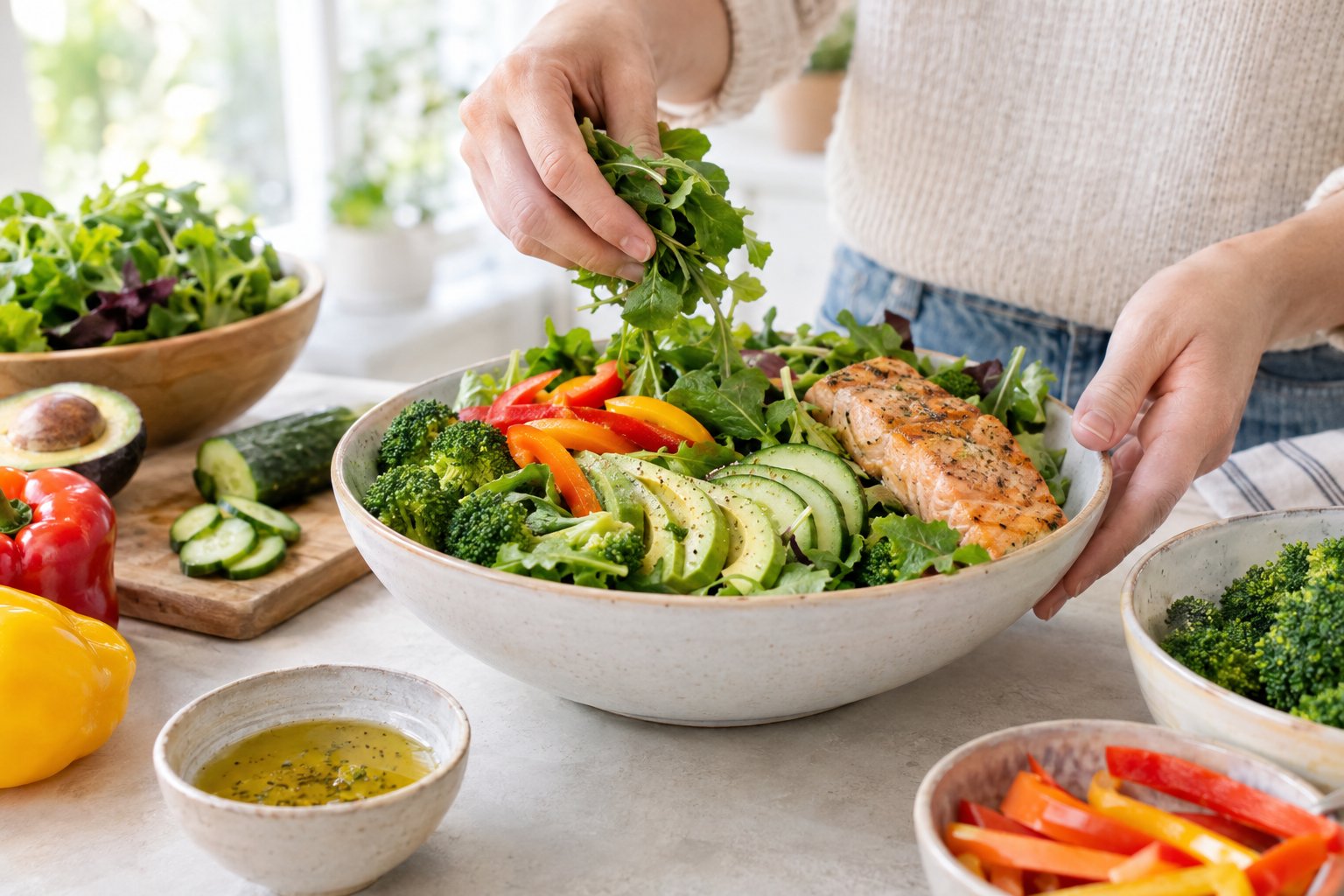
Careful observation and small changes will show you what your meals need.
Notice How Soon Hunger Returns
For a few days, jot down what you ate and when you got hungry again. Feeling ready to eat about three to five hours after a full meal is a common pattern.
Hunger within an hour or two after the same type of meal points to that meal as the problem.
Review Protein, Vegetables, Fat, and Portion Size
Check each hungry-making meal against four questions:
- Did it include a clear protein serving?
- Did it include vegetables or another fiber source?
- Did fat finish the meal, or make up most of it?
- Was there enough food for your size and activity?
The question with a “no” answer shows your starting point.
Change One Part of the Meal at a Time
Make one change, keep it for several days, and watch the results. For example, add one extra egg at breakfast before you also add vegetables.
Changing everything at once makes it hard to know what helped. Once a change works, keep it and move to the next gap.
Check Overall Intake Before Adding More Restrictions
If you are still hungry, resist the urge to cut more foods or carbs. Look at how much you eat across the whole day first.
Adding a snack or making one meal larger often solves more than another restriction would.
When Better Meal Structure Isn’t Enough
Some hunger continues even after your meals are well built, and that deserves a closer look.
Persistent Hunger Despite Satisfying Meals
If your meals include protein, vegetables, fat, and good portions, yet you feel hungry most of the day, the cause may sit outside your plate.
Ongoing, unexplained increases in appetite can be linked to anxiety, certain medicines such as corticosteroids, thyroid problems, diabetes, low blood sugar, or premenstrual changes.
Contact your health care provider if your appetite rises persistently without a clear reason or comes with other unexplained symptoms.
Signs Your Overall Intake May Be Too Low
Eating too little on keto can show up as:
- Constant hunger or thoughts about food
- Tiredness, low energy, or feeling cold
- Trouble focusing
- Weight dropping faster than about 2 pounds a week
- Feeling weak during workouts
If these sound familiar, increase your food intake gradually and pay attention to how you feel.
When Sleep, Stress, or Other Factors Need Attention
Short sleep and high stress can both make hunger feel stronger and harder to manage.
A rough week at work or several nights of poor sleep may explain a spike in appetite better than any meal choice.
Working on regular sleep hours and stress relief supports your eating plan.
When a More Personalized Approach Makes Sense
A registered dietitian can help you personalize your keto diet if hunger stays hard to manage, if you have a health condition such as diabetes, or if you take medicines that affect appetite or blood sugar.
Talk with your provider before starting keto in those cases, too. A dietitian can estimate your calorie and protein needs and adjust meals to your routine, tastes, and goals.
If your main challenge is maintaining a consistent keto routine with meals that fit your needs, a guided meal-plan approach can provide more structure around food choices and everyday execution.
Conclusion: Build Keto Meals That Work in Practice, Not Just on Paper
A keto meal that leaves you hungry usually needs better structure, and you can fix that one piece at a time.
Start each plate with a solid protein serving. Fill half of it with low-carb vegetables and fiber, use fat to finish the meal, and size the portion for your body and activity.
Choose solid meals when you can, and keep shakes, bars, and keto snacks for the moments they fit.
For your next meal, run the four-question check: protein, vegetables, fat, portion.
Change the weakest piece, keep it for a few days, and note how long you stay satisfied. If hunger stays strong after your meals are well built, bring that pattern to your health care provider or a registered dietitian.