
Artificial Sweeteners on Keto: Can They Stall Your Progress?
Artificial sweeteners can make keto easier when they let you enjoy sweet foods and drinks without adding much carbohydrate. But seeing “sugar-free” or “zero sugar” on a label does not automatically mean the product will help your keto routine.
A sweetened drink may contain little carbohydrate but still become a frequent part of your day. A keto dessert may fit your carbohydrate target while making it easier to keep reaching for sweet foods. A packaged keto product may also contain other ingredients that matter more to your overall intake than the sweetener itself.
At the same time, there is no simple rule that artificial or non-nutritive sweeteners automatically stall weight loss. Research on non-nutritive sweeteners and weight-management outcomes does not show a universal negative effect, and individual responses can differ.
The useful question is not simply whether a sweetener is allowed on keto. It is whether the sweetened product fits your carbohydrate goals, eating pattern, appetite, cravings, portions, and ability to stay consistent.
Can Artificial Sweeteners Stall Keto Progress?
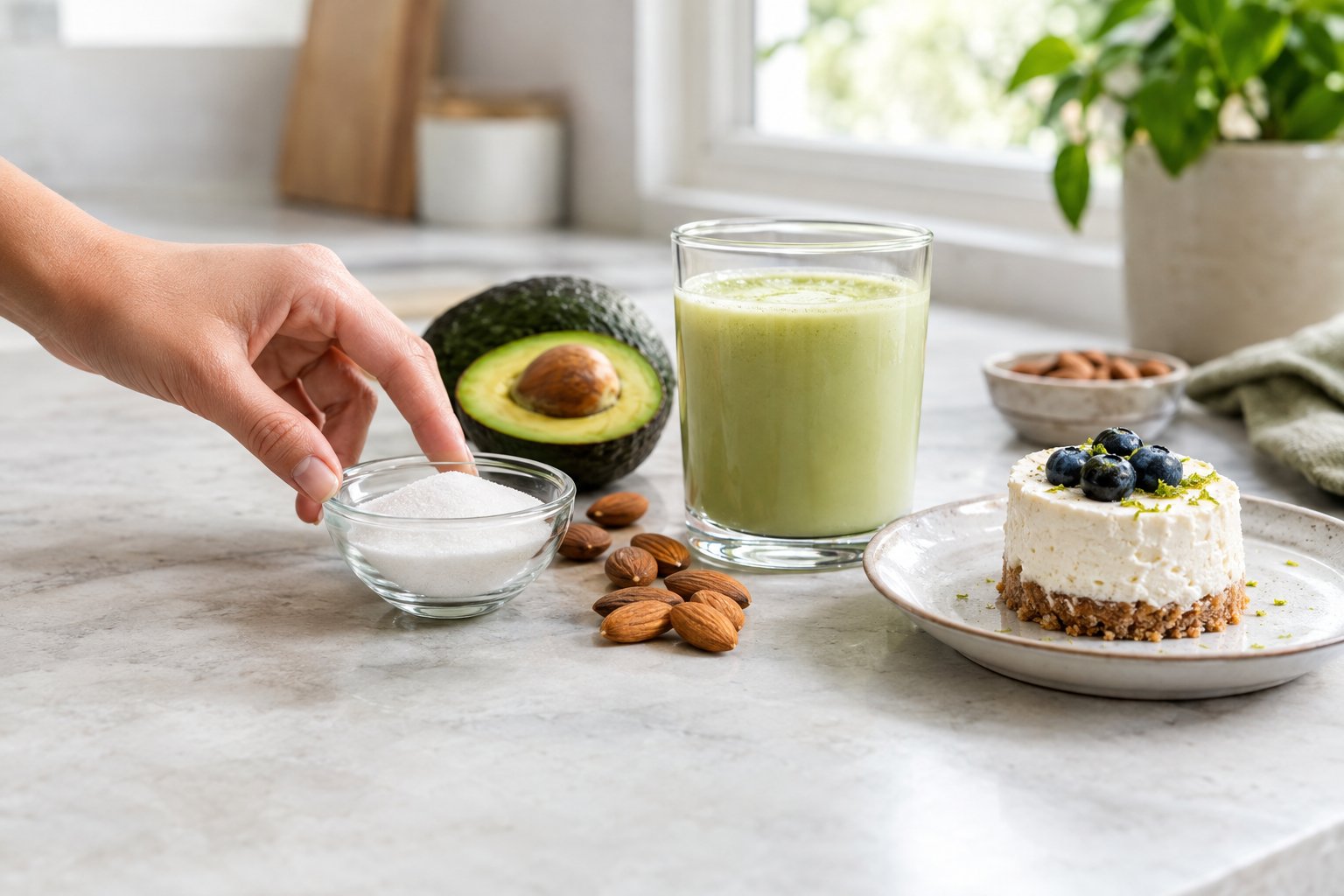
Artificial sweeteners on keto can contribute to a stall, though the sweetener itself is rarely the direct cause. Most pure sweeteners provide almost no usable carbohydrate. When sweetened foods do slow keto progress, the reason is usually something about the full product or the way you use it.
Why “Sugar-Free” Doesn’t Automatically Mean “Problem-Free”
“Sugar-free” on a label means the product has less than half a gram of sugar per serving. It says nothing about the other carbohydrates in the food. A sugar-free product can still contain:
- Sugar alcohols such as maltitol, sorbitol, or xylitol, which are carbohydrates and are partly absorbed
- Starches and flours used for bulk and texture
- Fillers such as maltodextrin or dextrose, which are common in powdered sweetener packets
- Fat and calories from butter, cream, oils, or nut flours
The FDA notes that sugar-free foods may still have a significant amount of calories, carbohydrate, and fat. It suggests comparing the sugar-free version with the regular one on the Nutrition Facts label. For keto, that comparison tells you far more than the front-of-package claim.
The Difference Between Staying Low-Carb and Making Keto Easier to Follow
Two separate questions come up with sweetened foods:
- Does this keep me within my carb limit? That is a math question you can answer from the label.
- Does this make my plan easier or harder to stick with? That is a behavior question you answer by watching your own patterns.
A product can pass the first test and fail the second. A keto ice cream that fits your macros still causes trouble if you eat the whole pint several nights a week. A diet soda that ends your afternoon cravings passes both tests. When people say “keto not working,” the answer often lies in the second question.
Why the Whole Product Matters More Than the Sweetener Alone
Judge sugar-free keto foods as complete foods. Here is how a pure sweetener compares with a typical packaged keto dessert:
| Factor | Pure sweetener (drops or pure extract) | Packaged keto dessert |
|---|---|---|
| Digestible carbs | Near zero | Varies; can add up across servings |
| Calories | Near zero | Often moderate to high |
| Added ingredients | Few | Flours, fats, sugar alcohols, fibers |
| Easy to overeat? | Low risk | Higher risk |
The sweetener is the same kind of ingredient in both. The rest of the package is what changes your results.
Triage: Are Sweetened Products Actually Causing You a Problem?
A quick check of your habits will show whether sweetened products deserve your attention.
Signs They Probably Aren’t a Major Issue
- You use a small amount, such as a packet in coffee or one diet drink a day.
- Your portions stay the same from week to week.
- Sweet foods don’t trigger more snacking afterward.
- Your progress, hunger, and energy are steady.
- You log these items and they fit your carb limit.
Signs They May Be Complicating Your Keto Routine
- You eat keto desserts daily or more than once a day.
- One serving often turns into two or three.
- You feel hungrier or crave more sweets after eating them.
- Sweetened snacks are replacing full meals.
- You don’t track them because they’re “keto.”
- You get bloating or loose stools after sugar-free treats.
Signs the Problem May Be Somewhere Else
- Your sweetener use is light, yet progress stopped.
- You aren’t tracking sauces, nuts, cheese, or cooking fats.
- Portions of regular meals have grown.
- You’re in your first few weeks of keto.
- Sleep, stress, or routine changes line up with the stall.
Diagnostic Summary: What Role Are Sweeteners Playing in Your Diet?
Your triage answers point to one of four situations. Each one leads to a different next step.
The Sweetener Itself Probably Isn’t the Main Issue
If you use pure sweeteners in small amounts, keep them. Spend your effort checking the rest of your diet.
The Product Formulation Is the Bigger Problem
If your sweetened foods contain maltitol, starch, flour blends, or dextrose fillers, switch to simpler versions. Count net carbs from the label, and treat sugar alcohols like maltitol with caution.
Sweetened Foods Are Reinforcing Cravings or Eating Habits
If sweets lead to more sweets, cut back how often you have them. Try a planned treat a few times a week instead of a daily one.
Your Overall Execution Needs Review
If none of the above fits, look at total portions, hidden carbs, and consistency across the whole week. Keto consistency problems rarely trace back to one ingredient.
If you are still unsure whether the sweetened products are actually causing a problem, a structured keto troubleshooting checklist can help you test the most likely execution issues without changing everything at once.
→ Keto Troubleshooting Checklist
Low Carb Doesn’t Always Mean Low Impact on Your Keto Routine

A low carb count is a good starting point, but it leaves out several things that shape how a sweetened food affects your keto execution.
Carbohydrate Content Is Only One Variable
Low carb sweeteners keep carbs down, yet calories, fullness, and eating habits also affect results. A food with 2 grams of net carbs and 300 calories fits your carb limit while still adding a lot of energy to your day.
If you are relying heavily on net-carb calculations to decide whether a sweetened product fits your diet, reviewing counting net carbs on keto can help you understand why the number on the label does not tell the whole story about the food.
Product Formulation Matters
Keto sweeteners differ from one another. Erythritol is poorly absorbed and has little effect on blood sugar for most people. Maltitol is absorbed more and raises blood sugar more than other sugar alcohols. Blends can mix several of these, so the label on the bag tells you more than the brand name does.
Portion Size and Frequency Matter
Small numbers add up. Two grams of net carbs per cookie becomes eight grams when you eat four. On a plan that keeps carbs around 20 to 50 grams a day, that can take up a large share of your limit.
Individual Responses Can Differ
People respond to the same keto-compatible foods in different ways. One person may notice stronger cravings after diet soda while another feels nothing. Gut reactions to sugar alcohols also vary. Your own patterns are a better guide than a general rule.
What Actually Matters When Evaluating a Sweetener or Sweetened Product?
Five checks cover most of what you need to know before a sweetened product becomes a regular part of your keto plan.
The Carbohydrate Content
Start with total carbohydrate, then subtract fiber and the sugar alcohols you count as low-impact (erythritol is the usual one). That gives you an estimate of net carbs. Remember that the FDA lets companies list sugar alcohols voluntarily in many cases, so they don’t always appear on the label as their own line.
The Ingredients Around the Sweetener
Read the ingredient list, which runs from most to least by weight. Watch for:
- Dextrose or maltodextrin, common fillers in packets and powders
- Maltitol or sorbitol, which may affect blood sugar and digestion more
- Flours and starches in baked goods
Sweetener blends often pair a strong sweetener with a bulking agent, and the filler is where carbs come from.
How Much You Consume
Compare your usual portion with the serving size on the label. Packages often hold more than one serving. If you eat double the serving, double every number.
How Often You Use It
A treat once a week and a treat three times a day have very different effects. Count how many times sweetened items show up in a typical day when you track your food.
Whether It Improves or Complicates Your Adherence
Ask whether the product helps you stay on plan. If a diet drink keeps you away from regular soda, it’s doing its job. If a keto bar leads to grazing all afternoon, it’s working against you.
Why Sugar-Free and Keto Products Can Still Create Execution Problems
Packaged keto foods are built to taste like the foods you gave up, which makes them useful and easy to overuse.
Sweetener Blends and Added Ingredients
Many sugar-free keto products use more than one sweetener. A bar might contain erythritol, stevia, and a fiber syrup. Some fibers and sugar alcohols are absorbed more than others, so net carb claims on the front of the package are estimates by the maker.
Hidden Carbohydrates in the Finished Product
Carbs hide in coatings, chocolate chips, nut flours, and fillings. A keto snack’s front label might feature “1g net carb,” while the Nutrition Facts panel shows 18 grams of total carbohydrate. Check the panel and decide for yourself how to count it.
Keto Desserts That Encourage Repeated Eating
Keto desserts are designed to be pleasant to eat. Soft cookies, fat bombs, and pints of low-carb ice cream make it easy to go back for more. Each serving fits on its own, while the evening’s total does not.
Why a Keto Label Doesn’t Make a Product Unlimited
“Keto” is a marketing term with no legal definition on U.S. food labels. It tells you the maker designed the product for low-carb eaters. You still need to count it, portion it, and fit it into your day like any other food.
Can Sweet Taste Make Cravings Harder to Manage?

Sweet taste can make cravings harder for some people and easier for others. Your own use pattern decides which group you fall into.
When Sweetened Foods Satisfy a Craving
For many people, a diet drink or small dessert closes the door on a craving. Signs this is your experience:
- You have one serving and feel done.
- You don’t think about sweets again for hours.
- You eat fewer high-carb foods than before.
In this case, sweetened products support your plan.
When They Keep the Desire for Sweet Foods Going
Other people find that sweet foods lead to wanting more. You might notice:
- One keto cookie leads to searching the pantry.
- You plan your day around the next sweet item.
- Cravings feel stronger on days you eat more sweeteners.
Research on whether non-sugar sweeteners change appetite is mixed, and the World Health Organization advises against relying on them for long-term weight control. Treat your own response as the evidence that counts for your plan.
If sweetened foods seem to keep your desire for desserts or other sweet foods active, looking at keto cravings can help you assess the broader eating pattern rather than assuming the sweetener itself is the cause.
Why Individual Response Matters More Than a Universal Rule
No single rule fits everyone. A habit that keeps one person on track can push another off it. Watch what happens in the two hours after you eat something sweet. Note your hunger, your thoughts about food, and whether you eat again sooner than planned.
Evidence does not support a simple rule that non-nutritive sweeteners universally increase hunger or prevent weight loss; a 2026 systematic review of randomized trials found no significant increase in hunger during weight maintenance and reported a small reduction in hunger during weight-loss interventions.
Separating Cravings From Digestive Reactions
Some reactions feel like hunger but come from your gut. Sugar alcohols are not fully absorbed and get fermented in the large intestine, which can cause gas, bloating, or diarrhea in some people. Products with sorbitol or mannitol must carry a warning about a possible laxative effect. If sweet foods leave you uncomfortable, that’s a tolerance issue. A craving shows up as wanting more food.
When Frequency and Context Become the Real Problem
Timing and setting turn a harmless sweetener habit into a routine that works against you. The same product can be fine in one context and a problem in another.
Daily Desserts vs Occasional Use
A planned dessert twice a week is easy to track and enjoy. A dessert every night becomes part of your baseline intake. Over a month, that can mean dozens of extra servings, along with the carbs and calories in each.
Sweetened Drinks Between Meals
Zero-calorie drinks don’t add carbs on their own. Watch whether they come with something else. If a diet soda in the afternoon pairs with a snack every time, the drink has become a trigger for keto snacking.
Grazing on Keto-Friendly Snacks
Keto grazing means eating small amounts all day. Each handful of nuts or keto bites seems minor. Since you rarely log every bite, the day’s total climbs without you noticing.
Using Sweetened Products as a Replacement for Proper Meals
A keto bar or shake in place of lunch can leave you hungry by mid-afternoon. These products may lack the protein, vegetables, and volume of a real meal. You end up eating more later, often more sweetened snacks.
If sweetened snacks are being added between meals or replacing more satisfying meals, reviewing overeating on keto can help you determine whether the larger issue is total intake and eating behavior rather than the sweetener itself.
How to Audit Your Use of Artificial Sweeteners
A one- to two-week audit gives you clear data on how sweetened products fit into your keto troubleshooting.
Start With the Product Label
For each sweetened item you use, write down:
- Serving size and servings per package
- Total carbs, fiber, and sugar alcohols
- Calories per serving
- The first five ingredients
This shows you which products are simple and which are complex.
Track Portions and Frequency
Log what you eat, not what the label calls a serving. Keto food tracking apps make this easier. Note how many times per day sweetened items appear, including drinks and gum.
Look for Changes in Hunger and Cravings
Add a short note after each sweet item. Rate your hunger one hour later on a scale of 1 to 5. Patterns become clear within a week or two.
Compare Results With Your Overall Eating Pattern
Look at your sweetener log next to the rest of your food. Ask whether your heavier sweetener days line up with higher total intake, more snacking, or slower progress. If they don’t line up, the sweeteners are likely not the cause.
What to Do if You Suspect Sweetened Foods Are Holding You Back
Make small, testable changes to your sweetened foods first, and save a full cutoff for when smaller steps don’t work.
Reduce Frequency Before Eliminating Everything
Cut daily desserts to three or four per week. Swap one of your diet drinks for water or unsweetened tea. Smaller changes are easier to keep, and you’ll see if frequency was the issue.
Replace Highly Processed Products With Simpler Foods
Trade complex packaged items for simpler keto food choices:
| Instead of | Try |
|---|---|
| Keto cookie with maltitol | A few berries with whipped cream |
| Sweetened keto bar for lunch | Eggs, cheese, and vegetables |
| Flavored sweetener packets with fillers | Pure liquid stevia or monk fruit drops |
Test One Consistent Change at a Time
Change one thing and hold it for two to three weeks. If you change your sweeteners, portions, and meal timing all at once, you won’t know what helped.
Judge the Change by Actual Progress and Adherence
Check whether the change improved your weight trend, measurements, hunger, or how easy the plan feels. A single scale reading or glucose reading won’t settle it. If nothing improved after a fair test, bring back the product and look elsewhere.
When Artificial Sweeteners Probably Aren’t Your Main Problem

Most keto stalls come from factors outside the sweetener jar. Work through this short checklist if your sweetener use is already light.
Hidden Carbohydrates Elsewhere in the Diet
Hidden carbs on keto often come from sauces, dressings, deli meats, flavored nuts, and dairy. When counting net carbs on keto, these items add up fast and are easy to skip in your log.
Portion Size and Overeating
Overeating on keto happens with high-fat foods such as cheese, nuts, and oils. Health groups agree that total energy intake remains a main driver of weight loss, even on low-carb plans. Weigh or measure portions for a week to check.
Normal Keto Adaptation
Early weeks bring water weight shifts and changes in hunger and energy as your body adjusts. Progress in the first month can look uneven. Give your plan several weeks before you judge it.
Broader Consistency Problems
Weekends off plan, irregular meals, and gaps in tracking can undo steady weekday work. Look at a full week, including weekends, before blaming one food.
If sweetened products are only one part of a wider pattern of stalled progress or inconsistent execution, reviewing why keto is not working for you can help you step back and examine the bigger picture.
Choose Sweetened Products That Make Keto Easier, Not Harder
The best keto sweeteners for you are the ones that fit your plan without pulling you into more eating. A few guidelines help you pick well.
Use the Simplest Product That Fits Your Goal
If you only need to sweeten coffee, pure liquid drops do the job with no fillers. Save complex baking blends for when you bake. Keto-friendly sweeteners with short ingredient lists are easier to count.
Prioritize Products You Can Portion Consistently
Single-serve items make portion control easy. A wrapped keto snack or a measured scoop is simpler to track than a large bag. Pre-portion big packages into small containers when you get home.
Avoid Making Sweetened Foods a Constant Part of Your Routine
Plan your keto desserts ahead of time. Picking the days in advance keeps treats as treats and supports sustainable keto over months.
Know When Simpler Whole Foods Are the Better Choice
A meal of meat, eggs, and vegetables fills you up in ways a sweetened product can’t. When you’re hungry, reach for real food first. Use sweetened items when you want something sweet, and keep meals for hunger.
If sweetened products are becoming difficult to manage because your overall routine lacks structure, a guided keto plan can help you build more predictable meals and habits instead of relying on willpower around individual foods.
Conclusion: A Sweetener Can Be Keto-Compatible Without Being Useful for Your Keto Plan
A pure low-carb sweetener rarely stops ketosis on its own. Trouble tends to come from the product around it: fillers, sugar alcohols like maltitol, extra calories, and portions that grow over time. How often you eat sweet foods, and whether they quiet or feed your cravings, also shapes your results.
Read the label, log your real portions, and note your hunger after sweet foods for one to two weeks. If your heavy sweetener days match your slow weeks, cut frequency first and switch to simpler products. If they don’t match, keep your sweeteners and check hidden carbs, portion sizes, and weekend consistency next.