
Common Keto Problems: How to Fix Keto Diet Issues and Get Results
Many people start the ketogenic diet expecting rapid fat loss and increased energy. But after a few weeks, some begin to experience frustrating problems — the scale stops moving, energy drops, or symptoms like headaches and fatigue appear.
The truth is that most keto problems are not caused by the diet itself. Instead, they usually come from small mistakes, unrealistic expectations, or misunderstandings about how ketosis works.
From hidden carbs and electrolyte imbalances to adaptation issues and lifestyle factors, several common challenges can slow progress or make keto feel harder than it should be.

In this guide, we break down the most common keto diet problems, explain why they happen, and show how to fix them. Whether you are dealing with stalled weight loss, keto flu symptoms, or confusion about macros, understanding these issues will help you troubleshoot your keto strategy and get back on track.
If you feel like keto simply isn’t working, this detailed guide on why keto is not working for many beginners explains the most common causes and how to correct them.
Keto problems usually fall into a few major categories: weight loss stalls, early keto adaptation symptoms, electrolyte imbalance, diet setup mistakes, and lifestyle factors that slow fat loss.
The sections below break down each of these common keto problems and explain how to fix them.
Table of Contents
Why Keto Diet Problems Happen

Most keto headaches come down to three things: not managing electrolytes, eating hidden carbs, or bailing before your body gets used to burning fat instead of sugar.
The Most Common Reasons Keto Stops Working
If you’re wondering why keto isn’t working, it’s usually one of a few classic mistakes. Hidden carbs are the most common culprit. Sauces, dressings, and “low-carb” foods often sneak in more carbs than you’d think.
Electrolyte imbalance is another big reason people stop seeing results. When you cut carbs, your body drops water—along with sodium, potassium, and magnesium. That messes with your energy, and honestly, just about everything else.
Eating too often keeps insulin up, even if it’s just keto snacks. That can block your body from burning stored fat. Too much protein or not enough fat can also throw you off track and out of ketosis.
Why Beginners Struggle During the First Weeks
Most keto mistakes happen in the first couple of weeks. Your body needs time to switch from using sugar to burning fat. During this switch, people often feel tired, get headaches, or have muscle cramps.
Keto flu symptoms are the main reason people quit early. It’s really just low electrolytes, not ketosis itself. Most folks don’t salt their food enough or forget about magnesium and potassium.
Another mistake? Being scared of fat. Years of low-fat advice make people nervous about adding butter, oils, or fatty meats. But without enough fat, you’ll stay hungry and tired.
How to Use This Keto Troubleshooting Guide
This guide matches specific problems with real solutions. Each section lays out what causes the issue and how to fix it.
Figure out which problem fits your symptoms. Most people have a couple of things going on at once. If you’re stuck, fix electrolytes first—just that one change can make a huge difference in a day or two.
Track what you eat for a few days to catch sneaky carbs or off-balance macros. That’s usually an eye-opener. It’s way easier to fix things one at a time than to try to overhaul everything all at once.
Weight Loss Problems on Keto

Weight loss stalls on keto usually trace back to a few specific roadblocks. Maybe you’ve hit a plateau or the diet just isn’t working, but most of these things have pretty simple fixes.
Why You Are Not Losing Weight on Keto (Common Causes and Fixes)
If you are not losing weight on keto, the most common causes are hidden carbs, incorrect macros, electrolyte imbalance, or not giving your body enough time to adapt to ketosis. Identifying the specific issue is the first step toward restarting fat loss.
Common causes include:
- Too many carbs sneaking in
- Eating too many calories from fat
- Too much protein (which can turn into sugar)
- Not giving the diet enough time
Tracking your food helps spot the problem. People often underestimate carbs or think they need more fat than they do. Even small carb “oops” moments can block ketosis.
Your body has to use up its glycogen before it can really switch to burning fat. If you keep eating too many carbs, that switch just… never happens. Eating way too few calories can also slow your metabolism, making it even harder to lose weight.
If you are struggling with slow progress, this guide on why you are not losing weight on keto explains the most common mistakes beginners make.
Why the Scale Is Not Moving on Keto
Pretty much everyone hits a keto weight loss stall at some point. That first drop on the scale is mostly water weight, which falls off in the first week or two.
After that, weight loss slows down. Your body is getting used to burning fat instead of sugar, and this takes a little time. A plateau for a week or two is totally normal—it doesn’t mean you’ve failed.
Other things that stall progress:
- Poor sleep
- High stress (raises cortisol)
- Certain meds
- Thyroid or hormone issues
The scale might not budge even if you’re losing fat. Sometimes muscle goes up while fat drops. Measuring your waist, hips, and other spots can give you a better picture than just watching the scale.
In many cases the problem isn’t the diet itself but expectations — this article explains why the scale may not move even when keto is working.
Hidden Carb Mistakes That Stop Fat Loss
Hidden carbs are a huge reason people get stuck. Foods that claim to be keto-friendly often have more carbs than you’d expect.
Watch out for these:
- Nuts and seeds (especially cashews and pistachios)
- Dairy like milk and flavored yogurt
- Sugar alcohols in keto treats
- Condiments (ketchup, BBQ sauce)
- Processed keto products with fillers
Veggies can add up, too. Bell peppers, onions, and tomatoes have more carbs than you might guess. One serving might fit your daily limit, but a few servings can push you over.
Net carbs are tricky. Some people subtract all fiber and sugar alcohols, but not all sugar alcohols are safe bets. Maltitol, for example, can spike blood sugar and knock you out of ketosis.
One of the most common keto mistakes is overlooking hidden sugars — here are the hidden carbs that can sabotage ketosis.
When Keto Weight Loss Plateaus Happen
A keto plateau usually shows up after a few weeks of quick weight loss. Your body settles into the new routine, and things slow down.
Real plateaus last more than two weeks with no change in weight or measurements. Short stalls are just normal blips from water, hormones, or even a hard workout.
Ways to break a plateau:
- Recalculate macros for your current weight
- Cut calories by 10-15%
- Change up your workouts or move more
- Try intermittent fasting
- Double-check for hidden carbs
Protein might need tweaking, too. The sweet spot is usually 5-10% carbs, 15-25% protein, and 65-80% fat. Too much protein can turn into sugar (gluconeogenesis) and kick you out of ketosis.
Honestly, patience matters a lot here. Sometimes your body just needs a little time to catch up before the scale moves again. Stressing about it only makes things harder by raising your cortisol.
Many beginners also underestimate the adaptation period — this guide explains when the keto diet actually starts working.
Early Keto Adaptation Problems

The first few weeks of keto are rough for most people. Your body is switching from burning sugar to burning fat, and that brings a whole set of weird side effects—mostly from losing electrolytes, changing your metabolism, and shifting digestion.
Why Keto Flu Happens
Keto flu hits when your body dumps water and electrolytes during the switch to ketosis. Lower carbs mean lower insulin, and that tells your kidneys to let go of sodium and water.
That loss of minerals is behind most of the classic symptoms:
- Headaches and dizziness
- Muscle cramps
- Fatigue and crankiness
- Nausea
Sodium drops first, then potassium and magnesium. These symptoms usually start after a couple days and can last up to two weeks. Your body just isn’t good at running on fat yet, so you end up in an energy slump.
If you ate a ton of carbs before keto, you might feel it even more. It just takes time for your body to get used to the change.
These early symptoms are commonly known as the keto flu, and understanding them can help you transition much more smoothly.
Low Energy and Brain Fog During Keto Transition
Brain fog and tiredness on keto happen because your brain is missing its usual fuel—glucose. It takes a bit for your brain to get the hang of using ketones instead.
Common causes of keto fatigue:
- Burned through your muscle glycogen
- Cells not fully adapted to fat yet
- Blood sugar running low
- Not eating enough calories or fat
Energy usually bottoms out around days 3-7. You’ve used up your stored carbs, but your body isn’t great at burning fat yet. Workouts feel like a slog, and thinking just takes more effort.
This is just a phase. Most people start feeling normal again by week three or four, once their cells get better at using fat for energy.
The body goes through several metabolic shifts during ketosis — this guide explains the stages of keto adaptation and what to expect.
Digestive Issues When Starting Keto
Suddenly eating a lot more fat and less fiber can mess with your digestion. Your gut bacteria have to adjust, and your body needs time to make more fat-digesting enzymes.
Common digestive issues:
| Issue | Cause |
|---|---|
| Constipation | Low fiber, dehydration, not enough magnesium |
| Diarrhea | Too much fat too soon, overdoing MCT oil |
| Bloating | Gut bacteria adapting, new foods |
Some people feel queasy with high-fat meals because their gallbladder and pancreas haven’t caught up yet. Taking digestive enzymes with food can help while your system adjusts.
Usually, these issues settle down in a couple of weeks as your gut gets used to the new routine.
For a deeper explanation of the metabolic process behind ketosis, this article explores the science of ketosis and metabolic adaptation.
Electrolyte Problems on Keto
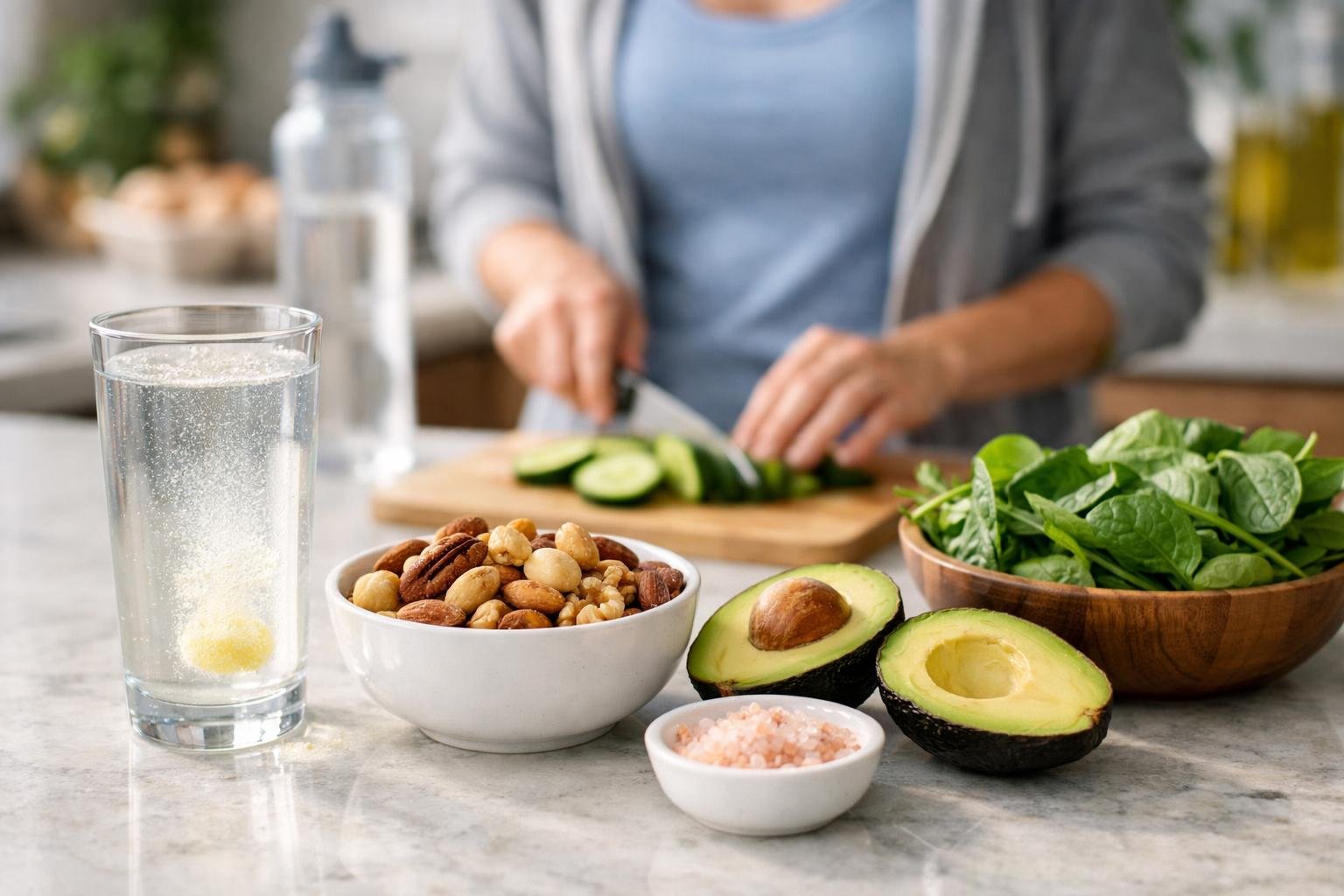
Electrolyte imbalances are super common on keto, especially in the first few weeks. Even people who’ve been at it for a while can run into trouble during tough workouts or hot weather. You lose sodium, potassium, and magnesium way faster on keto, and that can bring on everything from mild discomfort to seriously lousy workouts.
Why Sodium Loss Happens on Keto
When you start a keto diet, insulin levels drop fast because carb intake plummets. Lower insulin signals your kidneys to let go of more sodium and water instead of holding onto them.
This process kicks in quickly, sometimes within just a few days of eating under 50 grams of carbs each day. Your body also burns through its glycogen stores during this transition.
Glycogen holds water at a ratio of about 3 grams of water for every gram of glycogen. As glycogen depletes, all that water leaves through urine, taking sodium and other electrolytes with it.
That’s why so many people see the scale drop by five or even ten pounds in their first week on keto. Most of that is just water, not fat.
The sodium loss keeps going as long as insulin stays low, which is why your sodium needs shoot up on a ketogenic diet.
Electrolyte imbalance is one of the biggest causes of fatigue and muscle cramps — here are the best electrolytes for keto and how to use them.
Muscle Cramps, Fatigue, and Dehydration
Keto electrolyte deficiency shows up in a few annoying ways. Muscle cramps hit when calcium and magnesium get too low to keep muscle contractions smooth.
The calves and feet cramp up most often, usually at night or after working out. Fatigue and brain fog set in when sodium drops below normal, making you feel tired, dizzy, and mentally fuzzy.
Your body needs sodium to keep blood pressure steady and deliver nutrients to cells. Dehydration sneaks up faster on keto because you’re peeing more often.
Watch for dry mouth, headaches, dark urine, and that never-ending thirst. Some folks call this the keto flu, but really, it’s your body screaming for electrolytes.
Many beginners also make hydration mistakes — these keto hydration errors can slow fat loss and cause fatigue.
How Electrolytes Affect Keto Performance
On keto, electrolytes pretty much decide how you’ll feel at the gym and in daily life. Sodium keeps blood volume up, so your muscles actually get the oxygen they need when you’re working out.
If you don’t replace sodium, endurance and strength take a nosedive. Potassium handles electrical signals in your heart and helps muscles contract, with normal levels running from 3.6 to 5.5 mmol/L.
Drop too low and you risk irregular heartbeats and muscle weakness. Magnesium is a workhorse, supporting over 300 enzyme reactions—including energy production and sleep quality.
You need between 1.46 and 2.68 mg/dL for things to run smoothly. Low magnesium messes with sleep, which then drags down workout recovery and slows fat loss.
Getting enough electrolytes usually means eating whole foods like meat, leafy greens, avocados, and nuts. Plenty of people also reach for electrolyte supplements with sodium, potassium, and magnesium in the right amounts.
This guide explains the most common electrolyte mistakes beginners make on keto and how to fix them.
Keto Diet Mistakes That Cause Failure

There are a few classic setup errors that stop people from reaching ketosis or sticking with it. The biggest issues? Poor food quality, sneaky carb sources, and getting your macros wrong.
Clean Keto vs Dirty Keto Confusion
Lots of beginners just count carbs and ignore food quality. That’s how you end up with “dirty keto”—think processed meats, artificial sweeteners, and packaged snacks all day, as long as you stay under 20 grams of carbs.
Clean keto is a different animal. It’s about whole foods: grass-fed meats, wild-caught fish, organic veggies, and fats from things like avocados or olive oil.
Dirty keto lets you eat anything that fits your macros—even fast food burgers (minus the bun), diet sodas, and processed “keto” snacks. The difference really does matter for your health.
Dirty keto can cause inflammation, nutrient gaps, and energy crashes—even if you’re technically in ketosis. Clean keto gives your body the vitamins, minerals, and antioxidants it needs to work right.
If you lean on packaged “keto-friendly” products, you might notice stalls and weird side effects. Those products are often loaded with preservatives, artificial junk, or hidden sugars that mess with blood sugar.
Understanding the difference between clean keto and dirty keto can dramatically affect the quality of your results.
Eating Too Many Hidden Carbs
Carbs hide everywhere and add up before you know it. Condiments like ketchup? Four to five grams per tablespoon. BBQ sauce, teriyaki, and some salad dressings can pack six to twelve grams in a single serving.
Some sneaky carb sources:
- Certain nuts (cashews have 8g net carbs per ounce, while pecans only have 2g)
- Deli meats with added sugars or fillers
- Restaurant foods cooked with flour-based thickeners
- Veggies like onions and bell peppers—especially if you eat a lot
- Dairy products, including milk and flavored yogurt
- Medications and supplements with sugary coatings
Reading labels is a must—manufacturers put sugar in almost everything. Even “sugar-free” products can sneak in maltodextrin or dextrose, which spike blood sugar.
Tracking your food for the first few weeks helps you spot these issues before they wreck ketosis.
Some people also follow simplified variations — here is how dirty keto and lazy keto actually compare.
Misunderstanding Keto Macros
The biggest macro mistake? Treating keto like a high-protein diet instead of a high-fat one. Standard keto is about 70-75% calories from fat, 20-25% from protein, and 5-10% from carbs.
Eat too much protein and your body turns the extra amino acids into glucose through gluconeogenesis. That bumps up blood sugar and can kick you out of ketosis.
A 150-pound person usually needs only 75-110 grams of protein a day, depending on activity. Here’s a quick rundown:
- Fat: Main fuel—don’t skimp
- Protein: Moderate, based on lean body mass
- Carbs: Keep it tight at 20-50 grams net daily
Adjusting your macros properly is essential — here is how to personalize your keto diet for optimal results.
Another common blunder is fearing fat while also cutting carbs. If you restrict both, you’re left hungry and tired, and the diet becomes impossible to stick with.
One more thing: net carbs matter, not total carbs. Net carbs are total carbs minus fiber—that’s the number you want for ketosis.
Many keto problems happen because people follow generic plans that don’t match their metabolism. A personalized keto meal plan designed for your body and goals can help eliminate many of these common mistakes.
Lifestyle Factors That Slow Keto Results

Poor sleep, high stress, and inconsistent routines can seriously block ketosis and slow fat loss—even if your macros are perfect. Your activity level matters too, and not just for burning calories.
Building a strong routine can make keto easier — this guide shows a simple keto morning routine that supports fat loss and energy.
Sleep and Stress Effects on Fat Loss
Bad sleep throws your hunger hormones out of whack, making keto harder to stick to. When you’re tired, your body pumps out more ghrelin, which ramps up appetite.
At the same time, leptin drops, so you feel less satisfied after eating. Chronic stress is another roadblock—it raises cortisol, which tells your body to store more fat, especially around the belly.
Cortisol also triggers cravings for high-carb foods that can knock you out of ketosis. Stress can push people into emotional eating, leading to more calories—even from keto foods.
The mix of high cortisol and poor sleep just makes weight loss harder. Here are a few things that help:
- Aim for 7-9 hours of sleep each night
- Stick to a consistent sleep schedule
- Try meditation or breathing exercises to manage stress
- Cut out screens before bed
- Keep your bedroom cool and dark
Physical activity can also influence ketosis — here is how exercise interacts with ketosis and fat loss.
Does Exercise Matter for Keto Weight Loss
Regular exercise speeds up getting into ketosis and helps keep you there. Working out burns through glycogen faster, forcing your body to use fat for fuel.
Exercise also boosts your metabolic rate, making it easier to create a calorie deficit. Those first few weeks on keto can make workouts feel rough—low glycogen means fatigue and sluggish performance at first.
This is pretty normal and usually gets better as your body learns to burn fat more efficiently. Sitting around all day makes keto weight loss harder, though.
Staying active helps you keep muscle while losing fat. Shoot for at least 150 minutes of activity a week—mix up cardio and strength training.
- Fat burning improves
- Muscle mass is easier to keep
- Weight loss plateaus are less likely
- Insulin sensitivity gets a boost
Some people wonder whether workouts are required — this guide explains whether you can lose weight on keto without exercise.
Long-Term Keto Consistency Challenges
Sticking with keto long-term takes more than just tracking carbs. Lots of folks lose consistency because they don’t plan meals or keep keto-friendly options handy.
Social events and eating out can be a minefield. Hidden carbs in restaurant sauces and dressings add up fast.
Reading menus and asking questions about ingredients can help. Boredom with meals is another reason people quit—rotating proteins, experimenting with veggies, and trying new recipes helps keep things interesting.
Tracking apps make it easier to spot patterns that slow your progress. Eating at random times or skipping meals can also mess with your results—your body likes a bit of routine.
Long-term success also depends on consistency — this article explains why many people struggle to stick to keto.
Sometimes keto progress is slow because of external factors like sleep or stress. Other times, the diet is working — but the results are not immediately visible.
When Keto Is Actually Working (But You Think It Isn’t)

Funny thing—lots of people quit keto right when their body is finally making progress. Fat adaptation isn’t instant, and the real results often show up in ways that have nothing to do with the scale.
Fat Adaptation Takes Time
The fat adaptation timeline is longer than most expect. Some folks enter ketosis in two to four days, but full adaptation takes four to twelve weeks for most.
During this phase, your body goes through big changes. Cells build more mitochondria to burn fat, and your brain starts running on ketones instead of glucose.
Week one can feel rough—think fatigue and brain fog. Week two might not be much better. By week four, though, you’ll probably notice more energy.
For most people, the whole fat adaptation process wraps up somewhere between weeks six and twelve. Watch for these signs:
- Energy feels steady, no more crashes
- Less hunger between meals
- Mental clarity improves
- Workouts get easier
- No more crazy carb cravings
Testing ketone levels during this time can be confusing. Blood ketones often drop as your body gets better at using them—which is actually a good sign.
Many people expect instant results, but this guide explains the real keto adaptation timeline and how long fat adaptation takes.
Non-Scale Victories on Keto
The scale might stall, but other improvements keep rolling in. People often notice better sleep, clearer skin, less inflammation, and clothes fitting differently even if their weight doesn’t budge.
Body composition changes before the scale does. You might lose fat and gain muscle at the same time, which can keep your weight steady but change your shape.
Other progress signs? Less joint pain, better digestion, stable moods, and no more afternoon energy crashes. Those changes are huge for long-term health, even if the scale is stubborn.
Water retention can easily hide fat loss. Hormones, exercise, stress, and even the weather can swing water weight up or down by a few pounds. You might be losing fat while the scale jumps around.
Why Early Expectations Are Often Wrong
Keto marketing promises quick results, but the reality is slower. Dropping 10-20 pounds in your first week sounds wild, but it’s almost all water and glycogen—not fat.
Real fat loss is more like one to two pounds per week for most people. If you expect dramatic daily changes, you’ll end up frustrated by what’s actually normal and healthy.
Your past diet history makes a difference, too. If you’ve got insulin resistance or metabolic syndrome, changes might take longer.
People who’ve done lots of crash diets often see slower progress at first, since their metabolism needs time to recover. Comparing yourself to others just sets you up for disappointment.
Things like age, gender, activity, stress, sleep, and metabolic history all affect how quickly you adapt to keto. Everyone’s timeline is a little different—try not to sweat it.
How to Fix Keto Diet Problems Systematically
Trying to troubleshoot a keto diet? It really helps to have a clear process instead of just guessing. Breaking things down into steps makes it a lot easier to figure out what’s actually going wrong.
Step 1 Identify the Real Problem
Most keto issues fall into three buckets: nutrient imbalances, sneaky carbs, or just expecting too much too soon. The first real move is to track everything you eat for three days—seriously, don’t change a thing, just write it all down. You might be surprised at what you find when you compare your actual macros to what you thought you were eating.
Some signs are pretty telling. If you’re getting headaches or feeling wiped out, it’s probably low electrolytes—think sodium or magnesium. If you’re always hungry, maybe you’re skimping on fat or protein. And if the scale won’t budge after a couple of weeks, there’s a good chance you’re getting hidden carbs from stuff like sauces or processed foods.
It’s not a bad idea to measure ketones after a week, using blood strips or a breath meter. If your blood ketones are between 0.5 and 3.0 mmol/L, you’re in nutritional ketosis. Anything below that? Either too many carbs slipped in, or your protein needs a tweak.
Step 2 Correct the Diet Setup
Once you’ve found the issue, it’s time to fix your macros. The best way to restart is to recalculate your ratios based on your current weight and how active you are. Most folks do well with 70-75% fat, 20-25% protein, and 5-10% carbs, but it’s not one-size-fits-all.
Common macro adjustments include:
- Cutting total carbs to 20 grams per day if you’re not hitting ketosis
- Ramping up sodium to 3,000-5,000 mg daily if you’ve got keto flu symptoms
- Adding 300-500 mg magnesium and 1,000-2,000 mg potassium
- Boosting fat by 10-15 grams if you’re always hungry
Getting rid of problem foods can make a huge difference. Watch out for sugar alcohols in keto snacks, maltodextrin hiding in spice blends, or even just too many nuts. Some people find dairy stalls their progress, so it’s worth cutting it out for a couple of weeks to see what happens.
Step 3 Use a Structured Keto Plan
Following a structured keto plan takes out a lot of guesswork. It also helps you stick with it, even when motivation dips.
A personalized keto diet should include meal timing and specific food lists. Weekly check-ins to track progress? Honestly, they’re more helpful than you might think.
Planning meals just three days ahead can make a surprising difference. It keeps you from making those last-minute choices that tend to mess up your results.
Your plan ought to have steps for common keto hiccups. If your energy tanks, maybe try adding MCT oil or some exogenous ketones.
Digestion feeling sluggish? More leafy greens, less cheese—simple tweaks can help. Weight loss not budging? Track your waist or body fat, not just the number on the scale.
Building a support system is huge for sticking with it over time. Meal prep routines and shopping lists sorted by food category are actually lifesavers.
Scheduled weigh-ins every seven days keep things on track. In my experience, people who follow a clear system usually see better results than those winging it.
If you want a structured approach that removes guesswork, this custom keto plan generator creates a personalized keto meal strategy in minutes based on your body type and goals
Conclusion
Many keto challenges come down to small adjustments rather than abandoning the diet entirely. By identifying issues such as hidden carbs, electrolyte imbalance, lifestyle factors, or unrealistic expectations, most people can quickly get back on track.
Understanding these common keto problems helps you troubleshoot your strategy and build a sustainable approach to long-term fat loss and metabolic health.