
Is Keto Hard to Stick To? Beginner Mistakes & How to Avoid Them
This post may contain affiliate links. If you purchase through these links, I may earn a small commission at no extra cost to you. LEARN MORE.
Starting a keto diet is pretty exciting at first. But sticking with it gets tough once the rush wears off.
Between tracking carbs, picking the right fats, and fighting off cravings, it’s no wonder lots of folks find the transition harder than they expected.
Keto really isn’t impossible if you go in with a bit of know-how, some prep, and a balanced approach.
Many challenges people face with keto for beginners come from unrealistic expectations in the first few weeks.

Most mistakes happen right out of the gate—like slashing carbs overnight, skipping out on hydration, or leaning on processed “keto” snacks.
These slip-ups can leave anyone feeling wiped out and ready to throw in the towel.
Managing electrolytes, planning no-fuss meals, and easing into carb cuts make a world of difference in sticking around for the long haul.
Key Takeaways
- Keto gets easier with gradual changes and balanced nutrition.
- Staying hydrated and keeping electrolytes in check helps avoid fatigue and cravings.
- Planning ahead and setting realistic goals makes long-term success more likely.
Why Is Keto Hard to Stick To in the Beginning

Newcomers often find keto tough because it flips the script on how we eat. Switching from carbs to fats for energy can leave you feeling tired, cranky, and, honestly, a little lost as your body figures out ketosis.
The Restrictive Perception of the Keto Diet
The carb limits of keto make it feel like a pretty strict club. Bread, pasta, fruit, and most snacks? Suddenly off-limits.
If you’re used to those foods, it’s easy to see keto as too restrictive.
This sense of missing out can ramp up stress and cravings, especially in the first few weeks. Social events and restaurants don’t make it easier—carbs are everywhere.
Planning helps, but building new habits takes time.
People who focus on what they can eat—like eggs, cheese, fish, avocados, and meat—tend to feel less deprived. Seeing keto as a flexible, nutrient-rich plan instead of a punishment just makes it more doable.
Early Side Effects, Keto Flu, and the Adaptation Phase
In the first week, a lot of folks get hit with the “keto flu.” We’re talking headaches, fatigue, nausea, crankiness, and sometimes muscle cramps.
Your body is shifting from burning sugar to making ketones, and electrolytes like sodium and potassium take a dip.
Common symptoms and responses:
| Symptom | Cause | Helpful Action |
|---|---|---|
| Headache | Loss of water and salt | Drink electrolyte water or bone broth |
| Fatigue | Decreased glycogen stores | Increase fat intake and rest |
| Cramps | Mineral imbalance | Add magnesium-rich foods or supplements |
These symptoms fade in a few days to a week. Staying hydrated, getting enough minerals, and eating plenty of fat helps ride it out.
Once your body adapts, energy and focus can really pick up.
Adjusting to a Low-Carb, High-Fat Eating Pattern
Eating high fat and low carb can feel weird at first, especially if you’re used to cereal or rice every day. You’ve got to rethink cooking and shopping.
It takes a bit of trial and error to hit the right macronutrient balance—usually around 70–80% fat, 20–30% protein, and under 10% carbs.
Meal choices might seem boring at the start. Mixing up your fats—olive oil, butter, coconut oil—keeps things interesting.
According to Harvard Health Publishing, ketogenic diets significantly reduce carbohydrate intake to shift the body toward fat-based fuel.
With time, your taste buds change, and those sugar cravings tend to fade.
Tracking macros or using a food app helps keep things on track, especially early on. Eventually, keto feels less like following a rulebook and more like a steady routine that supports your health goals.
Macronutrient Mistakes That Make Keto Hard to Stick To
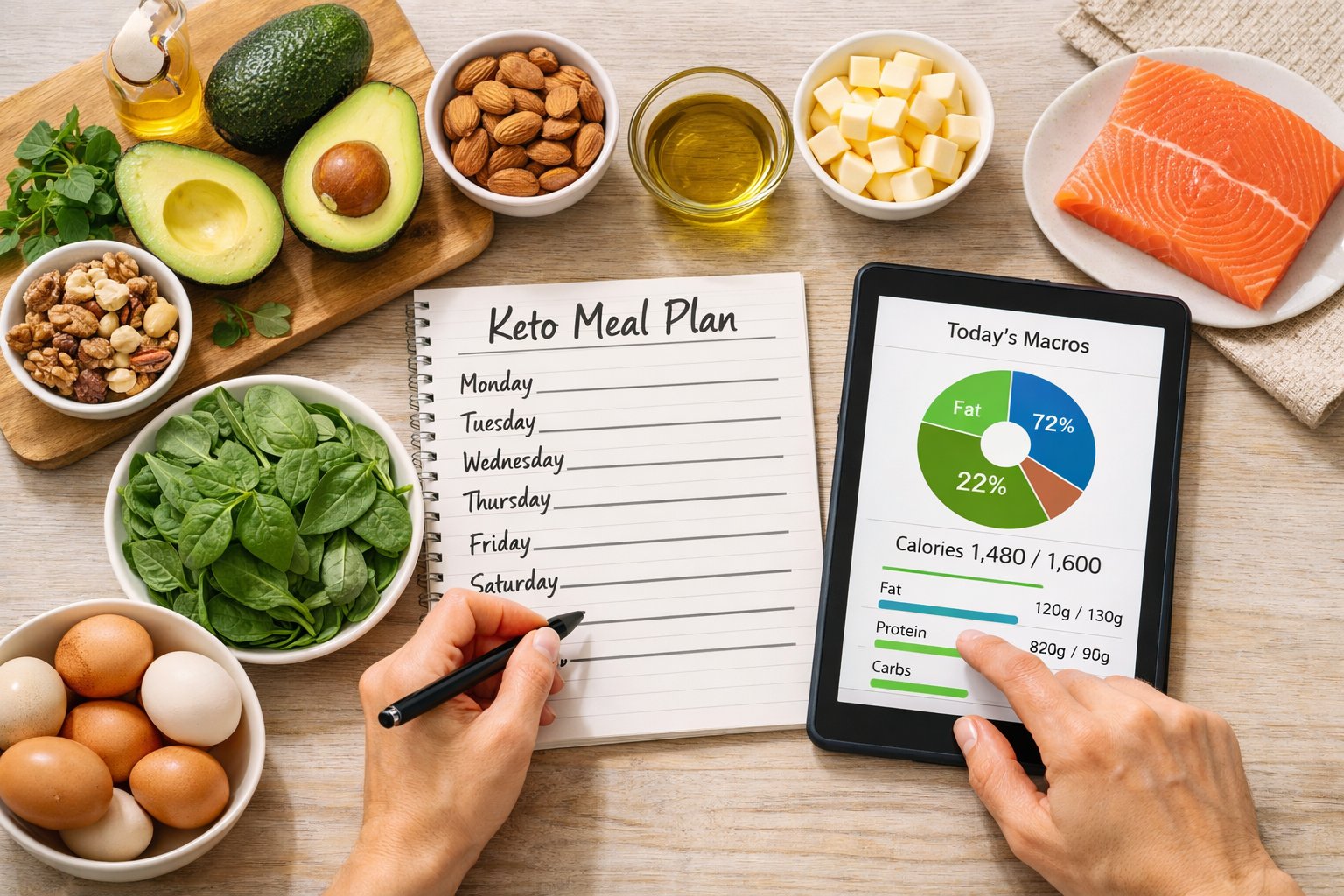
Lots of people trip up on keto because their macronutrient balance is off. Maybe calories are too low, carbs sneak in, or the fat and protein split just isn’t right.
These blunders can tank your energy and stall your progress.
A personalized keto plan for beginners can remove confusion around macros and make keto far easier to stick to long term.
If keto feels hard to stick to because of macro confusion, Keto Creator builds a personalized keto plan that removes guesswork and simplifies daily food choices.
Miscalculating Keto Macros and Portion Sizes
Keto is all about the ratios: 70–80% fat, 20–25% protein, and 5–10% carbs. If you don’t get these close, you might fall out of ketosis or just feel lousy.
A keto macro calculator makes it easier to figure out your daily targets based on your weight, goals, and activity.
Learning how to calculate keto macros correctly helps prevent stalls and early frustration.
Guessing or “eyeballing” portions? That’s a recipe for hidden carbs or not enough fat. Tracking macros with an app is a lifesaver in the beginning.
Measuring ingredients and reading food labels keeps things honest. You’ll get the hang of it, but it’s worth the effort up front.
| Macro | Typical Range (% of total calories) | Key Function |
|---|---|---|
| Fat | 70–80% | Main energy source |
| Protein | 20–25% | Tissue repair and muscle maintenance |
| Carbs | 5–10% | Minimal fuel for brain and muscles |
Consuming Too Much Protein Without Realizing It
Protein is important, but too much can be a problem. When you overdo it, some of those amino acids get turned into glucose—a process called gluconeogenesis—which can lower ketone levels.
This doesn’t mean you should avoid protein, just don’t go overboard.
High-protein foods like chicken breast, tuna, or shakes are easy to overeat. Tracking grams—usually 0.6–1.0 grams per pound of lean body mass—helps keep things in check.
If you’re struggling to stay in ketosis, try smaller portions or pick fattier cuts. Just being aware makes a difference.
Not Eating Enough Fat for Satiety and Energy
On keto, fat is your main fuel. If you don’t eat enough, you’ll probably feel tired, hungry, or just plain foggy.
People sometimes cut calories too much, thinking it’ll speed up weight loss. But skimping on fat can backfire and make cravings worse.
Healthy fats—like avocado, olive oil, salmon, eggs, butter, and nuts—should be front and center. A food log is handy to check if you’re hitting at least 70% of your calories from fat.
Adding things like oil-based dressings or full-fat cheese can make meals more filling and keep your energy steady.
Overlooking Carbohydrate Intake From Small Sources
It’s easy to underestimate how quickly carbs add up. Sauces, nuts, dressings, and even veggies like onions or tomatoes can sneak in extra grams.
Untracked carbs can push you over 50 grams a day and mess with ketosis.
Reading nutrition labels is a simple fix. Tracking both total and net carbs for every meal gives you a better picture.
Apps and macro calculators help spot hidden carbs. Swapping out high-carb seasonings or snacks for low-carb alternatives—like herbs, vinegar-based sauces, or cheese crisps—keeps things tasty without breaking ketosis.
Staying aware of these sneaky sources really helps with sticking to keto over time.
Hidden Pitfalls That Disrupt Keto Progress

Staying in ketosis can be tricky thanks to hidden carbs in everyday foods and misleading labels. Even “keto-friendly” products sometimes have stuff that’ll spike your blood sugar or stall fat-burning.
It’s worth paying attention to what’s actually in your sauces, snacks, and processed foods.
Many common keto mistakes stem from misunderstanding how small carb sources add up.
Hidden Carbs in Sauces, Snacks, and Everyday Foods
Sugar hides in the weirdest places—dressings, condiments, nut butters, and flavored dairy. Just two tablespoons of ketchup or BBQ sauce can add up to a few grams of sugar, enough to throw you off.
Almond butter or flavored nuts might sneak in honey or maltodextrin too. It’s sneaky stuff.
Reading ingredient lists helps spot hidden carbs like corn syrup solids, rice flour, or maltodextrin. Making your own sauces or picking unsweetened versions cuts down the risk.
Even packaged “keto snacks” like bars or fat bombs can have sugar alcohols that hit some people harder than others.
Tip: Stick to simple foods with short ingredient lists. Homemade sauces with olive oil, vinegar, herbs, and spices beat store-bought dressings loaded with sugar any day.
| Food Item | Common Hidden Carb Source |
|---|---|
| Ketchup & BBQ Sauce | Added sugar, corn syrup |
| Nut Butters | Honey, added oils |
| Flavored Yogurt | Milk sugar (lactose) |
| “Keto” Snack Bars | Maltitol, inulin |
How to Read Nutrition Labels on Keto Correctly
Food labels can be sneaky. “Net carbs” are calculated by subtracting fiber and some sugar alcohols from total carbs, but not all sugar alcohols are created equal.
Erythritol and stevia are better bets than maltitol or sorbitol, which can still bump your blood sugar.
Serving sizes matter too. If a label says 3 net carbs per serving but you eat double, you’re getting more than you think.
Ingredients near the top of the list make up most of the product, so if sugar shows up early, it’s probably not the best choice.
Checklist for Label Reading:
- Compare total and net carbs.
- Look for added sugars or hidden starches.
- Scan for sugar alcohols—erythritol and stevia are usually safer picks.
- Pay attention to serving sizes.
Processed Keto Foods and “Low-Carb” Marketing Traps
Plenty of processed foods stamped “keto” on the label sneak in fillers, starches, or sweeteners that bump up the carb count more than you’d think. “Low-carb” breads, tortillas, and desserts sometimes pack fiber additives with questionable digestibility.
These extras can slow weight loss or even cause bloating. It’s frustrating, honestly.
Manufacturers toss around terms like “keto-friendly snacks” or “low net carbs” to reel people in. It’s worth double-checking with third-party sources or actual nutrition data if you care about accuracy.
Following a dirty keto approach often leads to poor satiety and makes keto harder to sustain.
Whole foods—think eggs, cheese, meat, veggies, and nuts—are just easier to trust for staying in ketosis. Less guesswork, fewer surprises.
Example: That “keto treat” advertising 4 net carbs? It might actually have 18 total carbs, with fiber and sugar alcohols making up the difference. Not everyone digests those the same way, so it’s a toss-up.
Sticking to minimally processed foods just feels simpler and keeps things moving in the right direction.
Hydration and Electrolytes: A Key Reason Keto Feels Difficult
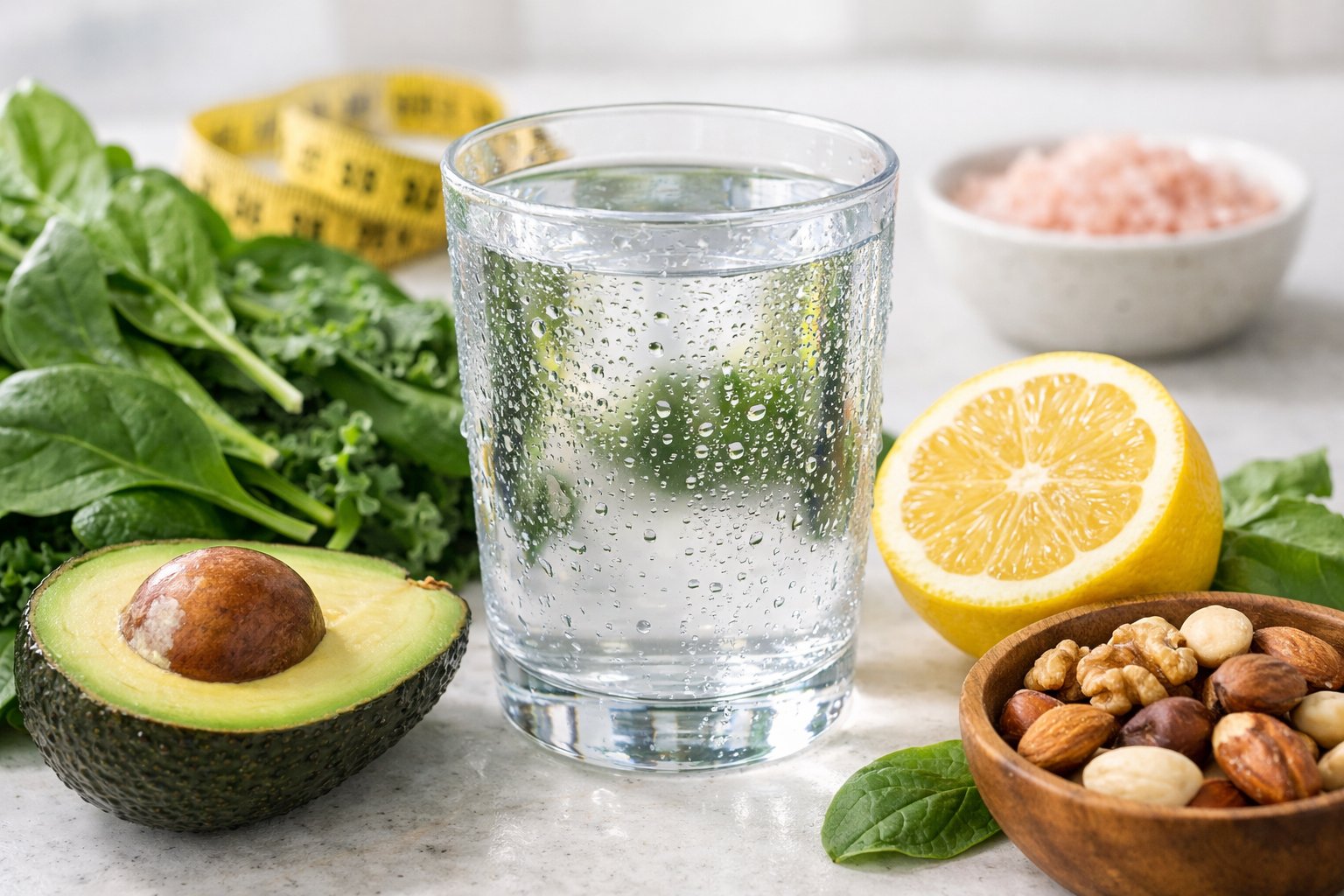
Starting keto, you might notice fatigue, headaches, or muscle cramps. It’s not really carbs you’re missing—it’s usually fluid and electrolytes slipping away.
Managing hydration and keeping up with minerals can make a huge difference. It’s honestly overlooked.
Why Dehydration Happens Quickly on Keto
When you drop carbs, the body dumps stored glycogen from muscles and the liver. Each gram of glycogen holds about three grams of water, so you lose fluids fast.
As that water goes, electrolytes like sodium, potassium, and magnesium go with it. Low insulin on keto makes your kidneys flush out even more sodium, which means more bathroom trips.
If you’re not replacing water and minerals, dehydration creeps in before you know it. That’s why the scale drops so quickly at first—most of it’s just water weight, not fat.
It helps to drink water regularly and add salty or mineral-rich foods. Bone broth, sea salt, and pickled veggies can help bring sodium back up.
Weirdly, chugging plain water without minerals can actually make things worse by diluting what’s left. Balance is key.
Preventing Electrolyte Imbalances for Better Adherence
Electrolyte balance is huge for feeling good on keto. The main ones—sodium, potassium, and magnesium—handle muscle function, nerve signals, and hydration.
If any of these drop too low, you’ll probably get tired, crampy, or even constipated. Not fun.
| Electrolyte | Main Role | Common Keto Sources | Approximate Daily Range* |
|---|---|---|---|
| Sodium | Fluid balance, nerve signals | Sea salt, broth, pickles | 3,000–5,000 mg |
| Potassium | Muscle function, heart rhythm | Avocado, spinach, salmon | 2,000–3,000 mg |
| Magnesium | Energy production, sleep | Nuts, seeds, dark chocolate | 300–420 mg |
*Ranges may vary depending on the person and their activity level.
Getting these minerals from food is ideal, but electrolyte supplements work too. Low-carb veggies, nuts, and mineral water can fill the gaps without messing up ketosis.
Reducing Keto Flu Symptoms Through Proper Intake
The dreaded keto flu pops up as your body switches from burning sugar to burning fat. You might feel headaches, dizziness, irritability, or just wiped out.
Usually, it’s dehydration and low electrolytes, not some mystery illness. Upping sodium and water together helps, sometimes within hours.
A lot of folks swear by bone broth or a pinch of salt in their morning water. Getting enough potassium and magnesiumcan also ease cramps and help you sleep better.
Paying attention to urine color or spreading out water intake through the day helps keep hydration on track. If you’re struggling to get enough minerals from food, a good sugar-free electrolyte supplement can be a lifesaver.
Some people use metabolic support supplements like Nagano Tonic to help manage energy dips during early keto adaptation.
Food Quality, Planning, and Staying Consistent on Keto

Getting results on keto isn’t just about macros—food quality matters. Eating nutrient-dense foods, prepping meals ahead, and keeping things consistent day to day really sets the tone.
Energy, fullness, and sticking with it long-term come down to more than just counting carbs.
Prioritizing Whole Foods and Healthy Fat Sources
Picking whole foods over processed stuff keeps energy steady and helps control appetite. Healthy fats should be front and center since they take over for carbs as your main fuel.
Some of the best? Avocados, olive oil, salmon, sardines, and nuts like almonds and walnuts. These bring monounsaturated fats and omega-3s that support your heart and brain.
Protein matters, too. Grass-fed meat, pasture-raised eggs, and fatty fish have a better nutrient profile than highly processed meats.
Some folks add MCT oil to coffee or smoothies for quick energy and sharper focus. When shopping, aim for foods with as few ingredients as possible.
Here’s a quick cheat sheet on fat sources:
| Type of Fat | Example Foods | Notes |
|---|---|---|
| Monounsaturated | Olive oil, avocados | Support cholesterol balance |
| Polyunsaturated (omega-3) | Salmon, chia seeds, flaxseed | Reduce inflammation |
| Saturated (in moderation) | Coconut oil, butter | Use sparingly on keto |
Using Non-Starchy Vegetables to Improve Sustainability
Non-starchy veggies keep the diet doable and supply much-needed fiber. They help digestion and bring variety, which can keep cravings down.
Some go-tos: broccoli, cauliflower, zucchini, asparagus, bell peppers, leafy greens, cucumber, and a little tomatohere and there.
Try filling about a third of your plate with colorful veggies. Lightly steam or roast them in olive oil or butter for more flavor without piling on carbs.
A sprinkle of herbs, salt, or pepper can make these way more appealing. Prepping veggies ahead of time also means you’re less likely to skip them when you’re hungry and in a rush.
Chopped, ready-to-cook produce in the fridge makes quick meals possible and helps you hit your fiber goals without much effort.
Simple Meal Planning and Prep for Long-Term Consistency
Consistency is all about keeping things simple and organized. Building a weekly keto shopping list around your core foods cuts down on last-minute choices that can derail you.
Plan by category—proteins, healthy fats, low-carb veggies—to make shopping and cooking less stressful. Meal prep is a lifesaver for managing time and portions.
Simple keto meal prep strategies reduce decision fatigue and improve adherence.
Batch-cook salmon, roast mixed veggies, or prep a few containers of avocado salad for grab-and-go lunches. For snacks or busy days, stash nuts, cheese sticks, or a bit of chia pudding for easy access.
Tracking what you eat now and then helps keep meals aligned with your keto goals. It’s not about perfection—just making sure your energy stays steady and you don’t get burned out.
Mindset Shifts That Make Keto Easier to Stick To

Mindset is half the battle with keto. Folks who focus on more than just weight loss and adapt the plan to fit their life tend to last longer and avoid that all-too-common burnout.
Looking Beyond the Scale and Tracking Non-Scale Wins
It’s easy to get discouraged when the scale won’t budge. But the body’s changing in ways the numbers don’t show.
Paying attention to non-scale victories can keep you motivated. Some examples:
- More steady energy throughout the day
- Sharper focus (no more mid-afternoon crashes)
- Better sleep and mood
- Way fewer cravings for sugar and junk
Listening to your body gives better feedback than obsessing over weigh-ins. Maybe your clothes fit differently, or you’re recovering from workouts faster.
Even jotting down how you feel each week can show progress you’d otherwise miss. These wins make keto feel more rewarding and easier to stick with.
Setting Realistic Expectations to Avoid Keto Burnout
Lots of people expect rapid weight loss at first, but things slow down after those initial weeks. Setting realistic goalskeeps frustration in check and motivation up.
Fat adaptation can take weeks as your body figures out how to use fat for fuel. Planning for that transition helps you avoid keto burnout.
Instead of aiming for perfection, focus on small wins—like tracking meals or staying hydrated. Accepting slip-ups as part of the process builds flexibility and trust in yourself.
Building sustainable keto habits is especially important for those with slower metabolic adaptation.
Here’s a quick table to keep expectations realistic:
| Time Frame | Goal Type | Example |
|---|---|---|
| Weeks 1–2 | Adjustment | Reduce carb intake gradually |
| Weeks 3–6 | Consistency | Track macros and hydration |
| Weeks 7+ | Maintenance | Improve workout performance and energy |
Taking things week by week helps keep motivation steady and makes it less tempting to throw in the towel too soon.
Adapting Keto to Fit Your Lifestyle, Not the Other Way Around
Keto works best when it fits naturally into your daily life. Forcing strict routines or skipping out on social events just makes the diet tough to enjoy.
It’s a lot more doable if you adjust the keto approach to your own habits and preferences. That’s what really builds long-term success, in my experience.
If you like exercise, you might time carbs around workouts for a little extra energy. Others might plan for the occasional higher-carb meal at a party—no need to feel guilty about it.
Flexibility helps keep things fun and prevents that isolated, stressed-out feeling. It’s honestly underrated.
Adapting keto also means making simple foods that actually taste good to you and fit your budget. Listen to your body, too—if you’re wiped out or cranky, maybe tweak your fat, protein, or electrolytes a bit.
Gentle movement programs such as Hyperbolic Stretching can support consistency without adding workout stress to keto beginners.
Frequently Asked Questions

Lots of folks new to keto deal with fatigue, cravings, and confusion about what to eat. Success really depends on figuring out how to balance your macros, pick the right foods, and manage those weird side effects as your body switches to burning fat.
What makes keto difficult for beginners at first?
Cutting carbs too fast is a big hurdle at the start. That sudden shift can leave you tired, irritable, and hungry while your body scrambles to adjust.
Learning new eating habits and tracking food takes some getting used to. Hidden carbs in sauces, snacks, and packaged foods can sneak up on you, making it tough to hit ketosis.
How can beginners stay consistent on a keto diet long term?
Consistency’s easier when you keep meals simple and plan ahead. Having easy keto staples like eggs, avocados, and cheese nearby helps avoid last-minute bad decisions.
Tracking macros and weight can show little wins that keep you going. A support system—friends, family, or even online groups—makes a surprising difference.
Using a beginner keto meal plan helps simplify food choices during the adjustment phase.
What keto misconceptions cause most people to quit early?
Some folks think you can eat endless fat and not worry about calories, which just isn’t true. Others believe you have to cut every single carb, but that can leave you low on nutrients and energy.
People also expect ketosis to happen right away. It usually takes a few days, and feeling a bit off at first is totally normal.
How should macros be balanced during the first weeks of keto?
To start, aim for 70–80% of calories from fat, 20–30% from protein, and 5–10% from carbohydrates. This helps your body stay in ketosis while still getting what it needs.
Tracking what you eat—whether in an app or just a notebook—helps spot any issues. You might need to adjust macros a bit based on how you feel or how your weight changes.
Which foods seem keto-friendly but are actually high in carbs?
Lots of “low-carb” processed snacks sneak in sugars or starches. Nuts, flavored yogurts, salad dressings, and condiments can also pile on carbs if you’re not paying attention.
Fruits like bananas, apples, and grapes are carb-heavy, too. Reading nutrition labels and using a carb-tracking tool can save you from surprises.
How can beginners reduce discomfort when transitioning to keto?
That “keto flu” feeling comes from losing water and electrolytes early on. Drinking more water and adding salt—think broth or salted butter—can help with headaches and fatigue.
Make sure you’re eating enough fat, and don’t be afraid to rest more during the first week. Even light exercise, like a walk, can help your energy as your body gets used to things.
Conclusion
Keto works best when you know how to balance your food choices. Staying mindful of your macros is a big part of that.
The first few weeks? Honestly, they’re tough for a lot of people. Your body’s trying to switch gears, using fat for fuel instead of carbs, and it can feel weird.
But with some planning and a bit of patience, it does get easier. You kind of settle into it after a while.
Consistency keeps most folks in ketosis. Still, it’s easy to slip up—maybe there’s a hidden carb in your meal, or you just don’t get enough fat.
Tracking what you eat, drinking plenty of water, and watching your electrolytes… those little things really do matter.
Key reminders for success:
- Measure carb intake carefully.
- Choose whole, nutrient-dense foods.
- Replenish salt, potassium, and magnesium.
- Get enough sleep and moderate exercise.
Here’s a quick table with common issues and what usually helps:
| Challenge | Simple Fix |
|---|---|
| Feeling tired or sluggish | Increase water and electrolyte intake |
| Slow weight change | Recheck carb and protein amounts |
| Digestive discomfort | Add fiber from low-carb vegetables |
| Cravings for sweets | Use small portions of keto-friendly snacks |
When you’ve got the basics down and avoid those early mistakes, keto can just blend into your routine. You might notice steadier energy, maybe a bit more focus, and—if you’re lucky—a little more confidence sticking with it.