
Keto Weekends: Why Keto Feels Harder on the Weekend and How to Stay Consistent
You may be able to follow keto without much trouble from Monday through Friday, only to find that everything becomes harder once the weekend arrives.
Your normal meal schedule changes, you’re eating out more often, social plans appear, and there may be more opportunities to snack or drink.
That doesn’t necessarily mean you lack discipline or that keto isn’t working for you. Keto weekends can be difficult because the environment and routine that support your weekday habits have changed.
The good news is that recurring weekend setbacks are usually easier to troubleshoot when you identify the pattern behind them.
In this guide, we’ll look at why keto feels harder on weekends, what commonly causes the breakdowns, and how to build a weekend routine that gives you flexibility without repeatedly starting over.
Why Do Keto Weekends Feel Harder?

It’s the lack of structure. Weekday eating is on autopilot, but on weekends, food choices multiply and you’re often not in control of the menu.
What Changes When Your Normal Routine Disappears
During the week, most folks eat the same handful of meals, in the same order. Breakfast is quick, lunch is predictable, dinner has a set time.
The routine does a lot behind the scenes. It takes away the guesswork and helps keep carbs steady.
Weekends? That’s a different story. Wake-up times get weird, breakfast turns into brunch, and meals get pushed around by errands or family stuff.
Suddenly, you’re hungry at odd hours with nothing prepped. That’s when most weekend keto slips start creeping in.
If you skip a protein-heavy breakfast, guess what? By mid-afternoon, you’re ready to eat whatever’s fastest.
Why Weekends Create More Food Decisions
Keto works best when you don’t have to think about every bite. On weekdays, you might make five or six food choices. By Saturday? Fifteen, easily.
Picture a typical weekend:
| Situation | Decision required |
|---|---|
| Late brunch out | Menu with limited low-carb options |
| Coffee shop stop | Sweetened drinks and pastries |
| Grocery shopping | Samples, snacks, impulse buys |
| Afternoon event | Chips, dips, unknown ingredients |
| Dinner with friends | Restaurant chosen by someone else |
| Evening drinks | Beer, mixers, wine |
All those moments need a decision. Each choice seems small, but after a while, it adds up.
Decision fatigue is a real thing. By the sixth or seventh choice, most people just go with whatever’s easiest.
Weekday keto is easier because the answers are mostly set. Weekend keto asks you to decide again and again.
How Social Situations and Unstructured Meals Change Adherence
On weekends, eating is social. That shifts the pressure from your own willpower to the group around you.
At a birthday dinner, you’re not just picking food. You’re also thinking about asking for substitutions, explaining keto, or maybe declining a dish someone made just for you.
Restaurants make things trickier. Sauces, dressings, and marinades often hide sugar or starch, and you can’t really know the carb count.
Alcohol doesn’t help. It adds carbs depending on your drink, and it makes you pay less attention to what you’re eating next.
Social meals also drag on. A three-hour dinner with shared appetizers is a lot more eating than a quick weekday lunch.
This isn’t about weak discipline. It’s about an environment built for convenience and sharing, not sticking to a plan.
Weekend eating can be different from weekday eating in ways that make dietary adherence harder, particularly when normal routines and meal patterns change. Research examining weekday-to-weekend dietary adherence has found meaningful differences in eating behavior across the two periods.
Triage — What Is Actually Breaking Your Keto Routine?
Most weekend slips fall into three buckets: small errors in a mostly working routine, a missing weekend structure, or social and environmental triggers. Figuring out which one is your main issue helps you fix it faster.
Your Weekend Routine Is Mostly Working
- What it looks like: You’re solid Monday to Friday, but slip once or twice on the weekend, usually by 20–40 grams of carbs.
- Common mistakes: Hidden carbs in sauces, dressings, or restaurant sides; loose portions; grazing on cheese or nuts while cooking.
- Signs it’s minor: The scale moves again in a couple of days, and cravings don’t spiral.
- What to fix: Measure the foods you eat most, check labels on condiments and snacks.
- Bottom line: You’re already pretty consistent. The gap is accuracy, not motivation.
Your Weekend Structure Is the Main Problem
- What it looks like: Weekday meals are planned and repeatable. Saturday and Sunday? No plan at all.
- Key signals:
- Breakfast is skipped, then a big carb-heavy meal follows later.
- No groceries for the weekend, so takeout fills the gaps.
- Meals are random, so hunger decides what you eat.
- Why it matters: Most weekend keto problems come from missing structure, not just one cheat meal.
- What to fix: Pick weekend meals on Thursday or Friday, keep two default meals ready, and set rough meal times.
- Result: Consistency goes up without a pile of new rules.
Social and Environmental Triggers Are Driving the Breaks
- What it looks like: You eat well alone, but slip at parties, dinners, brunch, or bars.
- Frequent triggers:
- Alcohol, which lowers restraint and often comes with mixers or late-night food
- Reward thinking after a tough week
- Shared plates, bread baskets, desserts offered by others
- High-carb foods at home, easy to reach
- What to fix: Review menus before you go, pick a default order, decide on drinks ahead, and eat a protein-based meal first.
- Also helpful: Keep trigger foods out of sight at home.
- Key point: The issue is usually the situation, not your effort. Change the situation for better results.
If weekends are exposing problems that don’t seem to happen during the week, it helps to first understand the broader reasons keto can be difficult to stick to.
Diagnostic Summary — Which Weekend Pattern Best Fits You?
Most weekend keto issues fall into four patterns: missing routine, social pressure, hunger plus easy carbs, or rules that are too strict for real life. Spotting your main pattern makes troubleshooting way easier.
Your Main Problem Is Loss of Structure
This shows up when weekday meals are set and weekends are a free-for-all. Breakfast gets late, lunch disappears, and dinner is just whatever’s there.
Signs:
- Meals happen randomly on weekends
- No food prepped after Friday
- Carbs sneak in from grazing, not a single meal
The fix isn’t more willpower, just a little structure. Keep the same two or three meals you eat on weekdays for the weekend.
Prepping on Friday helps. Eggs, ground beef, or roasted veggies can cover you for both days.
Social Situations Are Creating the Breakdowns
Home meals are fine, but restaurants, family dinners, and parties throw you off. Alcohol usually plays a part, since drinks lower your guard and lead to shared appetizers or late-night eating.
Signs:
- Two or more social meals each weekend
- Drinks happen before the off-plan food
- Choices feel fine in the moment, not so much later
The fix? Decide before you get there. Choose your main dish in advance, set a drink limit, maybe eat a protein snack beforehand.
Hunger and Convenience Are Combining
This one’s about timing. You eat a tiny breakfast, run errands or do stuff, then get super hungry and grab whatever’s fastest.
Signs:
- Long gaps between meals on weekends
- Breakdowns happen in cars, stores, or while traveling
- Cravings feel physical, not emotional
Low protein at breakfast is usually the culprit. Get 30–40 grams of protein early—eggs, Greek yogurt, leftovers—and the rest of the day gets easier.
Portable snacks help too. Jerky, cheese, nuts, or a boiled egg in your bag can save you from the drive-thru.
Your Weekend Strategy Is Too Rigid
Some folks follow keto perfectly until one slip, then call the weekend a loss. Others make the plan so strict it can’t survive a birthday dinner.
Signs:
- One off-plan bite turns into two days off
- Weekends feel like pass/fail tests
- Monday guilt, Tuesday restriction, repeat
Rigid rules just break faster. A flexible plan—say, under 50 grams of carbs on social days instead of 20—lets you treat one meal as just one meal.
Keto sticks better when there’s room for real life. Four weekends of consistency beat one weekend of perfection, every time.
If your weekend struggles keep coming from the way your routine, schedule, or preferences fit—or don’t fit—your current plan, learning how to personalize your keto diet may be more useful than adding more rules.
→ how to personalize your keto diet
Cause #1 — Losing Your Normal Meal Structure

On weekdays, meals happen at the same times because work, school, or commutes force a schedule. Once Saturday hits, that structure vanishes—meal times drift, gaps get longer, and suddenly every meal is a brand-new decision.
Why Sleeping In Can Shift the Whole Day
Weekday breakfast at 7:00 a.m. might get bumped to 10:30 a.m. on Saturday. Suddenly, lunch drifts to mid-afternoon and dinner isn’t until 8:00 or 9:00 p.m.
The issue isn’t just the late start. When you squeeze three keto meals into a shorter day, something gets skipped or rushed.
If you plan to skip a meal, fine. But if it happens by accident, you’re probably getting less protein and, let’s be honest, you’ll get hungry without a keto meal ready.
Lots of people end up with two rushed meals and then just snack at night. Maybe the carbs are still low, but the whole pattern feels a bit shaky—and it’s tough to repeat next weekend.
How Long Gaps Between Meals Can Increase Evening Eating
Keto meals are filling, thanks to all that protein and fat. But that fullness only lasts so long.
Go seven or eight hours between meals and you’ll probably eat a bigger, faster dinner. Eating quickly? That’s when you lose track of fullness, and suddenly there’s a second helping or a snack after dinner.
Here’s a quick look at how a weekend gap stacks up against a weekday:
| Day | Meal 1 | Meal 2 | Longest gap | Common result |
|---|---|---|---|---|
| Weekday | 7:00 a.m. | 12:30 p.m. | ~5.5 hours | Steady appetite |
| Weekend | 10:30 a.m. | 6:30 p.m. | ~8 hours | Larger dinner, evening snacking |
Long gaps make low-carb foods less tempting. When you’re really hungry, it’s easy to grab whatever’s fast—even if it’s not keto-friendly.
Why Unplanned Meals Create More Decisions
Weekday keto routines are usually on autopilot: same eggs, same salad, same dinner. No real thought needed.
Weekends? Suddenly it’s: What’s for lunch? Should we go out? Is there anything in the fridge?
Every open question is a chance to go off-plan. Decisions made when you’re hungry or tired (or standing in a restaurant) are rarely your best ones.
Having three planned weekend meals—repeat breakfast, easy lunch, planned dinner—cuts down the choices. It’s way less stressful.
A weekend schedule can also push your largest hunger and decision-making problems into the evening, creating the same pattern discussed in why you keep breaking keto at night.
Cause #2 — Restaurants and Social Meals Make Execution Harder
Weekend meals often move from your own kitchen to a restaurant, a friend’s house, or someone’s backyard. That switch brings three headaches: hidden carbs in food you didn’t make, oversized portions, and everyone else’s opinions about what you should eat.
Hidden Carbs in Sauces, Sides, and Drinks
Most restaurant carbs aren’t on the bread plate—they’re hiding in sauces, dressings, marinades, and glazes. Sugar and starch sneak in for flavor and texture.
Watch out for these common carb traps when eating out:
- Barbecue sauce, teriyaki, sweet chili — 6 to 15 grams per serving is pretty standard
- Balsamic vinaigrette, honey mustard — sugar high up in the ingredients
- Thickened gravies and pan sauces — usually flour or cornstarch based
- Breading on wings, fried fish, “crispy” chicken
- Cocktail mixers, juice, regular soda — one margarita mix can hit 20 grams
A grilled steak and side salad can still total 30 grams of carbs if you don’t watch the glaze and dressing. Asking for sauces on the side and swapping for oil and vinegar helps a lot.
Larger Portions and Shared Foods
Restaurant portions are built for value, not your carb goals. Even the veggies might come glazed with sugar and butter, and “small” appetizers are often family-sized.
Shared food is tricky in a different way. Nachos, dips, chips, and desserts passed around the table get eaten in little bites that nobody really tracks.
Those bites add up. Four handfuls of chips over dinner? That’s more carbs than a slice of bread.
Ordering your own defined plate, instead of grazing, keeps things easier to track.
Why Social Pressure Can Change Your Choices
Social keto situations can be awkward. Now you’re not just deciding what to eat, but how to explain it—without making things weird.
People mean well, but sometimes they push food as hospitality. A declined dessert might offend a host, and “one bite won’t hurt” gets repeated until it’s easier to just say yes.
Two quick lines usually end the conversation:
- “I feel better eating low-carb, so I’m sticking with protein and vegetables.”
- “I’m watching my blood sugar, so I’ll pass on this one.”
The real problem comes after the first exception. One shared appetizer can snowball into dessert, a second drink, and suddenly you’re way off plan.
Arriving hungry makes it all harder. A small protein snack before you leave the house can help you resist the bread basket.
Cause #3 — Alcohol Can Change Weekend Decision-Making

Drinking is one of the main reasons keto weekends get derailed—and it’s not just about the carbs in your glass. Alcohol hits harder on keto, messes with your appetite, and makes late-night food choices a toss-up.
How Alcohol Fits Into a Keto Weekend
Alcohol isn’t forbidden on keto, but it changes how your body works for a while. The liver gives top priority to processing alcohol, so fat burning slows down—that’s one reason drinking can stall weight loss even if your carbs are low.
Plenty of people notice that drinks hit harder after going low-carb. Science hasn’t pinned down exactly why, but it probably comes from lower glycogen and less water retention.
Bottom line: two drinks on keto might feel like three or four used to. That matters for driving, sleep, and what you end up eating later.
Liquid Carbohydrates and Unplanned Food Choices
Carb counts vary a lot by drink, but mixers are usually the worst offenders.
| Drink | Approximate Carbs |
|---|---|
| Vodka, gin, whiskey, tequila (1.5 oz, plain) | 0 g |
| Dry red or white wine (5 oz) | 3–4 g |
| Light beer (12 oz) | 3–6 g |
| Regular beer (12 oz) | 12–15 g |
| Margarita or rum and cola (mixed) | 20–35 g |
The bigger problem is what happens after you drink. Alcohol lowers your guard and cranks up hunger, so chips and dessert don’t even feel like a decision—they just happen.
It’s a classic weekend keto mistake: the drinks are technically low-carb, but the snacks that follow are not.
Why Planning Before the Event Matters
Decisions made before the first drink usually stick better than anything decided after the third.
A few ways to stay on track:
- Pick your drink ahead of time. Spirits with soda water or dry wine keep things predictable.
- Set a limit. One or two drinks, decided in advance, is way easier to stick to than “I’ll see how it goes.”
- Eat first. A protein-heavy meal before drinking helps curb late-night snacking.
- Alternate with water. Low-carb diets flush out fluids, so staying hydrated (and getting enough sodium, potassium, magnesium) makes the next day less rough.
- Decide on food, too. Know what you’ll eat after the event so you’re not making choices when you’re least likely to care.
If you’re still working toward a weight goal or better blood sugar, skipping alcohol on weekends is a solid experiment—try it for a few weeks and see what happens.
Cause #4 — Grazing and Convenience Foods Take Over
Weekends can turn structured meals into an all-day snack fest. Keto-friendly snacks and packaged foods can sneak in more calories and carbs than you’d guess.
Why Unstructured Snacking Adds Up
Workdays force you to eat at certain times, but weekends remove the schedule. Eating becomes whatever, whenever.
Keto grazing usually starts small—a handful of nuts, some cheese during a game, a few olives from the fridge.
But these bites rarely get tracked. You might think you ate two meals, but it was more like five.
Carbs sneak in from nuts, dairy, and low-carb crackers. Four or five servings can push you over your daily carb limit without a single “cheat.”
Keto-Friendly Foods Can Still Be Easy to Overeat
Keto-friendly doesn’t mean you can’t overdo it. Fat is calorie-dense, and most snack foods are designed to be irresistible.
Here’s how fast those snacks can add up:
| Food | Serving | Calories | Net Carbs |
|---|---|---|---|
| Macadamia nuts | 1/4 cup | ~240 | ~2g |
| Almond butter | 2 tbsp | ~200 | ~3g |
| Cheddar cheese | 2 oz | ~230 | ~1g |
| Keto protein bar | 1 bar | ~200 | ~3g |
| Pork rinds | 1 oz | ~150 | 0g |
Four of those snacks in an afternoon? That’s about 800 calories before you even get to dinner. Enough to stall weight loss, even if you stay in ketosis.
Nuts and nut butters are especially sneaky, since they’re so easy to eat by the handful.
Keeping Reliable Options Available
Keto convenience foods come in handy when they replace a poor choice, not a meal you never intended to have.
Solid weekend options include:
- Hard-boiled eggs
- Canned sardines, tuna, or salmon
- Rotisserie chicken
- Full-fat cheese or deli meat without added sugar
- Pre-made egg or chicken salad
Meal planning on weekends actually matters more than during the week. Deciding (even loosely) when you’ll eat helps put some limits around endless snacking.
Portioning snacks ahead of time helps too. Eating straight from the bag makes it way too easy to lose track, while a set portion means you have to actually decide if you want more.
Cause #5 — Weekend Hunger and Cravings Are Amplified
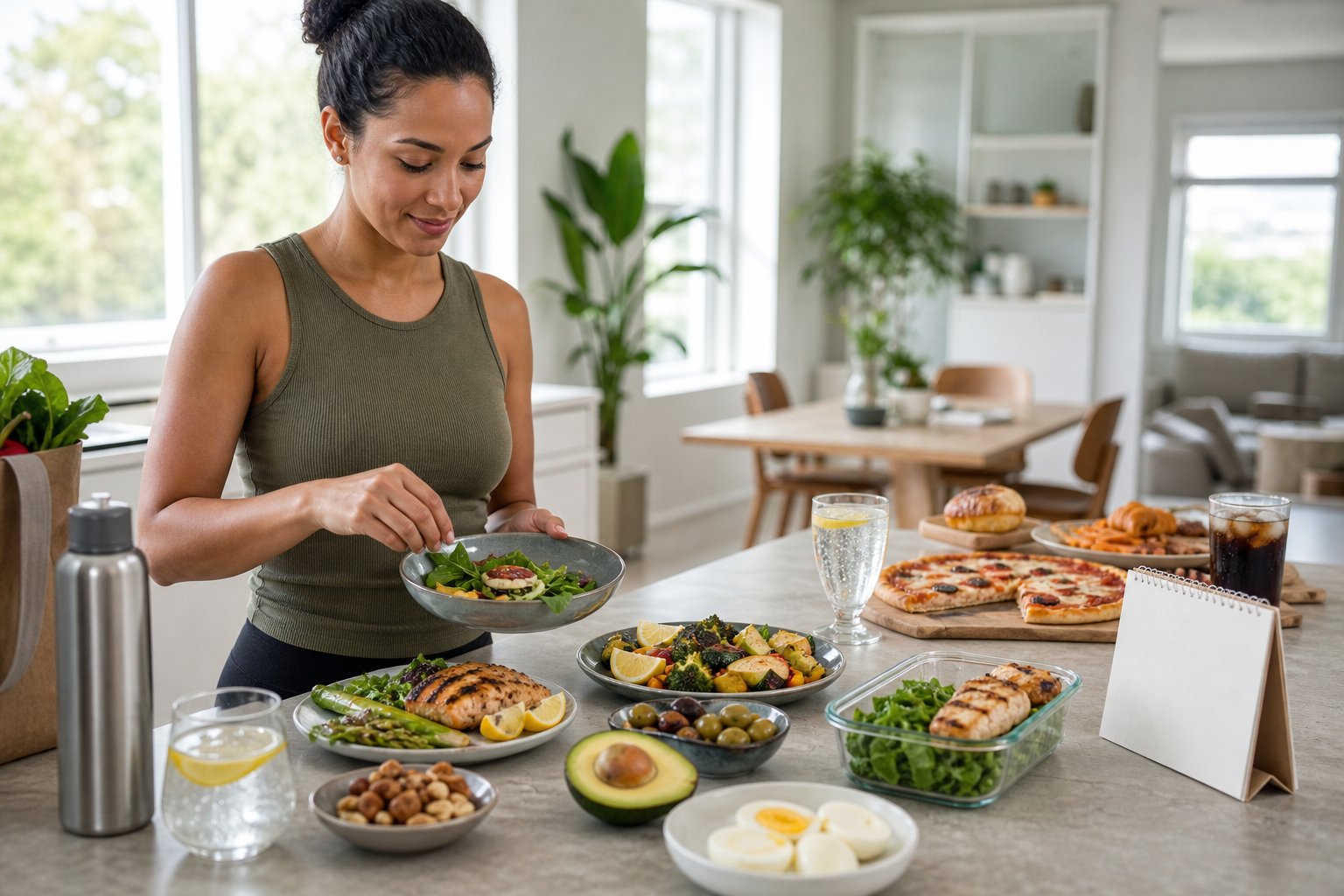
Weekend cravings usually aren’t about true hunger. It’s more about triggers: a movie, a bar menu, or just a bowl of chips on the counter.
Skipping or shrinking meals early in the day and grazing on unsatisfying snacks make things worse.
The Difference Between Physical Hunger and Weekend Cue-Driven Eating
Physical hunger creeps up slowly. It hits a few hours after a meal, maybe with a hollow stomach or a dip in energy, and honestly, even eggs or chicken would do the trick.
Cue-driven eating is different. It’s sudden and usually follows a trigger—like walking past a bakery, hanging out at a friend’s, or pouring that second drink.
Those cravings are specific. Who craves plain tuna at 9 p.m. on a Saturday? It’s pizza, chips, or dessert that call your name.
Weekends just pile on the cues—more social time, more alcohol, more downtime, and more food in sight. All that makes it easier to eat when you aren’t even hungry.
Here’s a quick check: would an omelet sound good right now? If yes, it’s probably real hunger. If only that one snack will do, it’s probably just a cue.
How Under-Eating Earlier Can Affect the Evening
Lots of people eat less on weekend mornings—sometimes without even thinking about it. Sleeping in, skipping breakfast, sipping coffee, and pushing the first real meal to mid-afternoon is common.
That feels fine in the moment, but eating too little earlier in the day on keto tends to set up some brutal hunger later—right when temptations are everywhere.
By evening, appetite is up and willpower is down. That combo makes it tough to pass up appetizers or a “just one” dessert.
Protein makes a difference here. If you skimp on protein in the morning, hunger just sticks around all day.
One fix: keep weekend meals about the same size and timing as your weekday ones, especially the first meal. Eating a solid meal by late morning helps keep those evening cravings in check way better than just trying to tough it out.
Using Satisfying Meals Instead of Constant Snacking
Grazing all afternoon rarely kills keto appetite. Handful after handful of nuts, cheese, or jerky just adds up but doesn’t really satisfy.
Structured meals work better. A plate with protein, fat, and some low-carb veggies fills you up more than the same calories scattered across a bunch of snacks.
| Instead of | Try |
|---|---|
| Nuts throughout the afternoon | 6 oz salmon with buttered asparagus |
| Cheese sticks before dinner out | Two eggs and avocado an hour before leaving |
| Late-night keto cookies | Full-fat Greek yogurt with berries and almond butter |
Two or three real meals a day usually beats constant nibbling for keeping cravings under control.
If you do need a snack, include some protein—hard-boiled eggs, leftover meat, or cottage cheese work better than just fat alone.
Build a Simple Weekend Keto Plan
A weekend keto plan works best when it’s short and specific. Most people just need to name their risky moments, keep a couple meals ready, stock some backup foods, and leave a little room for changes.
Decide Your Highest-Risk Situations Before Friday
Weekend slips almost always happen in the same places. Think Saturday birthday parties, Sunday brunch with family, or a night out with drinks.
Writing these down on Thursday or Friday helps. It’s way easier to make a plan when you’re not already at the table staring at a menu.
For each situation, pick a plan:
- Eat first — have eggs, meat, or cheese before leaving
- Bring a dish — deviled eggs, a meat and cheese tray, or a salad
- Choose in advance — check the menu online and pick a bunless burger or grilled chicken
Two or three risky moments per weekend is pretty normal. Naming them makes it less about willpower and more about having a backup.
Keep One or Two Reliable Meals Available
Your weekend keto plan doesn’t need to be fancy. Just a couple of meals you know you’ll actually eat.
Lots of people cook one batch of something on Friday or Saturday. Shredded chicken, taco meat with cauliflower rice, or a pan of baked salmon and green beans keep fine for a few days.
| Meal | Prep time | Keeps for |
|---|---|---|
| Shredded chicken thighs | 40 minutes | 4 days |
| Ground beef taco filling | 20 minutes | 4 days |
| Hard-boiled eggs (a dozen) | 15 minutes | 1 week |
| Roasted broccoli or zucchini | 25 minutes | 3 days |
Having food already cooked takes away that “there’s nothing to eat” moment that usually leads to takeout.
Prepare Backup Food for Unplanned Situations
Weekends are unpredictable. A trip runs long, plans change, or dinner gets pushed back by hours.
Backup food fills those gaps. It should be portable, not need cooking, and stay okay at room temp or in a cooler.
Useful options include:
- Beef jerky or meat sticks with no added sugar
- Macadamia nuts, almonds, or pecans in pre-measured bags
- String cheese or cheese crisps
- Hard-boiled eggs
- Canned tuna or salmon pouches
- Olives
Keeping a small stash in your car, bag, or desk drawer means you don’t have to make a tough call when hunger hits. Pre-portioning nuts helps, since they’re easy to overdo.
Leave Room for Flexibility Without Abandoning the Plan
A rigid plan snaps the first time something goes sideways. A flexible one bends and survives.
Flexibility just means swapping meals, not bailing on the whole plan. If dinner plans fall through, grab the prepped chicken from the fridge instead.
Some folks also pick one planned treat for the weekend—a square of dark chocolate or a glass of dry wine. Planning for it is different than just grabbing whatever pops up.
Sustainable keto allows for imperfect days. One off-plan meal on Saturday doesn’t mean Sunday’s a lost cause—just jump back in at the next meal and keep going.
If the biggest problem is not knowing what to eat when your normal weekday routine disappears, a simple keto meal plan for beginners can give you a reliable structure to fall back on.
Get practical keto strategies, troubleshooting tips, and simple ways to make your routine easier to maintain.
How to Handle Restaurants, Brunches, and Parties

Most weekend meals happen away from home, where portions are bigger and menus are loaded with bread, potatoes, and sugar. A few decisions ahead of time—what to order, what to skip, and what to say—can keep things from turning into a two-day detour.
Plan the Meal Before You Arrive
Menus are online almost everywhere now, so you don’t have to walk in blind. Picking your order in the parking lot makes it way less likely you’ll grab the bread basket.
For new spots, a quick look at the grilled and salad sections usually turns up a couple of keto-friendly choices.
Arriving hungry is the bigger risk. A small protein snack beforehand—like hard-boiled eggs, some deli turkey, or a slice of cheese—takes the edge off and helps you order smarter.
For parties and potlucks, just text the host. Ask what’s being served or offer to bring something. At least then you know there’s one thing you can eat.
Build the Meal Around a Suitable Protein Source
Ordering is easier when you start with protein and build from there. Steak, chicken thighs, salmon, shrimp, eggs, and pork all work—just avoid breading or sugary glazes.
Keto brunch is actually not that tough. Eggs, bacon, sausage, avocado, and smoked salmon are on most menus.
| Instead of | Ask for |
|---|---|
| Pancakes or French toast | Three eggs with bacon or sausage |
| Burger with bun | Burger wrapped in lettuce, no ketchup |
| Fajitas with tortillas | Fajita meat with extra guacamole and sour cream |
| Breaded chicken | Grilled or roasted chicken |
| Sandwich | Same fillings served over greens |
At parties, use the same approach. Meatballs, wings without breading, deviled eggs, cheese, olives, and sliced meats are usually around and rarely need any tweaks.
Decide How You’ll Handle Sides, Sauces, and Desserts
Sides are sneaky. Fries, rice, and toast can almost always be swapped for a salad, sautéed spinach, roasted broccoli, or extra veggies.
Sauces need some attention too. Barbecue, teriyaki, honey mustard, sweet chili, and a lot of dressings have added sugar—so just ask for them on the side.
Safer bets: butter, olive oil, vinegar, ranch, blue cheese, hollandaise, or plain mayo.
Dessert’s a decision to make before the plates are cleared. Some order coffee, some split a couple bites, some just skip it. The trick is deciding before the tray is in your face.
Make Social Eating Easier Without Turning It Into a Cheat Day
Keto social eating goes smoother when you keep it simple. A quick explanation is enough: “I feel better eating low-carb, so I’m sticking with protein and vegetables.” Most people won’t press for details.
Drinks count too. Dry wine, champagne, vodka soda with lime, or whiskey neat are low-carb. Cocktails with juice or syrups add up fast. One or two drinks is usually a good limit, especially since alcohol tends to make later decisions fuzzier.
The “one bite” moment is worth noticing. One bite isn’t the problem—it’s using it as an excuse for the rest of the night that is.
If you go off plan at a meal, just reset at the next one. No need to wait for Monday.
The same planning principle becomes even more important when you’re eating away from home, so the strategies for staying keto while traveling and eating on the go are useful here as well.
What to Do After an Unplanned Weekend Slip

A Saturday pizza or Sunday pancakes doesn’t wipe out weeks of effort. The best move is to respond calmly at the very next meal, skip the guilt, and take a quick look at what led to the slip in the first place.
Don’t Turn One Meal Into a Whole Weekend Failure
Most of the real trouble after breaking keto isn’t from the slip itself. It’s from what follows.
Psychologists have a name for this: all-or-nothing thinking. You eat a bread roll on Friday, sigh, and figure the weekend’s shot—so you keep eating off-plan until Sunday night.
Suddenly, one meal at 60 grams of carbs turns into three days at 250 grams. The numbers add up fast.
One cheat meal might tack on 800 to 1,200 calories. But a whole weekend off? That’s easily 4,000 or more, plus two extra days out of ketosis.
Recovery gets harder too. A small slip can take 12 to 24 hours to fix, but a weekend binge stretches that to 72 hours or more.
Return to Your Normal Routine at the Next Meal
The best way to get back on keto is to just start—like, right away. No need to wait for Monday morning.
If you had a carb-heavy dinner on Saturday, make Sunday breakfast your usual: eggs, avocado, meat, maybe some low-carb veggies. Waiting for a “fresh start” just means another day off track for no real reason.
A few things help speed up the transition:
| Action | Why It Helps |
|---|---|
| Back to 20-30g net carbs at the next meal | Restarts glycogen depletion right away |
| Add sodium, potassium, magnesium | Replaces electrolytes lost as water leaves |
| 30-45 minutes of moderate exercise | Burns through refilled glycogen faster |
| Drink water steadily | Supports the water weight drop |
The scale will probably show two to five extra pounds the next morning. That’s just water attached to stored glycogen—about three grams of water for every gram of glycogen.
It usually disappears within a few days.
Avoid Punishment, Extreme Restriction, or Compensatory Fasting
Skipping meals to “make up for” a slip is a common keto trap. Honestly, it tends to backfire.
Punishing yourself with a 24-hour fast after a carb binge usually makes cravings worse. People who try it often end up off-plan again by Monday night.
Cutting calories way too low causes similar issues. You get tired, plus the mild keto-flu symptoms can come back—headaches, low energy, bad moods.
- Weighing in repeatedly. Water weight bounces all over the place and tells you nothing useful. It’s better to avoid the scale for three or four days.
- Extra cardio as penance. Moderate exercise helps, but punishing workouts when your energy’s low just leads to burnout.
Identify What Triggered the Breakdown
A keto slip is more useful as a clue than a reason to feel guilty.
Weekend breakdowns usually follow patterns. Some common ones:
- No plan. Nothing prepped for Saturday, so takeout wins.
- Alcohol. A couple drinks, and suddenly appetizers and late-night snacks seem like a great idea.
- Restaurants. Bread baskets, sneaky sugars in sauces, and unchecked side dishes.
- Reward thinking. You were strict Monday through Friday, so you “earned” the weekend.
- Long gaps between meals. Skipped lunch before a late dinner? Trouble.
Jotting down what happened—time, place, mood—makes patterns obvious after a few weekends.
Someone who slips every Friday after drinks needs a different fix than someone who struggles at Sunday family dinners. Maybe it’s setting a drink limit, or maybe it’s bringing your own dish.
One difficult meal does not erase an otherwise consistent week, which is why keto success depends more on consistency than perfection.
When Weekend Breakdowns Mean Your Keto Plan Needs Adjustment
One off-plan Saturday isn’t a crisis. But if the same thing happens every weekend, it’s probably a sign your plan needs tweaking.
Repeated breakdowns usually happen because of too much restriction during the week, a meal schedule that doesn’t fit your life, or goals that just aren’t realistic.
The Same Pattern Repeats Every Weekend
One rough weekend is just life. Twelve in a row? That’s a system problem, not a willpower issue.
People ask if keto’s hard to stick to. Often, it’s not the diet—it’s the same old triggers showing up, week after week.
Try tracking the details for a few weekends:
- What time the first off-plan food showed up
- What you ate in the six hours before
- Where it happened—home, restaurant, someone else’s place
- How much protein was in your last meal
If you keep seeing the same 4 p.m. Saturday slump after skipping lunch, that’s a fixable scheduling issue—not a motivation problem.
Weekday Restriction Is Fueling Weekend Overeating
Some folks slash calories hard Monday through Friday—like 1,200 a day, calling it “clean keto.” By Friday night, they’re starving and tired.
This is a super common keto problem. The weekend doesn’t cause the overeating—the five days before it do.
| Weekday habit | Weekend result |
|---|---|
| Skipping breakfast most days | Big off-plan brunch |
| Under 60 g protein daily | Nonstop snacking Saturday night |
| Fewer than 1,400 calories | Major carb cravings |
| No vegetables or fiber | Poor fullness signals all weekend |
Eating enough during the week—real protein, enough fat, actual veggies—usually shrinks the weekend swings far more than any rule about willpower.
Your Meal Structure Doesn’t Fit Your Real Lifestyle
A plan that expects three home-cooked meals a day falls apart if you eat out a lot or work weekends.
Keto gets easier when your meal timing matches your actual life. Maybe that’s two meals on weekdays and three on weekends, or a portable lunch for a busy Saturday.
- Sunday family dinners with pasta or bread, but no keto alternative
- Late Friday nights and nothing ready to eat after 9 p.m.
- Weekend workouts followed by hours without food
Changing the structure—not just the carb limit—often fixes things. Sustainable keto looks different for a shift worker than for someone with a regular 9-to-5.
When Personalization May Make Consistency Easier
Standard keto targets, like under 50 grams of carbs a day, are a good starting point. But they’re not a forever rule for everyone.
Some people can stay in ketosis at 50 grams, especially if they’re active. Others need more protein to feel satisfied. And honestly, a slightly higher-carb version that you can stick to every day is better than a stricter plan you quit by Saturday.
- Test ketone levels to find your own carb threshold instead of guessing
- Increase protein to about 1.6 grams per kilogram of body weight if you’re always hungry
- Shift more carbs to the weekend, fewer on weekdays, but keep the weekly total steady
A plan you follow 90% of the time beats any strict plan you abandon halfway through the week. If you have a medical condition or take medication, talk to your doctor before making changes.
If you’ve identified the pattern but still can’t make your keto routine work consistently around your real weekend schedule, a more personalized approach may help you build a plan that is easier to follow long term.
Conclusion: A Sustainable Keto Plan Has to Work on Weekends Too
A keto plan that only fits Monday through Friday? That’s not really a plan. It’s just a five-day experiment that resets every Saturday.
Weekends aren’t actually the problem here. The real issue is treating them like they’re some wild exception, instead of just making them part of the routine from the beginning.
The folks who manage to stay consistent usually do a few simple things:
- Plan ahead for restaurants, parties, and travel days.
- Keep easy foods on hand so tired Saturdays don’t turn into takeout.
- Loosen the rules slightly, without abandoning them completely.
- Get back on track at the next meal, not the next Monday.
It’s also worth being honest about your goal. If you want strict ketosis every day, you’ll need firmer limits on weekends.
But if it’s just general weight loss or blood sugar control, a bit more flexibility might be totally fine.
What really doesn’t work? Swinging between super low carb and then high carb every week. That tends to bring back low energy, cravings, and those annoying water weight swings.
| Weekend Approach | Best For |
|---|---|
| Same carb limit all week | Steady ketosis, fewer cravings |
| Slightly higher carbs, whole foods | Social flexibility, long-term habits |
| Full off-days every weekend | Short-term comfort, harder consistency |
Consistency beats perfection. A weekend with a few extra carbs? Eh, it matters way less than always starting over every Monday.
The best keto plan is the one you can actually follow on a Saturday night — not just a quiet Tuesday.