
Best Keto Meal Plan for Beginners Who Hate Counting Macros: Easy Guide, Foods, and Success Strategies
This post may contain affiliate links. If you purchase through these links, I may earn a small commission at no extra cost to you. LEARN MORE.
Starting keto doesn’t have to mean tracking every single gram of carbs, fat, or protein. A lot of beginners do just fine by sticking to easy, low-carb meals and skipping all the math.
The best keto meal plan for beginners who hate counting macros relies on simple, satisfying foods that naturally fit the keto lifestyle—no calculator required.
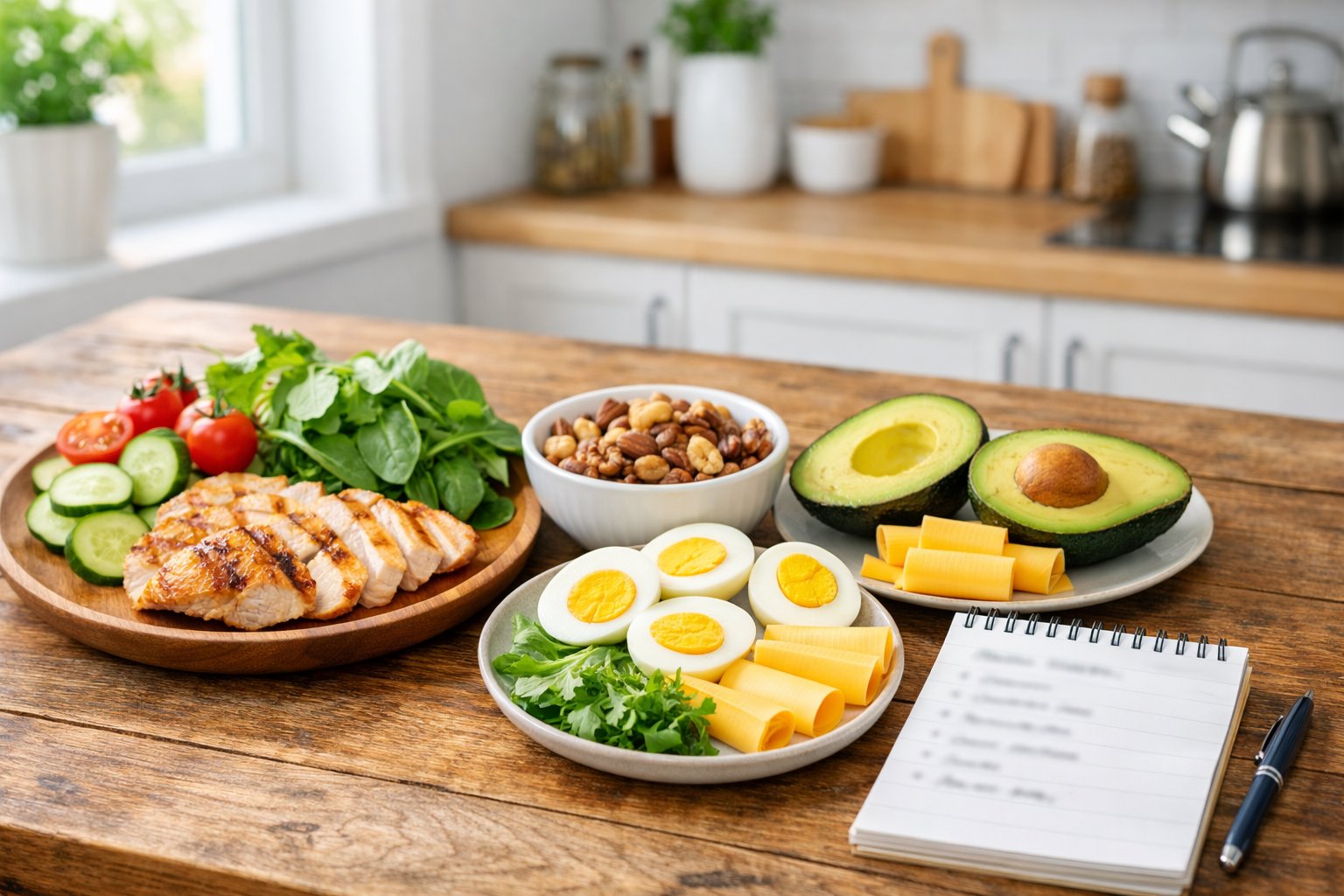
This “lazy keto” style keeps things straightforward while still nudging your body into fat-burning mode. Cut carbs, eat more healthy fats, and you’ll notice steadier energy and fewer cravings—without obsessing over numbers.
Learning keto basics for beginners makes it easier to follow a meal plan without counting macros.
It’s a solid option for anyone who’s busy and wants results, but also wants to keep mealtime fast and not overthink it.
With a basic plan, some keto staples, and a few smart shortcuts, beginner keto meals can be flavorful and not a huge hassle. Breakfast, dinner, snacks—it all gets easier when you keep it practical.
Key Takeaways
- Lazy keto skips strict tracking but keeps carbs low for effective results.
- Simple, familiar foods make keto easier to start and maintain.
- Smart planning and easy recipes remove stress from beginner keto eating.
Why a Lazy Keto Meal Plan Works for Beginners

A lazy keto meal plan simplifies the keto diet by focusing on low-carb foods, not every macro. It helps beginners build consistent habits and stick with it, minus the stress.
A beginner-friendly keto meal plan without tracking helps remove overwhelm while still guiding food choices toward ketosis.
If you want the best keto meal plan for beginners without counting macros, Keto Creator builds a personalized lazy keto plan that removes tracking while keeping meals structured.
Benefits of Lazy Keto for First-Time Keto Dieters
Lazy keto lets new dieters skip the overwhelm of tracking every ratio. Just keep daily carbs under about 20–50 grams so the body can get into ketosis.
Eating simple, low-carb foods like eggs, cheese, meat, and non-starchy veggies makes meals satisfying, and there’s no need for complicated planning. This way, you’re less likely to have energy crashes from high-carb foods.
Pairing whole foods with good hydration and electrolytes helps most people feel better long-term. The routine is flexible, so it’s easier to stick with.
Lazy Keto vs. Traditional Keto Meal Plans for Beginners
A traditional keto diet means calculating daily macronutrients—about 70% fat, 25% protein, and 5% carbs. Lazy keto, on the other hand, mostly just keeps an eye on carbs.
| Feature | Lazy Keto | Traditional Keto |
|---|---|---|
| Macro Tracking | Only carbs | All macros (fat, protein, carbs) |
| Difficulty Level | Easy | Moderate to hard |
| Flexibility | More flexible | More structured |
| Ideal For | Beginners or busy people | Those seeking precise control |
Most beginners find lazy keto meal plans less intimidating because there’s no calorie counting or weighing every meal. It’s just simpler, and that makes it easier to stick with.
Who This Beginner Keto Meal Plan Is Best For
A lazy keto diet is great for anyone wanting keto’s benefits without tracking everything. It’s especially handy for beginners, busy parents, or anyone who wants quick, low-carb meals with everyday foods.
Newbies can eat familiar foods like grilled chicken, salads, eggs, and veggies. Less tracking means less frustration and more focus on building better eating habits.
If you like flexibility but still want to see weight or energy improvements, this plan works. Keep the carbs low, and you’re good.
Keto Basics for Beginners Without Counting Macros
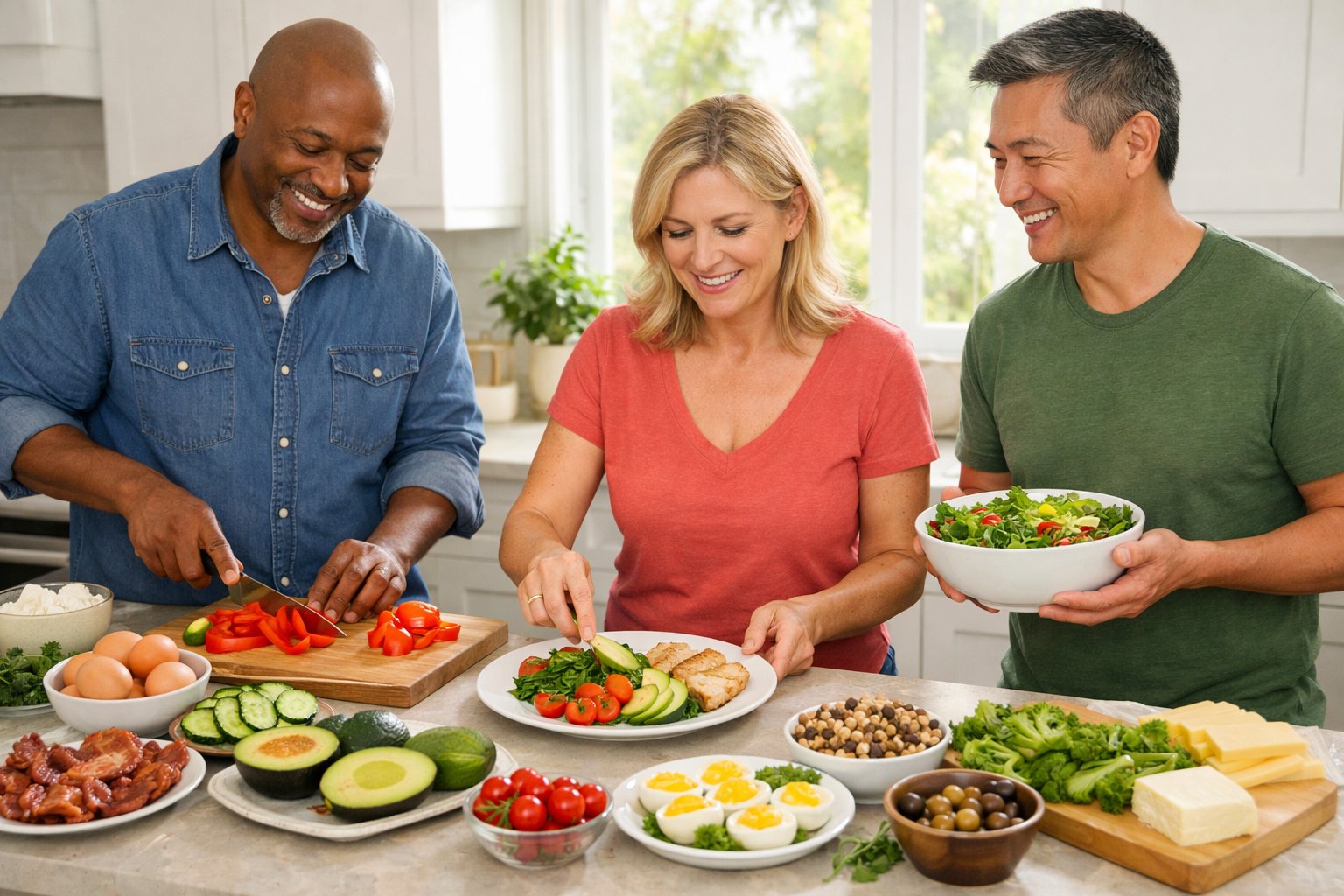
You can start a low-carb lifestyle without tracking every nutrient. The focus is just on lowering carbs, eating more healthy fats, and choosing moderate protein meals that fit your day-to-day life.
Keep meals simple and stick to foods that support ketosis. That way, you get the benefits of keto with way less stress.
What the Ketogenic Diet Is and How It Works
The ketogenic diet (keto) limits carbs so your body burns fat instead of glucose for energy. When glucose runs low, the liver turns fat into ketones, which your body then uses for fuel.
A typical keto diet is about 60–70% calories from fat, 20–25% from protein, and 5–10% from carbs. If tracking isn’t your thing, you can still follow keto by picking the right foods.
According to Harvard Health Publishing, ketogenic diets emphasize very low carbohydrate intake to encourage the body to burn fat for fuel.
Eggs, cheese, meat, fish, nuts, and non-starchy veggies help keep carbs low. Throw in healthy fats like avocado, olive oil, or butter, and you’ll probably notice steadier energy and fewer sugar crashes.
Even without counting macros, it’s important to cut out bread, pasta, fruit juice, and sweets to stay in fat-burning mode.
Net Carbs, Ketosis, and Fat Adaptation Explained Simply
Net carbs are total carbs minus fiber and sugar alcohols, since your body barely digests those. Most people start with a target of 20–50 grams of net carbs per day to reach ketosis.
Once carbs drop, ketosis kicks in. Your body starts making ketones, and these replace glucose as your main energy source. This can take a few days, and you might feel some changes in cravings and energy during the switch.
After a few weeks, your body gets fat-adapted—basically, it gets better at using fat for fuel. You’ll notice sharper focus and more steady energy. Beginners who skip most carb-heavy foods but don’t stress about macros can still get there.
Standard Keto vs. Lazy Keto vs. Dirty Keto: What Beginners Should Choose
| Type | Main Focus | Tracking Needed | Common Foods |
|---|---|---|---|
| Standard Keto | Balanced macros with whole foods | Detailed tracking | Meat, eggs, vegetables, healthy fats |
| Lazy Keto | Counts only net carbs | Minimal | Simple meals like omelets, burgers without buns |
| Dirty Keto | Low-carb but processed foods allowed | Minimal | Fast food burgers, diet sodas, processed cheese |
Standard keto is best for nutrition quality, but you have to pay attention to ratios. Lazy keto skips the macro counting, which is honestly a relief for a lot of people. It’s all about keeping carbs low, not micromanaging everything else.
Choosing between lazy keto and a dirty keto approach can significantly affect beginner results.
Dirty keto is for folks who need convenience, but it includes a lot more processed foods, which aren’t always great for you. For beginners, lazy keto is the easiest way to get started. Less stress, fewer rules, and it fits into a busy life.
Essential Foods for the Best Keto Meal Plan for Beginners
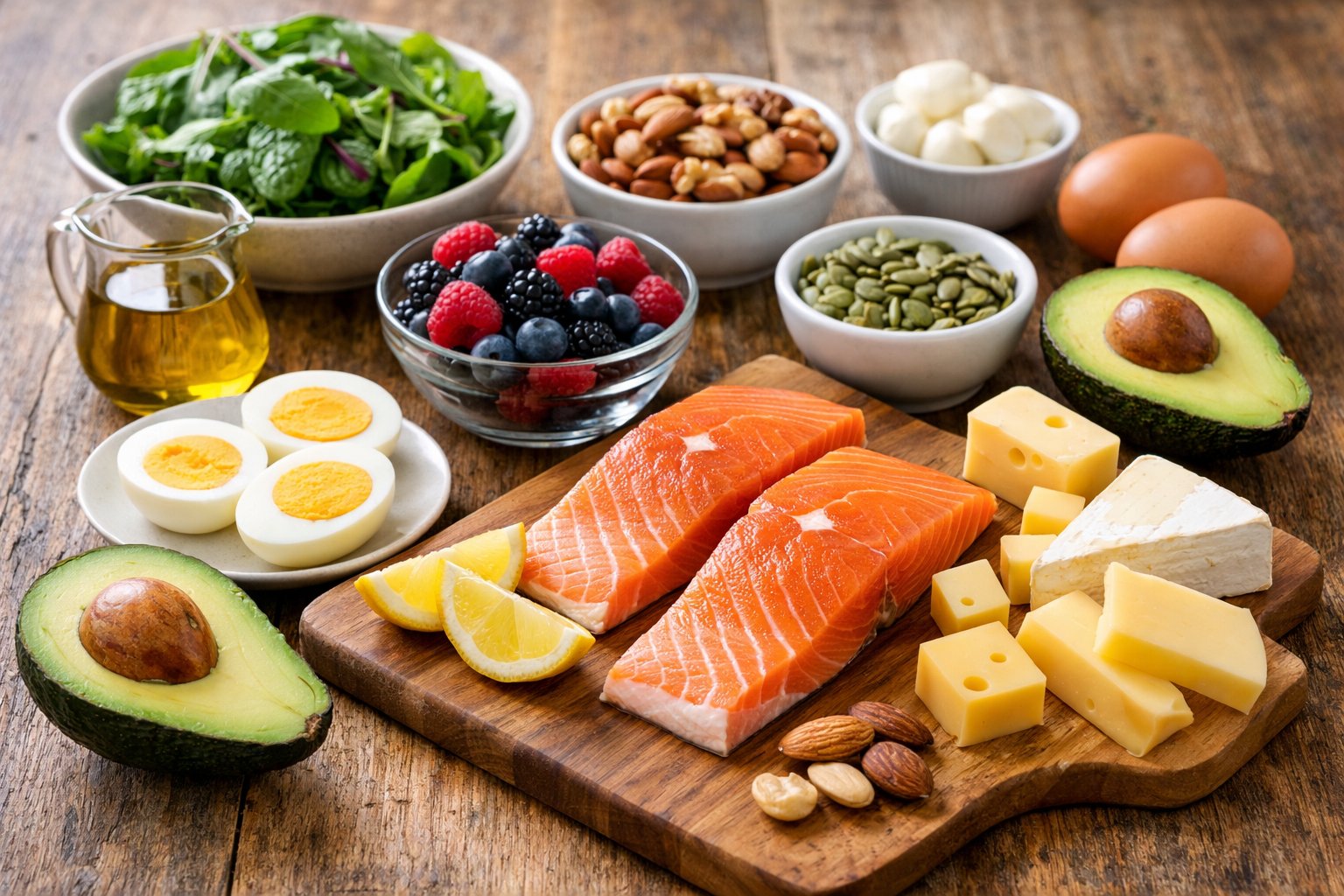
A good keto plan is all about simple, low-carb foods that help you stay in ketosis without tracking every bite. Stock up on the right basics, and the whole thing gets easier.
Beginner-Friendly Keto Foods to Keep Stocked
Having reliable keto-friendly foods in the kitchen really helps. Stick with foods high in healthy fats and moderate protein. Here are some go-to staples:
| Category | Examples |
|---|---|
| Proteins | Eggs, chicken thighs, ground beef, salmon, bacon |
| Fats & Oils | Olive oil, butter, coconut oil, avocado oil |
| Dairy | Cheese, heavy cream, full-fat Greek yogurt |
| Nuts & Seeds | Almonds, chia seeds, walnuts |
| Low-Carb Vegetables | Spinach, zucchini, cauliflower, broccoli |
These foods make up most beginner keto grocery lists because they’re easy to find and cook. Prepping eggs, salads, or one-pan dinners keeps things simple and takes the pressure off counting macros.
Don’t forget about hydration and electrolytes—using salt, potassium, and magnesium sources like broth or avocados can help you avoid getting run down.
Foods to Limit or Avoid on a Lazy Keto Meal Plan
Even with minimal tracking, some foods can push your carbs up fast. Skip grains like bread, pasta, rice, and cereal. Starchy veggies like potatoes, corn, and peas are also best avoided.
Sugary snacks, desserts, and sweetened drinks? Those will kick you out of ketosis in no time. Processed foods can be sneaky, hiding carbs in sauces or coatings, so checking labels for added sugars or starch is smart.
Most fruits—bananas, apples, grapes—have too much sugar for daily keto. If you want fruit, stick with small servings of berries since they’re lower in carbs.
When it comes to condiments, keep it basic. Mustard, mayo, and vinegar-based dressings are safer bets than sweet sauces or marinades. This way, you can stay in ketosis without stressing over every bite.
Low-Carb Vegetables and Easy Substitutions for Beginners
Vegetables are crucial for fiber and minerals, but not every veggie fits a low carb diet.
Stick to non-starchy types like spinach, kale, cauliflower, zucchini, celery, cabbage, and lettuce. These add bulk and color to meals without loading up on net carbs.
Swapping ingredients makes keto way less intimidating for newbies. Try cauliflower rice instead of regular rice, zucchini noodles for pasta, or lettuce wraps instead of tortillas or burger buns.
These swaps cut carbs but keep food feeling familiar and honestly, more satisfying than you’d expect.
Roasting, steaming, or sautéing veggies in olive oil or butter? That’s an easy way to boost both flavor and fat. Toss in herbs, cheese, or a bit of avocado and suddenly a side dish turns into a meal that keeps you full and supports ketosis.
7-Day Lazy Keto Meal Plan for Beginners
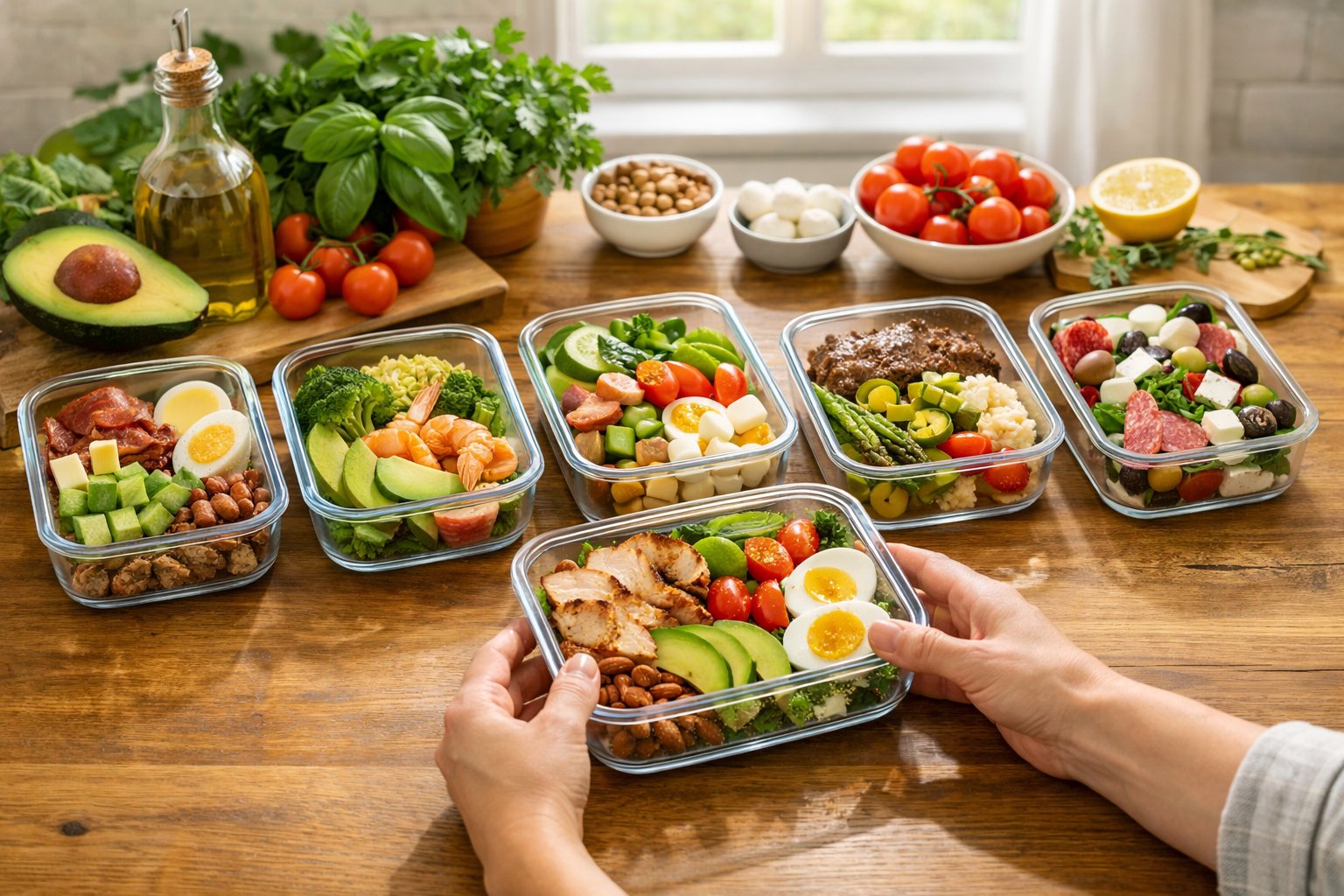
Lazy keto makes things easier for beginners—no need to count every macro. You just focus on simple, low-carb meals using everyday stuff like eggs, meat, cheese, avocados, and low-carb veggies.
Weekly Meal Plan Overview Without Macro Tracking
This 7-day lazy keto meal plan skips calorie counting. Instead, it leans on whole, low-carb foods and a bit of portion awareness. Each day’s got breakfast, lunch, and dinner using foods you probably already have. Most meals land under 20–30 grams of net carbs, which is usually enough to keep ketosis rolling.
Meals rotate between proteins—chicken, beef, pork, fish, and eggs—plus non-starchy veggies like broccoli, spinach, and zucchini. You’ll see things like scrambled eggs with avocado, a keto cobb salad, or baked salmon with roasted asparagus pop up a lot.
For anyone busy (isn’t that all of us?), lazy keto is a lifesaver. Prepping in bulk—like making boiled eggs or cooking a pile of chicken—means less cooking later. Here’s a quick example week:
| Day | Example Meals |
|---|---|
| 1 | Bacon and eggs, Cobb salad, Chicken and broccoli |
| 2 | Greek yogurt with chia seeds, Tuna salad, Grilled steak |
| 3 | Egg muffins, Lettuce wraps, Shrimp and zucchini |
| 4 | Crustless quiche, Chicken Caesar salad, Pork chops |
| 5 | Chia seed pudding, Ham roll-ups, Ground beef stir-fry |
| 6 | Avocado egg cups, Spinach salad, Grilled salmon |
| 7 | Smoothie with coconut milk, Turkey wraps, Cauliflower fried rice |
Simple Keto Breakfast Ideas for Busy Beginners
Keto breakfasts don’t have to be complicated. Egg cups, crustless quiches, or keto egg muffins can be made ahead and grabbed on the go. They’re quick, filling, and fit right into a busy morning.
If you like to mix things up, chia seed pudding with unsweetened almond milk and a couple of berries is a nice, slightly sweet option. Bacon and eggs are always a classic—easy, satisfying, and no tracking required.
Rotating easy keto breakfasts prevents boredom while keeping meals beginner-friendly.
Vegetarian or vegan? Swap eggs or meat for tofu scrambles, avocado toast on low-carb bread, or coconut yogurt with nuts. Just keep meals high in fat and low in sugar and you’ll stay on track without much hassle.
Easy Keto Lunches and Dinners Without Measuring or Logging
Lunch and dinner don’t need to be a production. A keto cobb salad—lettuce, chicken, bacon, avocado, ranch—makes a super filling lunch and you don’t need to count anything. Turkey or ham lettuce wraps are great for taking with you, too.
Dinners like grilled chicken, beef patties, or baked salmon go well with cauliflower mash, roasted broccoli, or sautéed spinach. Cooking with butter or olive oil adds healthy fat and, honestly, just tastes better.
Batch cooking at the start of the week means less work later. Leftovers often taste even better reheated, which makes lazy keto actually doable for beginners who want good food without tracking every bite.
Easy Keto Recipes and Snacks for Beginners
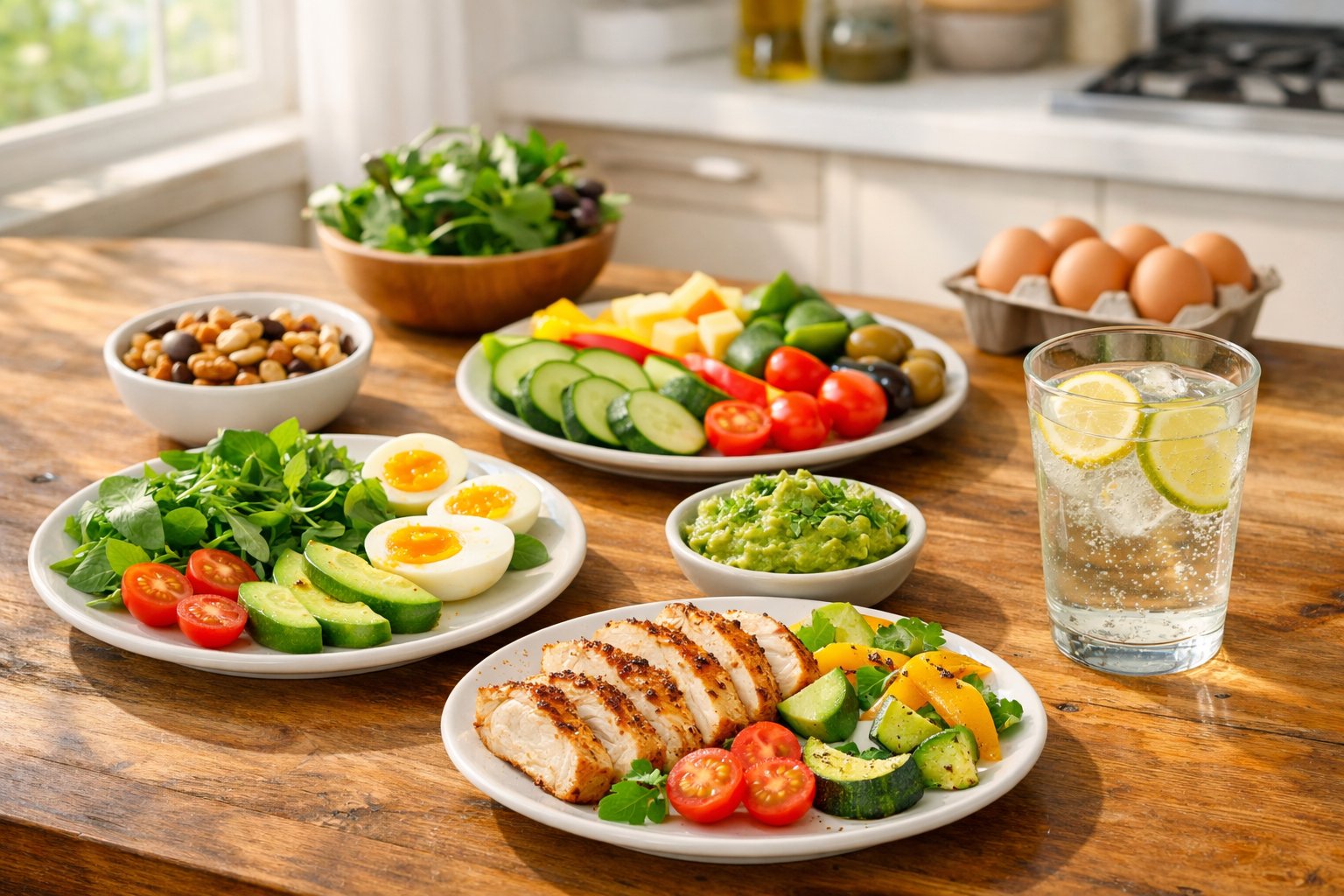
Simple, low-carb meals help you stick with keto—no fussing with measurements or apps. Using stuff like eggs, chicken, and avocado keeps things straightforward and lets you make progress without overthinking it.
Quick, Low-Effort Keto Recipes for Everyday Meals
The best recipes are the ones you can throw together fast. Scrambled eggs with avocado, chicken salad lettuce wraps, or crack chicken (cream cheese, bacon, shredded chicken) are all easy and hit the spot.
For lunch or dinner, try ground beef with sautéed zucchini or baked salmon with broccoli. You’ll stay under 25 grams of net carbs with these. Cauliflower rice, zucchini noodles, or lettuce wraps make great low-carb swaps for starchy sides.
Need some ideas?
| Meal | Example | Main Ingredients |
|---|---|---|
| Breakfast | Omelet with cheese and spinach | Eggs, butter, cheddar |
| Lunch | Tuna salad | Canned tuna, mayo, lettuce |
| Dinner | Crack chicken | Chicken, cream cheese, bacon |
Cooking in batches and using leftovers is a game-changer. It keeps you from grabbing off-plan snacks when you’re tired or busy.
Beginner-Friendly Keto Snacks and Fat Bomb Options
Keto snacks should focus on fat and protein to keep energy steady and cravings in check. Keto-friendly snacks include hard-boiled eggs, beef jerky (just check for added sugar), cheese sticks, and a handful of almonds.
Fat bombs are great between meals or after a workout. They mix coconut oil, nut butter, and cocoa for a quick energy boost. Here’s a super simple keto fat bomb recipe:
- 2 tbsp cream cheese
- 1 tbsp peanut butter
- 1 tsp cocoa powder
- Stevia to taste
Having reliable keto snack ideas reduces temptation when hunger hits between meals.
Chill until firm and you’re set. Unlike regular snacks, these actually help ketosis instead of messing it up. Store-bought keto bars are handy for travel, but watch for sneaky sugar alcohols and net carbs.
Simple Keto Desserts That Won’t Break Ketosis
Sweet tooth? Keto desserts save the day. Use almond flour, coconut flour, or unsweetened cocoa powder instead of wheat and sugar. Favorites: keto chocolate mousse, mug cakes, or cookies with erythritol or monk fruit.
Want something cold? Blend unsweetened almond milk, avocado, cocoa, and ice for a keto smoothie that feels like dessert.
Small portions are key. Using low-carb ingredients lets you enjoy sweets without falling out of ketosis.
Keto Meal Planning and Prep Made Simple for Beginners

Starting keto doesn’t mean you have to log every bite or track every single gram. With a little planning, beginners can make easy, tasty meals that fit into real life. Keeping prep lists short, ingredients versatile, and storage simple makes everything way less overwhelming.
Simple keto meal prep ideas make it easier to stay consistent without tracking or measuring food.
Easy Meal Prep Tips Without Counting Macros
Forget the numbers for now. Just focus on portion awareness. Build plates with whole foods—eggs, meat, cheese, and low-carb veggies. A good rule: half your plate non-starchy veggies, a quarter protein, a quarter fats.
Batch-cook base ingredients. Cook chicken thighs, boil eggs, chop veggies at the start of the week. Mix and match for different meals later.
Use visual cues—a palm-sized piece of protein, a thumb of fat, two handfuls of greens. This keeps things simple and still works for most people starting out.
Repeating a few reliable dishes helps you stay on track. Once you’re comfortable, branch out and try new recipes from keto cookbooks or blogs.
Building a Beginner Keto Shopping List
A solid shopping list is everything. Stick with low-carb, high-fat basics you can mix and match. Four main groups to focus on:
| Category | Foods to Include |
|---|---|
| Proteins | Eggs, chicken, beef, salmon, tuna |
| Low-Carb Veggies | Spinach, zucchini, broccoli, cauliflower |
| Healthy Fats | Olive oil, butter, cheese, avocado |
| Pantry Staples | Almonds, chia seeds, herbs, spices |
Shopping from a list like this helps you dodge hidden carbs in sauces or processed snacks. Most beginner keto cookbooks offer similar lists, which makes it easier to keep things interesting.
Buying in bulk saves money and cuts down on those annoying midweek grocery runs. Since most ingredients work in different meals, you get more flexibility. Start small and add new foods as you find favorites.
Batch Cooking and Storage Strategies for Lazy Keto
Batch cooking is a lifesaver for lazy keto. Make extra meat or roast a bunch of veggies on the weekend so you’ve got a head start. Store everything in clear containers so you can see what’s left and remember to use it up.
Label containers with the date. Keep perishables in the fridge for 3–4 days or freeze for a month. Organize—meats in one spot, veggies in another—to make meal assembly fast.
Freezing cooked stuff like ground beef or cauliflower mash beats cooking from scratch every night. Pre-portioned meals mean you can just reheat and eat—still keto, still low-carb.
Keep shelf-stable fats like olive oil and nuts around. That way, you can quickly bump up calories or flavor if you need to. Over time, these habits make keto meal prep feel almost automatic, with ready-to-eat options always on hand.
Common Beginner Mistakes and Lazy Keto Success Tips

New keto dieters often run into low energy, cravings, and confusion over what to eat in those first weeks. Figuring out how to sidestep early side effects and build simple habits can really speed up the adjustment.
Staying consistent without tracking every single bite? It’s possible, it will make the whole thing less stressful.
Avoiding Keto Flu and Early Transition Issues
Most beginners get hit with fatigue, headaches, or just general crankiness—the infamous keto flu. This happens when your body’s switching from burning carbs to burning fat.
Drinking more water and adding electrolytes like sodium, potassium, and magnesium can make a big difference.
Foods like avocado, leafy greens, and bone broth actually help keep you hydrated and balance minerals. Some folks prefer to ease into keto, slowly lowering carbs over a few days instead of dropping them all at once.
Adding healthy fats—think coconut butter, olive oil, MCT oil—gives your body quick fuel. If cravings hit hard, a small stevia-sweetened drink or herbal tea can take the edge off without adding carbs.
| Common Symptom | Helpful Fix |
|---|---|
| Headache | Add minerals or bone broth |
| Fatigue | Increase MCT oil or healthy fats |
| Cravings | Use stevia or keto snacks |
| Muscle cramps | Replenish magnesium |
Staying Consistent on Keto Without Tracking Everything
Lazy keto means keeping carbs low but not sweating every calorie or macro. People find success by picking naturally low-carb foods instead of logging every meal.
A good trick is filling most of your plate with meat, eggs, cheese, and non‑starchy veggies. It’s simple, but it works.
Reading labels for hidden sugars and high‑carb sauces helps avoid accidental carb creep. Swapping bread for lettuce wraps or soda for sparkling water? Honestly, those little changes add up.
Many common keto beginner mistakes stem from overcomplicating food choices.
Batch‑cooking proteins and veggies once a week saves time and spares you from last-minute decisions. Having a couple of go‑to meals—like tuna lettuce wraps or grilled chicken salad—makes it easier to stay on track.
Building Motivation and Sustainable Keto Habits
Success with lazy keto comes from making small, steady changes. It’s not about being perfect—it’s about noticing when you have more energy or fewer cravings, and letting that motivate you.
Setting tiny goals, like trying one new keto recipe a week, keeps things manageable. Tracking your progress with photos, notes, or even just a weekly check‑in can make it feel real.
Family‑friendly meals and flexible recipes keep things from getting too stressful. Swapping high‑carb snacks for cheese, nuts, or keto‑friendly chocolate with stevia helps you stay motivated without feeling totally deprived.
Some beginners use metabolic support supplements like Nagano Tonic to help maintain energy and consistency during the early keto transition.
Helpful Tools and Resources for a Stress-Free Beginner Keto Plan

Starting keto’s way easier when you’ve got the right tools and some guidance. Apps, meal plans, and supportive communities can help you stick with it—without obsessing over every number.
Simple Keto Apps for Guidance Without Obsession
Tracking macros can get old fast, but tools like Carb Manager, MyFitnessPal, and Cronometer make it less of a headache. You can log food, check net carbs, and see your progress without overthinking it.
If you’re following a lazy keto meal plan, these apps still help. They highlight foods that fit your goals, even if you don’t track every macro. Some even suggest recipes or shopping tips—makes planning a little less painful.
Most have built-in keto macro calculators to estimate your suggested ratios based on your body and goals. Even if you’re not tracking everything, it’s good to have a rough idea.
Beginner Keto Meal Plans and Cookbooks Worth Considering
Structured meal plans take out the guesswork. A 5-day beginner keto meal plan or a 7-day lazy keto version usually comes with quick recipes and short grocery lists.
Simple foods like eggs, chicken, and low-carb veggies keep things easy with minimal prep. Lots of books and websites have sample menus and printable shopping guides—super handy if you’re not sure where to start.
Digital cookbooks or subscription resources often update recipes by season or budget, and some even adjust for family size. The best ones clearly mark carbs and prep times, which definitely makes daily choices easier.
Finding Community Support and Ongoing Motivation
Going keto solo can feel weirdly isolating. Joining online keto groups, forums, or social media communities helps with encouragement and troubleshooting.
Some apps let you share your progress or meal logs privately with friends. Local meetups or health groups can offer real-life support, recipe swaps, and advice if you’re into that kind of thing.
Community really matters when you’re dealing with stuff like keto flu. Hearing how others manage the adjustment can honestly keep you going.
For beginners who want light movement without workouts, programs such as Hyperbolic Stretching can complement a lazy keto lifestyle.
Frequently Asked Questions
A good beginner keto plan sticks to low-carb, high-fat foods that are easy to make and fit into real life. Using familiar ingredients and simple meals makes it doable, even if you’re not a fan of tracking details.
What foods should be included in a beginner keto meal plan?
Start with protein sources like chicken, eggs, fish, beef, and pork. Add healthy fats—olive oil, butter, avocado, nuts—to meet your energy needs.
Low-carb veggies like spinach, zucchini, cauliflower, and broccoli give you fiber and nutrients. Cheese, cream, and unsweetened dairy can boost fat intake, just don’t go overboard.
How can beginners follow keto without counting macros?
If tracking isn’t your thing, just focus on eating low-carb and high-fat foods. Skip bread, pasta, sugar, and starchy veggies—stick to proteins and fats.
Build meals around protein and non-starchy veggies, then add fat for flavor and fullness. Tracking helps some people, but it’s definitely not required to see progress.
What does a simple keto meal plan look like for beginners?
Think eggs with avocado for breakfast, chicken or tuna salad for lunch, and grilled fish or beef with veggies for dinner. Snacks? Cheese sticks, nuts, or hard-boiled eggs all work.
Keep meals quick, filling, and based on whole foods you can find anywhere.
Starting with a simple beginner keto meal plan helps build confidence before experimenting with recipes.
Which quick or ready-to-eat foods work best for keto beginners?
Pre-cooked meats, canned tuna or salmon, string cheese, and nuts are all easy options. They’re convenient and help you stay on track when you’re busy.
Low-carb protein bars, pork rinds, and salad mixes with oil-based dressing are also solid grab-and-go choices.
What are easy high-fat keto recipes for beginners?
Scrambled eggs in butter, lettuce-wrapped burgers, or baked salmon with cream sauce fit the bill. Omelets with cheese or a quick stir-fry with ground meat and veggies in coconut oil are also great.
These meals are simple, fast, and give you the right fat-protein balance.
How can beginners stay on keto if they dislike food tracking?
Pick a handful of go-to meals and repeat them to control carbs without tracking. It’s not fancy, but it works.
Planning and prepping a few dishes each week keeps things predictable and flexible. Over time, you’ll just know what fits your routine.
Conclusion
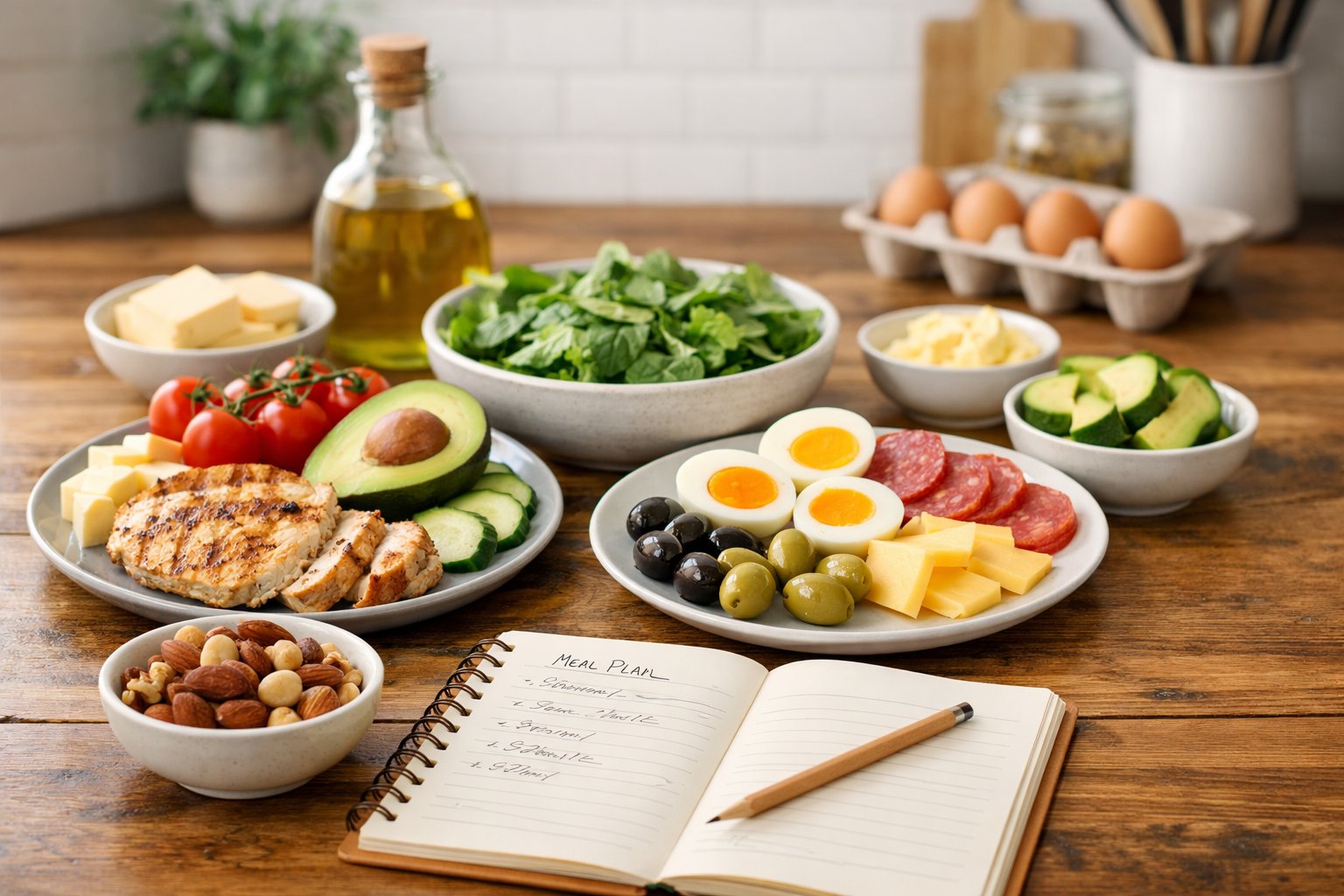
Lazy keto is a pretty chill way for beginners to dip their toes into the ketogenic lifestyle. You don’t have to obsess over every number—just stick with low-carb meals and let the rest fall into place.
It’s especially appealing for folks who are juggling a lot or who just aren’t into strict routines. You can eat eggs, cheese, meats, and veggies without feeling tied to your food scale.
A good starting plan might look like this:
| Meal Type | Example Options |
|---|---|
| Breakfast | Scrambled eggs with bacon, omelet with spinach |
| Lunch | Chicken salad with avocado, tuna with lettuce wraps |
| Dinner | Zucchini noodles with creamy sauce, grilled salmon |
| Snack | Cheese sticks, nuts, pork rinds |
It’s all about simple prep, clear food choices, and a bit of flexibility. That way, you’re more likely to stick with it and gain some confidence along the way.
Starting small and keeping meals practical just feels less overwhelming. Isn’t that what most of us want, anyway?