
Keto Without Gallbladder: Safe Foods, Fats & Supplements Guide
This post contains affiliate links. If you make a purchase through these links, I may earn a small commission at no extra cost to you. Learn more.
Starting a keto diet after gallbladder removal can feel intimidating, but it’s definitely doable with some tweaks. Without a gallbladder, your liver still makes bile—just in smaller, less concentrated amounts, which can make fats harder to digest at first.
Choosing the right fats, foods, and digestion-supporting supplements lets your body stay in ketosis while avoiding the usual bloating and discomfort.
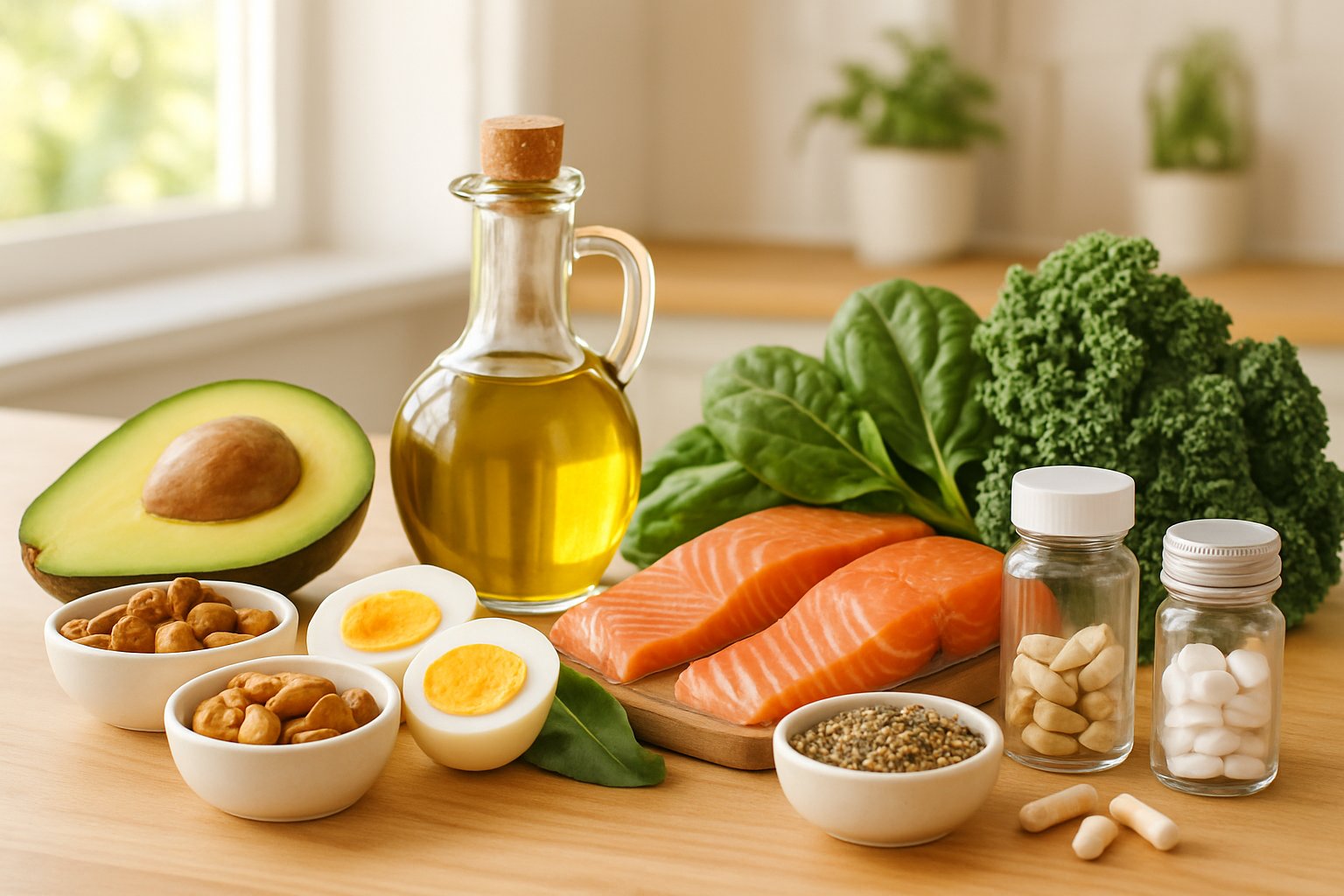
It helps to get a feel for how your body now handles fats and adjust your food choices. Medium-chain fats, smaller meals, and gentle fiber sources can really make a difference in absorption.
Supplements like ox bile or digestive enzymes might help too, especially if you notice trouble breaking down meals.
Even the type of oil you use or when you eat can shift how your body handles fat. A few small changes, and you’re more likely to enjoy keto without your digestion going off the rails.
If you want to understand how fat metabolism works in ketosis, this guide on The Science of Ketosis: Exploring Metabolic Adaptation explains the process clearly.
If adjusting fats feels confusing after surgery, Keto Creator can customize your fat-to-protein ratio for digestion tolerance and ketosis balance.
Key Takeaways
- Keto’s still an option after gallbladder removal if you’re mindful.
- The right fats, fiber, and supplements keep digestion smoother.
- Small, step-by-step changes make it easier on your system.
Understanding Gallbladder Removal and Fat Digestion
Once the gallbladder’s gone, fat digestion shifts because bile release is slower and less concentrated. Your liver keeps producing bile, but now it trickles out all the time instead of showing up in a big burst when you eat a fatty meal.
For more information about life without gallbladder, check out this post from Cleveland Clinic.
Role of the Gallbladder in Digestion
The gallbladder is a small organ tucked under your liver. It stores and releases bile, which is key for breaking down fats.
When you eat fat, your body cues the gallbladder to send out bile. This helps break big fat droplets into smaller ones so enzymes can do their thing.
Bile’s made up of bile salts, cholesterol, and waste products. These break up fats, making it easier for your body to soak up fat-soluble vitamins (A, D, E, K).
Normally, this stored bile makes it possible to handle bigger, high-fat meals—pretty common with keto.
What Changes After Cholecystectomy
After a cholecystectomy (gallbladder removal), bile doesn’t get stored up anymore. Instead, your liver just drips it into your gut all day, every day.
This steady trickle can make big or fatty meals tougher to handle. Some folks notice bloating, loose stools, or fat malabsorption—especially right after surgery.
Fat can move through your system too quickly, so you don’t always absorb all those nutrients. Smaller, more frequent meals with moderate fat are usually easier to digest. Given some time, your liver can get a bit better at keeping up.
Bile and Bile Salts Function
Bile comes from the liver and contains bile salts, water, cholesterol, and bilirubin. The bile salts are the main players—they break down fats into tiny droplets so enzymes can finish the job.
Without a gallbladder, bile is less concentrated, which means fat digestion isn’t as efficient. Sometimes, longer-chain fats just don’t get broken down all the way.
On the bright side, medium-chain triglycerides (MCTs) barely need bile to be absorbed. If you’re missing your gallbladder, these are a lot easier to handle.
Mixing in manageable fat types, maybe some digestive enzymes or ox bile supplements, can help your body keep up with fat digestion.
Can You Follow Keto Without Gallbladder?
If you’ve had your gallbladder out, you might wonder if keto is still in the cards. It is, but you’ll want to be picky about your fats and pay attention to how your gut reacts.
Is Keto Safe Post-Cholecystectomy?
Without your gallbladder, your liver’s still doing its job, but it can’t send out big bursts of bile anymore. Instead, it’s a slow, steady drip, which means fat digestion isn’t as quick or efficient.
If you eat a ton of fat at once, you might get bloating, diarrhea, or miss out on nutrients because your body can’t keep up. But if you ease into fats and work with a healthcare provider, you can find your sweet spot. A lot of folks swear by MCTs since they’re easier to digest and don’t need much bile.
It’s smart to monitor how your digestion’s doing as you go. No need to rush.
Keto Diet Adjustments for Fat Digestion
To make keto work without gallbladder, you’ll need to tweak your routine. Eating smaller, more frequent mealsinstead of big, heavy ones gives your liver time to drip out enough bile for each bite.
Pick fats that are easier to digest:
| Fat Type | Source Foods | Digestive Ease |
|---|---|---|
| MCTs | Coconut oil, MCT oil | Easy |
| Short-chain fats | Butter, ghee | Moderate |
| Long-chain fats | Red meat, olive oil, nuts | Harder |
Some people add bile salts or digestive enzymes, but it’s best to check with a doctor first. Fiber-rich veggies like broccoli, Brussels sprouts, and chia seeds help keep things moving and support gut health. Don’t forget to drink enough water, too.
This guide on How to Personalize Your Keto Diet: Tailoring Macros for Optimal Health shows how to adjust your ratios safely
Monitoring Ketosis and Symptom Management
Keeping an eye on both your ketosis and how your gut feels is key. Tools like urine ketone strips or blood meters can show if you’re burning fat, but honestly, how you feel is just as important.
If you notice changes like weird stools, bloating, or fatigue, try adjusting your fat intake or meal timing. Cutting carbs slowly instead of all at once gives your system time to adapt. A food log can help you spot what’s working and what isn’t. If you’re careful and listen to your body, you can stay in ketosis without the drama.
Optimizing Fat Intake Without a Gallbladder
After gallbladder surgery, you still make bile, but it’s more of a slow leak than a flood. Big, fatty meals get tougher to digest, so it’s smart to adjust how much and what kinds of fats you eat.
Moderating Fat Consumption for Tolerance
Most people do better with smaller amounts of fat, spread out over the day. Four to six small meals instead of a couple of big ones can make a surprising difference.
Starting with 50–60 grams of fat per day and slowly increasing gives your body a chance to catch up. If your stools are greasy or float, you might be overdoing it.
Adding fiber-rich foods like avocados, chia seeds, and low-carb veggies helps things move along. Consistency matters more than loading up on fat all at once.
Choosing the Right Types of Fats
It pays to pick fats your body can handle. MCTs (think coconut oil, MCT oil, butter) are digested quickly and don’t need much bile. They give you energy without stressing your system.
Long-chain fats—like those in red meat, full-fat dairy, and some nuts—are tougher to break down. You can keep them in your diet, just maybe in smaller amounts. Mixing them with MCT oil or a gentle enzyme sometimes helps.
Here’s a quick comparison:
| Fat Type | Common Sources | Digestive Demand | Notes |
|---|---|---|---|
| MCT (Medium-Chain) | Coconut oil, MCT oil, butter | Low | Good for energy, easy to digest |
| Long-Chain | Meats, nuts, olive oil | Moderate to high | Use less, maybe add enzymes |
Many people tolerate fats better by using MCT oil powder for clean ketogenic energy and easier digestion.
Balancing Healthy and Low-Fat Keto Options
You don’t have to go all-in on high-fat meals to stay in ketosis. Try low-fat keto options—think moderate fat, balanced protein, and low carbs.
Meals could be grilled fish, lean poultry, greens, and a little olive oil or avocado. Cooking methods like steaming or baking help keep extra fat low.
If your doctor suggests it, digestive aids like ox bile or lipase supplements may help. Mixing healthy fats with well-timed, lighter meals lets you keep up with keto without the digestive headaches.
Safe Foods for Keto Without Gallbladder
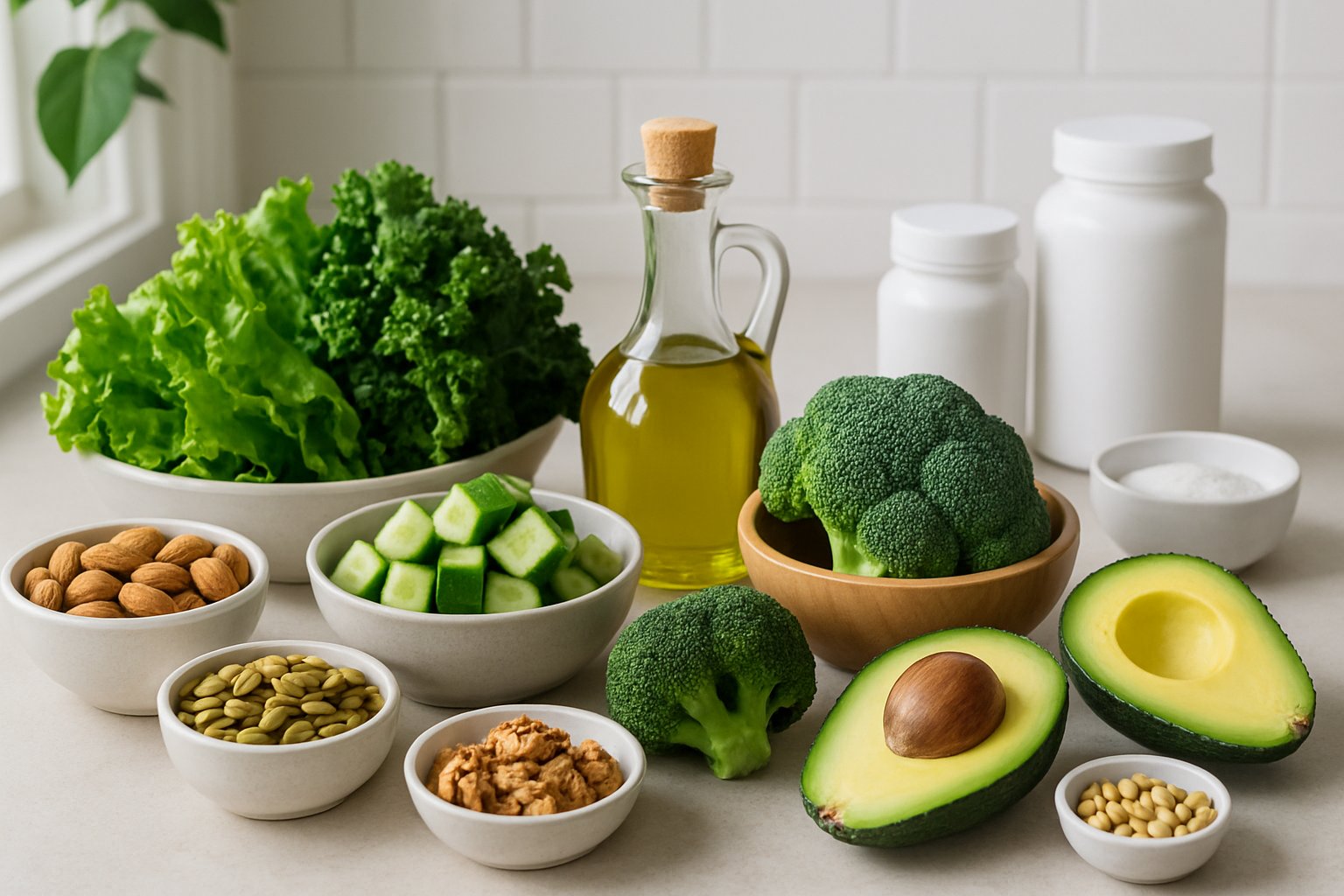
If you don’t have a gallbladder, you can still do keto—you just need to focus on foods that are gentle on your digestion. Go for fats that are easy to absorb, plus fiber-rich veggies and lean proteins for steady energy and nutrients.
Best Fat Sources for Easy Digestion
After gallbladder removal, bile flow is steady but less concentrated, so it’s best to stick with small servings of fats that are easy to digest. Medium-chain triglycerides (MCTs) in coconut oil and MCT oil are absorbed quickly and don’t really need bile to break down.
Grass-fed butter, ghee, and a bit of olive oil are usually pretty gentle if you use them sparingly. Heavy fats like big servings of cheese, nuts, or fatty meats might be harder to handle, so it’s smart to add them back in slowly.
Liquid fats tend to be easier on the liver than solid ones. Here’s a quick list of gentle fat options:
| Fat Source | Notes |
|---|---|
| Coconut oil | Contains easy-to-digest MCTs |
| Ghee | Clarified butter with less lactose |
| MCT oil | Quickly absorbed and supports ketosis |
| Olive oil | Heart-healthy monounsaturated fat |
| Avocado (small portions) | Provides fiber and potassium |
Keto-Friendly Vegetables and Fiber-Rich Foods
Vegetables are a good source of soluble fiber, which can slow digestion and help with fat absorption. Soft, non-cruciferous veggies like zucchini, spinach, and asparagus tend to go down easier at first.
Once you’re feeling more comfortable, you can try adding small amounts of broccoli, Brussels sprouts, or cauliflower. Soluble fiber from foods like pumpkin seeds, chia seeds, and flaxseeds forms a gentle gel in the gut, which helps with nutrient absorption.
Fiber can also help prevent loose stools when fat isn’t fully digested. To stay hydrated and keep digestion regular, pair veggies with electrolytes from leafy greens or celery.
Cooking veggies lightly—rather than eating them raw—can make them more comfortable to digest. That’s just something you pick up with experience.
This complete food guide to Keto Diet Vegetables: Discover the Top Low-Carb Choices for Ketosis will help you build safer meals.
Lean Protein and Meal Planning
Protein is important for muscle repair and metabolism, but it’s easier if it’s low in fat. Chicken breast, turkey, white fish, and egg whites are all solid choices that don’t demand much bile to digest.
Including a little salmon or tuna can add omega-3s, which are nice for the liver. Smaller, more frequent meals work better than big ones, as they’re less likely to overwhelm your digestion.
Each meal could have a lean protein, a spoonful or two of tolerated fats, and a serving of low-carb veggies. Baking, steaming, or grilling keeps things lighter and easier to digest than frying.
Some folks find digestive enzyme or ox bile supplements helpful, but it’s best to check with a doctor before starting those. They can make processing fats and proteins a bit smoother, especially if you’re dealing with bloating or discomfort.
For fast digestion-friendly meals, this guide on Keto Diet for Busy Professionals: Meal Hacks and Quick Workouts works extremely well post-surgery.
Supplements to Support Digestion on Keto
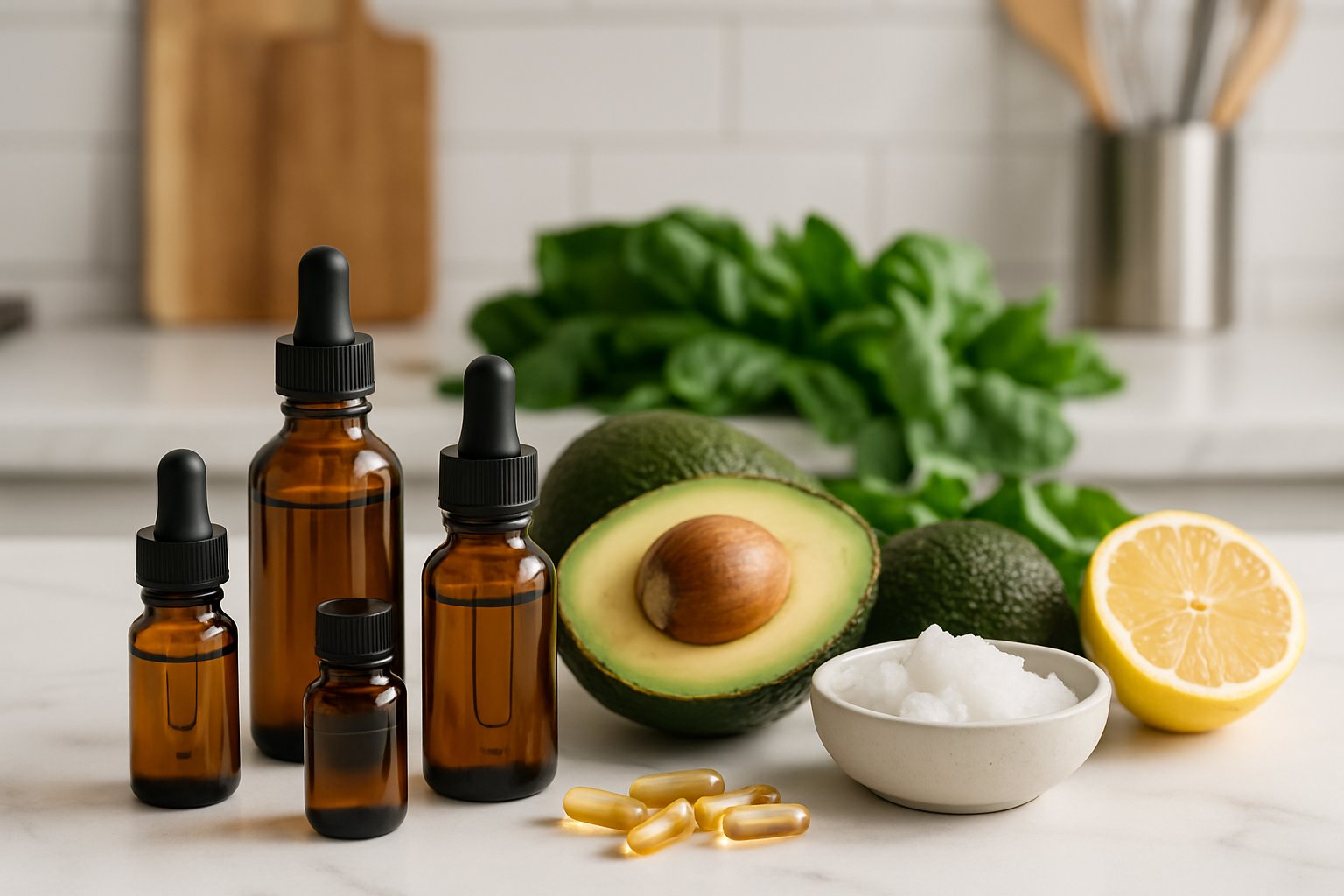
Without a gallbladder, the liver still makes bile, but it’s released in smaller, slower amounts. Supplements that boost or replace bile and digestive enzymes can really help break down fats, ease discomfort, and get more out of fat-soluble nutrients.
Getting the right combo of ox bile, lipase, and similar aids can make a high-fat keto diet way more manageable.
Ox Bile and Bile Acid Supplements
Ox bile and bile acid supplements step in for the concentrated bile that’s missing after gallbladder surgery. Bile acids break fats into smaller bits, making it easier for enzymes to finish the job.
For people on keto, these supplements can cut down on greasy stools, bloating, or just plain digestive upset. Most products offer 125–500 mg of ox bile per capsule, and the right dose depends on how much fat you’re eating.
Taking them at the start of a fatty meal is usually the way to go. Here’s a quick breakdown of their perks:
| Benefit | Description |
|---|---|
| Improved fat digestion | Helps emulsify fats for enzyme activity |
| Nutrient absorption | Aids in the uptake of vitamins A, D, E, and K |
| Reduced discomfort | May ease gas, bloating, or loose stool during high-fat meals |
It’s smart to check with a healthcare provider before starting these, especially if you have liver or digestive issues.
Many post-gallbladder keto users rely on ox bile digestive supplements for fat emulsification and symptom relief.
Digestive Enzymes and Lipase
Digestive enzymes give extra support for breaking down fats and nutrients, especially when you’re new to keto. Lipase is the main player for fats, turning triglycerides into stuff your body can actually use.
Most enzyme blends also toss in amylase for carbs and protease for proteins, so everything gets covered. Taking a full-spectrum enzyme about 10–15 minutes before meals can help prevent that overly full feeling or greasy stools.
Look for blends with strong lipase activity, ideally from plant or microbial sources—they’re often easier to absorb. Pairing enzymes with bile supplements is a classic combo: bile breaks up the fat, and lipase finishes the job.
A full-spectrum digestive enzyme with lipase for fat digestion on keto is often the fastest relief solution.
Supporting Nutrient Absorption
Without concentrated bile, soaking up fat-soluble vitamins (A, D, E, K) and other key nutrients gets tricky. Supplements that encourage bile flow or improve enzyme action can help with this.
Some folks use digestive bitters, lecithin, or phosphatidylcholine to nudge the liver into making more bile. If ox bile alone isn’t enough, these can be handy.
Using MCT oil is another good move, since it doesn’t really need bile for absorption and gives quick energy. Skipping out on fat-soluble vitamins for too long can lead to stuff like fatigue, vision issues, or weak bones.
Keeping up with digestive aids and the right vitamins makes sure your body actually uses what you eat.
If fatigue follows meals, this guide on Best Magnesium for Keto: Prevent Cramps, Improve Sleep & Recovery explains why mineral loss worsens digestion issues.
Managing Digestive Symptoms and Side Effects
People without a gallbladder often notice changes in digestion when they try a high-fat keto diet. Bile is released all the time now, not just when it’s needed, which can bring on loose stools, bloating, or trouble absorbing nutrients.
How you build your meals, stay hydrated, and get enough fiber can make a big difference in how you feel.
Preventing Diarrhea and Gastrointestinal Distress
After gallbladder removal, bile trickles into your intestines instead of coming in bursts. That steady flow can sometimes irritate your gut and cause keto diarrhea without a gallbladder.
Eating smaller, more frequent meals helps avoid dumping too much fat into your system at once. Medium-chain fats from coconut oil or MCT oil are easier to digest and put less pressure on your system.
Heavy meals full of long-chain fats—think fatty meats and cream—are best kept to a minimum. Some supplements, like ox bile and lipase, can help with fat breakdown and nutrient absorption, but you’ll want to talk to a doctor before using them regularly.
| Common Issues | Practical Solutions |
|---|---|
| Diarrhea | Eat smaller meals, use MCT oil, avoid fried or greasy foods |
| Bloating | Reduce fat portion sizes, eat slowly, try ox bile supplements |
| Indigestion | Include digestive enzymes, sip warm water between meals |
Tips for Reducing Digestive Discomfort
Digestive issues on keto without a gallbladder can show up as cramping, nausea, or feeling overly full. Adjusting how you spread out your fats during the day can help keep things manageable.
Adding a splash of lemon juice, apple cider vinegar, or a bit of ginger before meals might help your liver make more bile. Mixing fats with soluble fiber—from chia seeds, pumpkin, or cooked veggies—slows digestion and can help with stool consistency.
It’s better not to gulp lots of fluids right before or after eating, since that can dilute your digestive enzymes. Sipping water between meals is usually enough and helps prevent dehydration.
Hydration and Dietary Fiber Strategies
Getting hydration and fiber right can make digestion a lot smoother. Water supports bile production and keeps things moving, which helps avoid both constipation and diarrhea.
Soluble fiber from foods like avocado, flaxseed, or psyllium husk helps firm up stools and soaks up extra bile acids. Insoluble fiber, such as wheat bran, might be too harsh at first, so it’s worth holding off until your system settles.
Try to drink water throughout the day, but not with your meals, to keep digestion humming along. Electrolytes from mineral water, broth, or low-carb mixes can help balance things out during ketosis.
f dehydration worsens your symptoms, this guide on Keto Electrolyte Supplements: What to Take for Energy, Cramps & Hydration becomes essential.
Long-Term Health and Weight Loss Considerations

Staying healthy on keto after gallbladder removal means keeping an eye on nutrient absorption, digestion, and how you manage your weight. It’s not always straightforward—sometimes you need to tweak fat intake, try new supplements, or just change things up to feel your best.
Nutrient Deficiencies and Monitoring
Without a gallbladder, fat absorption isn’t as efficient. This can mean you’re not getting enough fat-soluble vitamins (A, D, E, and K) or essential fatty acids, which over time can cause issues like dry skin, bad night vision, or weaker bones.
Eating foods rich in these nutrients—fatty fish, eggs, dark leafy greens, fortified dairy alternatives—helps. Some people also do well with ox bile or digestive enzyme supplements to process fats and boost nutrient uptake.
Regular blood tests for vitamin D, iron, and fat-soluble vitamins can catch problems early. Doctors might also check liver function, since changes in bile flow can affect how your body processes food.
Keeping a simple symptom log—just notes on things like stool, energy, and digestion—can help you spot patterns and adjust as needed. It’s not fancy, but it works.
Weight Loss After Gallbladder Removal
Weight loss tends to slow down or get a bit unpredictable after gallbladder removal. Bile release turns steady instead of coming in strong bursts, which honestly makes high-fat keto meals a challenge to digest.
Some folks notice more bloating, diarrhea, or just feel wiped out. These can be signs that fat isn’t breaking down as it should.
One way to handle this is to eat smaller, more frequent meals and keep fat portions modest. Using medium-chain triglycerides (MCTs) from coconut oil or MCT oil can help since these fats are a lot easier for the body to absorb.
MCTs don’t need much bile, so they’re a bit of a shortcut. That’s a relief for anyone struggling with fatty foods.
Keeping calories in check and not going wild with protein still matter for fat loss. A food log can be handy to spot if weight plateaus are tied to eating too much fat or just not absorbing it well.
If your progress slows after surgery, this guide on Keto Weight Loss Plateau: Why You’re Stuck & How to Break It Fast provides safe solutions.
Alternate Diet Strategies if Keto Isn’t Tolerated
Not everyone does well with a high-fat diet after losing their gallbladder, and that’s totally normal. Some people feel better with modified low-carb or Mediterranean-style diets—think lean proteins, moderate healthy fats, and lots of veggies for fiber.
Dropping total fat to somewhere between 50–70 grams per day can ease the load on your digestion. It’s enough for energy but not so much that your system gets overwhelmed.
Adding in some complex carbs from lentils or quinoa might help with balance, and you don’t have to worry about knocking yourself out of ketosis overnight. If you’ve got gallstones or liver concerns, a dietitian can help shape a plan that keeps things moving smoothly.
Frequently Asked Questions
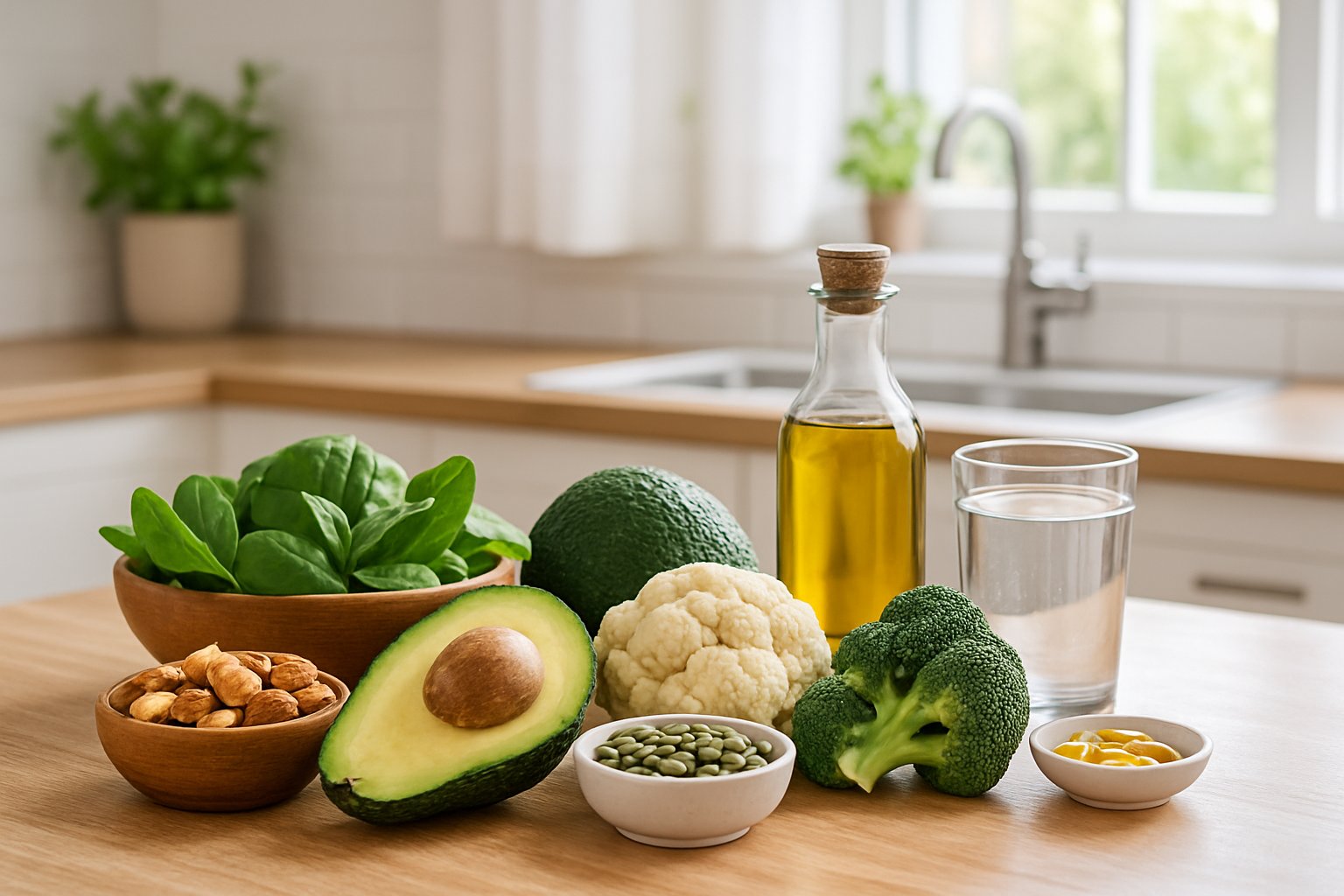
You can still do keto without a gallbladder, but it’s not as simple as just swapping out foods. Adjusting fat types, going slow, and supporting digestion can make a big difference.
How does the removal of the gallbladder impact the digestion of fats on a ketogenic diet?
Without a gallbladder, bile trickles out all the time instead of showing up in big amounts when you eat. That means the body struggles with big servings of fat, especially all at once.
If you push the fat too fast, you might get bloating, diarrhea, or even miss out on absorbing nutrients. Breaking meals up and keeping fat balanced helps most people feel better.
What dietary modifications should be considered for a keto dieter without a gallbladder?
Start keto slowly—cut carbs first, then gradually raise fats. Small, frequent meals give your liver a fighting chance to keep up with bile flow.
Pairing fats with soluble fiber—like chia seeds, flaxseeds, or leafy greens—can help keep digestion steady and reduce those greasy stools. Hydration between meals also helps things move along.
Are there specific supplements that support fat digestion for individuals on keto lacking a gallbladder?
Some folks swear by digestive enzymes or ox bile supplements to help break down fats. These mimic what your body used to do and can make a real difference in how you feel.
MCT oil is another go-to since it skips the usual bile process and gives quick energy. Just start with tiny amounts—too much, and your stomach will let you know.
Can you safely maintain a high-fat diet such as keto after gallbladder surgery?
It’s possible, but you’ll need to pay attention and make adjustments. Healthy fats are fine if you keep portions reasonable and support digestion.
If your stomach acts up, cut back on fat for a bit and talk to a healthcare provider. Honestly, a little flexibility goes a long way here.
Which types of fats are easier to digest on a keto diet without a gallbladder?
Medium-chain triglycerides (MCTs) in coconut oil and MCT oil are easier to handle than long-chain fats. They don’t need bile, so they’re usually tolerated well.
Butter and ghee also tend to go down easier. Fats from red meats, nuts, and eggs might be tougher right after surgery, so it’s smart to add those back slowly.
What are the best practices for introducing keto to someone without a gallbladder?
Track what you eat and how you feel, at least for a little while. Bring in higher-fat foods one at a time and keep the amounts small at first.
Stick with simple meals—lean proteins, MCT-based fats, and lots of fiber-rich veggies. Regular meal times and eating mindfully help keep things running smoothly, even if it takes some trial and error.
Conclusion
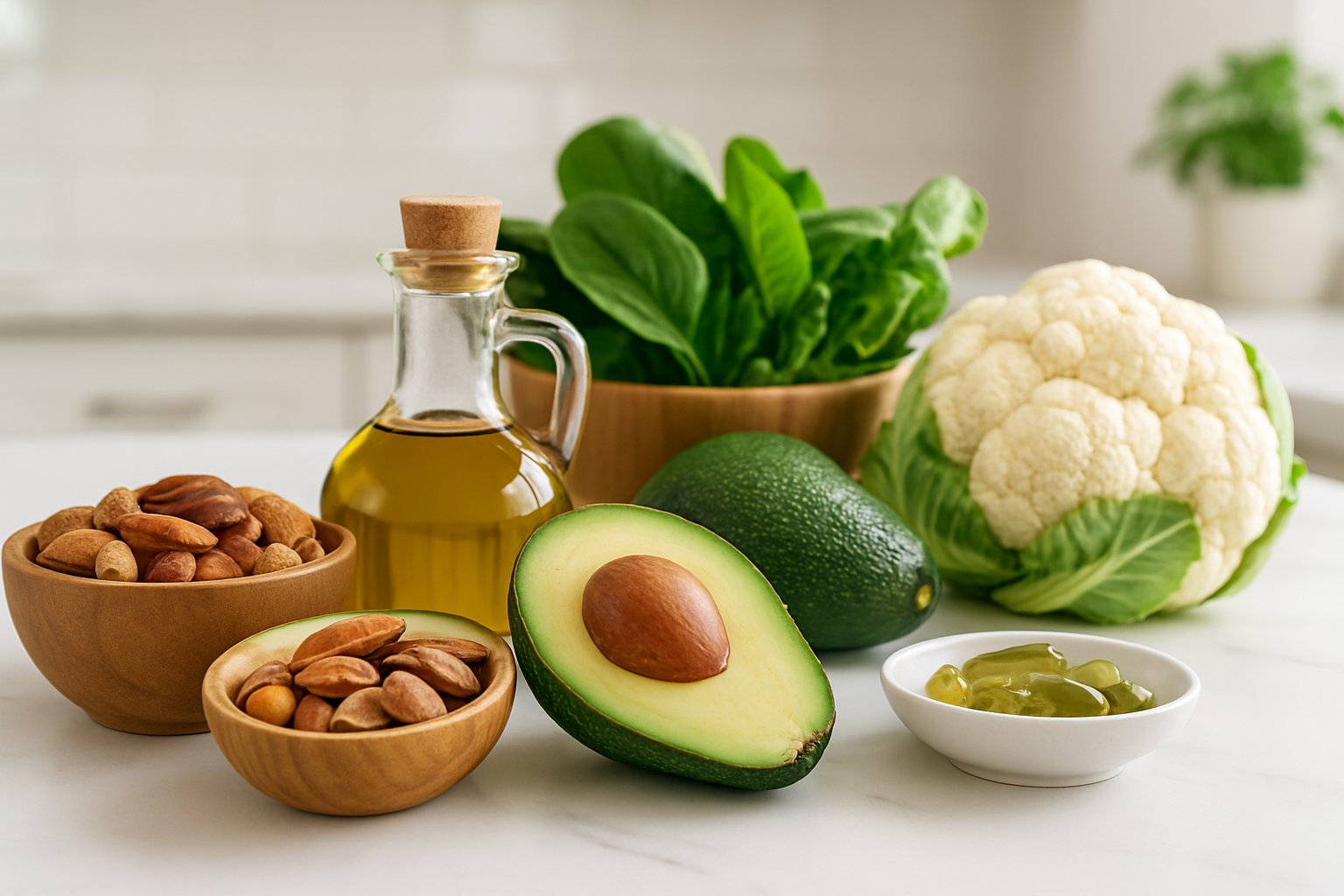
Living without a gallbladder means you’ll need to tweak how you approach keto. Since your body can’t store bile for fat digestion anymore, eating smaller meals more often—while keeping the fat moderate—can really help with comfort and absorption.
Choosing easier-to-digest fats makes a noticeable difference. Here’s a quick look at some options:
| Fat Type | Easier on Digestion | Harder to Digest |
|---|---|---|
| MCT oil | ✅ | ❌ |
| Coconut oil | ✅ | ❌ |
| Grass-fed butter | ✅ | ❌ |
| Fatty meats | ❌ | ✅ |
| Fried foods | ❌ | ✅ |
Some folks add digestive supplements for a little extra help. Things like ox bile or lipase enzymes can make it easier for your liver to handle fats.
Don’t forget about fiber-rich vegetables such as broccoli, Brussels sprouts, and cabbage. These support digestion, keep things moving, and help your body soak up nutrients.
It’s also smart to stay hydrated, but maybe sip between meals instead of during them—this keeps your digestive enzymes working at their best.
If digestion symptoms keep returning, a guided system like Keto Creator can help rebalance fats safely without triggering discomfort.